SHARE Knowledge Hub
Health, Welfare and Work Environment
Workplace welfare provides suitable toilets, washing, drinking water, rest and related facilities, while the work environment needs safe air, temperature, light, space and movement. Great Britain and Northern Ireland have separate workplace regulations. An industrial bakery must also assess oven-area heat stress and act when cooling, ventilation or recovery arrangements fail.
Understanding Health, Welfare and Work Environment
A healthy, safe and humane work environment is part of legal risk control, not an optional amenity.
Why this matters at work
Walk the workplace when it is actually busy, including early starts, nights, cleaning, deliveries, hot weather and maintenance. Identify who uses each area: employees, agency staff, visitors, drivers, contractors and people with disabilities or specific needs. Trace harm mechanisms, not only a list of defects: a blocked fire door delays escape, a wet floor causes loss of footing, a poorly ventilated room allows contaminants to accumulate, and inaccessible toilets can undermine dignity and health. Include likely injury or illness and existing preventive and recovery barriers.
The harm pathway is transfer of a hazardous substance from hands, workwear or surfaces to skin, mouth, food or home. Repeated wet work itself can cause irritant dermatitis, so provision should allow effective but skin-compatible cleaning and drying. Separate clean and contaminated clothing and eating areas where the assessment requires it. Design processes to avoid contact first; use enclosed transfer, tools and suitable gloves as supplements. A wash station does not make a leaking chemical process acceptable.
How organisations manage this in practice
Observe representative tasks and conditions rather than relying on one desk thermometer. Consider heat sources, air movement, radiant heat, humidity, work rate and protective clothing. Review ways to reduce heat or physical demand and make water, suitable rest and other assessed measures practically available. Consult workers, including those with particular needs, and seek competent advice where the exposure is complex. Record the assessment, control checks and response to deteriorating conditions. A general temperature statement does not determine the safety of every process or individual.
Review after incidents, sickness patterns, complaints, seasonal conditions, occupancy change, refurbishment, new process or changes in law. Consult workers and verify the control on all shifts. Use a facilities dashboard carefully: completion of a cleaning round does not prove that a toilet was stocked at the end of a busy shift.
Ask workers about access in practice. Facilities may exist on a plan yet be locked, too distant, out of supplies or unusable during peak occupancy. Review occupancy, layout, work clothing, contamination, mobility, temperature, task demands and shift pattern. Assess interactions: opening doors for fresh air may create a cold draught or vehicle conflict; PPE may raise heat stress; food storage near contaminated work may create ingestion risk. Use competent building, ventilation, occupational hygiene or occupational health advice when needed.
How can I practise this topic in 3D?


A welfare relocation would leave facilities unavailable
Fatigue, glare and poor welfare undermine a critical task
Welfare, skin care and clean breaks
All related inspection points 5 across 3 locations
Construction site 2 inspection points
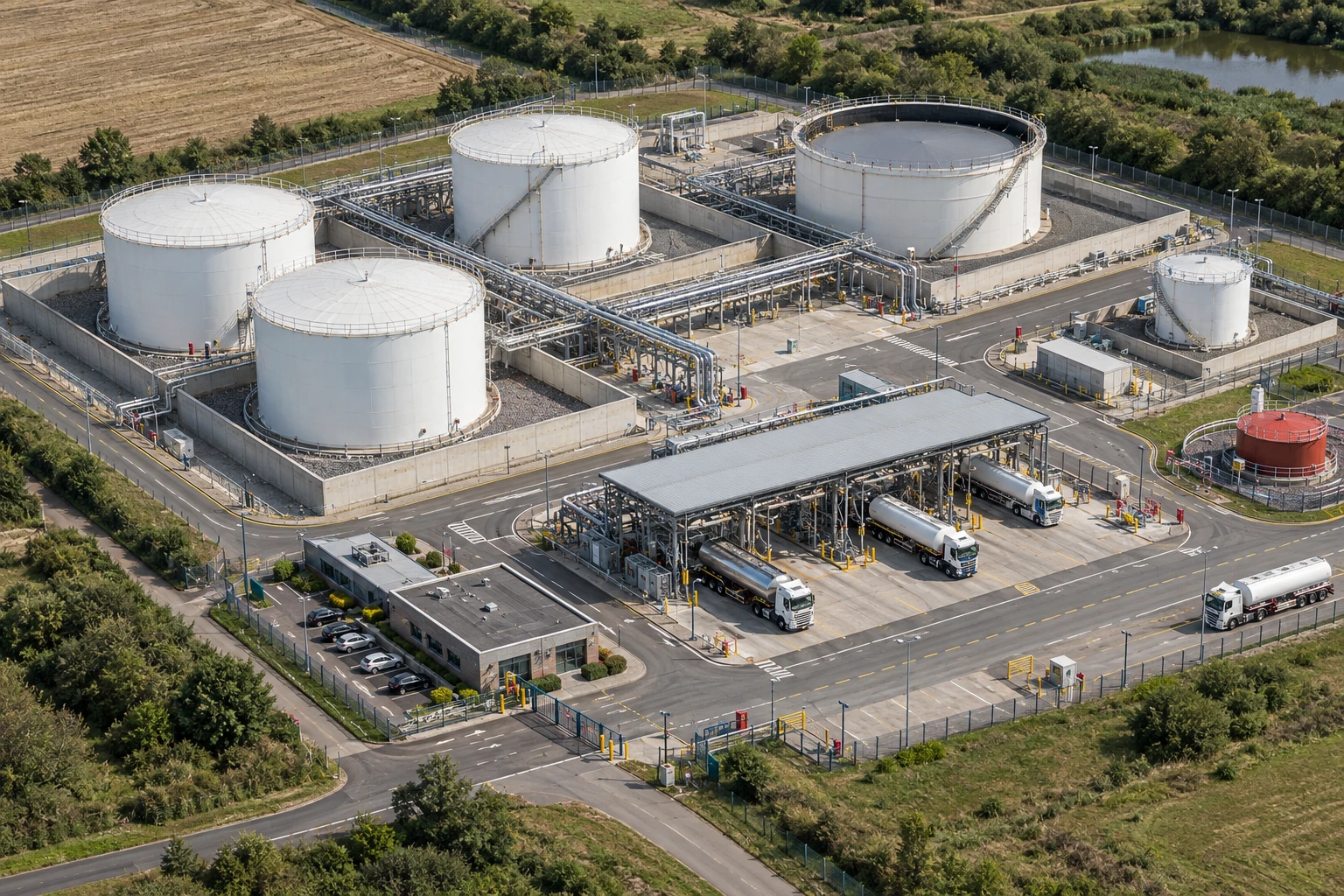
Crown Fuels terminal 2 inspection points
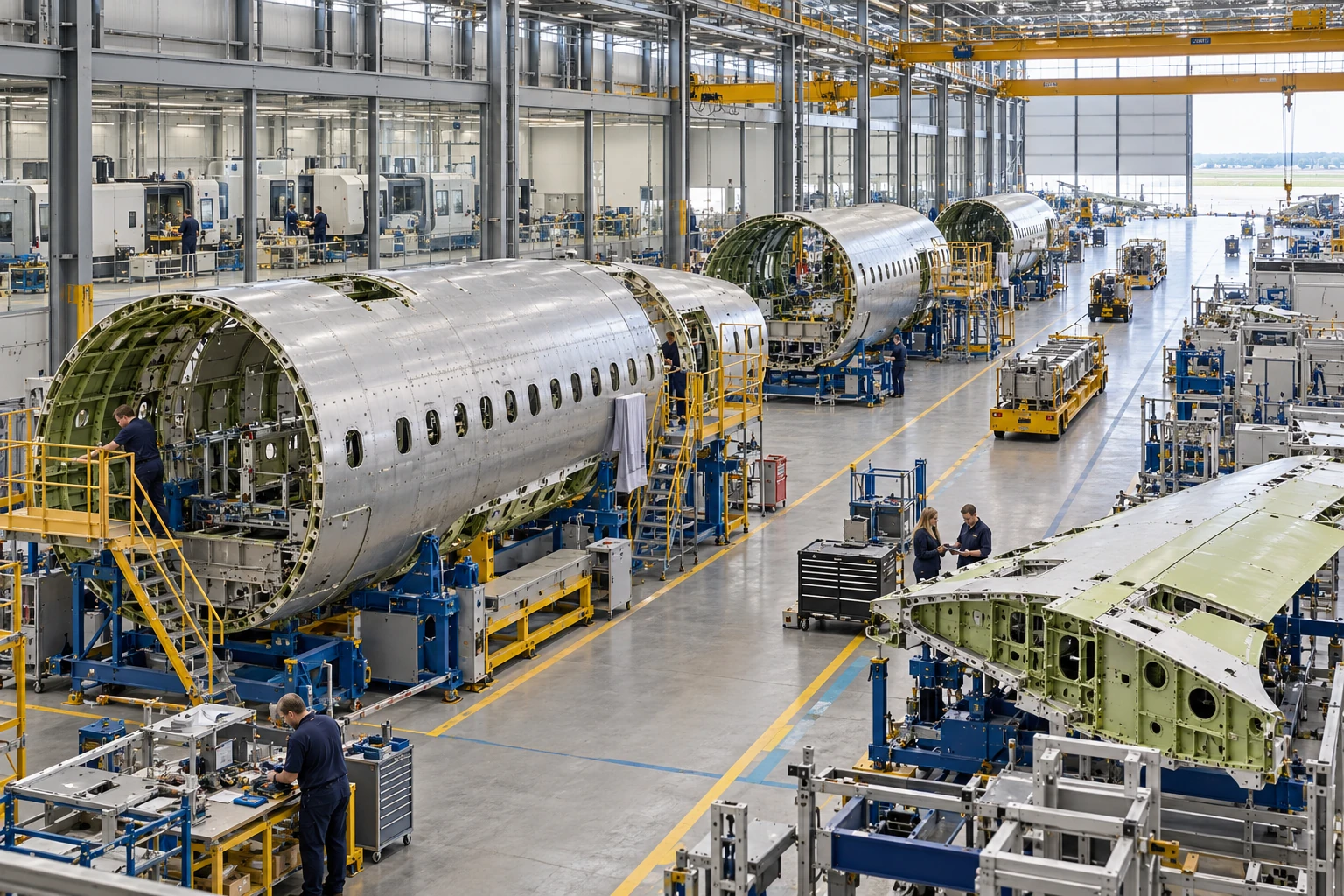
Aerosystems Engineering 1 inspection point
Practice in the SHAREhub environment. Browser practice is separate from workplace competence and formal learning records.
What are the key points for health, welfare and work environment?
Good welfare and environmental control starts with dignity, hygiene, safety, comfort, access and maintenance.
What are the key points for health, welfare and work environment? — part 1 of 2


Read the complete visual as text
- Good welfare and environmental control starts with dignity, hygiene,…: Good welfare and environmental control starts with dignity, hygiene, safety, comfort, access and maintenance.
- Welfare is a control: Washing facilities, rest areas and clean eating spaces help control contamination, fatigue and health risks.
- Environment affects performance: Poor lighting, ventilation, temperature and space can increase mistakes, stress and injury risk.
What are the key points for health, welfare and work environment? — part 2 of 2


Read the complete visual as text
- Temporary work still needs planning: Construction and remote work need welfare from the start, not after problems are raised.
- Maintenance matters: Facilities degrade quickly if ownership, cleaning, inspections and defect response are weak.
- Consult workers: People using the facilities know whether access, privacy, temperature, lighting and cleanliness work in practice.
Welfare is a control
Washing facilities, rest areas and clean eating spaces help control contamination, fatigue and health risks.
Environment affects performance
Poor lighting, ventilation, temperature and space can increase mistakes, stress and injury risk.
Temporary work still needs planning
Construction and remote work need welfare from the start, not after problems are raised.
Maintenance matters
Facilities degrade quickly if ownership, cleaning, inspections and defect response are weak.
Consult workers
People using the facilities know whether access, privacy, temperature, lighting and cleanliness work in practice.
What does health, welfare and work environment mean?
It means providing the basic workplace conditions that protect health, safety, hygiene, dignity and safe performance.
This topic is sometimes treated as low-level compliance, but the harm pathways are real. A dirty welfare unit can spread contamination. Poor washing facilities can worsen dermatitis and lead exposure. Poor ventilation can increase stale air, heat, odours and concentration problems. Poor lighting can increase slips, vehicle strikes and visual fatigue. Poor temperature control can affect decision-making and physical performance. Workplace (Health, Safety and Welfare) Regulations (NI) 1993
The best way to manage the topic is to ask whether a worker can do the job safely across a full shift, in realistic conditions, with access to clean facilities, drinking water, rest, suitable temperature, suitable lighting and maintained spaces. If the answer depends on workers coping, improvising or tolerating poor conditions, the arrangement is weak.
| Area | Why it matters | Common failure |
|---|---|---|
| Toilets and washing | Protect dignity, hygiene and contamination control. | Too few, dirty, inaccessible or not suitable for dirty work. HSE workplace facilities and welfare |
| Drinking water | Supports hydration and heat control. | Water is far from work areas or not replenished. HSE workplace facilities and welfare |
| Rest and eating | Supports recovery, fatigue control and hygiene. | People eat in contaminated or noisy areas. HSE workplace facilities and welfare |
| Ventilation | Provides fresh air and removes stale or humid air. | Enclosed rooms become stuffy or hot. HSE workplace facilities and welfare |
| Lighting | Supports visibility, accuracy and safe movement. | Glare, shadows, flicker or poor yard lighting. HSE workplace facilities and welfare |
| Temperature | Supports comfort and safe performance. | Heat/cold stress ignored because there is no maximum legal temperature. HSE workplace facilities and welfare |
What welfare facilities should be provided?
An illustrative welfare-capacity check
For an ordinary GB mixed-use workplace with 18 people present together, HSE’s 6–25 starting band is two toilets and two washbasins. Check maximum simultaneous occupancy, shift overlap, queues, accessibility, public use and cleaning: the local assessment may need more. Loss of one facility requires a workable alternative or restriction of affected work. Construction and chemical-toilet planning have separate considerations. Provide suitable pregnancy rest, including lying down where needed, and a hygienic private breastfeeding/expression arrangement that is not a toilet.
HSE: Welfare facilities for workers · HSE: Rest and breastfeeding at work
Welfare facilities should be suitable, sufficient, accessible, clean, ventilated, private where needed and maintained.
The exact provision depends on the workplace, number of people, sex and needs of workers, work pattern, contamination risks, remote work, visitors and contractors. The core question is not whether a facility exists somewhere on site; it is whether people can use it safely and easily when they need it. HSE workplace facilities and welfare Workplace (Health, Safety and Welfare) Regulations (NI) 1993
Washing provision needs to fit the work. Office hand basins are not enough for workers exposed to cement, lead, biological agents, oils, sharps, sewage, animal material or heavy contamination. Dirty work may require showers, separate clean/dirty storage, larger basins and clear separation from eating areas.
| Facility | What good looks like | Extra considerations |
|---|---|---|
| Toilets | Adequate number, clean, ventilated, lit, lockable and stocked. | Temporary sites may need servicing frequency checked, not just quantity. HSE workplace facilities and welfare |
| Washing | Hot/warm and cold water, soap, drying and basins suitable for hands, face and forearms where needed. | Separate from eating areas where hazardous substances can contaminate hands. HSE workplace facilities and welfare |
| Drinking water | Clean, accessible, clearly marked and enough for hot work or outdoor work. | Workers in PPE or remote areas may need planned access. HSE workplace facilities and welfare |
| Clothing/changing | Storage for personal/work clothing and changing where special clothing is worn. | Drying areas may be needed for wet outdoor or dirty work. HSE workplace facilities and welfare |
| Rest/eating | Clean, warm enough, seated and away from contamination. | Shift workers need access outside normal canteen hours. HSE workplace facilities and welfare |
| Pregnant/nursing rest | Suitable rest facilities where required. | Privacy and dignity matter. HSE workplace facilities and welfare |
What makes the work environment healthy and safe?
The work environment should support safe movement, concentration, hygiene, communication, task performance and emergency response.
Environmental standards are not separate from risk assessment. A warehouse with poor lighting may increase vehicle-pedestrian risk. A crowded workshop may increase manual handling and fire load problems. A badly ventilated changing room may increase odour, damp and dissatisfaction. A hot kitchen or foundry area needs heat-stress thinking, not only comfort complaints. Workplace (Health, Safety and Welfare) Regulations (NI) 1993
The environment should be checked across the whole working pattern: start-up, night work, cleaning, breakdown, visitors, seasonal weather, high occupancy and temporary changes. Many failures appear only outside the neat office-hours inspection.
| Environment issue | Control expectation | Evidence |
|---|---|---|
| Cleanliness | Routine cleaning matched to use and contamination. | Cleaning schedule, inspection and complaints log. HSE workplace facilities and welfare |
| Floors and routes | Free from obstruction, slip risks and unsafe changes in level. | Inspection records and defect closure. HSE workplace facilities and welfare |
| Space | Enough room to move, work and store materials safely. | Layout review and workstation assessment. HSE workplace facilities and welfare |
| Maintenance | Buildings, fittings and equipment kept safe and efficient. | Defect log and maintenance completion. HSE workplace facilities and welfare |
| Windows and transparent surfaces | Safe material, markings and safe cleaning access. | Inspection and glazing assessment. HSE workplace facilities and welfare |
| Outdoor work | Weather, sun, heat, cold, access and welfare planned. | Outdoor work assessment and welfare plan. HSE workplace facilities and welfare |
How should ventilation be managed?
Ventilation should provide sufficient fresh or purified air and be reviewed where rooms feel stale, hot, humid, odorous or crowded.
General workplace ventilation is about fresh air and comfort. It is different from local exhaust ventilation used to capture hazardous substances such as welding fume, wood dust or silica. If the issue is a harmful substance, COSHH and LEV guidance are needed as well. HSE workplace facilities and welfare Workplace (Health, Safety and Welfare) Regulations (NI) 1993
A competent approach considers natural ventilation, mechanical ventilation, occupancy, room layout, heat sources, humidity, maintenance and worker feedback. Carbon dioxide monitoring can help identify poor ventilation in some settings, but it is not a full exposure assessment for hazardous substances.
| Situation | Likely issue | Good response |
|---|---|---|
| Small meeting room | High occupancy and stale air. | Review fresh air, occupancy, breaks and CO2 readings where suitable. HSE workplace facilities and welfare |
| Changing room | Humidity and odour. | Improve mechanical extract and cleaning. HSE workplace facilities and welfare |
| Workshop with dust or fume | Hazardous airborne contaminant. | Use COSHH assessment and LEV, not just open windows. HSE workplace facilities and welfare |
| Leisure reception | Comfort, odour and public interface. | Balance fresh air, temperature and customer flow. HSE workplace facilities and welfare |
| Plant room | Heat and combustion or process risks. | Check ventilation, access control and specialist engineering needs. HSE workplace facilities and welfare |
How should workplace temperature and thermal comfort be managed?
Temperature should be assessed using work rate, clothing, PPE, humidity, radiant heat, air movement and worker feedback.
The familiar numbers, 16 degrees Celsius and 13 degrees Celsius for strenuous work, are useful starting points for indoor minimum temperature guidance. They are not the whole answer. The risk is shaped by the work being done, PPE, metabolic rate, radiant heat, air movement and whether workers can recover. HSE workplace temperature law HSENI temperature and work
High temperatures can come from weather, kitchens, laundries, bakeries, plant rooms, foundries, boiler rooms, outdoor work and PPE. Cold risks can arise in chilled food areas, outdoor work, roadside recovery, marine work, poorly heated spaces and wet clothing. Both can affect concentration, manual skill, judgement, fatigue and health.
| Risk | Possible harm | Control approach |
|---|---|---|
| General cold office | Discomfort, distraction and reduced dexterity. | Heating, local controls, maintenance and worker feedback. HSE workplace temperature law |
| Outdoor winter work | Cold stress, slips, poor dexterity and fatigue. | Weather planning, warm breaks, clothing, rotation and welfare. HSE workplace temperature law |
| Hot kitchen or bakery | Heat stress, dehydration and reduced concentration. | Ventilation, work rate control, breaks, water and heat-stress assessment. HSE workplace temperature law |
| PPE-heavy task | Restricted sweating and increased body heat. | Shorter durations, cool rest, hydration and permit limits where relevant. HSE workplace temperature law |
| Vehicle cab or mobile work | Heat/cold exposure away from fixed facilities. | Cab controls, route planning and welfare access. HSE workplace temperature law |
HSE describes 16 °C, or 13 °C for strenuous work, as Approved Code of Practice guidance for indoor workplaces, not an absolute temperature statute. There is no legal maximum. In a bakery, assess radiant oven heat, work rate, humidity, clothing, water and recovery rather than treating a single reading as permission to continue. HSE workplace temperature law HSE heat stress
How should lighting be managed?
Lighting should be suitable for the task, route, vehicle movement, emergency use and the people doing the work.
Good lighting is not simply brightness. The task may need colour recognition, contrast, reduced glare, gradual transitions between light levels, emergency lighting or strong yard lighting without dazzling drivers. Workplace (Health, Safety and Welfare) Regulations (NI) 1993
Poor lighting can cause errors, headaches, eye strain, trips and vehicle incidents. It can also undermine security and emergency response. Lighting should be checked when the workplace is actually in use, including night shifts, winter afternoons, vehicle loading and temporary changes.
| Area | Important detail | Evidence |
|---|---|---|
| Pedestrian routes | Enough light to see steps, ramps, obstructions and wet areas. | Route inspection at operating times. HSE workplace facilities and welfare |
| Vehicle yards | Avoid glare, shadows and sudden light changes. | Transport risk assessment and lighting inspection. HSE workplace facilities and welfare |
| Close work | Task lighting, colour rendering and reduced flicker. | Task assessment and worker feedback. HSE workplace facilities and welfare |
| Screens | Avoid glare and reflections. | DSE assessment and workstation review. HSE workplace facilities and welfare |
| Emergency routes | Emergency lighting maintained and tested. | Test records and defect log. HSE workplace facilities and welfare |
How should workstations, seating and space be assessed?
Workstations and seating should fit the task, support posture, allow movement and avoid cramped or awkward work.
Seating is not just an office issue. Workers at production lines, inspection benches, reception desks, laboratories, control rooms and vehicle cabs may need seating, footrests, reach distances, viewing angles and task rotation considered. Workplace (Health, Safety and Welfare) Regulations (NI) 1993
Working space should allow people to move, handle materials, use tools, reach controls and escape in an emergency. A layout that only works when everything is tidy is not robust enough for real work.
| Check | Good practice | Common weakness |
|---|---|---|
| Seating | Stable, suitable, supportive and adjustable where needed. | No seating where work could reasonably be done seated. HSE workplace facilities and welfare |
| Reach | Frequently used items within comfortable reach. | Workers twist or overreach all shift. HSE workplace facilities and welfare |
| Space | Enough room for task, storage and movement. | Crowding, trip hazards and blocked escape routes. HSE workplace facilities and welfare |
| DSE | Display screen equipment assessed where applicable. | Home or hybrid work ignored. HSE workplace facilities and welfare |
| Manual tasks | Work height, handling distance and mechanical aids considered. | Welfare page treated separately from ergonomic risk. HSE workplace facilities and welfare |
How should welfare be managed on construction and temporary sites?
Construction welfare should be planned early and available from the start of the work until the project finishes.
Temporary work does not mean temporary standards. Toilets, washing, drinking water, changing, rest and eating arrangements should be included in project planning, contractor mobilisation and site inspection. HSE construction welfare Construction (Design and Management) Regulations (NI) 2016
Where workers are remote, mobile or in short-duration work, the solution may be a welfare van, satellite welfare unit, agreed access to existing facilities or a mobile compound. The arrangement must still be practical, available, clean and matched to the risk, including hazardous substances and dirty work.
| Scenario | What can go wrong | Better arrangement |
|---|---|---|
| Short utility repair | Workers rely on public toilets that are closed or too far away. | Agreed welfare access or mobile welfare unit. HSE construction welfare |
| Demolition | Contaminated work with inadequate washing. | Hot/warm water, large basins, showers if needed and clean/dirty separation. HSE construction welfare |
| Small building site | Chemical toilet serviced too infrequently. | Planned servicing, consumables and daily checks. HSE construction welfare |
| Remote works | Drinking water and rest unavailable during bad weather. | Mobile welfare, water supply and warm/cool rest area. HSE construction welfare |
| Client-led project | Welfare left to contractor after mobilisation. | Client checks arrangements during planning and pre-start. HSE construction welfare |
How does welfare apply across different sectors and working patterns?
The same welfare duties need different practical arrangements depending on the work, location, shift pattern and people affected.
Sector and working pattern welfare examples — part 1 of 2


Read the complete visual as text
- Construction and refurbishment: Typical welfare challenge: Temporary welfare may lag behind mobilisation, especially for short projects or internal refurbishment where client toilets are unsuitable. Good management response: Plan welfare before work starts, confirm CDM Schedule 2 provision, agree client access only where suitable and check cleaning and servicing.
- Mobile workers and drivers: Typical welfare challenge: People may avoid drinking because toilet access is uncertain or routes are tightly planned. Good management response: Build welfare stops into route planning, brief drivers on usable facilities and review missed-break reports.
- Lone or remote sites: Typical welfare challenge: Workers may have no practical rest, water, washing or emergency welfare support. Good management response: Use mobile welfare, agreed facilities, supervisor check-ins and clear escalation if facilities fail.
- Warehouses and logistics: Typical welfare challenge: Toilets, water and rest areas may be too far from picking, loading or yard areas. Good management response: Map walking distances, shift peaks, yard work and contractor access; add satellite provision where needed.
Sector and working pattern welfare examples — part 2 of 2


Read the complete visual as text
- Workshops and maintenance areas: Typical welfare challenge: Oil, dust, chemicals or metalworking fluids can contaminate hands and clothing. Good management response: Provide suitable washing, skin care, clean/dirty separation, changing and no-eating rules in contaminated areas.
- Offices and hybrid work: Typical welfare challenge: DSE, ventilation, lighting, temperature, drinking water and rest are still relevant. Good management response: Use DSE assessment, facilities checks, home-working guidance and worker feedback.
- Contractors and agency staff: Typical welfare challenge: Welfare may exist but be practically unavailable or culturally discouraged for non-employees. Good management response: Include welfare access in contractor rules, induction, supervision and client or principal contractor checks.
- Night and weekend shifts: Typical welfare challenge: Canteens, cleaning, security access or maintenance support may be unavailable. Good management response: Check the workplace when those shifts operate and provide equivalent welfare standards.
A good welfare review looks beyond the head office and asks where people actually work. Facilities may be obvious for office staff but weak for mobile engineers, contractors, delivery drivers, night workers, small refurbishment teams, lone sites or warehouse staff working at the far end of a large building. HSE heat stress Workplace (Health, Safety and Welfare) Regulations (NI) 1993
The test is practical access. Can people use toilets, wash, drink, rest, eat and recover without leaving the job uncontrolled, contaminating food, losing dignity or creating fatigue? If the answer changes by shift, weather, contractor status or temporary layout, the welfare plan needs to reflect that.
| Work setting | Typical welfare challenge | Good management response |
|---|---|---|
| Construction and refurbishment | Temporary welfare may lag behind mobilisation, especially for short projects or internal refurbishment where client toilets are unsuitable. | Plan welfare before work starts, confirm CDM Schedule 2 provision, agree client access only where suitable and check cleaning and servicing. HSE construction welfare |
| Mobile workers and drivers | People may avoid drinking because toilet access is uncertain or routes are tightly planned. | Build welfare stops into route planning, brief drivers on usable facilities and review missed-break reports. HSE visiting driver welfare access |
| Lone or remote sites | Workers may have no practical rest, water, washing or emergency welfare support. | Use mobile welfare, agreed facilities, supervisor check-ins and clear escalation if facilities fail. HSE workplace facilities and welfare |
| Warehouses and logistics | Toilets, water and rest areas may be too far from picking, loading or yard areas. | Map walking distances, shift peaks, yard work and contractor access; add satellite provision where needed. HSE workplace facilities and welfare |
| Workshops and maintenance areas | Oil, dust, chemicals or metalworking fluids can contaminate hands and clothing. | Provide suitable washing, skin care, clean/dirty separation, changing and no-eating rules in contaminated areas. HSE workplace facilities and welfare |
| Offices and hybrid work | DSE, ventilation, lighting, temperature, drinking water and rest are still relevant. | Use DSE assessment, facilities checks, home-working guidance and worker feedback. HSE workplace temperature law |
| Contractors and agency staff | Welfare may exist but be practically unavailable or culturally discouraged for non-employees. | Include welfare access in contractor rules, induction, supervision and client or principal contractor checks. HSE workplace facilities and welfare |
| Night and weekend shifts | Canteens, cleaning, security access or maintenance support may be unavailable. | Check the workplace when those shifts operate and provide equivalent welfare standards. HSE workplace facilities and welfare |
What should happen when welfare facilities are poor or unavailable?
A welfare failure response should trigger immediate management action because poor facilities can affect hygiene, dignity, contamination control, fatigue and safe performance.
Welfare failures are often treated as irritations, but they can become serious quickly. No washing facilities after cement work can worsen skin burns and dermatitis. No clean eating area can create ingestion risk where hands or clothing are contaminated. No toilet access can lead workers to avoid drinking, increasing heat and fatigue risks. Poor contractor welfare can also indicate weak client or principal contractor control. HSE workplace facilities and welfare Workplace (Health, Safety and Welfare) Regulations (NI) 1993
The response should match the risk. Some issues can be fixed through same-day cleaning, restocking or maintenance. Others may require work to pause or be resequenced until suitable facilities are available, especially where dirty work, hazardous substances, remote work, heat, cold or vulnerable workers are involved.
| Failure | Why it matters | Management response |
|---|---|---|
| No washing after dirty or chemical work | Contamination, dermatitis, ingestion and eye/skin risks increase. | Pause or restrict affected work, provide suitable washing and review COSHH/welfare arrangements. HSE workplace facilities and welfare |
| Toilets unavailable for drivers or contractors | People may avoid drinking, lose dignity or leave site controls to find facilities. | Provide safe access, update contractor/driver rules and verify availability during operating hours. HSE workplace facilities and welfare |
| Rest area used for storage | People eat in unsuitable areas or skip breaks. | Clear the area, assign ownership and include rest spaces in inspections. HSE workplace facilities and welfare |
| Remote site welfare not delivered | Workers may have no shelter, water, toilets or recovery space. | Do not start or continue work until a suitable temporary arrangement is in place. HSE workplace facilities and welfare |
| Night shift cannot access facilities | Welfare is unequal and fatigue/hydration problems can increase. | Check access codes, security arrangements, cleaning times and catering/water provision. HSE workplace facilities and welfare |
| Facilities repeatedly fail inspection | The issue is systemic, not a one-off defect. | Escalate to management review, supplier review, budget decision or project stop point. HSE workplace facilities and welfare |
How should workplace welfare and environment be inspected?
Inspection should test real conditions, not only whether facilities exist on a drawing or register.
Use a mixture of planned checks, worker feedback, supervisor observations and defect close-out. Check different shifts, peak usage times, weather conditions and temporary layouts. HSE workplace facilities and welfare Workplace (Health, Safety and Welfare) Regulations (NI) 1993
A good inspection records the standard, the condition found, the risk, the owner, the action, the due date and verification evidence. Photographs can help, but they should support a clear action rather than replace judgement.
| Field | Why it matters | Example |
|---|---|---|
| Facility or area | Identifies what was checked. | Main changing room, site compound, north yard lighting. HSE workplace facilities and welfare |
| Standard expected | Makes judgement consistent. | Hot/warm water available and soap stocked. HSE workplace facilities and welfare |
| Condition found | Records the actual issue. | Hand-dryer failed and towels absent. HSE workplace facilities and welfare |
| Risk rating | Prioritises action by harm and exposure. | High where cement workers cannot wash properly. HSE workplace facilities and welfare |
| Owner and due date | Prevents drift. | Facilities manager by Friday. HSE workplace facilities and welfare |
| Verification | Confirms fix works. | Reinspection and worker feedback. HSE workplace facilities and welfare |
Which GB and NI welfare duties apply?
Workplace and construction welfare duties have separate GB and Northern Ireland instruments.
Select the site jurisdiction, then test the actual rooms, facilities, task and people. Workplace temperature duties call for reasonable conditions; the HSE ACOP’s 16 °C and 13 °C guidance is not an absolute legal minimum or a universal safe target, and there is no single statutory maximum temperature. Workplace (Health, Safety and Welfare) Regulations 1992 Workplace (Health, Safety and Welfare) Regulations (NI) 1993 HSE workplace temperature law
| Decision | Great Britain | Northern Ireland |
|---|---|---|
| Ordinary workplace welfare | Workplace Regulations 1992 Instrument | Workplace Regulations (NI) 1993 Instrument |
| Construction welfare | CDM Regulations 2015 Instrument | CDM Regulations (NI) 2016 Instrument |
| General assessment | Management Regulations 1999 Instrument | Management Regulations (NI) 2000 Instrument |
Accessible welfare and reasonable adjustments must also be considered. The Equality Act 2010 is the GB equality-law route; it does not apply in Northern Ireland, where separate disability discrimination law applies. Equality Act 2010 Equality Commission NI equality laws
How can the hierarchy of controls reduce health risks from poor welfare and workplace conditions?
Heat illness at the oven
Stop the hazardous task and obtain first-aid help for heat symptoms. Confusion, poor coordination, collapse or suspected heatstroke means call 999 now and cool safely while help comes. A temperature reading or manager permission must not delay help. Heat-exhaustion recovery that has not improved after 30 minutes of cool rest, cooling and safe fluids also needs 999.
ERICPD is used here as a planning mnemonic. The linked HSE five-level hierarchy is the official source for the order and relative reliability of controls; the two labels are not identical.
ERICPD and the five-level hierarchy help test the real exposure or impact path, with physical controls before procedures and residual PPE.
How do the two control hierarchies change the task decision? — part 1 of 2


Read the complete visual as text
- ERICPD is used here as a planning mnemonic. The…: ERICPD is used here as a planning mnemonic. The linked HSE five-level hierarchy is the official source for the order and relative reliability of controls; the two labels are not identical.
- ERICPD and the five-level hierarchy help test the real…: ERICPD and the five-level hierarchy help test the real exposure or impact path, with physical controls before procedures and residual PPE.
How do the two control hierarchies change the task decision? — part 2 of 2


Read the complete visual as text
- In an industrial bakery, oven heat plus physical work…: In an industrial bakery, oven heat plus physical work and clothing can cause heat stress, fatigue and collapse. The facilities manager and supervisor must assess exposure where people work, reduce the heat load and arrange cool recovery; a posted temperature alone is not an adequate control. HSE heat stress
- ERICPD means Eliminate, Reduce, Isolate, Control, PPE and Discipline.…: ERICPD means Eliminate, Reduce, Isolate, Control, PPE and Discipline. The HSE five-level order is elimination, substitution, engineering, administration and PPE. Isolate normally maps to engineering; Control may be physical or procedural; Discipline means sustaining a control, not blaming a worker. HSE five-level hierarchy HSE five-level hierarchy
In an industrial bakery, oven heat plus physical work and clothing can cause heat stress, fatigue and collapse. The facilities manager and supervisor must assess exposure where people work, reduce the heat load and arrange cool recovery; a posted temperature alone is not an adequate control. HSE heat stress
ERICPD means Eliminate, Reduce, Isolate, Control, PPE and Discipline. The HSE five-level order is elimination, substitution, engineering, administration and PPE. Isolate normally maps to engineering; Control may be physical or procedural; Discipline means sustaining a control, not blaming a worker. HSE five-level hierarchy HSE five-level hierarchy
How can the ERICPD hierarchy of controls reduce health risks from poor welfare and workplace conditions?

| ERICPD stage | HSE level | Task intervention | Owner and evidence | Failure or stop point |
|---|---|---|---|---|
| Eliminate | Elimination | Redesign the process so workers do not stand beside an open oven for routine loading. | Process designer tests throughput and access. | Unverified layout: hold change. HSE heat stress |
| Reduce / substitute | Substitution | Test lower-heat baking or automated loading where product and food-safety needs permit. | Engineering lead records trade-offs. | Do not claim reduction without measured trial. HSE heat stress |
| Isolate | Engineering | Enclose radiant oven surfaces and separate the hot zone from other workers. | Maintainer inspects barrier at operating load. | Damaged enclosure: stop affected task. HSE heat stress |
| Control: physical | Engineering | Provide suitable local heat extraction and cool air or recovery space, without spreading contaminants. | Facilities lead measures and tests in work conditions. | Failed ventilation: reduce or stop exposure. HSE heat stress |
| Control: method | Administrative | Limit time in hot zone, rotate work and provide accessible cool drinking water and rest. | Supervisor checks actual work and symptoms. | Heat-stress symptoms: stop and seek help. HSE heat stress |
| PPE | PPE | Select heat-protective clothing only for residual contact/radiant risk; account for its added heat burden. | Competent assessor tests suitability and condition. | PPE cannot replace cooling. HSE heat stress |
| Discipline | Sustains controls | Maintain ventilation, consult workers and review heat events or changed production rate. | Manager checks action and field effectiveness. | Recurring symptoms: redesign. HSE heat stress |
How can the ISO 45001 hierarchy of controls reduce health risks from poor welfare and workplace conditions?

| ERICPD stage | HSE level | Task intervention | Owner and evidence | Failure or stop point |
|---|---|---|---|---|
| Eliminate | Elimination | Redesign the process so workers do not stand beside an open oven for routine loading. | Process designer tests throughput and access. | Unverified layout: hold change. HSE heat stress |
| Reduce / substitute | Substitution | Test lower-heat baking or automated loading where product and food-safety needs permit. | Engineering lead records trade-offs. | Do not claim reduction without measured trial. HSE heat stress |
| Isolate | Engineering | Enclose radiant oven surfaces and separate the hot zone from other workers. | Maintainer inspects barrier at operating load. | Damaged enclosure: stop affected task. HSE heat stress |
| Control: physical | Engineering | Provide suitable local heat extraction and cool air or recovery space, without spreading contaminants. | Facilities lead measures and tests in work conditions. | Failed ventilation: reduce or stop exposure. HSE heat stress |
| Control: method | Administrative | Limit time in hot zone, rotate work and provide accessible cool drinking water and rest. | Supervisor checks actual work and symptoms. | Heat-stress symptoms: stop and seek help. HSE heat stress |
| PPE | PPE | Select heat-protective clothing only for residual contact/radiant risk; account for its added heat burden. | Competent assessor tests suitability and condition. | PPE cannot replace cooling. HSE heat stress |
| Discipline | Sustains controls | Maintain ventilation, consult workers and review heat events or changed production rate. | Manager checks action and field effectiveness. | Recurring symptoms: redesign. HSE heat stress |
How should management verify controls for this task?
For industrial bakery oven-area heat, the management check should start with a real control decision: Redesign the process so workers do not stand beside an open oven for routine loading. Name the person who will test it, keep evidence from the actual work, and reopen the assessment when the failure condition in the hierarchy table occurs. HSE management-system guidance.
A review should compare the planned control with what workers and supervisors can use in practice. Record the defect, owner, interim protection, verification and next review trigger so that a policy statement or certificate does not stand in for a working control.
Do UK nation differences need to be checked?
Northern Ireland has its own Workplace Regulations 1993 and CDM Regulations 2016; use those for NI premises and construction work.
| Situation | Default source | Additional check |
|---|---|---|
| Great Britain ordinary workplace | HSE and legislation.gov.uk. | Sector-specific HSE guidance where needed. HSE workplace facilities and welfare |
| Northern Ireland workplace | Apply Workplace Regulations (NI) 1993 and relevant NI construction law; check local enforcement. | Use direct NI instrument and HSENI welfare guidance. NI guidance |
| Construction site | HSE construction welfare and CDM guidance. | Client/contractor duties and Schedule 2 welfare. HSE workplace facilities and welfare |
| Public venue or leisure premises | Workplace welfare plus fire/building/public health sources. | Local authority, fire authority or sector-specific duties. HSE workplace facilities and welfare |
| Food premises | Workplace welfare plus food safety and hygiene requirements. | Food Standards Agency or local authority guidance. HSE workplace facilities and welfare |
The Great Britain Workplace Regulations 1992 do not substitute for the Workplace (Health, Safety and Welfare) Regulations (NI) 1993. Check the actual workplace and whether construction-specific provision is needed. Workplace (Health, Safety and Welfare) Regulations 1992 Workplace (Health, Safety and Welfare) Regulations (NI) 1993 Construction (Design and Management) Regulations 2015 Construction (Design and Management) Regulations (NI) 2016 Workplace (Health, Safety and Welfare) Regulations (NI) 1993
What evidence shows welfare and work environment are controlled?
Evidence should show that facilities, environmental conditions, inspection, maintenance, worker feedback and action closure are working.
Evidence should be read as a chain rather than a filing exercise. A single record rarely proves good management on its own; stronger assurance comes from matching records, observations, interviews, trends and verified action closure. Workplace (Health, Safety and Welfare) Regulations (NI) 1993
| Evidence | What it can evidence | What to challenge |
|---|---|---|
| Welfare inspection checklist | Facilities are checked regularly. | Does the check cover peak use and different shifts? HSE workplace facilities and welfare |
| Defect log | Problems are reported and fixed. | Are repeated defects escalated? HSE workplace facilities and welfare |
| Cleaning schedule | Hygiene is planned and owned. | Is frequency matched to use and contamination? HSE workplace facilities and welfare |
| Ventilation maintenance record | Mechanical systems remain effective. | Are complaints or CO2 readings reviewed? HSE workplace facilities and welfare |
| Temperature review | Thermal comfort and heat/cold risks are considered. | Are PPE and work rate included? HSE workplace facilities and welfare |
| Lighting inspection | Visibility supports work and movement. | Are yards and night work checked? HSE workplace facilities and welfare |
| Worker feedback | Facilities work in practice. | Do workers feel able to raise welfare concerns? HSE workplace facilities and welfare |
| Construction pre-start welfare plan | Welfare is planned before mobilisation. | Is welfare available from day one? HSE workplace facilities and welfare |
How could BuildOut Ltd manage this in practice?

BuildOut Ltd would plan welfare from the start and keep it suitable and accessible as the site, workforce and hazardous work change.
BuildOut Ltd · practical example
Keep welfare usable when the work front moves
The key lesson Providing a facility is not enough if people cannot reasonably reach and use it throughout the job.
The situation: A project moves to a more distant work area while temporary welfare remains beside the original entrance. Workers now delay washing or breaks because the route is long and crosses deliveries.
Why this matters: Poor access can undermine hygiene controls, rest and the separation of contaminated work clothing from eating areas.
How BuildOut Ltd would manage it
- Plan for the actual phase — Project Manager. Review workforce size, work locations, hazardous substances, access and expected site changes. Agree suitable welfare provision with the relevant project dutyholders.
- Check the user journey — Site Manager. Walk the route with workers, including those at remote fronts. Consider safe access, privacy, cleaning, supplies and any task-specific washing or changing needs.
- Provide the revised arrangement — Plant and Procurement Coordinator. Arrange suitable facilities and servicing before the work-front move. Coordinate utilities, cleaning and replenishment so access is not lost during the transition.
- Make problems reportable — Trade Supervisor. Explain where facilities are and how to report missing supplies or defects. Include subcontractors, agency workers and visiting people covered by the arrangements.
- Verify continuing use — Health and Safety Manager. Sample facility condition and speak to workers during the changed phase. Escalate repeated access or maintenance problems and check that remedial action lasts.
When the conditions change
- Recognise the trigger
- The new work front lacks usable welfare or task-specific washing arrangements.
- Make the immediate decision
- The Site Manager does not start or continue the phase that depends on that missing provision.
- Verify the next step
- The Site Manager walks the access route and checks suitable facilities, supplies and servicing are operating before accepting the work-front move.
What good looks like
Facilities are available when workers need them, appropriate to the work and kept clean, supplied and safely accessible as the project develops.
Evidence to look for: Phase welfare plan, worker input, servicing arrangement, condition checks and resolved defects.
Common mistake to avoid: Counting cabins on the site plan while ignoring access, supplies and actual use.
Apply this to your work: Can the person furthest from welfare use it without an unsafe route or unreasonable delay?
Guidance behind the management approach: HSE: construction welfare. Use the topic's legal and technical guidance for the applicable work and location.
In this worked example, BuildOut Ltd manages construction projects with changing sites, subcontractors, dirty work, outdoor conditions and welfare pressures. It would build welfare into pre-construction planning, contractor mobilisation, daily supervision and weekly management review. Workplace (Health, Safety and Welfare) Regulations (NI) 1993
| Management element | How the business would manage it | Evidence to review |
|---|---|---|
| Assessing | Review project type, workforce size, sex and needs of workers, location, duration, contamination, shift pattern, weather and temporary changes. | Construction phase plan, welfare plan and project risk register. HSE construction welfare |
| Analysing | Compare planned welfare with actual worker flow, muddy work, cement exposure, remote areas, delivery drivers and cleaning demand. | Site inspection trends and worker consultation log. HSE construction welfare |
| Implementing | Provide toilets, washing, drinking water, rest/eating, changing, drying, lighting, ventilation and heating/cooling before work starts. | Mobilisation checklist and welfare handover record. HSE construction welfare |
| Checking | Use supervisor daily checks and weekly HSE audits to verify cleanliness, consumables, access, defects and servicing. | Checklist data, photos and verified defect closure. HSE construction welfare |
| Learning | Review complaints, sickness, dermatitis reports, heat/cold events, near misses and contractor feedback. | Lessons learned note and revised site standard. HSE construction welfare |
| Improving | Change procurement specs for welfare units, servicing frequency, lighting and satellite welfare where evidence shows gaps. | Procurement standard, supplier review and management review action. HSE construction welfare |
How can readers practise this decision?
Use health, welfare and work environment as a workplace case: identify the real task, the person who owns the control decision and the evidence that shows the control is working. State what would make work pause and who would authorise a safe restart.
Then trace each legal or medical claim to a direct source in Official links, checking whether it applies in Great Britain, Northern Ireland or both. Explain any uncertainty and the specialist advice needed rather than filling the gap with an assumed rule.
These are SHARE practice prompts, not an accredited syllabus or marking rule. For management-system context, see HSE management-system guidance.
What must each role demonstrate before acting?
Competence is shown through a task decision, assessor and record, with reassessment when the exposure, law or control changes.
Use an observed or simulated decision on the actual legal source and task. Attendance at a course does not release a failed engineering safeguard. HSE heat stress
| Role | Practical demonstration | Assessor and record | Reassess when |
|---|---|---|---|
| Bakery worker | Recognise heat symptoms and report or stop exposure. | Supervisor tests scenario and response. | Hot season or task change. HSE heat stress |
| Supervisor | Check heat controls, water and recovery; make a hold decision. | Manager samples shift observation and response record. | Failed cooling or symptoms. HSE heat stress |
| Facilities maintainer | Verify ventilation and radiant barrier in operation. | Technical peer witnesses test and repair. | Defect or equipment change. HSE heat stress |
| Manager or designer | Assess process redesign and provision of welfare. | Senior leader reviews design, worker feedback and resources. | New oven or production rate. HSE workplace facilities and welfare |
| Safety adviser or auditor | Choose GB/NI instrument and test facilities in real use. | Competent peer checks legal source and site findings. | Law, site or workforce change. Workplace (Health, Safety and Welfare) Regulations (NI) 1993 |
What warning signs show welfare or work environment is failing?
Warning signs appear when people cannot access clean facilities, work in poor environmental conditions or defects are normalised.
Warning signs are included because failure usually appears before a serious event. Treat these points as prompts for inspection, audit, supervision and management review rather than as simple compliance statements. Workplace (Health, Safety and Welfare) Regulations (NI) 1993
| Warning sign | How harm can develop | Action |
|---|---|---|
| Toilets dirty or unavailable | Illness, loss of dignity, complaints and poor trust. | Increase cleaning, servicing and inspection. HSE workplace facilities and welfare |
| No warm water or soap | Dermatitis and contamination risks worsen. | Fix supply and verify at point of use. HSE workplace facilities and welfare |
| People eat near hazardous substances | Ingestion and contamination risk increases. | Provide separate clean rest/eating area. HSE workplace facilities and welfare |
| Poor lighting in yards | Vehicle strikes and slips become more likely. | Assess lighting at operating times. HSE workplace facilities and welfare |
| Temperature complaints ignored | Heat/cold stress and performance errors may develop. | Assess thermal comfort and work rate. HSE workplace facilities and welfare |
| Ventilation complaints dismissed | Stale air, discomfort and concentration problems continue. | Review ventilation and occupancy. HSE workplace facilities and welfare |
| Defects repeatedly reappear | Maintenance system is not controlling conditions. | Escalate repeated causes and resourcing. HSE workplace facilities and welfare |
What do the acronyms and key terms mean?
Acronyms should be understood before they are used in assessments, briefings, audits or learning answers.
Acronyms can exclude newer readers if they are not explained. This section keeps the main terms available at the end of the page so the article stays readable while still supporting learners and audit users. Workplace (Health, Safety and Welfare) Regulations (NI) 1993
| Acronym | Meaning | Plain-English use |
|---|---|---|
| ACOP | Approved Code of Practice | Practical guidance with special legal status. |
| CDM | Construction (Design and Management) Regulations | Construction planning and welfare duties. |
| DSE | Display Screen Equipment | Screens and associated workstation risks. |
| LEV | Local Exhaust Ventilation | Engineering control for hazardous airborne substances. |
| PPE | Personal Protective Equipment | Equipment worn by a person to reduce exposure or injury. |
| CO2 | Carbon dioxide | Can be used as an indicator of ventilation in some occupied spaces. |
Which BuildOut documents support this topic?
Download individual editable BuildOut documents for this topic. Procedures and plans contain completed arrangements; forms, checklists, assessments, RAMS and permits are blank masters. Registers include separate worked examples.
| Document | Purpose and content | Editable download |
|---|---|---|
| Site setup, welfare and housekeeping procedure BOUK-PRO-WEL · Completed worked example · v1.0 | Plan boundaries, temporary accommodation, welfare servicing and routes before mobilisation. | Download DOCX Read preview |
| Site establishment, welfare and access plan BOUK-PLN-WEL-01 · Completed worked example · v1.0 | Lay out boundaries, welfare, accommodation, storage and emergency routes. | Download DOCX Read preview |
| Welfare readiness and daily condition check BOUK-CHK-WEL-01 · Blank editable master · v1.0 | Verify toilets, washing, drinking water, changing and rest facilities are suitable and maintained. | Download DOCX Read preview |
| Housekeeping, access and storage inspection BOUK-CHK-WEL-02 · Blank editable master · v1.0 | Control slips, trips, waste, stacking and blocked routes. | Download DOCX Read preview |
| Occupied premises and vulnerable-person interface assessment BOUK-RA-WEL-01 · Blank editable master · v1.0 | Coordinate safe separation, access, dust/noise/fire controls and communication. | Download DOCX Read preview |
| Site security, visitors and signage check BOUK-CHK-WEL-03 · Blank editable master · v1.0 | Prevent unauthorised access and keep visitors supervised and informed. | Download DOCX Read preview |
| Snagging, cleaning and handover in occupied areas RAMS BOUK-RAMS-WEL-01 · Blank editable master · v1.0 | Public segregation, cleaning substances, access, isolated tasks and final reinstatement. | Download DOCX Read preview |
Review and adapt the documents for your organisation, activities and jurisdiction before approval and issue. Open the SHAREms management-system hierarchy to find each document under its parent policy.
Unlock another resource
You have used this month’s two free downloads. Publish a post in your own words to unlock one more resource, or choose SHARE Individual for 10 downloads per month.
You decide whether to share. If you do, use the relevant platform disclosure tools and do not make claims you do not genuinely hold.