SMEs and growing companies
Support for businesses that are expanding, opening sites, taking on new staff or increasing operational complexity.

Retained services
When your business needs steady competent advice, regular review and someone to call before issues become urgent, SHARE retained support gives you practical safety leadership that fits around your organisation.
What happens next: SHARE reviews your enquiry and contacts you to clarify the support, scope and next step.
Who it suits
Retained services are ideal where the organisation needs reliable support, but does not need or cannot justify a full-time in-house safety team.
Support for businesses that are expanding, opening sites, taking on new staff or increasing operational complexity.
Ongoing advice for higher-risk work where risk assessments, site controls and compliance need continuous attention.
Support for customer-facing, care, public-access and workforce safety responsibilities.
Regular review, risk-register maintenance and communication support across properties, tenants, teams or locations.
Help when law, structure, operations, staffing, premises or client requirements change.
Immediate support to investigate events, update controls and prevent repeat failures.
Why buy retained support?
Retained support gives businesses cost-effective access to competent advice, proactive risk management, training updates, documentation upkeep and a clear route when something needs immediate attention.
"Retained support gives you a safety foundation that can grow with the business, instead of waiting until gaps become expensive."
Plan retained supportTypical retained outcomes
Retained work can support construction growth, facilities management portfolios, multi-site risk registers and organisations that need visible assurance.
Understand current sites, risks, documents, training and gaps.
Keep policies, RAMS, registers and evidence current.
Inspect work, brief teams and check controls in practice.
Close actions, respond to incidents and support growth.
Expertise in practice
Published examples of retained consultancy, with additional technical support available when the work needs it.
Swipe or scroll to browse. Use the arrow keys when the cards are focused.

Retained support · Construction
Small construction company
A construction company used regular consultancy and additional call-off support to manage safety as the business developed.
Work deliveredOngoing advice, working documents and help with pre-qualification submissions and client assurance.
Why it matteredRegular access to experienced advice gave a growing business somewhere to test decisions, improve working documents and prepare client assurance information as new demands arose.
Read the original case study · 2020 Safety Training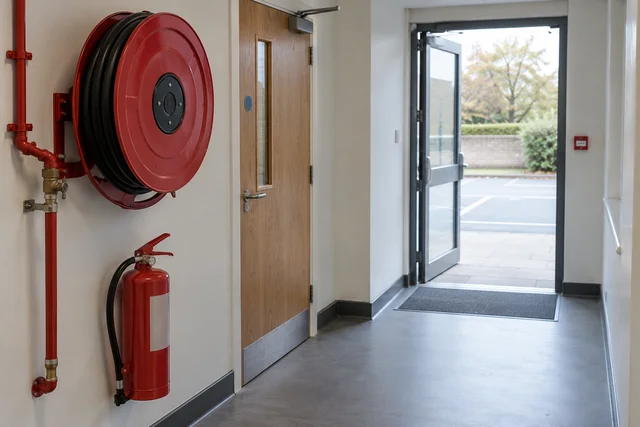
Facilities · Fire safety & retained support
UK office facilities management company
A facilities manager brought property risks and records into one programme, including fire safety, maintenance and contractor responsibilities.
Work deliveredProperty reviews, updated fire assessments and policies, a central risk register and clearer tenant emergency information.
Why it matteredBringing property reviews, fire information and records together clarified the areas needing attention and connected building-specific arrangements with tenant and contractor responsibilities.
Read the original case study · 2020 Safety Training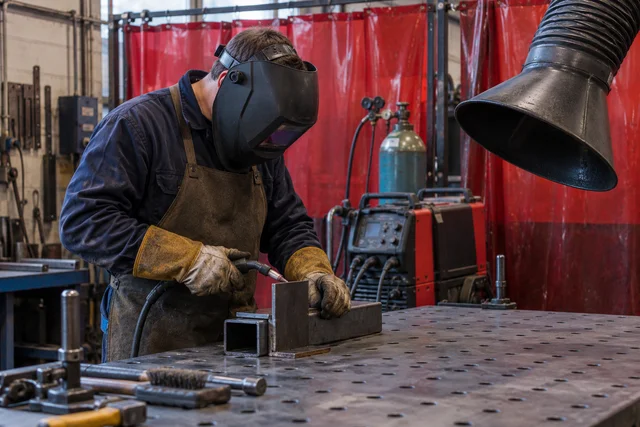
Consultancy · Risk management
UK fabrication business
A fabrication company commissioned a business and site review to update its approach to risk ownership, records and operational controls.
Work deliveredWalkthroughs, staff discussions, a risk-register review and management-system updates focused on the work being done.
Why it matteredAn external view helped turn day-to-day concerns into identifiable improvement areas. Updated systems and clearer risk ownership connected management records with what people actually did on site.
Read the original case study · 2020 Safety Training3 examples
Project sources are credited on each card. Sector illustrations show the work setting, rather than the client project.