Health Surveillance
Screening support linked to workplace exposure and risk profile.

Occupational Health
When work may affect health, or health may affect safe work, employers need a route that is structured, confidential and properly escalated. SHARE helps you identify what screening is needed, keep evidence clear and connect findings to trusted occupational health support.
Occupational health support
Screening support linked to workplace exposure and risk profile.
Defined triggers for referral, review and competent clinical input.
Records, outcomes and next steps aligned to workplace controls.
Health information handled with dignity, purpose and proportion.
For your team and operations.
We come to your site and monitor your activities to establish actual exposure levels. You receive a detailed exposure report, a risk assessment and a management strategy for controlling risks on site.
We also advise on occupational health requirements through a risk-based decision process.
Occupational health needs check
Unsure what occupational health support your workplace needs? Answer ten practical questions about the work your people do and turn uncertainty into clear review points.
Find the right support for your workplace
See your summary without entering contact details. Choose whether to request a follow-up. Not sure about an answer? You can say so.
An initial business needs check, not a diagnosis or a determination of legal health-surveillance requirements. Please do not enter individual medical records or personal health details.
What this covers
Good occupational health support should help the organisation understand where work-related health risk may exist, what evidence is needed and when specialist clinical review is required.
Questionnaires, role and exposure discussions, skin checks and worker prompts that help identify where further review may be required.
Protocol-led testing support, including audiometry and spirometry routes where appropriate, with clear limits on interpretation and escalation.
Support to connect health surveillance decisions to the actual work, exposure pattern, risk assessment and control standards.
Respiratory protection · All sectors
SHARE provides qualitative face fit testing for businesses of every size and sector where suitable tight-fitting respiratory protective equipment (RPE) is used. The test checks the seal of the specific mask worn by each person.
Support for construction, manufacturing, engineering, healthcare, laboratories, cleaning, waste, facilities, hospitality maintenance and other workplaces using RPE.
Suitable for disposable filtering facepieces and reusable half masks. Full-face masks require a suitable quantitative test. Face fit testing is separate from lung-function testing and health surveillance.
Come clean-shaven where the mask seals and bring the mask and compatible head-worn PPE you normally use. Tell us your site location, mask details and number of wearers so we can discuss the arrangements.
Test-method guidance: HSE INDG479.
Governance
SHARE can help collect structured information, complete defined screening activity and support workplace evidence. Clinical opinion, diagnosis, fitness-for-work decisions and complex health advice remain occupational health professional routes.
Let us help you plan the next step
You do not need to have every answer before getting in touch.
SHARE can help review your workplace risks and evidence, clarify screening and health-surveillance needs, plan an appropriate programme and arrange occupational health professional input where needed. We will discuss the scope, practical arrangements and next steps with you before you commit.
What happens next: SHARE reviews your enquiry and contacts you to clarify the support, scope and next step.
Start with the risk
Use this route where work activities, substances, noise, respiratory hazards, skin exposure, vibration or role demands may need structured health screening support.
Expertise in practice
Explore the occupational health service and related manager training. Training supports awareness; clinical decisions remain with occupational health professionals.
Swipe or scroll to browse. Use the arrow keys when the cards are focused.
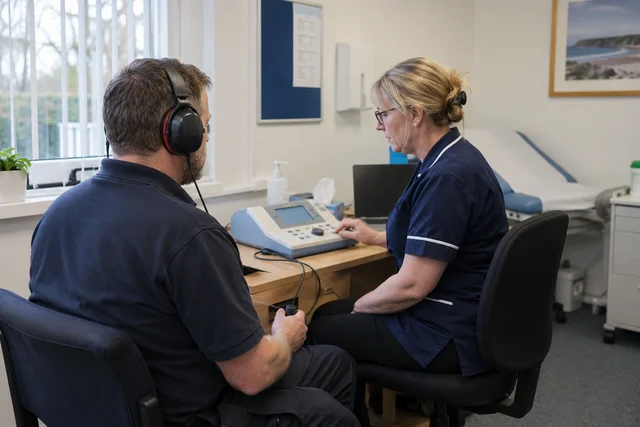
Occupational health · Bespoke workforce support
Local business, West of Scotland
A West of Scotland business needed occupational health support for staff exposed to noise, vibration and chemicals in a heavy-industrial setting. SHARE worked with the business to identify those at risk and shape a bespoke package.
Work deliveredSpirometry, audiology/hearing checks, health screenings and occupational health support for all exposed staff, with a quarterly monitoring programme that also brought newly employed team members into the arrangements.
Why it matteredThe business gained a coordinated way to identify exposed people, bring new starters into monitoring and maintain a regular focus on workforce health. The bespoke package supported its compliance responsibilities and its commitment to protecting people, rather than treating health checks as a one-off exercise.
Read the original case study · SHARE delivery account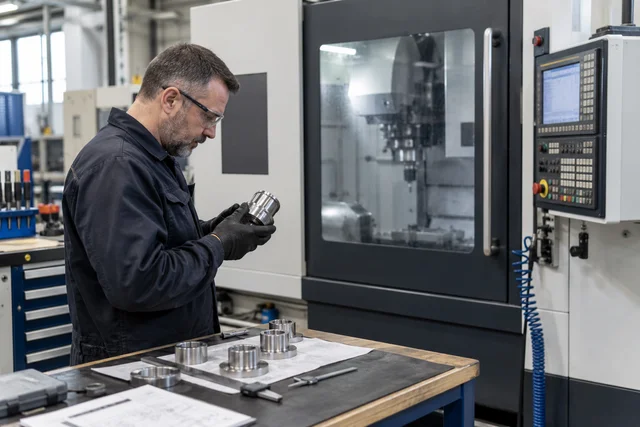
Consultancy · Exposure risk & improvement
Scottish mechanical company
Following an HSE inspection, a Scottish mechanical company requested urgent support to address four contravention notices and strengthen its management of exposure risks.
Work deliveredBaseline assessment of actual exposure using hand-arm vibration (HAV) monitoring equipment and personal noise dosimetry, informing role-based noise and vibration exposure profiles alongside chemical exposure assessment; management-system documents, risk assessments, new controls, training and follow-up audits.
Why it matteredAn urgent request became a structured improvement programme within three weeks. Exposure information was connected to practical controls, working documents and team learning. SHARE reports that HSE's requirements were satisfied and the contravention matters resolved, with follow-up audits supporting the new ways of working.
Read the original case study · SHARE delivery accountOccupational health · Surveillance planning
Workplaces with noise, dust, skin or vibration risks
SHARE helps employers organise exposure information, screening activity and suitable occupational health referral routes around the work people do.
What it coversRisk and role context, defined checks, confidential handling and escalation to competent occupational health professionals when needed.
How this can helpAn external review can help employers identify information gaps, connect health support to actual exposure and agree the next competent review or referral rather than relying on a generic checklist.
Explore the offering · SHARE Expertise
IOSH · Health & wellbeing
Managers, supervisors and people professionals
IOSH Managing Health and Wellbeing helps managers connect health risks, work pressures and support arrangements to everyday decisions.
What it coversUnderstanding workforce needs, recognising psychosocial hazards, considering adjustments and supporting healthier work.
How this can helpManagers can develop the confidence to recognise work-related pressures, ask better questions and identify where changes to work or additional support may help.
Explore the offering · 2020 Safety TrainingMental health · Awareness
Team leaders, managers and workplace support roles
Mental Health First Aid Awareness develops understanding of common mental health concerns and the limits of a first support role.
What it coversRecognising possible concerns, listening, offering initial support and helping people find appropriate professional services.
How this can helpAwareness and practice can make an initial conversation feel less daunting, while helping support roles recognise their limits and signpost to appropriate professional help.
Explore the offering · 2020 Safety Training5 examples
Project sources are credited on each card. Sector illustrations show the work setting, rather than the client project.