Policies and procedures
Health and safety policies, role responsibilities, arrangements, safe systems and operational procedures.

Documentation services
If your documents are out of date, too generic or hard for people to use, SHARE helps turn them into clear policies, assessments, procedures and records that support decisions, evidence and day-to-day work.
What happens next: SHARE reviews your enquiry and contacts you to clarify the support, scope and next step.
What we create and review
Documentation should be specific to your activities, risks and people. Generic paperwork may exist, but it rarely changes how work is done.
Health and safety policies, role responsibilities, arrangements, safe systems and operational procedures.
Risk assessments, method statements, COSHH, DSE, task controls, emergency arrangements and evidence records.
Business risk registers, legal registers, action trackers, document registers and certification evidence packs.
Emergency procedures, fire arrangements, business continuity planning and recovery documentation.
Documentation readiness for ISO 45001, SafeContractor, CHAS, Constructionline, SSIP and client prequalification.
Practical document review after incidents, audits, legal changes, new sites, new processes or new staff.
Why it matters
Good documentation improves consistency, employee confidence, insurance conversations, investigation quality and management control. It should explain who does what, what controls apply, what evidence is kept and when review is required.
"The best safety document is the one that explains the work clearly enough for people to make safer decisions."
Ask about documentsExpertise in practice
See how working records, procedures and risk registers form part of wider improvement programmes.
Swipe or scroll to browse. Use the arrow keys when the cards are focused.
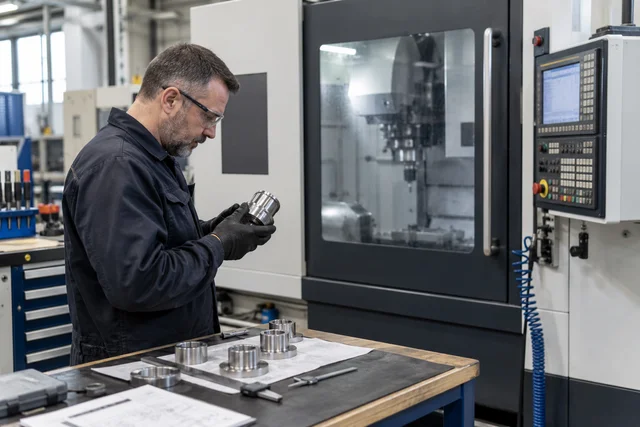
Consultancy · Exposure risk & improvement
Scottish mechanical company
Following an HSE inspection, a Scottish mechanical company requested urgent support to address four contravention notices and strengthen its management of exposure risks.
Work deliveredBaseline assessment of actual exposure using hand-arm vibration (HAV) monitoring equipment and personal noise dosimetry, informing role-based noise and vibration exposure profiles alongside chemical exposure assessment; management-system documents, risk assessments, new controls, training and follow-up audits.
Why it matteredAn urgent request became a structured improvement programme within three weeks. Exposure information was connected to practical controls, working documents and team learning. SHARE reports that HSE's requirements were satisfied and the contravention matters resolved, with follow-up audits supporting the new ways of working.
Read the original case study · SHARE delivery account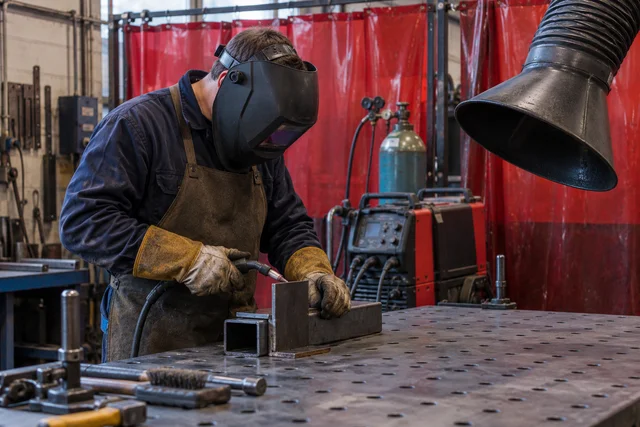
Consultancy · Risk management
UK fabrication business
A fabrication company commissioned a business and site review to update its approach to risk ownership, records and operational controls.
Work deliveredWalkthroughs, staff discussions, a risk-register review and management-system updates focused on the work being done.
Why it matteredAn external view helped turn day-to-day concerns into identifiable improvement areas. Updated systems and clearer risk ownership connected management records with what people actually did on site.
Read the original case study · 2020 Safety Training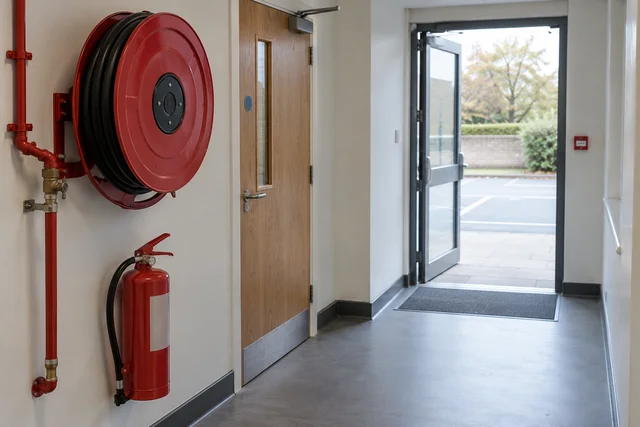
Facilities · Fire safety & retained support
UK office facilities management company
A facilities manager brought property risks and records into one programme, including fire safety, maintenance and contractor responsibilities.
Work deliveredProperty reviews, updated fire assessments and policies, a central risk register and clearer tenant emergency information.
Why it matteredBringing property reviews, fire information and records together clarified the areas needing attention and connected building-specific arrangements with tenant and contractor responsibilities.
Read the original case study · 2020 Safety Training
Retained support · Construction
Small construction company
A construction company used regular consultancy and additional call-off support to manage safety as the business developed.
Work deliveredOngoing advice, working documents and help with pre-qualification submissions and client assurance.
Why it matteredRegular access to experienced advice gave a growing business somewhere to test decisions, improve working documents and prepare client assurance information as new demands arose.
Read the original case study · 2020 Safety Training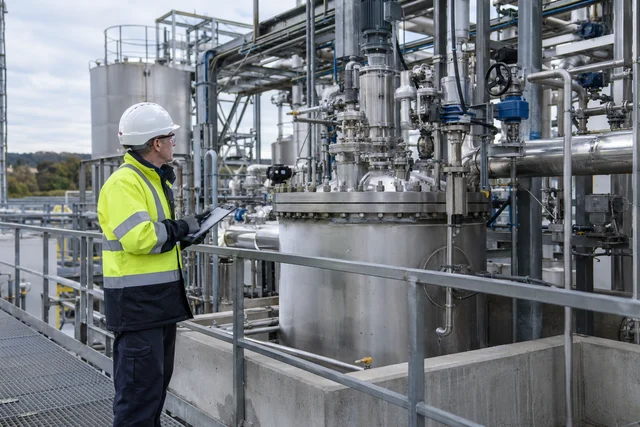
SIRPS · Technical training & consultancy
UK polymer manufacturing plant
An initial review of isolation procedures and permit systems identified differences between shifts. Engineering and safety teams helped shape a site-specific SIRPS programme.
Work deliveredProcedure review, technician observation, tailored learning and shift-based delivery using the plant's own operating scenarios.
Why it matteredThe review made differences between shifts visible. Site-specific learning connected procedures to the plant's equipment and operating scenarios, giving teams a shared basis for more consistent isolation practice.
Read the original case study · 2020 Safety Training5 examples
Project sources are credited on each card. Sector illustrations show the work setting, rather than the client project.