
SHARE Knowledge Hub
What are chlorine gas effects at work?
Chlorine gas can rapidly injure eyes and airways, and serious lung effects can develop after exposure. A suspected release needs immediate alarm, movement away from the gas and a 999 call for breathing difficulty or a significant exposure. Prevent release by separating incompatible chemicals and verifying every transfer and dosing route.
Understanding What are chlorine gas effects at work?
Chlorine gas can rapidly injure eyes and airways, and serious lung effects can develop after exposure. A suspected release needs immediate alarm, movement away from the gas and a 999 call for breathing difficulty or a significant exposure. Prevent release by separating incompatible chemicals and verifying every transfer and dosing route.
Why this matters at work
Tell responders what form and route of exposure are known and mark uncertainty. Chlorine gas primarily threatens eyes and the respiratory system, while concentrated gas or pressurised liquid can also injure skin. Gas-only exposure may not require the same surface decontamination as contaminated clothing or liquid contact, but symptoms still need appropriate medical advice. Avoid unnecessary handling that exposes helpers or delays urgent care.
For maintenance or line breaking, closed supply does not necessarily remove trapped chlorine in valves, dead legs, hoses or equipment. Use competent isolation, depressurisation, draining or purging to a safe system and verification appropriate to the consequence. Do not prescribe one isolation arrangement for every installation from this Q&A. Record line-up evidence, responsibilities, checks and handover across shifts and contractors. Consider health exposure, compatibility and emergency response together. If identity, capacity or route is uncertain, pause and resolve it; unloading pressure is not evidence that the transfer can proceed safely.
How organisations manage this in practice
Confirm the product and concentration, receiving system, available capacity, route and connection before opening any transfer path. A correct label does not prevent a wrong tank, contaminated hose, backflow or incompatible residue. Agree delivery responsibilities with supplier and carrier, including vehicle position, exclusion, communications, supervision, transfer limits, emergency stop and disconnection. Protect connections from vehicle movement and prevent departure while connected through the actual designed arrangements.
Give responders the exact products, location, mixing circumstances, time, symptoms and any contamination information. Follow trained first aid and dispatcher instructions; clinical treatment belongs with qualified responders. Keep others away from affected rooms and possible spread routes until competent clearance. Afterwards examine product approval, separate storage and containment, dedicated tools, shared equipment, residues and drains. A do-not-mix label alone does not prevent a wrong connection or leftover chemical. Record facts and corrective actions, protect personal health details and verify a safe method before resuming cleaning.
No. An area's suitability for entry requires competent assessment and appropriate atmospheric evidence for the incident, equipment and intended work. Smell and an observer's comfort are not reliable clearance methods. Keep unprotected people away and use the site's emergency arrangements. Exposure severity depends on amount, route, duration and other conditions; significant inhalation can require medical assessment even when the person initially improves.
What are the key facts about chlorine gas effects?
The key facts are that chlorine affects moist tissues quickly, can injure the lungs, and can be released by incompatible chemical mixing.
This page is workplace guidance, not medical, legal or HR advice. Suspected significant chlorine gas exposure, breathing difficulty, persistent cough, chest tightness, eye pain or symptoms after a release should follow the workplace emergency procedure and medical assessment route.
What symptoms matter first?
- Burning eyes, throat irritation, coughing, wheezing, chest tightness, breathlessness, nausea or difficulty speaking.
- Symptoms affecting more than one person, especially near pool plant, cleaning cupboards, dosing systems, drains or chemical stores.
- Symptoms that continue, worsen or return after leaving the area, because lung effects can develop after the initial exposure.
What should happen immediately?
- Stop the task, raise the alarm and move people away from the gas cloud if it is safe to do so.
- Do not enter a chlorine gas area to investigate without the correct emergency plan, training and respiratory protection.
- Give responders the product names, quantities, mixing route, location, ventilation status and people affected.
When is medical assessment needed?
- Any breathing difficulty, persistent coughing, wheezing, chest pain, throat tightness, eye injury or suspected high-dose exposure.
- Any release in a confined, poorly ventilated or enclosed space, or exposure involving children, vulnerable people or multiple workers.
- Any exposure after incompatible mixing, dosing failure, bulk-transfer error or emergency response activity.
Inhalation and eye exposure are the main routes
Chlorine gas contacts the eyes, nose, throat and lungs because it reacts with moisture in these tissues.
Incompatible mixing is common and preventable
Hypochlorite bleach or chlorine-based disinfectants can release chlorine gas if mixed with acids or some oxidising detergents.
Exposure can worsen after leaving the area
Significant exposure can lead to delayed respiratory effects, so the response plan should not rely on immediate recovery alone.
EH40 and monitoring matter
Chlorine has workplace exposure limits, and air monitoring may be needed to check control effectiveness where exposure is credible.
Emergency response must avoid rescuer exposure
Untrained entry into a gas cloud can create additional casualties; trained responders need suitable respiratory protection.
Process safety matters at larger scale
Bulk transfer, dosing, tank farms and chemical storage can create major accident scenarios if barriers fail.
Keep the release response separate from competent restart
A suspected uncontrolled chlorine release is an emergency-response question first. Use the response section, keep people out of exposure and give responders the known identities and event information from a safe position. A worker should not enter a plume to read a label, test an atmosphere or try a neutralising chemical.
Resolve the water-treatment delivery interface
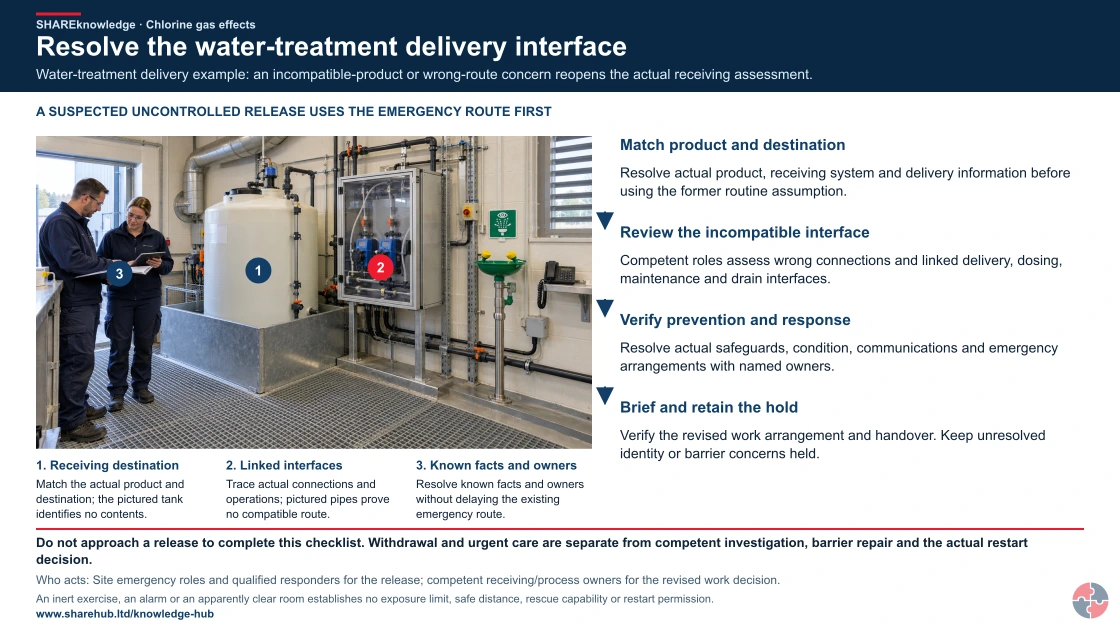
Full written explanation
A neutral water-treatment planning scene shows a closed receiving tank, a dosing enclosure and linked pipework while normal colleagues review inert information outside the tank containment. Picture key: 1 identifies the receiving destination; 2 identifies linked interfaces; 3 identifies known facts and owners. These physical features support questions about the actual receiving system and linked operations. The picture identifies no tank contents or delivered product, and demonstrates no delivery, wrong connection, chemical compatibility, pipe or drain routing, isolation, effective safeguard or work permission. Product-and-destination matching leads to competent interface review, prevention-and-response verification and the work hold/handover. The four checks have unnumbered headings and their genuine order. A suspected uncontrolled release takes the existing emergency route first; receiving paperwork, investigation and barrier repair must not delay withdrawal or urgent care. A visible enclosure, pipe, washing point, phone or clear room cannot establish exposure conditions, response capability or restart readiness. No gas release, plume, mixing, exposure, abnormal anatomy, injury, clinical response, operating method, numerical limit or PPE-selection result is shown. The complete source distinguishes the pool-maintenance withdrawal context from water-treatment receiving review and keeps the normal respiratory teaching separate from substance-specific injury claims.
Water-treatment delivery example: an incompatible-product or wrong-route concern reopens the actual receiving assessment.
- Match product and destination. Resolve actual product, receiving system and delivery information before using the former routine assumption.
- Review the incompatible interface. Competent roles assess wrong connections and linked delivery, dosing, maintenance and drain interfaces.
- Verify prevention and response. Resolve actual safeguards, condition, communications and emergency arrangements with named owners.
- Brief and retain the hold. Verify the revised work arrangement and handover. Keep unresolved identity or barrier concerns held.
When the evidence does not fit: Do not approach a release to complete this checklist. Withdrawal and urgent care are separate from competent investigation, barrier repair and the actual restart decision.
Who acts: Site emergency roles and qualified responders for the release; competent receiving/process owners for the revised work decision.
Changed workplace
Pool maintenance: Withdraw and summon the actual response; retain the existing normal-function respiratory teaching without an injury overlay.
Water treatment: Resolve the actual receiving identity and incompatible interfaces; a routine delivery record cannot clear a changed concern.
Evidence check: An inert exercise, an alarm or an apparently clear room establishes no exposure limit, safe distance, rescue capability or restart permission.
Full chlorine-release emergency, clinical advice and competent restart boundary
Primary references: UKHSA: chlorine general information · HSE: COSHH emergency planning (GB)
Open the complete HD image (new tab)Download image
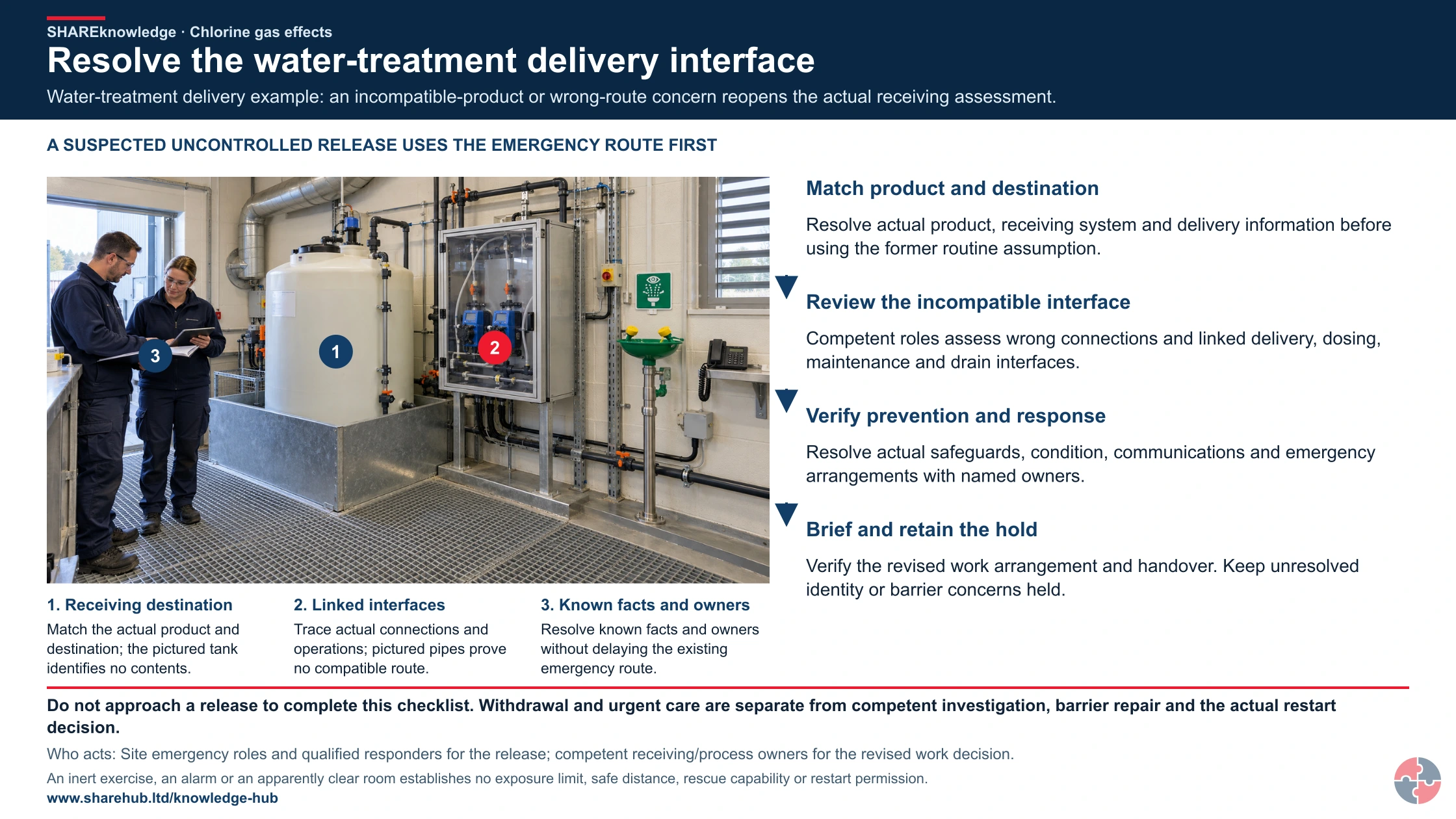
Full chlorine-release emergency, clinical advice and competent restart boundary
Primary references: UKHSA: chlorine general information · HSE: COSHH emergency planning (GB)
Best-practice guide: Chlorine Gas Effects
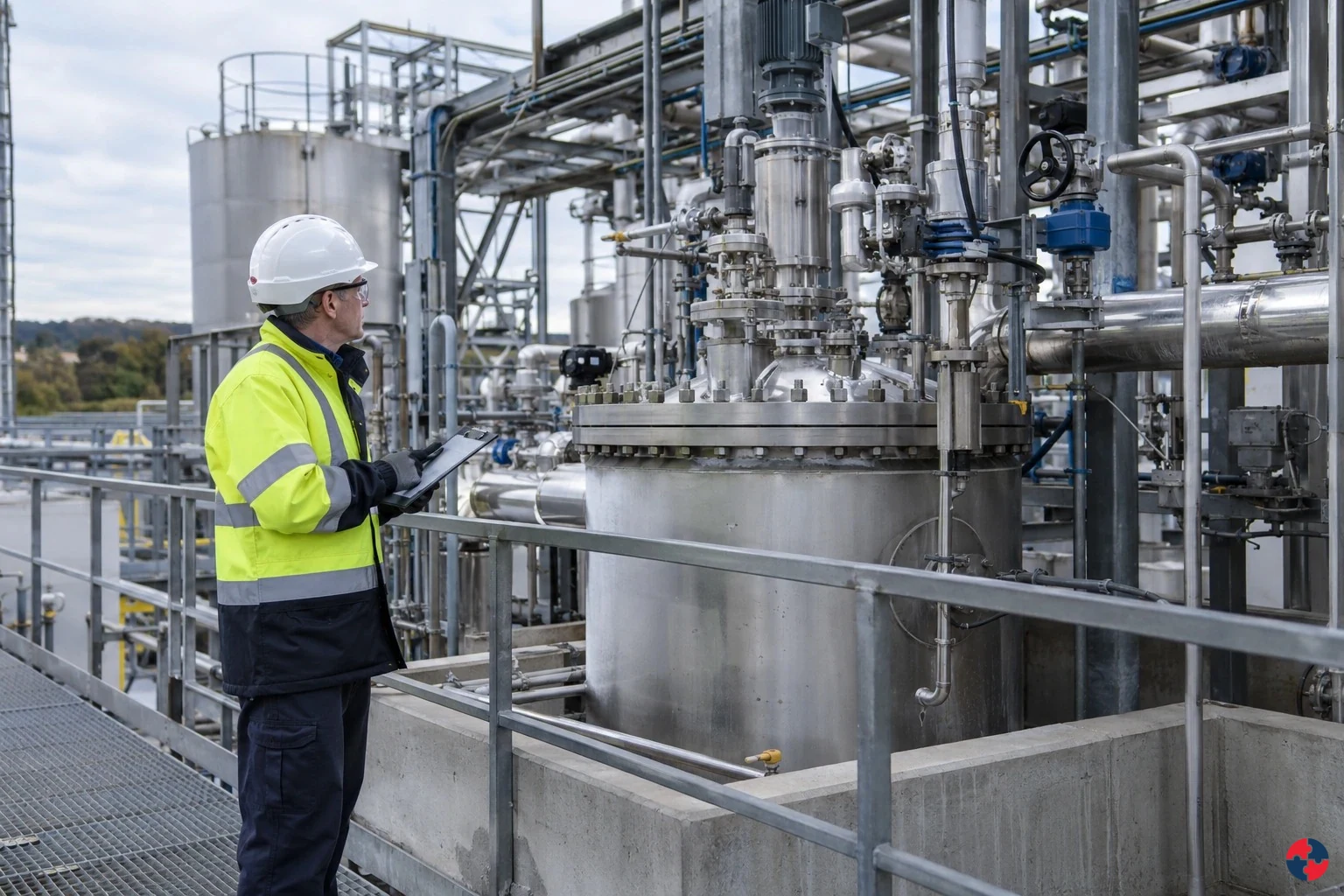
Keep the release response separate from competent restart
A suspected uncontrolled chlorine release is an emergency-response question first. Use the response section, keep people out of exposure and give responders the known identities and event information from a safe position. Chlorine gas can rapidly injure eyes and airways, and serious lung effects can develop after exposure.
Turn chlorine gas effects knowledge into a decision
Chlorine gas can rapidly injure eyes and airways, and serious lung effects can develop after exposure. A suspected release needs immediate alarm, movement away from the gas and a 999 call for breathing difficulty or a significant exposure. Chemical register, compatibility matrix, COSHH assessments and risk register.
the leisure operator worked example
Assessing and analysing: Maps pool, cleaning, kitchen and maintenance chemicals, then identifies incompatible mixing scenarios. Evidence / response: Chemical register, compatibility matrix, COSHH assessments and risk register. Implementing controls: Separates acids and chlorine products, controls plant-room access, maintains dosing systems and specifies eyewash and ventilation. Evidence / response: Store checks, plant logs, eyewash tests and ventilation maintenance records.
Warning signs and how harm can develop
Bleach and acids stored together: A spill, mistake or cleaning shortcut can release chlorine gas. Unlabelled bottles or spray containers: Workers may mix or apply the wrong chemical. People report chlorine smell or coughing: Exposure may already be occurring and could worsen in enclosed spaces.
Choose controls for chlorine gas effects
Elimination: Remove unnecessary manual decanting by using a suitably designed supply and dosing arrangement. Substitution: Evaluate a compatible lower-hazard treatment method or supplied formulation without compromising the required treatment performance. Engineering controls: Segregate hypochlorite from acids and other incompatibles; protect the receiving area and restrict access during replenishment. Engineering controls: Use compatible dedicated connections, containment, ventilation and safeguards against filling the wrong tank. Administrative controls: Confirm exact product, receiving tank and available capacity; agree withdrawal, alarm and emergency communications before connection. Read the full control table for qualifications, ownership and verification. Use the actual task and applicable jurisdiction; existing technical approval remains unchanged.
Use the full chlorine gas effects lesson
Use the full topic for the decision points, practical examples, detailed control tables and source scope. HSE guidance applies to Great Britain; use HSENI for the Northern Ireland route and the source’s stated jurisdiction. A simplified guide does not change the page’s technical-review or approval status.

Read all six steps as text
1. Keep the release response separate from competent restart
A suspected uncontrolled chlorine release is an emergency-response question first.
- Avoid / redesign: Remove unnecessary manual decanting by using a suitably designed supply and dosing arrangement.
- Control the task: Segregate hypochlorite from acids and other incompatibles; protect the receiving area and restrict access during replenishment.
- Verify before release: If the hazardous step remains, retain a task assessment and select the stronger feasible remaining controls.
A suspected uncontrolled chlorine release is an emergency-response question first. Use the response section, keep people out of exposure and give responders the known identities and event information from a safe position. Chlorine gas can rapidly injure eyes and airways, and serious lung effects can develop after exposure.
Apply it: Which part of this plan would you check at the workface before authorising the task?
2. Turn chlorine gas effects knowledge into a decision
Use the evidence to improve the actual work arrangement.
- Change at source: Remove unnecessary manual decanting by using a suitably designed supply and dosing arrangement.
- Make it observable: If the hazardous step remains, retain a task assessment and select the stronger feasible remaining controls.
- Keep useful evidence: Chemical register, compatibility matrix, COSHH assessments and risk register.
Chlorine gas can rapidly injure eyes and airways, and serious lung effects can develop after exposure. A suspected release needs immediate alarm, movement away from the gas and a 999 call for breathing difficulty or a significant exposure. Chemical register, compatibility matrix, COSHH assessments and risk register.
Apply it: What evidence would show that the change improves this task, rather than only completing a record?
3. the leisure operator worked example
Example: a practical application of the existing topic lesson.
- Assessing and analysing: Maps pool, cleaning, kitchen and maintenance chemicals, then identifies incompatible mixing scenarios.
- Implementing controls: Separates acids and chlorine products, controls plant-room access, maintains dosing systems and specifies eyewash and ventilation.
- Training and competence: Gives all staff no-mixing awareness, practical training for pool and cleaning teams, and supervisor training on checks and emergency response.
Assessing and analysing: Maps pool, cleaning, kitchen and maintenance chemicals, then identifies incompatible mixing scenarios. Evidence / response: Chemical register, compatibility matrix, COSHH assessments and risk register. Implementing controls: Separates acids and chlorine products, controls plant-room access, maintains dosing systems and specifies eyewash and ventilation. Evidence / response: Store checks, plant logs, eyewash tests and ventilation maintenance records.
Apply it: At which point would you hold this example, and what evidence would allow it to proceed?
4. Warning signs and how harm can develop
Connect the task, the route to the person and the control that can fail.
- Bleach and acids stored together: A spill, mistake or cleaning shortcut can release chlorine gas.
- Unlabelled bottles or spray containers: Workers may mix or apply the wrong chemical.
- People report chlorine smell or coughing: Exposure may already be occurring and could worsen in enclosed spaces.
Bleach and acids stored together: A spill, mistake or cleaning shortcut can release chlorine gas. Unlabelled bottles or spray containers: Workers may mix or apply the wrong chemical. People report chlorine smell or coughing: Exposure may already be occurring and could worsen in enclosed spaces.
Apply it: Who could be exposed, including other trades, cleaners, maintainers and people nearby?
5. Choose controls for chlorine gas effects
Start with the stronger practicable options and verify their effect.
- Elimination: Remove unnecessary manual decanting by using a suitably designed supply and dosing arrangement.
- Substitution: Evaluate a compatible lower-hazard treatment method or supplied formulation without compromising the required treatment performance.
- Engineering controls: Segregate hypochlorite from acids and other incompatibles; protect the receiving area and restrict access during replenishment.
- Engineering controls: Use compatible dedicated connections, containment, ventilation and safeguards against filling the wrong tank.
- Administrative controls: Confirm exact product, receiving tank and available capacity; agree withdrawal, alarm and emergency communications before connection.
Elimination: Remove unnecessary manual decanting by using a suitably designed supply and dosing arrangement. Substitution: Evaluate a compatible lower-hazard treatment method or supplied formulation without compromising the required treatment performance. Engineering controls: Segregate hypochlorite from acids and other incompatibles; protect the receiving area and restrict access during replenishment. Engineering controls: Use compatible dedicated connections, containment, ventilation and safeguards against filling the wrong tank. Administrative controls: Confirm exact product, receiving tank and available capacity; agree withdrawal, alarm and emergency communications before connection. Read the full control table for qualifications, ownership and verification. Use the actual task and applicable jurisdiction; existing technical approval remains unchanged.
Apply it: Which stronger option can be used here, and who will verify it before accepting the remaining risk?
6. Use the full chlorine gas effects lesson
Follow the official sources below and retain the task-specific evidence.
- Official guidance: UKHSA sodium hypochlorite information
- Official guidance: HSE five-level hierarchy
- Task decision: Chemical register, compatibility matrix, COSHH assessments and risk register.
Use the full topic for the decision points, practical examples, detailed control tables and source scope. HSE guidance applies to Great Britain; use HSENI for the Northern Ireland route and the source’s stated jurisdiction. A simplified guide does not change the page’s technical-review or approval status.
Apply it: Which official source and full-topic section will you use to resolve the next decision?
After the emergency is made safe, treat restart as a separate controlled decision. Follow the pool-plant pathway from delivery identity and segregated storage through the correct dosing connection, maintenance isolation and contractor drain discharge. Each barrier needs an owner and evidence. Smell and an occupational exposure limit are not re-entry clearance; the authorised competent team must establish safe conditions and repaired controls.
Riverside: contractor drain work changes the pool-plant risk
Illustrative example. A contractor proposes discharging a maintenance product into a drain connected to the pool-plant area.
Decision. The facilities manager holds discharge and checks substances, connected routes and compatibility before any work is authorised.
Evidence to check. Contractor product information, current drain and dosing information, segregation, isolation and response arrangements.
Hold or escalation point. No discharge or improvised investigation if the contents, route or reaction risk is uncertain.
Follow-up. Reauthorise only through the competent site process, then revise contractor and drain-control information.
Separate withdrawal from competent reinstatement
A suspected release calls for the site’s protective response. Investigation, isolation and return are separate competent decisions after people are protected.

Protect people
Withdraw and raise the alarm under the assessed site arrangements; keep others out of the affected area.
Specialist response
Use the planned emergency and competent investigation route. Do not show or attempt an unprotected rescue or leak search.
Reinstatement
Verify the system, atmosphere and operational arrangements through the authorised process before return.
Smell, colour or disappearance of a visible cloud is not a clearance test. The diagram supplies no approach distance or leak intervention.
What are chlorine gas effects?
Chlorine gas effects are the acute and potentially longer-term health effects caused when chlorine gas contacts the eyes and respiratory tract.
Chlorine is a yellow-green, highly irritating gas with a strong odour. In workplaces it may be deliberately stored or used, or generated accidentally when chlorine-releasing chemicals react with acids or other incompatible substances. The effect on people depends on concentration, duration, ventilation, exertion, susceptibility and how quickly exposure stops.
At lower exposure, chlorine can cause burning eyes, sore throat, coughing and chest irritation. At higher exposure, it can cause severe coughing, wheeze, breathlessness, vomiting, chest pain, airway swelling, pulmonary oedema and respiratory failure. UKHSA notes that delayed lung effects can occur after acute exposure, so symptoms after a release should be taken seriously.
Chlorine gas effects sit at the overlap of occupational health, COSHH, emergency response and process safety. The same substance can appear in small cleaning mistakes, swimming-pool plant rooms, water-treatment dosing, laboratories and major hazard installations.
| Aspect | Details | Why it matters |
|---|---|---|
| Substance | Chlorine gas or chlorine-containing gas released from a product, process or reaction. | The controls must consider both intended chlorine use and accidental generation. |
| Main health route | Inhalation and eye contact. | These routes can harm workers and others quickly after a release. |
| Main health effects | Irritation, coughing, wheeze, chest tightness, breathlessness and possible delayed lung injury. | Immediate symptoms do not always show the full seriousness of exposure. |
| Common accidental source | Mixing hypochlorite with acids, descalers or incompatible cleaning chemicals. | Segregation and no-mixing rules are central controls. |
| Workplace relevance | Cleaning, pools, water treatment, food hygiene, laboratories, waste and chemical processing. | Different sectors need different levels of control and emergency planning. |
Where can chlorine gas exposure happen at work?
Chlorine gas exposure can happen wherever chlorine is stored, dosed, generated, released or accidentally formed by incompatible mixing.
The most familiar workplace scenario is the accidental mixing of bleach or hypochlorite with an acid descaler. The result can be a visible or invisible irritating gas cloud affecting cleaners, nearby workers and members of the public. This can happen in toilets, kitchens, plant rooms, drains, food-production areas and poorly ventilated stores.
Swimming pools and leisure centres need particular discipline because acids and chlorine-based disinfectants may both be present. Properly managed disinfection protects public health, but poor storage, wrong connection, poor ventilation, dosing faults or contractor misunderstanding can create a toxic gas release.
Industrial and process settings add higher-consequence scenarios: chlorine cylinders, water-treatment plant, dosing pumps, bulk tanks, transfer hoses, process residues, drains, scrubbers and ventilation systems. These settings may require detection, alarms, isolation, emergency shutdown, evacuation modelling and process-safety barrier management.
| Scenario | How exposure happens | Control focus |
|---|---|---|
| Bleach and acid mixing | Hypochlorite contacts acid descaler, toilet cleaner or acidic waste. | No-mixing rules, product approval, segregation and training. |
| Pool plant dosing | Acid and hypochlorite are connected, stored or dosed incorrectly. | Separate storage, labelled lines, competent plant operation and emergency plan. |
| Food and drink disinfection | Concentrates, incompatible disinfectants or overdosing create irritant release. | Dilution controls, compatible storage and ventilation. |
| Water treatment | Chlorine gas, hypochlorite or dosing chemicals release from plant. | Engineering integrity, detection, isolation and trained emergency response. |
| Laboratory or process work | Reactive chemistry or incompatible waste produces chlorine. | Compatibility review, fume control, waste segregation and supervision. |
| Spill or drain incident | Incompatible chemicals meet in a drain, sump, bund or waste container. | Drain control, waste approval and emergency response. |
How is chlorine gas accidentally generated?
Chlorine gas is often accidentally generated when chlorine-releasing chemicals contact acids or incompatible substances.
Many workplaces hold chlorine-based products without thinking of them as gas hazards. Sodium hypochlorite, bleach, pool disinfectants and some sanitation chemicals can release chlorine gas when they meet acids. Bleach mixed with ammonia-containing cleaners may form chloramines, which irritate the respiratory tract. That is a different hazardous reaction from acid/hypochlorite chlorine generation; check the actual products and residues.
The practical failure is usually simple: products stored together, unlabelled bottles, workers using two cleaners on the same surface, acid added to a hypochlorite system, wrong delivery into a tank, incompatible waste in a drain, or poor handover between contractors and operators.
Preventing chlorine gas generation is therefore a management-system issue. It requires approved products, segregation, labels, incompatible-chemical rules, controlled transfer, clear drains and supervisors who understand that a familiar cleaning product can still create a toxic gas event.
| Cause | Example | Prevention |
|---|---|---|
| Hypochlorite plus acid | Bleach mixed with descaler, acidic toilet cleaner or acid dosing chemical. | Never mix; segregate stores and use approved cleaning methods. |
| Wrong tank or line | Acid delivered into hypochlorite tank or connected to wrong dosing line. | Physical separation, unique couplings, line labelling and independent verification. |
| Drain mixing | Acidic waste and chlorine-based disinfectant meet in a drain or sump. | Waste controls, drain mapping and no-discharge rules. |
| Incorrect dosing or failed equipment | A wrong transfer route or failed dosing connection brings incompatible products together. | Compatible dedicated connections, verified destination and maintained dosing controls. |
| Poor cleaning sequence | One product is applied before residue of another is rinsed away. | Task instructions, contact times and supervisor checks. |
UKHSA sodium hypochlorite guidance explains the acid and ammonia mixing distinction. Keep either reaction out of cleaning and dosing tasks; use product-specific compatibility assessment.
What routes of exposure and symptoms should be understood?
The main routes are inhalation and eye contact, with skin effects possible near concentrated releases.
Chlorine gas is mainly an inhalation and eye hazard because it reacts with water in the mucous membranes. Workers may first notice a sharp smell, burning eyes, throat irritation or coughing. These are warning signs, not proof that exposure is harmless.
People doing physical work may breathe faster and take in more gas. Vulnerable workers, people with asthma or respiratory disease, and workers trapped in enclosed plant rooms, changing areas, drains or poorly ventilated rooms may be at higher risk of severe effects.
| Route | Possible effects | Workplace clues |
|---|---|---|
| Eye contact | Burning, watering, redness, pain and light sensitivity. | People rubbing eyes, leaving area, reporting stinging or blurred vision. |
| Nose and throat | Burning, sore throat, choking sensation and irritation. | Strong smell, complaints from several people and difficulty speaking. |
| Upper airway | Coughing, wheeze, chest tightness and breathlessness. | Workers coughing after entering a room or opening a plant area. |
| Lower lung | Pulmonary irritation, delayed breathlessness and possible pulmonary oedema after higher exposure. | Symptoms worsening after the initial incident or after exertion. |
| Skin | Irritation or corrosive injury near concentrated release. | Liquid or high-concentration gas release close to the body. |
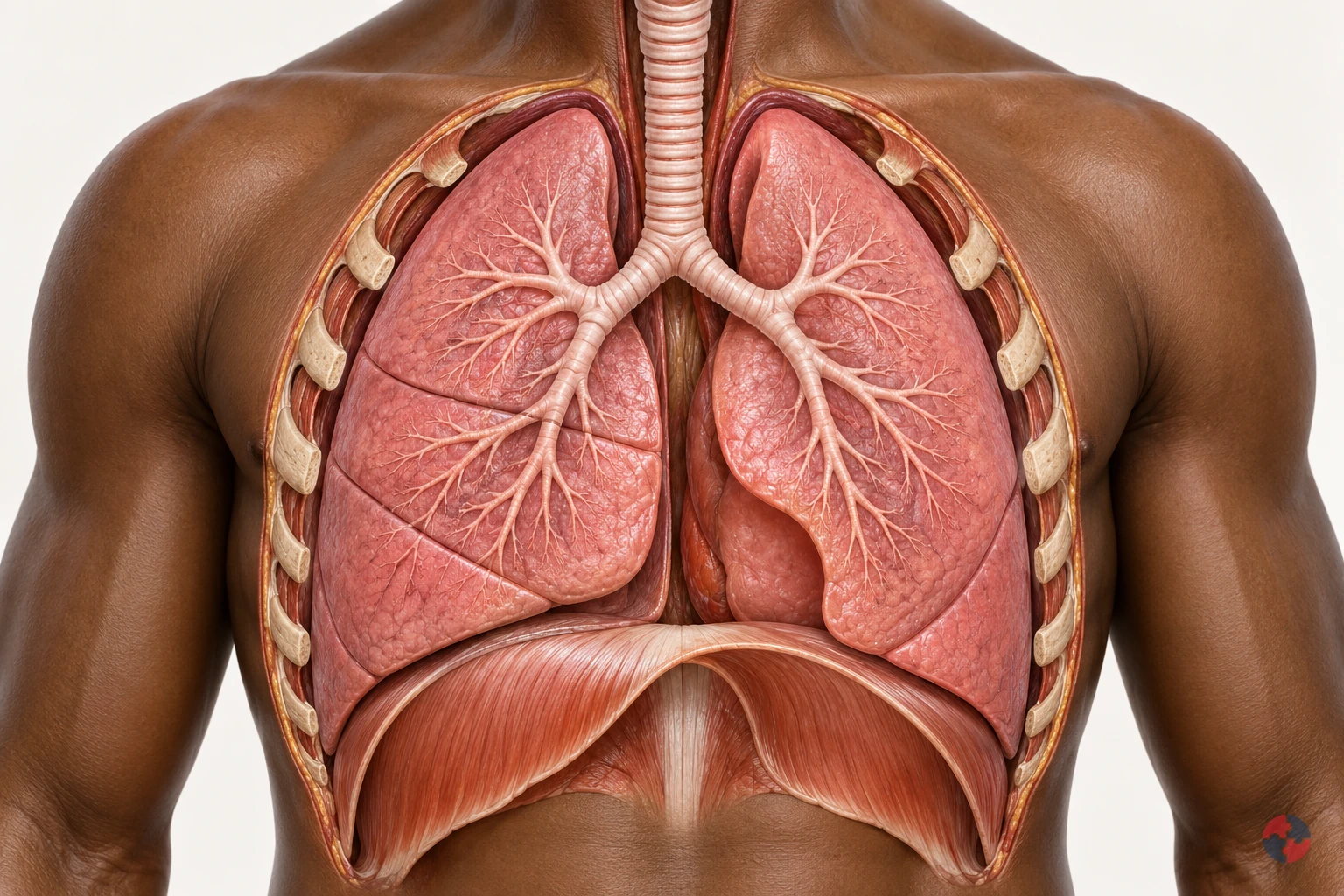

How do the lungs work, and how can workplace exposures affect breathing?
Interactive anatomy · Respiratory tract and lungs · Updated 2026-10-23
Read all anatomy and process explanations without the viewer
Simplified education, not diagnosis, a lung-function or oxygen-saturation test, an exposure calculator or a fitness-to-work assessment. No breath-holding challenge, breathing-rate score or personal health-data collection. Ordinary particle filters do not protect against every gas or oxygen deficiency. COPD and coal-dust topics may reuse normal anatomy only until separate mechanisms are reviewed.
Nose and mouth
Air enters and leaves here. The nose and mouth connect the outside air with the respiratory passages. Air moves through these openings on both the inward and outward breath. Follow the route towards the windpipe before looking at the smaller branches. The illustrated flow is air, a mixture of gases, rather than pure oxygen passing directly into blood. Frimley Health NHS Foundation Trust: How your lungs work · Central and North West London NHS Foundation Trust: How do we breathe?
Trachea
The windpipe carries air into the chest. The trachea, commonly called the windpipe, carries air down towards the chest. It divides into the two main bronchi that supply the lungs. Locate this shared passage before following either branch. Its role is to conduct air towards the gas-exchange regions and provide an outward route for the next exhalation. Frimley Health NHS Foundation Trust: How your lungs work
Bronchi
A main branch carries air into each lung. The two main bronchi take air from the windpipe into the right and left lungs. They divide into progressively smaller branches, distributing the breath through the lungs. Use the split as a landmark before following one highlighted route. These are air passages, distinct from the blood vessels that run through the same organs. Frimley Health NHS Foundation Trust: How your lungs work · University Hospitals of North Midlands NHS Trust: My lung surgery: about your lungs
Bronchioles
Smaller branches distribute air. Bronchioles are smaller branches of the airway system inside the lungs. Their branching routes lead towards clusters of alveoli, where the breath reaches the gas-exchange surface. Follow one branch to its end, using the others as context. This simplified route represents part of a much larger network supplying the lungs together. Frimley Health NHS Foundation Trust: How your lungs work
Alveoli
Tiny air sacs provide a gas-exchange surface. Alveoli are tiny air sacs at the ends of the small airway routes. Their close relationship with surrounding capillaries allows oxygen to pass towards blood and carbon dioxide towards alveolar air. Connect the highlighted cluster with the enlarged gas-exchange view. The enlargement changes the scale so the air space and neighbouring blood vessel can be distinguished. Frimley Health NHS Foundation Trust: How your lungs work · Central and North West London NHS Foundation Trust: How do we breathe?
Air–blood barrier
A thin boundary separates air from blood. The thin alveolar and capillary walls separate air in the sac from blood in its neighbouring vessel. Oxygen and carbon dioxide cross this boundary in opposite directions. Locate the tissue between the two spaces in the enlarged view. Blood cells remain in the vessel; the model does not represent an open connection through which air and blood mix. Central and North West London NHS Foundation Trust: How do we breathe?
Pulmonary capillaries
Small blood vessels pass beside the air sacs. Pulmonary capillaries are small blood vessels beside the alveoli. Blood moving through them receives oxygen and releases carbon dioxide across the thin exchange boundary, then continues through the circulation. Follow the labelled gas routes separately from the blood cells. These cells stay inside the capillary rather than moving into the air sac. Central and North West London NHS Foundation Trust: How do we breathe?
Diaphragm
This muscle helps make room for a breath. The diaphragm is a broad, dome-shaped breathing muscle beneath the lungs. It contracts and flattens downwards during inhalation, helping increase the space in the chest. During a quiet exhalation it relaxes towards its dome shape. Compare it with the rib cage: their changing positions help move air without the lung tissue acting as a contracting muscle. Cambridge University Hospitals NHS Foundation Trust: Breathing techniques to ease breathlessness: muscles involved
Rib cage and breathing muscles
Chest movement changes the space around the lungs. The rib cage protects the chest organs and moves with the breathing muscles. Expansion upwards and outwards helps increase chest space during inhalation; relaxation reduces that space during a quiet exhalation. Compare this movement with the diaphragm below the lungs. Together these structures provide the mechanics that allow air to move through the airways. Central and North West London NHS Foundation Trust: How do we breathe? · Cambridge University Hospitals NHS Foundation Trust: Breathing techniques to ease breathlessness: muscles involved
Pleura
Two thin layers surround the lungs and line the chest. The pleura has two thin layers around the lungs and inside the chest wall. A small amount of fluid between them allows the surfaces to slide with less friction as breathing changes the chest space. Locate this outer covering separately from the internal air sacs; it is not the thin air–blood exchange boundary. Blackpool Teaching Hospitals NHS Foundation Trust: Pleural clinic
Open the complete process transcript
The process, step by step
1 · Make space
Breathing in begins with a change in the space inside the chest. The diaphragm, a dome-shaped muscle beneath the lungs, contracts and moves downwards. Muscles around the ribs help lift the chest upwards and outwards. As the lungs expand with this changing space, air can enter through the airways. Locate the diaphragm and rib cage together rather than treating the lungs as muscles that pull themselves open. The model separates the movement into a teaching step so you can follow its purpose. In the body, chest movement, airflow and blood circulation are connected parts of a continuing process. Central and North West London NHS Foundation Trust: How do we breathe? · Cambridge University Hospitals NHS Foundation Trust: Breathing techniques to ease breathlessness: muscles involved
What to watch: Locate the diaphragm beneath the lungs and the rib cage around them; compare their positions with the space occupied by the lungs.
Why it matters: Changing the chest space draws air into the lung passages. The breathing muscles supply the movement, while the lungs expand with the chest to receive the next breath.
Explore this step: Select the diaphragm and rib cage in turn, then explain how their movement helps air enter without the lungs contracting like muscles.
2 · Move air
Air entering through the nose or mouth travels down the trachea, or windpipe, towards the chest. The trachea divides into the two main bronchi, with one route supplying each lung. Follow this continuous passage in the whole-chest view before moving into the smaller branches. The moving air is a mixture of gases, including oxygen; it is not a stream of pure oxygen travelling straight into the blood. These larger airways carry the breath towards the places where gas exchange happens. The same connected passages also provide the outward route when air is breathed out. Frimley Health NHS Foundation Trust: How your lungs work
What to watch: Start at the nose and mouth, follow the trachea downwards and find the split into the right and left main bronchi.
Why it matters: The larger passages distribute air to both lungs and connect the outside air with the smaller branches inside. Gas exchange takes place further along the route, rather than within the windpipe.
Explore this step: Trace the route to each lung and distinguish the tubes carrying air from the separate vessels carrying blood.
3 · Reach the air sacs
Inside each lung, the bronchi divide into smaller branches called bronchioles. These passages distribute air towards clusters of tiny air sacs, the alveoli. Follow one branch in the close-up and connect its end with an air-sac cluster, using the other branches as surrounding context. These routes distribute the breath throughout the lungs rather than supplying only one working air sac. A real lung contains many branching routes and air sacs operating together. This distribution brings air close to a large network of small blood vessels, preparing for the exchange shown in the next view. Frimley Health NHS Foundation Trust: How your lungs work
What to watch: Follow one smaller airway to the cluster of air sacs at its end, keeping the other branches as surrounding context.
Why it matters: Branching delivers air throughout the lungs instead of to one large chamber. The many air sacs bring the inhaled gases close to blood vessels where oxygen and carbon dioxide can cross.
Explore this step: Trace one complete branch to its air sacs, then explain how the many branches distribute air throughout the lungs.
4 · Change scale
The lesson now changes from a branching airway to an enlarged air–blood interface. An alveolus contains air; beside it runs a capillary containing blood. Their very thin walls form the boundary across which gases can move. Locate the air space, the separating tissue and the inside of the vessel before following any gas symbols. The magnified view represents a tiny part of the same lung, not a separate organ or a hole that joins air and blood into one space. The enlargement helps explain how the two systems can exchange gases while keeping their contents separate. Central and North West London NHS Foundation Trust: How do we breathe?
What to watch: Find the air inside the enlarged alveolus, the thin separating boundary and the neighbouring capillary with blood cells inside it.
Why it matters: A close boundary allows gases to cross between alveolar air and capillary blood. Keeping the two spaces separate lets ventilation and circulation cooperate without blood cells entering the air sac.
Explore this step: Identify the air space and blood-vessel space, then point to the boundary each gas must cross between them.
5 · Exchange gases
At the air–blood boundary, oxygen moves from the alveolar air into the capillary blood. At the same time, carbon dioxide carried back from the body moves from the blood into the air sac. The two gases cross in opposite directions; blood cells stay within the vessel. Follow each labelled symbol separately so that exchanging gases is not confused with mixing the air and blood together. Blood then carries oxygen onwards towards the heart and the body’s tissues. The teaching symbols simplify continuous gas movement, and their size, colour and speed do not represent a measurement. Central and North West London NHS Foundation Trust: How do we breathe?
What to watch: Follow the O₂ symbol towards the capillary and the CO₂ symbol towards the air sac, while locating the blood cells within the vessel.
Why it matters: Oxygen can be carried onwards for use by the body, while carbon dioxide returns to the airways for removal. Both transfers connect the breath with the continuing circulation of blood.
Explore this step: Trace the two gas routes in opposite directions and explain why a blood cell should remain inside the capillary.
6 · Breathe out
During a quiet breath out, the diaphragm and other breathing muscles relax. The diaphragm returns towards its dome shape, chest space decreases and air moves back along the airways to the nose or mouth. This outgoing air carries carbon dioxide that crossed from the blood into the alveoli. Trace the route in reverse without reversing the direction of blood circulation: oxygen-carrying blood continues towards the heart while another breath prepares to enter. The model presents a single cycle to explain the relationship. It does not show breathing as a series of separate events in which circulation stops between steps. Central and North West London NHS Foundation Trust: How do we breathe? · Cambridge University Hospitals NHS Foundation Trust: Breathing techniques to ease breathlessness: muscles involved
What to watch: Compare the diaphragm and chest with the inhalation step, then follow the outward airway route from the lungs to the nose or mouth.
Why it matters: Exhalation removes air containing carbon dioxide from gas exchange. Meanwhile, blood circulation continues carrying oxygen onwards, linking this breathing cycle with the needs of the rest of the body.
Explore this step: Trace the outward air route and the onward blood route separately, then describe why they are connected processes with different pathways.
Read the practice situations and all answer explanations
Sources and how the model is made
The opening images are AI-generated anatomical illustrations. The interactive 3D models and labelled SVG diagrams use original procedural artwork. These teaching images are not medical scans or diagnostic tools. Source references support the learner explanations and do not grant artwork rights.
- Frimley Health NHS Foundation Trust: How your lungs work — Normal airway branching, air sacs and capillary gas exchange; factual text only.
- Central and North West London NHS Foundation Trust: How do we breathe? — Thin alveolar/capillary walls, opposing gas transfer, circulation and chest mechanics. No illustrations or exercises copied.
- Cambridge University Hospitals NHS Foundation Trust: Breathing techniques to ease breathlessness: muscles involved — Diaphragm movement and breathing-muscle context only; this module does not prescribe breathing exercises.
- HSE: Health risks from welding — Welding-related airway irritation, possible deeper injury and irritant asthma; not a universal pattern for every gas.
- HSE: Asthma: an overview — Sensitisation, later triggering and work aggravation. Legacy labelling language and statistics are not reused.
- HSE: Advice for employers: occupational asthma — Exposure prevention, controls and health surveillance only; legacy legislation wording is not reused.
- NHS: Silicosis — Silica-associated inflammation/fibrosis, varying latency, irreversible damage and possible progression after exposure stops.
- HSE: Why is asbestos dangerous? — Asbestosis, mesothelioma and pleural disease are distinct; long disease latency.
- HSE: Construction dust: cutting paving blocks, kerbs and flags — Task design, source suppression/extraction, suitable RPE and checking controls; not a generic dust safe-dose rule.
- NHS: Shortness of breath — Emergency recognition of severe breathing difficulty and 999; emergency advice is outside the activity.
- NHS: Asthma — Narrowed/swollen airways, symptoms and clinical diagnosis; no medication doses or treatment plan reproduced.
- University Hospitals of North Midlands NHS Trust: My lung surgery: about your lungs — Right/left lung lobe counts and airway anatomy; no source image copied.
- Blackpool Teaching Hospitals NHS Foundation Trust: Pleural clinic — Pleural layers and the small lubricating fluid layer outside lung tissue; no procedural teaching included.
- HSE: Asphyxiation hazards in welding and allied processes — Oxygen-deficient spaces and need for independent air supply; no unprotected entry or rescue.
- HSE: Respiratory protective equipment at work — RPE selection must match the contaminant and conditions; filtering protection is not a supply of oxygen.
- HSE: Flour dust and risks to bakers — Flour sensitisation and practical reduction of dusty handling; exposure-limit numbers are not reused.
- Health and Safety Executive: Asbestos essentials — Task planning, training and competent asbestos work arrangements for the maintenance exposure example; not permission to disturb unknown material or a licence/classification decision.
- Health and Safety Executive: Welding fume: protect your workers — Alternative joining, fume reduction, LEV, suitable RPE and maintained controls for the welding-fume example. No unprotected exposure or rescue procedure.
How can chlorine gas affect health?
Irritation may start promptly, while serious respiratory injury can appear or worsen later after a significant exposure.
Chlorine reacts with moisture in the eyes, nose, throat and lungs. Symptoms can include burning eyes, coughing, chest tightness and breathlessness. Higher exposure may cause airway swelling or pulmonary oedema; the UKHSA toxicological overview says pulmonary oedema can be delayed for up to 36 hours. Smell, immediate symptom severity and a workplace exposure limit cannot establish that a person is safe. A clinician determines assessment and observation.
What should happen after a chlorine gas release?
Raise the alarm, move away from the gas, keep rescuers out of exposure and call 999 for breathing difficulty or a significant release.
Follow the site evacuation and emergency plan from a safe area. Do not enter a gas cloud, rely on smell to judge a boundary, or attempt a rescue or neutralisation without trained responders and suitable equipment. Give 999 responders the chemical identities, SDSs, likely mixing route, people exposed and time of exposure. Anyone with symptoms or significant suspected exposure needs urgent clinical advice even if symptoms initially ease, because lung injury may be delayed. Only competent responders should declare the area safe and authorise restart.
On a small screen, scroll this table sideways to read all columns.
| Cue | Immediate action | Owner and restart gate |
|---|---|---|
| Gas alarm, odour or visible release | Stop work and move away; raise alarm and evacuate by the site plan. | Supervisor accounts for people; no re-entry. |
| Breathing difficulty or significant exposure | Call 999 and give product, exposure and location facts. | Emergency clinicians assess and advise. |
| Release stopped | Keep area isolated and preserve transfer/plant evidence. | Competent investigation and barrier repair before restart. |
How should chlorine gas risk be assessed?
Chlorine gas risk should be assessed by source, incompatible mixing scenario, exposure route, people affected, control reliability and emergency response.
The assessment should not stop at naming chlorine or hypochlorite. It should ask how gas could be generated or released: wrong chemical, wrong sequence, wrong tank, wrong line, blocked ventilation, corroded equipment, failed dosing pump, poor storage, unlabelled bottle, drain mixing or contractor error.
The assessment should also consider who could be exposed. Workers, cleaners, pool users, residents, visitors, emergency responders, night staff and contractors may be affected differently depending on location, alarm arrangements and evacuation routes.
| Assessment area | Questions to answer | Evidence |
|---|---|---|
| Chemical inventory | Which chlorine-releasing products, acids, oxidisers or incompatible cleaners are present? | Chemical register and SDS review. |
| Compatibility | Can incompatible substances meet in storage, use, transfer, drains or waste? | Compatibility matrix and segregation inspection. |
| Release route | Could gas form through dosing, mixing, spill, wrong line, damaged pipework or process upset? | Scenario assessment and P&ID or layout review where relevant. |
| Ventilation and detection | Would gas be removed, detected or alarmed before people are harmed? | Ventilation checks, detector tests and alarm response records. |
| People affected | Who may be exposed and how quickly can they move away? | Emergency plan, drills and occupancy review. |
| Restart controls | Who decides the area is safe after a release? | Competent clearance decision and incident close-out. |
How can the hierarchy of controls reduce chlorine-gas exposure and harmful releases?
ERICPD helps prevent chlorine gas release by removing incompatible mixing opportunities before relying on PPE or emergency response.
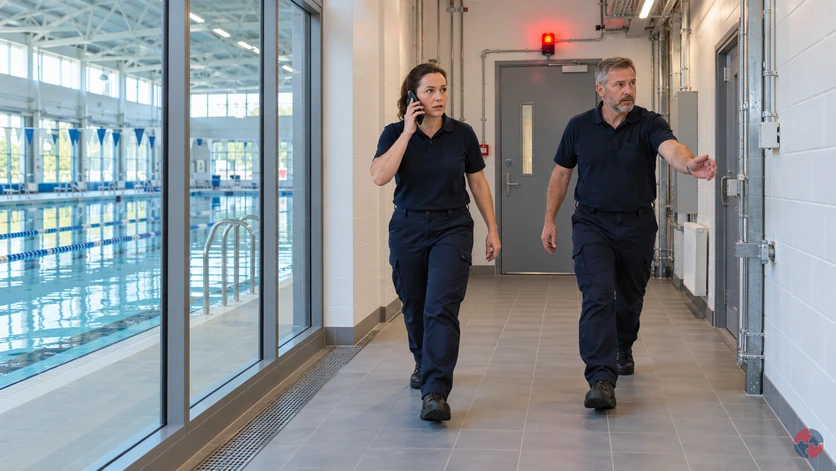
An alarm is a reason to withdraw, not investigate
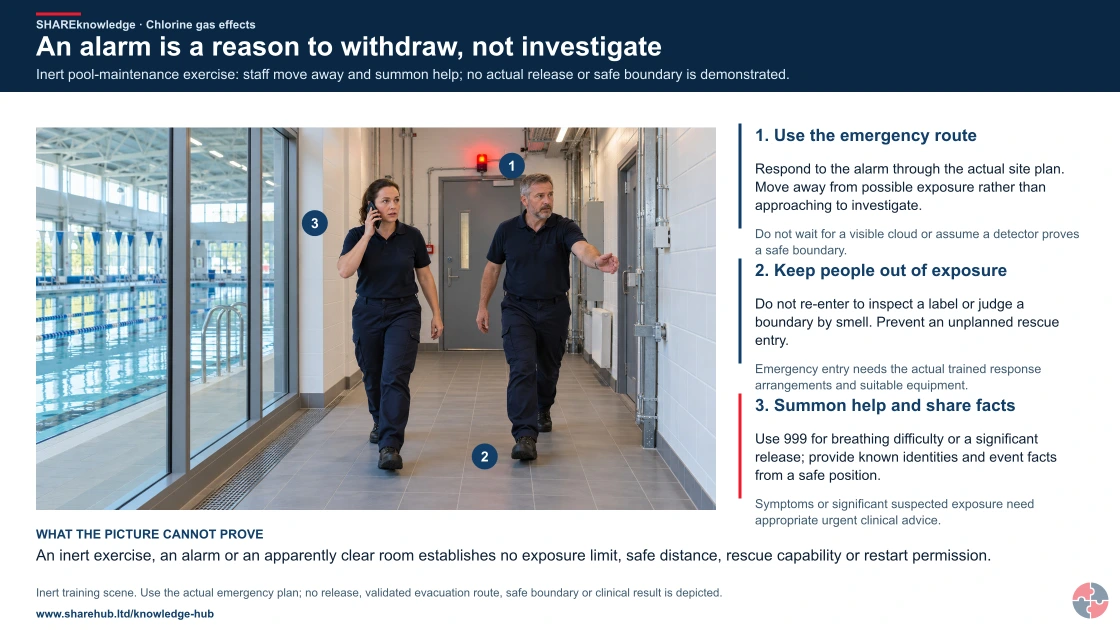
Full written explanation
Inert pool-maintenance exercise: staff move away and summon help; no actual release or safe boundary is demonstrated.
- Use the emergency route. Respond to the alarm through the actual site plan. Move away from possible exposure rather than approaching to investigate.
- Keep people out of exposure. Do not re-enter to inspect a label or judge a boundary by smell. Prevent an unplanned rescue entry.
- Summon help and share facts. Use 999 for breathing difficulty or a significant release; provide known identities and event facts from a safe position.
Change the pathway
- An alarm does not identify the gas. Do not wait for a visible cloud or assume a detector proves a safe boundary.
- Use the trained response. Emergency entry needs the actual trained response arrangements and suitable equipment.
- Keep clinical follow-up distinct. Symptoms or significant suspected exposure need appropriate urgent clinical advice.
Evidence check: An inert exercise, an alarm or an apparently clear room establishes no exposure limit, safe distance, rescue capability or restart permission.
Full chlorine-release emergency, clinical advice and competent restart boundary
Primary references: UKHSA: chlorine general information · HSE: COSHH emergency planning (GB)
Open the complete HD image (new tab)Download image
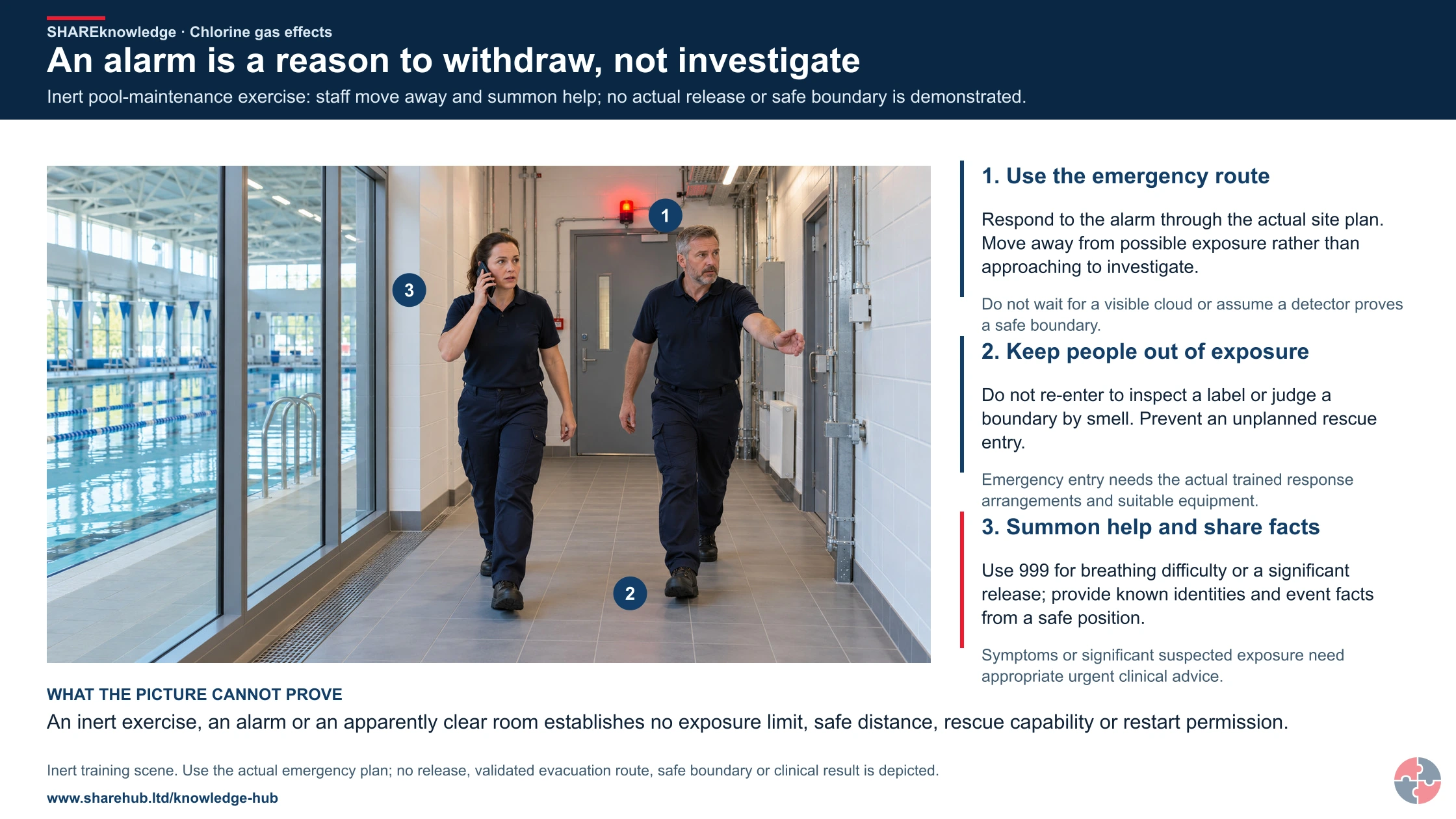
Full chlorine-release emergency, clinical advice and competent restart boundary
Primary references: UKHSA: chlorine general information · HSE: COSHH emergency planning (GB)
The strongest controls prevent chlorine gas being formed or released in the first place. This may mean eliminating a chlorine-based product, using pre-diluted chemicals, physically separating acids from hypochlorite, fitting unique connectors, using closed dosing and designing drains so incompatible chemicals cannot meet.
Emergency PPE and respiratory protective equipment are important for defined response roles, but they are weaker than preventing release. A well-run site should be able to show that prevention, detection, control and mitigation barriers are in place and tested.
Choose the activity
How can the ERICPD hierarchy of controls reduce risks while replenishing hypochlorite dosing stock?

| Control level | Control for this activity | Owner and verification | Stop / restart decision |
|---|---|---|---|
| Eliminate | Remove unnecessary manual decanting by using a suitably designed supply and dosing arrangement. | Process owner verifies that the revised workflow achieves the required output and the hazardous step is genuinely removed. | If the hazardous step remains, retain a task assessment and select the stronger feasible remaining controls. |
| Reduce, including substitution | Evaluate a compatible lower-hazard treatment method or supplied formulation without compromising the required treatment performance. | Process/technical owner validates the alternative, its compatibility and any new risks before adoption. | Reject the alternative if suitability is unproved or its new hazards are unresolved. |
| Isolate | Segregate hypochlorite from acids and other incompatibles; protect the receiving area and restrict access during replenishment. | Supervisor verifies the task boundaries and that the separation or isolation protects affected people and connected work. | Hold or stop for wrong connection, leak, gas alarm, unexpected reaction or uncertain product identity. |
| Control: physical safeguards | Use compatible dedicated connections, containment, ventilation and safeguards against filling the wrong tank. | Competent equipment/process owner checks product and tank identity, connection compatibility, capacity and ventilation. | Hold or stop for wrong connection, leak, gas alarm, unexpected reaction or uncertain product identity. |
| Control: work method and response | Confirm exact product, receiving tank and available capacity; agree withdrawal, alarm and emergency communications before connection. | Supervisor confirms the limits, response, communication and restart authority with the people doing this activity. | Stop if the agreed method, communication, competent cover or task limits cannot be maintained. |
| PPE | Select chemical splash protection for the product and method; ordinary masks do not protect against chlorine gas. | Assessor confirms whether PPE is needed and checks selection, condition, compatibility and any required face-fit evidence. | Do not rely on unsuitable or defective protection, or use PPE to continue after an essential source control fails. |
| Discipline | Inspect connections, close the delivery record and reconcile stock; investigate wrong-product or residue concerns before reuse. | Release only after operations verifies a secure system and closes the replenishment record. Retain the checks and unresolved restrictions at handover. | Keep the activity on hold while defects or required reinstatement evidence remain unresolved. |
How can the ISO 45001 hierarchy of controls reduce risks while replenishing hypochlorite dosing stock?

| Control level | Control for this activity | Owner and verification | Stop / restart decision |
|---|---|---|---|
| Elimination | Remove unnecessary manual decanting by using a suitably designed supply and dosing arrangement. | Process owner verifies that the revised workflow achieves the required output and the hazardous step is genuinely removed. | If the hazardous step remains, retain a task assessment and select the stronger feasible remaining controls. |
| Substitution | Evaluate a compatible lower-hazard treatment method or supplied formulation without compromising the required treatment performance. | Process/technical owner validates the alternative, its compatibility and any new risks before adoption. | Reject the alternative if suitability is unproved or its new hazards are unresolved. |
| Engineering controls | Segregate hypochlorite from acids and other incompatibles; protect the receiving area and restrict access during replenishment. | Supervisor verifies the task boundaries and that the separation or isolation protects affected people and connected work. | Hold or stop for wrong connection, leak, gas alarm, unexpected reaction or uncertain product identity. |
| Engineering controls | Use compatible dedicated connections, containment, ventilation and safeguards against filling the wrong tank. | Competent equipment/process owner checks product and tank identity, connection compatibility, capacity and ventilation. | Hold or stop for wrong connection, leak, gas alarm, unexpected reaction or uncertain product identity. |
| Administrative controls | Confirm exact product, receiving tank and available capacity; agree withdrawal, alarm and emergency communications before connection. | Supervisor confirms the limits, response, communication and restart authority with the people doing this activity. | Stop if the agreed method, communication, competent cover or task limits cannot be maintained. |
| PPE | Select chemical splash protection for the product and method; ordinary masks do not protect against chlorine gas. | Assessor confirms whether PPE is needed and checks selection, condition, compatibility and any required face-fit evidence. | Do not rely on unsuitable or defective protection, or use PPE to continue after an essential source control fails. |
| Administrative controls | Inspect connections, close the delivery record and reconcile stock; investigate wrong-product or residue concerns before reuse. | Release only after operations verifies a secure system and closes the replenishment record. Retain the checks and unresolved restrictions at handover. | Keep the activity on hold while defects or required reinstatement evidence remain unresolved. |
How can the ERICPD hierarchy of controls reduce risks while maintaining hypochlorite dosing pipework?

| Control level | Control for this activity | Owner and verification | Stop / restart decision |
|---|---|---|---|
| Eliminate | Use external fault diagnosis or defer intrusive work until the affected dosing equipment is safely out of service. | Process owner verifies that the revised workflow achieves the required output and the hazardous step is genuinely removed. | If the hazardous step remains, retain a task assessment and select the stronger feasible remaining controls. |
| Reduce, including substitution | Use a suitable pre-isolated replaceable module or an approved off-line repair method instead of opening the live line. | Process/technical owner validates the alternative, its compatibility and any new risks before adoption. | Reject the alternative if suitability is unproved or its new hazards are unresolved. |
| Isolate | Isolate all connected chemical sources and energy; drain or otherwise make safe under the approved procedure and verify the condition. | Supervisor verifies the task boundaries and that the separation or isolation protects affected people and connected work. | Hold or stop for unverified pressure or contents, passing isolation, gas alarm or loss of ventilation. |
| Control: physical safeguards | Provide compatible collection, ventilation, line support and controlled containment for residual solution. | Competent equipment/process owner checks line identity, isolation, residual contents, collection and leak test. | Hold or stop for unverified pressure or contents, passing isolation, gas alarm or loss of ventilation. |
| Control: work method and response | Identify the line and chemical, control the permit and prohibit incompatible cleaning agents; coordinate loss of treatment with the operator. | Supervisor confirms the limits, response, communication and restart authority with the people doing this activity. | Stop if the agreed method, communication, competent cover or task limits cannot be maintained. |
| PPE | Specify gloves, clothing and eye/face protection for residual chemical contact; any RPE must be suitable for the assessed hazard. | Assessor confirms whether PPE is needed and checks selection, condition, compatibility and any required face-fit evidence. | Do not rely on unsuitable or defective protection, or use PPE to continue after an essential source control fails. |
| Discipline | Prove leak tightness, correct reconnection and treatment readiness before removing isolations and returning to service. | Release only after operator and maintainer accept reinstatement and treatment function. Retain the checks and unresolved restrictions at handover. | Keep the activity on hold while defects or required reinstatement evidence remain unresolved. |
How can the ISO 45001 hierarchy of controls reduce risks while maintaining hypochlorite dosing pipework?

| Control level | Control for this activity | Owner and verification | Stop / restart decision |
|---|---|---|---|
| Elimination | Use external fault diagnosis or defer intrusive work until the affected dosing equipment is safely out of service. | Process owner verifies that the revised workflow achieves the required output and the hazardous step is genuinely removed. | If the hazardous step remains, retain a task assessment and select the stronger feasible remaining controls. |
| Engineering controls | Use a suitable pre-isolated replaceable module or an approved off-line repair method instead of opening the live line. | Process/technical owner validates the alternative, its compatibility and any new risks before adoption. | Reject the alternative if suitability is unproved or its new hazards are unresolved. |
| Engineering controls | Isolate all connected chemical sources and energy; drain or otherwise make safe under the approved procedure and verify the condition. | Supervisor verifies the task boundaries and that the separation or isolation protects affected people and connected work. | Hold or stop for unverified pressure or contents, passing isolation, gas alarm or loss of ventilation. |
| Engineering controls | Provide compatible collection, ventilation, line support and controlled containment for residual solution. | Competent equipment/process owner checks line identity, isolation, residual contents, collection and leak test. | Hold or stop for unverified pressure or contents, passing isolation, gas alarm or loss of ventilation. |
| Administrative controls | Identify the line and chemical, control the permit and prohibit incompatible cleaning agents; coordinate loss of treatment with the operator. | Supervisor confirms the limits, response, communication and restart authority with the people doing this activity. | Stop if the agreed method, communication, competent cover or task limits cannot be maintained. |
| PPE | Specify gloves, clothing and eye/face protection for residual chemical contact; any RPE must be suitable for the assessed hazard. | Assessor confirms whether PPE is needed and checks selection, condition, compatibility and any required face-fit evidence. | Do not rely on unsuitable or defective protection, or use PPE to continue after an essential source control fails. |
| Administrative controls | Prove leak tightness, correct reconnection and treatment readiness before removing isolations and returning to service. | Release only after operator and maintainer accept reinstatement and treatment function. Retain the checks and unresolved restrictions at handover. | Keep the activity on hold while defects or required reinstatement evidence remain unresolved. |
Use HSE’s five-level hierarchy alongside ERICPD, a complementary teaching mnemonic rather than a separate legal test. Physical measures change the plant or exposure pathway; instructions and checks change how people work. Apply HSENI COSHH guidance for a Northern Ireland workplace. The following is a worked task example, not a universal plant specification.
Worked control choice: pool-plant drum change
What monitoring, detection and health surveillance may be needed?
Monitoring and detection should be used where they help prove exposure controls are working or warn people before harmful exposure occurs.
HSE explains that workplace exposure limits are legal limits under COSHH and that monitoring can help check whether controls are effective. For chlorine, this can include fixed gas detection, portable monitors, personal exposure monitoring, detector tube checks or specialist occupational hygiene assessment, depending on the task and risk.
Gas detection is only useful if it is maintained, calibrated, positioned correctly and linked to a response that people understand. An alarm that workers ignore, cannot hear, cannot interpret or cannot respond to is weak evidence.
Health surveillance is not automatically the main control for chlorine gas, because the priority is preventing acute releases. However, occupational health advice may be needed after significant exposure, repeated symptoms, asthma concerns, lung-function issues or where work involves repeated potential exposure.
| Option | Where it fits | Assurance question |
|---|---|---|
| Fixed gas detection | Plant rooms, dosing systems, chemical stores and high-risk process areas. | Are detectors calibrated, positioned and linked to a tested response? |
| Portable gas monitoring | Non-routine checks, maintenance, spill response or re-entry decisions. | Are users trained and are limits understood? |
| Personal exposure monitoring | Tasks with potential routine exposure near WELs. | Does the monitoring reflect real work and worst credible tasks? |
| Ventilation checks | Rooms where gas could accumulate. | Is extraction effective and maintained? |
| Symptom reporting | Any area where odour, irritation or coughing occurs. | Are reports investigated as control failures? |
| Occupational health review | After significant exposure or repeated symptoms. | Is health information handled confidentially and acted on appropriately? |
Which duties apply to chlorine gas exposure?
The work location determines COSHH duties; COMAH applies only when a qualifying establishment and inventory meet its scope.
In Great Britain, COSHH 2002 requires assessment and control of hazardous exposure. In Northern Ireland, use COSHH (NI) 2003 and HSENI guidance. Pool, dosing, transfer and maintenance tasks should assess credible accidental gas generation as well as routine chlorine handling. Exposure limits are legal controls where applicable, not emergency clearance values. First aid, reporting and major-accident rules require fact-specific checks; COMAH is not automatically triggered by having pool chemicals.
On a small screen, scroll this table sideways to read all columns.
| Decision | Great Britain | Northern Ireland |
|---|---|---|
| Exposure assessment | COSHH 2002 and HSE guidance. | COSHH (NI) 2003 and HSENI guidance. |
| Pool operation | HSE HSG179 practical guidance. | Use HSENI and locally competent pool guidance; HSG179 can inform but is GB guidance. |
| Major accident | Check GB COMAH scope and thresholds only if inventory suggests it. | Check NI COMAH scope and thresholds only if inventory suggests it. |
What should the risk register include for chlorine gas?
The risk register should describe credible release scenarios, the barriers that prevent them and the evidence that those barriers work.
For chlorine gas, a useful risk register entry does not simply say 'chemical exposure'. It names the event: acid added to hypochlorite tank, bleach mixed with descaler, dosing pump failure, chlorine cylinder leak, poor ventilation in pool plant, or incompatible waste in drain. The controls can then be audited.
Where the scenario could affect members of the public, contractors or neighbouring areas, the register should also address communication, evacuation, emergency services information and restart criteria.
| Event or issue | Preventing barriers | Detection and response | Evidence to check |
|---|---|---|---|
| Acid mixed with hypochlorite | Segregation, no-mix rules, labelled stores and approved products. | Worker alarm, evacuation, SDS handover and incident response. | Store inspection, training and compatibility matrix. |
| Wrong chemical delivered to tank | Unique couplings, line ID, delivery checks and independent verification. | Gas detection, transfer stop, exclusion and emergency plan. | Delivery records, fill-point inspection and transfer permit. |
| Pool plant release | Competent dosing, ventilation, maintenance, alarms and contractor control. | Plant-room alarm, evacuation and trained responder route. | Maintenance logs, alarm tests and drill learning. |
| Chlorine gas from drains | Drain mapping, no-discharge rules and waste compatibility checks. | Area isolation and specialist clean-up. | Waste records and drain inspections. |
| Repeated odour complaints | Investigation, ventilation review and task reassessment. | Symptom reporting and monitoring. | Complaint log, monitoring results and corrective actions. |
How could Riverside Leisure Ltd manage chlorine gas effects?

Riverside Leisure Ltd could manage chlorine gas effects by treating pool and cleaning chemicals as a controlled chemical system, not ordinary housekeeping supplies.
Riverside Leisure Ltd is used here as an example: a leisure and hospitality business with swimming pools, plant rooms, changing areas, cleaning teams, contractors, kitchens and public spaces. Chlorine gas could be created if pool acids and hypochlorite are confused, if cleaning products are mixed, if dosing equipment fails, or if a contractor discharges incompatible chemicals into a drain.
The business starts with a chemical inventory and compatibility matrix. Acids and chlorine-releasing products are stored separately in labelled, ventilated, locked areas. Pool plant has restricted access, clear line labelling, dosing checks, emergency isolation, gas-detection checks and maintenance routines. Cleaning staff use only approved products and are trained never to mix products or use unlabelled containers.
Oversight is layered. Duty managers complete short binary first-line checks on stores, labels, eyewash, ventilation indicators and worker understanding. Facilities managers complete second-line reviews of dosing logs, contractor RAMS, alarm tests and maintenance actions. Periodic third-line audits test the whole system: inventory, segregation, training, emergency drills, incident learning and action close-out.
| Management area | How Riverside applies the control | Evidence and improvement |
|---|---|---|
| Assessing and analysing | Maps pool, cleaning, kitchen and maintenance chemicals, then identifies incompatible mixing scenarios. | Chemical register, compatibility matrix, COSHH assessments and risk register. |
| Implementing controls | Separates acids and chlorine products, controls plant-room access, maintains dosing systems and specifies eyewash and ventilation. | Store checks, plant logs, eyewash tests and ventilation maintenance records. |
| Training and competence | Gives all staff no-mixing awareness, practical training for pool and cleaning teams, and supervisor training on checks and emergency response. | Training matrix, observed task sign-off and refresher triggers. |
| Contractor management | Requires contractors to declare chemicals, follow plant-room rules and avoid uncontrolled drain discharge. | RAMS review, induction, permits and contractor close-out review. |
| Emergency response | Tests alarm, evacuation, isolation, medical assessment and emergency services information. | Drill records, debrief actions and emergency pack. |
| Learning and improvement | Reviews odour reports, dosing faults, blocked stores, poor labels and near misses as weak signals. | Trend review, management meeting minutes and closed corrective actions. |
What should each role learn and demonstrate?
Learning must match the decisions people make, from recognising danger to checking that controls work.
Briefings should tell people how to act, but attendance alone does not show competence. Assess the real decision or task, record who assessed it and revisit after a material change, failed control or incident. A local authorisation is task-specific; no universal external certificate is implied.
On a small screen, scroll this table sideways to read all columns.
| Role and learning | Demonstration and assessor | Record and reassessment trigger |
|---|---|---|
| Pool or plant operator: wrong-chemical prevention. | Demonstrate independent product, tank, line and dosing checks. | Observed authorisation; repeat after process change. |
| Supervisor: alarm and evacuation. | Run a release drill, account for people and make 999 handover. | Drill result and closed corrective actions. |
| Engineer: barrier integrity. | Inspect segregation, unique connections, ventilation and detection. | Inspection and test; repair before restart. |
| Safety adviser: GB/NI scope. | Review COSHH, emergency plan and any COMAH scope decision. | Dated decision; revisit after inventory change. |
How does chlorine gas support study and professional development?
Chlorine gas helps learners connect COSHH, toxicology, incompatible mixing, emergency response and process-safety barriers.
For NEBOSH-style study, chlorine gas scenarios are useful because they test practical thinking. A weak answer says 'wear PPE'. A stronger answer explains the source of gas, route of exposure, incompatibility, hierarchy of control, ventilation, detection, emergency response, training, supervision and investigation.
A likely scenario might involve a cleaner using bleach and descaler in a poorly ventilated washroom, a pool operator connecting chemicals incorrectly, or a bulk delivery made to the wrong tank. Learners should show how controls prevent the event and how the organisation checks those controls remain reliable.
| Learning area | What to know | How to apply it |
|---|---|---|
| Toxicology | Chlorine irritates eyes and lungs and can cause delayed respiratory harm. | Explain symptoms and why medical assessment route matters. |
| COSHH | Exposure must be prevented or adequately controlled. | Use assessment, WELs, monitoring and control hierarchy. |
| Chemical compatibility | Hypochlorite and acids can release chlorine gas. | Use segregation, labels, compatibility matrix and transfer checks. |
| Emergency response | Response must protect rescuers and affected people. | Plan evacuation, RPE roles, emergency services handover and restart. |
| Process safety | Bulk chemical errors can become major accident scenarios. | Identify prevention, detection, control, mitigation and assurance barriers. |
How can a management system sustain effective decisions?
Give each hazard or support route an owner, a control, a check and a response to failure.
Give each release-prevention barrier a named owner, inspection and response to failure. Test evacuation and handover against a realistic wrong-transfer scenario. An owner should sample actual work and corrective actions, not accept a policy or certificate as evidence that the controls work.
The free GB regulator guide HSE Managing for health and safety (HSG65) explains a plan–do–check–act approach: assign controls and owners, involve workers, check work as done, and correct failures. For Northern Ireland, use HSENI risk assessment guidance for the local duty. A certificate alone does not demonstrate that a control works.
What can incident investigations teach?
Wrong-chemical transfer needs physical and procedural barriers, not only a warning label or verbal check.
The US Chemical Safety Board investigated an acid delivery into a sodium-hypochlorite tank at MGPI Industries, which released chlorine. Use this as a transferable design and verification lesson, not UK law or a claim that every site needs identical equipment. A site should verify product, tank, line and coupling independently, secure alternatives, and test emergency shutoff and alarm arrangements.
On a small screen, scroll this table sideways to read all columns.
| Barrier | Local verification | Failure response |
|---|---|---|
| Chemical identity | Buyer and receiver match order, SDS and tank inventory. | Hold transfer on mismatch. |
| Physical route | Engineer checks unique connection, locked alternative and line map. | No flow if route is ambiguous. |
| Emergency readiness | Operator rehearses isolation, alarm, evacuation and 999 information. | Stop/review after failed drill or near miss. |
What are the warning signs that chlorine gas risk is not controlled?
Warning signs include odour complaints, incompatible storage, poor labels, weak plant-room control and unclear emergency response.
| Warning sign | How it can cause harm | What to do |
|---|---|---|
| Bleach and acids stored together | A spill, mistake or cleaning shortcut can release chlorine gas. | Segregate immediately and update product approval rules. |
| Unlabelled bottles or spray containers | Workers may mix or apply the wrong chemical. | Remove unlabelled products and enforce decanting controls. |
| People report chlorine smell or coughing | Exposure may already be occurring and could worsen in enclosed spaces. | Stop work, investigate source and review controls. |
| Pool plant access is informal | Untrained people may enter during a release or alter dosing arrangements. | Restrict access and train authorised staff. |
| Gas alarms are ignored or untested | A release may not trigger effective evacuation or response. | Test alarms, retrain workers and audit response. |
| Contractor chemicals are unmanaged | Incompatible products may be introduced without site knowledge. | Review RAMS, product lists, induction and supervision. |
| Incidents are cleaned up without review | The same mixing or plant fault can recur. | Investigate cause and close corrective actions. |
Chemical hazard symbols: what do they mean?
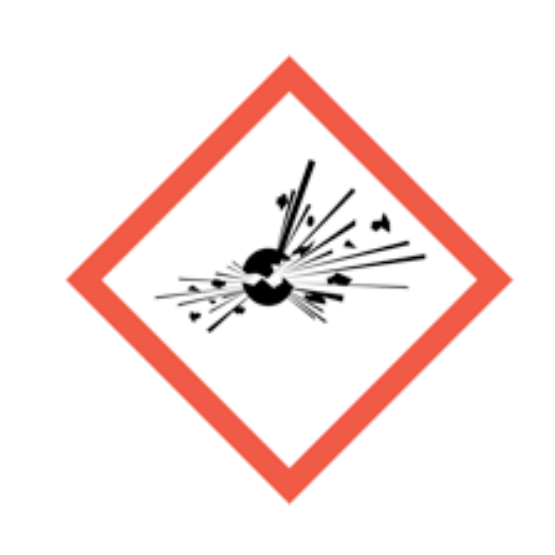
Exploding bomb
Explosive, self-reactive or organic peroxide hazards.
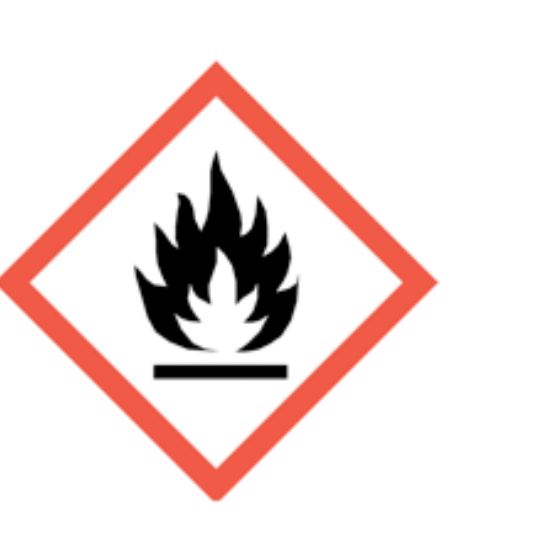
Flame
Flammable, self-heating or pyrophoric substances.
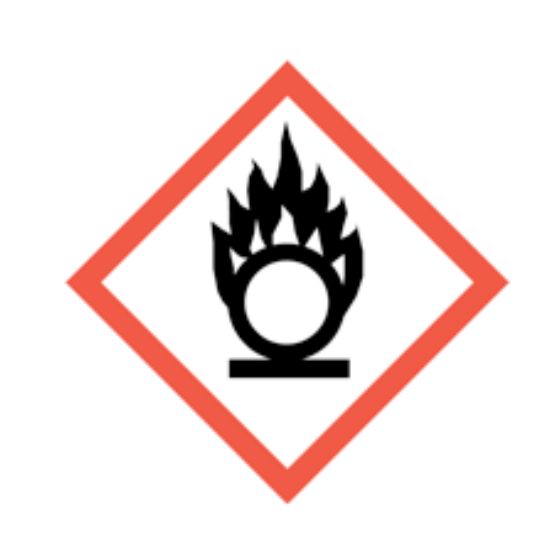
Flame over circle
Oxidising substances that can intensify fire.

Gas cylinder
Gas under pressure.
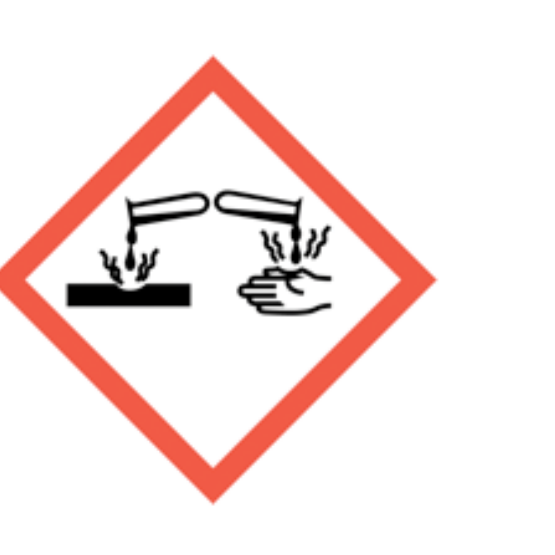
Corrosion
Skin burns, eye damage or corrosive to metals.
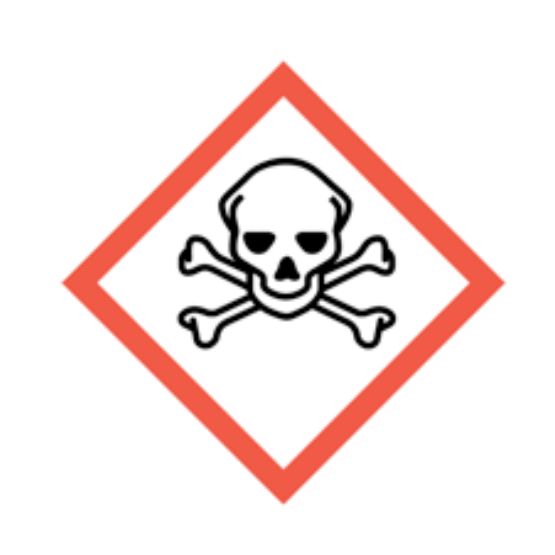
Skull and crossbones
Acute toxicity.
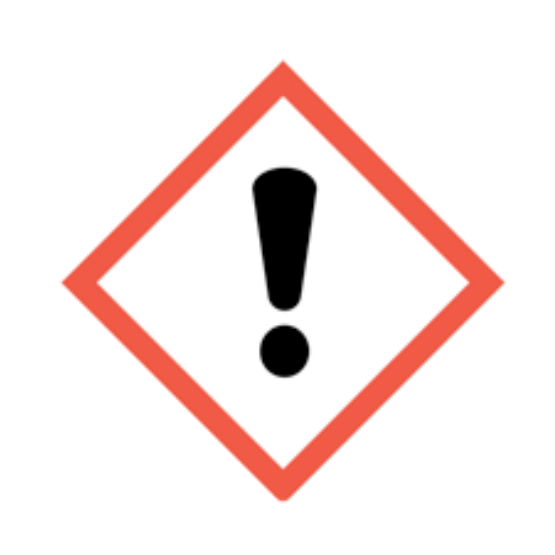
Exclamation mark
Irritation, harmful effects or skin sensitisation; some classifications cover drowsiness, dizziness or ozone-layer hazard. Read the actual hazard statements. Skin sensitisation differs from respiratory sensitisation.
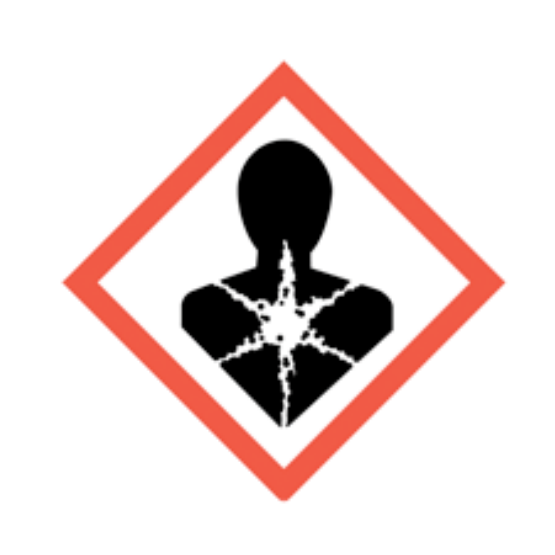
Health hazard
Serious health hazards, including organ damage, aspiration hazard, respiratory sensitisation, cancer and reproductive effects; some can follow a single exposure.
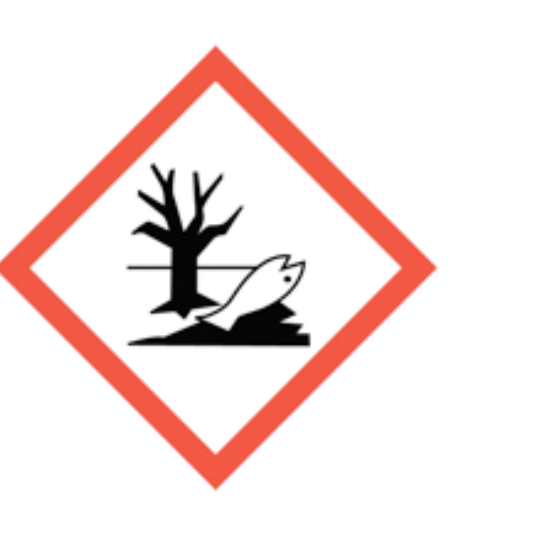
Environment
Hazardous to the aquatic environment.
What acronyms are used on this chlorine gas page?
Acronyms should be clear because chlorine gas control uses COSHH, exposure monitoring, PPE and process-safety language.
| Acronym | Meaning | Why it matters |
|---|---|---|
| COSHH | Control of Substances Hazardous to Health | Main UK regulations for preventing or controlling exposure to hazardous substances. |
| WEL | Workplace exposure limit | Legal occupational exposure limit listed in EH40 for relevant substances. |
| EH40 | HSE workplace exposure limits publication | Reference publication for GB WELs. |
| PPE | Personal protective equipment | Includes eye, hand and body protection for residual risk. |
| RPE | Respiratory protective equipment | Respiratory protection selected for defined tasks or emergency roles. |
| SDS | Safety data sheet | Provides product hazards, incompatible materials and emergency advice. |
| COMAH | Control of Major Accident Hazards | Major accident regulations applying to qualifying establishments. |
| RADS | Reactive airways dysfunction syndrome | Irritant-induced asthma-like condition after high irritant exposure. |