
SHARE Knowledge Hub
What is chemical safety at work?
Chemical safety starts with the actual substance and task: identify exposure and reaction routes, prevent or control them at source, and verify that controls work. Use the current supplier label and safety data sheet as inputs to a task-specific assessment. Great Britain and Northern Ireland have different chemical supply and workplace instruments.
Understanding What is chemical safety at work?
Chemical safety starts with the actual substance and task: identify exposure and reaction routes, prevent or control them at source, and verify that controls work. Use the current supplier label and safety data sheet as inputs to a task-specific assessment. Great Britain and Northern Ireland have different chemical supply and workplace instruments.
Why this matters at work
Workers should be able to explain their task hazards, exposure routes, required controls and checks, what changes make the method unsafe and how to report or stop. Information must be understandable and relevant SDS content accessible. Competence combines knowledge, practical skill, experience and authority. Assessors, operators, maintainers, RPE users and spill responders need different capabilities; training attendance does not show every person can perform each role.
Agree task scope, time, boundaries, simultaneous operations, handover and return-to-service responsibilities with the contractor and plant owner. Include the workers who will perform the break and affected shifts. Assess the possible release, skin and inhalation routes, fire or reaction hazards and appropriate emergency arrangements. Confined-space or other specialist rules may apply independently and need their own competent process. Record verified precautions, unresolved conditions and what requires stopping or revalidation. This answer does not authorise entry, line breaking or a particular isolation design; local competent dutyholders must establish that the specific job can proceed.
How organisations manage this in practice
Assess the actual material and work, prevention, containment, ventilation, ignition control, credible failures and emergency response together without merging the legal tests. For example, a ventilation change intended to reduce inhalation can affect where flammable vapour travels. Competent design must consider the combined consequences. Record duties, assumptions, control ownership and verification, including maintenance and change. Avoid calling a general COSHH form an explosion assessment or assuming a product label defines hazardous areas. Seek specialist assistance where explosive atmospheres or complex reactions are credible. Neither this Q&A nor a generic checklist certifies equipment, zoning or site compliance.
Choose prevention and reliable source controls before relying on PPE or instructions. State the required checks, defect and emergency actions, responsible people and review triggers in language users understand. Verify effectiveness during real work and include combined exposures and foreseeable loss of ventilation or wrong-material errors. Match competence to the role, from operator to assessor or spill responder; a generic annual slide deck is not evidence that everyone can do their task. Use the correct GB or NI workplace and specialist framework. Record uncertainties and obtain competent advice where product identity or control evidence is insufficient to justify proceeding.
Ask whether the task or hazardous function can be avoided or completed through a safer method. If a substitute is justified, define its approved use, quantities, dilution or dosing arrangements from the actual instructions, and any temporary limits or expiry of the agreement. Check tools, hoses, seals, software, cleaning and waste interfaces where relevant. Communicate the change to operators, cleaners, contractors and responders and replace obsolete instructions. Record the evidence, owner and verification of controls. Do not use generic glove recommendations or an SDS alone as approval. Review the arrangement after first use or any concern and revert only through another considered change.
Chemical exposure, splash, inhalation, fire, reaction or spill events should be managed through the site emergency arrangements, first-aid procedure, safety data sheet instructions and competent occupational health, medical, legal or environmental advice where required.
Who needs to understand chemical safety?
Chemical safety should be understood by anyone who buys, specifies, stores, uses, supervises, maintains, transports or disposes of chemicals at work.
Workers and operators
Need to understand labels, routes of entry, task controls, hygiene, PPE/RPE and what to do if something goes wrong.
Supervisors
Need to check that COSHH controls, storage rules, cleaning methods, permits and emergency arrangements are actually followed.
Managers
Need to resource safer substitutes, training, storage, maintenance, monitoring, health surveillance and contractor controls.
Procurement and stores teams
Need to prevent unsuitable chemicals entering the workplace without SDS review, compatibility checks and approval.
Maintenance teams
Need to manage hidden chemical risks during cleaning, draining, line-breaking, confined spaces and decontamination.
H&S and occupational health teams
Need to connect risk assessment, exposure monitoring, health surveillance, trend analysis and learning.
Use the chemical system to control a changed task
A purchased cleaner needs supplier information plus an assessment of dilution, use, ventilation, contact, storage and disposal. A fume created by heating material needs evidence about the material and process. Both sit in the chemical system, but a product inventory or SDS library cannot replace either task assessment.
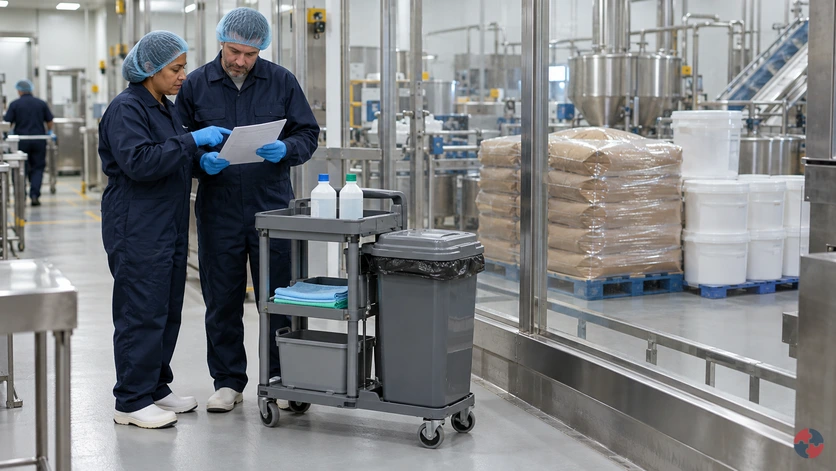
Follow the product beyond the store cupboard
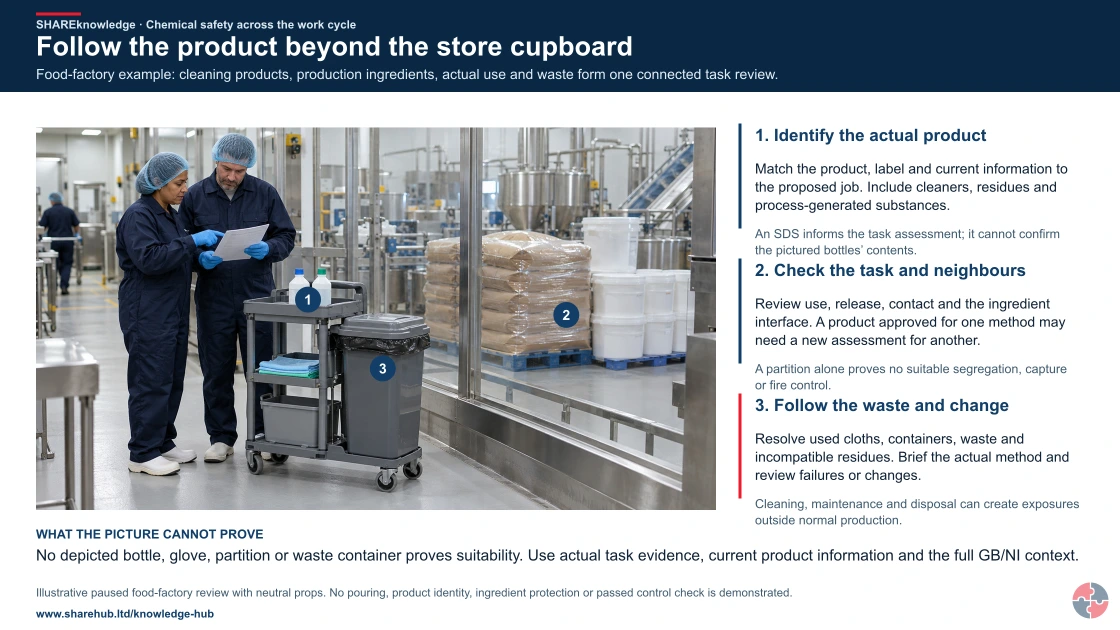
Full written explanation
Food-factory example: cleaning products, production ingredients, actual use and waste form one connected task review.
- Identify the actual product. Match the product, label and current information to the proposed job. Include cleaners, residues and process-generated substances.
- Check the task and neighbours. Review use, release, contact and the ingredient interface. A product approved for one method may need a new assessment for another.
- Follow the waste and change. Resolve used cloths, containers, waste and incompatible residues. Brief the actual method and review failures or changes.
Change the pathway
- An SDS informs the assessment. An SDS informs the task assessment; it cannot confirm the pictured bottles’ contents.
- Separate health and other risks. A partition alone proves no suitable segregation, capture or fire control.
- Include the non-routine work. Cleaning, maintenance and disposal can create exposures outside normal production.
Evidence check: No depicted bottle, glove, partition or waste container proves suitability. Use actual task evidence, current product information and the full GB/NI context.
Full task-specific chemical assessment and control questions
Primary references: HSE: using chemicals at work (GB) · HSE: task-specific COSHH assessment (GB)
Open the complete HD image (new tab)Download image
Full task-specific chemical assessment and control questions
Primary references: HSE: using chemicals at work (GB) · HSE: task-specific COSHH assessment (GB)
Use change as the connecting journey through the specialist guides. A different cleaner, contractor method or work temperature can alter exposure, reactivity, storage, emergency arrangements and competence. Assign one operational owner to bring those reviews together before use, with the relevant COSHH, compatibility, classification and fire/explosion routes kept distinct. Determine reporting separately from emergency control; a spill is not automatically a statutory report.
Crownway: a contractor brings a substitute cleaner
Illustrative example. A contractor proposes a warmer cleaning process with a replacement product already used at another site.
Decision. The contract and chemical owners review the changed material and conditions before accepting the method.
Evidence to check. Current product information, actual temperature and exposure, compatibility, storage, waste route and emergency capability.
Hold or escalation point. Hold use while introduced risks or changed controls remain unresolved.
Follow-up. Update the approved use, contractor briefing and control checks so the substitute does not become an unreviewed routine.
Separate a vapour release from a powder release
Enclosed cleaning and powder charging need controls matched to their material, process and release route. A single generic chemical-safety checklist will not settle both.
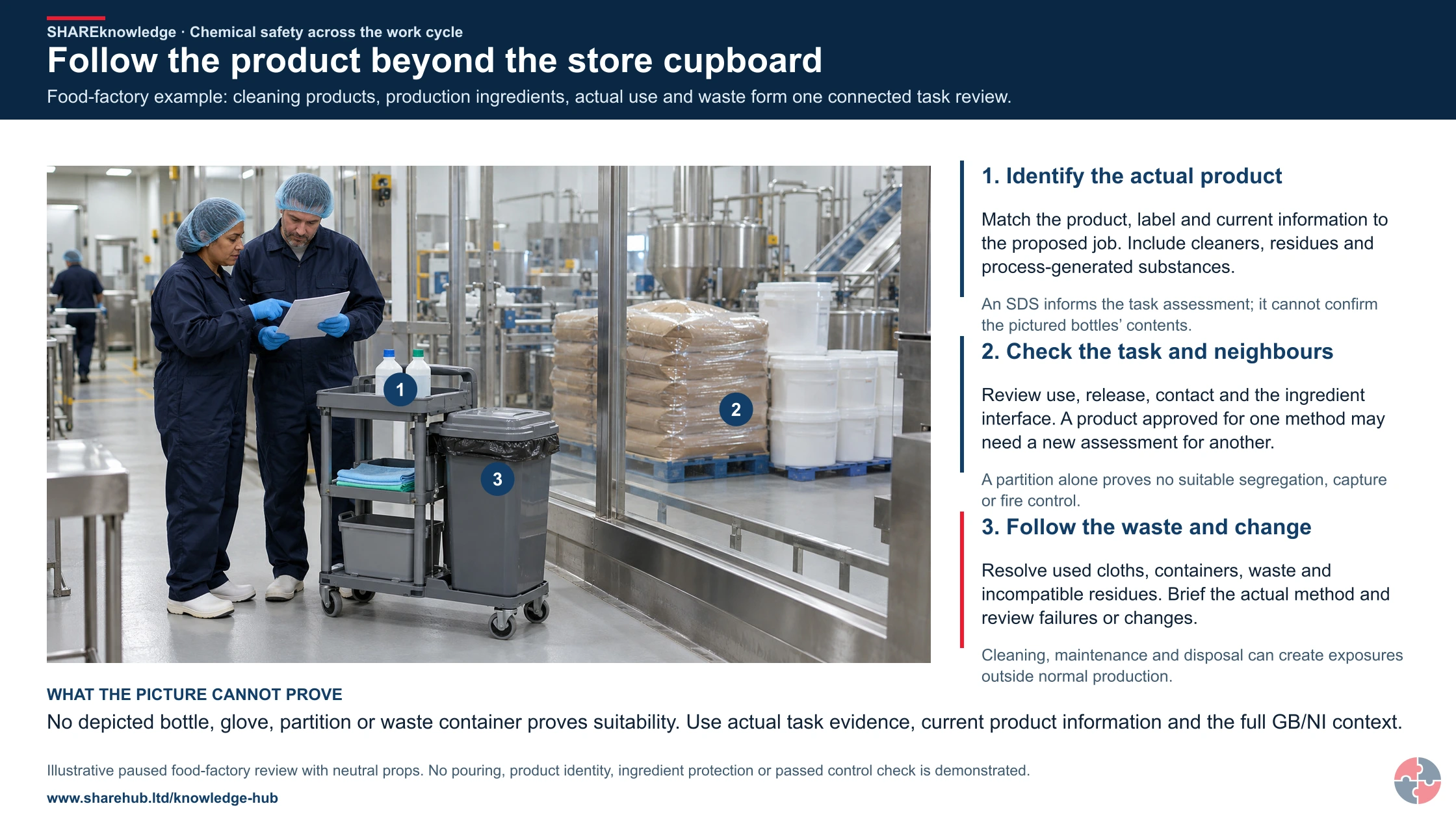
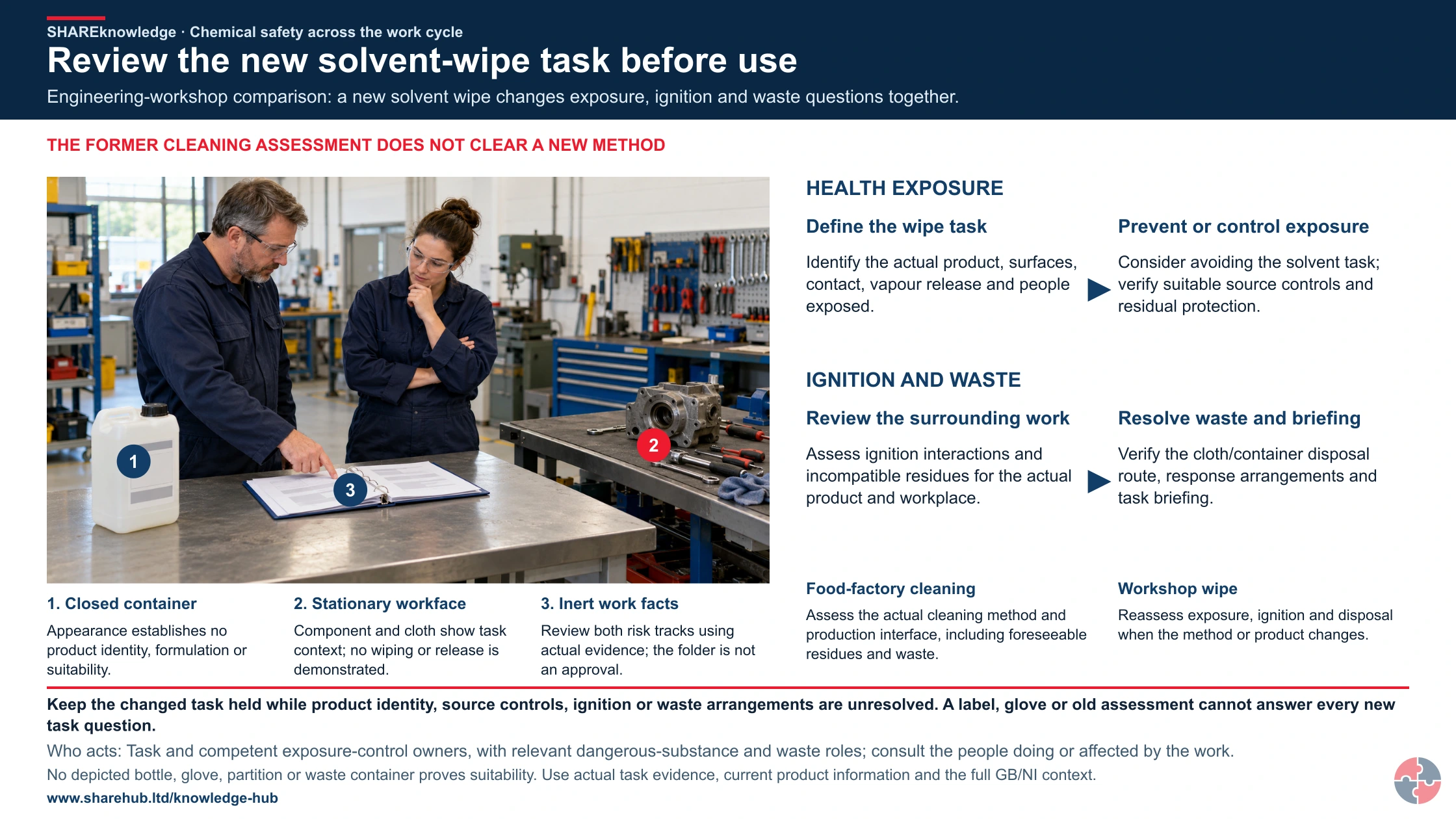
Review the new solvent-wipe task before use
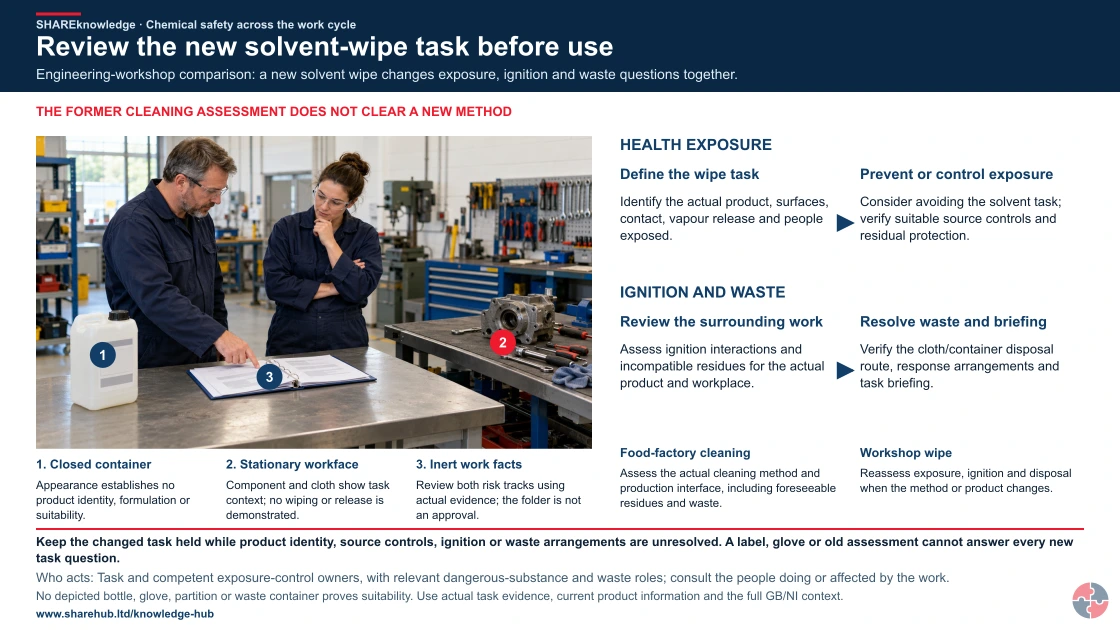
Full written explanation
An illustrative paused engineering workshop shows a closed neutral container, a stationary component and folded cloth on a workbench, and normal colleagues reviewing inert task facts. Picture key: 1 identifies the closed container; 2 identifies the stationary workface; 3 identifies inert work facts. The container is not identified as a selected solvent or formulation, and the folder is not a real SDS, assessment or approval. No wiping, opening, pouring, chemical contact, vapour release or operating method is shown. The complete analytical review has two independent tracks. HEALTH EXPOSURE connects defining the wipe task to preventing or controlling exposure. IGNITION AND WASTE connects reviewing surrounding work to resolving waste and briefing. Arrows remain within each track; the two tracks are not a universal four-stage sequence and neither clears the other. All four complete checks have unnumbered headings. The former cleaning assessment does not clear a new method; the full held-task condition, responsible roles, evidence limits and both original workplace cases remain. Physical appearances establish no capture performance, glove suitability, ignition protection, material compatibility, disposal acceptance, exposure result or work permission. The existing emergency route remains independent of product review, paperwork and restart decisions. No symptoms, anatomy, injury, clinical or response demonstration is added. Use the complete topic for its actual task, supplier-information, GB/NI, source and confidentiality qualifications.
Engineering-workshop comparison: a new solvent wipe changes exposure, ignition and waste questions together.
- Define the wipe task. Identify the actual product, surfaces, contact, vapour release and people exposed.
- Prevent or control exposure. Consider avoiding the solvent task; verify suitable source controls and residual protection.
- Review the surrounding work. Assess ignition interactions and incompatible residues for the actual product and workplace.
- Resolve waste and briefing. Verify the cloth/container disposal route, response arrangements and task briefing.
When the evidence does not fit: Keep the changed task held while product identity, source controls, ignition or waste arrangements are unresolved. A label, glove or old assessment cannot answer every new task question.
Who acts: Task and competent exposure-control owners, with relevant dangerous-substance and waste roles; consult the people doing or affected by the work.
Changed workplace
Food-factory cleaning: Assess the actual cleaning method and production interface, including foreseeable residues and waste.
Workshop wipe: Reassess exposure, ignition and disposal when the method or product changes.
Evidence check: No depicted bottle, glove, partition or waste container proves suitability. Use actual task evidence, current product information and the full GB/NI context.
Full task-specific chemical assessment and control questions
Primary references: HSE: using chemicals at work (GB) · HSE: task-specific COSHH assessment (GB)
Open the complete HD image (new tab)Download image
Full task-specific chemical assessment and control questions
Primary references: HSE: using chemicals at work (GB) · HSE: task-specific COSHH assessment (GB)

Know the material
Check the substance, mixture and task, including cleaning, maintenance and waste handling.
Capture the release
Assess the enclosure, capture point and people’s positions for vapour or dust as appropriate. Keep hands clear of machinery and retain its separate energy controls.
Verify and respond
Check actual control performance, suitable protection and the waste route. A failed source control returns the affected task to hold.
This is a comparison of assessment questions, not a solvent choice, mixer operating method or exposure clearance.
What are the key facts about chemical safety?
The key facts are that chemical harm depends on the substance, its form, the exposure route, the dose, the task and whether controls are reliable.
Chemical safety is wider than labelled products
Hazards include process-generated dusts, fumes, vapours, mists, gases and by-products that may not arrive in a labelled container.
SDS information is only the starting point
The real risk depends on how the chemical is used, who is exposed, how often, for how long and under what conditions.
Routes of entry matter
A vapour, dust, liquid or mist can harm through inhalation, skin contact, eye contact, ingestion or injection.
Control should follow the hierarchy
Elimination, substitution, enclosure, extraction, segregation and safe systems should come before reliance on PPE.
Storage is an active risk control
Segregation, labelling, containment, ventilation and stock control prevent leaks, reactions, fires and accidental misuse.
Evidence proves the system is alive
Registers, COSHH assessments, SDS reviews, LEV tests, training records, inspections, monitoring and health surveillance show whether controls are current.
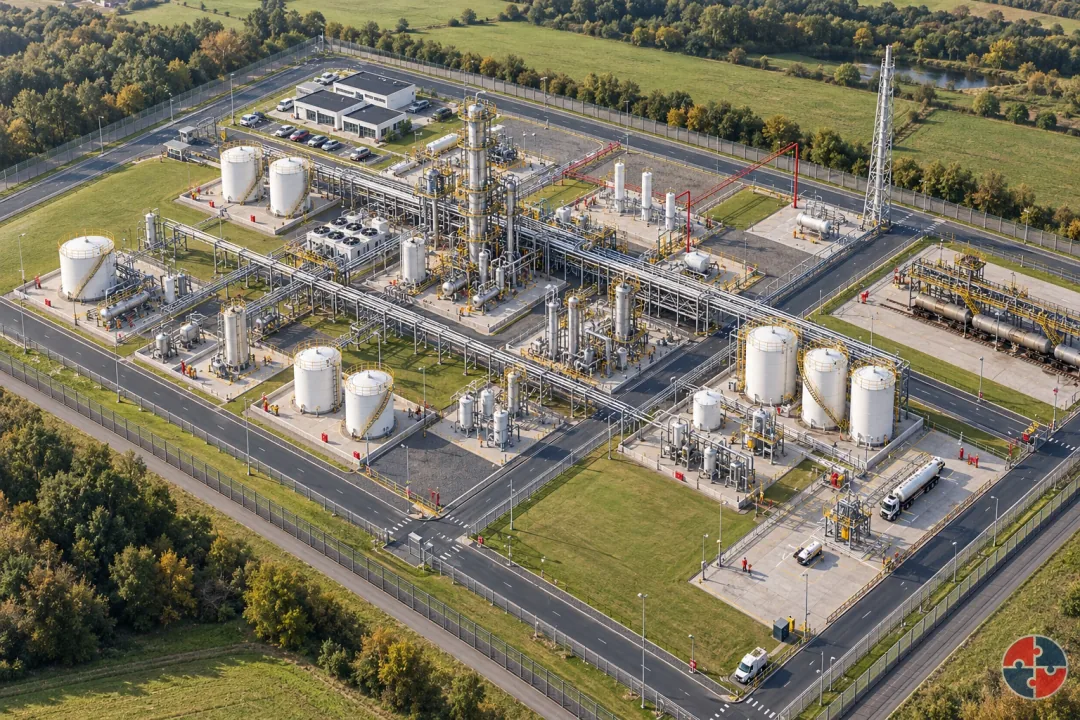

What is chemical safety at work? in a working scene
Try 1 scenario with images, explanations and decisions that develop into follow-on situations. Trace how a hazard can cause harm, compare work arrangements and choose controls.
What is chemical safety at work?
Chemical safety is the practical system used to prevent people, property and the environment being harmed by chemicals and substances hazardous to health.
Good chemical safety starts before a substance is purchased. A business should ask whether the substance is needed, whether a safer option exists, what it will be used for, who will use it, how exposure could occur and how the substance will be stored, moved, controlled and disposed of.
The term chemical should be read broadly. It includes cleaning products, paints, adhesives, fuels, solvents, acids, alkalis, resins, disinfectants, laboratory reagents, process chemicals and substances generated by work such as welding fume, wood dust, silica dust, metalworking fluid mist or diesel exhaust.
A strong page or system should not stop at the label. It should connect classification, toxicology, fire and reaction hazards, exposure route, work method, control reliability, maintenance, emergency planning, training and evidence.
| Lifecycle stage | What good management looks like | Evidence to keep |
|---|---|---|
| Selection | Choose a safer substance or process where reasonably practicable. | Substitution review and approval record. |
| Purchase | Check SDS, classification, storage needs, WELs and restrictions before ordering. | Approved chemical register entry. |
| Receipt and labelling | Confirm container identity, label condition and storage location. | Goods-in check and SDS access. |
| Use | Apply COSHH controls for the actual task and exposure route. | COSHH assessment, training and supervision record. |
| Maintenance and cleaning | Control hidden residues, contaminated plant, line-breaking and cleaning exposure. | Permit, isolation, decontamination and inspection records. |
| Disposal | Dispose of chemicals, containers and contaminated waste safely. | Waste transfer or disposal evidence where required. |
What forms can hazardous substances take?
Hazardous substances can appear as gases, vapours, fumes, mists, aerosols, dusts, powders, liquids, pastes, solids, fibres and biological agents.
The physical form changes the exposure route and the control method. A volatile solvent may create an inhalation and fire risk. A corrosive liquid may create splash and skin-burn risks. A fine powder may become airborne during pouring or mixing. A hot process may create fume even if the original material seemed stable.
Chemicals can also change form during use. Spraying turns liquids into aerosols. Heating can produce vapours or decomposition products. Grinding, cutting or sanding can turn solid materials into respirable dust. Mixing incompatible substances can create heat, gas, pressure or toxic release.
The COSHH assessment should name the form present during the task, not just the product name. This is often where weak assessments fail.
| Form | Examples | Main concern |
|---|---|---|
| Gas | Chlorine, ammonia, carbon dioxide, nitrogen. | Inhalation, asphyxiation, toxicity, pressure or release. |
| Vapour | Solvent vapour from paints, thinners or fuels. | Inhalation, flammability and nervous-system effects. |
| Fume | Welding fume, thermal decomposition products. | Fine particles and metal oxide exposure. |
| Mist or aerosol | Spraying, machining fluids, disinfectant fogging. | Inhalation and skin or eye deposition. |
| Dust or powder | Silica, flour, cement, powders and pigments. | Respirable dust, skin contact and combustible dust where relevant. |
| Liquid or paste | Acids, alkalis, resins, adhesives and coatings. | Skin absorption, burns, dermatitis, splash and fire risk. |
| Solid article or residue | Contaminated filters, rags, deposits or absorbents. | Secondary exposure during cleaning, storage or disposal. |
How can chemicals enter or affect the body?
Chemicals can harm people through inhalation, skin contact, skin absorption, eye contact, ingestion and injection.
Inhalation is often the most obvious route because airborne dusts, gases, vapours, mists and fumes can reach the nose, throat and lungs. Fine respirable particles can travel deep into the lungs; soluble gases may irritate the upper airways; some vapours can be absorbed into the bloodstream.
Skin exposure is often underestimated. Some substances damage the skin surface, some pass through the skin and affect organs, and some cause sensitisation so that later small exposures trigger a reaction. Wet work, damaged gloves, contaminated sleeves, trapped chemicals and poor washing facilities all increase risk.
Eye exposure, ingestion and injection are less frequent but can be severe. Splash injuries, contaminated hands near the mouth, eating in work areas and puncture injuries from contaminated sharps or high-pressure injection equipment should be considered in the assessment.
| Route | How exposure occurs | Typical controls |
|---|---|---|
| Inhalation | Breathing dust, mist, fume, gas or vapour. | Elimination, enclosure, LEV, ventilation, process control and RPE. |
| Skin contact | Liquid, dust, paste or contaminated PPE touches skin. | Substitution, closed handling, gloves, clothing, welfare and skin checks. |
| Skin absorption | Substance passes through skin into the body. | Chemical-resistant PPE, hygiene and exposure-time control. |
| Eye contact | Splash, dust or aerosol enters the eye. | Closed transfer, splash guards, goggles, face shields and eyewash. |
| Ingestion | Contaminated hands, food, drink or cigarettes transfer substance to mouth. | Hygiene, clean welfare, no eating in contaminated areas and supervision. |
| Injection | High-pressure fluid or contaminated sharp punctures skin. | Guarding, depressurisation, sharps controls and emergency escalation. |
What health effects can chemical exposure cause?
Chemical exposure can cause immediate injury, delayed illness, sensitisation, cancer, reproductive harm, organ damage, respiratory disease, skin disease and poisoning.
Some chemical effects happen quickly: burns, eye injury, dizziness, breathing difficulty, irritation, unconsciousness or acute poisoning. Others develop slowly after repeated exposure or after a long latency period, such as occupational asthma, dermatitis, chronic lung disease or cancer.
Dose and duration matter, but so does individual susceptibility. A sensitiser may cause one worker to develop allergic asthma or dermatitis while another worker appears unaffected. Once sensitised, future low exposures may trigger symptoms.
Chemical health risk should be read alongside fire, explosion and environmental risk. A flammable solvent, for example, may require COSHH controls for inhalation and skin exposure, DSEAR controls for explosive atmospheres, and environmental controls for spills and drainage.
| Effect type | Examples | What it means for management |
|---|---|---|
| Irritation | Eye, throat, airway or skin irritation. | Check exposure route, concentration, contact time and controls. |
| Corrosion and burns | Acids, alkalis and corrosive cleaners. | Need splash prevention, emergency washing and trained response. |
| Sensitisation | Isocyanates, epoxy resins, some dusts and biological agents. | Exposure should be prevented or tightly controlled with surveillance. |
| Toxicity | Solvents, gases, metals and pesticides. | Need exposure limits, task control, monitoring and medical arrangements where required. |
| Carcinogenicity | Certain dusts, fumes, solvents and process substances. | Exposure must be reduced to as low as reasonably practicable where relevant. |
| Reproductive effects | Some solvents, metals and substances toxic to reproduction. | Need specific risk assessment, substitution and worker information. |
| Asphyxiation | Nitrogen, carbon dioxide or oxygen-displacing gases. | Need atmosphere control, ventilation, detection and confined-space controls. |
How should labels and safety data sheets be used?
Use the current product label and SDS to understand supply hazards, then assess the real task before work starts.
Confirm product identity, formulation and revision. Check exposure, first aid, fire, stability and incompatibility sections against the method, quantity, temperature, by-products and people nearby. The SDS does not assess this specific work and may not describe process-generated dust or fume. Hold use when identification or information conflicts; the supplier and competent assessor should resolve it.
How do REACH and CLP fit with workplace chemical safety?
Supply classification and registration depend on the destination market; workplace COSHH controls depend on the actual site and task.
GB CLP and UK REACH apply to the Great Britain supply route. EU CLP and EU REACH continue in Northern Ireland. The supplier or importer must check its role and current market rules. The workplace user still needs a separate COSHH assessment and effective controls; an SDS or pictogram is not the completed assessment.
How should chemical safety be assessed?
Chemical safety should be assessed by identifying substances, tasks, exposure routes, people exposed, health effects, fire or reaction hazards and the controls needed to prevent harm.
A good assessment starts with a chemical inventory and task review. List what is used, generated or stored, then look at the task: quantity, concentration, temperature, duration, frequency, method of application, ventilation, nearby people, maintenance activities, cleaning and waste.
The assessment should separate hazard from risk. A substance can be hazardous but low risk if it is sealed in a closed system with no credible exposure. A lower-hazard product can become higher risk if sprayed, heated, used for long periods or used in a poorly ventilated space.
The assessment should also cover foreseeable abnormal situations: spills, wrong chemical added, failed extraction, missing RPE, incompatible storage, contractor use, emergency cleaning, unlabelled containers, damaged packaging and waste accumulation.
| Step | What to do | Common weak point |
|---|---|---|
| Create the inventory | List substances purchased, stored, used, generated and disposed of. | Only listing purchased products and missing process-generated hazards. |
| Read SDS and labels | Identify classification, exposure limits, incompatibilities and emergency measures. | Using out-of-date SDS or not checking sections 7, 8 and 10. |
| Define the task | Describe how the substance is actually used. | Generic assessment that ignores spraying, heating, mixing or confined areas. |
| Identify exposure routes | Consider inhalation, skin, eyes, ingestion and injection. | Assuming gloves or masks solve all routes. |
| Identify people exposed | Include workers, cleaners, maintenance, contractors, visitors and nearby workgroups. | Missing secondary exposure. |
| Choose controls | Apply hierarchy and COSHH principles of good control practice. | Jumping straight to PPE. |
| Record and brief | Make controls clear enough for the work team to use. | Assessment is filed but not translated into work instructions. |
| Review | Review after changes, symptoms, monitoring results, incidents or new information. | No trigger-based review process. |
How can the hierarchy of controls reduce chemical exposure and dangerous reaction risks?
Chemical exposure should be controlled by eliminating or substituting hazards, enclosing processes, controlling emissions at source, using safe systems and adding PPE only where residual risk remains.
ERICPD helps keep control thinking practical. Eliminate the chemical or task where possible. Reduce risk through safer substitutes, lower concentration, smaller quantities, pellets instead of powder, lower temperature or shorter exposure. Isolate people using enclosures, segregation and restricted access. Control emissions using LEV, closed transfer, automation, cleaning and emergency systems. PPE and RPE then protect against remaining exposure. Discipline keeps the controls used, maintained and checked.
Control also needs to match the route of exposure. LEV will not protect skin from a corrosive liquid. Gloves will not control vapour. A respirator will not make incompatible storage safe. Good chemical safety often needs several layers working together.
The standard should be good practical control, not paperwork compliance. If the work still smells strongly of solvent, creates visible dust, leaves chemical residue on benches, relies on torn gloves or has workers unsure what to do in a spill, the control system is not mature.
Choose the activity
How can the ERICPD hierarchy of controls reduce risks while cleaning oily valve components?

| Control level | Control for this activity | Owner and verification | Stop / restart decision |
|---|---|---|---|
| Eliminate | Buy components ready for assembly or remove an unnecessary cleaning stage where cleanliness requirements permit. | Process owner verifies that the revised workflow achieves the required output and the hazardous step is genuinely removed. | If the hazardous step remains, retain a task assessment and select the stronger feasible remaining controls. |
| Reduce, including substitution | Trial a suitable aqueous or other lower-hazard cleaning process; validate component finish and any new corrosion or skin risk. | Process/technical owner validates the alternative, its compatibility and any new risks before adoption. | Reject the alternative if suitability is unproved or its new hazards are unresolved. |
| Isolate | Use a designated cleaning station away from ignition sources and unrelated work; segregate contaminated items and waste. | Supervisor verifies the task boundaries and that the separation or isolation protects affected people and connected work. | Hold or stop for unknown solvent, failed extraction, uncontrolled vapour or incompatible waste. |
| Control: physical safeguards | Use compatible enclosed cleaning equipment and effective local extraction where required; minimise open liquid and splash paths. | Competent equipment/process owner checks product identity, enclosure, extraction, waste containment and cleaning quality. | Hold or stop for unknown solvent, failed extraction, uncontrolled vapour or incompatible waste. |
| Control: work method and response | Identify the product and contamination, control decanting and waste, and prohibit unassessed mixing or heating. | Supervisor confirms the limits, response, communication and restart authority with the people doing this activity. | Stop if the agreed method, communication, competent cover or task limits cannot be maintained. |
| PPE | Select gloves, eye protection and any RPE for the actual formulation; a particulate mask does not protect against solvent vapour. | Assessor confirms whether PPE is needed and checks selection, condition, compatibility and any required face-fit evidence. | Do not rely on unsuitable or defective protection, or use PPE to continue after an essential source control fails. |
| Discipline | Maintain seals and extraction, check cleaning quality and investigate exposure or fire-control defects before restarting. | Release only after maintenance owner accepts the cleaning trial and verified controls. Retain the checks and unresolved restrictions at handover. | Keep the activity on hold while defects or required reinstatement evidence remain unresolved. |
How can the ISO 45001 hierarchy of controls reduce risks while cleaning oily valve components?

| Control level | Control for this activity | Owner and verification | Stop / restart decision |
|---|---|---|---|
| Elimination | Buy components ready for assembly or remove an unnecessary cleaning stage where cleanliness requirements permit. | Process owner verifies that the revised workflow achieves the required output and the hazardous step is genuinely removed. | If the hazardous step remains, retain a task assessment and select the stronger feasible remaining controls. |
| Substitution | Trial a suitable aqueous or other lower-hazard cleaning process; validate component finish and any new corrosion or skin risk. | Process/technical owner validates the alternative, its compatibility and any new risks before adoption. | Reject the alternative if suitability is unproved or its new hazards are unresolved. |
| Engineering controls | Use a designated cleaning station away from ignition sources and unrelated work; segregate contaminated items and waste. | Supervisor verifies the task boundaries and that the separation or isolation protects affected people and connected work. | Hold or stop for unknown solvent, failed extraction, uncontrolled vapour or incompatible waste. |
| Engineering controls | Use compatible enclosed cleaning equipment and effective local extraction where required; minimise open liquid and splash paths. | Competent equipment/process owner checks product identity, enclosure, extraction, waste containment and cleaning quality. | Hold or stop for unknown solvent, failed extraction, uncontrolled vapour or incompatible waste. |
| Administrative controls | Identify the product and contamination, control decanting and waste, and prohibit unassessed mixing or heating. | Supervisor confirms the limits, response, communication and restart authority with the people doing this activity. | Stop if the agreed method, communication, competent cover or task limits cannot be maintained. |
| PPE | Select gloves, eye protection and any RPE for the actual formulation; a particulate mask does not protect against solvent vapour. | Assessor confirms whether PPE is needed and checks selection, condition, compatibility and any required face-fit evidence. | Do not rely on unsuitable or defective protection, or use PPE to continue after an essential source control fails. |
| Administrative controls | Maintain seals and extraction, check cleaning quality and investigate exposure or fire-control defects before restarting. | Release only after maintenance owner accepts the cleaning trial and verified controls. Retain the checks and unresolved restrictions at handover. | Keep the activity on hold while defects or required reinstatement evidence remain unresolved. |
How can the ERICPD hierarchy of controls reduce risks while charging bagged powder into a mixer?

| Control level | Control for this activity | Owner and verification | Stop / restart decision |
|---|---|---|---|
| Eliminate | Use a suitable supplied premix or closed bulk supply where it removes local bag opening and emptying. | Process owner verifies that the revised workflow achieves the required output and the hazardous step is genuinely removed. | If the hazardous step remains, retain a task assessment and select the stronger feasible remaining controls. |
| Reduce, including substitution | Choose a compatible less dusty granule, paste or liquid formulation where the process and full hazard review support it. | Process/technical owner validates the alternative, its compatibility and any new risks before adoption. | Reject the alternative if suitability is unproved or its new hazards are unresolved. |
| Isolate | Enclose the charging area and separate nearby workers from the dust release and moving mixer parts. | Supervisor verifies the task boundaries and that the separation or isolation protects affected people and connected work. | Hold or stop for failed capture, unknown ingredient, uncontrolled dust cloud or ignition-control defect. |
| Control: physical safeguards | Use suitable contained charging and source extraction; assess ignition, static and explosion protection where dust is combustible. | Competent equipment/process owner checks ingredient identity, dust properties, extraction performance and charging access. | Hold or stop for failed capture, unknown ingredient, uncontrolled dust cloud or ignition-control defect. |
| Control: work method and response | Verify ingredient identity and sequence; use the approved cleaning and waste method and keep hands away from moving parts. | Supervisor confirms the limits, response, communication and restart authority with the people doing this activity. | Stop if the agreed method, communication, competent cover or task limits cannot be maintained. |
| PPE | Select suitable RPE and skin/eye protection for remaining exposure; fit-test any tight-fitting facepiece used. | Assessor confirms whether PPE is needed and checks selection, condition, compatibility and any required face-fit evidence. | Do not rely on unsuitable or defective protection, or use PPE to continue after an essential source control fails. |
| Discipline | Check capture, filters, seals and dust deposits; stop using the station when source control fails rather than finishing in RPE. | Release only after process owner accepts the charging method and functioning dust controls. Retain the checks and unresolved restrictions at handover. | Keep the activity on hold while defects or required reinstatement evidence remain unresolved. |
How can the ISO 45001 hierarchy of controls reduce risks while charging bagged powder into a mixer?

| Control level | Control for this activity | Owner and verification | Stop / restart decision |
|---|---|---|---|
| Elimination | Use a suitable supplied premix or closed bulk supply where it removes local bag opening and emptying. | Process owner verifies that the revised workflow achieves the required output and the hazardous step is genuinely removed. | If the hazardous step remains, retain a task assessment and select the stronger feasible remaining controls. |
| Substitution | Choose a compatible less dusty granule, paste or liquid formulation where the process and full hazard review support it. | Process/technical owner validates the alternative, its compatibility and any new risks before adoption. | Reject the alternative if suitability is unproved or its new hazards are unresolved. |
| Engineering controls | Enclose the charging area and separate nearby workers from the dust release and moving mixer parts. | Supervisor verifies the task boundaries and that the separation or isolation protects affected people and connected work. | Hold or stop for failed capture, unknown ingredient, uncontrolled dust cloud or ignition-control defect. |
| Engineering controls | Use suitable contained charging and source extraction; assess ignition, static and explosion protection where dust is combustible. | Competent equipment/process owner checks ingredient identity, dust properties, extraction performance and charging access. | Hold or stop for failed capture, unknown ingredient, uncontrolled dust cloud or ignition-control defect. |
| Administrative controls | Verify ingredient identity and sequence; use the approved cleaning and waste method and keep hands away from moving parts. | Supervisor confirms the limits, response, communication and restart authority with the people doing this activity. | Stop if the agreed method, communication, competent cover or task limits cannot be maintained. |
| PPE | Select suitable RPE and skin/eye protection for remaining exposure; fit-test any tight-fitting facepiece used. | Assessor confirms whether PPE is needed and checks selection, condition, compatibility and any required face-fit evidence. | Do not rely on unsuitable or defective protection, or use PPE to continue after an essential source control fails. |
| Administrative controls | Check capture, filters, seals and dust deposits; stop using the station when source control fails rather than finishing in RPE. | Release only after process owner accepts the charging method and functioning dust controls. Retain the checks and unresolved restrictions at handover. | Keep the activity on hold while defects or required reinstatement evidence remain unresolved. |
Use HSE’s five-level hierarchy alongside ERICPD, a complementary teaching mnemonic rather than a separate legal test. Physical measures change the plant or exposure pathway; instructions and checks change how people work. Apply HSENI COSHH guidance for a Northern Ireland workplace. The following is a worked task example, not a universal plant specification.
Worked control choice: maintenance-bench degreasing
How should chemicals be stored and segregated?
Chemicals should be stored in labelled compatible containers, segregated by hazard, protected from damage and supported by spill, fire and emergency arrangements.
Storage is not just housekeeping. Poor storage can turn normal chemical use into fire, toxic release, uncontrolled reaction, environmental pollution or exposure during clean-up. Chemical stores should be designed around compatibility, ventilation, containment, access control, temperature, ignition control and emergency access.
Incompatible chemicals should be separated so that leaks, container failures or mistaken mixing do not create dangerous reactions. Acids and alkalis, oxidisers and flammables, water-reactive substances and water, and chemicals that release toxic gases when mixed should be clearly controlled.
Stock should be managed. Old chemicals, unlabelled containers, decanted bottles, damaged drums and excess quantities all increase risk. A chemical register should show what is present, where it is kept, who owns it and whether the SDS and assessment are current.
| Storage issue | Why it matters | Good practice |
|---|---|---|
| Labelling | Workers need to identify contents and hazards quickly. | Keep original labels or approved workplace labels on all containers. |
| Segregation | Incompatible substances may react if mixed. | Separate acids, alkalis, oxidisers, flammables and toxics as required. |
| Containment | Leaks can spread, reach drains or contact other chemicals. | Use bunds, trays and suitable cabinets. |
| Ventilation | Vapours can accumulate and create inhalation or fire risk. | Provide suitable natural or mechanical ventilation. |
| Ignition control | Flammable vapours may ignite. | Control hot work, electrical equipment, static and smoking. |
| Access control | Untrained people may misuse or move chemicals. | Restrict stores and keep issue controls. |
| Stock rotation | Old or degraded chemicals can become unstable or unknown. | Use stock checks, expiry dates and disposal routes. |
What emergency arrangements are needed for chemicals?
Plan for the credible release, eye or skin contact, fire and incompatible mixing before the work begins.
Stop the task and move people away from an uncontrolled release. Call 999 for serious injury, toxic-gas release, fire or an incident beyond site control. Do not send untrained people into a plume or improvise chemical neutralisation. First aid depends on the substance and current clinical advice; provide responders with the product identity, SDS and exposure details. A competent person should verify containment, isolation, communication and restart conditions.
How should chemical controls be monitored and maintained?
Chemical controls should be checked through routine workplace inspections, user checks, LEV testing, exposure monitoring, supervision, health surveillance and management review.
Active monitoring confirms whether controls are present before harm occurs. Frontline checks might confirm labels, storage, spill kits, gloves, RPE, eyewash and extraction are available and used. Supervisor checks should look at the quality of work methods. Specialist checks may include LEV examination, exposure monitoring or occupational hygiene review.
LEV requires particular attention because it can look impressive while failing to capture contaminants. Hood position, airflow, draughts, damage, blocked filters, poor user technique and process changes can all undermine protection.
Monitoring should generate action, not just scores. If repeat checks show missing SDSs, full cabinets, poor glove use or workers unsure about spill response, the system should trigger improvement, not another identical checklist.
| Control or evidence | What to check | Typical frequency trigger |
|---|---|---|
| Chemical register | Substances, locations, SDS dates, assessment status and owner. | New chemical, periodic review and stock check. |
| COSHH assessments | Task-specific exposure routes and controls. | Process change, SDS change, incident, symptom or review cycle. |
| LEV | Capture performance, condition, user checks and thorough examination. | User checks plus thorough examination at required intervals. |
| RPE | Suitability, fit test, condition, storage, cleaning and wearer training. | Before use, issue, change in wearer or task. |
| Exposure monitoring | Airborne concentration or biological monitoring where justified. | WEL, uncertainty, high-risk substance or control verification. |
| Storage checks | Segregation, labels, containment, quantities and housekeeping. | Routine inspection and stock review. |
| Incident and symptom trends | Spills, odour complaints, skin reports, breathing symptoms and near misses. | Every report and periodic trend review. |
When is health surveillance needed for chemicals?
Health surveillance is needed where the substance is associated with an identifiable disease or adverse effect, early detection can reduce harm, and workplace conditions make that harm likely.
Health surveillance is not a replacement for exposure control. It is a backstop that helps identify whether control measures are failing or whether individuals are being affected. It may involve skin checks, respiratory questionnaires, lung-function testing, biological monitoring or review by occupational health depending on the substance and task.
Typical triggers include asthmagens, sensitisers, substances causing dermatitis, work with certain carcinogens, exposure where symptoms have been reported, or situations where exposure is not adequately characterised. The choice should be based on COSHH assessment and competent occupational health advice.
Records must be handled carefully. Health surveillance results are sensitive personal data; employers usually need fitness or outcome information for management, not confidential clinical detail.
| Exposure type | Possible surveillance | Management use |
|---|---|---|
| Skin irritants or sensitisers | Skin checks and symptom reporting. | Detect dermatitis and review gloves, washing and exposure. |
| Respiratory sensitisers | Questionnaires and lung-function surveillance. | Detect work-related asthma symptoms early. |
| Substances with biological monitoring | Biological samples where appropriate and advised. | Assess uptake where air monitoring alone is not enough. |
| Carcinogens or mutagens | Records and surveillance where required by risk assessment. | Support long-term exposure control and evidence. |
| High concern symptoms | Occupational health referral. | Assess fitness, restrictions and control failures. |
Do chemical safety requirements differ between GB and NI?
Use the work location and supply market to choose the correct regulator and statutory route.
GB workplace exposure follows COSHH 2002 and HSE guidance; Northern Ireland follows COSHH (NI) 2003 and HSENI guidance. GB DSEAR 2002 and NI DSEAR 2003 may apply where dangerous substances create fire or explosion risk. GB CLP/UK REACH and NI EU CLP/EU REACH are separate supply systems. Competent specialists should check substance-specific duties and any cross-border supply scenario before ordering or use.
On a small screen, scroll this table sideways to read all columns.
| Decision | Great Britain | Northern Ireland |
|---|---|---|
| Workplace exposure | COSHH 2002; HSE guidance. | COSHH (NI) 2003; HSENI guidance. |
| Dangerous substance/fire | DSEAR 2002 where relevant. | DSEAR (NI) 2003 where relevant. |
| Supply market | GB CLP and UK REACH. | EU CLP and EU REACH. |
Which legal duties apply to chemical safety?
Assess and control exposure under the applicable GB or NI COSHH instrument; consider fire, supply and emergency duties on their own terms.
A general chemical inventory is not enough. The employer should identify each foreseeable task, route of exposure, by-product and potentially exposed person; prevent or adequately control exposure, maintain controls, brief workers and review after change. Relevant fire and explosion hazards require the local DSEAR route. A report under RIDDOR depends on the actual incident or diagnosis and jurisdiction; a spill is not automatically reportable. Waste, transport or major-accident rules require a separate scope assessment rather than blanket claims.
How could Crownway Fuels Ltd manage chemical safety?

Crownway Fuels Ltd could manage chemical safety by connecting procurement, storage, COSHH assessment, DSEAR, maintenance, worker training and assurance into one controlled system.
Crownway Fuels Ltd
For this example, Crownway Fuels Ltd operates a fuel storage and distribution site with fuel additives, cleaning chemicals, oils, laboratory reagents, tank residues and contractor maintenance work.
Crownway begins with a controlled chemical register. No new chemical, additive, cleaner, degreaser, treatment product or laboratory reagent is purchased until the SDS is reviewed, the storage compatibility is checked, the COSHH assessment is drafted and the operational owner accepts the controls. The procurement system blocks unapproved chemicals so site teams cannot create unmanaged risk through convenience purchasing.
The risk register separates health, fire/explosion, environmental and process-safety consequences. For example, a solvent-based cleaner may sit in COSHH because of inhalation and skin effects, DSEAR because of flammable vapour, environmental controls because of drainage risk, and contractor control because it may be used during maintenance. Each risk has named barriers: substitution review, small containers, flammable cabinet, ventilation, no hot work nearby, product-specific glove compatibility and replacement limits, eye protection, spill kit, drain covers, waste route and supervisor sign-off.
Implementation is evidence-based. Operators receive general chemical awareness and task briefings for fuels, additives and cleaning products. Maintenance contractors receive induction rules on bringing substances to site, SDS submission, decanting, labelling, spill response and permit interface. Stores inspections check segregation, labels, expiry dates, bund condition and incompatible storage. HSSE completes second-line audits of COSHH assessments, LEV or ventilation where relevant, RPE fit testing, spill drills and learning from odour complaints, near misses or health surveillance trends.
Continuous improvement is driven by data. If repeated inspections show unlabelled spray bottles, full drip trays, missing goggles or poor spill-kit replenishment, Crownway treats that as a system weakness rather than a worker problem. The management review then changes procurement controls, training, supervision, signage, storage design or contractor terms.
| System element | Example control | How it is checked |
|---|---|---|
| Chemical register | Approved chemicals, SDS version, location, owner, COSHH status and DSEAR relevance. | Monthly stores check and annual register review. |
| Procurement | No unapproved substance enters site without SDS and compatibility review. | Purchase approval and supplier review. |
| Risk assessment | Task-based COSHH assessments for fuels, additives, cleaners, residues and laboratory chemicals. | Supervisor briefing and HSSE audit. |
| Storage | Segregated cabinets, bunding, labelling, flammable storage and spill equipment. | Inspection checklist and action close-out. |
| Training | Awareness for all, task training for users, supervisor assurance training and spill response drills. | Training matrix, practical observation and refresher plan. |
| Contractor control | Contractors submit SDS and method controls before work. | Permit review and site monitoring. |
| Learning | Odour, spill, exposure, PPE and storage findings are trended. | Management review and improvement actions. |
For gloves, HSE selection guidance requires a choice matched to the substance and task. Record the manufacturer’s compatibility, permeation/degradation information and replacement decision; a glove material name alone is insufficient.
What should each role learn and demonstrate?
Learning must match the decisions people make, from recognising danger to checking that controls work.
Briefings should tell people how to act, but attendance alone does not show competence. Assess the real decision or task, record who assessed it and revisit after a material change, failed control or incident. A local authorisation is task-specific; no universal external certificate is implied.
On a small screen, scroll this table sideways to read all columns.
| Role and learning | Demonstration and assessor | Record and reassessment trigger |
|---|---|---|
| Buyer and assessor: product change. | Check label, SDS, market and actual task before approval. | Product approval and task assessment; revisit after formulation change. |
| Worker and supervisor: safe use. | Demonstrate transfer, exposure controls and stop response at the job. | Observed competence; repeat after near miss. |
| Engineer: source controls. | Inspect extraction, containment and isolation against design. | Test and maintenance record; repair failures before restart. |
| Emergency lead: release drill. | Practise alarm, evacuation, 999 handover and safe isolation. | Drill outcome and closed actions. |
How does chemical safety support NEBOSH study and professional development?
Chemical safety supports NEBOSH study by linking hazardous-substance theory to practical COSHH assessment, control selection, monitoring and workplace evidence.
For NEBOSH National General Certificate learners, the key is to explain the difference between hazard and risk, identify routes of entry, recognise forms of hazardous substance, describe COSHH assessment, apply the hierarchy of control and understand information, instruction, training and health surveillance.
Scenario questions often test application rather than memory. A learner may be given a cleaning, spraying, welding, construction, laboratory or maintenance scenario and asked to identify what is wrong, what controls are missing, what training is needed or how the employer should improve monitoring.
For diploma-level learning, the topic expands into occupational hygiene, toxicology principles, WELs, exposure measurement, biological monitoring, hierarchy of controls, carcinogens, sensitisers, health surveillance, audit and management-system assurance.
| Study area | What to know | How to apply it in a scenario |
|---|---|---|
| Routes of entry | Inhalation, skin, eyes, ingestion and injection. | Match the route to controls, not generic PPE. |
| Forms | Dust, fume, mist, vapour, gas, liquid, powder and process-generated substances. | Explain why the work method changes the risk. |
| COSHH assessment | Hazard, exposure, people, task, controls, monitoring and review. | Identify missing assessment details and improvement actions. |
| Control hierarchy | Eliminate, reduce, isolate, control, PPE and discipline. | Rank controls from strongest to weakest. |
| Monitoring and surveillance | WELs, LEV checks, exposure monitoring and health surveillance triggers. | Use evidence to judge whether controls are effective. |
| Emergency arrangements | Spill, splash, inhalation, fire and release response. | Explain what workers need to know and practise. |
How can a management system sustain effective decisions?
Give each hazard or support route an owner, a control, a check and a response to failure.
Keep procurement, assessment, source controls, health surveillance and emergency decisions connected through named owners and review after change. An owner should sample actual work and corrective actions, not accept a policy or certificate as evidence that the controls work.
The free GB regulator guide HSE Managing for health and safety (HSG65) explains a plan–do–check–act approach: assign controls and owners, involve workers, check work as done, and correct failures. For Northern Ireland, use HSENI risk assessment guidance for the local duty. A certificate alone does not demonstrate that a control works.
What are the warning signs that chemical safety is not being managed well?
Warning signs include outdated SDSs, generic COSHH assessments, unlabelled containers, uncontrolled odours or dust, poor storage, weak training and repeated symptoms or spills.
Weak chemical safety usually becomes visible before a serious event. Workers complain about smells, skin irritation or headaches. Gloves are selected because they are cheap rather than compatible. Spray bottles are unlabelled. Dust is swept dry. Flammable liquids are kept beside ignition sources. Spill kits are empty. These are not housekeeping details; they are early signs of exposure, fire or reaction risk.
The harm pathway should be made explicit. An unlabelled container can lead to the wrong chemical being used or mixed. Poor segregation can create gas, heat or fire if containers leak. Failed LEV can increase inhalation exposure. No skin surveillance can allow dermatitis to become established. No contractor chemical review can introduce incompatible or more hazardous products onto site.
Each sign should trigger action: stop or contain the task if needed, review the assessment, speak to workers, check the SDS, inspect controls, involve competent advice and close improvements with evidence.
| Warning sign | How harm can develop | Immediate management response |
|---|---|---|
| Outdated or missing SDS | Controls may be based on old classification or missing emergency information. | Obtain current SDS and review COSHH assessment. |
| Generic COSHH assessment | Actual routes of exposure are missed. | Rewrite around the real task and people exposed. |
| Unlabelled decanted containers | Wrong use, ingestion, mixing or emergency confusion can occur. | Stop use, identify contents and improve labelling controls. |
| Strong odours or visible dust | Inhalation exposure may be uncontrolled. | Check ventilation, process controls and exposure monitoring need. |
| Poor glove condition | Skin exposure, burns or absorption can occur. | Review compatibility, use, storage and replacement. |
| Incompatible storage | Leaks can create reaction, gas, heat, fire or toxic release. | Segregate, inspect and update storage plan. |
| Repeated skin or breathing symptoms | Controls may be failing or sensitisation may be developing. | Escalate through occupational health and review exposure controls. |
| Spill kits empty or unused | Small releases can become exposure or environmental incidents. | Restock, train and drill. |
Chemical safety FAQs - what do people ask about chemical safety?
Common chemical safety questions usually focus on what COSHH requires, how to use SDS information and how to choose controls that actually work.
What is chemical safety at work?
Chemical safety is the planned control of chemical hazards across selection, use, storage, exposure control, emergency response and disposal.
Is a safety data sheet the same as a COSHH assessment?
No. A safety data sheet informs the assessment, but the COSHH assessment must consider the actual workplace task, exposure, people and controls.
What are the main routes of entry for chemicals?
The main routes are inhalation, skin absorption or contact, eye contact, ingestion and injection through puncture wounds or high-pressure systems.
What chemical forms need to be considered?
Dusts, fumes, vapours, gases, mists, aerosols, liquids, powders, solids, pastes and process-generated substances all need to be considered.
What are CLP pictograms?
CLP pictograms are hazard symbols on chemical labels that warn about hazards such as flammability, corrosion, toxicity, oxidising properties, gas pressure and environmental harm.
What is UK REACH?
UK REACH is the framework for registration, evaluation, authorisation and restriction of chemicals in Great Britain.
What is a workplace exposure limit?
A workplace exposure limit is a legal airborne concentration limit listed in EH40 for certain substances under COSHH.
When is exposure monitoring needed?
Monitoring may be needed where WELs apply, exposure is uncertain, controls need verification or high-risk substances such as carcinogens, asthmagens or sensitisers are used.
When is health surveillance needed?
Health surveillance is needed where a disease or adverse effect is associated with the substance, early detection can reduce harm, and workplace conditions make it likely.
What is the best first control for chemical risk?
Elimination or substitution is usually stronger than PPE because it removes or reduces the hazard before exposure can occur.
How should chemicals be stored?
Chemicals should be stored in suitable labelled containers, segregated by compatibility, protected from damage and heat, and kept with spill and emergency arrangements.
What training do workers need?
Workers need training matched to their role, from general awareness through task-specific instruction, spill response, RPE/PPE use and supervisor-level assurance.
Chemical hazard symbols: what do they mean?
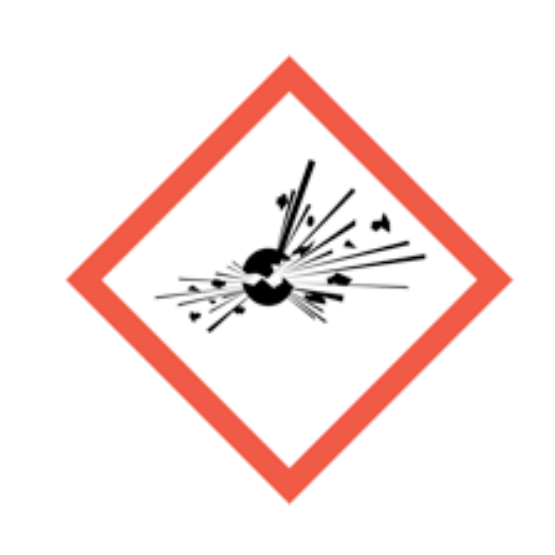
Exploding bomb
Explosive, self-reactive or organic peroxide hazards.
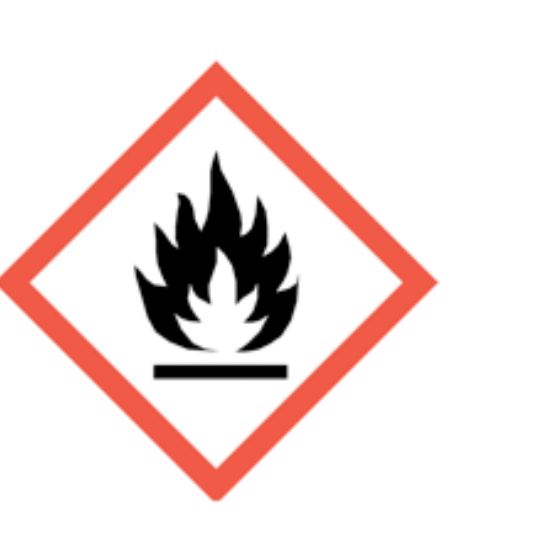
Flame
Flammable, self-heating or pyrophoric substances.
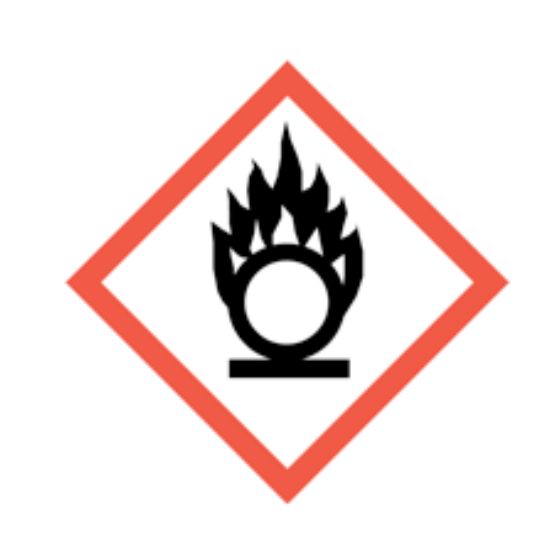
Flame over circle
Oxidising substances that can intensify fire.

Gas cylinder
Gas under pressure.
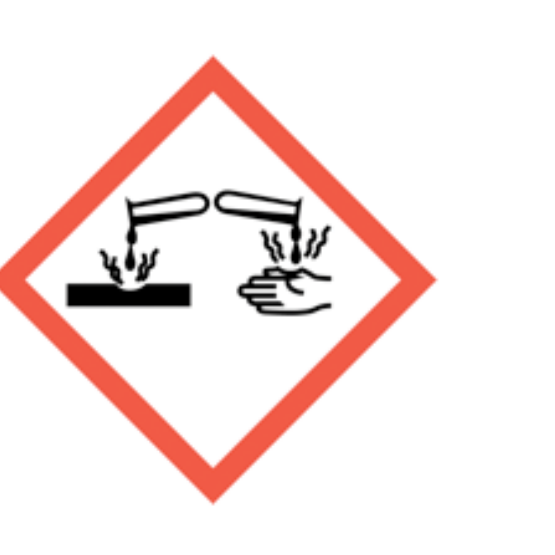
Corrosion
Skin burns, eye damage or corrosive to metals.
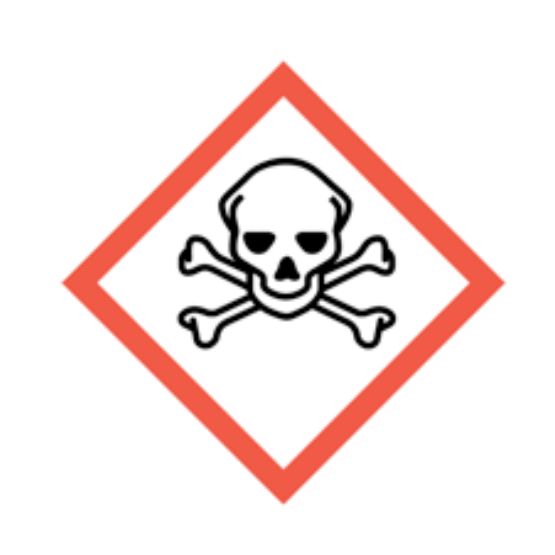
Skull and crossbones
Acute toxicity.
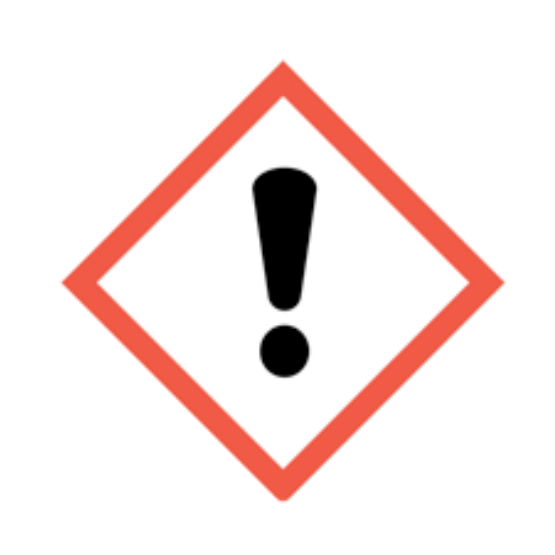
Exclamation mark
Irritation, harmful effects or skin sensitisation; some classifications cover drowsiness, dizziness or ozone-layer hazard. Read the actual hazard statements. Skin sensitisation differs from respiratory sensitisation.
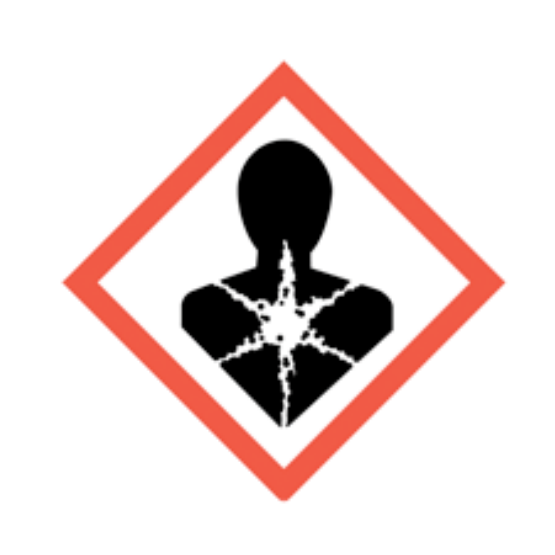
Health hazard
Serious health hazards, including organ damage, aspiration hazard, respiratory sensitisation, cancer and reproductive effects; some can follow a single exposure.
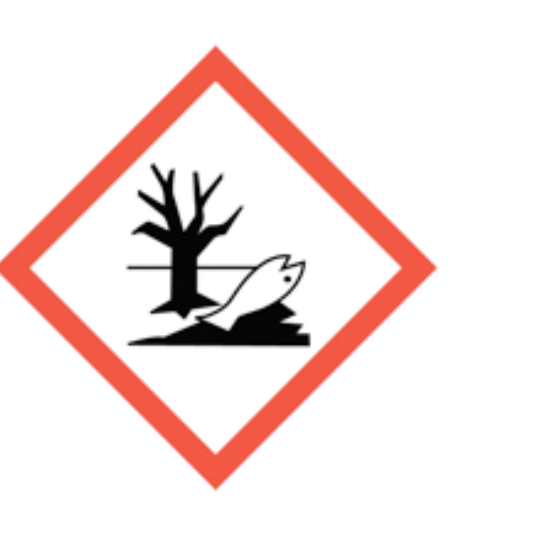
Environment
Hazardous to the aquatic environment.
What acronyms and terms should readers understand for chemical safety?
Chemical safety uses several acronyms that should be explained because they appear in assessments, SDSs, labels, training and official guidance.
| Term | Meaning | Plain-English use |
|---|---|---|
| COSHH | Control of Substances Hazardous to Health | Workplace regulations for preventing or controlling exposure to hazardous substances. |
| SDS | Safety Data Sheet | Supplier document used to inform, but not replace, workplace risk assessment. |
| CLP | Classification, Labelling and Packaging | Chemical hazard classification and labelling system. |
| REACH | Registration, Evaluation, Authorisation and Restriction of Chemicals | Chemical supply-chain and restriction framework. |
| WEL | Workplace Exposure Limit | Legal airborne exposure limit listed in EH40 for certain substances. |
| LEV | Local Exhaust Ventilation | Engineering control that captures airborne contaminants at source. |
| RPE | Respiratory Protective Equipment | Respirators and masks used where residual airborne exposure remains. |
| PPE | Personal Protective Equipment | Gloves, goggles, face shields, coveralls and other worn protection. |
| DSEAR | Dangerous Substances and Explosive Atmospheres Regulations | Rules for fire and explosion risks from dangerous substances. |
| SVHC | Substance of Very High Concern | REACH term for substances with serious health or environmental concern. |
| ALARP | As Low As Reasonably Practicable | A stricter exposure-control expectation for certain higher-risk substances. |
| APF | Assigned Protection Factor | RPE protection rating used when selecting respirators. |