
SHARE Knowledge Hub
What is chemical compatibility and inadvertent mixing?
Incompatible materials can react if they meet in storage, transfer lines, drains or waste containers, releasing heat, toxic gas or pressure. Prevent the encounter through verified identity, segregation and engineered transfer barriers. If a reaction begins, stop work, move people away and call trained emergency responders; do not improvise neutralisation.
Understanding What is chemical compatibility and inadvertent mixing?
Incompatible materials can react if they meet in storage, transfer lines, drains or waste containers, releasing heat, toxic gas or pressure. Prevent the encounter through verified identity, segregation and engineered transfer barriers. If a reaction begins, stop work, move people away and call trained emergency responders; do not improvise neutralisation.
Why this matters at work
Use a competent, validated cleaning and changeover arrangement with clear isolation, dedicated equipment, captured waste and evidence-based cleanliness criteria. No universal number of rinses or dilution sequence follows from this example, and water can itself be incompatible with some materials. Prefer approved products, reduced manual concentrate handling, physical separation and designed dosing. Define how a safe state is re-established after interruption and how contractor substitutions are controlled. Record the evidence, responsible owner and acceptance checks before introducing the new product. If reaction or exposure occurs, activate the emergency plan and avoid unprotected investigation.
A proportionate management-of-change process defines the chemistry, credible scenarios, affected drawings, procedures, interlocks, relief, training, inventory, emergency and restart conditions. Close safety-critical actions before hazardous introduction through competent site arrangements. Check residues and drain routes during changeover; a vessel described as empty may remain contaminated. Record the evidence and assumptions and verify the installation and operating method. Consult operators, maintainers, contractors and the receiving waste service as relevant. Do not treat an administrative approval as proof of reaction safety. Seek specialist testing or advice where uncertainty affects scale-up, temperature control, gas generation or other consequences beyond available evidence.
How organisations manage this in practice
Use dedicated labelled containers and preserve traceability to the source. Assess compatibility, temperature, stabiliser needs, venting, container materials, spill control and collection arrangements through the appropriate expertise. Include contaminated absorbents and cleaning residues, not only liquids. Provide a clear procedure for an uncertain or damaged container, avoiding improvised opening, smelling or testing. Record the stream definition, permitted contents, responsible owner and review triggers. A change in product, cleaning chemical or process can alter the waste hazard and requires review. Apply the correct national environmental and workplace rules; this answer does not authorise a mixture or prescribe a universal waste-container design.
Labels are essential but alphabetical order does not establish compatibility. Identify the exact materials, concentrations, packaging, temperature requirements and credible releases, then use competent substance-specific segregation. Consider whether leaks, firewater, drains or a common bund could combine substances that are separated on shelves. Storage design must control the release pathway as well as normal adjacency. A generic hazard-family chart is a starting aid, not proof for every formulation. Inspect packages, racking, access, temperature conditions and stabiliser or shelf-life requirements where relevant. Provide a planned compatible route for suspect goods without instructing people to carry a hot, swollen, leaking or crystallised package through occupied areas. Isolate access and obtain competent emergency or supplier advice where disturbance could be dangerous. Record receiving checks, discrepancies, storage location and action ownership. Keep waste compatibility separate because used material can be more reactive than virgin stock. Review after new products, layout changes or incidents. The assessment should explain why the arrangement works, rather than relying on clean shelves and legible labels alone.
Screen changes to substance, supplier, concentration, temperature, quantity, vessel, hose, gasket, software, cleaning, waste and layout. Temporary connections and trial materials need the same scrutiny as permanent equipment because they can join previously separated streams or alter materials compatibility. Organisational changes also matter if ownership, checks or handovers become unclear. A product with the same trade name may have a changed formulation.
Inadvertent mixing can release toxic gas, generate heat, over-pressurise containers, cause fire or explosion, damage drains and bunds, or create a major accident scenario. If a wrong transfer, wrong connection, unusual reaction, gas cloud, heat, odour, pressure rise or incompatible spill is suspected, stop the task, isolate people from the area and follow the site emergency procedure.
Who needs to understand chemical compatibility and inadvertent mixing?
Chemical compatibility must be understood by anyone who stores, uses, transfers, decants, drains, cleans, bulks, disposes of or supervises chemicals.
Operators and chemical users
Need to know what must not be mixed and what to do if something looks wrong.
Stores and warehouse teams
Need to segregate incompatible substances and control labels, containers and stock.
Supervisors
Need to verify tasks, transfers, cleaning, waste bulking and contractor activities.
Process and maintenance teams
Need to control line-breaking, flushing, drains, residues and temporary connections.
Waste handlers
Need to prevent incompatible waste streams being bulked or stored together.
H&S, process safety and environmental teams
Need to connect compatibility to COSHH, DSEAR, environmental protection, emergency planning and major accident barriers.
Stop a wrong connection before substances meet
A transfer has a sequence of barriers: order identity, delivered product, receiving destination, the complete hose and valve route, segregated connections and the independent check required by the site system. A familiar coupling or colour is only one aid. The receiving owner must be able to stop transfer when identity or route cannot be verified.
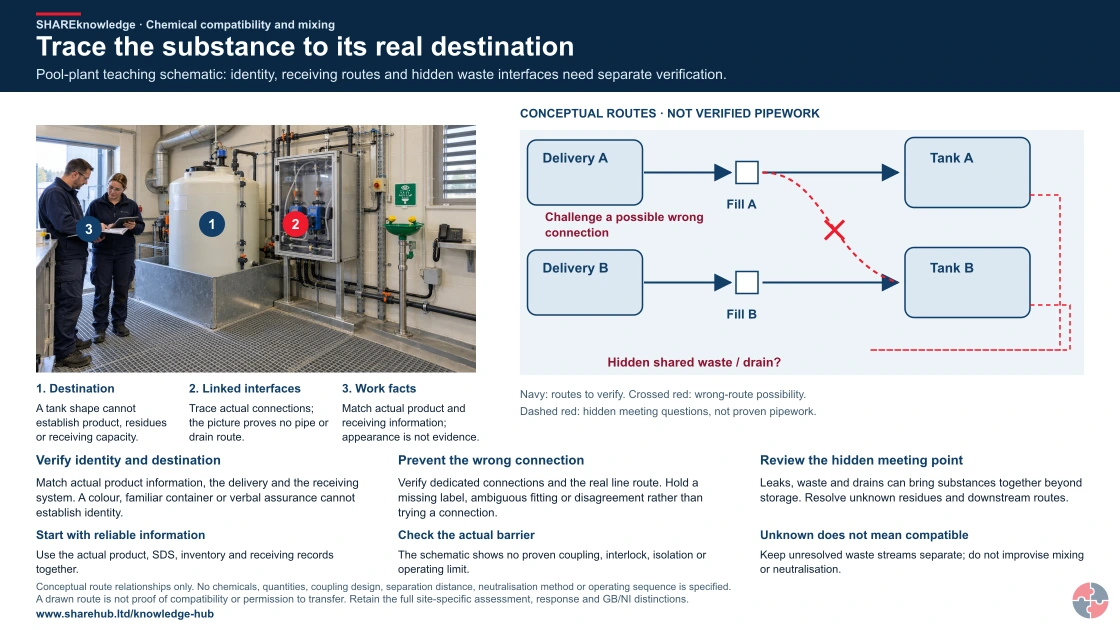
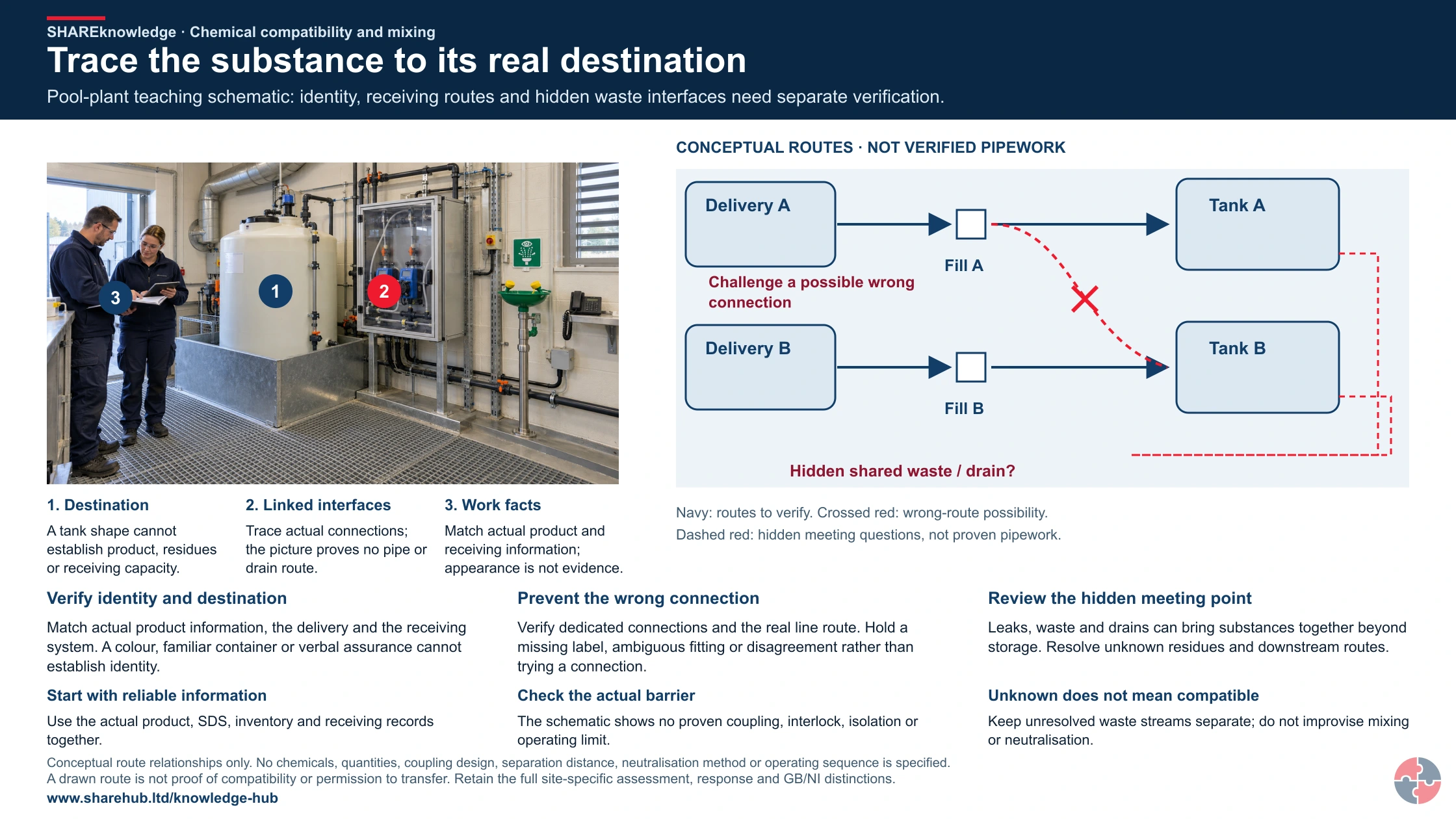
Trace the substance to its real destination
Full written explanation
An illustrative stationary receiving-system scene shows a neutral tank, linked equipment interfaces and colleagues comparing inert facts. Picture key: 1 identifies the destination; 2 identifies linked interfaces; 3 identifies work facts. Neither the tank nor the photograph establishes a substance, concentration, capacity, residue, pipe or drain route, valve state, flow, compatibility or engineered safeguard. It is physical context, not a verified pool or two-tank installation. The separate conceptual drawing retains Delivery A through Fill A to Tank A and Delivery B through Fill B to Tank B. A crossed dashed wrong-route possibility challenges connection assumptions; two dashed waste/drain traces ask whether substances could meet downstream. Formal A/B identifiers distinguish conceptual routes and are not an additional picture-key series. These relationships do not map the photographed equipment or provide an operating sequence. All three complete review checks and their three full barriers remain together with unnumbered headings. Unknown material, ambiguous connections and unresolved downstream routes remain questions for the actual site assessment. No actual transfer, chemical mixing, testing, release, reaction, exposure, response demonstration or work permission is shown. The existing emergency route remains independent of information checks. Use the complete topic for its actual technical, historic-source and GB/NI qualifications.
Pool-plant teaching schematic: identity, receiving routes and hidden waste interfaces need separate verification.
- Verify identity and destination. Match actual product information, the delivery and the receiving system. A colour, familiar container or verbal assurance cannot establish identity.
- Prevent the wrong connection. Verify dedicated connections and the real line route. Hold a missing label, ambiguous fitting or disagreement rather than trying a connection.
- Review the hidden meeting point. Leaks, waste and drains can bring substances together beyond storage. Resolve unknown residues and downstream routes.
Change the pathway
- Start with reliable information. Use the actual product, SDS, inventory and receiving records together.
- Check the actual barrier. The schematic shows no proven coupling, interlock, isolation or operating limit.
- Unknown does not mean compatible. Keep unresolved waste streams separate; do not improvise mixing or neutralisation.
Evidence check: A drawn route is not proof of compatibility or permission to transfer. Retain the full site-specific assessment, response and GB/NI distinctions.
Full receiving checks, actual barriers and failure response
Primary references: HSE: safety data sheets and assessment (GB) · HSE: task-specific COSHH assessment (GB)
Open the complete HD image (new tab)Download image
Full receiving checks, actual barriers and failure response
Primary references: HSE: safety data sheets and assessment (GB) · HSE: task-specific COSHH assessment (GB)
Best-practice guide: Chemical Compatibility And Inadvertent Mixing
Stop a wrong connection before substances meet
A transfer has a sequence of barriers: order identity, delivered product, receiving destination, the complete hose and valve route, segregated connections and the independent check required by the site system. A familiar coupling or colour is only one aid. Incompatible materials can react if they meet in storage, transfer lines, drains or waste containers, releasing heat, toxic gas or pressure.
Turn chemical compatibility and inadvertent mixing knowledge into a decision
Incompatible materials can react if they meet in storage, transfer lines, drains or waste containers, releasing heat, toxic gas or pressure. Prevent the encounter through verified identity, segregation and engineered transfer barriers. Monthly review and change trigger.
the process operator compatibility management
Chemical register: Compatibility class, SDS section 10, storage, owner and approved use. Evidence / response: Monthly review and change trigger. Transfer verification: Right product, tank, hose, valve lineup and ullage confirmed. Evidence / response: Operator checklist and supervisor sample.
Warning signs and likely consequence
Unlabelled containers: Wrong use, wrong disposal or wrong first response. Shared hoses or funnels: Cross-contamination between incompatible substances. Similar fill points: Wrong-tank transfer.
Choose controls for chemical compatibility and inadvertent mixing
Elimination: Remove an unnecessary product or cleaning step so bleach and acid do not need to be used together in the task. Substitution: Trial an effective less reactive cleaning product or method after reviewing its full hazard profile. Engineering controls: Store incompatible products separately in suitable containment and keep dedicated, clearly identified dispensing equipment. Engineering controls: Use compatible closed dispensing arrangements; prevent cross-connections, shared funnels and return of contaminated product. Administrative controls: Follow the approved sequence and product instructions; verify the surface and container are suitable before a different chemical is introduced. Read the full control table for qualifications, ownership and verification. Use the actual task and applicable jurisdiction; existing technical approval remains unchanged.
Use the full chemical compatibility and inadvertent mixing lesson
Use the full topic for the decision points, practical examples, detailed control tables and source scope. HSE guidance applies to Great Britain; use HSENI for the Northern Ireland route and the source’s stated jurisdiction. A simplified guide does not change the page’s technical-review or approval status.

Read all six steps as text
1. Stop a wrong connection before substances meet
A transfer has a sequence of barriers: order identity, delivered product, receiving destination, the complete hose and valve route, segregated connections and the independent check required by the site system.
- Avoid / redesign: Remove an unnecessary product or cleaning step so bleach and acid do not need to be used together in the task.
- Control the task: Store incompatible products separately in suitable containment and keep dedicated, clearly identified dispensing equipment.
- Verify before release: If the hazardous step remains, retain a task assessment and select the stronger feasible remaining controls.
A transfer has a sequence of barriers: order identity, delivered product, receiving destination, the complete hose and valve route, segregated connections and the independent check required by the site system. A familiar coupling or colour is only one aid. Incompatible materials can react if they meet in storage, transfer lines, drains or waste containers, releasing heat, toxic gas or pressure.
Apply it: Which part of this plan would you check at the workface before authorising the task?
2. Turn chemical compatibility and inadvertent mixing knowledge into a decision
Use the evidence to improve the actual work arrangement.
- Change at source: Remove an unnecessary product or cleaning step so bleach and acid do not need to be used together in the task.
- Make it observable: If the hazardous step remains, retain a task assessment and select the stronger feasible remaining controls.
- Keep useful evidence: Monthly review and change trigger.
Incompatible materials can react if they meet in storage, transfer lines, drains or waste containers, releasing heat, toxic gas or pressure. Prevent the encounter through verified identity, segregation and engineered transfer barriers. Monthly review and change trigger.
Apply it: What evidence would show that the change improves this task, rather than only completing a record?
3. the process operator compatibility management
Example: a practical application of the existing topic lesson.
- Chemical register: Compatibility class, SDS section 10, storage, owner and approved use.
- Transfer verification: Right product, tank, hose, valve lineup and ullage confirmed.
- Storage segregation: Acids, alkalis, oxidisers, flammables and wastes separated.
Chemical register: Compatibility class, SDS section 10, storage, owner and approved use. Evidence / response: Monthly review and change trigger. Transfer verification: Right product, tank, hose, valve lineup and ullage confirmed. Evidence / response: Operator checklist and supervisor sample.
Apply it: At which point would you hold this example, and what evidence would allow it to proceed?
4. Warning signs and likely consequence
Connect the task, the route to the person and the control that can fail.
- Unlabelled containers: Wrong use, wrong disposal or wrong first response.
- Shared hoses or funnels: Cross-contamination between incompatible substances.
- Similar fill points: Wrong-tank transfer.
Unlabelled containers: Wrong use, wrong disposal or wrong first response. Shared hoses or funnels: Cross-contamination between incompatible substances. Similar fill points: Wrong-tank transfer.
Apply it: Who could be exposed, including other trades, cleaners, maintainers and people nearby?
5. Choose controls for chemical compatibility and inadvertent mixing
Start with the stronger practicable options and verify their effect.
- Elimination: Remove an unnecessary product or cleaning step so bleach and acid do not need to be used together in the task.
- Substitution: Trial an effective less reactive cleaning product or method after reviewing its full hazard profile.
- Engineering controls: Store incompatible products separately in suitable containment and keep dedicated, clearly identified dispensing equipment.
- Engineering controls: Use compatible closed dispensing arrangements; prevent cross-connections, shared funnels and return of contaminated product.
- Administrative controls: Follow the approved sequence and product instructions; verify the surface and container are suitable before a different chemical is introduced.
Elimination: Remove an unnecessary product or cleaning step so bleach and acid do not need to be used together in the task. Substitution: Trial an effective less reactive cleaning product or method after reviewing its full hazard profile. Engineering controls: Store incompatible products separately in suitable containment and keep dedicated, clearly identified dispensing equipment. Engineering controls: Use compatible closed dispensing arrangements; prevent cross-connections, shared funnels and return of contaminated product. Administrative controls: Follow the approved sequence and product instructions; verify the surface and container are suitable before a different chemical is introduced. Read the full control table for qualifications, ownership and verification. Use the actual task and applicable jurisdiction; existing technical approval remains unchanged.
Apply it: Which stronger option can be used here, and who will verify it before accepting the remaining risk?
6. Use the full chemical compatibility and inadvertent mixing lesson
Follow the official sources below and retain the task-specific evidence.
- Official guidance: HSE chemical waste treatment
- Official guidance: HSE using chemicals at work
- Task decision: Monthly review and change trigger.
Use the full topic for the decision points, practical examples, detailed control tables and source scope. HSE guidance applies to Great Britain; use HSENI for the Northern Ireland route and the source’s stated jurisdiction. A simplified guide does not change the page’s technical-review or approval status.
Apply it: Which official source and full-topic section will you use to resolve the next decision?
Apply the same reasoning to waste. An unlabelled drum or uncertain drain contents cannot be approved from a compatibility chart, because composition, residues and reaction conditions remain unknown. Keep the container or route isolated under the site plan and obtain competent investigation. Do not test compatibility by pouring in a small amount or attempting neutralisation.
Crownway: the connector fits the wrong destination
Illustrative example. A delivery reaches a connection that fits, but the receiving label and order do not agree.
Decision. The operator stops before transfer; the receiving owner and independent checker trace the material and destination against current site information.
Evidence to check. Order and delivery identity, destination and ullage, route walkdown and the required independent check.
Hold or escalation point. Do not transfer while identity, route or residues are uncertain, including for a partially filled waste container.
Follow-up. Investigate how the mismatch reached the gate and improve labels, connections or delivery checks before reuse.
Trace the product all the way to the destination
A familiar container or hose colour cannot confirm compatibility. Check the order, material, receiving system and every connection before authorising transfer.

Identity and capacity
Match delivered product to the order and receiving destination, including concentration, available capacity and known residues.
Connected route
Trace hoses, valves and connections through the actual system and use any independent verification required by the assessed method.
Uncertainty
Keep unknown waste or conflicting identity/compatibility evidence on hold for competent acceptance. Do not use a universal mixing matrix as permission.
The schematic provides no chemical-mixing recipe, connection procedure or compatibility approval.
What are the key facts about chemical compatibility and inadvertent mixing?
The key facts are that incompatible chemicals can react violently or invisibly, and the wrong connection, drain or waste container can be enough to start the event.
Familiar chemicals can still be incompatible
Bleach, acids, alkalis, disinfectants, pool chemicals, fuels and cleaners can create serious reactions when mixed wrongly.
SDS information must be used actively
Section 7, 8 and 10 should inform storage, handling, PPE, emergency response and incompatibility rules.
Wrong transfers are predictable
Similar fill points, unclear labels, shared hoses and weak handover make wrong-tank events more likely.
Drains and waste streams are hidden pathways
Chemicals can meet in gullies, bunds, interceptors, sumps, sewers, IBCs or waste drums after the task appears complete.
Process safety needs barriers
High-hazard sites need engineered, procedural and human barriers that prevent wrong substance, wrong destination and wrong sequence.
Emergency response must be planned
Workers should not improvise neutralisation or clean-up when gas, heat, pressure or unknown reaction is possible.
How can I practise this topic in 3D?
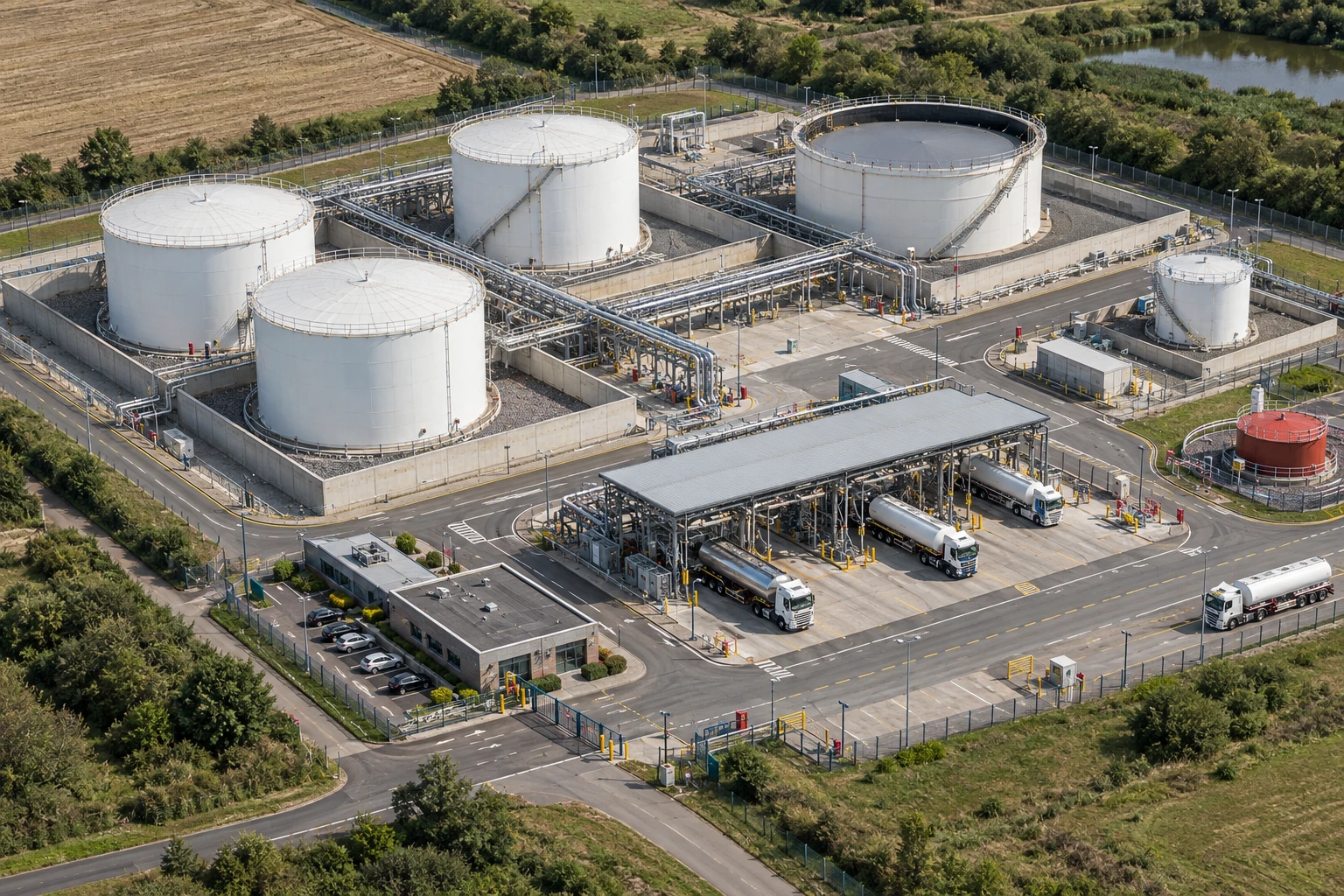

Similar valve tags invite a wrong-grade transfer
Unidentified chemical in a drinks bottle

Bleach and acidic cleaner mixed
All related inspection points 14 across 5 locations
Crown Fuels terminal 5 inspection points
Harvest & winter housing 3 inspection points
A safer place to call home 2 inspection points
Recover materials. Protect people. 2 inspection points
Aerosystems Engineering 2 inspection points
Practice in the SHAREhub environment. Browser practice is separate from workplace competence and formal learning records.
What is chemical compatibility and inadvertent mixing?
Chemical compatibility is the safe relationship between substances, and inadvertent mixing is the accidental combination of substances that should have been kept apart.
Compatibility is not simply whether two products sit on the same shelf without reacting. It includes storage, handling, transfer, use, cleaning, waste disposal, drainage, emergency response and foreseeable abnormal situations such as leaks, wrong deliveries, overfills, rainwater ingress and equipment failure.
Inadvertent mixing can happen in ordinary workplaces: a cleaner mixes bleach and acid descaler, a worker pours waste into the wrong container, or a contractor uses an unapproved product in a drain. It can also happen in process industries: a road tanker connects to the wrong fill line, a transfer route is mis-valved, or incompatible waste is bulked in a tank.
The management task is to make the right action easier than the wrong one. That means clear naming, different connections, segregated storage, dedicated containers, locked or interlocked routes, independent verification and a culture where uncertainty stops the job.
| Aspect | What it means | Why it matters |
|---|---|---|
| Storage compatibility | Whether substances can be stored near each other. | Prevents reaction if containers leak, break or spill. |
| Use compatibility | Whether substances can be used together or in the same process. | Prevents gas, heat, fire, overpressure or product instability. |
| Transfer compatibility | Whether the right substance reaches the right destination by the right route. | Prevents wrong-tank and wrong-line events. |
| Waste compatibility | Whether waste streams can be bulked or stored together. | Prevents drum explosions, toxic release and waste-treatment incidents. |
| Emergency compatibility | Whether response actions such as washing, dilution or absorbents are suitable. | Prevents responders worsening the reaction. |
What reactions can incompatible chemicals cause?
Incompatible chemicals can generate toxic gas, heat, pressure, fire, explosion, corrosive release, unstable products or environmental contamination.
The most recognised example is acid mixed with sodium hypochlorite bleach, which can release chlorine gas. Other examples include acids with cyanides or sulphides producing toxic gases, oxidisers with organic or flammable materials increasing fire risk, and water-reactive substances producing heat or flammable gas.
Some reactions are immediate and obvious; others develop in a waste container, drain, bund or tank after people leave. Heat, bulging drums, hissing, discolouration, unexpected odour, gas, foaming, pressure rise or unusual crystallisation should be treated as warning signs.
A compatibility assessment should consider chemical family, concentration, quantity, temperature, impurities, water, pH, contaminants, container material and the consequences if the mixture occurs in a confined or enclosed space.
| Incompatibility | Possible reaction | Typical control |
|---|---|---|
| Acid plus hypochlorite bleach | Chlorine gas release. | Segregate, label, train and never mix cleaning chemicals. |
| Acid plus alkali | Heat generation, boiling, splashing and pressure. | Segregate and control neutralisation by competent people only. |
| Oxidiser plus organic or flammable material | Fire, rapid reaction or explosion. | Separate oxidisers from fuels, solvents, oils and combustibles. |
| Water-reactive substance plus water | Heat, gas, fire or violent reaction. | Keep dry and use suitable emergency response. |
| Cyanide or sulphide plus acid | Highly toxic gas release. | Segregate and prevent acid contamination. |
| Incompatible waste streams | Gas, heat, pressure, fire or drum rupture. | Approve waste streams and test compatibility before bulking. |
A hazard-class storage chart is only a starting point. HSE HSG71, paragraph120 warns that substances grouped as compatible can still react; its examples include acid with hypochlorite, cyanide, sulphide or alkali. Check the actual products, residues and leak/drain paths using SDS and competent chemistry advice. This 2009 guidance supports the reaction/segregation principles; its historical legislative references are not the current supply-law route.
Where does inadvertent mixing usually happen?
Inadvertent mixing usually happens where identification, segregation, transfer control, waste approval, drain management or supervision is weak.
Compatibility failures are often created by ordinary decisions: a substance is decanted into an unlabelled bottle, a shared funnel is used, a hose is left connected, a drain receives several discharges, or a waste drum becomes the convenient place for everything.
Bulk transfer adds more serious potential. Similar fill points, unclear pipework, missing line labels, shared couplings, poor lighting, driver unfamiliarity, weak handover or no independent verification can put the wrong chemical into a tank. If the receiving tank contains an incompatible substance, the reaction can escalate quickly.
Maintenance and cleaning are also high-risk because equipment may contain residues. A vessel, drain, sump or line can look empty but still contain enough substance to react with a cleaner, rinse, purge or next batch.
| Location or activity | Failure mode | Example consequence |
|---|---|---|
| Cleaning cupboards | Bleach, acids, descalers or ammonia products stored or used together. | Chlorine or irritating gas release. |
| Chemical stores | Incompatible products stored above, beside or inside same containment. | Reaction after leak or container damage. |
| Bulk unloading | Wrong hose, fill point, tank or valve lineup. | Toxic gas, overpressure or tank contamination. |
| Laboratories | Waste bottles, shared benches or reagent confusion. | Heat, gas or glass/container rupture. |
| Waste areas | Unknown wastes bulked without compatibility check. | Fire, explosion, drum failure or release. |
| Drains and sumps | Separate chemicals meet in shared drainage. | Gas generation, pollution or confined-space hazard. |
| Maintenance cleaning | Cleaner reacts with residue inside equipment. | Toxic release, heat or corrosion. |
How is this different in ordinary workplaces and higher-risk process sites?
Ordinary workplaces usually focus on storage, labels, cleaning chemicals and waste, while higher-risk sites also need engineered transfer safeguards and major accident barriers.
In a school, leisure centre, office, workshop or small warehouse, the main concerns may be cleaning products, pool chemicals, battery acid, aerosols, small flammable stores, incompatible waste and unlabelled bottles. The controls should be simple, visible and disciplined.
In chemical plants, fuel terminals, water treatment, laboratories, manufacturing, waste treatment and COMAH establishments, compatibility can become a major accident hazard. Wrong transfers, incompatible bulk storage, reactive residues or misdirected drains can create toxic release, fire, explosion, overpressure or off-site consequences.
The page is therefore useful at two levels. Everyone needs to stop incompatible chemicals meeting. Higher-risk operators must also prove that safety critical barriers are identified, owned, tested, maintained and reviewed.
| Setting | Main concerns | Additional controls |
|---|---|---|
| General workplace | Cleaning chemicals, decanting, labels, cupboards and small spills. | Simple segregation, approved products and worker briefings. |
| Construction and maintenance | Wet cement, fuels, residues, drains and contractor chemicals. | COSHH review, RAMS, permits and drain protection. |
| Laboratory | Reagents, waste bottles, shared benches and reactive chemicals. | Compatibility matrix, waste labels and local rules. |
| Waste treatment | Unknown composition, bulking, decomposition and incompatible wastes. | Compatibility testing, acceptance controls and quarantine. |
| Process or COMAH site | Bulk transfer, storage tanks, pipelines and major release consequences. | Independent verification, interlocks, alarms, line ID and emergency planning. |
How should chemical compatibility be assessed?
Compatibility should be assessed by reviewing the chemical inventory, SDS information, reaction hazards, storage locations, transfer routes, drains, waste streams and credible mixing scenarios.
Start with the inventory. List all chemicals, wastes, residues, cleaning chemicals, intermediates, off-spec materials and process fluids. Then identify what could meet what: shelves, bunds, drains, hoses, fill points, waste containers, shared equipment, cleaning routines and emergency response materials.
The SDS is important, especially sections on handling, storage, stability and reactivity, but it does not know your pipework, drain route, container choices or work sequence. A site-specific compatibility review should connect the SDS with the physical workplace.
For higher-risk operations, create credible scenarios: acid into hypochlorite tank, oxidiser into solvent waste, wrong road tanker connection, incompatible drain discharge, cleaning chemical into process residue, rainwater into water-reactive store, or waste drum bulking error.
| Step | What to assess | Evidence |
|---|---|---|
| Inventory | Products, raw materials, intermediates, wastes, residues and cleaners. | Chemical register and waste register. |
| SDS review | Sections 7, 8, 10, 11 and 13. | SDS review record. |
| Compatibility matrix | Which substances or classes must be separated. | Matrix or segregation chart. |
| Physical layout | Stores, bunds, shelves, tanks, drains, transfer points and routes. | Marked plan and inspection. |
| Credible scenarios | Wrong transfer, leak mixing, drain mixing, waste bulking and cleaning residues. | Risk assessment or HAZOP/what-if review. |
| Barrier review | Labels, locks, couplings, interlocks, permits, procedures and supervision. | Barrier register and test records. |
How can the hierarchy of controls prevent incompatible chemical mixing and dangerous reactions?
Incompatible mixing should be prevented through elimination, substitution, segregation, engineered design, verified transfer, controlled waste routes, training and disciplined supervision.
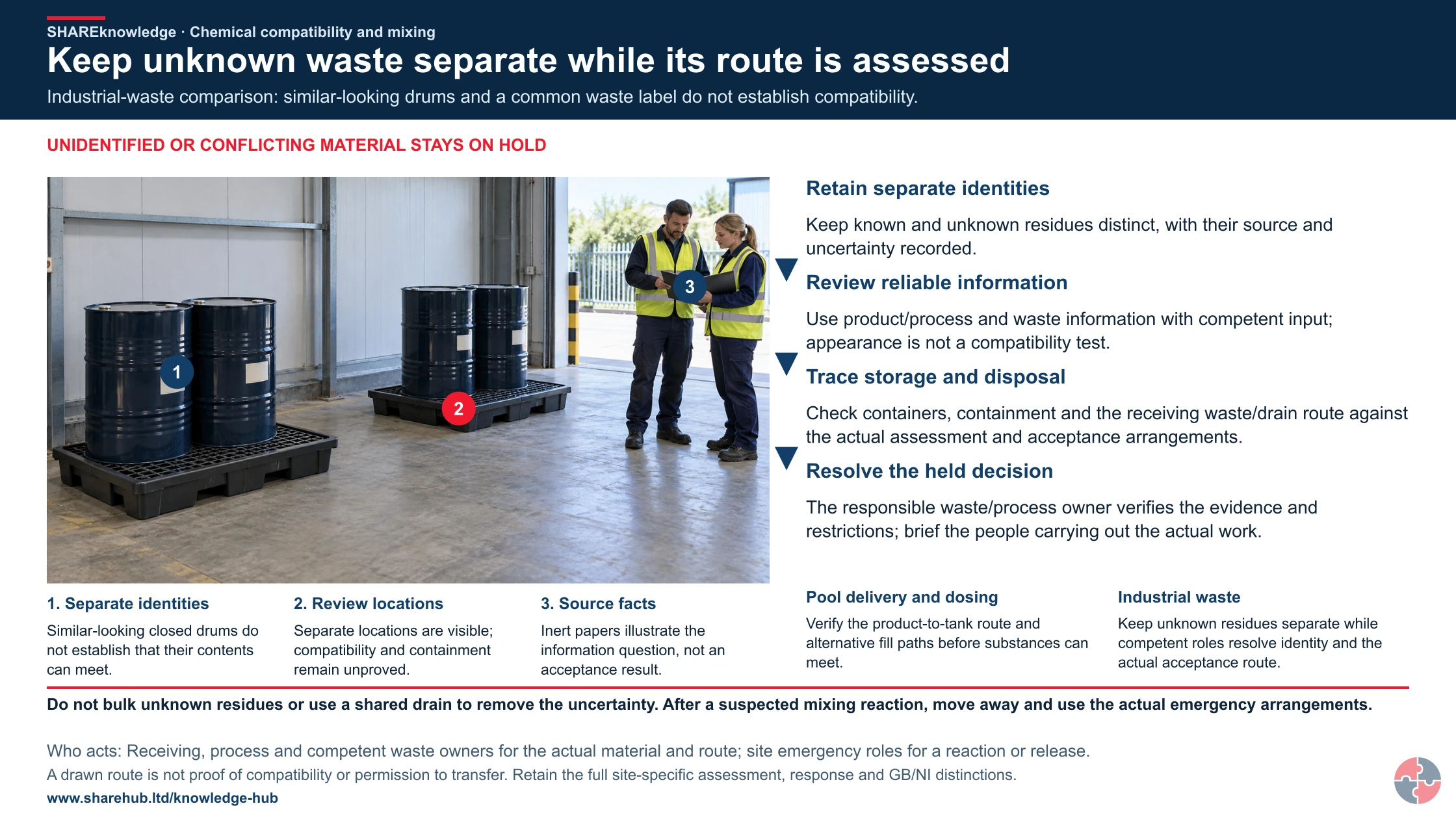
Keep unknown waste separate while its route is assessed
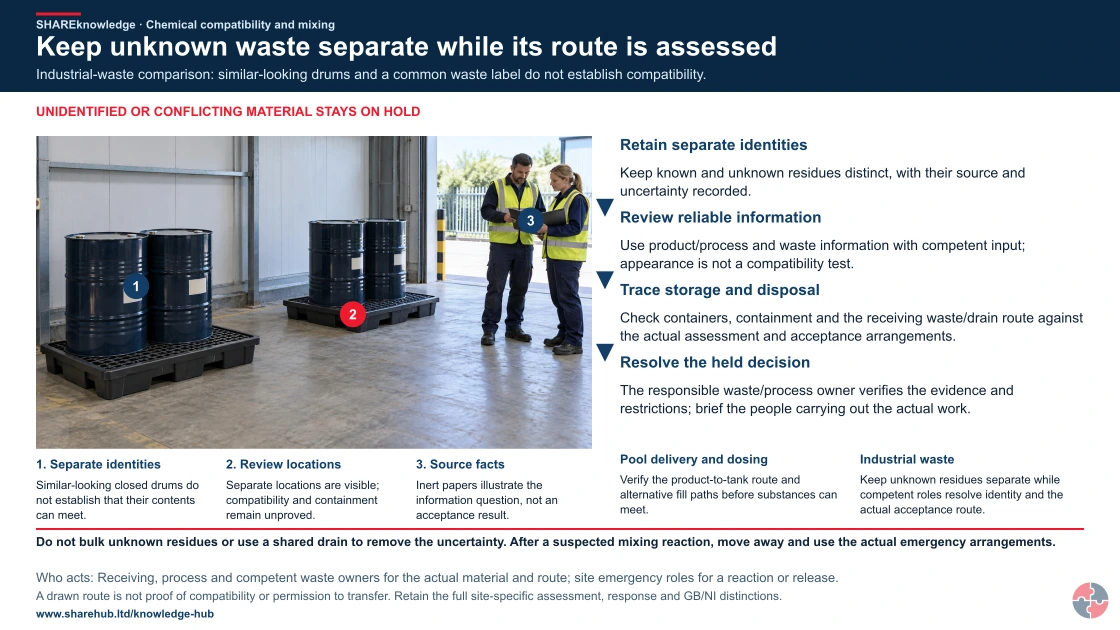
Full written explanation
An illustrative inactive industrial waste store shows four closed neutral drums in two separate review locations. Normal colleagues outside the handling locations compare an inert folder. Picture key: 1 identifies separate identities; 2 identifies the review locations; 3 identifies source facts. Similar drum shapes, pale label panels and the visible gap establish no contents, chemical class, compatibility, segregation performance, containment adequacy or disposal acceptance. No label or paper is a real material record. The complete four-check review retains separate identities, reliable information, actual storage/disposal routes and the responsible owner’s held decision. Independent headings are unnumbered in one ordered band. The full unidentified/conflicting-material hold remains explicit; unknown residues are not bulked and a shared drain is not used to remove uncertainty. The existing reaction/release emergency route remains independent of paperwork and acceptance review. Both original workplace cases, full roles and evidence limits remain. No handling, opening, sampling, compatibility testing, pouring, mixing, bulking, disposal, cleaning, spill, reaction, exposure, clinical image, PPE selection or operating recipe is demonstrated. Use the complete topic and its current source, technical, historical and GB/NI qualifications.
Industrial-waste comparison: similar-looking drums and a common waste label do not establish compatibility.
- Retain separate identities. Keep known and unknown residues distinct, with their source and uncertainty recorded.
- Review reliable information. Use product/process and waste information with competent input; appearance is not a compatibility test.
- Trace storage and disposal. Check containers, containment and the receiving waste/drain route against the actual assessment and acceptance arrangements.
- Resolve the held decision. The responsible waste/process owner verifies the evidence and restrictions; brief the people carrying out the actual work.
When the evidence does not fit: Do not bulk unknown residues or use a shared drain to remove the uncertainty. After a suspected mixing reaction, move away and use the actual emergency arrangements.
Who acts: Receiving, process and competent waste owners for the actual material and route; site emergency roles for a reaction or release.
Changed workplace
Pool delivery and dosing: Verify the product-to-tank route and alternative fill paths before substances can meet.
Industrial waste: Keep unknown residues separate while competent roles resolve identity and the actual acceptance route.
Evidence check: A drawn route is not proof of compatibility or permission to transfer. Retain the full site-specific assessment, response and GB/NI distinctions.
Full receiving checks, actual barriers and failure response
Primary references: HSE: safety data sheets and assessment (GB) · HSE: task-specific COSHH assessment (GB)
Open the complete HD image (new tab)Download image
Full receiving checks, actual barriers and failure response
Primary references: HSE: safety data sheets and assessment (GB) · HSE: task-specific COSHH assessment (GB)
ERICPD applies well. Eliminate unnecessary substances or mixing tasks. Reduce quantities and concentrations. Isolate incompatible chemicals physically. Control routes through dedicated containers, hoses, couplings, fill points, valves, drains and waste approvals. Use PPE for residual exposure. Discipline holds the system together through checks, permits, handovers and learning.
The most reliable controls reduce the chance of human error. Different connector types, locked fill points, keyed transfer routes, clear labels, colour coding, barcode verification, interlocks and independent checks can all make wrong transfer less likely.
Where controls rely on people, make the task easy to do correctly. Labels should be visible, names consistent, lighting adequate, procedures short enough to use, and stop-work authority real.
Choose the activity
How can the ERICPD hierarchy of controls reduce risks while using bleach and descaler in a washroom?

| Control level | Control for this activity | Owner and verification | Stop / restart decision |
|---|---|---|---|
| Eliminate | Remove an unnecessary product or cleaning step so bleach and acid do not need to be used together in the task. | Process owner verifies that the revised workflow achieves the required output and the hazardous step is genuinely removed. | If the hazardous step remains, retain a task assessment and select the stronger feasible remaining controls. |
| Reduce, including substitution | Trial an effective less reactive cleaning product or method after reviewing its full hazard profile. | Process/technical owner validates the alternative, its compatibility and any new risks before adoption. | Reject the alternative if suitability is unproved or its new hazards are unresolved. |
| Isolate | Store incompatible products separately in suitable containment and keep dedicated, clearly identified dispensing equipment. | Supervisor verifies the task boundaries and that the separation or isolation protects affected people and connected work. | Hold or stop for unknown residue, unexpected heat or gas, shared decanting equipment or an unapproved product. |
| Control: physical safeguards | Use compatible closed dispensing arrangements; prevent cross-connections, shared funnels and return of contaminated product. | Competent equipment/process owner checks exact products, compatibility, dedicated containers and the actual cleaning sequence. | Hold or stop for unknown residue, unexpected heat or gas, shared decanting equipment or an unapproved product. |
| Control: work method and response | Follow the approved sequence and product instructions; verify the surface and container are suitable before a different chemical is introduced. | Supervisor confirms the limits, response, communication and restart authority with the people doing this activity. | Stop if the agreed method, communication, competent cover or task limits cannot be maintained. |
| PPE | Use assessed chemical gloves and eye protection; PPE cannot make deliberate mixing of incompatible products acceptable. | Assessor confirms whether PPE is needed and checks selection, condition, compatibility and any required face-fit evidence. | Do not rely on unsuitable or defective protection, or use PPE to continue after an essential source control fails. |
| Discipline | Check labels and stock at handover; quarantine unknown or unlabelled products and investigate unexpected residues. | Release only after cleaning supervisor approves product identity and a compatible method. Retain the checks and unresolved restrictions at handover. | Keep the activity on hold while defects or required reinstatement evidence remain unresolved. |
How can the ISO 45001 hierarchy of controls reduce risks while using bleach and descaler in a washroom?

| Control level | Control for this activity | Owner and verification | Stop / restart decision |
|---|---|---|---|
| Elimination | Remove an unnecessary product or cleaning step so bleach and acid do not need to be used together in the task. | Process owner verifies that the revised workflow achieves the required output and the hazardous step is genuinely removed. | If the hazardous step remains, retain a task assessment and select the stronger feasible remaining controls. |
| Substitution | Trial an effective less reactive cleaning product or method after reviewing its full hazard profile. | Process/technical owner validates the alternative, its compatibility and any new risks before adoption. | Reject the alternative if suitability is unproved or its new hazards are unresolved. |
| Engineering controls | Store incompatible products separately in suitable containment and keep dedicated, clearly identified dispensing equipment. | Supervisor verifies the task boundaries and that the separation or isolation protects affected people and connected work. | Hold or stop for unknown residue, unexpected heat or gas, shared decanting equipment or an unapproved product. |
| Engineering controls | Use compatible closed dispensing arrangements; prevent cross-connections, shared funnels and return of contaminated product. | Competent equipment/process owner checks exact products, compatibility, dedicated containers and the actual cleaning sequence. | Hold or stop for unknown residue, unexpected heat or gas, shared decanting equipment or an unapproved product. |
| Administrative controls | Follow the approved sequence and product instructions; verify the surface and container are suitable before a different chemical is introduced. | Supervisor confirms the limits, response, communication and restart authority with the people doing this activity. | Stop if the agreed method, communication, competent cover or task limits cannot be maintained. |
| PPE | Use assessed chemical gloves and eye protection; PPE cannot make deliberate mixing of incompatible products acceptable. | Assessor confirms whether PPE is needed and checks selection, condition, compatibility and any required face-fit evidence. | Do not rely on unsuitable or defective protection, or use PPE to continue after an essential source control fails. |
| Administrative controls | Check labels and stock at handover; quarantine unknown or unlabelled products and investigate unexpected residues. | Release only after cleaning supervisor approves product identity and a compatible method. Retain the checks and unresolved restrictions at handover. | Keep the activity on hold while defects or required reinstatement evidence remain unresolved. |
How can the ERICPD hierarchy of controls reduce risks while assessing drums before chemical-waste bulking?

| Control level | Control for this activity | Owner and verification | Stop / restart decision |
|---|---|---|---|
| Eliminate | Keep incompatible or unidentified wastes separate and use an accepted segregated disposal route rather than bulking them. | Process owner verifies that the revised workflow achieves the required output and the hazardous step is genuinely removed. | If the hazardous step remains, retain a task assessment and select the stronger feasible remaining controls. |
| Reduce, including substitution | Where treatment is necessary, select a validated alternative process that avoids the hazardous mixing step. | Process/technical owner validates the alternative, its compatibility and any new risks before adoption. | Reject the alternative if suitability is unproved or its new hazards are unresolved. |
| Isolate | Segregate the drums and protect the bulking area from unrelated materials, drains and unauthorised access. | Supervisor verifies the task boundaries and that the separation or isolation protects affected people and connected work. | Hold or stop for unidentified material, uncertain compatibility, pressure, heat or unexpected gas. |
| Control: physical safeguards | Use compatible containment, transfer equipment and engineered protection specified by the waste-compatibility assessment. | Competent equipment/process owner checks waste identity, compatibility evidence, receiving container and disposal acceptance. | Hold or stop for unidentified material, uncertain compatibility, pressure, heat or unexpected gas. |
| Control: work method and response | A competent waste specialist checks identity, acceptance criteria, reaction hazards and the authorised transfer sequence before release. | Supervisor confirms the limits, response, communication and restart authority with the people doing this activity. | Stop if the agreed method, communication, competent cover or task limits cannot be maintained. |
| PPE | Select chemical PPE and any RPE for the actual wastes and method; protective clothing does not justify a compatibility trial by mixing. | Assessor confirms whether PPE is needed and checks selection, condition, compatibility and any required face-fit evidence. | Do not rely on unsuitable or defective protection, or use PPE to continue after an essential source control fails. |
| Discipline | Reconcile labels, analysis and collection documents; keep rejected drums on hold until a suitable disposal decision is recorded. | Release only after competent waste owner approves the segregated or validated treatment route. Retain the checks and unresolved restrictions at handover. | Keep the activity on hold while defects or required reinstatement evidence remain unresolved. |
How can the ISO 45001 hierarchy of controls reduce risks while assessing drums before chemical-waste bulking?

| Control level | Control for this activity | Owner and verification | Stop / restart decision |
|---|---|---|---|
| Elimination | Keep incompatible or unidentified wastes separate and use an accepted segregated disposal route rather than bulking them. | Process owner verifies that the revised workflow achieves the required output and the hazardous step is genuinely removed. | If the hazardous step remains, retain a task assessment and select the stronger feasible remaining controls. |
| Substitution | Where treatment is necessary, select a validated alternative process that avoids the hazardous mixing step. | Process/technical owner validates the alternative, its compatibility and any new risks before adoption. | Reject the alternative if suitability is unproved or its new hazards are unresolved. |
| Engineering controls | Segregate the drums and protect the bulking area from unrelated materials, drains and unauthorised access. | Supervisor verifies the task boundaries and that the separation or isolation protects affected people and connected work. | Hold or stop for unidentified material, uncertain compatibility, pressure, heat or unexpected gas. |
| Engineering controls | Use compatible containment, transfer equipment and engineered protection specified by the waste-compatibility assessment. | Competent equipment/process owner checks waste identity, compatibility evidence, receiving container and disposal acceptance. | Hold or stop for unidentified material, uncertain compatibility, pressure, heat or unexpected gas. |
| Administrative controls | A competent waste specialist checks identity, acceptance criteria, reaction hazards and the authorised transfer sequence before release. | Supervisor confirms the limits, response, communication and restart authority with the people doing this activity. | Stop if the agreed method, communication, competent cover or task limits cannot be maintained. |
| PPE | Select chemical PPE and any RPE for the actual wastes and method; protective clothing does not justify a compatibility trial by mixing. | Assessor confirms whether PPE is needed and checks selection, condition, compatibility and any required face-fit evidence. | Do not rely on unsuitable or defective protection, or use PPE to continue after an essential source control fails. |
| Administrative controls | Reconcile labels, analysis and collection documents; keep rejected drums on hold until a suitable disposal decision is recorded. | Release only after competent waste owner approves the segregated or validated treatment route. Retain the checks and unresolved restrictions at handover. | Keep the activity on hold while defects or required reinstatement evidence remain unresolved. |
Worked control choice: incompatible cleaners in a leisure centre
Use HSE’s five-level hierarchy to choose stronger measures before PPE. ERICPD is a useful six-part teaching mnemonic; it is not a separate legal test. The example maps both approaches to the real task. Apply HSENI COSHH guidance for a Northern Ireland workplace. Emergency washing and evacuation limit consequences; they do not prevent the original contact or mixing.
How should deliveries and transfers be verified?
Identify the substance, tank and connection independently before opening a transfer path; stop if any identity or barrier is uncertain.
Compare the order, delivery note, container/tank label, SDS and authorised route. A receiving operator should verify the fixed tank and line against a current line map, while the driver checks the vehicle and hose. Dedicated or non-interchangeable couplings, locked and labelled fill points and suitable interlocks protect against a plausible wrong connection. Treat a missing label, unlocked alternative fill line, bypassed interlock or disagreement as a stop condition. The US CSB MGPI case illustrates why a verbal confirmation alone cannot compensate for confusing fill-point design.
On a small screen, scroll this table sideways to read all columns.
| Barrier and owner | Check and evidence | Stop/repair |
|---|---|---|
| Chemical identity — buyer/receiving lead | Match product, SDS, order and tank inventory; record independent check. | Hold delivery if any identity conflicts. |
| Connection — engineer/operator | Inspect dedicated fitting, unique label, locked unused lines and line map. | Do not connect if fitting or line is ambiguous. |
| Transfer — operator and driver | Agree sequence, monitoring, shutoff and emergency signal before flow. | Stop flow and isolate safely after alarm, leak or unexpected change. |
| Change — process safety lead | Review temporary hose, tank or supplier changes before use. | Do not restart after bypass until authorised correction is verified. |
How should incompatible chemicals be stored and segregated?
Chemicals should be stored so leaks, breakages, fire water, rainwater, vapours or container failure cannot bring incompatible substances together.
Segregation should be based on real compatibility, not only alphabetic order or convenience. Acids and alkalis should normally be separated; oxidisers should be separated from flammables and combustibles; toxic, cyanide, sulphide, water-reactive and peroxide-forming materials may need specialist controls.
Secondary containment matters. If two incompatible liquids share the same bund, they may mix when containers leak. If chemicals are stacked with incompatible materials above or below each other, a leak can drip into the wrong class.
Storage must be maintained: labels legible, containers closed, shelves compatible, spill kits suitable, expired or unstable chemicals removed, and stock levels controlled.
| Storage issue | Why it matters | Good practice |
|---|---|---|
| Acids and alkalis | Can react with heat and splashing. | Separate cabinets, trays or bays. |
| Oxidisers and flammables | Can intensify fire or cause violent reaction. | Dedicated segregated storage. |
| Hypochlorite and acids | Can release chlorine gas. | Never store or use together without controlled process design. |
| Waste chemicals | Composition may be uncertain. | Label, characterise and segregate waste streams. |
| Shared bunds | Leaks can mix in containment. | Use compatible bunding and separate containment. |
| Decanted containers | Missing identity creates wrong use and wrong disposal. | Approved labelled containers only. |
A hazard-class storage chart is only a starting point. HSE HSG71, paragraph120 warns that substances grouped as compatible can still react; its examples include acid with hypochlorite, cyanide, sulphide or alkali. Check the actual products, residues and leak/drain paths using SDS and competent chemistry advice. This 2009 guidance supports the reaction/segregation principles; its historical legislative references are not the current supply-law route.
Why are waste streams and drains high-risk mixing routes?
Waste streams and drains are high-risk because chemicals can meet out of sight after leaving the original task area.
A drain, sump, interceptor, IBC, drum or waste tank can become the mixing vessel. Workers may think each individual disposal was small, but incompatible discharges can accumulate or react in a confined space, generating heat, pressure, gas or pollution.
Waste compatibility needs a positive approval process. Unknown waste should not be bulked because it looks similar or because the container is available. Waste labels should include contents, hazards, source, date, incompatible materials and owner.
Drain maps and isolation points are important for process sites, laboratories, workshops and construction sites. If responders do not know where a drain goes, they cannot confidently control a spill or incompatible discharge.
| Control | Purpose | Evidence |
|---|---|---|
| Waste-stream approval | Prevents incompatible waste from being bulked. | Waste acceptance or approval record. |
| No unknown bulking rule | Prevents reaction from unidentified material. | Quarantine and characterisation procedure. |
| Drain map | Shows where spills and discharges may travel. | Current site drainage plan. |
| Drain protection | Stops incompatible or polluting material entering drainage. | Drain covers, valves and spill drills. |
| Waste labels | Communicate contents and hazards. | Label inspection and waste register. |
| Compatibility testing | Confirms bulking is safe where required. | Test record and acceptance criteria. |
What if incompatible chemicals are mixed?
Stop the task, move people away and activate the site emergency plan; do not approach a reacting container or improvise a neutraliser.
Heat, pressure, hissing, gas, bubbling, bulging, new odour or unexpected colour are stop-and-evacuate cues. Call 999 when there is a suspected toxic release, fire, explosion, serious injury or threat beyond local control. Trained responders need substance identity, SDS, inventory, drainage and site plan. Shut off remotely only where the procedure makes that safe. Untrained staff must not enter a plume, move a bulging container, pour another chemical into it or clean up before the incident is made safe. Reopen only after competent investigation and barrier repair.
On a small screen, scroll this table sideways to read all columns.
| Signal | Immediate owner/action | Restart gate |
|---|---|---|
| Wrong connection before flow | Operator holds transfer; supervisor confirms identity and route. | Independent route recheck. |
| Unexpected heat, gas or pressure | Stop remotely if safe, evacuate and call emergency services. | Specialist declares scene safe. |
| Waste or drain reaction | Isolate people and drain route if safe; notify environmental responder. | Waste characterization and drain control corrected. |
Which major accident barriers control compatibility and inadvertent mixing?
Major accident barriers should prevent, detect, control and mitigate wrong-substance mixing before it becomes toxic release, fire, explosion, overpressure or escalation.
For process safety, a compatibility failure should be placed on the major accident hazard register where it could cause a serious release. The register should state the scenario: for example, acid transferred into hypochlorite tank, oxidiser into solvent waste, incompatible drainage discharge, or wrong raw material charged to a reactor.
Barriers should be named and owned. A label is a barrier only if it is maintained, visible and understood. A procedure is a barrier only if people can use it under real delivery conditions. An interlock is a barrier only if it is tested and managed through change control.
Assurance evidence matters. If the same fill point has confusing labels, repeated near misses or drivers asking which line to use, the barrier is degraded even if the paperwork says the system exists.
| Barrier type | Example | Assurance evidence |
|---|---|---|
| Prevention | Dedicated fill points, unique couplings, segregation and approved transfer route. | Inspection and proof-test records. |
| Detection | High-level alarms, abnormal pressure/temperature, gas detection or operator observation. | Alarm test and response drill. |
| Control | Emergency shut-off, isolation valves, bunding and drain isolation. | Functional test and maintenance. |
| Mitigation | Evacuation, ventilation, emergency response, spill containment and incident command. | Drill and emergency-plan review. |
| Organisational | Competence, handover, permit, independent verification and management of change. | Training, audit and MOC records. |
Which duties apply to chemical compatibility?
Assess hazardous exposure and fire/reactivity for the actual site; COMAH adds major-accident duties only where an establishment is in scope.
COSHH 2002 in GB and COSHH (NI) 2003 in NI cover hazardous exposure from stored and mixed substances. Dangerous-substance and fire/explosion law also requires location-specific assessment. An establishment at or above the relevant COMAH threshold quantities, subject to the scope rules, needs major-accident prevention and emergency arrangements under its GB or NI instrument; ordinary workplaces still need proportionate compatibility control. SDS information is an input, not a substitute for testing or a task-specific assessment of wastes and process conditions.
On a small screen, scroll this table sideways to read all columns.
| Decision | Great Britain | Northern Ireland |
|---|---|---|
| Exposure | GB COSHH 2002 and HSE guidance. | NI COSHH 2003 and HSENI guidance. |
| Fire and reaction | GB dangerous-substance/fire route checked by competent person. | NI dangerous-substance/fire route checked by competent person. |
| Major accident | GB COMAH only if thresholds/establishment scope apply. | NI COMAH only if thresholds/establishment scope apply. |
How could Crownway Fuels Ltd manage chemical compatibility and inadvertent mixing?

Crownway Fuels Ltd would prevent accidental mixing by identifying chemicals and residues, keeping compatible waste routes and stopping improvised disposal.
Crownway Fuels Ltd · practical example
Keep unknown cleaning residues out of a common waste drum
The key lesson Materials that are safe enough in separate controlled uses may react dangerously when mixed, including during waste handling.
The situation: After depot maintenance, several partly filled containers of cleaning waste are left beside a general waste drum. A contractor suggests combining them to save space. The contents and compatibility have not been established.
Why this matters: The final disposal step can introduce a fire, gas-release or pressure hazard that was absent from the original cleaning job.
How Crownway Fuels Ltd would manage it
- Stop the proposed combination — Shift Supervisor. Prevent use of the common drum for unidentified residues and keep people away from any developing reaction. Use the site's emergency arrangements if there is heat, swelling, fumes or other abnormal behaviour.
- Recover the identity — Maintenance Coordinator. Check labels, work records and contractor information to establish what each container may contain. Record uncertainty honestly; appearance or smell is not a reliable identification method.
- Arrange competent advice — Health and Safety Lead. Obtain appropriate chemical and waste expertise to determine the safe handling and disposal route. Staff do not perform improvised mixing tests or treatment to find out whether wastes are compatible.
- Make the route easy to follow — Site Manager. Provide suitable identified containers, segregation, access controls and clear contractor instructions for the assessed wastes. Include residues and contaminated materials in the hand-back requirements.
- Fix the work-package gap — Maintenance Coordinator. Review why wastes were left unidentified and whether purchasing or job planning needs revision. Confirm that the accepted contractor collection matches the documented contents and restrictions.
When the conditions change
- Recognise the trigger
- Unidentified or incompatible residues are proposed for combination.
- Make the immediate decision
- No bulking, decanting or improvised treatment while the contents or safe route are unresolved.
- Verify the next step
- The Site Manager checks identified containers, segregation and the competent waste-disposal decision, with the receiving contractor informed of unresolved content uncertainty.
What good looks like
Every waste container has a known or explicitly uncertain identity, a controlled destination and a person responsible for resolving it. Space pressure does not decide compatibility.
Evidence to look for: Waste identities, compatibility advice, contractor instructions, segregation checks and the accepted disposal record.
Common mistake to avoid: Treating waste collection as housekeeping rather than part of chemical-risk control.
Apply this to your work: Where could different residues meet accidentally in your work: a drain, bin, bund, hose or waste container?
Guidance behind the management approach: HSE: chemical waste treatment and incompatible mixing. Use the topic's legal and technical guidance for the applicable work and location.
Crownway Fuels Ltd
For this example, Crownway Fuels Ltd operates a fuel storage and distribution site using additives, cleaners, treatment chemicals, laboratory reagents, waste oils, interceptor waste and contractor maintenance chemicals.
Crownway starts by building a compatibility register from SDS information, process knowledge and waste-stream data. Each chemical has an owner, storage location, incompatible classes, approved transfer route, drain controls, PPE/RPE, emergency response and disposal route. New chemicals cannot be purchased or brought on site until compatibility, DSEAR and COSHH reviews are complete.
Bulk transfer is controlled as a safety critical activity. Fill points are physically labelled, colour coded and mechanically different where possible. Operators verify delivery paperwork, tank identity, ullage, valve lineup, hose route, drain protection and emergency stop arrangements before transfer. Higher-consequence transfers need independent verification and post-transfer reconciliation.
Waste and drains are managed deliberately. Waste oils, oily water, lab wastes, cleaning residues and interceptor contents have approved containers and no unknown bulking rule. Drain maps show where surface water, foul drains and containment routes go. Spill drills include drain isolation because a compatibility event can travel through drainage before responders realise.
Crownway checks the system at several levels: operators use binary transfer checks, supervisors sample transfer observations, HSSE audits chemical stores and waste areas, and leadership reviews near misses such as unclear labels, rejected deliveries, wrong hose attempts, odour complaints or blocked drain valves. Learning changes equipment, labels, procedures, procurement and training.
| System element | Example control | Assurance method |
|---|---|---|
| Chemical register | Compatibility class, SDS section 10, storage, owner and approved use. | Monthly review and change trigger. |
| Transfer verification | Right product, tank, hose, valve lineup and ullage confirmed. | Operator checklist and supervisor sample. |
| Storage segregation | Acids, alkalis, oxidisers, flammables and wastes separated. | Store inspection and action close-out. |
| Drain control | Drain map, isolation valves and spill protection. | Spill drill and inspection. |
| Waste approval | No bulking without waste identity and compatibility approval. | Waste acceptance record. |
| Training | Role-specific training for operators, stores, contractors and supervisors. | Competence matrix and observed task. |
| Learning | Near misses and weak signals reviewed as barrier degradation. | Management review and verified improvements. |
What can fuel-transfer interfaces teach about incompatible mixing?
Trace the receiving path and selected product before considering transfer controls. A plausible hose connection does not establish compatibility or correct product identity.
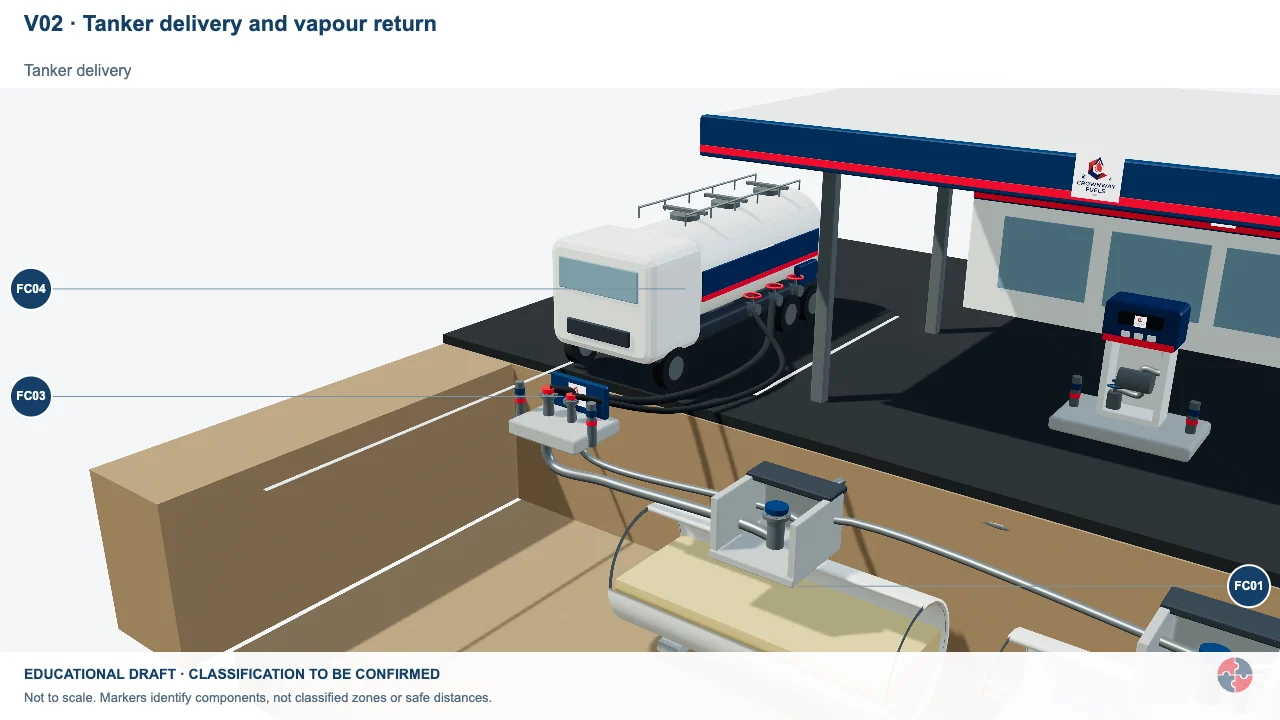
Tanker delivery and vapour return
During the proposed tanker delivery, product enters the receiving tank and displaced vapour returns to the tanker by a separate path. The delivery-hose teaching envelope follows the connected hose route.
Activity focus: Trace the tanker connection, product hose and receiving fill before following the Stage 1b vapour-return path. Inspect the whole delivery working area, including nearby traffic, dispensers and drainage.
Contextual workplace scene. Use the task, control and evidence checks in this section; appearance alone does not establish safe conditions, individual health or approval.
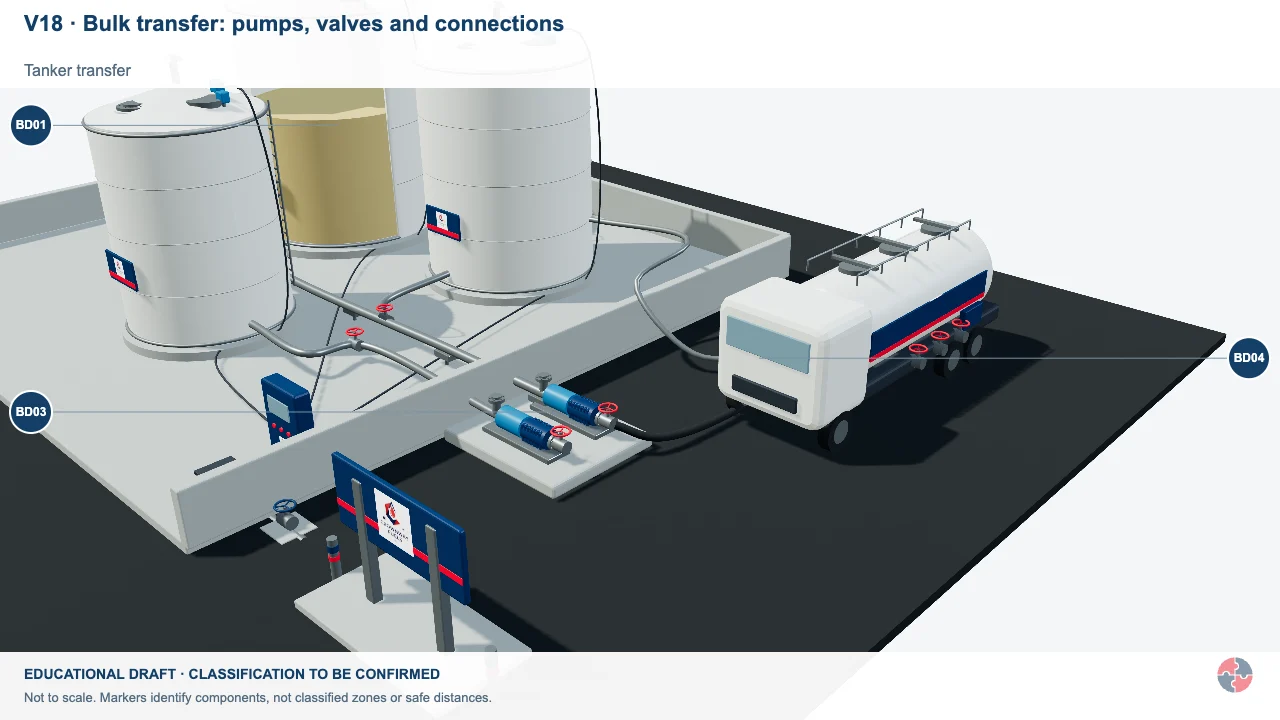
Tanker loading: liquid out, vapour back
Follow petrol from bulk storage into the tanker and the separate displaced-vapour route from the tanker to the terminal VRU.
Activity focus: Distinguish the product line, vapour collection line and tanker-loading protective controls.
Contextual workplace scene. Use the task, control and evidence checks in this section; appearance alone does not establish safe conditions, individual health or approval.
Educational illustration, not to scale. Coloured zones are teaching examples, not a site-specific hazardous-area classification.
What should each role learn and demonstrate?
Learning must match the decisions people make, from recognising danger to checking that controls work.
Briefings should tell people how to act, but attendance alone does not show competence. Assess the real decision or task, record who assessed it and revisit after a material change, failed control or incident. A local authorisation is task-specific; no universal external certificate is implied.
On a small screen, scroll this table sideways to read all columns.
| Role and learning | Demonstration and assessor | Record and reassessment trigger |
|---|---|---|
| Buyer/stores: compatibility and identity. | Competent chemist checks a proposed new product against storage, waste and transfer scenarios. | Approval and compatibility record; repeat after product change. |
| Operator/driver: transfer route. | Supervisor observes independent tank/line checks and a stop decision for a wrong label. | Authorisation and observation; repeat after near miss. |
| Engineer: fixed barriers. | Process engineer tests couplings, locks, interlocks and shutoff on the actual line. | Inspection/proof-test record; repeat after maintenance. |
| Emergency lead: release response. | Drill toxic-gas cue, evacuation, 999 handover and safe remote isolation. | Drill result and action closure; repeat after layout change. |
How does this topic support process safety and NEBOSH study?
This topic supports study by connecting chemical information, storage, transfer verification, human factors, emergency control and major accident barriers.
For process safety learners, compatibility is a strong example of a simple initiating event creating major consequences. The exam or scenario may describe wrong transfer, poor labelling, similar connections, no independent check, incompatible waste, unclear procedures or a delayed emergency response.
Good answers should identify the reaction consequence, the failed barriers, the controls needed before transfer, and the evidence that the system is healthy. A strong response does not simply say 'train workers'; it explains physical segregation, engineered compatibility, line identification, unique couplings, interlocks, emergency stops, drain isolation and verification.
For broader health and safety learners, the topic reinforces COSHH, DSEAR, SDS use, storage segregation, PPE, emergency arrangements and contractor control.
| Study area | What to know | Scenario application |
|---|---|---|
| Compatibility basics | Which substances can react and what consequences may occur. | Explain why a storage or transfer arrangement is unsafe. |
| SDS use | Section 10 stability and reactivity, plus sections 7 and 13. | Use SDS information to set controls. |
| Transfer verification | Right product, tank, route, connection, capacity and valve lineup. | Identify missing checks and stronger barriers. |
| Human factors | Similar labels, similar couplings, assumptions and shift handover. | Explain why error was predictable. |
| Major accident barriers | Prevention, detection, control and mitigation. | Link barriers to toxic release, fire, explosion and overpressure. |
| Emergency response | Evacuation, isolation, specialist response and drain protection. | Avoid improvised neutralisation or clean-up. |
How can a management system sustain effective decisions?
Give each hazard or support route an owner, a control, a check and a response to failure.
Assign each storage, transfer and waste barrier an owner, performance test and failure response. Sample a real fill point and drain route, then trace any near miss into engineering change and verified repair. An owner should sample actual work and corrective actions, not accept a policy or certificate as evidence that the controls work.
The free GB regulator guide HSE Managing for health and safety (HSG65) explains a plan–do–check–act approach: assign controls and owners, involve workers, check work as done, and correct failures. For Northern Ireland, use HSENI risk assessment guidance for the local duty. A certificate alone does not demonstrate that a control works.
Which major incidents show why inadvertent mixing controls matter?
The MGPI Processing incident shows how a wrong chemical transfer can create toxic release, community impact and clear lessons for transfer design and verification.
In October 2016, at the MGPI Processing facility in Atchison, Kansas, sulphuric acid was unloaded into a sodium hypochlorite tank. The incompatible substances reacted and produced a chlorine-containing cloud. The release affected workers and the surrounding community, with many people seeking medical treatment and shelter-in-place or evacuation actions used locally.
The direct lesson is not simply that a driver used the wrong connection. The wider process-safety lesson is that similar-looking fill lines, unclear physical differentiation, weak transfer verification, insufficient safeguards and unclear responsibilities can make wrong transfer foreseeable. Stronger barriers include clear labelling, dedicated/unique connections, independent verification, emergency shut-off, procedures agreed with suppliers and emergency response planning.
UK sites should use the learning carefully: check whether their own bulk delivery, waste bulking, tank filling, drain discharge or cleaning operations rely too heavily on one person's attention.
| Incident | What failed | Learning for compatibility control |
|---|---|---|
| US CSB MGPI investigation | Sulphuric acid was inadvertently unloaded into a sodium hypochlorite tank, producing a chlorine-containing release. | Design transfer systems so wrong connections are difficult, verify product and destination, define responsibilities and plan emergency response. |
| HSE - Chemical waste treatment | HSE describes incidents caused by unintentional or inadequately planned mixing of incompatible chemical waste, including fires, explosions, releases and environmental effects. | Characterise waste streams and test compatibility before bulking or treatment. |
What are the warning signs that compatibility controls are weak?
Warning signs include unlabelled containers, shared hoses, similar fill points, unclear waste streams, poor drain knowledge, incompatible storage and workers improvising chemical disposal.
Weak compatibility control usually leaves clues. A store may have acids above alkalis, oxidisers beside flammables, expired chemicals in corners, unlabelled jugs, full spill trays, or waste drums labelled only as 'chemical waste'. A transfer area may have several identical connections and no physical prevention of wrong hose connection.
The harm pathway should be explicit. A wrong container can lead to wrong disposal. A shared hose can cross-contaminate substances. A shared bund can mix leaks. An unknown waste drum can over-pressurise. An unprotected drain can carry incompatible chemicals to a confined sump.
Every warning sign should trigger a system fix: stop use, identify contents, segregate, relabel, redesign, review the SDS, update the compatibility matrix, brief workers and verify action close-out.
| Warning sign | How harm can develop | Action |
|---|---|---|
| Unlabelled containers | Wrong use, wrong disposal or wrong first response. | Remove from use and identify/dispose safely. |
| Shared hoses or funnels | Cross-contamination between incompatible substances. | Use dedicated equipment or clean/verify controls. |
| Similar fill points | Wrong-tank transfer. | Differentiate physically and verify independently. |
| Unknown waste drums | Incompatible bulking, gas or pressure. | Quarantine and characterise before moving. |
| Incompatible shared bund | Leaking containers mix in containment. | Separate containment. |
| No drain map | Releases travel to unknown locations. | Map, label and protect drains. |
| Workers neutralise spills informally | Reaction worsens or responders exposed. | Stop practice and train emergency route. |
Chemical compatibility and inadvertent mixing FAQs - what do people ask?
Common questions focus on what must not be mixed, how SDS information should be used, and what controls stop wrong transfers or waste mixing.
What is chemical compatibility?
Chemical compatibility means understanding whether substances can be stored, transferred, mixed or disposed of together without dangerous reaction.
What is inadvertent mixing?
Inadvertent mixing is the accidental combination of incompatible substances through wrong transfer, wrong container, wrong drain, poor labelling, waste bulking or cleaning error.
Why is inadvertent mixing dangerous?
It can release toxic gas, generate heat, build pressure, cause fire or explosion, damage equipment or create environmental harm.
Which chemicals should usually be kept apart?
Common examples include acids and alkalis, acids and hypochlorite bleach, oxidisers and flammables, cyanides and acids, sulphides and acids, and water-reactive substances and water.
Can diluted cleaning chemicals still be dangerous?
Yes. Diluted chemicals can still react, release gas or injure people if mixed incorrectly.
Is SDS section 10 important?
Yes. SDS section 10 covers stability and reactivity, including incompatible materials and hazardous decomposition products.
What is transfer verification?
Transfer verification is the process of confirming the right substance, route, hose, connection, tank, valve, quantity and receiving capacity before transfer starts.
Why do drains matter?
Drains can connect incompatible chemicals away from the work area and create gas, heat, fire, pollution or confined-space risks.
What should a chemical compatibility matrix do?
It should show which substances or hazard groups must be segregated and when specialist review is needed.
What should happen after a wrong transfer?
Stop transfer, isolate the area, protect people, follow the emergency plan, involve competent specialists and do not improvise neutralisation.
How does this link to process safety?
On major hazard sites, compatibility failures can defeat containment, create toxic release, overpressure, fire, explosion or escalation.
What training is needed?
Training should be role-specific for users, stores, transfer operators, supervisors, waste handlers, cleaners and emergency responders.
Chemical hazard symbols: what do they mean?
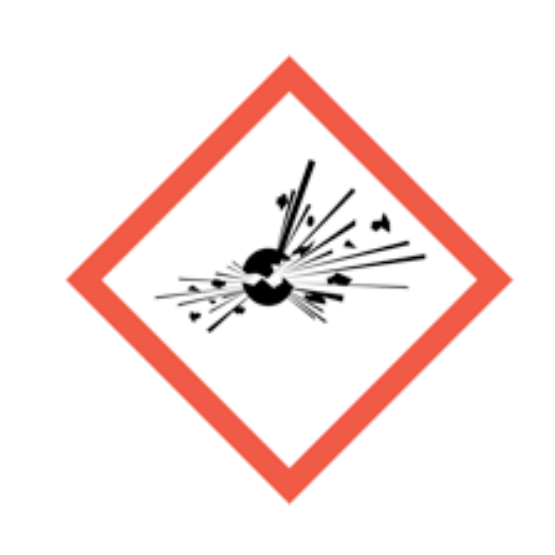
Exploding bomb
Explosive, self-reactive or organic peroxide hazards.
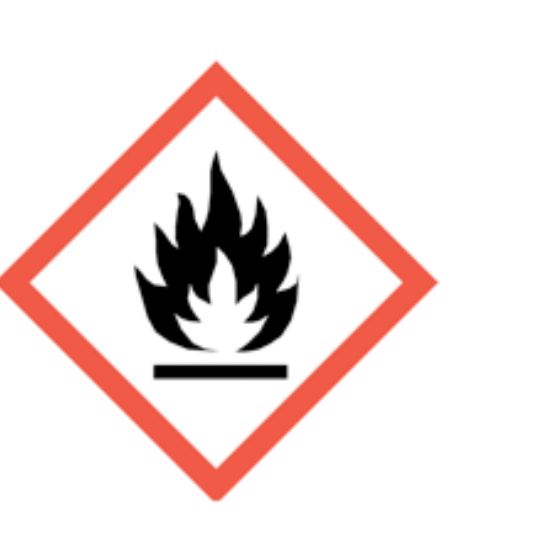
Flame
Flammable, self-heating or pyrophoric substances.
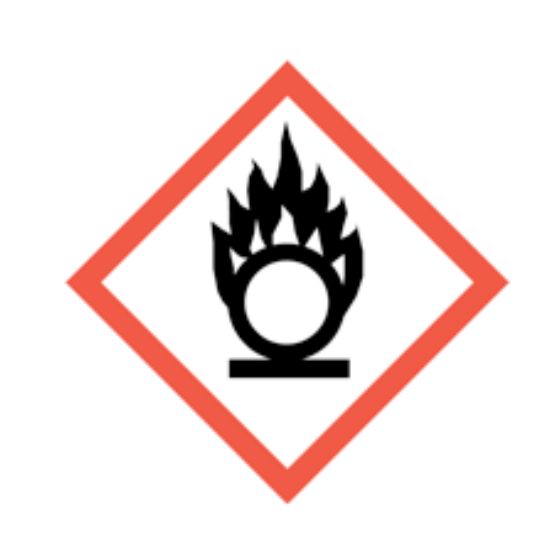
Flame over circle
Oxidising substances that can intensify fire.

Gas cylinder
Gas under pressure.
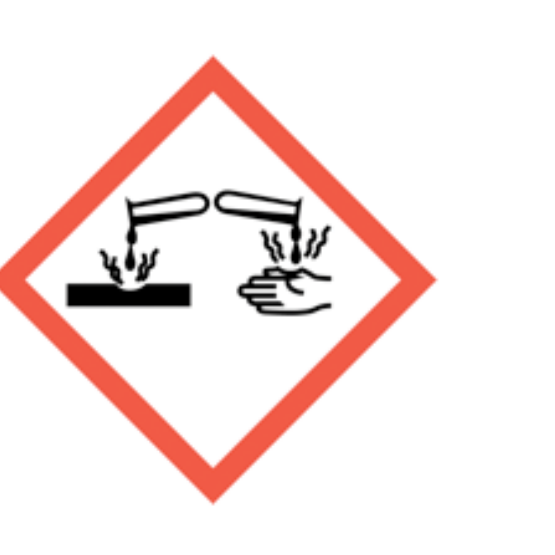
Corrosion
Skin burns, eye damage or corrosive to metals.
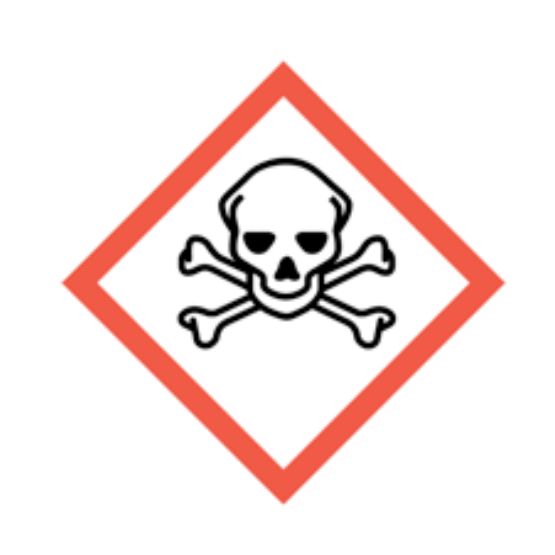
Skull and crossbones
Acute toxicity.

Exclamation mark
Irritation, harmful effects or skin sensitisation; some classifications cover drowsiness, dizziness or ozone-layer hazard. Read the actual hazard statements. Skin sensitisation differs from respiratory sensitisation.
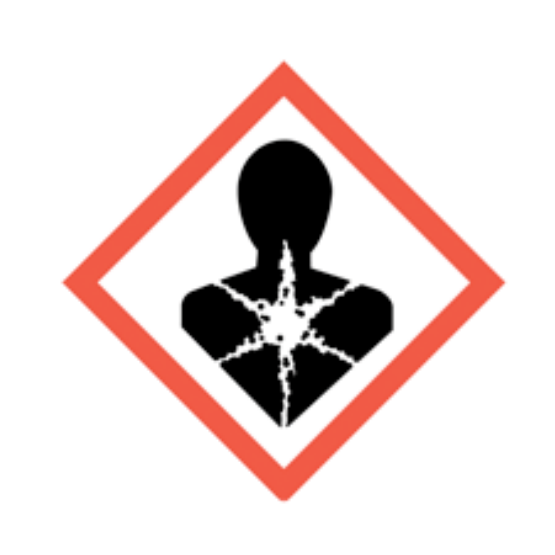
Health hazard
Serious health hazards, including organ damage, aspiration hazard, respiratory sensitisation, cancer and reproductive effects; some can follow a single exposure.
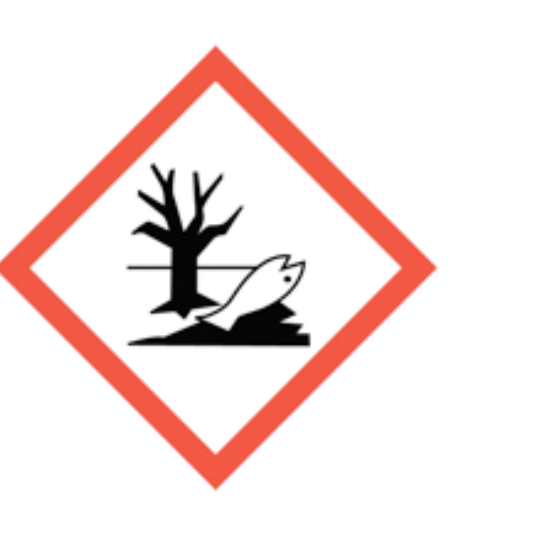
Environment
Hazardous to the aquatic environment.
What acronyms and terms should readers understand for chemical compatibility?
These terms help readers understand compatibility checks, transfer controls, process safety and legal duties.
| Term | Meaning | Plain-English use |
|---|---|---|
| COSHH | Control of Substances Hazardous to Health | Controls health exposure from hazardous substances. |
| DSEAR | Dangerous Substances and Explosive Atmospheres Regulations | Controls fire and explosion from dangerous substances. |
| SDS | Safety Data Sheet | Supplier information used to assess hazards, storage and incompatibilities. |
| MOC | Management of Change | Controls changes to chemicals, equipment, procedures or layout. |
| HAZOP | Hazard and Operability Study | Structured process hazard review method. |
| COMAH | Control of Major Accident Hazards | Regime for qualifying major accident hazard establishments. |
| IBC | Intermediate Bulk Container | Common chemical or waste container requiring compatibility and labelling control. |
| LEV | Local Exhaust Ventilation | Engineering control for vapour, fume, mist or dust exposure. |
| RPE | Respiratory Protective Equipment | Respirators or masks used where airborne exposure remains. |
| ERICPD | Eliminate, Reduce, Isolate, Control, Personal protective equipment, Discipline | Hierarchy for selecting risk controls. |