SHARE Knowledge Hub
Reaction Hazards and Runaway Reactions
A runaway reaction occurs when heat generation exceeds heat removal and the rising temperature accelerates the chemistry. Gas, boiling or decomposition can then overpressure equipment and release hot, flammable or toxic material, causing burns, blast injury, fire or poisoning. Safe operation depends on reliable chemical and thermal data, defined limits, and verified cooling, control and relief barriers before a batch or change starts.
Understanding Reaction Hazards and Runaway Reactions
A runaway reaction occurs when heat generation exceeds heat removal and the rising temperature accelerates the chemistry. Gas, boiling or decomposition can then overpressure equipment and release hot, flammable or toxic material, causing burns, blast injury, fire or poisoning. Safe operation depends on reliable chemical and thermal data, defined limits, and verified cooling, control and relief barriers before a batch or change starts.
Why this matters at work
The evidence set should include option appraisal, test and calculation basis, design and operating limits, safeguard performance, consequence analysis and accountable acceptance. Unsafe shortcut: calling temperature control the basis of safety without defining failure response or maximum consequence. Escalate when a scenario is not covered, a safeguard has no performance standard or consequences exceed the accepted basis.
The evidence set should include relief inventory and duration, discharge composition, piping reaction review, scrubber or flare capacity, dispersion and thermal consequence, drainage and occupancy. Unsafe shortcut: venting directly to atmosphere because the vessel is outdoors or the event is rare. Escalate when toxic, flammable, corrosive or reactive discharge can reach people, equipment or the environment.
How organisations manage this in practice
Relief is one potential part of the safety basis, not automatic permission to accept a runaway. Begin with each credible pressure-generating scenario, including composition, fill, heat and gas generation, phase behaviour and available controls. Normal boil-up, a generic external-fire case or the vessel nozzle size may not represent a reactive demand. Representative testing and competent engineering must establish the governing case and a method valid for it, including two-phase behaviour where relevant. Review prevention, process control and mitigation together, then trace any relief discharge through the complete downstream path. Vessel survival does not establish safe disposal: hot, toxic or flammable material can create serious harm elsewhere. Retain the scenario register, test evidence, dynamic assumptions, pressure basis and independent review. Do not credit an untested quench, unsuitable receiver or unavailable disposal system. Restrict the affected operation where a credible scenario is untested, outside the calculation method's scope or not covered by the installed protection and consequence controls.
The evidence set should include flammability or reaction basis, purge calculation, analyser location and calibration, pressure control, permissives, loss scenario and confined-space assessment. Unsafe shortcut: using nitrogen flow or pressure as proof of oxygen concentration or claiming inerting controls all reaction chemistry. Escalate when oxygen cannot be measured reliably or decomposition remains possible under inert conditions.
Record total and partial-loss scenarios, required safe states, backup capacity and duration, changeover behaviour and recovery arrangements. Verify alarms, tests and shutdown instructions against the actual dependencies. Where the process cannot fail safely, competent specialists must establish effective protection; an assumed backup is not sufficient. Include the transient conditions during restoration and restart as well as the initial loss. Restrict work if one utility failure can create runaway while also removing the credited response, and reopen the review when a supply or protective-system change alters that conclusion.
Heat removal and conversion must keep pace with addition
A temperature that appears stable does not alone prove a reaction is controlled. Accumulated unreacted material can remain hidden, and protection depends on the chemistry.

Assessed operation
Use the actual reaction assessment, feed, mixing, cooling and operating envelope rather than transferring settings from a sketch.
Cooling or mixing challenge
Consider how reduced removal or conversion can change heat generation, accumulation and later gas or pressure release.
Hidden accumulation
Appearance and temperature alone cannot demonstrate how much material remains unreacted; retain the competent process evidence.
Hold and use the assessed response
Follow the authorised abnormal-response arrangements. The diagram supplies no manual intervention, quench recipe, temperature, relief size or operating rate.
Read the complete task-specific control examples
ERICPD is a planning cross-map: Discipline verifies and sustains every control. ESEAP compares effectiveness. A label does not authorise the task; retain the owner, evidence and stop or change decision.
Managing a batch after cooling loss · ERICPD
- Eliminate
- If the product can be made by a tested non-reactive route, remove the exothermic step; confirm the alternative does not move an equal or greater hazard into purification or waste handling.
- Reduce
- Where chemistry cannot be removed, test a less energetic reagent or formulation.
- Isolate
- Segregate incompatible stores and lines; enclose the reactor and route credible relief to a safe collection/discharge system.
- Control
- Size and prove cooling for the credible heat release; install an independent high-temperature feed cut-off, alarm and suitable relief.
- PPE
- Specify task-compatible chemical/thermal protection for sampling and emergency roles, including material compatibility, fit, replacement and contaminated doffing.
- Discipline
- Train the actual recipe and upset response, maintain the engineered safeguards, manage change in reagent or batch size, and learn from alarms and deviations rather than normalising overrides.
Managing a batch after cooling loss · ESEAP
- Elimination
- If the product can be made by a tested non-reactive route, remove the exothermic step; confirm the alternative does not move an equal or greater hazard into purification or waste handling. HSE guidance: HSE reaction testing
- Substitution
- Test a less energetic reagent or formulation and demonstrate suitability for the product and waste route. HSE reaction testing
- Engineering controls
- Segregate incompatible stores and lines; enclose the reactor and route credible relief to a safe collection/discharge system. Occupancy limits are additional administration, not physical isolation. HSE guidance: HSE reaction testing Size and prove cooling for the credible heat release; install and prove independent high-temperature feed cut-off, alarm and suitable relief. Relief mitigates consequences; it does not prevent runaway. HSE reaction testing
- Administrative controls
- Control inventory/feed within the measured safe accumulation and heat-removal basis; smaller volume alone is exposure reduction, not substitution. HSE reaction testing Apply validated batch limits, line-up checks, hold points, maintenance and trained upset response. Operator checks coolant flow and trip status; stop feed for cooling loss, unexplained rise or bypass, retaining process-owner release. HSE reaction testing Train the actual recipe and upset response, maintain the engineered safeguards, manage change in reagent or batch size, and learn from alarms and deviations rather than normalising overrides. HSE guidance: HSE reaction testing
- PPE
- Specify task-compatible chemical/thermal protection for sampling and emergency roles, including material compatibility, fit, replacement and contaminated doffing. No PPE can contain vessel rupture or a toxic release. HSE guidance: HSE reaction testing
Assessing incompatible drums before bulking · ERICPD
- Eliminate
- Do not bulk two unknown or incompatible drums; use a competent segregated disposal route instead of creating the mixing task.
- Reduce
- If treatment is necessary, select a validated non-reactive method or smaller controlled inventory after compatibility testing; smaller volume alone does not prove safety.
- Isolate
- Use separate labelled containment, dedicated lines and secondary capture to prevent inadvertent connection or common-drain mixing.
- Control
- Provide assessed mixing, temperature/pressure indication, independent stop and suitable relief/containment where justified; use a controlled transfer checklist.
- PPE
- Specify chemical splash and respiratory protection for the assessed routine/spill route, with material compatibility, fit and replacement; PPE cannot contain rupture.
- Discipline
- Maintain waste identity records, train the actual segregation and spill plan, investigate near misses and review changed suppliers or streams.
Assessing incompatible drums before bulking · ESEAP
- Elimination
- Do not bulk two unknown or incompatible drums; use a competent segregated disposal route instead of creating the mixing task. Source basis: HSE chemical-waste guidance
- Substitution
- Select and test a suitable less reactive treatment or lower-hazard method; demonstrate compatibility and avoid transfer of risk. HSE chemical-waste guidance
- Engineering controls
- Use separate labelled containment, dedicated lines and secondary capture to prevent inadvertent connection or common-drain mixing. Source basis: HSE chemical-waste guidance Provide and prove assessed mixing, temperature/pressure indication, independent stop and suitable relief/containment. HSE chemical-waste guidance
- Administrative controls
- Control inventory/feed within the measured safe accumulation and heat-removal basis; smaller volume alone is exposure reduction, not substitution. HSE chemical-waste guidance Use a controlled transfer checklist, operating limits, maintenance arrangements and authorised release after alarm/relief proof. HSE chemical-waste guidance Maintain waste identity records, train the actual segregation and spill plan, investigate near misses and review changed suppliers or streams. Source basis: HSE chemical-waste guidance
- PPE
- Specify chemical splash and respiratory protection for the assessed routine/spill route, with material compatibility, fit and replacement; PPE cannot contain rupture. Source basis: HSE chemical-waste guidance
How can I practise this topic in 3D?

Training reactor: cooling loss is mistaken for a slow temperature rise
180°C resin contact and hot tooling
All related inspection points 4 across 2 locations
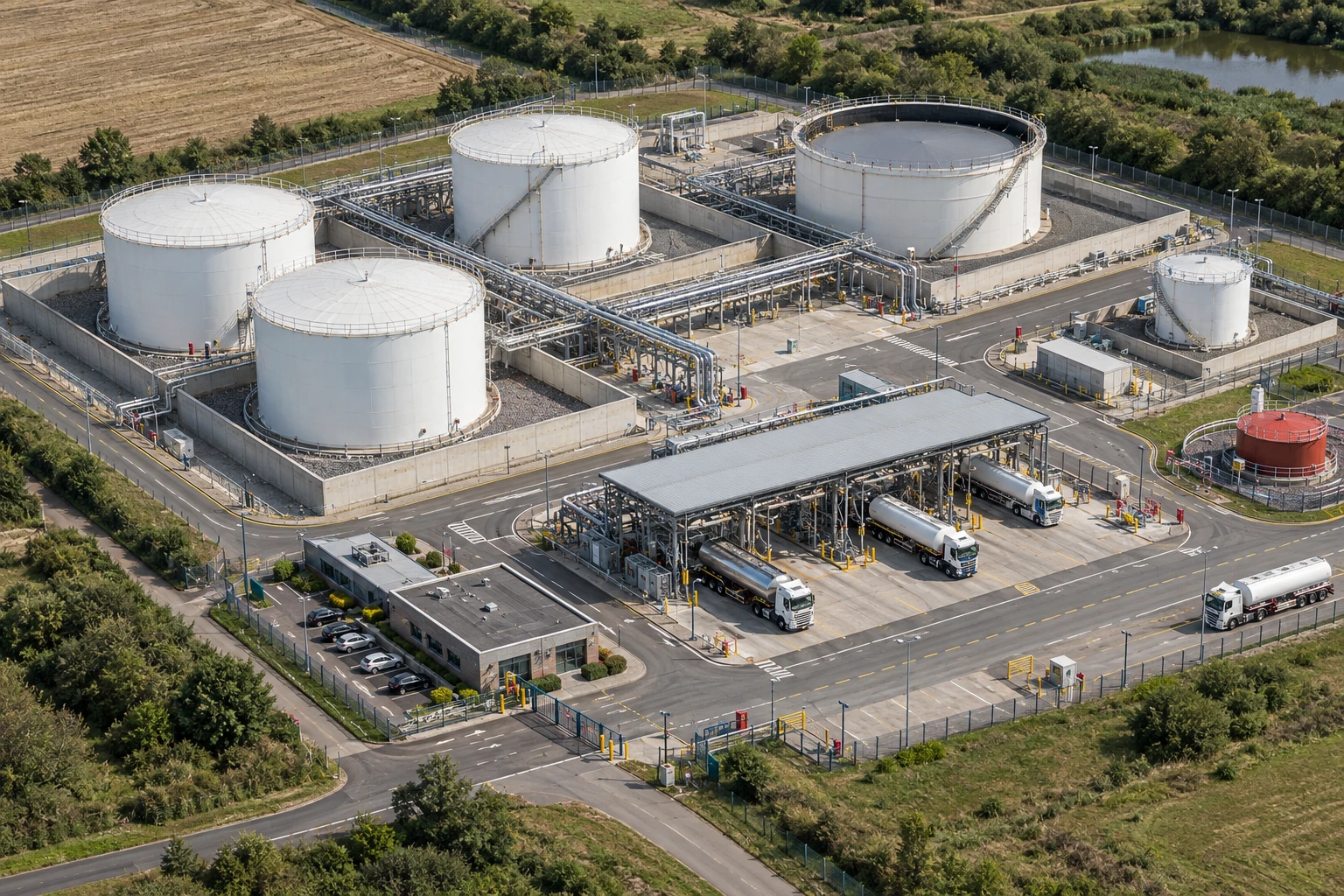
Crown Fuels terminal 2 inspection points
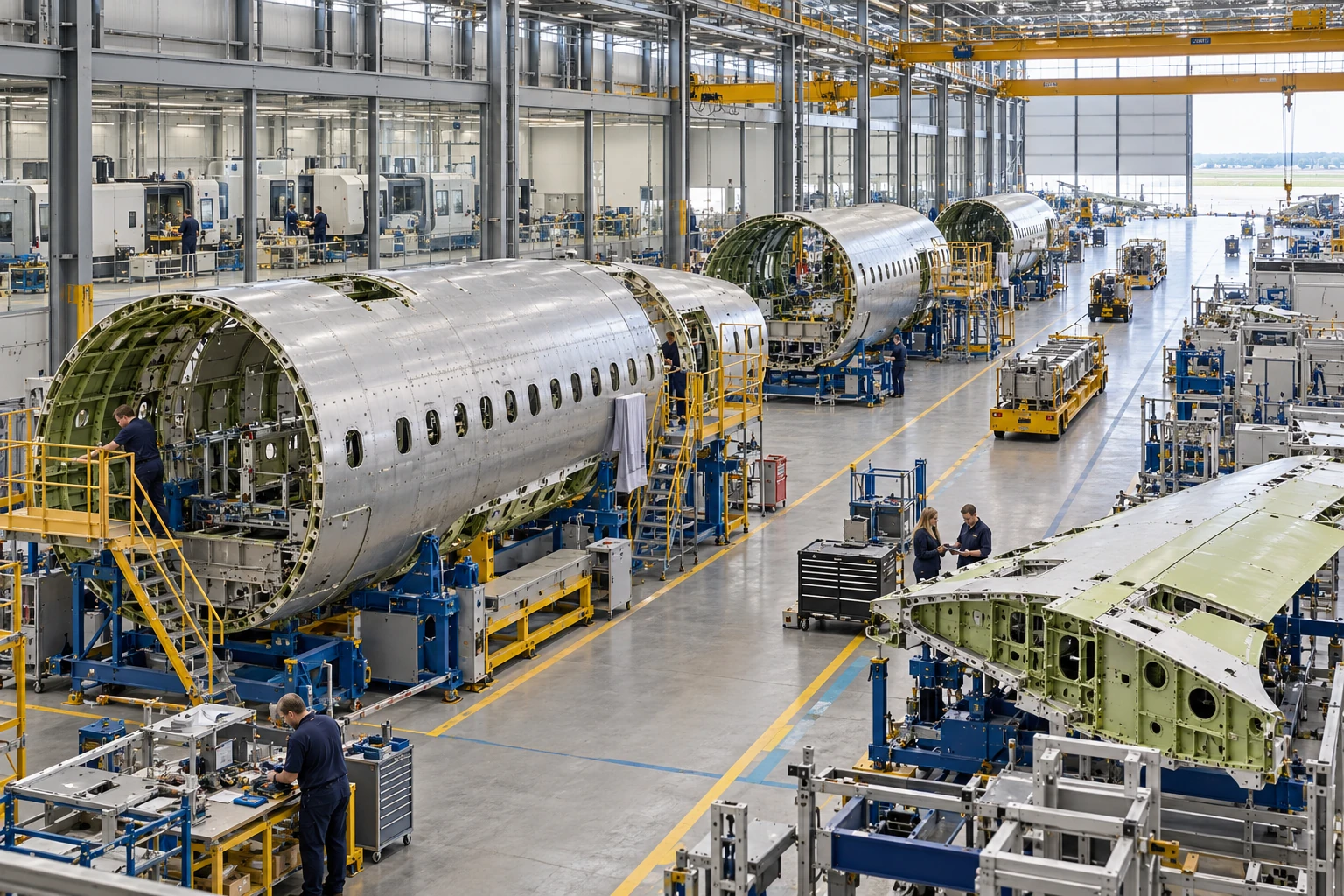
Aerosystems Engineering 2 inspection points
Practice in the SHAREhub environment. Browser practice is separate from workplace competence and formal learning records.
What are reaction hazards and runaway reactions?
A runaway starts when heat generation or gas production outruns the process’s ability to remove, control or contain it. The danger is the resulting pressure, release, fire, explosion or toxic exposure.
Best-practice guide: Reaction Hazards and Runaway Reactions
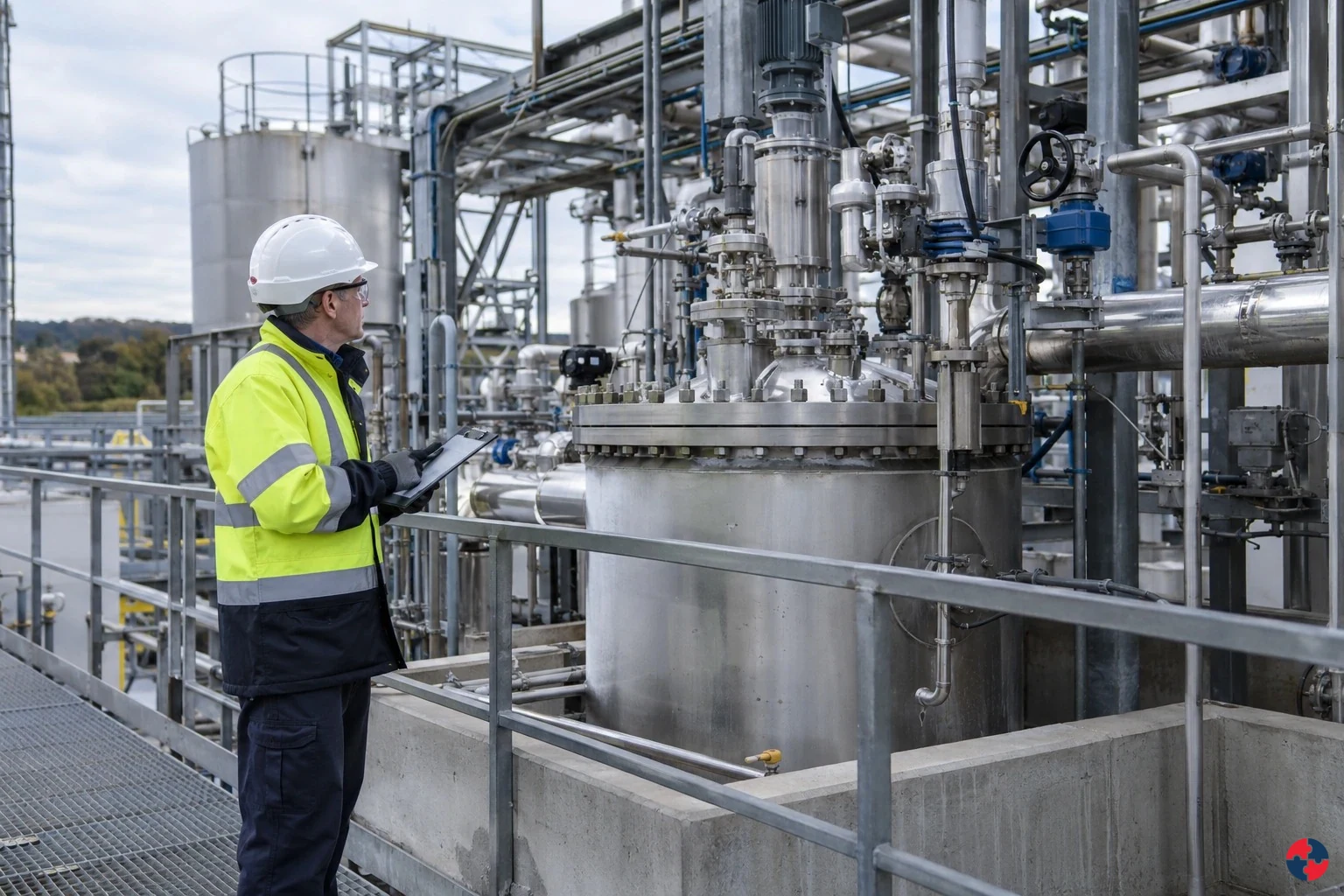
What are reaction hazards and runaway reactions?
A runaway starts when heat generation or gas production outruns the process’s ability to remove, control or contain it. The danger is the resulting pressure, release, fire, explosion or toxic exposure. A runaway reaction occurs when heat generation exceeds heat removal and the rising temperature accelerates the chemistry.
Turn reaction hazards and runaway reactions knowledge into a decision
A runaway reaction occurs when heat generation exceeds heat removal and the rising temperature accelerates the chemistry. Gas, boiling or decomposition can then overpressure equipment and release hot, flammable or toxic material, causing burns, blast injury, fire or poisoning. Retain the reaction hazard study, test data, batch record and trends, maintenance hand-back, alarm/deviation record, relief and mitigation checks, decision owner and restart approval.
A chemical process: cooling loss
Setting: A chemical process adds material to a reactor within an assessed operating envelope. Act: The competent team considers heat generation, removal, mixing, conversion and hidden accumulation using the actual reaction evidence. Hold / review: Use the assessed abnormal-response procedure; do not improvise feed, cooling, quench or relief settings.
How the reaction reaches and harms people
Runaway scenario: Loss of adequate removal or conversion can allow heat and unreacted material to accumulate. Incompatible mixing: An unintended combination can generate heat, gas or pressure according to the actual chemistry. Self-reaction in storage: An unstable material may react without planned addition. Any release or exposure route needs separate scenario assessment.
Choose controls for the actual task
Eliminate: If the product can be made by a tested non-reactive route, remove the exothermic step; confirm the alternative does not move an equal or greater hazard into purification or waste handling. Reduce: Where chemistry cannot be removed, test a less energetic reagent or formulation. Isolate: Segregate incompatible stores and lines; enclose the reactor and route credible relief to a safe collection/discharge system. Control: Size and prove cooling for the credible heat release; install an independent high-temperature feed cut-off, alarm and suitable relief. PPE: Specify task-compatible chemical/thermal protection for sampling and emergency roles, including material compatibility, fit, replacement and contaminated doffing. Read the full control table for qualifications, ownership and verification. Use the actual task and applicable jurisdiction; existing technical approval remains unchanged.
Use the full reaction hazards and runaway reactions lesson
Use the full topic for the decision points, practical examples, detailed control tables and source scope. HSE guidance applies to Great Britain; use HSENI for the Northern Ireland route and the source’s stated jurisdiction. A simplified guide does not change the page’s technical-review or approval status.

Read all six steps as text
1. What are reaction hazards and runaway reactions?
A runaway starts when heat generation or gas production outruns the process’s ability to remove, control or contain it.
- Avoid / redesign: If the product can be made by a tested non-reactive route, remove the exothermic step; confirm the alternative does not move an equal or greater hazard into purification or waste handling.
- Control the task: Segregate incompatible stores and lines; enclose the reactor and route credible relief to a safe collection/discharge system.
- Verify before release: Hold or stop for unknown accumulation, abnormal trend or unavailable critical safeguard.
A runaway starts when heat generation or gas production outruns the process’s ability to remove, control or contain it. The danger is the resulting pressure, release, fire, explosion or toxic exposure. A runaway reaction occurs when heat generation exceeds heat removal and the rising temperature accelerates the chemistry.
Apply it: Which part of this plan would you check at the workface before authorising the task?
2. Turn reaction hazards and runaway reactions knowledge into a decision
Use the evidence to improve the actual work arrangement.
- Change at source: If the product can be made by a tested non-reactive route, remove the exothermic step; confirm the alternative does not move an equal or greater hazard into purification or waste handling.
- Make it observable: Hold or stop for unknown accumulation, abnormal trend or unavailable critical safeguard.
- Keep useful evidence: Retain the reaction hazard study, test data, batch record and trends, maintenance hand-back, alarm/deviation record, relief and mitigation checks, decision owner and restart approval.
A runaway reaction occurs when heat generation exceeds heat removal and the rising temperature accelerates the chemistry. Gas, boiling or decomposition can then overpressure equipment and release hot, flammable or toxic material, causing burns, blast injury, fire or poisoning. Retain the reaction hazard study, test data, batch record and trends, maintenance hand-back, alarm/deviation record, relief and mitigation checks, decision owner and restart approval.
Apply it: What evidence would show that the change improves this task, rather than only completing a record?
3. A chemical process: cooling loss
Example: a practical application of the existing topic lesson.
- Setting: A chemical process adds material to a reactor within an assessed operating envelope.
- Act: The competent team considers heat generation, removal, mixing, conversion and hidden accumulation using the actual reaction evidence.
- Hold / review: Use the assessed abnormal-response procedure; do not improvise feed, cooling, quench or relief settings.
Setting: A chemical process adds material to a reactor within an assessed operating envelope. Act: The competent team considers heat generation, removal, mixing, conversion and hidden accumulation using the actual reaction evidence. Hold / review: Use the assessed abnormal-response procedure; do not improvise feed, cooling, quench or relief settings.
Apply it: At which point would you hold this example, and what evidence would allow it to proceed?
4. How the reaction reaches and harms people
Connect the task, the route to the person and the control that can fail.
- Runaway scenario: Loss of adequate removal or conversion can allow heat and unreacted material to accumulate.
- Incompatible mixing: An unintended combination can generate heat, gas or pressure according to the actual chemistry.
- Self-reaction in storage: An unstable material may react without planned addition. Any release or exposure route needs separate scenario assessment.
Runaway scenario: Loss of adequate removal or conversion can allow heat and unreacted material to accumulate. Incompatible mixing: An unintended combination can generate heat, gas or pressure according to the actual chemistry. Self-reaction in storage: An unstable material may react without planned addition. Any release or exposure route needs separate scenario assessment.
Apply it: Who could be exposed, including other trades, cleaners, maintainers and people nearby?
5. Choose controls for the actual task
Control summary. Read the complete task-specific controls and checks in the linked topic.
- Elimination: If the product can be made by a tested non-reactive route, remove the exothermic step; confirm the alternative does not move an equal or greater hazard into purification or waste handling. HSE guidance: HSE reaction testing
- Substitution: Test a less energetic reagent or formulation and demonstrate suitability for the product and waste route. HSE reaction testing
- Engineering controls: Segregate incompatible stores and lines; enclose the reactor and route credible relief to a safe collection/discharge system.
- Administrative controls: Control inventory/feed within the measured safe accumulation and heat-removal basis; smaller volume alone is exposure reduction, not substitution.
- PPE: Specify task-compatible chemical/thermal protection for sampling and emergency roles, including material compatibility, fit, replacement and contaminated doffing.
Eliminate: If the product can be made by a tested non-reactive route, remove the exothermic step; confirm the alternative does not move an equal or greater hazard into purification or waste handling. Reduce: Where chemistry cannot be removed, test a less energetic reagent or formulation. Isolate: Segregate incompatible stores and lines; enclose the reactor and route credible relief to a safe collection/discharge system. Control: Size and prove cooling for the credible heat release; install an independent high-temperature feed cut-off, alarm and suitable relief. PPE: Specify task-compatible chemical/thermal protection for sampling and emergency roles, including material compatibility, fit, replacement and contaminated doffing. Read the full control table for qualifications, ownership and verification. Use the actual task and applicable jurisdiction; existing technical approval remains unchanged.
Apply it: Which stronger option can be used here, and who will verify it before accepting the remaining risk?
6. Use the full reaction hazards and runaway reactions lesson
Follow the official sources below and retain the task-specific evidence.
- Official guidance: HSE Chemical reaction hazards and the risk of thermal runaway
- Official guidance: HSE reaction testing
- Task decision: Follow the authorised abnormal-response arrangements. The diagram supplies no manual intervention, quench recipe, temperature, relief size or operating rate.
Use the full topic for the decision points, practical examples, detailed control tables and source scope. HSE guidance applies to Great Britain; use HSENI for the Northern Ireland route and the source’s stated jurisdiction. A simplified guide does not change the page’s technical-review or approval status.
Apply it: Which official source and full-topic section will you use to resolve the next decision?
In an exothermic reaction, rising temperature can accelerate the reaction and release still more heat. Gas evolution, boiling or secondary decomposition can raise pressure quickly. The hazard is not confined to a batch reactor: storage, drying, distillation and waste mixing can also create unwanted reactions. The route from source to person is through blast and fragments, hot material, fire, corrosive contact or an inhaled toxic cloud.
Severity depends on inventory, reaction energy and kinetics, scale, available cooling and mixing, containment, relief destination and who is nearby. A laboratory beaker loses heat differently from a plant vessel; a larger batch cannot be approved from a small successful trial alone. Early temperature or pressure drift may be the only warning, and some scenarios leave too little time for manual recovery.
| Scenario and route | Injury or ill health | Warning and stop point |
|---|---|---|
| Exothermic batch heats faster than cooling removes heat; boiling or gas raises vessel pressure. | Vessel failure can cause blast, flying fragments, burns and multiple casualties; released vapour may ignite. | Temperature or pressure trend outside the assessed envelope, lost cooling or agitation: stop additions under the approved plan, isolate the area and escalate. HSE reaction testing |
| Incompatible waste or wrong material addition reacts in a drum, tank or line. | Heat and gas can rupture a container; hot corrosive or toxic material can burn skin, injure lungs or spread off-site. | Unknown identity, damaged package, wrong route or unexpected heat, pressure or fume: hold transfer, keep people clear and use the site emergency route. HSE chemical-waste guidance |
| Self-reactive material decomposes in storage or a dryer after contamination or overheating. | Fire, explosion and hazardous decomposition products can injure workers and responders; effects can extend beyond the store. | Unexplained warming, gas, swelling, loss of temperature control or changed storage condition: do not move or open suspect material without specialist direction. HSE warehousing guidance |
| Relief discharges or containment fails during an accelerating reaction. | Hot liquid, flammable vapour or toxic cloud can reach operators, neighbours or responders; acute poisoning, burns or fatalities are possible. | Relief demand, high-high process alarm or mitigation-system failure: initiate the site contingency plan and emergency services response for immediate danger. HSE relief-system guidance |
The table connects mechanisms to plausible harm and stop points. It is a screening aid: only competent testing and design can establish the actual safe limits and emergency basis for a given reaction.
How can the hierarchy of controls prevent runaway reactions and reduce their consequences?
Start with chemical and thermal data, define a safe operating envelope, then use inherent design, dependable controls and consequence protection suited to the credible upset.
Prevention and consequence paths


Read the complete visual as text
- Prevent the runaway: Tested chemistry and defined limits support suitable cooling, mixing and feed controls. Detection and stopping must match the actual scenario and response.
- Protect against consequences: A relief route is a possible protective layer, with a credible gas/liquid scenario and safe downstream destination. It does not by itself establish reaction safety.
- Check the full challenge: Foaming, carryover, blockage or continuing reaction can challenge relief and downstream treatment. Do not assume every site has a scrubber or one device covers every upset.
A competent team identifies the intended and unintended reactions, materials and impurities, heat and gas generation, decomposition, foreseeable utility failures and the time available to act. Literature and safety data sheets can start the review; they cannot replace appropriate testing when the hazard requires it. Screening, reaction calorimetry and, where justified, adiabatic tests inform cooling, addition, control and relief decisions. Samples must represent the actual recipe and credible mixtures; method limits, uncertainty and scale assumptions belong in the decision record.
In a semi-batch process, feed may accumulate when addition outruns conversion or mixing. A slow temperature rise does not prove that the reagent has reacted: after warming or mixing recovers, the accumulated inventory may release heat rapidly. The team should compare heat generation and removal under normal and credible upset conditions, estimate the maximum temperature of the synthesis reaction at relevant points, and compare it with boiling, decomposition, pressure and equipment limits. Time-to-maximum-rate and storage stability estimates depend on material, starting temperature and test method; they are not universal safe temperatures or response times.
ERICPD (Eliminate, Reduce including substitution, Isolate, Control, Personal Protective Equipment, Discipline) is a practical planning framework, not a statute. It broadly maps to HSE’s elimination, substitution, engineering, administrative and PPE hierarchy. “Control” contains both engineered barriers and organised work; “Discipline” is competent execution and assurance, never blame or a substitute for a physical safeguard.
Use the same semi-batch heat-release scenario for both hierarchies. ERICPD (Eliminate, Reduce including substitution, Isolate, Control, Personal Protective Equipment, Discipline) is the six-part teaching prompt; the HSE five-level order is elimination, substitution, engineering, administrative control and personal protective equipment (PPE). These are related prompts, not identical rungs. Identify the chemistry, worst credible upset, accumulation, cooling duty and pressure consequences from suitable testing before selecting feed cut-off, relief or emergency action. HSE reaction testing and control hierarchy explain the basis; no invented temperature or relief setpoint is a site design value.
On a narrow screen, scroll this table sideways for feasibility, proof and restart decisions.
Choose the activity
How can the ERICPD hierarchy of controls prevent a runaway reaction after loss of batch cooling?

| Control level | Control for this activity | Owner and verification | Stop / restart decision |
|---|---|---|---|
| Eliminate | If the product can be made by a tested non-reactive route, remove the exothermic step; confirm the alternative does not move an equal or greater hazard into purification or waste handling. HSE technical guidance | Elimination Process owner documents chemistry, product quality and waste-route review before design freeze. Stop proposed restart if the supposed alternative recreates an unassessed exotherm. | Hold or stop for unknown accumulation, abnormal trend or unavailable critical safeguard. Restart only after process owner approves batch disposition and a validated safe operating state. |
| Reduce | Where chemistry cannot be removed, test a less energetic reagent or formulation. Meter semi-batch feed only within a measured safe accumulation and heat-removal basis; a smaller batch alone is exposure reduction, not substitution. HSE technical guidance | Substitution, then administrative inventory reduction Chemist and process engineer test impurities, scale and loss-of-cooling scenarios. Hold scale-up if calorimetry or maximum credible accumulation is unknown. | Hold or stop for unknown accumulation, abnormal trend or unavailable critical safeguard. Restart only after process owner approves batch disposition and a validated safe operating state. |
| Isolate | Segregate incompatible stores and lines; enclose the reactor and route credible relief to a safe collection/discharge system. Occupancy limits are additional administration, not physical isolation. HSE technical guidance | Engineering Engineer verifies line identity, segregation, relief destination and occupied-area separation at commissioning. Stop for misconnection, blocked route or changed occupancy. | Hold or stop for unknown accumulation, abnormal trend or unavailable critical safeguard. Restart only after process owner approves batch disposition and a validated safe operating state. |
| Control | Size and prove cooling for the credible heat release; install an independent high-temperature feed cut-off, alarm and suitable relief. Batch limits, line-up checks and hold points support these devices. Relief limits consequence but does not prevent the runaway. HSE technical guidance | Engineering with administrative limits Process engineer records test basis and independent trip proof; operator checks coolant flow and trip status before feed. Stop feed on cooling loss, unexplained temperature rise or bypass. Restart only after cause, device proof and authorised review. | Hold or stop for unknown accumulation, abnormal trend or unavailable critical safeguard. Restart only after process owner approves batch disposition and a validated safe operating state. |
| PPE | Specify task-compatible chemical/thermal protection for sampling and emergency roles, including material compatibility, fit, replacement and contaminated doffing. No PPE can contain vessel rupture or a toxic release. HSE technical guidance | PPE Competent assessor specifies and supervisor checks protection. Do not use PPE to justify continuing with failed cooling, trip or relief. | Hold or stop for unknown accumulation, abnormal trend or unavailable critical safeguard. Restart only after process owner approves batch disposition and a validated safe operating state. |
| Discipline | Train the actual recipe and upset response, maintain the engineered safeguards, manage change in reagent or batch size, and learn from alarms and deviations rather than normalising overrides. HSE technical guidance | Administrative assurance Manager reviews alarm trends, proof-test records, shift handover and closed actions. Hold restart after repeated unexplained alarm or failed safeguard until independent competent review. | Hold or stop for unknown accumulation, abnormal trend or unavailable critical safeguard. Restart only after process owner approves batch disposition and a validated safe operating state. |
How can the ISO 45001 hierarchy of controls prevent a runaway reaction after loss of batch cooling?

| Control level | Control for this activity | Owner and verification | Stop / restart decision |
|---|---|---|---|
| Elimination | If the product can be made by a tested non-reactive route, remove the exothermic step; confirm the alternative does not move an equal or greater hazard into purification or waste handling. HSE technical guidance | Elimination Process owner documents chemistry, product quality and waste-route review before design freeze. Stop proposed restart if the supposed alternative recreates an unassessed exotherm. | Hold or stop for unknown accumulation, abnormal trend or unavailable critical safeguard. Restart only after process owner approves batch disposition and a validated safe operating state. |
| Substitution | Test a less energetic reagent or formulation and demonstrate suitability for the product and waste route. HSE reaction testing | Substitution, then administrative inventory reduction Chemist and process engineer test impurities, scale and loss-of-cooling scenarios. Hold scale-up if calorimetry or maximum credible accumulation is unknown. | Hold or stop for unknown accumulation, abnormal trend or unavailable critical safeguard. Restart only after process owner approves batch disposition and a validated safe operating state. |
| Administrative controls | Control inventory/feed within the measured safe accumulation and heat-removal basis; smaller volume alone is exposure reduction, not substitution. HSE reaction testing | Substitution, then administrative inventory reduction Chemist and process engineer test impurities, scale and loss-of-cooling scenarios. Hold scale-up if calorimetry or maximum credible accumulation is unknown. | Hold or stop for unknown accumulation, abnormal trend or unavailable critical safeguard. Restart only after process owner approves batch disposition and a validated safe operating state. |
| Engineering controls | Segregate incompatible stores and lines; enclose the reactor and route credible relief to a safe collection/discharge system. Occupancy limits are additional administration, not physical isolation. HSE technical guidance | Engineering Engineer verifies line identity, segregation, relief destination and occupied-area separation at commissioning. Stop for misconnection, blocked route or changed occupancy. | Hold or stop for unknown accumulation, abnormal trend or unavailable critical safeguard. Restart only after process owner approves batch disposition and a validated safe operating state. |
| Engineering controls | Size and prove cooling for the credible heat release; install and prove independent high-temperature feed cut-off, alarm and suitable relief. Relief mitigates consequences; it does not prevent runaway. HSE reaction testing | Engineering with administrative limits Process engineer records test basis and independent trip proof; operator checks coolant flow and trip status before feed. Stop feed on cooling loss, unexplained temperature rise or bypass. Restart only after cause, device proof and authorised review. | Hold or stop for unknown accumulation, abnormal trend or unavailable critical safeguard. Restart only after process owner approves batch disposition and a validated safe operating state. |
| Administrative controls | Apply validated batch limits, line-up checks, hold points, maintenance and trained upset response. Operator checks coolant flow and trip status; stop feed for cooling loss, unexplained rise or bypass, retaining process-owner release. HSE reaction testing | Engineering with administrative limits Process engineer records test basis and independent trip proof; operator checks coolant flow and trip status before feed. Stop feed on cooling loss, unexplained temperature rise or bypass. Restart only after cause, device proof and authorised review. | Hold or stop for unknown accumulation, abnormal trend or unavailable critical safeguard. Restart only after process owner approves batch disposition and a validated safe operating state. |
| PPE | Specify task-compatible chemical/thermal protection for sampling and emergency roles, including material compatibility, fit, replacement and contaminated doffing. No PPE can contain vessel rupture or a toxic release. HSE technical guidance | PPE Competent assessor specifies and supervisor checks protection. Do not use PPE to justify continuing with failed cooling, trip or relief. | Hold or stop for unknown accumulation, abnormal trend or unavailable critical safeguard. Restart only after process owner approves batch disposition and a validated safe operating state. |
| Administrative controls | Train the actual recipe and upset response, maintain the engineered safeguards, manage change in reagent or batch size, and learn from alarms and deviations rather than normalising overrides. HSE technical guidance | Administrative assurance Manager reviews alarm trends, proof-test records, shift handover and closed actions. Hold restart after repeated unexplained alarm or failed safeguard until independent competent review. | Hold or stop for unknown accumulation, abnormal trend or unavailable critical safeguard. Restart only after process owner approves batch disposition and a validated safe operating state. |
How can the ERICPD hierarchy of controls prevent dangerous reactions during chemical-waste bulking?

| Control level | Control for this activity | Owner and verification | Stop / restart decision |
|---|---|---|---|
| Eliminate | Do not bulk two unknown or incompatible drums; use a competent segregated disposal route instead of creating the mixing task. Official task guidance | Elimination Waste owner checks identity and acceptance route. Hold both drums when identity or compatibility is missing. | Hold or stop for unknown contents, heat, gas or missing treatment validation. Restart only after competent waste owner authorises a compatible route. |
| Reduce | If treatment is necessary, select a validated non-reactive method or smaller controlled inventory after compatibility testing; smaller volume alone does not prove safety. Official task guidance | Substitution or inventory reduction Chemist documents test and worst credible gas/heat result. Stop if a substitute or batch-size change lacks assessment. | Hold or stop for unknown contents, heat, gas or missing treatment validation. Restart only after competent waste owner authorises a compatible route. |
| Isolate | Use separate labelled containment, dedicated lines and secondary capture to prevent inadvertent connection or common-drain mixing. Official task guidance | Engineering Engineer verifies line-up and drain segregation at commissioning. Stop for wrong hose, shared drain or label mismatch. | Hold or stop for unknown contents, heat, gas or missing treatment validation. Restart only after competent waste owner authorises a compatible route. |
| Control | Provide assessed mixing, temperature/pressure indication, independent stop and suitable relief/containment where justified; use a controlled transfer checklist. Official task guidance | Engineering plus administration Process engineer proves alarms and relief basis; operator verifies before transfer. Stop on heat, gas, pressure rise or failed indicator. | Hold or stop for unknown contents, heat, gas or missing treatment validation. Restart only after competent waste owner authorises a compatible route. |
| PPE | Specify chemical splash and respiratory protection for the assessed routine/spill route, with material compatibility, fit and replacement; PPE cannot contain rupture. Official task guidance | PPE Competent assessor selects and supervisor checks PPE. Never use PPE to justify mixing unknown contents. | Hold or stop for unknown contents, heat, gas or missing treatment validation. Restart only after competent waste owner authorises a compatible route. |
| Discipline | Maintain waste identity records, train the actual segregation and spill plan, investigate near misses and review changed suppliers or streams. Official task guidance | Administrative assurance Waste manager audits acceptance and action closure. Restart only after substance identity and control proof are documented. | Hold or stop for unknown contents, heat, gas or missing treatment validation. Restart only after competent waste owner authorises a compatible route. |
How can the ISO 45001 hierarchy of controls prevent dangerous reactions during chemical-waste bulking?

| Control level | Control for this activity | Owner and verification | Stop / restart decision |
|---|---|---|---|
| Elimination | Do not bulk two unknown or incompatible drums; use a competent segregated disposal route instead of creating the mixing task. Official task guidance | Elimination Waste owner checks identity and acceptance route. Hold both drums when identity or compatibility is missing. | Hold or stop for unknown contents, heat, gas or missing treatment validation. Restart only after competent waste owner authorises a compatible route. |
| Substitution | Select and test a suitable less reactive treatment or lower-hazard method; demonstrate compatibility and avoid transfer of risk. HSE chemical-waste guidance | Substitution or inventory reduction Chemist documents test and worst credible gas/heat result. Stop if a substitute or batch-size change lacks assessment. | Hold or stop for unknown contents, heat, gas or missing treatment validation. Restart only after competent waste owner authorises a compatible route. |
| Administrative controls | Control inventory/feed within the measured safe accumulation and heat-removal basis; smaller volume alone is exposure reduction, not substitution. HSE chemical-waste guidance | Substitution or inventory reduction Chemist documents test and worst credible gas/heat result. Stop if a substitute or batch-size change lacks assessment. | Hold or stop for unknown contents, heat, gas or missing treatment validation. Restart only after competent waste owner authorises a compatible route. |
| Engineering controls | Use separate labelled containment, dedicated lines and secondary capture to prevent inadvertent connection or common-drain mixing. Official task guidance | Engineering Engineer verifies line-up and drain segregation at commissioning. Stop for wrong hose, shared drain or label mismatch. | Hold or stop for unknown contents, heat, gas or missing treatment validation. Restart only after competent waste owner authorises a compatible route. |
| Engineering controls | Provide and prove assessed mixing, temperature/pressure indication, independent stop and suitable relief/containment. HSE chemical-waste guidance | Engineering plus administration Process engineer proves alarms and relief basis; operator verifies before transfer. Stop on heat, gas, pressure rise or failed indicator. | Hold or stop for unknown contents, heat, gas or missing treatment validation. Restart only after competent waste owner authorises a compatible route. |
| Administrative controls | Use a controlled transfer checklist, operating limits, maintenance arrangements and authorised release after alarm/relief proof. HSE chemical-waste guidance | Engineering plus administration Process engineer proves alarms and relief basis; operator verifies before transfer. Stop on heat, gas, pressure rise or failed indicator. | Hold or stop for unknown contents, heat, gas or missing treatment validation. Restart only after competent waste owner authorises a compatible route. |
| PPE | Specify chemical splash and respiratory protection for the assessed routine/spill route, with material compatibility, fit and replacement; PPE cannot contain rupture. Official task guidance | PPE Competent assessor selects and supervisor checks PPE. Never use PPE to justify mixing unknown contents. | Hold or stop for unknown contents, heat, gas or missing treatment validation. Restart only after competent waste owner authorises a compatible route. |
| Administrative controls | Maintain waste identity records, train the actual segregation and spill plan, investigate near misses and review changed suppliers or streams. Official task guidance | Administrative assurance Waste manager audits acceptance and action closure. Restart only after substance identity and control proof are documented. | Hold or stop for unknown contents, heat, gas or missing treatment validation. Restart only after competent waste owner authorises a compatible route. |
Emergency relief, quench or dump systems require specialist design from credible runaway data and a safe destination. Relief scenarios must consider gas generation, foaming or two-phase flow, continuing reaction, fouling or blockage, and the capacity of downstream treatment; a valve nameplate alone does not prove the path can handle the demand. Quench can introduce incompatible chemistry and a shared utility or sensor can defeat apparently separate safeguards. The process owner checks these secondary and common-cause routes before relying on mitigation.
How do controls change for incompatible waste transfer: heat, gas and vessel rupture?
This second pathway uses the same ERICPD prompt and the HSE five-level hierarchy. Each proposed control needs a competent feasibility decision and proof at the actual site. Official task guidance supports the method; the example does not authorise a particular installation.
On a narrow screen, scroll sideways for feasibility, proof and stop decisions.
How do reaction hazards transfer between sectors?
Reactive chemistry can be intentional in manufacturing or unintended in waste and storage. The source, scale and credible harm decide which controls transfer.
The following are representative tasks, not claims about every workplace in a sector. Construction and hospitality are omitted here because a routine reactor-style runaway is not characteristic of those sectors; where a particular project uses reactive resins or incompatible chemicals, assess that actual material and scale rather than copying a generic example.
| Sector, task and people | Mechanism and harm | Strong controls and stop check |
|---|---|---|
| Chemical manufacturing: operators and service contractors at a semi-batch reactor. | Cooling loss or excessive addition can accumulate reagent, raise temperature and cause pressure, fire or toxic release. | Use tested chemistry, bounded addition, verified cooling/trips and specialist relief. Check maintenance hand-back and trends before charging; hold on lost cooling or an unreviewed change. HSE control-system guidance |
| Waste treatment: staff bulking drums from different producers. | Unknown or incompatible contents can react in a tank, causing heat, gas, rupture or toxic release. | Avoid bulking unknown waste; verify identity and compatibility using the site procedure, segregate streams and control transfer. Stop for inconsistent labels, unexpected heat or fume. HSE chemical-waste guidance |
| Logistics: warehouse staff handling packaged self-reactive chemicals. | Heat, contamination or unsuitable storage can start decomposition, fire or explosion. | Check classification and storage conditions, segregate incompatible stock and monitor the assessed conditions. Do not move or open a warming or swollen package without specialist/emergency direction. HSE warehousing guidance |
The strongest common decision is to establish material identity and the reaction basis before combining, heating, scaling or storing substances. A PPE checklist cannot compensate for missing compatibility data or failed cooling.
What do a cooling failure and an unknown waste drum teach?
Both situations need a hold before the material or process crosses an uncertain boundary. The examples show how a routine task becomes unsafe when information or a key barrier is missing.
Unknown waste or abnormal reaction


Read the complete visual as text
- Start: “Waste transfer or container check”.
- Question 1: Are identity and destination confirmed? Decision owner: Process owner, competent chemist/process engineer and receiving operations authority.
- YES: The named evidence is confirmed. Continue the next applicable check. Owner: Process owner, competent chemist/process engineer and receiving operations authority. CONTINUE → QUESTION 2.
- NO / UNKNOWN — HOLD: Hold transfer, segregate by the approved site method and seek competent waste-chemistry advice. Owner: Process owner, competent chemist/process engineer and receiving operations authority. HOLD → REPEAT QUESTION 1 AFTER CORRECTION.
- Question 2: Are compatibility and transfer route confirmed? Decision owner: Process owner, competent chemist/process engineer and receiving operations authority.
- YES: The named evidence is confirmed. Continue the next applicable check. Owner: Process owner, competent chemist/process engineer and receiving operations authority. CONTINUE → QUESTION 3.
- NO / UNKNOWN — HOLD: Hold; obtain the approved specialist process. Do not mix, sample or neutralise on the basis of this guide. Owner: Process owner, competent chemist/process engineer and receiving operations authority. HOLD → REPEAT QUESTION 2 AFTER CORRECTION.
- Question 3: Is there unexpected heat, gas, swelling or fume? Decision owner: Process owner, competent chemist/process engineer and receiving operations authority.
- YES — EMERGENCY: Stop, withdraw, keep others clear and activate the site emergency route. Do not open, move, sample or neutralise a suspect container. Owner: Process owner, competent chemist/process engineer and receiving operations authority. STOP / REFER → APPROPRIATE RESPONSE.
- NO: Continue the remaining checks; this does not release the task. Owner: Process owner, competent chemist/process engineer and receiving operations authority. CONTINUE → QUESTION 4.
- UNKNOWN — PROTECT FIRST: Treat the suspected developing reaction as unresolved danger: withdraw and use the site incident-command route. Owner: Process owner, competent chemist/process engineer and receiving operations authority. STOP / REFER → APPROPRIATE RESPONSE.
- Question 4: Are the authorised transfer checks complete? Decision owner: Process owner, competent chemist/process engineer and receiving operations authority.
- YES: Use only the approved site transfer procedure; continue watching for change. Owner: Process owner, competent chemist/process engineer and receiving operations authority. OUTCOME → RECORD AND HAND OVER.
- NO / UNKNOWN — HOLD: Maintain the controlled hold and resolve missing evidence through the responsible waste/process owner. Owner: Process owner, competent chemist/process engineer and receiving operations authority. HOLD → REPEAT QUESTION 4 AFTER CORRECTION.
- Outcome: Record the stated outcome, evidence and receiving authority. A hold has no automatic restart; the relevant check must be satisfied after competent correction.
- Stop and escalation boundary: This learning route supplies no design value, operating setting, clinical diagnosis or site permission. The actual procedure, jurisdiction and competent local authority govern.
A batch that must stay on hold after cooling loss
Task, material and setting: Crownway Fuels Ltd, an illustrative chemical manufacturer, plans a semi-batch additive step in a closed reactor. A solvent, reagent and catalyst are involved. The process hazard study has set source-specific limits for addition, cooling, agitation, temperature and pressure; no numeric limit is invented here.
People and prerequisites: Operators, maintainers and nearby contractors could be affected. The process owner confirms current reaction testing, safe-envelope and relief basis, correct material identity, available utilities and a competent operator/supervisor team. Maintenance has just returned a cooling-water valve to service; the hand-back must demonstrate the required flow. A warning on the agitator needs resolution before charge.
Before: Verify line-up, cooling and agitation, controls and trips, relief route and any scrubber required by the design. Record batch identity and permitted addition sequence. Do not start with an untested supplier change or open safety-critical maintenance action.
During: Operate within the approved addition and temperature/pressure envelope, watch trends and respond to alarms as specified. The supervisor checks deviations and prevents schedule pressure from changing the agreed rate or sequence.
Hold or stop: If cooling falls, agitation fails, temperature or pressure trends outside the defined response limits, or relief/mitigation is impaired, hold additions and follow the assessed abnormal-operation procedure. Keep people clear and activate the contingency plan if loss of containment or immediate danger is suspected. Do not improvise quench chemistry, venting or restart.
Completion and hand-back: Only the authorised process owner releases the batch or plant after competent review of the upset, restored safeguards, any required specialist assessment and recorded conditions for restart. A quiet alarm panel alone is not evidence of recovery.
Evidence: Retain the reaction hazard study, test data, batch record and trends, maintenance hand-back, alarm/deviation record, relief and mitigation checks, decision owner and restart approval.
Control source: HSE control-system guidance. The site details are illustrative; verify the actual task and jurisdiction before release.
A failed cooling valve, faster addition and accepted agitator warning must not be treated as three independent minor issues. Their combination can defeat prevention and leave relief as the last barrier. The actual plant study, not this example, determines the stop limit and engineered response.
A waste-transfer hold before incompatible materials meet
Task, material and setting: A waste-treatment team receives two partly filled drums for bulking. One has incomplete composition information and a damaged label. Workers and a visiting driver are near the transfer bay; the desired outcome is a correctly routed, documented disposal without an unintended reaction.
People and prerequisites: Workers, the visiting driver and a competent waste-chemistry specialist have different roles and exposure routes. The waste owner checks producer information, identity, compatibility basis, packaging condition and the approved transfer route. A generic “similar solvent” description is insufficient.
Before: Segregate the unknown drum; use the approved sampling and compatibility process only if safe and authorised. Confirm the receiving destination before opening any transfer route.
During: Keep transfer points, hoses, drains and receiving tanks identified and separate. Carry out the actual site procedure only after the material and destination are confirmed; monitor for unexpected warming, pressure, gas or fume.
Hold or stop: Do not bulk or open an unknown or suspect drum. Unexpected warming, swelling, gas, fume or loss of containment requires people to withdraw, the area to be controlled and the site emergency response to be activated. Do not attempt a neutralisation or relocation without specialist direction.
Completion and hand back: Release the bay only after the site’s authorised checks show the transfer is complete and safe. The waste owner closes any hold or incident with the competent specialist and confirms the route for remaining material.
Evidence: Retain the identified material, producer information, compatibility decision, destination, transfer checks and any incident or hold resolution.
Control source: HSE chemical-waste guidance. The site details are illustrative; verify the actual task and jurisdiction before release.
These are teaching examples. They do not set a universal stay time, charge quantity, quench recipe or emergency vent setting.
How should reaction hazards be managed through the lifecycle?
Carry reaction knowledge from laboratory concept through design, commissioning, batches, cleaning, maintenance, change and emergency response.
At development stage, identify intended and unintended reactions, heat and gas release, decomposition and contaminant effects. A small-scale result may not transfer to a larger vessel because heat generation grows with volume while heat removal depends on surface area and equipment. Commissioning confirms the installed cooling, agitation, controls, relief and emergency arrangements against the design basis.
| Stage | Decision and evidence |
|---|---|
| Development and scale-up | Chemist and engineer select competent tests, document heat/gas and uncertainty, then approve the scale and safe envelope before larger trials. |
| Design and commissioning | Process and relief specialists define credible upsets, safeguard performance and discharge destination; commissioning proves installed functions before hazardous charge. |
| Operation and cleaning | Operator follows batch sequence and hold points; supervisor checks trends, deviations, residues, cleaning chemistry and waste route. |
| Maintenance and change | Maintainer proves safe isolation and hand-back; process owner reviews recipe, supplier, concentration, batch size, software and equipment changes before restart. |
| Emergency and recovery | Incident lead applies the site scenario plan and keeps people clear; competent team reviews damage and barrier restoration before authorising return to service. |
A valve left partly closed after maintenance, a new supplier impurity or a shared drain can undo a good laboratory study. Each lifecycle handover needs a named owner and evidence, not only a signed form.
What must be resolved before scaling up or changing a reaction?
Treat a change as a new decision when it could alter heat generation, accumulation, mixing, cooling, pressure, contamination or the performance of a safeguard.
Heat balance and unreacted accumulation


Read the complete visual as text
- Heat generated and removed: Reaction heat and heat removal depend on the actual chemistry, cooling, mixing and feed conditions. The schematic has no operating scale or set point.
- Feed may accumulate: Conversion or mixing can lag while unreacted material accumulates. A slow temperature rise alone is not proof of a safe reaction state.
- Hold an uncertain envelope: A new recipe, supplier, scale or equipment state needs representative data and competent chemistry/process-safety review. Do not infer a safe temperature, feed rate or vent setting.
The process owner should define the exact change, affected materials and equipment, credible upset and people exposed. Compare current test data and design basis with the proposed scale. Keep a safety-critical action open until its evidence is reviewed; approval by schedule alone is not technical approval.
| Question | Evidence and hold point |
|---|---|
| Is the chemistry known? | Current identity, composition, impurity and thermal data cover normal and foreseeable abnormal conditions. Hold if the material or decomposition route is uncertain. |
| Can heat and gas be managed at this scale? | Competent testing and calculations support cooling, mixing, addition and pressure basis. Hold if lab data are simply extrapolated. |
| Are prevention and mitigation available? | Installed cooling, trips, relief, vent destination and any scrubber match the credible scenario. Hold for an impaired or unverified critical barrier. |
| Can people execute the response? | Procedure and alarm/trip response specify who stops additions, isolates, withdraws and authorises restart. Hold if action depends on improvisation. |
| Has the change closed? | Management of change (MOC) includes updated drawings, instructions, training, commissioning, open-action resolution and hand-back. Do not start with unresolved safety-critical assumptions. |
Temperature, pressure, addition rate and vent size must come from representative chemistry data, the actual equipment and competent design; copying a value from another plant can defeat the safety basis.
Where do reaction-hazard controls commonly fail?
Problems often combine: uncertain chemistry, a changed material, weak maintenance hand-back, accepted alarms and a protective system whose capacity or destination has never been demonstrated.
Treat a repeated temperature excursion, nuisance trip, cooling defect, wrong-line near miss or scrubber impairment as evidence that the control system may be drifting. Investigate the common cause rather than closing each event as an isolated operator error. Ask whether raw-material control, change management or the reaction study has fallen behind the process.
Stop or restrict the affected operation when a safety-critical barrier is unavailable, the batch moves outside its assessed envelope, or the cause of an abnormal trend is unknown. The authorised process owner obtains competent advice and records the conditions for resuming. Fire, pressure rise or release is an emergency response problem, not a troubleshooting opportunity for nearby workers.
What evidence shows reaction hazards are controlled?
The record must connect chemistry and credible scenarios to operating limits, barriers, owners and current test results. A historic study or an unreviewed batch sheet is not enough.
The process owner should be able to trace a material and a batch from test data to design and daily operation. This is particularly important after a near miss, supplier change, maintenance or scale-up.
For a semi-batch reaction, the evidence must connect the laboratory heat-release data to the authorised addition rate, cooling capacity, alarm and trip settings, relief basis, operator checks and the response to a failed cooling service. The release owner should compare the actual recipe, charge size and plant state with those assumptions before the batch starts; a change in feed composition or unavailable trip requires a fresh technical decision, not a handwritten note on the old batch sheet. HSE reaction testing guidance and control-system guidance support this chain.
| Record | What it must show |
|---|---|
| Reaction hazard file | Materials, thermal and gas data, compatibility, uncertainty, credible upsets and a competent review of scale. |
| Design and safeguarding basis | Cooling and mixing capability, safe envelope, controls, trips, relief/vent destination and mitigation performance. |
| Work records | Batch trends, addition and hold points, alarms, deviations, raw-material identity and operator decisions. |
| Change and hand-back | MOC decisions, maintenance tests, commissioning, open actions, competent sign-off and restart authority. |
| Assurance and learning | Critical-barrier tests, impairments, near misses, drills, action closure and management review of repeated weak signals. |
The site-specific safety basis and applicable law set test frequency, alarm limits and required records. An HSG254 indicator is an assurance signal, not a legal exposure limit.
Worked evidence chain: cooling loss
Illustrative chain: recipe R3 and its representative thermal-test conditions → credible cooling loss with accumulated unreacted feed → documented heat-removal and accumulation assumptions → installed cooling, independent feed trip and assessed relief → traceable commissioning/proof records → release by the process owner with the competent process engineer. Each arrow needs an identified record; this is a reasoning example, not a plant design or setpoint.
If the feed trip and normal temperature control share the failed sensor or power supply, record that dependency. If emergency cooling uses the same unavailable coolant, two labels do not create two independent barriers. Hold the recipe change or restart while the assumption is invalid; the engineer resolves dependencies and proves the revised safeguard before the process owner accepts release.
How should a site check that reaction controls still work?
Sample real batches and actual barrier tests, then review deviations and changes with people who understand the chemistry and the plant.
An assurance review compares the hazard study with work as done. Can the operator explain why an addition stops? Do current trends show cooling and agitation inside the envelope? Was a changed reagent assessed? Are trips, relief devices, vent paths and scrubbers available and tested to the performance required by the design?
Management reviews leading signals, such as unresolved chemistry questions, critical defects, overdue actions, bypasses and alarm floods, alongside releases or trips. HSE HSG254 supports process-safety indicators, but a dashboard is useful only when it leads to action. Escalate deterioration before a major accident demonstrates that the barrier was weak.
Which Great Britain and Northern Ireland duties may apply?
Reaction-hazard controls are required through the relevant workplace risk duties; Control of Major Accident Hazards (COMAH) and dangerous-substance regimes depend on the inventory, establishment and activity.
The legal table separates the two jurisdictions. The employer must establish the actual route before using a threshold, reporting assumption or emergency plan. HSE technical measures and INDG254 are guidance, not a statutory recipe. A protective device designed for one scenario does not demonstrate control of another.
| Issue | Great Britain | Northern Ireland |
|---|---|---|
| Major accident regime | COMAH 2015 applies to establishments meeting its dangerous-substance criteria and other application provisions; a reaction hazard alone does not establish scope. | COMAH (NI) 2015 is separate. HSENI explains the NI competent authority and tiers. |
| Flammable or explosive atmosphere | Dangerous Substances and Explosive Atmospheres Regulations 2002 (DSEAR) may apply to dangerous substances. HSE L138 is GB ACOP and guidance. | DSEAR (NI) 2003 is the separate NI instrument; use NI law and HSENI routes rather than importing GB L138 as NI law. |
| Other affected duties | For GB, separately check whether hazardous-substance exposure and qualifying pressure-system duties apply to the actual chemistry and equipment; they are not automatic from a runaway scenario. HSE COSHHHSE pressure systems | For NI, check the separate hazardous-substance and pressure-system routes for the actual materials and plant; obtain competent advice on applicability. HSENI COSHHNI pressure law |
For a toxic or corrosive release, consider the applicable hazardous-substance duties; for a pressure system, check the applicable pressure rules and design basis. COMAH, DSEAR and pressure duties depend on the actual inventory, activity and plant; determine applicability before setting the operating or emergency plan.
How should the work be managed and checked?
Use an accountable plan, practical controls, worker input and checks that show whether the controls work in real tasks.
HSE’s Plan, Do, Check, Act approach connects the risk decision to implementation, monitoring and improvement. For this topic, the duty holder should name a control owner, define the evidence that the control is effective, and change the work if that evidence fails. A management-system label or certificate is not proof that an individual exposure or task is safe. HSE managing health and safety
| Official guidance | Practical decision | Boundary |
|---|---|---|
| HSE Plan, Do, Check, Act | Assign the risk owner, implement the chosen control and review field evidence after change or failure. | This guidance does not replace the applicable GB or NI law, task assessment or named specialist decision. |
Who needs competence for reaction-hazard decisions?
Match competence to the decision: operators follow tested limits and stop rules; specialists establish the chemistry and design; managers control impaired-barrier and restart decisions.
Before a batch or change starts
2 linked parts. Follow the question numbers and complete the applicable route.
Part 1 of 2 · Questions 1–3

Continue · Part 2 of 2 · Questions 4–6


Read the complete visual as text
- Start: “Batch or change proposed”.
- Question 1: Are materials and chemistry identified? Decision owner: Process owner, competent chemist/process engineer and receiving operations authority.
- YES: The named evidence is confirmed. Continue the next applicable check. Owner: Process owner, competent chemist/process engineer and receiving operations authority. CONTINUE → QUESTION 2.
- NO / UNKNOWN — HOLD: Process owner obtains identity, compatibility and representative material data. Owner: Process owner, competent chemist/process engineer and receiving operations authority. HOLD → REPEAT QUESTION 1 AFTER CORRECTION.
- Question 2: Do thermal and gas data cover credible upsets? Decision owner: Process owner, competent chemist/process engineer and receiving operations authority.
- YES: The named evidence is confirmed. Continue the next applicable check. Owner: Process owner, competent chemist/process engineer and receiving operations authority. CONTINUE → QUESTION 3.
- NO / UNKNOWN — HOLD: Hold for competent testing and process-chemistry/process-safety review. Owner: Process owner, competent chemist/process engineer and receiving operations authority. HOLD → REPEAT QUESTION 2 AFTER CORRECTION.
- Question 3: Are the safe envelope and critical safeguards established? Decision owner: Process owner, competent chemist/process engineer and receiving operations authority.
- YES: The named evidence is confirmed. Continue the next applicable check. Owner: Process owner, competent chemist/process engineer and receiving operations authority. CONTINUE → QUESTION 4.
- NO / UNKNOWN — HOLD: Define the actual limits, cooling, mixing, feed control and protection through competent design. Owner: Process owner, competent chemist/process engineer and receiving operations authority. HOLD → REPEAT QUESTION 3 AFTER CORRECTION.
- Question 4: Are installed barriers verified and available? Decision owner: Process owner, competent chemist/process engineer and receiving operations authority.
- YES: The named evidence is confirmed. Continue the next applicable check. Owner: Process owner, competent chemist/process engineer and receiving operations authority. CONTINUE → QUESTION 5.
- NO / UNKNOWN — HOLD: Repair and test; resolve concurrent impairments before the batch/change route continues. Owner: Process owner, competent chemist/process engineer and receiving operations authority. HOLD → REPEAT QUESTION 4 AFTER CORRECTION.
- Question 5: Are people, instructions and abnormal response ready? Decision owner: Process owner, competent chemist/process engineer and receiving operations authority.
- YES: The named evidence is confirmed. Continue the next applicable check. Owner: Process owner, competent chemist/process engineer and receiving operations authority. CONTINUE → QUESTION 6.
- NO / UNKNOWN — HOLD: Brief, train and validate the actual response; hold until adequate. Owner: Process owner, competent chemist/process engineer and receiving operations authority. HOLD → REPEAT QUESTION 5 AFTER CORRECTION.
- Question 6: Has the authorised process owner closed the change? Decision owner: Process owner, competent chemist/process engineer and receiving operations authority.
- YES: Record the decision and operate only inside the actual assessed envelope and local authority. No numerical operating values are supplied. Owner: Process owner, competent chemist/process engineer and receiving operations authority. OUTCOME → RECORD AND HAND OVER.
- NO / UNKNOWN — HOLD: Maintain the hold and missing-evidence record. Owner: Process owner, competent chemist/process engineer and receiving operations authority. HOLD → REPEAT QUESTION 6 AFTER CORRECTION.
- Outcome: Every “No” is a controlled hold with an owner and missing-evidence record. “Yes” is not a universal operating permission: it refers to the actual plant and documented chemistry, design, regulator scope and local authorisation. The tree never supplies a temperature, pressure, feed rate or vent setting.
- Stop and escalation boundary: This learning route supplies no design value, operating setting, clinical diagnosis or site permission. The actual procedure, jurisdiction and competent local authority govern.
Operators and supervisors need to recognise abnormal trends, know the batch-specific addition and hold points, and practise the authorised response. Maintenance and contractors need to know which valves, utilities, instruments and relief paths are safety-critical and how to prove hand-back. Chemists, process engineers and relief specialists need competence appropriate to testing, interpretation, scale-up and design.
Leaders should be able to ask what happens if a critical barrier fails and what evidence proves it works today. A general awareness course cannot qualify someone to design a relief system or choose a quench material. Practice must follow the real plant procedure and emergency plan.
Choose instruction and supervised practice for the actual decision. The assessor records the demonstration and scope of authority; reassess after a change, failure or evidence that the control is not understood. A course alone does not authorise specialist work.
| Role and learning | Demonstration and assessor | Record and reassessment trigger |
|---|---|---|
| Operators: recognise addition, cooling, mixing and trend limits. | Supervisor observes a task-specific pre-start, abnormal-trend hold and escalation. | Batch-specific authorisation and practice record; reassess after recipe or alarm change. |
| Maintainers and contractors: know safety-critical utilities, instruments and relief paths. | Maintenance lead assesses isolation, testing and documented hand-back on the actual plant. | Work scope, test and release record; reassess after equipment change or defect. |
| Supervisors: control charging, deviations, impaired barriers and shift handover. | Process owner challenges a simulated lost-cooling decision and restart hold. | Shift and decision record; reassess after repeated excursion or procedure change. |
| Chemists, engineers and relief specialists: establish chemistry, safe envelope and protective design. | Independent competent technical reviewer checks representative test data, assumptions and design scope. | Technical basis and peer review; reassess after material, scale or utility change. |
| Managers and auditors: resource barriers and challenge open actions. | Technical authority tests whether leadership can explain failed safeguards and evidence for restart. | Risk and action review; reassess after incident or deteriorating indicator. |
How could Crownway Fuels Ltd keep the system reliable?

Crownway’s process owner should maintain one traceable basis of safety for each reaction and protect it whenever a batch, supplier, plant or work method changes.
The illustrative company assigns the chemist to maintain reaction data, the engineer to own cooling and relief design, the supervisor to verify batch readiness and the maintenance lead to prove hand-back. The manager resolves conflicts between production and safety-critical holds. Operators can stop additions without waiting for a production target to be negotiated.
A supplier proposes a higher concentration reagent. Crownway’s local rule is to hold the new material until competent chemistry and engineering review, change approval, updated instructions and a readiness check are complete. That is a company arrangement illustrating the control logic, not a statutory formula. If a cooling fault recurs, leadership reviews the design and maintenance cause rather than counting only days without injury.
What do the acronyms and key terms mean?
Expand a term before using it to make a safety or reporting decision; the same abbreviation can refer to different duties or units.
| Term | Full wording or expansion | Meaning for this topic |
|---|---|---|
| MOC | Management of change | Controlled review of material, recipe, scale, equipment, software or operating changes before use. |
| HAZOP | Hazard and operability study | Structured review of process deviations and safeguards; it does not replace testing. |
| COMAH | Control of Major Accident Hazards | Separate GB and NI major-accident regimes whose scope depends on the establishment and inventory. |
| DSEAR | Dangerous Substances and Explosive Atmospheres Regulations | Separate GB and NI instruments for relevant dangerous-substance risks. |
| HSE hierarchy | Elimination, substitution, engineering controls, administrative controls, then PPE | A source-first order for choosing workplace controls; keep higher-order measures ahead of instructions or PPE. |
| Exothermic | Heat-releasing reaction | Heat generation may accelerate as temperature rises. |
| Thermal runaway | Self-accelerating heat imbalance | Heat generation outruns removal and may lead to boiling, gas and overpressure. |
| Calorimetry | Measurement of reaction heat and related behaviour | Representative tests inform safe limits and protective design. |
| Safe operating envelope | Tested material, equipment and process conditions | A change outside it requires competent assessment. |
| Relief / vent | Designed overpressure protection route | It needs a credible scenario, capacity and safe discharge destination. |
| ERICPD | Eliminate, Reduce, Isolate, Control, Personal Protective Equipment, Discipline | Compare source removal and substitution with engineered separation before work rules or PPE; Discipline means checking that stronger controls keep working. |
Unlock another resource
You have used this month’s two free downloads. Publish a post in your own words to unlock one more resource, or choose SHARE Individual for 10 downloads per month.
You decide whether to share. If you do, use the relevant platform disclosure tools and do not make claims you do not genuinely hold.