
SHARE Knowledge Hub
What is carbon disulphide poisoning at work?
Carbon disulphide (CS₂) is a volatile, highly flammable liquid whose vapour and skin contact can cause acute poisoning and, with repeated exposure, lasting nervous-system harm. Work in a chemical process, laboratory or transfer area needs source control, fire and explosion planning, and a rehearsed emergency route. A smell or symptom is a warning to stop and investigate, not a reliable measure of exposure.
Understanding What is carbon disulphide poisoning at work?
Carbon disulfide, written carbon disulphide in UK official sources, is a highly volatile, highly flammable liquid that can be absorbed by inhalation, through the skin or by ingestion. It can cause acute neurological poisoning, breathing difficulty, cardiac changes, chemical skin injury and loss of consciousness. Repeated exposure can cause serious and potentially permanent nervous-system and cardiovascular harm. UKHSA also records suspected reproductive toxicity. The principal occupational settings are manufacture and use in viscose fibres and cellophane, rubber and chemical production, laboratories, water-treatment chemistry and contaminated maintenance or waste work.
Why this matters at work
Acute inhalation can first produce dizziness, headache and tiredness. Moderate exposure may cause anxiety, fatigue or an intoxicated appearance. Severe exposure can progress to gastrointestinal disturbance, agitation, confusion, hallucinations, tremor, stupor, unconsciousness and central nervous system depression. High concentrations can cause breathing difficulty, chest pain, respiratory failure and death. A worker who looks drunk may be poisoned and must not be disciplined or sent home alone.
Eye exposure can cause serious irritation. UKHSA also notes retinal effects reported after gaseous exposure. Immediate workplace action is to activate the emergency plan, prevent further exposure and begin irrigation only where it can be done safely and without exposing helpers. Contact lenses should not delay irrigation. Persistent pain, visual change or significant exposure requires urgent clinical assessment.
How organisations manage this in practice
Engineering control captures or prevents residual release using source ventilation, vapour recovery, pressure control, compatible seals, interlocks, automatic shut-off and leak detection. General ventilation may dilute background contamination but should not be relied on to control an open high-volatility source. Exhaust must discharge safely and should not recirculate contaminated air unless a competent design proves safety.
Administrative controls define charging, sampling, connection, line breaking, cleaning, inspection, permit, exclusion, communication and emergency actions. They support engineering controls but are more vulnerable to error and workload. Make the safest sequence the easiest sequence, minimise manual steps and provide clear hold points when isolation, atmosphere or ventilation criteria are not met.
Contractor selection assesses relevant experience, people, equipment, supervision and emergency integration. The host shares hazards and plant status; the contractor shares method and residual risks. Both coordinate simultaneous work and verify controls at the point of work. Contractor paperwork is not accepted without field confirmation.
Carbon disulphide exposure can cause lasting nervous-system harm, irritate or burn skin, irritate eyes, and may pose reproductive risks on limited worker evidence. Significant inhalation, ingestion, eye contact, skin burns, confusion, collapse, breathing difficulty, chest pain, fitting or suspected high-level exposure requires the site emergency plan and medical assessment route to be used without delay.
Who needs to understand carbon disulphide poisoning?
Carbon disulphide poisoning must be understood by anyone who specifies, stores, transfers, uses, maintains or responds to carbon disulphide exposure risks.
Chemical process workers
Need to understand vapour exposure, skin absorption, safe transfer, leaks and emergency actions.
Supervisors and managers
Need to plan work, check controls and recognise signs of exposure or weak compliance.
Maintenance workers
Need controls for opening lines, breaking containment, cleaning, purging and confined or poorly ventilated areas.
H&S and occupational hygiene advisers
Need to design COSHH controls, exposure monitoring, health surveillance and DSEAR arrangements.
Occupational health teams
Need work-focused information on exposure history, symptoms and surveillance triggers.
Emergency responders
Need incident plans for toxic vapour, skin contamination, fire, spill and rescue situations.
Verify the substance and transfer barriers before restart
A carbon disulphide assessment starts with evidence that CS2 is present: product identity, process information or competent investigation of residues. An unknown solvent smell is not identification, and ordinary fuel work must not be relabelled as CS2 exposure without evidence. The transfer assessment then connects containment, ventilation, contact prevention and ignition controls.
At each gate ask who verifies the barrier and what happens if it fails. A previous successful transfer does not prove today’s hose, extraction, residue or connection is acceptable. Generic “solvent gloves” are not a product-and-task compatibility decision. If a technical limit is used, retain its source, substance, units and averaging period; an occupational value is not emergency re-entry clearance.
Crownway: an uncertain transfer residue
Illustrative example. A transfer team finds an unexpected residue before opening a specialist chemical line.
Decision. The supervisor holds the opening; the substance owner establishes identity and competent operations and engineering staff verify the required controls.
Evidence to check. Current identity information, destination and residues, containment condition, ventilation checks, ignition precautions and restart authority.
Hold or escalation point. No opening, improvised cleaning or unprotected rescue while the substance or safe conditions remain unknown.
Follow-up. Investigate the residue and update receiving, maintenance and restart information before the next transfer.
Trace the vapour path and the ignition question
A closed-transfer description needs evidence of the actual connection, containment and capture. The health-exposure and fire scenarios remain distinct.
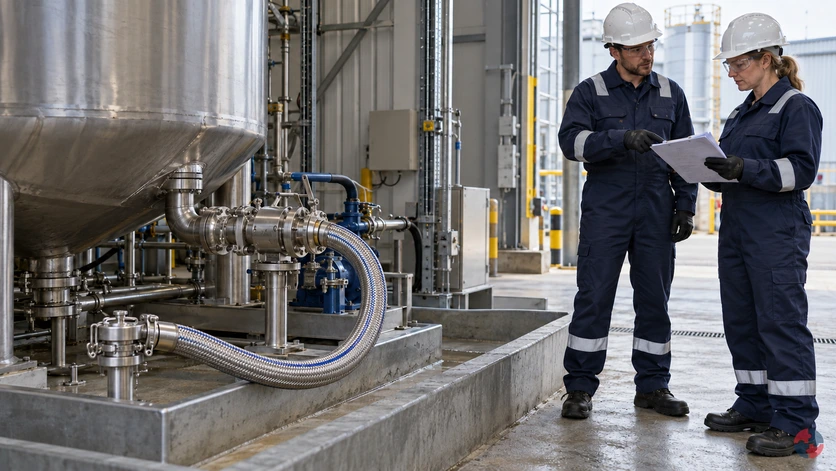
One transfer task has several harm pathways
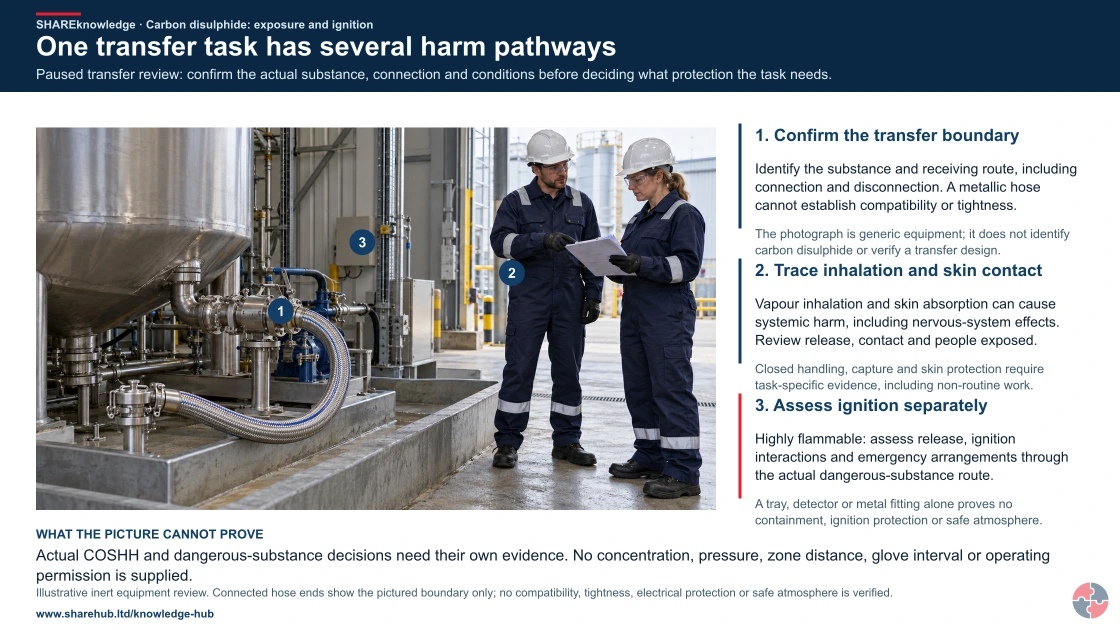
Full written explanation
Paused transfer review: confirm the actual substance, connection and conditions before deciding what protection the task needs.
- Confirm the transfer boundary. Identify the substance and receiving route, including connection and disconnection. A metallic hose cannot establish compatibility or tightness.
- Trace inhalation and skin contact. Vapour inhalation and skin absorption can cause systemic harm, including nervous-system effects. Review release, contact and people exposed.
- Assess ignition separately. Highly flammable: assess release, ignition interactions and emergency arrangements through the actual dangerous-substance route.
Change the pathway
- Use actual material information. The photograph is generic equipment; it does not identify carbon disulphide or verify a transfer design.
- Control the source and interface. Closed handling, capture and skin protection require task-specific evidence, including non-routine work.
- Do not infer protection from appearance. A tray, detector or metal fitting alone proves no containment, ignition protection or safe atmosphere.
Evidence check: Actual COSHH and dangerous-substance decisions need their own evidence. No concentration, pressure, zone distance, glove interval or operating permission is supplied.
Full release/exposure response, task review and competent restart boundary
Primary references: UKHSA: carbon disulphide general information · HSE: COSHH task assessment (GB) · HSE: dangerous substances and explosive atmospheres (GB)
Open the complete HD image (new tab)Download image
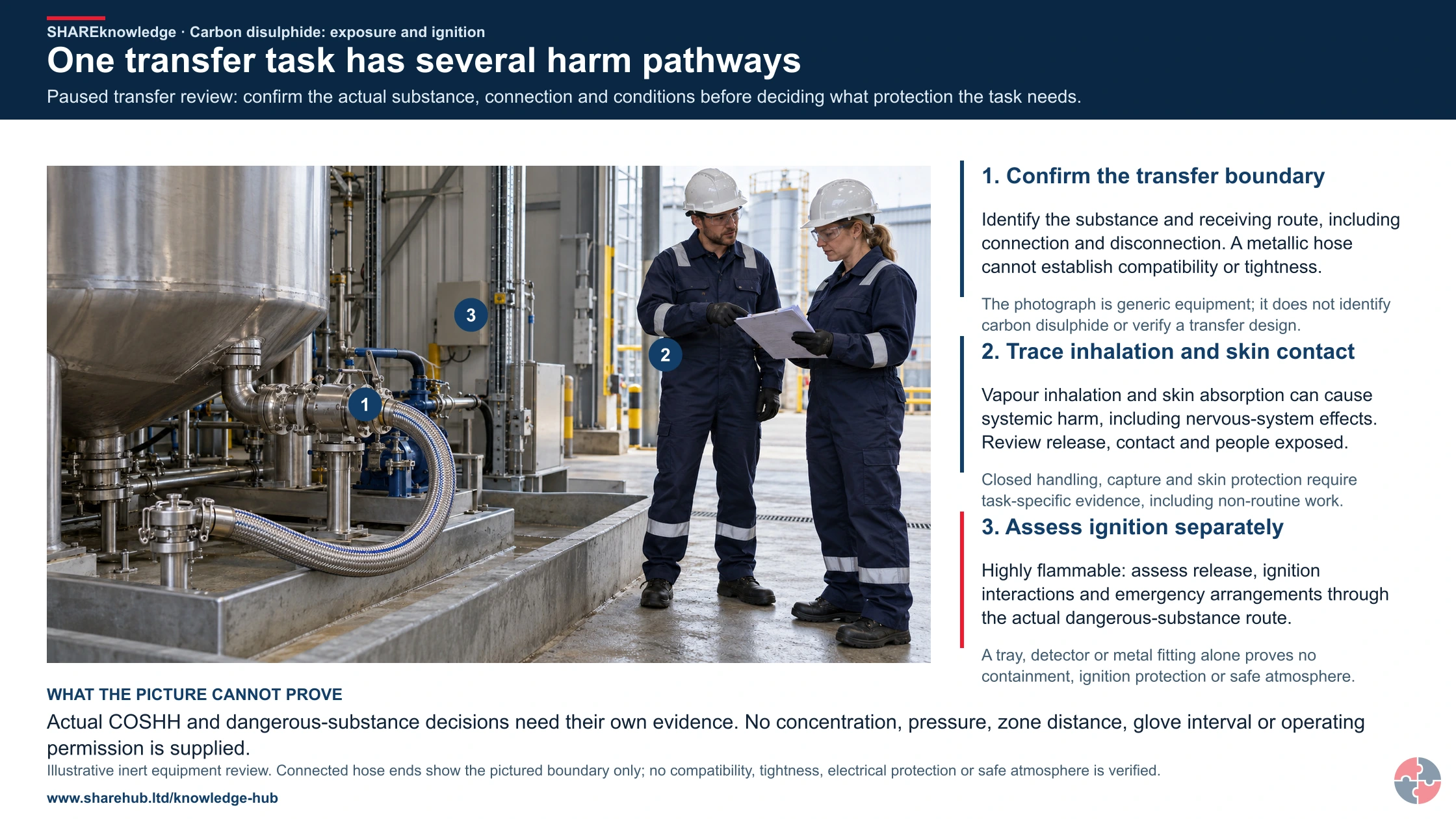
Full release/exposure response, task review and competent restart boundary
Primary references: UKHSA: carbon disulphide general information · HSE: COSHH task assessment (GB) · HSE: dangerous substances and explosive atmospheres (GB)

Connection and material
Confirm the actual chemical and compatible receiving route, including connection and disconnection tasks.
Exposure and ignition
Trace the potential vapour path to occupied areas separately from ignition interactions. Verify the assessed containment and capture arrangements.
Loss of control
Hold a failed connection or containment state. Withdraw, raise the alarm and use the site emergency arrangements; do not improvise a rescue.
The schematic supplies no operating pressure, zoning distance, leak-repair technique or entry authority.
What are the key facts about carbon disulphide poisoning?
The key facts are that carbon disulphide is toxic, skin-absorbable, volatile, highly flammable and capable of acute and long-term harm.
It is not just an inhalation hazard
Skin contact, eye contact and swallowing can also cause harm.
Vapour matters
The liquid evaporates readily, so poor ventilation, open containers and leaks can create inhalation risk.
Early symptoms can look non-specific
Dizziness, headache, tiredness or poor sleep may be missed unless exposure is considered.
Long-term harm can be serious
Repeated exposure may damage the nervous system and affect other target organs.
Fire risk must be managed
DSEAR controls are important because vapours are flammable and can find ignition sources.
Controls need evidence
A COSHH assessment is weak unless exposure control, monitoring, maintenance, training and health surveillance are checked.
What is carbon disulphide poisoning?
Carbon disulphide poisoning is acute or chronic toxic injury caused by exposure to carbon disulphide vapour, liquid or contaminated material.
Carbon disulphide is a colourless to faint yellow, highly volatile liquid with a distinctive odour that may be described as sweet, ether-like or rotten-egg-like depending on purity and context. It is also written as carbon disulfide, and its chemical formula is CS2.
In occupational health, the concern is twofold. First, workers can be poisoned by inhalation, skin absorption, ingestion or direct eye and skin contact. Second, the substance creates a fire and explosion risk because it is highly flammable and its vapour can ignite.
The condition can be acute after a high exposure, such as a spill, leak, confined-space entry or uncontrolled line break. It can also be chronic where lower-level exposure is repeated over time, particularly where enclosure, ventilation, handling discipline or health surveillance are weak.
Where might carbon disulphide be found at work?
Carbon disulphide is most relevant in manufacturing, chemical processes, laboratories and historic or specialist uses.
UKHSA identifies industrial use as the most likely exposure setting. The substance has been used in viscose fibre and cellophane production, as a solvent, and in manufacture of rubber and other chemicals. It may also be present in laboratory chemicals, pH regulators and water-treatment chemistry.
A modern workplace should not assume absence from the site just because the main product is not carbon disulphide. It may appear as a raw material, intermediate, solvent, reagent, by-product, waste residue, legacy container or contractor chemical.
The substance inventory, safety data sheets, process descriptions, waste streams, maintenance tasks and change-control records should all be checked.
| Source or activity | How exposure can occur | Higher-risk situations |
|---|---|---|
| Bulk storage or drums | Vapour release from vents, spills or open containers. | Poor bunding, hot weather or incompatible storage. |
| Transfer and charging | Opening lines, pump leaks or splash. | Manual decanting, poor seals and inadequate LEV. |
| Process equipment | Loss of containment or fugitive emissions. | Aged hoses, poor gasket management or blocked vents. |
| Maintenance and cleaning | Residual liquid or vapour released during line breaking. | No purge, poor isolation or confined space entry. |
| Laboratories | Small-volume handling can still create vapour and skin contact. | Open bench use, no fume cupboard or incompatible waste. |
| Waste handling | Residues may remain in containers or absorbents. | Unlabelled waste, damaged containers or heat exposure. |
How does carbon disulphide enter the body?
Carbon disulphide can enter the body by breathing vapour, skin absorption, swallowing and direct eye or skin contact.
Inhalation is often the main occupational route because carbon disulphide evaporates readily. Vapour can build up around open vessels, poor ventilation, spills, leaks or cleaning tasks, and workers may be exposed before the source is obvious.
Skin contact is also important. Carbon disulphide can irritate and burn skin, and it can be absorbed through skin into the body. Contaminated gloves, clothing, footwear and absorbents can prolong contact and increase dose.
Ingestion is less common in controlled workplaces but can occur through contaminated hands, poor hygiene, contaminated containers, accidental siphoning or eating and drinking in contaminated areas. Eye contact can cause irritation and needs immediate washing facilities.
| Route | How it happens | Control priority |
|---|---|---|
| Inhalation | Breathing vapour from spills, leaks, open containers or processes. | Enclosure, LEV, ventilation, gas detection and monitoring. |
| Skin absorption | Liquid contact, contaminated clothing or permeated gloves. | Closed handling, compatible gloves, chemical suit and decontamination. |
| Eye contact | Splash, vapour irritation or contaminated hands. | Closed transfer, goggles/face protection and eyewash. |
| Ingestion | Contaminated hands, poor hygiene or accidental swallowing. | Hygiene rules, no eating/drinking and handwashing. |
| Secondary exposure | Rescue, cleaning or waste handling after an incident. | Emergency plan, exclusion zone and competent responders. |
What is the damage mechanism of carbon disulphide poisoning?
After inhalation or skin absorption, carbon disulphide can cause acute neurological symptoms and, with repeated inhalation, lasting nervous-system damage.
Breathing carbon disulphide vapour can cause dizziness, headache and tiredness. Severe exposure may cause confusion, hallucinations or breathing difficulty. Repeated inhalation can cause permanent nervous-system damage, including speech, movement, memory, hearing or mood changes.
Skin contact can cause irritation or, at high concentrations, burns and blistering; it can also add to the absorbed dose. Eye contact may irritate. UKHSA reports limited evidence from workers suggesting possible harm to the reproductive system and unborn child, so the assessment must cover both vapour and skin exposure.
The practical message is that early removal from exposure matters. If workers report recurrent headache, dizziness, tiredness, memory or hearing changes, muscle stiffness or skin effects in a carbon disulphide area, the site should investigate exposure control rather than waiting for definitive illness.
What are the symptoms of carbon disulphide exposure?
Symptoms can range from dizziness and headache to confusion, hallucinations, breathing difficulty, chest pain, collapse, burns and long-term neurological damage.
Early symptoms can be easy to misread as tiredness, heat stress, stress, dehydration or minor illness. That is dangerous in a carbon disulphide area because continuing exposure can worsen the dose.
Severe symptoms after high exposure may include drowsiness, restlessness, confusion, hallucinations, breathing difficulty, chest pain, fitting, collapse or coma. Skin contact can cause irritation, burns and blistering, and eye contact can irritate or injure the eye.
Long-term or repeated exposure can be more subtle. Workers may report poor sleep, anxiety, memory problems, mood changes, visual changes, numbness, weakness, reduced coordination or other neurological symptoms. These patterns require exposure review and occupational health input.
| Stage | Possible symptoms | What this may mean |
|---|---|---|
| Early | Dizziness, headache, tiredness, nausea, poor sleep, irritation or weakness. | Potential exposure requiring reporting and investigation. |
| Moderate | Anxiety, appetite loss, weight loss, visual changes, dermatitis or ongoing headaches. | Possible repeated exposure or inadequate controls. |
| Severe acute | Confusion, hallucinations, breathing difficulty, chest pain, fitting, collapse or coma. | Use emergency plan and medical assessment route. |
| Skin and eye | Irritation, burns, blistering or eye irritation. | Immediate decontamination and exposure review. |
| Long-term | Neuropathy, memory issues, speech disturbance, movement problems or depression. | Occupational health and exposure history review needed. |
What should happen after suspected exposure?
Stop the work, move people away from vapour and ignition sources, summon trained responders and obtain urgent medical advice.
Do not send an unprotected colleague into a contaminated or confined space. Activate the site emergency plan, isolate equipment only if trained and safe, and keep others out. Because the liquid and contaminated clothing may remain flammable, avoid ignition and leave hazardous-area actions to trained responders. Give responders the product identity, safety data sheet, location and likely route of exposure.
For a possible poisoning, seek medical advice promptly. Call 999 for chest pain, severe breathing difficulty, collapse, seizure or unconsciousness. Affected skin or eyes need prompt decontamination using the site chemical first-aid provision and specialist instructions; do not improvise a responder procedure or delay emergency help. Document the task, time, amount, control status, possible skin contact, symptoms and witnesses for clinicians and the investigation.
Before restart, a competent person must confirm that the leak is controlled, ignition risk is safe, ventilation and monitoring work, affected equipment is fit, and workers understand the changed method. A normal spot reading or absence of smell alone is not a release decision.
How can carbon disulphide poisoning affect working life and future health?
Carbon disulphide poisoning can affect safe work, concentration, coordination, mood, stamina, vision, skin health and long-term neurological function.
Acute symptoms such as dizziness, confusion or headache can make ordinary work unsafe, especially driving, plant operation, laboratory work, permit-controlled maintenance, confined spaces, hot work or work near moving equipment.
Where longer-term effects develop, workers may need occupational health assessment, role adjustments, removal from exposure, neurological evaluation, phased return or restrictions from safety-critical work while symptoms are investigated.
Future health protection depends on prevention. If a worker has symptoms that may be linked to carbon disulphide, the organisation should not only manage the individual case; it should check whether other workers are exposed to the same failing control.
How can the hierarchy of controls reduce carbon disulphide exposure and ignition risk during dispensing?
Choose a safer process where feasible, enclose and ventilate the remaining source, prevent skin contact, and verify the controls before and during work.
A closed transfer or enclosed process interrupts vapour release; extraction must capture emissions at the release point and be maintained and tested for the task. Reduce open containers and transfer quantity, segregate others, and use compatible gloves and task-selected respiratory protection only for residual risk. The workplace exposure limit and skin notation in the current EH40 entry inform assessment; they are not a target to work up to, and air results alone cannot rule out skin dose.
Use the HSE hierarchy of controls for the actual exposure: remove or substitute the hazard where possible, use physical or engineering controls, organise work to limit residual risk, and use suitable PPE only where it helps. Assign an owner, check that each control works, and stop the task if a critical control fails. In Northern Ireland, check the applicable local duty and assessment.
On a small screen, scroll this table sideways to read all columns.
How can the ERICPD hierarchy of controls reduce carbon disulphide exposure and ignition risk during dispensing?

| Control level | Control for this activity | Owner and verification | Stop / restart decision |
|---|---|---|---|
| Eliminate | Remove an unnecessary solvent use or open decanting step through process redesign. | Task owner verifies that the proposed change removes the named hazardous step, including foreseeable cleaning, maintenance and work transferred elsewhere. | If the hazardous step remains, keep it within the task assessment and select the stronger feasible remaining controls. |
| Reduce, including substitution | Validate a suitable less flammable product or solvent-free method against operating temperature, quality and new hazards. | Competent task/process owner validates suitability, compatibility and new hazards against the actual operating requirements before the alternative is adopted. | Reject an alternative if its performance is unproved or its new hazards are unresolved. |
| Isolate | Use an assessed dedicated dispensing area separated from ignition sources, occupied routes and incompatible materials. | Supervisor checks the actual boundary, affected people and connected work; verify separation or isolation before allowing access. | Hold or stop for leak, failed ventilation, uncontrolled ignition source or uncertain container compatibility. |
| Control: physical safeguards | Use compatible closed dispensing, effective capture and the specified static/ignition precautions for carbon disulphide; verify containment and protective functions before opening the supply. | Competent equipment/process owner checks solvent properties, connections, ventilation, static precautions and receiving capacity. | Hold or stop for leak, failed ventilation, uncontrolled ignition source or uncertain container compatibility. |
| Control: work method and response | Verify product identity, receiving capacity, connections and spill response; prevent unapproved containers and hot work in the affected area. | Supervisor confirms the work limits, competent cover, communication and stop/restart authority with the people doing this activity. | Hold work when the agreed limits, competent cover or effective communication cannot be maintained. |
| PPE | Select chemically compatible skin/eye protection and any adequate suitable RPE for the actual carbon disulphide exposure; PPE does not make an uncontrolled toxic or flammable release acceptable. | Assessor confirms whether personal protection is needed and checks suitability, condition, compatibility and any required fit evidence. | Do not use unsuitable protection or rely on PPE to continue after an essential source control fails. |
| Discipline | Inspect hoses, seals and ignition controls and safely manage solvent-contaminated waste before hand-back. | Release only after process supervisor accepts a secure transfer system and controlled waste route. Retain verification and unresolved restrictions at handover. | Keep the task on hold until required reinstatement evidence and unresolved defects are accepted by the responsible owner. |
How can the ISO 45001 hierarchy of controls reduce carbon disulphide exposure and ignition risk during dispensing?

| Control level | Control for this activity | Owner and verification | Stop / restart decision |
|---|---|---|---|
| Elimination | Remove an unnecessary solvent use or open decanting step through process redesign. | Task owner verifies that the proposed change removes the named hazardous step, including foreseeable cleaning, maintenance and work transferred elsewhere. | If the hazardous step remains, keep it within the task assessment and select the stronger feasible remaining controls. |
| Substitution | Validate a suitable less flammable product or solvent-free method against operating temperature, quality and new hazards. | Competent task/process owner validates suitability, compatibility and new hazards against the actual operating requirements before the alternative is adopted. | Reject an alternative if its performance is unproved or its new hazards are unresolved. |
| Engineering controls | Use an assessed dedicated dispensing area separated from ignition sources, occupied routes and incompatible materials. | Supervisor checks the actual boundary, affected people and connected work; verify separation or isolation before allowing access. | Hold or stop for leak, failed ventilation, uncontrolled ignition source or uncertain container compatibility. |
| Engineering controls | Use compatible closed dispensing, effective capture and the specified static/ignition precautions for carbon disulphide; verify containment and protective functions before opening the supply. | Competent equipment/process owner checks solvent properties, connections, ventilation, static precautions and receiving capacity. | Hold or stop for leak, failed ventilation, uncontrolled ignition source or uncertain container compatibility. |
| Administrative controls | Verify product identity, receiving capacity, connections and spill response; prevent unapproved containers and hot work in the affected area. | Supervisor confirms the work limits, competent cover, communication and stop/restart authority with the people doing this activity. | Hold work when the agreed limits, competent cover or effective communication cannot be maintained. |
| PPE | Select chemically compatible skin/eye protection and any adequate suitable RPE for the actual carbon disulphide exposure; PPE does not make an uncontrolled toxic or flammable release acceptable. | Assessor confirms whether personal protection is needed and checks suitability, condition, compatibility and any required fit evidence. | Do not use unsuitable protection or rely on PPE to continue after an essential source control fails. |
| Administrative controls | Inspect hoses, seals and ignition controls and safely manage solvent-contaminated waste before hand-back. | Release only after process supervisor accepts a secure transfer system and controlled waste route. Retain verification and unresolved restrictions at handover. | Keep the task on hold until required reinstatement evidence and unresolved defects are accepted by the responsible owner. |
How should exposure monitoring be managed?
Exposure monitoring should confirm whether controls keep carbon disulphide exposure below applicable limits and as low as reasonably practicable.
Monitoring should be planned by competent occupational hygiene advice. The plan should consider task-based peaks, full-shift exposure, maintenance work, spill scenarios, skin contact, ventilation performance and whether results represent real work rather than an ideal demonstration.
EH40 is the key HSE source for workplace exposure limits. A limit is not a target and does not replace control. Results should be interpreted alongside observations of work, ventilation, containment, PPE use, symptoms and incident history.
Where monitoring identifies high or uncertain exposure, the employer should improve controls, communicate findings, review health surveillance and re-sample after corrective actions.
| Element | What to consider | Evidence |
|---|---|---|
| Substance identity | Confirm CS2 name, CAS number and SDS. | Inventory and SDS. |
| Task profile | Routine work, cleaning, transfer, maintenance and abnormal work. | Sampling strategy. |
| Exposure pattern | Short peaks and shift exposure. | Personal and static monitoring. |
| Control performance | LEV, enclosure, ventilation and gas detection. | Inspection, test and alarm records. |
| Interpretation | Compare with WELs and observed controls. | Hygiene report and action plan. |
| Review | Repeat after changes, incidents or symptoms. | Re-monitoring record. |
What health surveillance may be needed for carbon disulphide?
Health surveillance may be needed where COSHH assessment shows a continuing risk to health despite control measures.
Health surveillance should be risk-based and designed with occupational health input. It is not a substitute for exposure control. Its purpose is to detect early signs of work-related ill health, identify whether controls are failing, and protect workers who may be at increased risk.
Because carbon disulphide can affect the nervous system, skin, eyes and other organs, surveillance should be linked to the actual exposure profile and the target organs identified in the SDS and occupational hygiene assessment.
Workers should understand what surveillance is for, what information will be shared with management, how records are kept and what action will be taken if findings suggest exposure-related effects.
| Area | What to check | Management action |
|---|---|---|
| Baseline | Health status before exposure work starts where needed. | Occupational health baseline record. |
| Symptoms | Headache, dizziness, sleep, mood, numbness, weakness, visual or skin symptoms. | Prompt exposure review. |
| Skin | Irritation, burns, dermatitis or glove issues. | Review skin controls and PPE compatibility. |
| Neurological signs | Work-related changes in coordination, sensation or cognition. | OH assessment and removal from exposure if advised. |
| Trend data | Repeated symptoms across a work group. | Investigate control failure. |
| Record keeping | Keep surveillance and action records securely. | Restricted OH and management action records. |
Why is carbon disulphide also a fire and explosion risk?
Carbon disulphide is a highly flammable liquid whose vapours can ignite, travel and create dangerous fire or explosion conditions.
A poisoning-only view misses half the hazard. Carbon disulphide vapour can create a flammable atmosphere, especially around open vessels, leaks, drains, bunds, poor ventilation or hot work. Ignition control, classification of hazardous areas and emergency arrangements must therefore sit alongside COSHH.
The DSEAR assessment should consider storage temperature, ventilation, vapour density, drains, incompatible materials, earthing and bonding, static, electrical equipment, maintenance work, emergency isolation and spill response.
Permit-to-work controls are particularly important for line breaking, maintenance, confined-space entry, hot work and tasks that may disturb contaminated plant.
| Fire/explosion issue | Why it matters | Control |
|---|---|---|
| Vapour release | Volatile liquid can create flammable atmosphere. | Closed systems and ventilation. |
| Ignition sources | Vapours can ignite from electrical, static or hot surfaces. | Hazardous-area controls and ignition management. |
| Spill spread | Liquid and vapour can move beyond the immediate task. | Bunds, drainage controls and exclusion zones. |
| Maintenance | Residual vapour may remain in lines or vessels. | Isolation, purge, gas test and permit. |
| Emergency response | Fire responders may face toxic and flammable conditions. | Incident plan and specialist advice. |
Which duties apply in Great Britain and Northern Ireland?
Use the statutory instrument and regulator for the work location, and separate law from guidance.
In Great Britain, COSHH 2002 addresses toxic exposure and DSEAR 2002 addresses dangerous substances and explosive atmospheres. Northern Ireland has COSHH Regulations (Northern Ireland) 2003 and DSEAR Regulations (Northern Ireland) 2003. Both routes require a task-specific assessment and effective controls; check the regulator and exact legal text for a site-specific decision. HSE guidance is GB guidance, while HSENI confirms the NI route and EH40 workplace exposure limits.
On a small screen, scroll this table sideways to read all columns.
| Decision | Great Britain | Northern Ireland |
|---|---|---|
| General risk assessment | Health and Safety at Work etc. Act 1974 and Management Regulations 1999. | Health and Safety at Work (Northern Ireland) Order 1978 and Management Regulations (Northern Ireland) 2000. |
| Toxic exposure, monitoring and health surveillance | COSHH Regulations 2002; HSE COSHH and EH40 guidance. | COSHH Regulations (Northern Ireland) 2003; HSENI says EH40 limits apply. |
| Flammable vapour | DSEAR 2002; assess atmospheres, ignition and emergency arrangements. | DSEAR Regulations (Northern Ireland) 2003; use HSENI and NI legislation. |
| Incident and disease reporting | Check GB RIDDOR criteria on the facts; a symptom alone is not automatic reportability. | Use NI reporting law and HSENI route; do not transplant GB RIDDOR thresholds. |
How should carbon disulphide be recorded in the risk register?
Carbon disulphide should be recorded as a toxic exposure, skin absorption, emergency and flammable vapour risk with named controls and assurance evidence.
A good risk register entry should be specific enough that a supervisor can check the real controls. It should not simply say 'COSHH assessment in place'. It should identify who is exposed, how often, during which tasks, through which routes, and what prevents exposure.
The register should also link to emergency arrangements and DSEAR. A small leak can be both a toxic inhalation incident and a flammable atmosphere event. The risk owner should therefore check both health and process/fire safety controls.
Review triggers should include new substances, SDS changes, process change, maintenance work, worker symptoms, odour complaints, exposure monitoring results, spills, near misses, contractor changes and ventilation failures.
| Field | What to record | Example evidence |
|---|---|---|
| Substance identity | Carbon disulphide names, CAS number, SDS and inventory location. | Chemical inventory and SDS. |
| Exposure route | Inhalation, skin, eye and ingestion risks. | COSHH assessment. |
| Tasks | Transfer, sampling, cleaning, maintenance, waste and emergency response. | Task risk assessment. |
| Controls | Closed transfer, LEV, ventilation, gas detection, PPE and procedures. | Inspection and test records. |
| DSEAR | Flammable atmosphere and ignition controls. | DSEAR assessment and zoning. |
| Monitoring | Air sampling and control checks. | Occupational hygiene reports. |
| Health surveillance | Risk-based surveillance and action route. | OH programme and management action log. |
| Review triggers | Symptoms, incidents, changes and monitoring findings. | Change-control and action tracker. |
How could Crownway Fuels Ltd manage carbon disulphide poisoning risk?

Crownway Fuels Ltd would manage carbon disulphide through a controlled-substance inventory, COSHH assessment, DSEAR controls, exposure monitoring, health surveillance and emergency response drills.
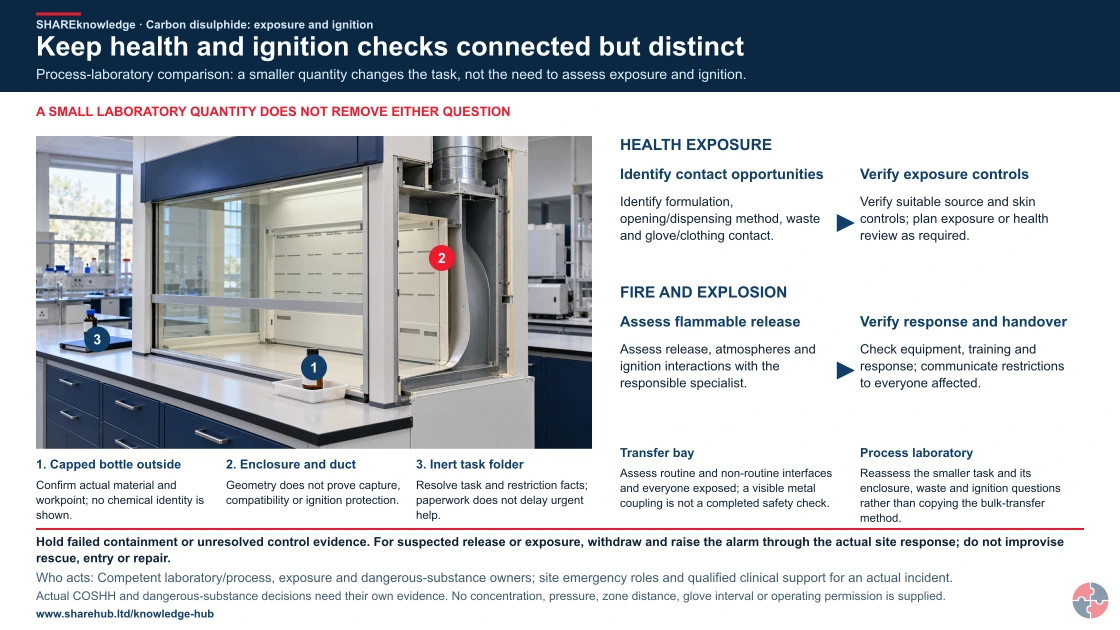
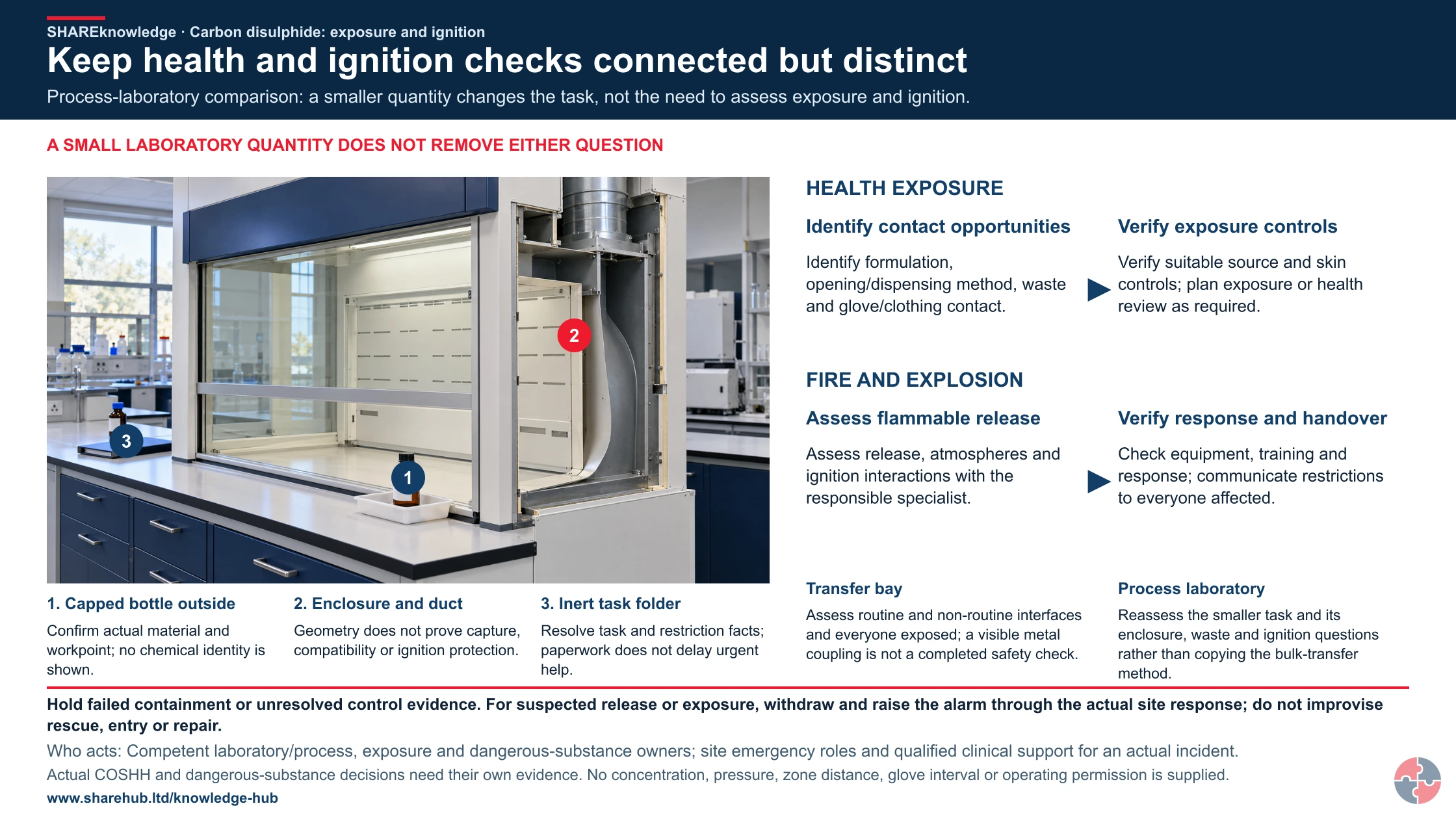
Keep health and ignition checks connected but distinct
Full written explanation
An illustrative inactive process-laboratory view shows capped neutral bottles, an enclosure with a connected rear plenum and duct, and a closed inert task folder. Picture key: 1 identifies the capped bottle outside the enclosure opening; 2 identifies the enclosure and duct interface; 3 identifies the inert task folder. The bottle location prompts questions about the actual material and proposed workpoint, without identifying its contents or showing handling. The technical cutaway makes the physical enclosure boundary and connection visible; it demonstrates no airflow, capture, compatibility, ignition protection, sash setting or accepted operating arrangement. The task folder represents facts and restrictions to resolve with the actual owners. The HEALTH EXPOSURE track retains the complete contact-opportunity and exposure-control checks. The FIRE AND EXPLOSION track retains the complete flammable-release and response/handover checks. Each track has unnumbered independent headings and its own order arrow; neither track becomes the next stage of the other or a permission to work. Both share the original changed-condition hold. The laboratory quantity does not answer either assessment question, and the smaller task must not inherit the bulk-transfer method. No exposure, chemical release, symptom, diagnosis, anatomy, treatment or emergency action is demonstrated. Urgent help remains independent from material identification, task paperwork, investigation and restart decisions. Use the full topic and linked current source routes for the existing clinical, GB/NI, privacy and specialist-response qualifications.
Process-laboratory comparison: a smaller quantity changes the task, not the need to assess exposure and ignition.
- Identify contact opportunities. Identify formulation, opening/dispensing method, waste and glove/clothing contact.
- Verify exposure controls. Verify suitable source and skin controls; plan exposure or health review as required.
- Assess flammable release. Assess release, atmospheres and ignition interactions with the responsible specialist.
- Verify response and handover. Check equipment, training and response; communicate restrictions to everyone affected.
When the evidence does not fit: Hold failed containment or unresolved control evidence. For suspected release or exposure, withdraw and raise the alarm through the actual site response; do not improvise rescue, entry or repair.
Who acts: Competent laboratory/process, exposure and dangerous-substance owners; site emergency roles and qualified clinical support for an actual incident.
Changed workplace
Transfer bay: Assess routine and non-routine interfaces and everyone exposed; a visible metal coupling is not a completed safety check.
Process laboratory: Reassess the smaller task and its enclosure, waste and ignition questions rather than copying the bulk-transfer method.
Evidence check: Actual COSHH and dangerous-substance decisions need their own evidence. No concentration, pressure, zone distance, glove interval or operating permission is supplied.
Full release/exposure response, task review and competent restart boundary
Primary references: UKHSA: carbon disulphide general information · HSE: COSHH task assessment (GB) · HSE: dangerous substances and explosive atmospheres (GB)
Open the complete HD image (new tab)Download image
Full release/exposure response, task review and competent restart boundary
Primary references: UKHSA: carbon disulphide general information · HSE: COSHH task assessment (GB) · HSE: dangerous substances and explosive atmospheres (GB)
Crownway Fuels Ltd
a fuel storage, blending and distribution business with bulk tanks, drum stores, laboratories, loading areas, maintenance contractors and tanker movements
Crownway first checks whether carbon disulphide is present as a raw material, laboratory reagent, specialist additive, waste residue or contractor chemical. The chemical inventory links each container to the safety data sheet, storage location, maximum quantity, DSEAR zone, COSHH assessment and named risk owner.
Routine use is designed around closed handling. Drum transfer uses compatible pumps, bonding and earthing, local exhaust ventilation, drip trays and sealed waste containers. Laboratory handling is kept inside a suitable fume cupboard. Maintenance tasks that may open contaminated plant require isolation, purge, gas test, permit-to-work and supervisor hand-back.
Crownway verifies the controls rather than trusting paperwork. Supervisors complete short binary checks on container condition, labels, ventilation, eyewash, spill kits and PPE before work. The H&S adviser commissions task-based air monitoring where exposure is plausible. The engineering team maintains LEV, gas detection and bund integrity. Occupational health reviews surveillance needs with reference to exposure results and symptoms.
Learning is built into the system. A solvent odour complaint, contaminated glove, small spill, failed gas detector, missed training record or abnormal monitoring result triggers a review of the COSHH assessment, DSEAR assessment, work instruction and training. Findings are ranked, assigned to named owners and checked at monthly operational risk review.
| Activity | How Crownway manages it | Evidence |
|---|---|---|
| Assess | Identifies carbon disulphide locations, routes of exposure, quantities, ignition risks and exposed roles. | Chemical inventory, COSHH and DSEAR assessments. |
| Analyse | Reviews routine, maintenance, waste and emergency scenarios. | Scenario review and permit-risk assessment. |
| Train | Trains handlers, supervisors, lab staff, maintenance contractors and emergency responders. | Role-based training matrix and competence checks. |
| Implement | Uses closed transfer, LEV, gas detection, bonding, PPE, permits and decontamination facilities. | Inspection, maintenance and permit records. |
| Check | Uses frontline checklists, supervisor observations, hygiene monitoring, LEV tests and DSEAR inspections. | Assurance dashboard and action tracker. |
| Learn | Investigates odour reports, symptoms, spills, failed checks and monitoring exceedances. | Incident learning and revised controls. |
| Improve | Updates procedures, procurement rules, contractor standards and emergency drills. | Management review minutes and closed actions. |
What should each role learn and demonstrate?
Learning must match the decisions people make, from recognising danger to checking that controls work.
Briefings should tell people how to act, but attendance alone does not show competence. Assess the real decision or task, record who assessed it and revisit after a material change, failed control or incident. A local authorisation is task-specific; no universal external certificate is implied.
On a small screen, scroll this table sideways to read all columns.
| Role and learning | Demonstration and assessor | Record and reassessment trigger |
|---|---|---|
| Nearby worker: identity, alarm, safe exit and reporting. | Supervisor tests a leak scenario: leave area, keep others out, raise alarm; no rescue entry. | Briefing and scenario result; revisit after layout, substance or alarm change. |
| Handler: closed transfer, extraction, compatibility, hygiene and stop rule. | Authorised trainer observes setup, pre-use checks, transfer and safe isolation on the actual plant. | Task authorisation and observation; reassess after equipment change, leak or failed check. |
| Maintainer or emergency responder: isolation, hazardous atmosphere and response scope. | Relevant specialist assesses isolation, permit and responder boundaries using the site plan. | Scoped authorisation and exercise; revisit after process or emergency-plan change. |
| Supervisor and manager: COSHH/DSEAR decisions, contractors, monitoring and release. | Safety/process specialist challenges a defective transfer plan and records the hold and restart basis. | Assessment and corrective action; revisit after abnormal monitoring or incident. |
| Safety adviser or occupational-health professional: exposure evidence and surveillance boundary. | Competent peer reviews route, skin dose, monitoring plan, health-surveillance trigger and GB/NI law. | Recorded professional judgement; revisit after source or process update. |
How does carbon disulphide support qualification study and professional development?
Carbon disulphide helps learners connect toxicology, COSHH hierarchy, exposure monitoring, DSEAR and emergency arrangements.
For NEBOSH National General Certificate study, the topic is a strong hazardous-substances example. A scenario answer should identify the substance, routes of entry, symptoms, COSHH controls, information and training, emergency arrangements and health surveillance.
For Diploma-level study, the topic supports deeper occupational hygiene and toxicology: acute versus chronic effects, target organs, workplace exposure limits, skin notation, biological or health surveillance considerations, DSEAR overlap and assurance evidence.
A good professional answer does not stop at 'provide PPE'. It explains why substitution, enclosure, ventilation, monitoring and health surveillance provide stronger control than relying on respirators and gloves.
How can a management system sustain effective decisions?
Give each hazard or support route an owner, a control, a check and a response to failure.
Procurement, chemical inventory, COSHH, DSEAR, maintenance, permits and occupational health must share the same process identity and change record. A leak or abnormal measurement should create one tracked correction with a safe-restart decision. An owner should sample actual work and corrective actions, not accept a policy or certificate as evidence that the controls work.
The free GB regulator guide HSE Managing for health and safety (HSG65) explains a plan–do–check–act approach: assign controls and owners, involve workers, check work as done, and correct failures. For Northern Ireland, use HSENI risk assessment guidance for the local duty. A certificate alone does not demonstrate that a control works.
What are the warning signs that carbon disulphide is not controlled?
Warning signs include odours, symptoms, open handling, poor ventilation, weak DSEAR controls, missing monitoring and repeated reliance on PPE.
The most important warning signs are often small before they are serious. A worker smells solvent, a transfer hose sweats, a drum is left open, a glove stains, a fume cupboard alarm is ignored, or a near miss is treated as a housekeeping issue rather than a loss of containment.
Health warning signs should be taken seriously even when they are non-specific. Dizziness, headache, poor sleep or anxiety among workers in the same area can indicate exposure and should trigger a control review.
Management warning signs include missing SDSs, generic COSHH assessments, no monitoring, no LEV test, no health surveillance decision, no DSEAR review and no emergency drill for toxic flammable vapour release. Stop affected transfer or maintenance on a leak, symptom cluster, failed extraction or detector, contaminated clothing or uncontrolled ignition source. The supervisor keeps the area out of use until competent assessment, repair, exposure check and safe hand-back are complete.
Carbon disulphide poisoning FAQs: what do people ask?
People usually ask about symptoms, routes of exposure, flammability, COSHH controls, health surveillance and emergency response.
What is carbon disulphide?
Carbon disulphide is a highly flammable, volatile liquid also known as carbon disulfide, carbon bisulphide, carbon bisulfide or carbon sulphide.
How can carbon disulphide enter the body?
It can enter by inhalation, skin absorption, ingestion and eye or skin contact.
What are early symptoms of exposure?
Early symptoms can include dizziness, headache, tiredness, poor sleep, nausea, anxiety, irritation and weakness.
What are severe symptoms of exposure?
Severe exposure can cause confusion, hallucinations, breathing difficulty, chest pain, fitting, collapse or coma.
Can carbon disulphide cause long-term harm?
Yes. Repeated inhalation can cause permanent nervous-system damage. Skin contact can injure skin, and UKHSA reports limited evidence suggesting possible reproductive and unborn-child harm.
Is carbon disulphide a cancer risk?
UKHSA states carbon disulphide has not been evaluated or classified by IARC for its ability to cause cancer.
Why is carbon disulphide a fire risk?
It is highly flammable and volatile, so vapours can ignite and travel where there are ignition sources.
What industries may use carbon disulphide?
Relevant uses include viscose fibre, cellophane, rubber, chemical manufacture, laboratory chemicals, water treatment chemicals and some historic fumigant uses.
What controls are most important?
Substitution, enclosed transfer, local exhaust ventilation, gas detection, suitable storage, skin protection, exposure monitoring and trained emergency response are key controls.
Does RPE solve carbon disulphide exposure?
No. Respiratory protective equipment is a last layer and must be selected by a competent person because vapour breakthrough and emergency concentrations can be serious.
What health surveillance may be needed?
Health surveillance should be based on COSHH risk assessment and occupational health advice, especially where exposure could affect the nervous system, skin or other target organs.
What should a worker do after suspected exposure?
They should follow site emergency arrangements, report the exposure, remove contaminated clothing where safe, use washing or eyewash facilities if exposed, and access medical assessment through the agreed route.
Chemical hazard symbols: what do they mean?
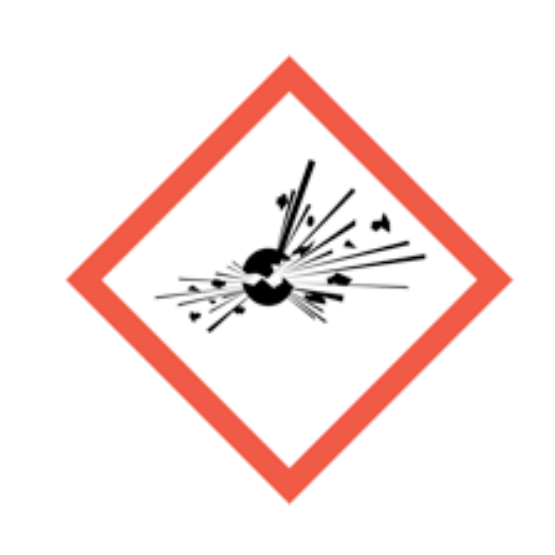
Exploding bomb
Explosive, self-reactive or organic peroxide hazards.
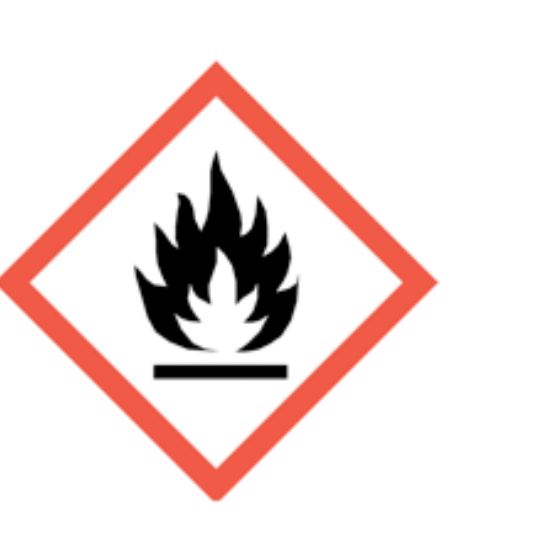
Flame
Flammable, self-heating or pyrophoric substances.
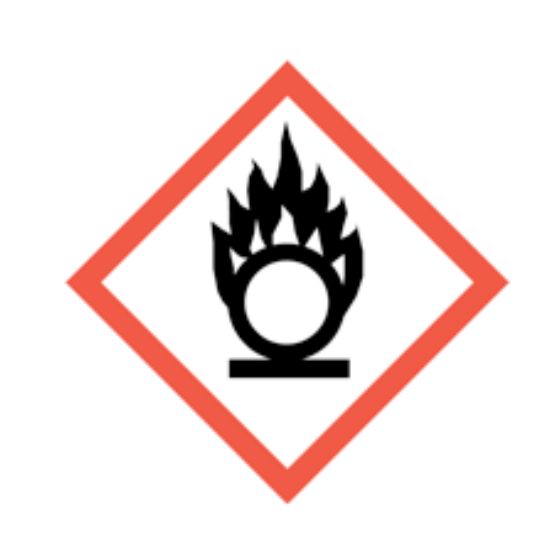
Flame over circle
Oxidising substances that can intensify fire.

Gas cylinder
Gas under pressure.
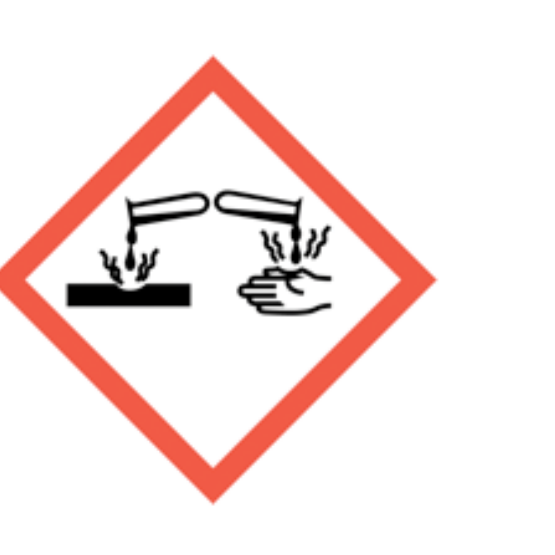
Corrosion
Skin burns, eye damage or corrosive to metals.
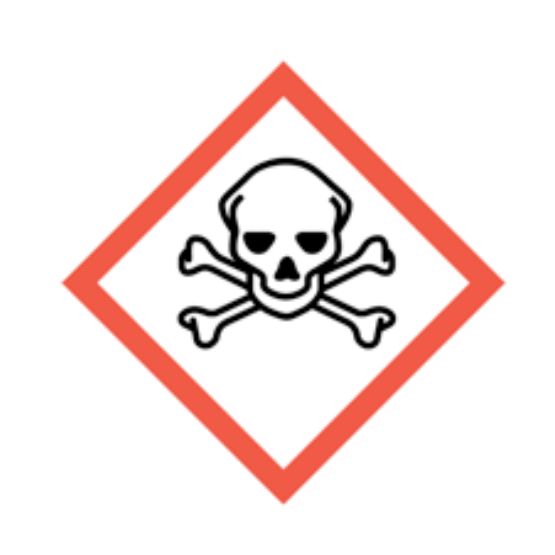
Skull and crossbones
Acute toxicity.

Exclamation mark
Irritation, harmful effects or skin sensitisation; some classifications cover drowsiness, dizziness or ozone-layer hazard. Read the actual hazard statements. Skin sensitisation differs from respiratory sensitisation.
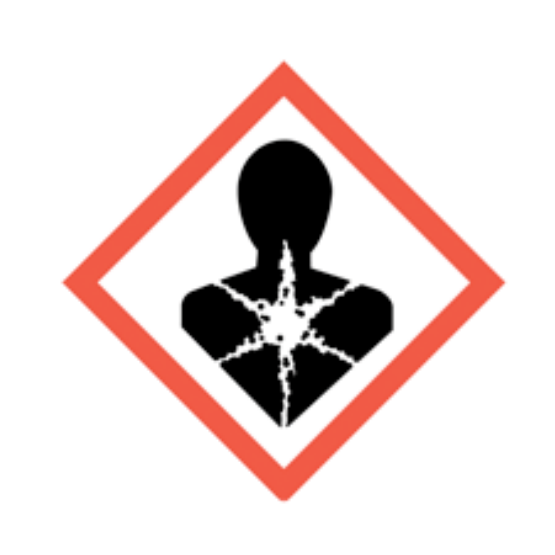
Health hazard
Serious health hazards, including organ damage, aspiration hazard, respiratory sensitisation, cancer and reproductive effects; some can follow a single exposure.
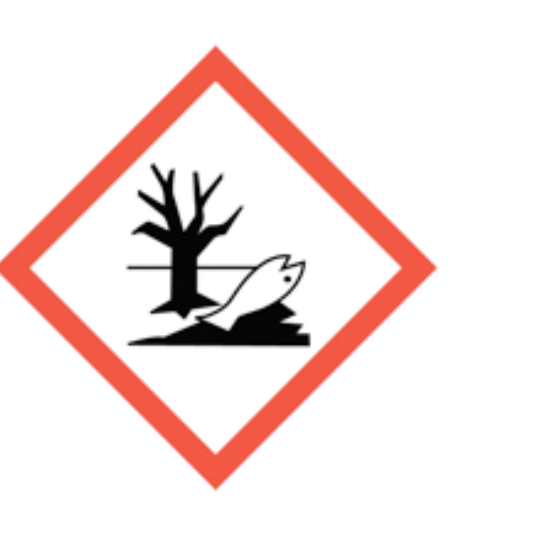
Environment
Hazardous to the aquatic environment.
Which acronyms are useful for carbon disulphide?
Acronyms help readers follow chemical, exposure, respiratory and emergency-control language.
| Acronym or term | Meaning | Why it matters |
|---|---|---|
| CS2 | Carbon disulphide chemical formula | Useful for SDS, labels and chemical inventories. |
| COSHH | Control of Substances Hazardous to Health Regulations | Main UK framework for toxic exposure control. |
| DSEAR | Dangerous Substances and Explosive Atmospheres Regulations | Fire and explosion framework for flammable vapours. |
| SDS | Safety Data Sheet | Source of hazard classification, controls and emergency information. |
| WEL | Workplace Exposure Limit | Exposure benchmark listed in EH40 where applicable. |
| LEV | Local Exhaust Ventilation | Engineering control for vapour or airborne contaminant removal. |
| RPE | Respiratory Protective Equipment | Breathing protection where residual inhalation exposure remains. |
| PPE | Personal Protective Equipment | Gloves, eye protection and chemical clothing for residual risks. |
| OH | Occupational Health | Competent health advice and surveillance support. |
| IDLH | Immediately Dangerous to Life or Health | Emergency concentration concept used in specialist respiratory protection references. |