
SHARE Knowledge Hub
Sharps Awareness
Workplace sharps include needles, blades, contaminated glass and other items that can cut or puncture skin. An injury may expose a worker to blood-borne viruses, so prevention depends on avoiding unnecessary sharps, safe handling and disposal, and a prompt exposure response. Healthcare-specific sharps rules and wider workplace duties have different Great Britain and Northern Ireland routes.
Separate trained clinical use from an unexpected sharp
A planned clinical procedure and a discarded sharp in a public area require different people, equipment and response routes. Keep handling within the person’s competence.

Planned clinical procedure
Use the assessed device, workspace, trained staff and appropriate disposal arrangements for the actual procedure. Check patient/procedure identity through the clinical system.
Point-of-use container
Provide the correct sharps container in the assessed position and use it under the relevant procedure. Avoid overfilling or improvised disposal.
Unexpected sharp
A leisure or other non-clinical worker should keep hands away and prevent others contacting it. Do not handle a sharp outside the person’s training and authorised method.
Authorised collection
Arrange competent collection and the correct waste route. Keep the area controlled until the hazard is removed and the space can be safely returned to use.
Puncture or splash
Follow immediate local first-aid arrangements, report promptly and obtain appropriate professional assessment. Do not wait for source identification or a later routine meeting.
Learn and prevent recurrence
Review devices, disposal, housekeeping and the actual task without requiring clinical details in ordinary team logs. Keep exposure and incident records appropriately restricted.
Read the complete controls: ERICPD planning prompts
Discipline verifies and sustains all the controls; it is not a separate substitute for them.
| Prompt or level | Complete task-specific example |
|---|---|
| Eliminate | Remove unnecessary sampling and sharps use where the clinical decision and a validated alternative permit. |
| Reduce | Use a suitable approved safer-sharp device after clinical and user evaluation. |
| Isolate | Arrange the work area so other people cannot contact the sharp and used items remain separate from clean supplies. |
| Control | Provide the appropriate safety device, stable workspace and suitable sharps container within safe reach. Confirm patient/procedure identity, competent staffing and the exposure-incident route; dispose of sharps directly using the approved method. |
| PPE | Use suitable gloves and other standard-precaution protection for the assessed blood/splash exposure; PPE is a residual layer. |
| Discipline | Report device failures and exposures promptly and check safe disposal before the next procedure. Read the accompanying source table for the framework distinctions. |
Read the complete controls: ESEAP effectiveness order
Compare stronger feasible controls while preserving the actual task, checks and release requirements.
| Prompt or level | Complete task-specific example |
|---|---|
| Elimination | Remove unnecessary sampling and sharps use where the clinical decision and a validated alternative permit. |
| Substitution | Use a suitable approved safer-sharp device after clinical and user evaluation. |
| Engineering controls | Arrange the work area so other people cannot contact the sharp and used items remain separate from clean supplies. Provide the appropriate safety device, stable workspace and suitable sharps container within safe reach. |
| Administrative controls | Confirm patient/procedure identity, competent staffing and the exposure-incident route; dispose of sharps directly using the approved method. Report device failures and exposures promptly and check safe disposal before the next procedure. |
| PPE | Use suitable gloves and other standard-precaution protection for the assessed blood/splash exposure; PPE is a residual layer. Read the accompanying source table for the framework distinctions. |
The illustration gives no collection technique, first-aid substitution, drug advice or post-exposure treatment schedule.
How can I practise this topic in 3D?


Hidden sharp in bedroom waste
All related inspection points 2 across 1 location
Riverside Leisure 2 inspection points
Practice in the SHAREhub environment. Browser practice is separate from workplace competence and formal learning records.
What are workplace sharps and why do they matter?
Sharps matter because a small puncture injury can become a serious biological exposure event.
Best-practice guide: Sharps Awareness
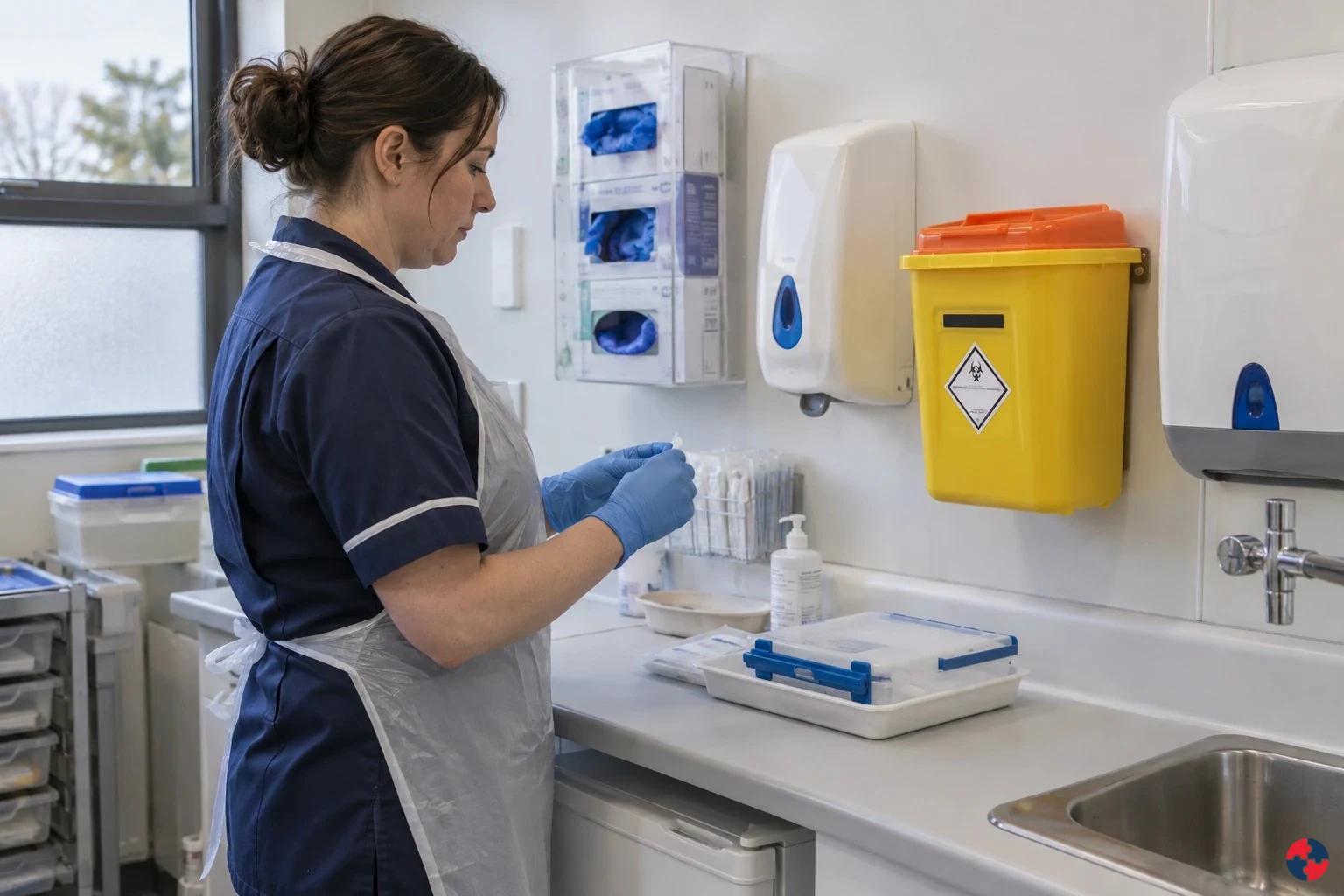
What are workplace sharps and why do they matter?
Sharps matter because a small puncture injury can become a serious biological exposure event. Workplace sharps include needles, blades, contaminated glass and other items that can cut or puncture skin.
Turn sharps awareness knowledge into a decision
Workplace sharps include needles, blades, contaminated glass and other items that can cut or puncture skin. An injury may expose a worker to blood-borne viruses, so prevention depends on avoiding unnecessary sharps, safe handling and disposal, and a prompt exposure response. Hotspot map and inspection history.
the leisure operator worked example
Risk mapping: Identify public toilets, waste rooms, external seating, car parks and void areas where sharps may be found. Evidence / response: Hotspot map and inspection history. Controls: Provide lighting, clear stop-work rules, exclusion and a local authority clinical-waste collection route for public-found needles. Use tools and sharps containers only for separately authorised task-specific handling. Evidence / response: Kit checks and supervisor inspections.
Where do sharps systems commonly fail?
Most failures are predictable and visible before an injury.
Choose controls for sharps awareness
Eliminate: Remove unnecessary sampling and sharps use where the clinical decision and a validated alternative permit. Reduce, including substitution: Use a suitable approved safer-sharp device after clinical and user evaluation. Isolate: Arrange the work area so other people cannot contact the sharp and used items remain separate from clean supplies. Control: Provide the appropriate safety device, stable workspace and suitable sharps container within safe reach. Control: Confirm patient/procedure identity, competent staffing and the exposure-incident route; dispose of sharps directly using the approved method. Read the full control table for qualifications, ownership and verification. Use the actual task and applicable jurisdiction; existing technical approval remains unchanged.
Use the full sharps awareness lesson
Use the full topic for the decision points, practical examples, detailed control tables and source scope. HSE guidance applies to Great Britain; use HSENI for the Northern Ireland route and the source’s stated jurisdiction. A simplified guide does not change the page’s technical-review or approval status.

Read all six steps as text
1. What are workplace sharps and why do they matter?
Sharps matter because a small puncture injury can become a serious biological exposure event.
- Avoid / redesign: Remove unnecessary sampling and sharps use where the clinical decision and a validated alternative permit.
- Control the task: Arrange the work area so other people cannot contact the sharp and used items remain separate from clean supplies.
- Verify before release: If the hazardous step remains, keep it within the task assessment and select the stronger feasible remaining controls.
Sharps matter because a small puncture injury can become a serious biological exposure event. Workplace sharps include needles, blades, contaminated glass and other items that can cut or puncture skin.
Apply it: Which part of this plan would you check at the workface before authorising the task?
2. Turn sharps awareness knowledge into a decision
Use the evidence to improve the actual work arrangement.
- Change at source: Remove unnecessary sampling and sharps use where the clinical decision and a validated alternative permit.
- Make it observable: If the hazardous step remains, keep it within the task assessment and select the stronger feasible remaining controls.
- Keep useful evidence: Hotspot map and inspection history.
Workplace sharps include needles, blades, contaminated glass and other items that can cut or puncture skin. An injury may expose a worker to blood-borne viruses, so prevention depends on avoiding unnecessary sharps, safe handling and disposal, and a prompt exposure response. Hotspot map and inspection history.
Apply it: What evidence would show that the change improves this task, rather than only completing a record?
3. the leisure operator worked example
Example: a practical application of the existing topic lesson.
- Risk mapping: Identify public toilets, waste rooms, external seating, car parks and void areas where sharps may be found.
- Controls: Provide lighting, clear stop-work rules, exclusion and a local authority clinical-waste collection route for public-found needles.
- Response: Brief first-aid and urgent clinical advice route for needlestick or splash exposure.
Risk mapping: Identify public toilets, waste rooms, external seating, car parks and void areas where sharps may be found. Evidence / response: Hotspot map and inspection history. Controls: Provide lighting, clear stop-work rules, exclusion and a local authority clinical-waste collection route for public-found needles. Use tools and sharps containers only for separately authorised task-specific handling. Evidence / response: Kit checks and supervisor inspections.
Apply it: At which point would you hold this example, and what evidence would allow it to proceed?
4. Where do sharps systems commonly fail?
Connect the task, the route to the person and the control that can fail.
- Source / exposure: Most failures are predictable and visible before an injury.
- Possible consequence: A missing point-of-use bin, overfilled container, reused device or repeated discarded needle is an early warning that the control system is failing.
- Control failure: The supervisor should contain the immediate exposure, check neighbouring tasks and record who will correct the source.
Most failures are predictable and visible before an injury.
Apply it: Who could be exposed, including other trades, cleaners, maintainers and people nearby?
5. Choose controls for sharps awareness
Start with the stronger practicable options and verify their effect.
- Eliminate: Remove unnecessary sampling and sharps use where the clinical decision and a validated alternative permit.
- Reduce, including substitution: Use a suitable approved safer-sharp device after clinical and user evaluation.
- Isolate: Arrange the work area so other people cannot contact the sharp and used items remain separate from clean supplies.
- Control: Provide the appropriate safety device, stable workspace and suitable sharps container within safe reach.
- Control: Confirm patient/procedure identity, competent staffing and the exposure-incident route; dispose of sharps directly using the approved method.
Eliminate: Remove unnecessary sampling and sharps use where the clinical decision and a validated alternative permit. Reduce, including substitution: Use a suitable approved safer-sharp device after clinical and user evaluation. Isolate: Arrange the work area so other people cannot contact the sharp and used items remain separate from clean supplies. Control: Provide the appropriate safety device, stable workspace and suitable sharps container within safe reach. Control: Confirm patient/procedure identity, competent staffing and the exposure-incident route; dispose of sharps directly using the approved method. Read the full control table for qualifications, ownership and verification. Use the actual task and applicable jurisdiction; existing technical approval remains unchanged.
Apply it: Which stronger option can be used here, and who will verify it before accepting the remaining risk?
6. Use the full sharps awareness lesson
Follow the official sources below and retain the task-specific evidence.
- Official guidance: HSE - Blood-borne viruses
- Task decision: Hotspot map and inspection history.
Use the full topic for the decision points, practical examples, detailed control tables and source scope. HSE guidance applies to Great Britain; use HSENI for the Northern Ireland route and the source’s stated jurisdiction. A simplified guide does not change the page’s technical-review or approval status.
Apply it: Which official source and full-topic section will you use to resolve the next decision?
A sharp can be a purpose-made medical device such as a hypodermic needle, lancet, cannula, scalpel or suture needle. It can also be a contaminated blade, ampoule, broken glass, razor, tattoo needle, drug-use needle, dental instrument or laboratory item.
The risk is not simply the cut. Where a sharp is contaminated with blood or body fluid, the injury may create exposure to blood-borne viruses. Hepatitis B, hepatitis C and HIV are the most commonly discussed occupational concerns, but local wound infection, tetanus risk, anxiety and psychological impact also matter.
A good sharps system starts before the injury: design the work so sharps are avoided where possible, safer sharps are used where they remain necessary, disposal is immediate, workers do not improvise, and exposure response is fast and confidential.
How can sharps cause harm?
The exposure route determines the urgency, clinical response and workplace investigation.
The table gives practical examples, evidence expectations and common decision points so the section can be used for learning, supervision, audit and review.
| Route | How it happens | Main concern | Immediate action |
|---|---|---|---|
| Puncture or needlestick | Needle, lancet, contaminated blade or sharp fragment penetrates skin. | Blood-borne virus exposure, wound infection, tetanus risk and psychological distress. | First aid, urgent reporting and clinical advice. |
| Cut or laceration | Scalpel, razor, broken glass, contaminated metal or ampoule cuts the skin. | Blood/body-fluid exposure if contaminated; bleeding and infection risk. | Wash, cover, report and seek advice if contamination is possible. |
| Splash to eyes, nose or mouth | Blood or contaminated fluid splashes during handling, cleaning or disposal. | Mucous membrane exposure to BBVs. | Irrigate, report immediately and use clinical exposure route. |
| Contaminated glove or clothing | A sharp pierces PPE or contaminates clothing during handling. | Safely remove contaminated PPE/clothing and wash affected skin. Use the employer’s controlled decontamination/laundry route for reusable clothing and the assessed waste stream for disposable items. Do not take contaminated workwear home. Puncture or mucosal exposure invokes the urgent response immediately. | Remove safely, wash, dispose or launder as controlled waste. |
| Uncertain exposure | Worker finds a needle later, feels a scratch or cannot confirm contamination. | Delayed reporting can delay clinical assessment. | Report uncertainty; do not self-filter the concern. |
Where do sharps risks arise?
Sharps risks vary by sector, but the same control questions apply: what sharp is present, who may touch it, how it will be disposed of and what happens after exposure.
| Sector or task | Typical sharp | Control focus | What good looks like |
|---|---|---|---|
| Healthcare, dental and care | Needles, lancets, cannulas, scalpels, suture needles and dental instruments. | Safer sharps, point-of-use disposal, no recapping, clinical waste segregation and exposure response. | Sharps bins at the task, trained users, monitored disposal and clear post-exposure route. |
| Cleaning and facilities | Needles in toilets, bins, soft furnishings, changing rooms or external areas. | Stop access to public-found needles and request local authority clinical-waste collection; do not handle them. | Cleaners stop, keep people clear and report public-found needles for local authority clinical-waste collection. Any authorised handling task has a separate competent assessment. |
| Waste and recycling | Needles, broken glass, razors and contaminated containers. | Segregation, mechanical handling, cut-resistant controls, container rules and public waste interface. | No manual compaction of suspect bags and repeat finds trigger client or local authority action. |
| Construction, demolition and void property work | Drug-use needles, broken contaminated glass, hidden blades and sharps in insulation or debris. | Pre-work survey, lighting, welfare, sharps container, tongs and stop-work trigger. | Area checked before strip-out and workers briefed for derelict or public-access sites. |
| Emergency services, security and custody | Weapons, drug-use needles, razors and contaminated evidence. | Dynamic risk assessment, search procedure, stab/cut controls and clinical route. | Evidence handling and personal safety do not override exposure reporting. |
| Tattooing, body piercing and beauty | Needles, lancets, blades and razors. | Sterile equipment, sharps bins, infection control, client protection and waste. | Single-use sharps go directly to disposal and no sharps are left unattended. |
| Laboratories and education | Needles, broken slides, capillary tubes, scalpels and contaminated glassware. | Substitution, mechanical aids, sharps-safe practical work and supervision. | Sharps use is justified, controlled and disposed of before cleanup begins. |
How should sharps risk assessment be structured?
Sharps assessment should follow the work, not just list possible injuries.
| Question | Good assessment considers | Evidence |
|---|---|---|
| What sharp could be present? | Designed-in sharps, waste sharps, hidden needles, broken glass, blades and contaminated tools. | Task assessment, area survey, waste stream review and incident history. |
| Who could be exposed? | Users, cleaners, waste handlers, maintenance, contractors, visitors, first aiders and emergency responders. | Affected-person map and briefing records. |
| What contamination is credible? | Blood, body fluids, medicines, biological material, unknown public-use needles or dirty wounds. | COSHH biological-agent assessment and infection-control advice. |
| Can the sharp be avoided? | Needle-free systems, blunt alternatives, pre-filled devices, mechanical pickup and redesigned waste handling. | Substitution decision and procurement standard. |
| How is disposal controlled? | Sharps bin location, fill level, closure, storage, collection, transport and waste contractor competence. | Waste procedure, inspection records and consignment evidence where applicable. |
| What happens after exposure? | First aid, urgent clinical advice, reporting, confidentiality, investigation and support. | Exposure response flow, incident record and review actions. |
For credible occupational BBV exposure, the risk assessor should arrange a competent occupational-health assessment of pre-exposure hepatitis B immunisation, informed discussion and confidential records. Vaccination supplements prevention and does not protect against every BBV or replace urgent post-exposure assessment.
How can the hierarchy of controls prevent needlestick and blood-contact exposure during clinical sampling?
The best sharps control is to remove the need for the sharp or prevent hand contact with it.
For a clinic using injection needles, the manager first asks whether a needle is necessary, then involves users in selecting a safer device that works for the procedure and places a suitable sharps bin at the point of use. A user verifies the safety feature and disposal route before the procedure; a supervisor checks fill levels and investigates failures. Training and gloves support these measures but cannot make an exposed used needle safe. HSE explains the Great Britain healthcare control hierarchy and safer-device selection.
For a cleaner discovering an unknown needle behind a public toilet, there is no justification for hand-picking it. Keep others away, request the relevant local authority clinical-waste collection and follow the employer’s discovery procedure, and pause cleaning until the sharp is controlled. HSE’s sharps guidance distinguishes safer handling from ordinary litter collection. Gloves do not authorise the finder to handle an unknown public needle. Tools and rigid containers below concern authorised, task-specific handling by competent personnel.
How can the ERICPD hierarchy of controls prevent needlestick and blood-contact exposure during clinical sampling?

| Control level | Control for this activity | Owner and verification | Stop / restart decision |
|---|---|---|---|
| Eliminate | Remove unnecessary sampling and sharps use where the clinical decision and a validated alternative permit. | Task owner verifies that the proposed change removes the named hazardous step, including foreseeable cleaning, maintenance and work transferred elsewhere. | If the hazardous step remains, keep it within the task assessment and select the stronger feasible remaining controls. |
| Reduce, including substitution | Use a suitable approved safer-sharp device after clinical and user evaluation. | Competent task/process owner validates suitability, compatibility and new hazards against the actual operating requirements before the alternative is adopted. | Reject an alternative if its performance is unproved or its new hazards are unresolved. |
| Isolate | Arrange the work area so other people cannot contact the sharp and used items remain separate from clean supplies. | Supervisor checks the actual boundary, affected people and connected work; verify separation or isolation before allowing access. | Hold or stop for unsafe device, unavailable disposal, unplanned splash or a sharps injury. |
| Control: physical safeguards | Provide the appropriate safety device, stable workspace and suitable sharps container within safe reach. | Competent equipment/process owner checks clinical procedure, safety-device suitability, container position and exposure response. | Hold or stop for unsafe device, unavailable disposal, unplanned splash or a sharps injury. |
| Control: work method and response | Confirm patient/procedure identity, competent staffing and the exposure-incident route; dispose of sharps directly using the approved method. | Supervisor confirms the work limits, competent cover, communication and stop/restart authority with the people doing this activity. | Hold work when the agreed limits, competent cover or effective communication cannot be maintained. |
| PPE | Use suitable gloves and other standard-precaution protection for the assessed blood/splash exposure; PPE is a residual layer. | Assessor confirms whether personal protection is needed and checks suitability, condition, compatibility and any required fit evidence. | Do not use unsuitable protection or rely on PPE to continue after an essential source control fails. |
| Discipline | Report device failures and exposures promptly and check safe disposal before the next procedure. | Release only after clinical lead accepts the approved method, equipment and competent operator. Retain verification and unresolved restrictions at handover. | Keep the task on hold until required reinstatement evidence and unresolved defects are accepted by the responsible owner. |
How can the ISO 45001 hierarchy of controls prevent needlestick and blood-contact exposure during clinical sampling?

| Five-level control stage(s) | Control for this activity | Owner and verification | Stop / restart decision |
|---|---|---|---|
| Elimination | Remove unnecessary sampling and sharps use where the clinical decision and a validated alternative permit. | Task owner verifies that the proposed change removes the named hazardous step, including foreseeable cleaning, maintenance and work transferred elsewhere. | If the hazardous step remains, keep it within the task assessment and select the stronger feasible remaining controls. |
| Substitution | Use a suitable approved safer-sharp device after clinical and user evaluation. | Competent task/process owner validates suitability, compatibility and new hazards against the actual operating requirements before the alternative is adopted. | Reject an alternative if its performance is unproved or its new hazards are unresolved. |
| Engineering controls | Arrange the work area so other people cannot contact the sharp and used items remain separate from clean supplies. | Supervisor checks the actual boundary, affected people and connected work; verify separation or isolation before allowing access. | Hold or stop for unsafe device, unavailable disposal, unplanned splash or a sharps injury. |
| Engineering controls | Provide the appropriate safety device, stable workspace and suitable sharps container within safe reach. | Competent equipment/process owner checks clinical procedure, safety-device suitability, container position and exposure response. | Hold or stop for unsafe device, unavailable disposal, unplanned splash or a sharps injury. |
| Administrative controls | Confirm patient/procedure identity, competent staffing and the exposure-incident route; dispose of sharps directly using the approved method. | Supervisor confirms the work limits, competent cover, communication and stop/restart authority with the people doing this activity. | Hold work when the agreed limits, competent cover or effective communication cannot be maintained. |
| PPE | Use suitable gloves and other standard-precaution protection for the assessed blood/splash exposure; PPE is a residual layer. | Assessor confirms whether personal protection is needed and checks suitability, condition, compatibility and any required fit evidence. | Do not use unsuitable protection or rely on PPE to continue after an essential source control fails. |
| Administrative controls | Report device failures and exposures promptly and check safe disposal before the next procedure. | Release only after clinical lead accepts the approved method, equipment and competent operator. Retain verification and unresolved restrictions at handover. | Keep the task on hold until required reinstatement evidence and unresolved defects are accepted by the responsible owner. |
How should sharps be handled and disposed of?
Sharps disposal fails when the bin is missing, too far away, overfilled, unsecured or treated as ordinary waste.
| Rule | Why it matters | Supervisor check |
|---|---|---|
| Dispose at point of use | Carrying loose sharps creates avoidable exposure. | Sharps bin is available where the task occurs. |
| Do not recap or bend needles | Recapping and manipulation put hands in the line of injury. | Work method and training prohibit unnecessary manipulation. |
| Do not hand-pick found needles | The hand becomes the control, which is unreliable. | Public-found needles are kept clear for local authority clinical-waste collection. Tools and containers are checked only for separately authorised task-specific handling. |
| Do not overfill bins | Overfilled bins expose workers to protruding sharps. | Fill line is respected and bins are changed before full. |
| Secure bins and waste | Unsecured sharps can injure cleaners, waste handlers or the public. | Bins are closed, labelled, stored and collected correctly. |
| Investigate repeat finds | Repeated discarded needles show a location, client or security control issue. | Trend data triggers review with premises owner, local authority or contractor. |
What should happen after a sharps injury or suspected exposure?
Speed matters. Workers should not wait until the end of the shift or decide privately that the exposure was probably low risk.
Stop the task and follow the site exposure procedure immediately. For a puncture, gently encourage bleeding, wash with soap and water, and do not scrub or suck the wound. Wash a splash to the eyes or mouth with plenty of water. Report the event promptly and obtain urgent assessment by an appropriate clinician, who decides whether any testing, vaccination or post-exposure treatment is needed; the supervisor must not make that clinical judgement. Do not keep or recap the sharp for testing. HSE workplace blood-borne-virus exposure guidance gives this initial response and follow-up boundary.
| Step | Action | Reason |
|---|---|---|
| Stop the task | Move to a safe place and prevent further exposure. | Continuing work can spread contamination and delay assessment. |
| First aid | Encourage gentle bleeding where appropriate, wash with soap and water, cover the wound and irrigate splashes to eyes or mouth. | Early cleansing reduces local contamination and prepares for clinical advice. |
| Report immediately | Tell the supervisor or agreed contact without delay. | Post-exposure assessment may be time-sensitive. |
| Seek clinical advice | Use the agreed urgent clinical exposure route or an emergency department; do not delay assessment while waiting for routine appointments. | Qualified clinicians decide testing, vaccination, PEP or follow-up. |
| Preserve facts | Record what happened, what the sharp was, where it came from and whether source details are known. | Clinical and investigation decisions need accurate facts. |
| Investigate controls | Review task design, disposal, training, PPE, lighting, waste, supervision and previous incidents. | The purpose is preventing recurrence, not blaming the injured person. |
| Support the worker | Protect confidentiality and offer psychological support where needed. | Sharps injuries can cause significant anxiety while waiting for clinical advice or test results. |
When could a sharps incident become reportable?
RIDDOR decisions should be evidence-based and checked against current HSE guidance.
For Great Britain, HSE distinguishes a sharp known to be contaminated with a blood-borne virus, an acquired infection attributable to the injury, and an injury meeting the ordinary reporting criteria. An unknown source is not automatically a dangerous occurrence, but the worker still needs prompt clinical assessment and an internal incident record. HSE sharps reporting guidance sets out the Great Britain examples. Northern Ireland has a separate reporting route: check HSENI health and social care reporting guidance and current NI law before deciding whether and when to notify the regulator.
| Situation | Likely reporting question | Practical action |
|---|---|---|
| Known contaminated sharp causes injury | Does HSE guidance treat this as a dangerous occurrence or reportable injury in the circumstances? | Check HSE needlestick guidance and preserve incident facts. |
| Worker diagnosed with occupational infection | Is there reasonable evidence the disease resulted from work-related exposure to a biological agent? | Check the applicable GB or NI disease criteria and written medical diagnosis; report where criteria are met. |
| Ordinary clean cut from a blade | Does it meet the applicable jurisdiction’s injury reporting criteria? | Apply normal RIDDOR injury rules. |
| Near miss with uncontrolled sharps waste | Is there a dangerous occurrence, or is it an internal near miss requiring investigation? | Record, investigate and escalate repeated uncontrolled waste. |
| Public needle found but no injury | Usually an internal hazard report rather than RIDDOR. | Remove through controlled route and review site security or cleaning arrangements. |
The responsible person selects the location-specific reporting route. HSENI health and social care guidance uses an over-three-day injury threshold; the GB HSE route uses over-seven-day incapacitation. Both distinguish known BBV contamination, acquired work infection and the severity of the injury. Uncertainty still requires urgent clinical assessment and an internal record. HSENI reporting criteria.
How can a small sharps failure develop into serious exposure?
A useful scenario shows how ordinary work can become a biological exposure event when controls are weak.
A worked scenario helps readers practise applying legal thinking. It shows how to move from a problem to dutyholder, risk, control, evidence and review rather than simply naming a regulation.
| Stage | What happens | Better control |
|---|---|---|
| Before work | Cleaner is told to clear a public toilet quickly after complaints but has no sharps briefing. | Site briefing includes needle-risk areas, lighting, do-not-hand-pick rule and escalation route. |
| Discovery | A loose needle is hidden behind the sanitary bin. | Cleaner stops, keeps others away and reports the public-found needle for local authority clinical-waste collection. |
| Failure | Cleaner picks it up by hand using thin disposable gloves and receives a puncture. | Stop access and obtain competent collection; disposable gloves do not make hand-picking safe. |
| Response delay | Cleaner feels embarrassed and waits until shift end. | Immediate reporting is treated as normal, confidential and non-punitive. |
| Investigation | Three similar finds were reported informally but not trended. | Repeat finds trigger premises security, cleaning frequency, local authority liaison and contractor review. |
| Learning | The incident is closed as worker carelessness. | The action plan fixes disposal route, training, supervision, reporting culture and client controls. |
Who is responsible for sharps control?
Sharps control works when ownership is clear from procurement through disposal and exposure response.
Sharps control works when ownership is clear from procurement through disposal and exposure response. The table gives practical examples, evidence expectations and common decision points so the section can be used for learning, supervision, audit and review.
| Role | Key responsibilities | Evidence |
|---|---|---|
| Worker | Follow safe handling, report finds and injuries, avoid recapping or hand-picking, and use the agreed disposal route. | Training record, observation and incident reporting. |
| Supervisor | Check sharps bins, PPE, tools, lighting, waste flow, briefing and stop-work decisions. | Inspection record and closed defects. |
| Manager | Provide risk assessment, safer systems, competent waste arrangements, clinical escalation and review of incidents. | COSHH assessment, contract controls and action tracker. |
| Procurement | Select safer sharps, approved bins, suitable gloves and competent waste contractors. | Procurement standard and supplier evidence. |
| Occupational health or clinical route | Advise on post-exposure management, vaccination, testing and confidentiality. | Referral route and confidential clinical records. |
| HSE adviser | Assure controls, investigate trends, check RIDDOR decisions and improve the system. | Audit, trend review and management report. |
Where do sharps systems commonly fail?
Most failures are predictable and visible before an injury.
A missing point-of-use bin, overfilled container, reused device or repeated discarded needle is an early warning that the control system is failing. The supervisor should contain the immediate exposure, check neighbouring tasks and record who will correct the source. HSE identifies disposal and safer-device failures in Great Britain healthcare; HSE broader sharps guidance covers other affected work.
| Failure | Why it matters | Immediate correction |
|---|---|---|
| Sharps bin not at point of use | Workers carry loose sharps or leave them temporarily on surfaces. | Relocate bins to the task and review layout. |
| Overfilled bin | Sharps protrude and expose users, cleaners and waste handlers. | Replace bin and investigate why changes were missed. |
| Found needles treated as ordinary litter | Cleaning or waste teams become exposed without controls. | Create found-sharps procedure and local escalation route. |
| No post-exposure route | Clinical advice is delayed. | Brief immediate response and display contacts. |
| PPE overtrusted | Gloves reduce some risk but do not make hand-picking safe. | Reinforce tools, containers and task redesign. |
| Repeat incidents not trended | A known hotspot remains uncontrolled. | Review incidents by location, time, contractor and task. |
What evidence shows sharps risks are controlled?
Evidence should show that controls are used in real work, not just described in a procedure.
Evidence should be read as a chain rather than a filing exercise. A single record rarely proves good management on its own; stronger assurance comes from matching records, observations, interviews, trends and verified action closure.
| Evidence | What it proves | Review prompt |
|---|---|---|
| Sharps risk assessment | Tasks, exposed groups, controls and response route have been considered. | Does it include non-routine finds and cleaners or waste handlers? |
| Safer-sharps evaluation | Needle or blade use has been challenged and safer options considered. | Were users consulted before selection? |
| Sharps-bin inspections | Bins are available, correctly placed, not overfilled and secured. | Are repeat defects escalated? |
| Training and briefing records | Workers know no-recapping, disposal and exposure reporting rules. | Is understanding checked in practice? |
| Exposure response records | Incidents trigger first aid, clinical advice, confidentiality and investigation. | Were delays or uncertainty reviewed? |
| Waste contractor evidence | Clinical or sharps waste is collected, transported and managed appropriately. | Are collections reliable and waste areas secure? |
| Trend review | Repeat locations, tasks or contractors are visible. | Are actions stronger than reminders? |
Which UK legal duties are relevant to sharps awareness?
Sharps duties depend on the sector and task. Healthcare sharps have specific regulations, while wider workplaces normally manage sharps through general health and safety, COSHH, waste and reporting duties.
The first six legislation rows below describe the Great Britain route; data protection is UK-wide. The 2013 healthcare sharps regulations for Great Britain apply in their defined healthcare scope; finding a discarded needle in a warehouse does not by itself bring that task under those regulations. Northern Ireland has its own Health and Safety (Sharp Instruments in Healthcare) Regulations (Northern Ireland) 2013 and separate general health and safety and COSHH law. A dutyholder should identify the work location, employer, task and affected people before relying on a legal row or reporting threshold.
| Law or duty area | What it means | Practical workplace action |
|---|---|---|
| Health and Safety at Work etc. Act 1974 | Broad duty to protect workers and others from work-related risks. | Provide safe systems, training, supervision, waste controls and exposure response. |
| Management of Health and Safety at Work Regulations 1999 | Requires risk assessment, preventive arrangements and competent support. | Assess sharps tasks, found-sharps risk, vulnerable workers, contractors and emergencies. |
| COSHH Regulations 2002 | Covers biological agents and blood-borne virus exposure where work creates risk. | Prevent or control exposure, train workers, arrange hygiene, waste and post-exposure response. |
| Sharp Instruments in Healthcare Regulations 2013 | Specific sharps duties for hospital and healthcare employers and contractors in scope. | Avoid unnecessary sharps, use safer sharps where appropriate, ban recapping unless justified and provide information and training. |
| Personal Protective Equipment at Work Regulations 1992 | Requires suitable PPE where residual risks remain. | Select gloves, eye protection or clothing based on task, contamination and limitations. |
| RIDDOR 2013 | Requires specified incidents and occupational infections to be reported where criteria are met. | Check HSE criteria after contaminated sharps injuries, dangerous occurrences or diagnosed occupational infection. |
| Data Protection Act 2018 | Health information must be handled lawfully, securely and proportionately. | Keep testing, vaccination, treatment and clinical advice confidential. |
| NI healthcare sharps Regulations 2013 | Northern Ireland: Separate NI healthcare scope and prevention duties | Confirm healthcare employer/contractor scope; avoid unnecessary sharps, assess safer devices, control disposal and provide exposure response and training. |
| NI Health and Safety Order 1978 | Northern Ireland: NI general employer duties | Provide a safe system, suitable equipment, information, training and supervision for the actual work. |
| NI COSHH Regulations 2003 | Northern Ireland: NI biological-agent exposure controls | Assess biological-agent exposure; prevent or adequately control contact and provide hygiene, disposal and response arrangements. |
| NI RIDDOR Regulations 1997 | Northern Ireland: NI reporting criteria; do not apply the GB over-seven-day threshold | Use the NI responsible-person reporting route for known BBV contamination, diagnosed work infection or qualifying injury; check the over-three-day criteria and report within the applicable time. |
| UK GDPR Article 5 | United Kingdom: Purpose limitation, minimisation and security | Identify task scope and competent owner; keep clinical details restricted. |
| UK GDPR Article 9 | United Kingdom: Separate special-category condition for health data | Identify task scope and competent owner; keep clinical details restricted. |
How should management assure sharps control?
Management should check that prevention, competence, safe disposal and incident response work in real tasks.
A management-system reference does not prove that a legal duty or effective control has been met. Use the workplace risk assessment, practical observations, disposal records, worker feedback and exposure investigations to decide whether controls need redesign. HSE management guidance supports planning, checking and learning.
What training and competence are needed?
Training should be practical enough that workers know what to do when a sharp is used, found or causes injury.
Training should be role-based. A worker who may find a needle must demonstrate the stop, isolation, report and safe collection route for that site; a clinical user must demonstrate the selected device and immediate disposal; a supervisor must check the equipment, observe practice and act on repeat incidents. Reassess competence after a device change, an exposure or a failed observation. HSE sharps training guidance explains the Great Britain healthcare baseline, including induction and changed work.
| Level | Who it is for | What it should cover |
|---|---|---|
| General awareness | All workers who may be affected by the topic. | Plain-English overview of sharps awareness and BBV exposure control, why it matters, early warning signs, basic reporting routes and where to find support or guidance. |
| Task-specific practical training | Workers who carry out the activity or face the exposure. | Real tasks, equipment, decision points, stop triggers, pre-use checks, emergency response and practical scenarios. |
| Supervisor and line manager training | People who plan work, allocate staff, check controls or respond to concerns. | How to brief work, verify controls, challenge drift, protect confidentiality where relevant and escalate when conditions change. |
| HSE, HR, OH or technical adviser coordination | Advisers who support the system. | Legal boundaries, records, assurance checks, trend review, referral quality, evidence standards and action tracking. |
| Specialist competence | Occupational health, infection-control, waste, biosafety or clinical specialists where exposure assessment, vaccination, post-exposure follow-up or repeat incidents are complex. | Competent assessment, technical review, design, inspection, audit, occupational health or engineering support where ordinary management competence is not enough. |
How could Riverside Leisure Ltd manage this in practice?

Sharps awareness would be managed as a cleaning, waste and biological-exposure control issue, not just a first-aid topic.
Riverside Leisure Ltd is an illustrative operator of public-facing leisure venues with changing rooms, toilets, external seating and waste areas. A cleaner finding a needle stops hand cleaning, isolates the cubicle and alerts the supervisor. The supervisor requests local authority clinical-waste collection and keeps the cubicle out of use until the needle has been removed through that route and the area checked. A puncture triggers immediate first aid, reporting and urgent clinical assessment, with the incident reviewed for repeat hotspots. HSE explains the found-sharps boundary.
| Management element | How the business would manage it | Evidence to review |
|---|---|---|
| Risk mapping | Identify public toilets, waste rooms, external seating, car parks and void areas where sharps may be found. | Hotspot map and inspection history. |
| Controls | Provide lighting, clear stop-work rules, exclusion and a local authority clinical-waste collection route for public-found needles. Use tools and sharps containers only for separately authorised task-specific handling. | Kit checks and supervisor inspections. |
| Response | Brief first-aid and urgent clinical advice route for needlestick or splash exposure. | Incident record and clinical referral log. |
| Learning | Trend repeat finds and raise security, design, waste or client actions. | Monthly review and action tracker. |
Chemical hazard symbols: what do they mean?
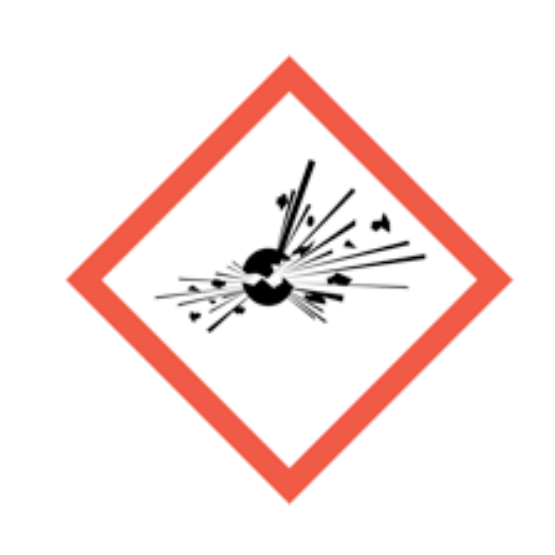
Exploding bomb
Explosive, self-reactive or organic peroxide hazards.
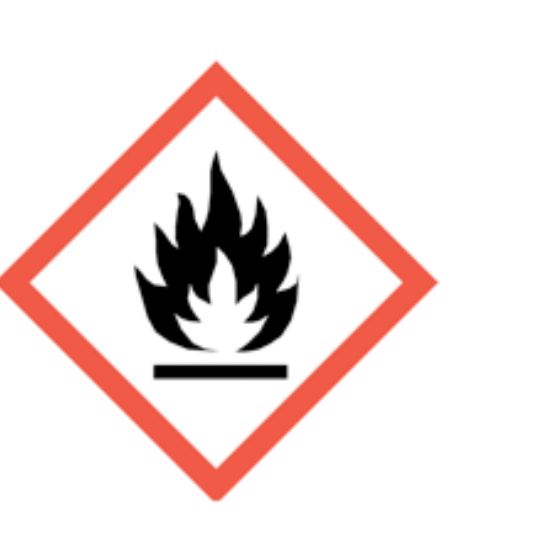
Flame
Flammable, self-heating or pyrophoric substances.
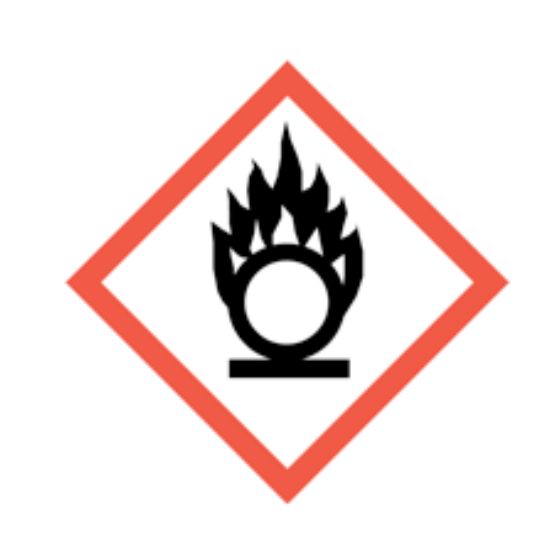
Flame over circle
Oxidising substances that can intensify fire.
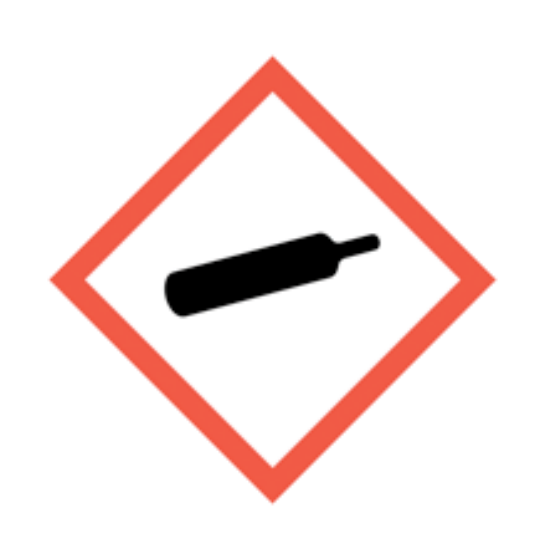
Gas cylinder
Gas under pressure.
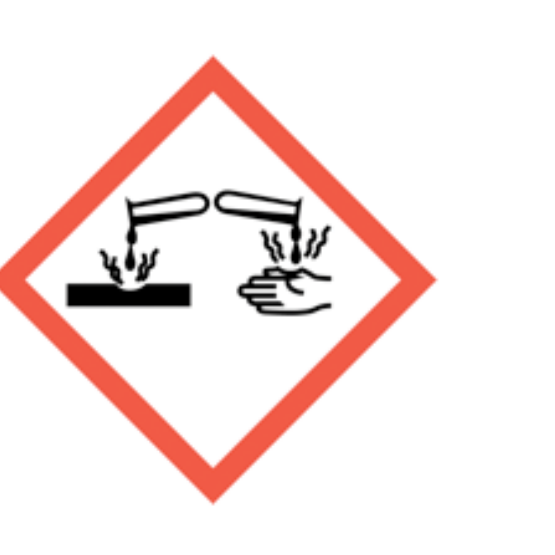
Corrosion
Skin burns, eye damage or corrosive to metals.
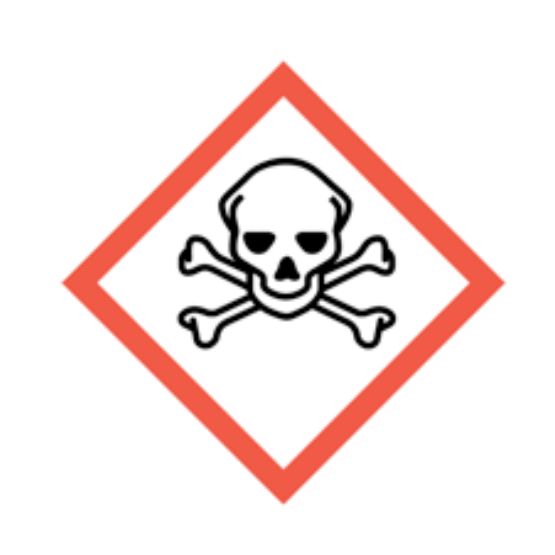
Skull and crossbones
Acute toxicity.
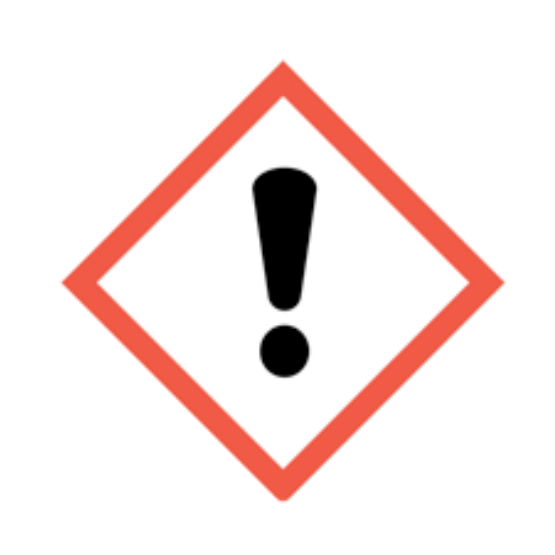
Exclamation mark
Irritation, harmful effects or skin sensitisation; some classifications cover drowsiness, dizziness or ozone-layer hazard. Read the actual hazard statements. Skin sensitisation differs from respiratory sensitisation.
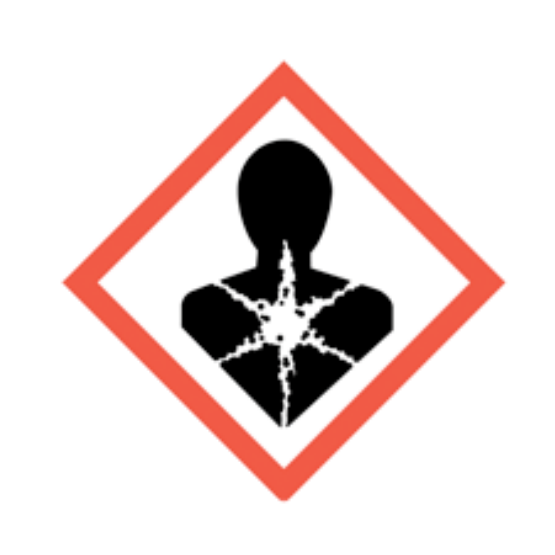
Health hazard
Serious health hazards, including organ damage, aspiration hazard, respiratory sensitisation, cancer and reproductive effects; some can follow a single exposure.
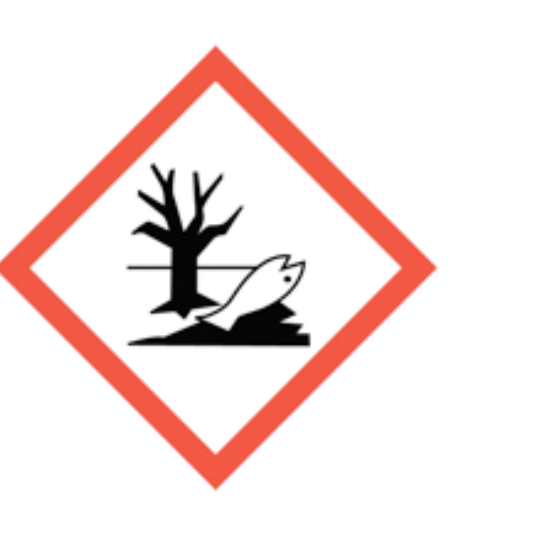
Environment
Hazardous to the aquatic environment.
Which acronyms and terms are useful for sharps awareness?
Acronyms should be understood before they are used in assessments, briefings, audits or learning answers.
Acronyms can exclude newer readers if they are not explained. This section keeps the main terms available at the end of the page so the article stays readable while still supporting learners and audit users.
| Acronym | Meaning | Plain-English use |
|---|---|---|
| BBV | Blood-borne virus, such as hepatitis B, hepatitis C or HIV. | Blood/body-fluid exposure needs prevention and prompt clinical assessment. |
| HBV | Hepatitis B virus. | One BBV considered by the clinician after exposure. |
| HCV | Hepatitis C virus. | One BBV considered by the clinician after exposure. |
| HIV | Human immunodeficiency virus. | One BBV considered by the clinician after exposure. |
| PEP | Post-exposure prophylaxis, where clinically indicated. | A clinician decides whether preventive treatment is indicated. |
| COSHH | Control of Substances Hazardous to Health Regulations. | Framework for occupational substance and biological-agent exposure control. |
| RIDDOR | Reporting of Injuries, Diseases and Dangerous Occurrences Regulations. | Reporting rules differ between Great Britain and Northern Ireland. |
Unlock another resource
You have used this month’s two free downloads. Publish a post in your own words to unlock one more resource, or choose SHARE Individual for 10 downloads per month.
You decide whether to share. If you do, use the relevant platform disclosure tools and do not make claims you do not genuinely hold.