SHARE Knowledge Hub
Explosion and explosive combustion at work
Explosive combustion occurs when a flammable gas, vapour, mist or combustible dust cloud meets an effective ignition source and flame propagation produces pressure. Confinement and congestion can intensify a vapour-cloud event; a primary dust event can disperse layers into a larger secondary explosion. Prevent release and dangerous atmospheres first, control ignition, then design credible relief, isolation, suppression and emergency measures for residual risk. Apply the right GB or NI dangerous-substance and local premises fire duties.
Understanding Explosion and explosive combustion at work
Explosion and explosive combustion are high-consequence hazards arising when a flammable gas, vapour, mist or combustible dust mixes with air in a combustible range and is ignited, or when an energetic chemical or pressurised system fails.
Why this matters at work
The essential explosion pathway is a fuel or energetic source, oxidiser or air where relevant, mixing/dispersion in a flammable or reactive condition, ignition or loss of control, and a geometry or inventory capable of causing harmful effects. Releases can arise from decanting, venting, leakage, seal failure, overfill, hose failure, open containers, charging, transfer, cleaning, spraying, dust handling, pneumatic conveying, milling, sanding, drying, waste accumulation, process upset, overheating or chemical incompatibility. Confinement, congestion, connected equipment and accumulated dust can convert a small initiating event into a large one.
A scenario description should state what releases energy. A gas or vapour cloud mixed with air may ignite as a flash fire, or develop damaging pressure where the actual confinement, congestion and flame propagation support it. A dust cloud may burn or explode and disperse layers that feed another event. Treat the anticipated thermal exposure and pressure effects as separate questions. The absence of a pressure vessel does not remove dust or vapour explosion risk, and an open area does not guarantee that a release has harmless consequences.
How organisations manage this in practice
Raise the alarm, withdraw from danger, prevent entry and use the current emergency plan and emergency services where there is immediate danger. Only perform a stop or isolation action where it is designed, safe, authorised and within competence; operating a switch, entering a vapour or dust cloud or approaching heated equipment can worsen exposure. Do not attempt improvised firefighting, venting, cooling, sampling or rescue in an unknown explosion or reaction scenario. Give responders accurate material, process, location, inventory, casualty and known impairment information from safety. Keep environmental and neighbouring impacts in the planned liaison without exposing staff. After the immediate response, competent specialists must assess retained energy, unstable materials, structural damage, connected equipment, contamination and protection before access or restart. Preserve evidence appropriately and record restrictions and release authority. A cleared alarm, cooled exterior or absence of visible flame does not demonstrate that all danger has ended. Review the event and verify corrective controls through the actual design and national requirements before normal operation resumes.
Check whether the changed volume, length, bends, operating conditions and equipment invalidate relief, isolation or other protective design assumptions. Do not improvise vent sizing, suppression, isolation or cleaning tactics. Control deposits through a suitable safe method and maintain relevant equipment and ignition prevention. Record the change basis, specialist acceptance, inspection and functional evidence, updated drawings and operating limits before release. Keep affected operation held where protection is uncertain. A replacement collector, tidy floor or ATEX label cannot establish that hidden deposits and the entire connected system are adequately controlled.
Evidence should show more than a risk-assessment date. Retain current DSEAR and fire risk assessments, substance inventory and SDS, hazardous-area drawings where relevant, equipment register/certification, inspection and maintenance records, ventilation/LEV and housekeeping checks, hot-work and isolation permits, process operating limits, alarm/trip testing, pressure-system information, training/briefing records, emergency exercise results, MOC decisions, incident/near-miss learning and action closure. Review after change, abnormal event, new substance, layout change, equipment failure, staff feedback or inspection finding.
Identify the explosion mechanism before selecting the control route
At a flour-transfer line, a new powder or higher transfer rate changes the assessment basis even if the area looks familiar. If the collector fails, stop affected transfer under the defined impairment arrangement. The process owner obtains the changed material and process data and competent review of dust generation, extraction, ignition and connected protection.
- Vapour cloud — Review release, mixing, ignition, congestion and confinement.
- Dust cloud — Review actual material, dispersion, deposits, ignition and connected plant.
- Heated pressure vessel — Use the pressure-vessel and fire-exposure context; do not reduce it to a dust or vapour analogy.
- Protection-system functions — Distinguish prevention, relief, isolation and suppression.
Restore and verify the actual barriers before hand-back and brief the approved material and operating limits. Visible cleanliness, a generic “dust” label or an ordinary-fire analogy cannot establish controlled explosion risk. Keep the current full example and its design-specific limits.
Content amended 19 October 2026 by the SHARE Knowledge Hub editorial team. This records an editorial content change; the existing technical-review and approval status still applies.
Distinguish vapour, dust and pressure-vessel mechanisms
Ignition of a flammable atmosphere, dispersed combustible dust and a BLEVE do not have the same initiating conditions. A BLEVE is a physical pressure-vessel failure mechanism; a fireball depends on the contents and conditions.
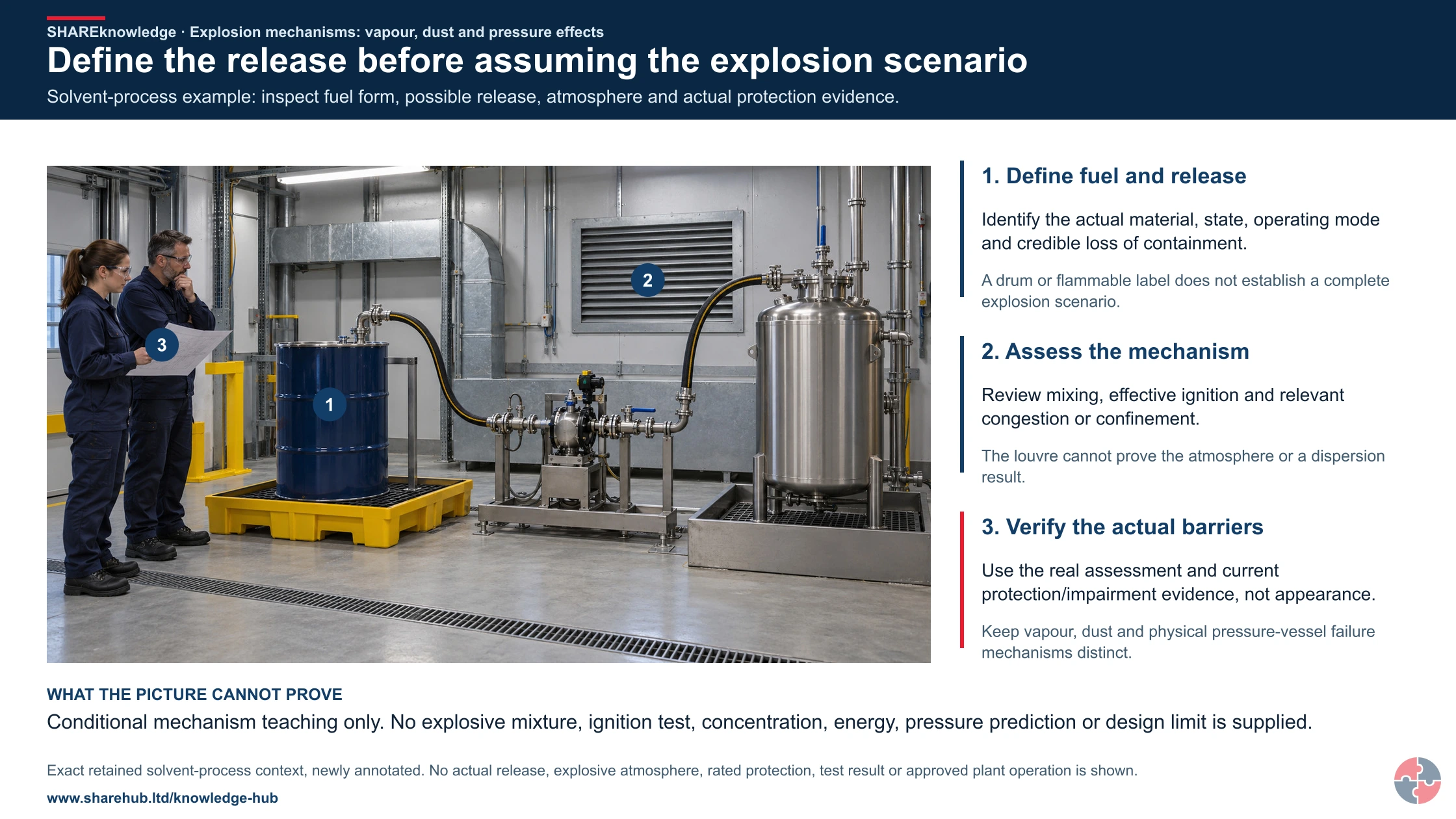
Define the release before assuming the explosion scenario
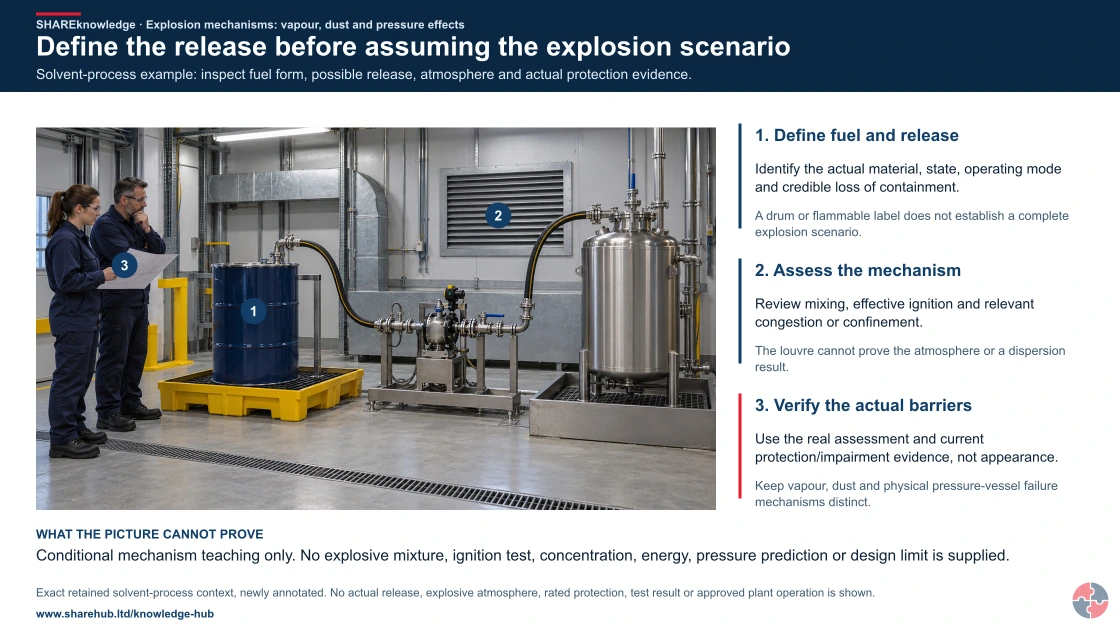
Full written explanation
The exact retained solvent-transfer scene shows a drum, closed hose/pump/vessel arrangement, ventilation louvre and two colleagues with an inert drawing. Markers identify the drum, louvre and drawing. There is no depicted leak, visible vapour cloud, ignition or explosion; the ventilation and pipework appearance do not establish performance, hazardous-area classification, safe atmosphere or verified protection.
Solvent-process example: inspect fuel form, possible release, atmosphere and actual protection evidence.
- Define fuel and release. Identify the actual material, state, operating mode and credible loss of containment.
- Assess the mechanism. Review mixing, effective ignition and relevant congestion or confinement.
- Verify the actual barriers. Use the real assessment and current protection/impairment evidence, not appearance.
Change the pathway
- Material alone is insufficient. A drum or flammable label does not establish a complete explosion scenario.
- Ventilation is not a visible pass. The louvre cannot prove the atmosphere or a dispersion result.
- An ordinary-fire analogy is weak. Keep vapour, dust and physical pressure-vessel failure mechanisms distinct.
Evidence check: Conditional mechanism teaching only. No explosive mixture, ignition test, concentration, energy, pressure prediction or design limit is supplied.
Choose the actual mechanism and impairment route
Primary references: HSE: dust explosion hazards and precautions · HSE: dangerous substances and explosive atmospheres
Open the complete HD image (new tab)Download image
Choose the actual mechanism and impairment route
Primary references: HSE: dust explosion hazards and precautions · HSE: dangerous substances and explosive atmospheres

Atmosphere ignition
Assess the material, release/dispersion and ignition scenario, with the relevant preventive and protective barriers.
Dust event
Assess deposits, dispersion, ignition, confinement and possible secondary involvement; hold where required protection is impaired or unknown.
Pressure-vessel event
Use competent assessment of vessel condition, heat exposure, contents and protection. Loss of cooling or protection is a failure condition; verified prevention/protection is the control.
The three sketches are conditional mechanisms, not operating instructions, explosion predictions or permission to approach a heated vessel.
What should an explosion assessment establish first?
Identify the dangerous substance, how an explosive atmosphere could form, the ignition sources and the people or plant exposed. Then check prevention and mitigation barriers against real operating and maintenance conditions before relying on emergency response.
Best-practice guide: Explosion and explosive combustion at work

What should an explosion assessment establish first?
Identify the dangerous substance, how an explosive atmosphere could form, the ignition sources and the people or plant exposed. Then check prevention and mitigation barriers against real operating and maintenance conditions before relying on emergency response. Explosive combustion occurs when a flammable gas, vapour, mist or combustible dust cloud meets an effective ignition source and flame propagation produces pressure.
Turn explosion and explosive combustion at work knowledge into a decision
Explosive combustion occurs when a flammable gas, vapour, mist or combustible dust cloud meets an effective ignition source and flame propagation produces pressure. Confinement and congestion can intensify a vapour-cloud event; a primary dust event can disperse layers into a larger secondary explosion. Product data, zone drawing, inspection and cleaning records, test results, impairment decision and hand-back record.
A decision that changes work
Monitor extraction and dust layers, clean by a safe method and keep ignition sources out of the assessed zone. Restore barriers, verify maintenance and cleaning, update the assessment after product or rate changes.
Warning signs and consequences
Persistent vapour odour: Release may form a flammable atmosphere. Dust layers on beams or equipment: Secondary explosion fuel is present. Hot work near residues: Ignition of vapour or dust.
Choose controls for explosion and explosive combustion at work
Elimination: Remove an unnecessary dust-generating stage or select a process that avoids combustible powder handling where feasible. Substitution: Assess a suitable less dusty or non-combustible material/form through process and product validation. Engineering controls: Securely isolate the collector and connected equipment; control stored energy and prevent access to hazardous dust-release zones. Engineering controls: Maintain the specified extraction and explosion-protection arrangements, including safe vent/discharge routes and prevention of propagation where required. Administrative controls: Plan filter removal, ignition control and dust-safe cleaning; prohibit improvised vacuum cleaners, dry sweeping and hot work on an unassessed collector. Read the full control table for qualifications, ownership and verification. Use the actual task and applicable jurisdiction; existing technical approval remains unchanged.
Use the full explosion and explosive combustion at work lesson
Use the full topic for the decision points, practical examples, detailed control tables and source scope. HSE guidance applies to Great Britain; use HSENI for the Northern Ireland route and the source’s stated jurisdiction. A simplified guide does not change the page’s technical-review or approval status.

Read all six steps as text
1. What should an explosion assessment establish first?
Identify the dangerous substance, how an explosive atmosphere could form, the ignition sources and the people or plant exposed.
- Avoid / redesign: Remove an unnecessary dust-generating stage or select a process that avoids combustible powder handling where feasible.
- Control the task: Securely isolate the collector and connected equipment; control stored energy and prevent access to hazardous dust-release zones.
- Verify before release: If the hazardous step remains, keep it within the task assessment and select the stronger feasible remaining controls.
Identify the dangerous substance, how an explosive atmosphere could form, the ignition sources and the people or plant exposed. Then check prevention and mitigation barriers against real operating and maintenance conditions before relying on emergency response. Explosive combustion occurs when a flammable gas, vapour, mist or combustible dust cloud meets an effective ignition source and flame propagation produces pressure.
Apply it: Which part of this plan would you check at the workface before authorising the task?
2. Turn explosion and explosive combustion at work knowledge into a decision
Use the evidence to improve the actual work arrangement.
- Change at source: Remove an unnecessary dust-generating stage or select a process that avoids combustible powder handling where feasible.
- Make it observable: If the hazardous step remains, keep it within the task assessment and select the stronger feasible remaining controls.
- Keep useful evidence: Product data, zone drawing, inspection and cleaning records, test results, impairment decision and hand-back record.
Explosive combustion occurs when a flammable gas, vapour, mist or combustible dust cloud meets an effective ignition source and flame propagation produces pressure. Confinement and congestion can intensify a vapour-cloud event; a primary dust event can disperse layers into a larger secondary explosion. Product data, zone drawing, inspection and cleaning records, test results, impairment decision and hand-back record.
Apply it: What evidence would show that the change improves this task, rather than only completing a record?
3. A decision that changes work
Example: a practical application of the existing topic lesson.
- Setting: Flour bagging line with dust release, elevated dust layers and a potential ignition source.
- Act: Check dust containment, extraction, classified zones, suitable equipment, housekeeping and residual explosion protection.
- Hold / review: Stop transfer when extraction or isolation fails, an unassessed dust cloud forms, or protection status is unknown.
Monitor extraction and dust layers, clean by a safe method and keep ignition sources out of the assessed zone. Restore barriers, verify maintenance and cleaning, update the assessment after product or rate changes.
Apply it: At which point would you hold this example, and what evidence would allow it to proceed?
4. Warning signs and consequences
Connect the task, the route to the person and the control that can fail.
- Persistent vapour odour: Release may form a flammable atmosphere.
- Dust layers on beams or equipment: Secondary explosion fuel is present.
- Hot work near residues: Ignition of vapour or dust.
Persistent vapour odour: Release may form a flammable atmosphere. Dust layers on beams or equipment: Secondary explosion fuel is present. Hot work near residues: Ignition of vapour or dust.
Apply it: Who could be exposed, including other trades, cleaners, maintainers and people nearby?
5. Choose controls for explosion and explosive combustion at work
Start with the stronger practicable options and verify their effect.
- Elimination: Remove an unnecessary dust-generating stage or select a process that avoids combustible powder handling where feasible.
- Substitution: Assess a suitable less dusty or non-combustible material/form through process and product validation.
- Engineering controls: Securely isolate the collector and connected equipment; control stored energy and prevent access to hazardous dust-release zones.
- Engineering controls: Maintain the specified extraction and explosion-protection arrangements, including safe vent/discharge routes and prevention of propagation where required.
- Administrative controls: Plan filter removal, ignition control and dust-safe cleaning; prohibit improvised vacuum cleaners, dry sweeping and hot work on an unassessed collector.
Elimination: Remove an unnecessary dust-generating stage or select a process that avoids combustible powder handling where feasible. Substitution: Assess a suitable less dusty or non-combustible material/form through process and product validation. Engineering controls: Securely isolate the collector and connected equipment; control stored energy and prevent access to hazardous dust-release zones. Engineering controls: Maintain the specified extraction and explosion-protection arrangements, including safe vent/discharge routes and prevention of propagation where required. Administrative controls: Plan filter removal, ignition control and dust-safe cleaning; prohibit improvised vacuum cleaners, dry sweeping and hot work on an unassessed collector. Read the full control table for qualifications, ownership and verification. Use the actual task and applicable jurisdiction; existing technical approval remains unchanged.
Apply it: Which stronger option can be used here, and who will verify it before accepting the remaining risk?
6. Use the full explosion and explosive combustion at work lesson
Follow the official sources below and retain the task-specific evidence.
- Official guidance: HSE DSEAR in detail
- Official guidance: HSE ATEX and explosive atmospheres
- Task decision: Product data, zone drawing, inspection and cleaning records, test results, impairment decision and hand-back record.
Use the full topic for the decision points, practical examples, detailed control tables and source scope. HSE guidance applies to Great Britain; use HSENI for the Northern Ireland route and the source’s stated jurisdiction. A simplified guide does not change the page’s technical-review or approval status.
Apply it: Which official source and full-topic section will you use to resolve the next decision?
Key terms used below: DSEAR means Dangerous Substances and Explosive Atmospheres Regulations; ATEX commonly names the European explosive-atmosphere directives and related equipment controls; COMAH means Control of Major Accident Hazards; SDS means safety data sheet. HSSE is health, safety, security and environment. The legal regimes and equipment rules are jurisdiction-specific.
| Barrier area | What good looks like | Evidence |
|---|---|---|
| Cause | Identify credible causes rather than vague hazards. | Scenario list. |
| Top event | Define the loss of control, release, ignition, explosion or failed decision point. | Bow-tie or fault tree. |
| Consequence | Describe escalation, harm, business impact and emergency interface. | Consequence analysis. |
| Prevention barriers | Controls that stop the top event occurring. | Barrier register and performance standards. |
| Mitigation barriers | Controls that limit consequences after the top event. | Proof tests, inspections and drill evidence. |
| Impairment controls | Bypasses, degraded safeguards and overdue tests are authorised and temporary controls set. | Impairment log. |
| ALARP record | Risk reduction decisions are documented and periodically reviewed. | ALARP decision record. |
Flour dust collects above a bagging line. The team checks release and extraction, cleans hidden ledges with a suitable method, controls ignition and assesses explosion relief/isolation. A new bag type or extractor defect triggers a hold and reassessment; a clean floor alone does not prove the overhead dust hazard is controlled.
What are the key facts about explosion and explosive combustion?
The key facts are that explosions need a combustible material, the right mixture, ignition and conditions that allow rapid pressure or flame development.
Fuel form matters
Gas, vapour, mist and dust can behave very differently from solid combustible materials.
Mixture matters
The concentration must usually be within a flammable or explosible range to propagate flame.
Ignition control is essential
Hot work, static electricity, unsuitable equipment, friction, smoking, hot surfaces and electrical faults can ignite atmospheres.
Confinement and congestion worsen consequences
Walls, vessels, pipe racks, process equipment and buildings can increase turbulence and overpressure.
Dust housekeeping is a control
Settled dust can feed secondary explosions and must be managed as a serious hazard.
Prevention comes before mitigation
Explosion relief, suppression and isolation are important, but avoiding explosive atmospheres is stronger.
What does explosion and explosive combustion mean in workplace safety?
It means understanding how rapid burning can create blast, flame, fireball, missiles or escalation and then preventing the conditions that allow it.
Ordinary combustion is the chemical reaction we recognise as burning. Explosive combustion is rapid enough to produce pressure effects. In workplace terms, this can involve flammable gases, vapours, mists, combustible dusts, unstable materials, aerosols, oxygen enrichment or pressurised liquefied gases. See HSE ATEX and explosive atmospheres.
The topic should not be treated as theory only. A garage storing petrol, a joinery shop producing wood dust, a bakery handling flour, a fuel depot, a paint shop, a construction site using LPG, a chemical plant, a battery charging area and a fireworks retailer all need different levels of control.
The competent question is: what combustible material can be released or dispersed, how could it mix with air, what could ignite it, how confined or congested is the area, who could be harmed and what evidence proves controls are working?
| Term | Meaning | Example |
|---|---|---|
| Explosive atmosphere | A mixture of air and dangerous substance where combustion can spread after ignition. | Petrol vapour in a poorly ventilated store. |
| Deflagration | A subsonic flame front that can still create damaging pressure. | Combustible dust ignited inside ductwork. |
| Detonation | A supersonic reaction front with very high pressure effects. | High-energy explosive event under particular conditions. |
| Vapour cloud explosion | Ignition of a dispersed flammable vapour cloud. | Fuel release forms a cloud and ignites. |
| Dust explosion | Ignition of dispersed combustible dust. | Flour or wood dust cloud ignites in extraction system. |
| BLEVE | Violent rupture of a vessel containing pressurised liquefied material. | Heated LPG cylinder ruptures and fireball forms. |
How should ordinary workplace fire risk be separated from higher-risk explosion risk?
Ordinary fire risk covers general ignition, fuel and escape controls, while higher-risk explosion work needs dangerous-substance and barrier-led assessment.
In ordinary workplaces, the main controls may be housekeeping, electrical maintenance, smoking controls, safe storage, alarm, escape routes, fire doors and staff training. These remain important, but they do not fully control explosive atmospheres.
Where dangerous substances are stored, used or created, the assessment must go further. It should identify substance properties, quantities, release sources, ventilation, hazardous areas, ignition sources, equipment suitability, maintenance, static control, hot work, emergency arrangements and competence.
| Workplace situation | Typical issue | Assessment depth |
|---|---|---|
| Office or retail premises | Waste, electrical equipment, heaters and escape routes. | General fire risk assessment. |
| Small flammable-liquid use | Vapour from cleaning, spraying or decanting. | Fire risk assessment plus DSEAR checks. |
| Dust-producing workshop | Wood, flour, plastic or metal dust accumulation. | Dust explosion assessment, extraction and housekeeping. |
| Fuel or chemical storage | Large inventory, transfer, vapour release and escalation. | DSEAR, process safety and emergency planning. |
| Pressure liquefied gas | BLEVE or fireball risk if heated. | Separation, cooling, isolation and emergency strategy. |
| COMAH site | Major accident hazard potential. | Major accident scenario and safety management evidence. |
What fire science explains explosion risk?
Explosion risk is explained by fuel, oxidant, ignition, mixture, confinement, dispersion and reaction speed.
A flammable gas or vapour usually needs to be within its flammable range. Too little fuel may be too lean to burn; too much fuel may be too rich until it mixes with more air. Dust behaves differently because particle size, moisture, turbulence, concentration and dispersion all influence explosibility.
Ignition sources can include flames, welding, grinding, hot surfaces, electrical sparks, static discharge, friction, impact, self-heating, chemical reaction, lightning or unsuitable equipment. Oxygen enrichment can make materials ignite more easily and burn more violently.
| Factor | Why it matters | Control implication |
|---|---|---|
| Fuel | Material must be capable of rapid combustion. | Substitute, reduce inventory or contain. |
| Oxidant | Usually air, but oxygen enrichment increases severity. | Prevent oxygen enrichment and leaks. |
| Mixture | Fuel concentration must be in a flammable or explosible range. | Ventilation, containment and release prevention. |
| Ignition | A source of enough energy starts combustion. | Ignition-source control and suitable equipment. |
| Dispersion | Dusts and vapours become more hazardous when dispersed. | Housekeeping, LEV and process enclosure. |
| Confinement | Pressure can build in rooms, vessels or ducts. | Relief, venting and layout design. |
| Congestion | Obstructions increase turbulence and flame acceleration. | Layout, separation and plant design. |
How do vapour cloud explosions happen?
Vapour cloud explosions happen when a flammable gas or vapour release forms a cloud, mixes with air and ignites under conditions that allow pressure effects.
The event usually starts with loss of containment: tank overfill, hose failure, flange leak, open drain, failed isolation, pump seal failure or process upset. If vapour disperses and finds ignition, the result may be flash fire, fireball or explosion depending on congestion, confinement, amount released and delay before ignition.
Control starts with preventing releases and limiting inventories. Detection, shutdown, isolation, ventilation, drainage, hazardous area classification and ignition control are all important. Emergency plans should be realistic about how quickly vapour can move and how far people may need to evacuate.
| Control area | Practical control | Evidence |
|---|---|---|
| Inventory | Reduce quantities and segregate incompatible storage. | Inventory register and storage limits. |
| Containment | Maintain tanks, pipework, hoses, valves and seals. | Inspection and maintenance records. |
| Detection | Use gas detection where risk justifies it. | Calibration and alarm response records. |
| Isolation | Provide emergency isolation or shutdown. | Test records and cause-and-effect checks. |
| Ventilation | Prevent accumulation indoors or in pits. | Ventilation design and checks. |
| Ignition control | Control hot work, equipment, static and vehicles. | Permit records and hazardous area controls. |
How do combustible dust explosions happen?
Combustible dust explosions happen when fine combustible particles are dispersed in air and ignited.
Dust explosion risk is often underestimated because the material may not look dangerous in bulk form. Flour, sugar, grain, wood dust, coal, many plastics, some metals and organic powders can become explosible when finely divided and suspended in air. See HSE preventing dust explosions.
A primary explosion may occur inside a conveyor, silo, mill, filter, dryer or duct. The first blast can then shake loose settled dust on beams, floors, ledges and equipment, creating a much larger secondary dust cloud. That secondary explosion can be the devastating event.
Housekeeping, dust containment and extraction maintenance are therefore major controls, not presentation issues. Vacuum systems, LEV, explosion relief, isolation and ignition control must be suitable for the dust and process.
| Control | Why it matters | Evidence |
|---|---|---|
| Prevent dust clouds | No cloud means no dust explosion. | Enclosed handling and LEV records. |
| Control dust layers | Settled dust can feed secondary explosions. | Housekeeping standards and inspection logs. |
| Control ignition | Static, friction, hot bearings and electrical faults can ignite dust. | Maintenance, ATEX equipment and static control. |
| Explosion relief | Allows pressure release in a safe direction. | Design, inspection and relief path checks. |
| Explosion isolation | Stops explosion propagation through ducts or conveyors. | Inspection and maintenance records. |
| Competence | Operators must recognise dust build-up and abnormal conditions. | Training and supervisor checks. |
What is BLEVE and why does it matter?
BLEVE matters because a heated pressurised vessel can rupture violently, releasing blast, missiles and sometimes a major fireball.
BLEVE risk controls — part 1 of 2


Read the complete visual as text
- External fire exposure: Control: Separate storage and control ignition sources. Evidence: Storage layout and fire risk assessment.
- Cylinder or vessel damage: Control: Protect from impact and corrosion. Evidence: Inspection and storage checks.
- Pressure relief failure: Control: Maintain relief devices and avoid obstruction. Evidence: Inspection and maintenance records.
BLEVE risk controls — part 2 of 2


Read the complete visual as text
- Poor emergency strategy: Risk: People remain exposed near a heated vessel. Control: Use the assessed alarm, withdrawal and emergency-command arrangements. Verify: Current plan, communication, access boundary and relevant exercise evidence.
- Uncontrolled hot work: Risk: Heat or ignition can affect pressurised containers and surrounding material. Control: Avoid or relocate the hot work where practicable; otherwise use the authorised task assessment and boundary. Verify: Actual vessel/contents, conditions, authorisation and required checks before release.
A boiling liquid expanding vapour explosion can occur when a vessel containing liquefied gas or other pressurised liquid is heated, weakened and ruptures. If the contents are flammable, the rapid release can create a fireball and severe thermal radiation.
The linked HSE surface-engineering PDF is an older LPG-sector mechanism example and refers to superseded COMAH 1999. Use the current GB and NI COMAH instruments in the legal section to decide present duties; do not transfer the example’s thresholds or legal references.
Controls focus on preventing external fire impingement, separating cylinders and vessels from heat and impact, maintaining pressure relief, cooling exposed vessels where safe and ensuring emergency responders understand when withdrawal may be necessary.
| Risk factor | Control | Evidence |
|---|---|---|
| External fire exposure | Separate storage and control ignition sources. | Storage layout and fire risk assessment. |
| Cylinder or vessel damage | Protect from impact and corrosion. | Inspection and storage checks. |
| Pressure relief failure | Maintain relief devices and avoid obstruction. | Inspection and maintenance records. |
| Poor emergency strategy | Use the assessed alarm, withdrawal and emergency-command arrangements to keep people clear of the heated-vessel hazard. | Emergency plan, exclusion distances and drills. |
| Uncontrolled hot work | Avoid or relocate the hot work where practicable; otherwise use the authorised assessment, boundary and verification for the actual vessel and surrounding conditions. | Permit to work and gas-free checks. |
For an LPG fire example, see HSE COMAH surface-engineering guidance. A BLEVE can also involve non-flammable liquids; the fireball statement applies to flammable contents.
What consequences can explosions create?
Explosion consequences include blast overpressure, flame, fireball, missiles, structural damage, toxic smoke, environmental release and emergency-response harm.
The visible explosion is only part of the harm picture. Blast may break windows, collapse weak structures or damage safety critical equipment. Flame and thermal radiation can cause burns. Missiles may travel beyond the immediate area. Firewater runoff can create environmental damage. Smoke can affect people downwind.
Emergency planning should therefore consider life safety, evacuation, shelter, firefighting limits, isolation, environmental protection, emergency services information and business continuity.
| Consequence | How harm occurs | Planning consideration |
|---|---|---|
| Blast | Pressure wave injures people and damages structures. | Separation, building design and exclusion zones. |
| Flame and fireball | Thermal radiation causes burns and escalation. | Evacuation, separation and emergency isolation. |
| Fragments and missiles | Vessels, panels or debris are projected. | Relief direction and occupied building review. |
| Escalation | Adjacent plant, storage or services are affected. | Layout, isolation and fire protection. |
| Toxic smoke | Combustion products harm people and responders. | Emergency information and shelter/evacuation decisions. |
| Environmental damage | Firewater or released material reaches drains or watercourses. | Drain isolation and runoff control. |
How should explosion risk be controlled?
Explosion risk should be controlled by preventing dangerous atmospheres first, controlling ignition second and mitigating consequences where prevention cannot be guaranteed.
Explosion control layers — part 1 of 2


Read the complete visual as text
- Eliminate or substitute: Control examples: Use less flammable material or avoid dust-generating process. Evidence: Substitution review and design decision.
- Reduce inventory: Control examples: Limit quantities in use and storage. Evidence: Inventory register and storage checks.
- Prevent release: Control examples: Closed systems, maintenance and leak testing. Evidence: Inspection and defect records.
- Prevent accumulation: Control examples: Ventilation, extraction and housekeeping. Evidence: LEV checks and cleaning logs.
Explosion control layers — part 2 of 2


Read the complete visual as text
- Control ignition: Control examples: Hot-work permits, ATEX equipment, bonding and grounding. Evidence: Permit records and inspection evidence.
- Mitigate explosion: Control examples: Relief, suppression, isolation and separation. Evidence: Design records and maintenance checks.
- Emergency response: Control examples: Evacuation, isolation, firefighting strategy and runoff control. Evidence: Emergency plan and drill learning.
The strongest control is elimination or substitution. If a less flammable product, lower inventory, closed transfer, safer temperature, inerting or different process can remove the explosive atmosphere, that should be considered before relying on procedures. See HSE DSEAR in detail.
Where dangerous atmospheres remain credible, controls should include containment, ventilation, hazardous area classification, suitable equipment, static control, hot-work control, inspection, maintenance, cleaning, emergency isolation, explosion relief, suppression or isolation as appropriate.
| Layer | Control examples | Evidence |
|---|---|---|
| Eliminate or substitute | Use less flammable material or avoid dust-generating process. | Substitution review and design decision. |
| Reduce inventory | Limit quantities in use and storage. | Inventory register and storage checks. |
| Prevent release | Closed systems, maintenance and leak testing. | Inspection and defect records. |
| Prevent accumulation | Ventilation, extraction and housekeeping. | LEV checks and cleaning logs. |
| Control ignition | Hot-work permits, ATEX equipment, bonding and grounding. | Permit records and inspection evidence. |
| Mitigate explosion | Relief, suppression, isolation and separation. | Design records and maintenance checks. |
| Emergency response | Evacuation, isolation, firefighting strategy and runoff control. | Emergency plan and drill learning. |
How does DSEAR apply to explosive combustion?
DSEAR applies where dangerous substances can create fire, explosion or similar energy-release risks at work.
DSEAR assessment should identify dangerous substances, their properties, quantities, storage, use, release points, potential explosive atmospheres, ignition sources, people at risk and control measures. It should be integrated with the fire risk assessment rather than left as a technical appendix nobody uses. See HSE DSEAR in detail.
ATEX language covers two different questions. Workplace assessment, hazardous-area classification and control of ignition are operator duties under the applicable GB or NI DSEAR regime. Product conformity rules for equipment placed on a market are a separate supply issue; check the current market and jurisdiction requirements for the equipment. A product mark or certificate does not itself prove that the chosen equipment is suitable for this site, zone, substance, temperature class, installation or maintenance condition. HSENI identifies a separate NI equipment-supply route and approves the GB L138 ACOP for use with NI DSEAR 2003; that does not turn HSE guidance into NI legislation.
For explosive atmospheres, hazardous area classification may be needed. Equipment in those areas should be suitable, and workers should understand what controls apply. DSEAR also requires arrangements for accidents, incidents and emergencies where risk remains.
| Assessment area | What to consider | Output |
|---|---|---|
| Substances | Flammable gases, vapours, mists, dusts, pressurised gases and unstable materials. | Dangerous-substance inventory. |
| Release sources | Where leaks, spills, dust clouds or vapours could arise. | Release scenario list. |
| Explosive atmospheres | Where hazardous mixtures may occur and how often. | Hazardous area classification. |
| Ignition sources | Hot work, static, electrical, mechanical, vehicles and hot surfaces. | Ignition control plan. |
| Controls | Elimination, reduction, containment, ventilation and mitigation. | Control schedule and owners. |
| Emergency | Fire, explosion, spill, evacuation and escalation response. | Emergency plan and drills. |
How does this fit into fire risk assessment and devolved UK fire law?
Explosion risk should be included in the fire risk assessment where dangerous substances or process fire hazards are present, with fire law differing across UK nations.
In England and Wales, the Regulatory Reform (Fire Safety) Order is the main fire safety framework for non-domestic premises. Scotland and Northern Ireland have their own fire safety legislation and guidance routes. The practical expectation is similar: assess fire risk, take general fire precautions, maintain arrangements, train people and keep the assessment under review.
Dangerous substances can sit across fire safety law and DSEAR. For a simple office this may be minor. For fuel, LPG, aerosols, paint spraying, powders, welding, construction hot work or process plant, the responsible person should check both general fire precautions and dangerous-substance controls.
| Nation | Main fire safety route | Explosion relevance |
|---|---|---|
| England and Wales | Regulatory Reform (Fire Safety) Order 2005 | General fire precautions plus dangerous-substance interface. |
| Scotland | Fire (Scotland) Act 2005 | Fire safety duties and risk assessment under Scottish framework. |
| Scotland | Fire Safety (Scotland) Regulations 2006 | Additional fire safety requirements for relevant premises. |
| Northern Ireland | Fire and Rescue Services (Northern Ireland) Order 2006 | Fire safety framework in Northern Ireland. |
| Northern Ireland | Fire Safety Regulations (Northern Ireland) 2010 | Fire safety regulations for premises in Northern Ireland. |
| Great Britain workplaces | Dangerous Substances and Explosive Atmospheres Regulations 2002 | Dangerous-substance assessment and explosive atmosphere control. |
How can the hierarchy of controls prevent dust ignition and explosion during collector maintenance?
Use HSE’s hierarchy to eliminate or substitute a hazard where practicable, then apply engineering and administrative controls before relying on PPE. Check each chosen control against the actual task and stop when it fails.
For explosion risk, the hierarchy has a clear message: do not rely on people behaving perfectly around an uncontrolled explosive atmosphere. Remove the dangerous substance if possible, reduce quantity, prevent releases, separate ignition and fuel, engineer protection and only then rely on administrative discipline.
Five-level control hierarchy for this task: eliminate a dangerous inventory or ignition opportunity where practicable; substitute a less dangerous substance or process after checking new risks; engineer containment, ventilation, inerting, zoning-compatible equipment and explosion protection; administer procedures, permits, inspection and training; use PPE only for residual personal exposure. A permit cannot replace an engineered barrier.
PPE can protect against some burns or chemical contact, but it does not make an explosive atmosphere safe. Emergency response is also not a substitute for prevention.
How can the ERICPD hierarchy of controls prevent dust ignition and explosion during collector maintenance?

| Control level | Control for this activity | Owner and verification | Stop / restart decision |
|---|---|---|---|
| Eliminate | Remove an unnecessary dust-generating stage or select a process that avoids combustible powder handling where feasible. | Task owner verifies that the proposed change removes the named hazardous step, including foreseeable cleaning, maintenance and work transferred elsewhere. | If the hazardous step remains, keep it within the task assessment and select the stronger feasible remaining controls. |
| Reduce, including substitution | Assess a suitable less dusty or non-combustible material/form through process and product validation. | Competent task/process owner validates suitability, compatibility and new hazards against the actual operating requirements before the alternative is adopted. | Reject an alternative if its performance is unproved or its new hazards are unresolved. |
| Isolate | Securely isolate the collector and connected equipment; control stored energy and prevent access to hazardous dust-release zones. | Supervisor checks the actual boundary, affected people and connected work; verify separation or isolation before allowing access. | Hold or stop for unknown dust, smouldering material, damaged protective device or uncontrolled dust release. |
| Control: physical safeguards | Maintain the specified extraction and explosion-protection arrangements, including safe vent/discharge routes and prevention of propagation where required. | Competent equipment/process owner checks dust properties, isolation, filter condition and required explosion protection. | Hold or stop for unknown dust, smouldering material, damaged protective device or uncontrolled dust release. |
| Control: work method and response | Plan filter removal, ignition control and dust-safe cleaning; prohibit improvised vacuum cleaners, dry sweeping and hot work on an unassessed collector. | Supervisor confirms the work limits, competent cover, communication and stop/restart authority with the people doing this activity. | Hold work when the agreed limits, competent cover or effective communication cannot be maintained. |
| PPE | Select suitable RPE and compatible protective clothing for residual dust and any assessed static risk. | Assessor confirms whether personal protection is needed and checks suitability, condition, compatibility and any required fit evidence. | Do not use unsuitable protection or rely on PPE to continue after an essential source control fails. |
| Discipline | Check seals, filters, protective devices and dust removal before restart; restore every protection affected by the work. | Release only after competent equipment owner accepts the restored collector and its protection. Retain verification and unresolved restrictions at handover. | Keep the task on hold until required reinstatement evidence and unresolved defects are accepted by the responsible owner. |
How can the ISO 45001 hierarchy of controls prevent dust ignition and explosion during collector maintenance?

| Control level | Control for this activity | Owner and verification | Stop / restart decision |
|---|---|---|---|
| Elimination | Remove an unnecessary dust-generating stage or select a process that avoids combustible powder handling where feasible. | Task owner verifies that the proposed change removes the named hazardous step, including foreseeable cleaning, maintenance and work transferred elsewhere. | If the hazardous step remains, keep it within the task assessment and select the stronger feasible remaining controls. |
| Substitution | Assess a suitable less dusty or non-combustible material/form through process and product validation. | Competent task/process owner validates suitability, compatibility and new hazards against the actual operating requirements before the alternative is adopted. | Reject an alternative if its performance is unproved or its new hazards are unresolved. |
| Engineering controls | Securely isolate the collector and connected equipment; control stored energy and prevent access to hazardous dust-release zones. | Supervisor checks the actual boundary, affected people and connected work; verify separation or isolation before allowing access. | Hold or stop for unknown dust, smouldering material, damaged protective device or uncontrolled dust release. |
| Engineering controls | Maintain the specified extraction and explosion-protection arrangements, including safe vent/discharge routes and prevention of propagation where required. | Competent equipment/process owner checks dust properties, isolation, filter condition and required explosion protection. | Hold or stop for unknown dust, smouldering material, damaged protective device or uncontrolled dust release. |
| Administrative controls | Plan filter removal, ignition control and dust-safe cleaning; prohibit improvised vacuum cleaners, dry sweeping and hot work on an unassessed collector. | Supervisor confirms the work limits, competent cover, communication and stop/restart authority with the people doing this activity. | Hold work when the agreed limits, competent cover or effective communication cannot be maintained. |
| PPE | Select suitable RPE and compatible protective clothing for residual dust and any assessed static risk. | Assessor confirms whether personal protection is needed and checks suitability, condition, compatibility and any required fit evidence. | Do not use unsuitable protection or rely on PPE to continue after an essential source control fails. |
| Administrative controls | Check seals, filters, protective devices and dust removal before restart; restore every protection affected by the work. | Release only after competent equipment owner accepts the restored collector and its protection. Retain verification and unresolved restrictions at handover. | Keep the task on hold until required reinstatement evidence and unresolved defects are accepted by the responsible owner. |
Illustrative seven-step decision route; this is a SHARE teaching example, not a prescribed legal checklist.
| Step | Action | Check | Failure mode | Hold point |
|---|---|---|---|---|
| Eliminate | Remove the combustible dust process where feasible. | Designer assesses process need and alternatives. | New material may have another hazard. | Do not adopt an untested substitute. |
| Reduce | Limit dust release and inventory at the transfer point. | Engineer checks enclosure and extraction at normal rate. | A failed extractor recreates the cloud. | Stop transfer on critical extraction failure. |
| Isolate | Separate ignition-capable equipment and people from classified dust zones. | Competent lead verifies zone and equipment suitability. | Maintenance may breach the boundary. | No hot work or unsuitable equipment in the zone. |
| Engineer | Provide suitable explosion relief, suppression or isolation for residual scenarios. | Specialist checks design and proof-test requirements. | A vent may direct blast toward people. | Hold operation if the protection basis is uncertain. |
| Control | Specify cleaning and inspection of hidden layers and ductwork. | Supervisor checks overhead and inaccessible ledges. | A clean floor can hide dust accumulation. | Stop operation on uncontrolled accumulation. |
| Protect | Provide emergency warning, evacuation and residual PPE. | Site tests alert and escape routes. | PPE cannot prevent explosion. | Evacuate on release or ignition warning. |
| Assure | Review DSEAR assessment after product, throughput or equipment change. | Manager verifies barriers, actions and training. | A stale zone drawing misleads equipment selection. | Reassess before changed operation. |
Which major accidents show why explosion control matters?
Buncefield shows how a flammable release can become a vapour cloud explosion when barriers fail and ignition occurs.
At Buncefield, a fuel storage tank overfilled during receipt. Petrol escaped, formed a large vapour cloud and ignited, causing a major explosion and extensive damage. The topic learning is direct: overfill protection, alarm response, independent shutdown, vapour dispersion assumptions, ignition control, bunding, emergency planning and leadership assurance all matter.
For dust explosions, the recurring learning across industries is that settled dust is not harmless. Primary explosions can lift hidden dust layers and create a larger secondary explosion. Housekeeping, containment, extraction and explosion isolation must be treated as safety critical controls.
| Scenario | What failed or can fail | Control question |
|---|---|---|
| Buncefield vapour cloud explosion | Overfill, loss of containment, vapour formation, ignition and escalation. | Are release prevention and overfill protection independent, tested and understood? |
| Combustible dust explosion | Dust escape, accumulation, dispersion, ignition and secondary explosion. | Are dust layers controlled and extraction systems maintained? |
| Hot work on tanks or drums | Residual vapour ignites during cutting, welding or grinding. | Has the item been cleaned, tested, isolated and authorised before hot work? |
| LPG cylinder or vessel fire exposure | Heating weakens vessel and can lead to rupture or BLEVE. | Are cylinders stored, separated and protected from fire exposure? |
What legal duties apply to explosion and explosive combustion?
Select the dangerous-substance, major-accident and premises fire-safety duties by nation, site and activity. DSEAR is separate in GB and NI; non-domestic fire duties differ in England/Wales, Scotland and NI.
| Where | Instrument or rule | Practical boundary |
|---|---|---|
| Great Britain | Dangerous Substances and Explosive Atmospheres Regulations 2002 | GB dangerous-substance fire and explosion risk duties. |
| Northern Ireland | Dangerous Substances and Explosive Atmospheres Regulations (Northern Ireland) 2003 | NI dangerous-substance fire and explosion risk duties. |
| Great Britain | Health and Safety at Work etc. Act 1974 | GB general work-safety duties |
| Northern Ireland | Health and Safety at Work (Northern Ireland) Order 1978 | NI general work-safety duties |
| Great Britain | Management of Health and Safety at Work Regulations 1999 | GB risk assessment and prevention arrangements |
| Northern Ireland | Management of Health and Safety at Work Regulations (Northern Ireland) 2000 | NI risk assessment and prevention arrangements |
| England and Wales | Regulatory Reform (Fire Safety) Order 2005 | E&W non-domestic premises fire-safety duties; check current premises scope. |
| Scotland | Fire (Scotland) Act 2005 | Scotland non-domestic fire safety framework. |
| Northern Ireland | Fire and Rescue Services (Northern Ireland) Order 2006 | NI fire-safety duties framework. |
| Northern Ireland | Fire Safety Regulations (Northern Ireland) 2010 | NI non-domestic fire-safety regulation detail. |
| Great Britain | Control of Major Accident Hazards Regulations 2015 | GB major-accident prevention and mitigation duties for qualifying establishments. |
| Northern Ireland | Control of Major Accident Hazards Regulations (Northern Ireland) 2015 | NI major-accident duties, MAPP, SMS, safety reports and tier boundaries. |
COMAH applies only when dangerous-substance inventory and scope tests are met. DSEAR still requires proportionate fire and explosion risk control where dangerous substances are present, and local premises fire duties must be checked separately.
How should explosion risk appear in a risk register?
Explosion risk should be recorded by specific scenario, fuel form, release route, ignition source, barriers and emergency assumptions.
A risk register entry saying 'fire/explosion' is too broad. It should say whether the risk is petrol vapour during transfer, dust inside extraction ducting, LPG cylinder heating, solvent vapour during spraying, hydrogen during battery charging or fireworks storage.
Each scenario should have barrier owners. If the barrier is housekeeping, what standard defines acceptable dust depth? If the barrier is ventilation, how is it checked? If the barrier is hazardous area equipment, how is suitability maintained?
| Field | What to record | Example |
|---|---|---|
| Scenario | Credible fire or explosion event. | Solvent vapour ignites during decanting. |
| Fuel form | Gas, vapour, mist, dust, liquid or pressurised gas. | Highly flammable vapour. |
| Release or dispersion | How explosive atmosphere could arise. | Open container and poor ventilation. |
| Ignition sources | Hot work, static, electrical, mechanical or hot surface. | Non-rated electrical equipment nearby. |
| Barriers | Prevention, detection, control and mitigation. | Closed transfer, ventilation and permit controls. |
| Assurance | How controls are checked. | Inspection, maintenance and training records. |
| Emergency | Evacuation, isolation and response assumptions. | Fire plan and spill response drill. |
How could Crownway Fuels Ltd manage explosion and explosive combustion risk?

Crownway Fuels Ltd could manage explosion risk by linking DSEAR, tank storage, transfer operations, ignition control, maintenance and emergency planning into one barrier-led system.
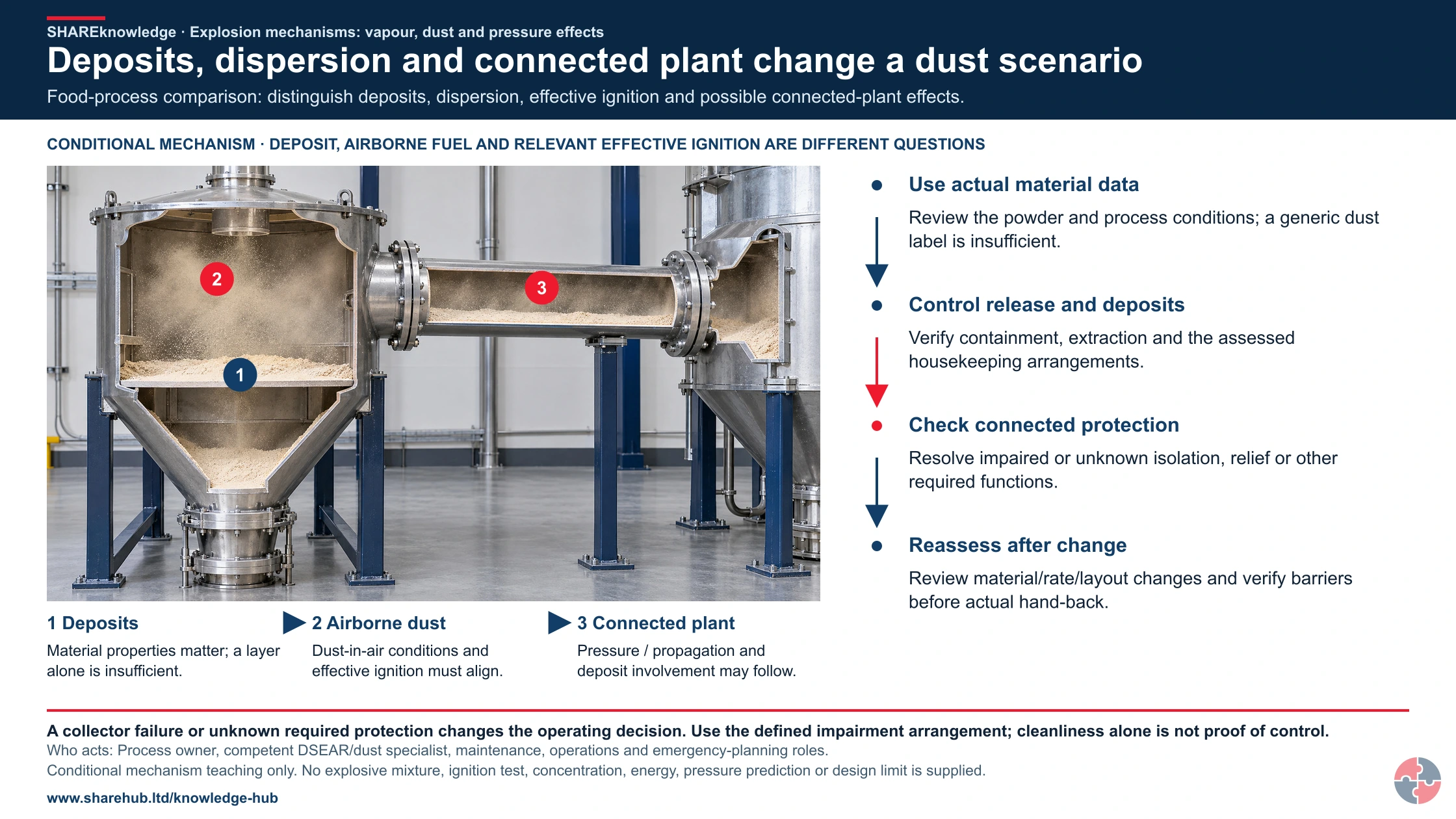
Deposits, dispersion and connected plant change a dust scenario
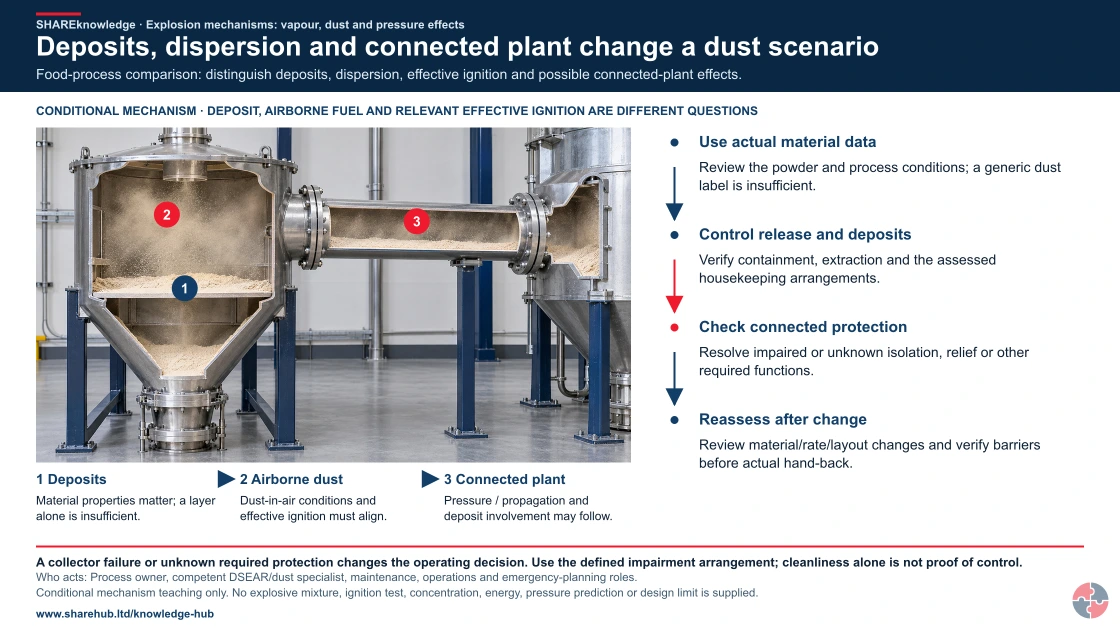
Full written explanation
A new detailed realistic HD educational cutaway makes the fuel-form and physical connection questions visible in representative powder-handling equipment: a settled beige powder deposit rests on a metal ledge, a separate suspended-particle region occupies the enclosure air, and a continuous flanged duct links a second vessel. Thick cut metal edges identify the intentional teaching section, not a damaged or opened operating machine. Native 1/2/3 markers and conditional arrows distinguish deposits, airborne dust and connected-plant escalation questions. A combustible deposit alone is not a complete explosion scenario: material/process properties, dispersion and relevant effective ignition must align; any pressure or propagation and disturbed-deposit involvement remain conditional, not predictions. Confinement can intensify pressure, while absence of confinement does not remove all dust-fire risk. No ignition, flame, blast, numerical concentration, ignition energy, pressure, airflow performance or rated protective scheme is shown. The four unchanged source checks require actual material data, release/deposit control evidence, connected protection readiness, and reassessment/verified hand-back after change. The original collector-failure/unknown-protection impairment hold, accountable roles, cases and full written alternative remain. The already-HD solvent pathway, its private original and all current source/output assets remain exactly unchanged.
Food-process comparison: distinguish deposits, dispersion, effective ignition and possible connected-plant effects.
- Use actual material data. Review the powder and process conditions; a generic dust label is insufficient.
- Control release and deposits. Verify containment, extraction and the assessed housekeeping arrangements.
- Check connected protection. Resolve impaired or unknown isolation, relief or other required functions.
- Reassess after change. Review material/rate/layout changes and verify barriers before actual hand-back.
When the evidence does not fit: A collector failure or unknown required protection changes the operating decision. Use the defined impairment arrangement; cleanliness alone is not proof of control.
Who acts: Process owner, competent DSEAR/dust specialist, maintenance, operations and emergency-planning roles.
Changed workplace
Solvent transfer: Assess release, mixing, ignition and layout.
Flour transfer: Assess material, dispersion, deposits and connected plant.
Evidence check: Conditional mechanism teaching only. No explosive mixture, ignition test, concentration, energy, pressure prediction or design limit is supplied.
Choose the actual mechanism and impairment route
Primary references: HSE: dust explosion hazards and precautions · HSE: dangerous substances and explosive atmospheres
Open the complete HD image (new tab)Download image
Choose the actual mechanism and impairment route
Primary references: HSE: dust explosion hazards and precautions · HSE: dangerous substances and explosive atmospheres
A decision that changes work — part 1 of 3


Read the complete visual as text
- 1. Task and setting: Flour bagging line with dust release, elevated dust layers and a potential ignition source.
- 2. People and prerequisites: Operator, supervisor, process engineer, maintenance and emergency lead; current product properties and DSEAR assessment are available.
- 3. Before the task: Check dust containment, extraction, classified zones, suitable equipment, housekeeping and residual explosion protection.
A decision that changes work — part 2 of 3


Read the complete visual as text
- 1. Check during work: Monitor extraction and dust layers, clean by a safe method and keep ignition sources out of the assessed zone.
- 2. Stop, hold or refer: Stop transfer when extraction or isolation fails, an unassessed dust cloud forms, or protection status is unknown.
A decision that changes work — part 3 of 3


Read the complete visual as text
- 1. Completion and hand-back: Restore barriers, verify maintenance and cleaning, update the assessment after product or rate changes.
- 2. Retained evidence: Product data, zone drawing, inspection and cleaning records, test results, impairment decision and hand-back record.
Crownway Fuels Ltd (worked example). a fuel storage and distribution business with bulk tanks, tanker loading, flammable vapours, hazardous areas, contractors, maintenance, drainage and emergency response arrangements.
Crownway's main explosion scenarios would include tank overfill, tanker loading release, hose failure, pump seal leak, vapour release into drainage, hot work near contaminated equipment, static ignition, vehicle ignition in a hazardous area and fire escalation to tanks or cylinders. The business would not rely on generic fire rules; it would run a dangerous-substance inventory and DSEAR assessment that names each scenario.
Controls would start with inventory and containment: tank design, overfill prevention, compatible hoses, inspection, maintenance and operating limits. Ignition controls would include hazardous area classification, equipment selection, bonding and grounding, hot-work permits, vehicle controls, smoking controls and contractor rules. Emergency controls would include isolation, foam/firewater strategy, evacuation, mutual aid, incident command and drain isolation.
Managers would check performance using inspections, alarm tests, proof tests, housekeeping checks, permit audits, maintenance backlog review, DSEAR action close-out and emergency exercises. Leadership would review weak signals such as nuisance alarms, vapour odour, small leaks, repeated permit defects, missing bonding clamps or deferred safety critical maintenance.
| Management activity | How Crownway would apply it | Evidence produced |
|---|---|---|
| Assess and analyse | Identify vapour, tank, transfer, hot work, drainage and escalation scenarios. | DSEAR assessment and scenario register. |
| Implement barriers | Use overfill protection, containment, ignition control, ventilation, permits and emergency isolation. | Barrier register and performance standards. |
| Train and authorise | Train operators, supervisors, drivers, contractors and permit issuers. | Competence matrix and authorisations. |
| Maintain and inspect | Test alarms, trips, valves, bonding, hazardous area equipment and fire systems. | Inspection, calibration and proof-test records. |
| Contractor management | Set hot-work, vehicle, isolation and hazardous-area rules. | Contractor induction and permit audits. |
| Check and audit | Review DSEAR actions, housekeeping, leaks, odour reports and maintenance backlog. | Audit findings and action tracker. |
| Learn and improve | Use Buncefield learning, near misses and emergency drills to improve barriers. | Leadership review and revised standards. |
A decision that changes work
Task, material and setting: Flour bagging line with dust release, elevated dust layers and a potential ignition source.
People and prerequisites: Operator, supervisor, process engineer, maintenance and emergency lead; current product properties and DSEAR assessment are available.
Before: Check dust containment, extraction, classified zones, suitable equipment, housekeeping and residual explosion protection.
During: Monitor extraction and dust layers, clean by a safe method and keep ignition sources out of the assessed zone.
Hold or stop: Stop transfer when extraction or isolation fails, an unassessed dust cloud forms, or protection status is unknown.
Completion and hand back: Restore barriers, verify maintenance and cleaning, update the assessment after product or rate changes.
Evidence: Product data, zone drawing, inspection and cleaning records, test results, impairment decision and hand-back record.
What distinguishes an explosive atmosphere from an explosion consequence?
Follow the conceptual relationship between fuel, air and ignition, then consider the surroundings. An ATEX boundary does not predict a blast footprint or quantify event severity.
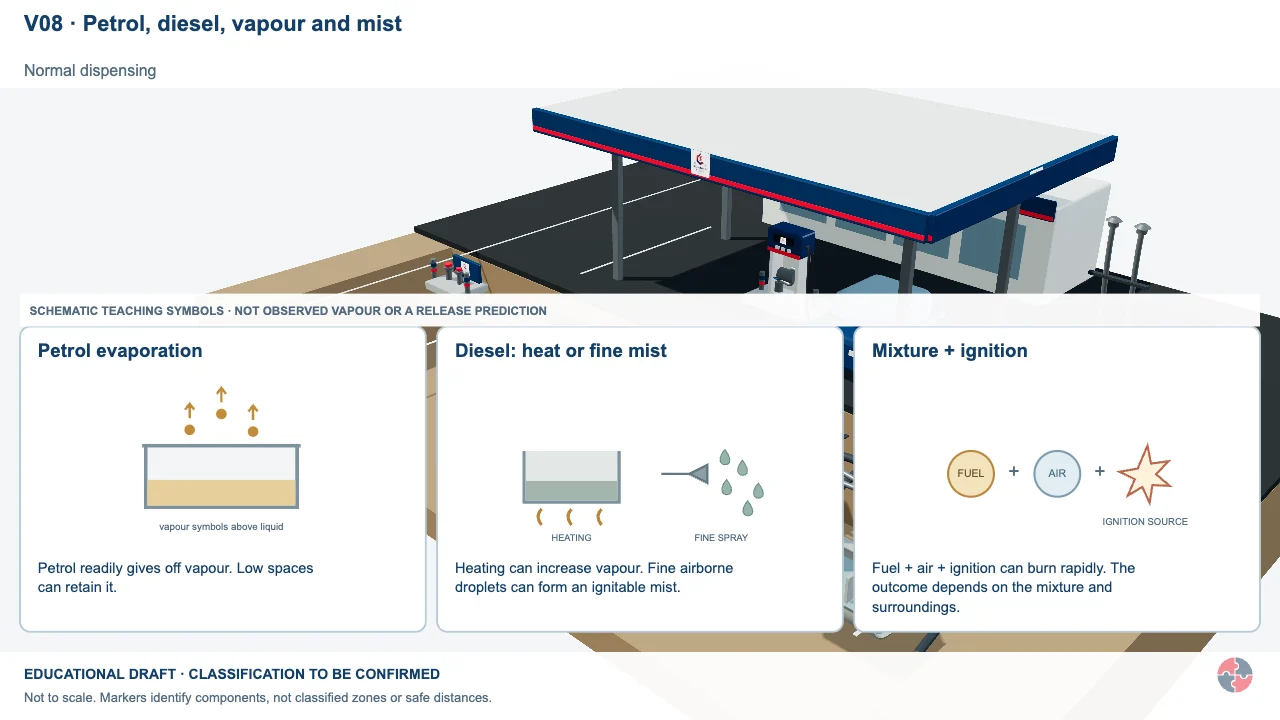

Petrol, diesel, vapour and mist
Compare petrol evaporation, diesel conditions and fine droplets. Petrol carried into a separator can remain a vapour source after the visible forecourt spill has passed.
Activity focus: Identify the actual product and release mechanism. For drainage, ask whether petrol could reach or remain in the separator; for refuelling, confirm the stated Stage II recovery arrangement.
Contextual workplace scene. Use the task, control and evidence checks in this section; appearance alone does not establish safe conditions, individual health or approval.
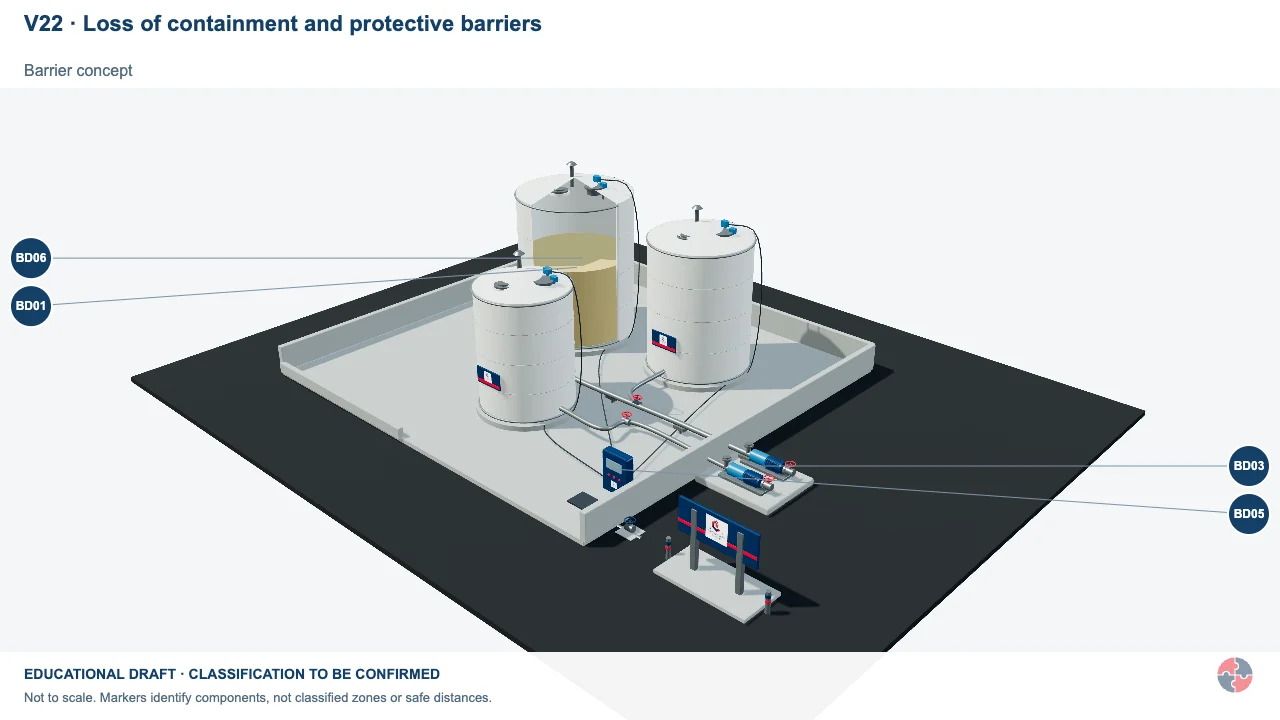
Loss of containment and protective barriers
For a selected transfer loss, examine controls intended to prevent release and controls intended to limit consequences.
Activity focus: Ask what each control does, who maintains it and what evidence shows it can work.
Contextual workplace scene. Use the task, control and evidence checks in this section; appearance alone does not establish safe conditions, individual health or approval.
Educational illustration, not to scale. Coloured zones are teaching examples, not a site-specific hazardous-area classification.
What training and competence are needed for explosion risk?
Training should be tiered from general awareness to specialist DSEAR, hazardous-area, fire risk and process safety competence.
All relevant workers need simple awareness: what substances can burn or explode, why ignition control matters, what labels and SDS warnings mean, how to report leaks or dust accumulation and what to do in an emergency.
People who work directly with flammable liquids, gases, dusts, hot work, fuel transfers or process plant need practical task training. Supervisors and managers need deeper training in DSEAR, permits, maintenance, contractor control, inspection and emergency assumptions.
Specialists completing DSEAR assessments, hazardous area classification, explosion relief design or process safety studies need demonstrable technical competence and should work within their scope.
| Role | Learning | Demonstration | Assessor | Record | Reassess when |
|---|---|---|---|---|---|
| Operator | Recognise dust and stop points | Show release path | Supervisor | Briefing | New product |
| Supervisor | Check housekeeping and extraction | Inspect hidden layers | Site manager | Inspection | Defect |
| Engineer | Design prevention and protection | Explain zone and relief basis | Technical authority | Design file | Modification |
| Maintenance | Preserve equipment protection | Test and hand-back | Engineering lead | Work order | Repair |
| Emergency lead | Exercise blast and fire response | Run evacuation drill | Site lead | Exercise record | Plan change |
| Director | Resource critical controls | Trace action to field evidence | Independent assurance | Review record | Weak signal |
How does this topic support NEBOSH Fire Safety Certificate study?
This topic supports the Fire Safety Certificate by explaining explosive combustion, dust explosions, confined vapour cloud explosions, secondary explosions and consequences.
A strong study answer should define the mechanism and then apply it. For a dust explosion, mention combustible dust, dispersion, concentration, ignition, containment or congestion, primary and secondary explosion, housekeeping, LEV, ignition control and explosion relief. For vapour clouds, mention release, dispersion, flammable range, ignition, congestion, overpressure and emergency arrangements.
Scenario questions may describe flammable liquid storage, LPG cylinders, woodworking dust, flour handling, spray painting, hot work, battery charging or process plant. The answer should identify dangerous substances, ignition sources, people at risk, DSEAR controls, fire precautions and evidence.
| Study area | What to explain | Scenario application |
|---|---|---|
| Explosive combustion | Rapid combustion with pressure effects. | Explain why flammable mixture and ignition matter. |
| Dust explosions | Dispersed combustible dust ignites and may create secondary explosions. | Apply housekeeping, extraction and ignition control. |
| Vapour cloud explosions | Flammable vapour release disperses and ignites. | Apply release prevention, ventilation and hazardous area controls. |
| Secondary explosions | Initial blast lifts settled dust into larger cloud. | Treat dust layers as serious safety issue. |
| BLEVE | Heated pressurised vessel ruptures violently. | Apply separation, cooling and emergency exclusion. |
| Legal duties | DSEAR and fire safety risk assessment. | Link controls to official duties and evidence. |
How do management frameworks support this topic?
HSE’s Plan–Do–Check–Act guidance helps assign ownership, deliver controls, check evidence and improve weak arrangements. Apply the relevant legal duties and task-specific technical evidence separately.
Official management guidance: HSE Managing for health and safety (HSG65)
| Framework | Status and scope | Contribution | Limit |
|---|---|---|---|
| HSE HSG65 | GB regulator management guidance | Plan, do, check and act with evidence of current control | Apply to the actual high-consequence scenario. |
What are the warning signs that explosion risk is not controlled?
Warning signs include vapour odours, dust layers, poor housekeeping, uncontrolled hot work, blocked vents, missing DSEAR actions and poor maintenance.
These warning signs can turn into harm because they create one side of the explosion triangle or pentagon: fuel, dispersion, oxidant, ignition and confinement. For example, a thin-looking layer of dust may be enough to fuel a secondary explosion if dispersed by a small primary event.
Supervisors should respond to warning signs quickly. If there is a smell of solvent or fuel, unexplained dust escape, missing bonding clamp, blocked ventilation, damaged ATEX equipment or hot work without isolation, the correct response is to stop and make safe.
| Warning sign | How it can cause harm | Response |
|---|---|---|
| Persistent vapour odour | Release may form a flammable atmosphere. | Stop source, ventilate and investigate. |
| Dust layers on beams or equipment | Secondary explosion fuel is present. | Clean safely and fix dust escape. |
| Hot work near residues | Ignition of vapour or dust. | Apply permit, cleaning, isolation and testing. |
| Blocked explosion relief | Pressure cannot vent safely. | Remove obstruction and inspect relief system. |
| Damaged hazardous-area equipment | Electrical ignition source may be introduced. | Isolate, repair and inspect. |
| Missing DSEAR review after change | Controls may no longer match the process. | Review assessment and update controls. |
| Poor contractor induction | Contractor may introduce ignition or defeat controls. | Brief, supervise and audit contractors. |
| Overdue maintenance on safety critical equipment | Detection, ventilation or isolation may fail on demand. | Escalate as barrier impairment. |
Chemical hazard symbols: what do they mean?
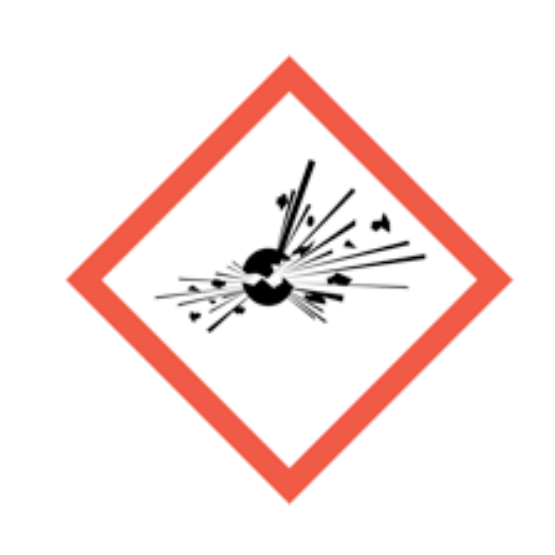
Exploding bomb
Explosive, self-reactive or organic peroxide hazards.
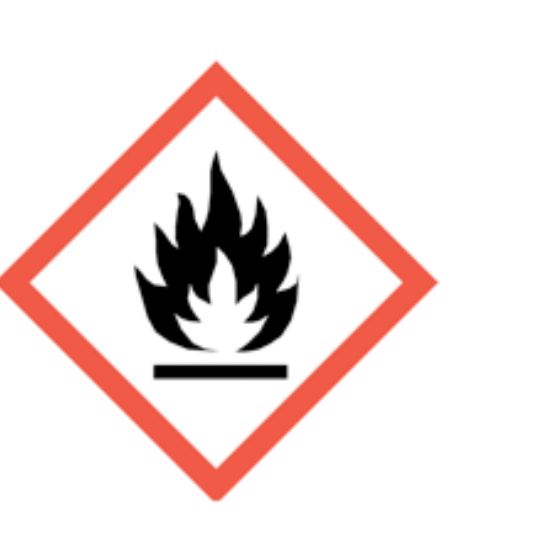
Flame
Flammable, self-heating or pyrophoric substances.
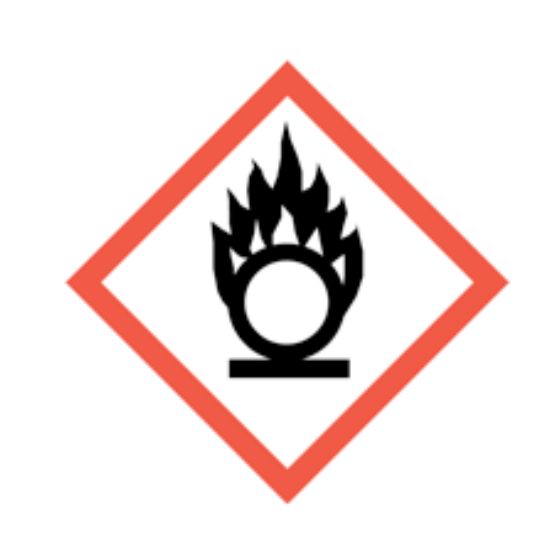
Flame over circle
Oxidising substances that can intensify fire.

Gas cylinder
Gas under pressure.
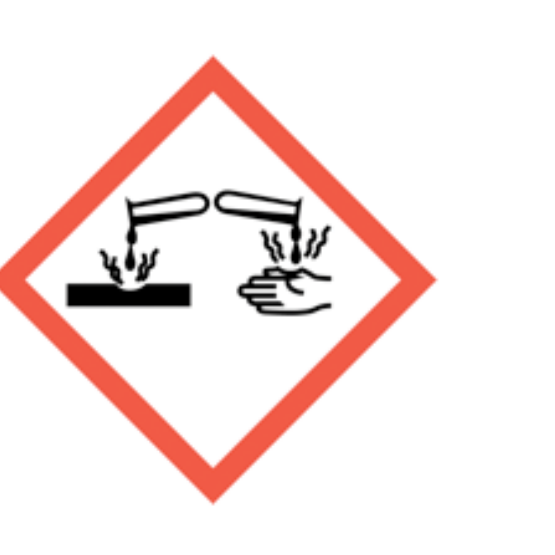
Corrosion
Skin burns, eye damage or corrosive to metals.
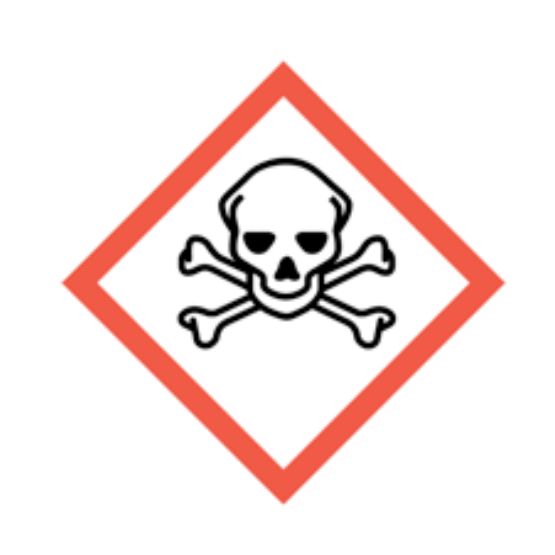
Skull and crossbones
Acute toxicity.
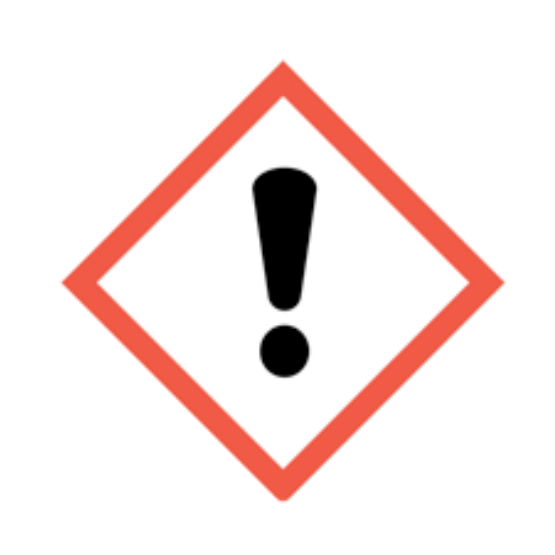
Exclamation mark
Irritation, harmful effects or skin sensitisation; some classifications cover drowsiness, dizziness or ozone-layer hazard. Read the actual hazard statements. Skin sensitisation differs from respiratory sensitisation.
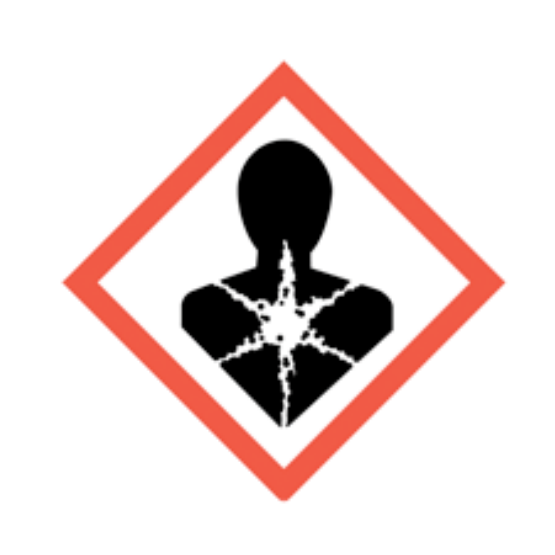
Health hazard
Serious health hazards, including organ damage, aspiration hazard, respiratory sensitisation, cancer and reproductive effects; some can follow a single exposure.
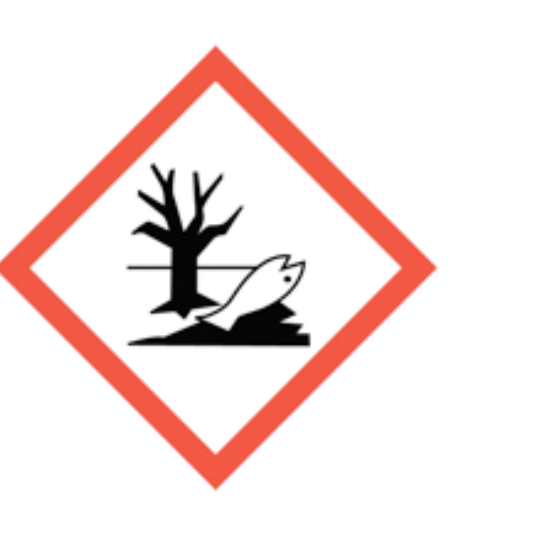
Environment
Hazardous to the aquatic environment.
What do the acronyms and key terms mean?
Acronyms should be defined so readers can follow DSEAR and fire science without specialist assumptions.
| Term | Meaning | Why it matters |
|---|---|---|
| ATEX | Equipment and protective systems intended for explosive atmospheres. | Relevant to hazardous area equipment suitability. |
| BLEVE | Boiling liquid expanding vapour explosion. | High-consequence pressure vessel failure scenario. |
| COMAH | Control of Major Accident Hazards Regulations. | Applies to qualifying major hazard sites. |
| DSEAR | Dangerous Substances and Explosive Atmospheres Regulations. | Core workplace fire and explosion risk law. |
| LEL | Lower explosive limit. | Lowest concentration that can propagate flame. |
| LEV | Local exhaust ventilation. | Can control dusts, vapours and fumes at source. |
| LPG | Liquefied petroleum gas. | Common flammable pressurised gas. |
| SDS | Safety data sheet. | Source of substance properties and hazards. |
| UEL | Upper explosive limit. | Highest concentration that can propagate flame. |
| VCE | Vapour cloud explosion. | Explosion after flammable vapour cloud ignition. |
| HSSE | Health, safety, security and environment. | A common organisation function label; it is not a legal dutyholder. |