SHARE Knowledge Hub
Platinum Compounds and Platinum Salt Sensitisation
Soluble chloroplatinates and related salts can sensitise the airways. Focus on the exact compound, contained transfer, residues and exposure of cleaners and maintenance staff; elemental platinum metal is a different exposure. New respiratory or skin symptoms need occupational-health review and control reassessment.
Understanding Platinum Compounds and Platinum Salt Sensitisation
The principal occupational danger from platinum compounds is sensitisation to soluble halogeno-platinum salts, especially chloroplatinates used or formed in precious-metal refining and catalyst and electrode manufacture. Sensitised workers can develop rhinitis, conjunctivitis, wheeze and occupational asthma after further exposure. Platinum metal and every platinum compound must not be collapsed into one hazard category.
Why this matters at work
Retain the compound/species evidence, task, exposed groups, observed release, control configuration, raw monitoring data and analytical limits. Distinguish total Pt, soluble fraction, coordination structure and surface residue questions. Record interim restrictions, repair or redesign, responsible owner and acceptance tests for real charging, opening, cleaning and waste conditions. Keep examination/repair records separate from identifiable personal-exposure records and clinical notes under the applicable national requirements.
Stop salt-generating work if an enclosure opens unexpectedly, LEV flow fails, a filter or vessel leaks, a spill becomes airborne, monitoring shows uncontrolled exposure or workers develop work-linked symptoms. Move people away from the release, isolate the area and use trained response staff with the assessed PPE and waste method. Do not dry sweep a powder spill.
How organisations manage this in practice
A platinum-salt control programme should be reviewed as a system, not as a collection of compliant samples. Compare process changes, LEV defects, spills, surface contamination, air results, surveillance findings, symptoms and contractor feedback. Look for repeated short releases at the same point even if eight-hour averages remain below the WEL. Review whether the ALARP case still stands when new engineering options are available.
Handling pauses while a competent chemist reviews process and residue data and determines suitable testing. The employer designs containment and cleaning for the credible mixture, then selects monitoring and controls on evidence. If clean metal is verified, the metal entry can be applied to that defined material; if soluble salt remains, the corresponding controls and limit are relevant. The decision is documented for all future drums and reopened after an upstream process change.
Before opening equipment, define the chemical history, likely residue, cleaning or decontamination status, containment, ventilation, PPE and waste route. Give the maintenance team task-specific information and stop criteria. Verify cleaning rather than relying on a handover statement that the line is empty. Use occupational hygiene input where a first opening may create a peak. Review whether surveillance should include regular maintenance workers who are exposed or likely to be exposed to an asthmagen.
What should readers understand before using this page?
This page is workplace guidance, not medical advice; suspected occupational asthma or sensitisation needs occupational health or medical assessment.
Platinum salt sensitisation is a serious occupational-health issue because once a worker becomes sensitised, very small exposures may trigger symptoms. A worker who develops work-related wheeze, chest tightness, rhinitis, eye irritation, urticaria or skin reactions should not simply be told to wear a mask and carry on.
For the reported respiratory and skin responses, see HSE Asthmagen Compendium C5; for occupational-asthma symptoms and low-level reactions after sensitisation, see HSE asthma overview.
The workplace role is to prevent exposure, investigate symptoms early, protect confidentiality, obtain competent occupational health advice and review controls. Diagnosis, fitness, treatment and decisions about removal from exposure must be handled by qualified health professionals with suitable information about the job and exposure history.
| Workplace concern | Why it matters | Workplace response |
|---|---|---|
| Work-related wheeze or chest tightness | May indicate occupational asthma from sensitisation. | Stop and review exposure, refer to OH/medical support and reassess controls. |
| Runny nose, eye irritation or urticaria after handling salts | Can be early sensitisation or exposure warning. | Escalate early; do not normalise symptoms. |
| Dermatitis or glove contamination | Skin exposure may contribute to disease and secondary contamination. | Review gloves, hygiene, changing, waste and laundry arrangements. |
| Confirmed sensitisation | Further exposure can provoke increasingly severe reactions. | Use competent OH advice, redeployment/removal decisions and control review. |
What are platinum compound diseases?
Soluble chloroplatinates and related salts can cause occupational asthma and may be associated with rhinitis, conjunctivitis and skin reactions. See HSE Asthmagen Compendium C5 and HSE asthmagen list.
The practical distinction is between relatively inert metallic platinum and soluble platinum salts such as chloroplatinates. HSE lists chloroplatinates and other halogenoplatinates as substances that can cause occupational asthma, particularly during platinum refining and the manufacture of catalysts and electrodes.
Sensitisation means the immune system has become reactive to the substance. Early symptoms may seem minor, such as rhinitis or eye irritation, but repeated exposure can progress to asthma. This is why the control standard for soluble platinum salts should be closer to an asthmagen control programme than a simple nuisance-dust programme.
The assessment should identify the agent, the route into the body, the immune mechanism, the occupations at risk, the controls, the health surveillance trigger and what evidence would show that controls are working.
| Element | Detail | Management implication |
|---|---|---|
| Hazardous form | Soluble platinum salts, especially chloroplatinates and other halogenoplatinates. | Do not treat all platinum-containing material as the same risk. |
| Main health outcome | Respiratory sensitisation, rhinitis, conjunctivitis, urticaria, dermatitis and occupational asthma. | Use early reporting and health surveillance. |
| Main route | Inhalation of dust, mist or aerosol; skin contact can also matter. | Control airborne and surface contamination. |
| High-risk sectors | Platinum refining, catalyst manufacture, electrode production, precious-metal recovery and laboratories. | Target process-specific COSHH controls. |
| Key control standard | Containment, LEV, hygiene, competent monitoring, health surveillance and quick symptom escalation. | Audit controls as health-critical barriers. |
How can the hierarchy of controls reduce platinum-salt exposure and sensitisation risk?
Eliminate, Reduce, Isolate, Control, personal protective equipment (PPE) and Discipline (ERICPD) are prompts for choosing and checking controls. In a catalyst plant transferring soluble chloroplatinate powder, material can become airborne during opening, weighing, charging and cleaning. Dust can reach the airways, eyes and skin of operators and maintenance staff; sensitisation can develop, so the absence of obvious dust is not proof of control. Elemental platinum metal and soluble halogenoplatinate salts must not be treated as the same exposure. HSE’s five levels and ERICPD guide a task-specific control choice under COSHH.
Eliminate: the process owner checks whether the catalyst process can avoid the soluble sensitising salt or receive a ready-prepared intermediate without local powder transfer. Chemistry, quality, supply and new hazards must be verified before changing a process. If an alternative removes the transfer without moving exposure elsewhere, document the design decision.
Substitute and reduce: where the chemistry requires platinum salt, evaluate a less dusty physical form, pre-weighed pack or smaller contained batch. Procurement and process chemistry verify compatibility and authorisation; a different platinum compound is not assumed non-sensitising. Test dust release during a controlled trial before accepting the change.
Isolate and engineer: use closed charging or a suitable enclosure with local exhaust ventilation at the opening and a contained waste route. The operator checks seals, pressure/flow indication and transfer connections before charging; the competent owner maintains and tests the system and uses suitable exposure or surface checks. A damaged seal, failed flow or uncontrolled powder release stops the transfer and triggers containment and investigation.
Control, PPE and Discipline: restrict access, separate clean and contaminated areas, forbid dry brushing, and brief maintenance and cleaners on hidden residues. Select chemical-compatible gloves, protective clothing and respiratory protection for residual or non-routine work based on the substance assessment, fit and maintenance; PPE cannot replace containment. A worker’s respiratory or skin symptoms require prompt occupational-health review and exposure-control reassessment, not self-diagnosis or routine return to the same task.
Direct source: HSE occupational asthma substances
Direct source: HSE occupational asthma employer advice
Direct source: HSE hierarchy of controls
Direct source: HSE COSHH assessment
How can the ERICPD hierarchy of controls reduce platinum-salt exposure and sensitisation risk?

| ERICPD control level | Topic-specific example | Source and full task context |
|---|---|---|
| Eliminate | Avoid local sensitising-powder transfer where a feasible contained supply/process removes it. | Read the full task example, checks and stop points on this page. soluble chloroplatinate powder · closed charging · HSE hierarchy of controls · HSE COSHH assessment |
| Reduce | Assess a safer physical form or substance; a different platinum compound is not automatically non-sensitising. | Read the full task example, checks and stop points on this page. soluble chloroplatinate powder · closed charging · HSE hierarchy of controls · HSE COSHH assessment |
| Isolate | Use closed charging/enclosure and verified effective LEV to prevent release and contamination. | Read the full task example, checks and stop points on this page. soluble chloroplatinate powder · closed charging · HSE hierarchy of controls · HSE COSHH assessment |
| Control | Control clean/dirty zones, maintenance opening, cleaning, sealed waste and access through defined procedures. | Read the full task example, checks and stop points on this page. soluble chloroplatinate powder · closed charging · HSE hierarchy of controls · HSE COSHH assessment |
| PPE | Select compatible residual respiratory/skin/eye protection with suitable fit and contamination controls. | Read the full task example, checks and stop points on this page. soluble chloroplatinate powder · closed charging · HSE hierarchy of controls · HSE COSHH assessment |
| Discipline | Check flow and actual work; stop on failure and use the defined OH/symptom escalation route. | Read the full task example, checks and stop points on this page. soluble chloroplatinate powder · closed charging · HSE hierarchy of controls · HSE COSHH assessment |
How can the ISO 45001 hierarchy of controls reduce platinum-salt exposure and sensitisation risk?

| ESEAP control level | Topic-specific example | Source and full task context |
|---|---|---|
| Elimination | Avoid local sensitising-powder transfer where a feasible contained supply/process removes it. | Read the full task example, checks and stop points on this page. soluble chloroplatinate powder · closed charging · HSE hierarchy of controls · HSE COSHH assessment |
| Substitution | Assess a safer physical form or substance; a different platinum compound is not automatically non-sensitising. | Read the full task example, checks and stop points on this page. soluble chloroplatinate powder · closed charging · HSE hierarchy of controls · HSE COSHH assessment |
| Engineering controls | Use closed charging/enclosure and verified effective LEV to prevent release and contamination. | Read the full task example, checks and stop points on this page. soluble chloroplatinate powder · closed charging · HSE hierarchy of controls · HSE COSHH assessment |
| Administrative controls | Control clean/dirty zones, maintenance opening, cleaning, sealed waste and access through defined procedures. | Read the full task example, checks and stop points on this page. soluble chloroplatinate powder · closed charging · HSE hierarchy of controls · HSE COSHH assessment |
| PPE | Select compatible residual respiratory/skin/eye protection with suitable fit and contamination controls. | Read the full task example, checks and stop points on this page. soluble chloroplatinate powder · closed charging · HSE hierarchy of controls · HSE COSHH assessment |
Why does the form of platinum matter?
The form of platinum changes the health risk, exposure route and control standard, so metallic platinum, soluble salts and contaminated catalyst residues should not be treated as one hazard. See HSE occupational asthma substances.
A common learning error is to see the word platinum and assume the risk is the same in jewellery, laboratory salts, catalyst manufacture and refining residues. The occupational asthma concern is strongest for soluble complex platinum salts, especially chloroplatinates and related halogenoplatinates. Metallic platinum may be handled as a solid with much lower sensitisation potential, while catalyst and refining residues can contain soluble salts on dust, filters, vessels, clothing or waste.
This matters operationally because the control strategy follows the form. Solid metal handling may focus on general metalworking controls, but soluble salts need containment, LEV, strict hygiene, contamination zoning, health surveillance and rapid symptom escalation. Catalyst/refining work needs particular attention to non-routine cleaning, maintenance, filter changes and contractor exposure because residues may be hidden until plant is opened.
| Platinum form or exposure context | Typical workplace source | Main concern | Control emphasis |
|---|---|---|---|
| Metallic platinum | Jewellery, solid components, electrodes or finished metal articles. | Usually lower sensitisation concern unless dust/fume or compounds are generated. | Task assessment, metal dust/fume controls where relevant and good hygiene. |
| Soluble platinum salts | Chloroplatinates, halogenoplatinates, laboratory reagents, refining solutions and catalyst precursors. | Respiratory and skin sensitisation, rhinitis, conjunctivitis, urticaria, dermatitis and occupational asthma. | Closed handling, fume cupboard/LEV, clean/dirty zoning, surface control and health surveillance. |
| Catalyst manufacture | Powder weighing, solution make-up, impregnation, drying, filter change and waste handling. | Repeated low-level exposure, peak releases and contaminated surfaces. | Enclosed transfer, validated LEV, controlled cleaning, PPE/RPE compatibility and symptom escalation. |
| Precious-metal refining | Dissolution, precipitation, filtration, residues, furnace/chemical interfaces and maintenance. | Mixed chemical, corrosive, aerosol and sensitiser exposure. | COSHH process review, competent monitoring, decontamination and maintenance permits. |
| Laboratory handling | Small-scale weighing, ampoules, stock solutions, analytical samples and waste pots. | Frequent small tasks where technique determines exposure. | Fume cupboard use, sealed containers, spill route and trained supervision. |
| Cleaning and contractor work | Opening equipment, changing filters, cleaning ducts or handling contaminated PPE/waste. | Hidden residues released by people who may not know the sensitiser risk. | Pre-job decontamination, permits, briefing, supervision and waste control. |
How does platinum salt sensitisation develop?
Platinum salt sensitisation develops when exposure to soluble platinum salts triggers an immune response that can later cause symptoms at very low exposures.
The learning point is that sensitisation is not the same as ordinary irritation. A worker may tolerate early exposure, then become sensitised after workplace exposure; both airborne and surface contamination require assessment. Once sensitised, the person may react to much smaller amounts than before, and symptoms can appear during work, after work, at night or when returning after a break.
For the reported respiratory and skin responses, see HSE Asthmagen Compendium C5; for occupational-asthma symptoms and low-level reactions after sensitisation, see HSE asthma overview.
This is why platinum salt work needs early symptom reporting and health surveillance. Waiting until a worker has established asthma is a management failure. A mature control programme looks for early rhinitis, eye irritation, urticaria, dermatitis or chest symptoms and then reviews exposure routes before disease progresses.
| Pathway stage | What happens | Management action |
|---|---|---|
| Soluble salt exposure | Dust, mist, solution or residue reaches the breathing zone, skin or eyes. | Contain the task and control contamination before relying on PPE. |
| Repeated or peak exposure | Routine small releases, cleaning tasks or uncontrolled maintenance build exposure opportunity. | Assess non-routine tasks as carefully as normal production. |
| Immune sensitisation | The immune system becomes reactive to platinum salt exposure. | Use health surveillance and early symptom reporting. |
| Early symptoms | Rhinitis, itchy eyes, urticaria, cough or chest tightness may appear. | Escalate quickly and review controls; do not dismiss as hay fever. |
| Established occupational asthma | Further exposure may trigger more serious respiratory symptoms. | Use competent OH advice and consider removal from exposure. |
| Control learning | Symptoms show the control system may be failing. | Feed anonymised health learning into COSHH, LEV, hygiene and training review. |
How can workers be exposed to platinum salts?
Exposure happens when soluble platinum salts become airborne, contaminate surfaces or transfer onto skin, clothing and personal items.
The highest-risk tasks are often small and routine: weighing a powder, opening a vessel, taking a sample, cleaning a filter, emptying a vacuum, changing a bag, washing down a bench, or handling contaminated PPE. These tasks may not look dramatic, but they can place platinum salt directly in the breathing zone or on the skin.
A competent assessment should walk the process from receipt to disposal: how the material arrives, where it is stored, how it is opened, how it is transferred, how spills are controlled, how cleaning is done, how waste is sealed, and how workers leave the area without carrying contamination into clean spaces.
| Route | Workplace examples | Control focus |
|---|---|---|
| Inhalation | Weighing powders, dry transfer, filter cleaning, catalyst handling, contaminated vacuum emptying. | Closed handling, LEV, damp methods where suitable and exposure monitoring. |
| Skin contact | Contaminated gloves, sleeves, benches, tools, door handles and sample containers. | Glove selection, clean/dirty zoning, handwashing and surface cleaning. |
| Eye exposure | Dust, mist or splash during solution preparation and cleaning. | Containment, splash control, eye protection and eyewash provision. |
| Ingestion transfer | Contaminated hands, PPE or welfare areas. | No eating/drinking in work areas and strong hygiene control. |
| Take-home contamination | Contaminated clothing or personal items leaving the area. | Changing, laundry, storage separation and clean routes. |
What controls are needed for different platinum salt tasks?
Task mapping helps managers apply the right control standard to production, laboratory, cleaning and maintenance work.
A closed powder charge, maintenance opening and waste change each expose different people and pathways. Select the control for that step, assign an owner, and verify the seal, flow and residue boundary before handing the plant on.
| Task | Specific exposure risk | Control standard |
|---|---|---|
| Powder weighing | Fine soluble salt dust in the breathing zone. | Enclosed weighing, balance extraction, slow transfer, clean tools and respiratory surveillance. |
| Solution make-up | Splash, mist, contaminated containers and skin transfer. | Fume cupboard or contained bench, splash control, compatible gloves and eyewash. |
| Catalyst charging/discharge | Dust or residue release from drums, bags, hoppers, filters or vessels. | Closed transfer, LEV, damp methods where suitable, exclusion and waste control. |
| Filter change and baghouse work | High-residue maintenance task with hidden contamination. | Permit, decontamination, specialist PPE/RPE, controlled waste and post-job cleaning verification. |
| Laboratory sampling | Small quantities handled frequently with variable technique. | Defined sample route, labelled containers, fume cupboard and spill plan. |
| Contractor maintenance | Contractors may not know residues are sensitising. | Pre-job briefing, decontamination certificate, permit and supervision. |
| Housekeeping | Dry residues can be re-suspended or spread to clean areas. | Vacuum/wet methods, no dry sweeping, surface checks and clean/dirty zoning. |
Where do controls need to sit in the workflow?
Controls must cover the whole platinum-salt lifecycle, not only the production step.
Follow the salt from receipt to weighing, transfer, process, cleaning and disposal. A contained charge can still leave residue on a bag, glove or service component, so the clean/dirty boundary must include cleaners and maintenance staff.
| Workflow stage | What could go wrong | Good control |
|---|---|---|
| Receipt and storage | Damaged container or poor segregation. | Sealed containers, clear labelling, inventory and secondary containment. |
| Weighing and dispensing | Dust enters breathing zone. | Enclosed balance, local extraction, slow transfer and cleaned tools. |
| Solution preparation | Splash, mist or contaminated vessel outside containment. | Fume cupboard/LEV, splash control and closed containers. |
| Catalyst handling | Dust and residues released during charging or discharge. | Contained transfer, LEV, wet methods where suitable and exclusion. |
| Maintenance and cleaning | Hidden residues disturbed by contractors. | Decontamination certificate, permit, briefing and controlled cleaning. |
| Waste handling | Dry residues or contaminated PPE handled casually. | Sealed waste route, trained handlers and contaminated PPE disposal/laundry. |
When should platinum salt work stop or escalate?
Work should stop or escalate when symptoms, contamination, containment failure or uncertainty suggest sensitisation risk is no longer controlled.
A failed airflow indicator, leaking transfer or unexplained residue is a barrier failure even if nobody is coughing. Contain the release and reassess the task; respiratory or skin symptoms need confidential occupational-health escalation and feedback to the control owner.
| Trigger | Why it matters | Response |
|---|---|---|
| Worker reports work-related wheeze, chest tightness or repeated rhinitis | Could indicate early sensitisation or occupational asthma. | Remove from exposure pending advice, refer to OH and review controls. |
| LEV/fume cupboard not working or alarmed | Airborne sensitiser may enter breathing zone. | Stop the task until capture is restored and verified. |
| Visible dust or residue outside controlled zone | Containment and housekeeping have failed. | Clean by controlled method and investigate source. |
| Unplanned maintenance on contaminated plant | Residues may be disturbed without proper control. | Use permit, decontamination and task-specific PPE/RPE. |
| No suitable health surveillance for exposed workers | Early disease may be missed. | Pause new exposure arrangements until surveillance programme is in place. |
| Contractor unaware of platinum salt hazard | Wrong cleaning or opening method can release sensitiser. | Rebrief, reauthorise and supervise before work continues. |
How should health surveillance be used?
Health surveillance should identify early signs of sensitisation and feed back into exposure-control review.
For asthmagens, health surveillance is not a tick-box medical appointment. It is part of the control system. Baseline respiratory information, periodic questionnaires, lung-function checks where appropriate, symptom reporting and competent interpretation can identify early work-related patterns before disease becomes severe.
The results should be handled confidentially. Managers need fitness and control feedback, not private medical detail. If surveillance suggests work-related symptoms, the employer should review exposure urgently, investigate controls and seek competent advice on whether the worker can remain in exposure.
| Element | Purpose | Evidence expected |
|---|---|---|
| Baseline assessment | Identify pre-existing respiratory or skin issues before exposure. | Confidential OH record and fitness/control advice. |
| Early follow-up | Detect symptoms soon after starting high-risk work. | Questionnaire and action pathway. |
| Periodic review | Look for work-related rhinitis, asthma, urticaria or dermatitis. | Surveillance schedule and trend review. |
| Symptom escalation | Avoid progression from early sensitisation to asthma. | Stop/review trigger and OH referral. |
| Control feedback | Use health findings to check whether exposure controls are failing. | COSHH review and action tracker. |
| Confidentiality | Protect medical records from line-management access. | UK GDPR/Data Protection Act boundary. |
OH should specify the platinum-salt-specific early and periodic protocol, interval, action route and whether specialist sensitisation testing is indicated. Managers must not diagnose or perform such testing. Keep confidential clinical records separate from the employer’s surveillance/fitness record and apply the required retention arrangements.
How could sensitisation develop in catalyst manufacture?
A catalyst scenario shows why low-level repeated exposure and poor hygiene can create serious disease.
A new catalyst technician weighs chloroplatinate powder in a small room, wipes benches dry and removes gloves after leaving the room. The LEV hood is present but the worker often handles containers just outside the capture zone. After several weeks, the worker develops sneezing and itchy eyes during shifts, then later wheeze after cleaning a filter. A weak response would be to issue a disposable mask and continue. A competent response would stop the exposure route, review LEV performance and working position, clean contaminated surfaces, check glove and changing controls, refer to occupational health and review whether other workers are affected.
| Stage | Weak practice | Competent response |
|---|---|---|
| Weighing | Open weighing near, but not inside, effective capture. | Use enclosure/capture correctly and verify airflow. |
| Cleaning | Dry wiping and brushing residues. | Use controlled cleaning that avoids airborne dust. |
| PPE | Gloves contaminated outside the room. | Define donning/doffing, disposal and clean routes. |
| Symptoms | Rhinitis treated as hay fever. | Escalate work-related symptom pattern early. |
| Assurance | No exposure trend review. | Review monitoring, health surveillance and task observation. |
Operational example and hold points
Task material and setting: Charge soluble chloroplatinate powder into a catalyst vessel.
People and prerequisites: Operator, maintenance worker, supervisor, process owner and occupational health lead; compound identity and contained-transfer assessment confirmed.
Before: Verify chemical form, enclosed-transfer connections, seals and airflow indication.
During: Keep the transfer closed, monitor pressure or flow, protect the clean/dirty boundary and prevent residue spread.
Hold or stop: Failed airflow, leaking seal, visible powder or new respiratory or skin symptoms.
Completion and hand back: Contain and decontaminate the route, investigate a failed barrier and restrict return to work until competent reassessment.
Evidence: Substance assessment, enclosure test, pre-use check, exposure or surface monitoring where justified, maintenance record and confidential health referral.
How should platinum compound exposure be controlled?
Controls should prevent airborne and skin exposure first, then use PPE and health surveillance as supporting layers.
This section turns legal language into workplace control. The examples show how broad duties become risk assessment, competent help, consultation, maintenance and review evidence.
| Control layer | Practical example | Evidence to check |
|---|---|---|
| Eliminate/substitute | Use less sensitising form or closed supply where feasible. | Substitution review. |
| Contain | Closed transfer, enclosed weighing, sealed waste and covered vessels. | Design drawings and observation. |
| Engineer | LEV/fume cupboards matched to task and tested. | TExT, airflow checks and smoke/capture observations. |
| Organise | Clean/dirty zoning, controlled maintenance, exclusion and written method. | Procedure and supervision checks. |
| Hygiene | Handwashing, changing, no eating/drinking, contaminated laundry route. | Welfare and housekeeping inspections. |
| PPE/RPE | Task-specific gloves, coveralls, eye protection and RPE where residual risk remains. | Selection, fit testing and maintenance records. |
| Surveillance | Respiratory/skin surveillance for exposed workers. | Confidential OH programme and control feedback. |
Why is RPE not enough for platinum salts?
RPE can support residual-risk control, but it cannot make an uncontrolled sensitiser process acceptable.
Soluble platinum salts can sensitise workers through breathing-zone exposure, skin contact and contaminated surfaces. RPE only protects the wearer during the period it is correctly selected, fitted, worn and maintained. It does not stop contamination settling on benches, gloves, sleeves, door handles, waste bags or shared tools, and it does not protect other people who enter the area later.
For that reason, RPE should be treated as one layer in a stronger COSHH control system. If the task still creates visible dust, uncontrolled mist, contaminated surfaces or repeated symptoms, the answer is not simply a better mask. The employer should challenge enclosure, LEV performance, working position, cleaning method, task sequencing, waste handling, hygiene and whether soluble salt work can be redesigned.
| RPE limitation | Why it matters for platinum salts | Stronger control question |
|---|---|---|
| Fit depends on the person | Facial shape, stubble, eyewear and donning technique can break the seal. | Can the task be enclosed or captured so less RPE reliance is needed? |
| It does not control surfaces | Soluble salts can contaminate benches, gloves, PPE, tools and welfare routes. | Are clean/dirty zones, cleaning methods and surface checks working? |
| It protects only the wearer | Other workers, cleaners or contractors may be exposed later. | Is access controlled and has post-task cleaning been verified? |
| Filters and masks degrade | Damaged, wet, clogged or wrongly selected RPE may fail. | Is there a filter, inspection, storage and replacement system? |
| It can hide a failing process | Workers may appear protected while exposure remains uncontrolled. | Do monitoring and surveillance show the process is genuinely controlled? |
What evidence shows platinum compound risk is controlled?
Evidence should prove that exposure routes are understood, controls are effective and symptoms trigger action.
Evidence should be read as a chain rather than a filing exercise. A single record rarely proves good management on its own; stronger assurance comes from matching records, observations, interviews, trends and verified action closure.
| Evidence | What good looks like | Weakness to challenge |
|---|---|---|
| COSHH assessment | Identifies soluble salts, routes, asthmagen risk, tasks and affected people. | Generic metal-dust assessment. |
| Task observation | Shows work is inside the capture zone and contamination is controlled. | LEV present but not used correctly. |
| Exposure monitoring | Personal/static monitoring interpreted by competent person. | Numbers filed without control decisions. |
| Health surveillance | Baseline, periodic review, escalation and control feedback. | Workers self-report symptoms informally only. |
| Housekeeping | No dry sweeping, controlled waste, clean tools and surfaces. | Visible residue on benches and door handles. |
| Contractor control | Maintenance workers briefed on residues and decontamination. | Contractors open contaminated equipment without warning. |
| Action tracking | Defects and symptoms linked to corrective action. | Repeated symptoms with no system change. |
GB lookup, checked 19 October 2026: halogeno-platinum compounds directly coordinated to halides have an 8-hour TWA of 0.002 mg/m³ as Pt, with Sen notation. Confirm exact identity; a WEL is not a safe sensitisation threshold, and asthmagen exposure must be reduced as low as reasonably practicable. A hygienist selects sampling/analysis and interprets routine/peak exposure. Do not infer a surface-wipe pass limit or automatically export GB values to NI. HSE EH40 platinum salt limit
Which legal duties apply to platinum compound exposure?
Platinum compound exposure is controlled mainly through the Control of Substances Hazardous to Health (COSHH) Regulations, workplace exposure limits (WELs), health surveillance and general safe-system duties.
The rows distinguish Great Britain and Northern Ireland. Select the instrument in force for the work location and the actual dust, substance or policy decision; a guidance page or voluntary standard does not replace the legal text.
For UK GDPR treatment of workers’ health information, see ICO workers’ health data guidance; identify a lawful basis and special-category condition and protect confidential records.
| Duty or regulation | What it requires | How to apply it |
|---|---|---|
| COSHH Regulations 2002 | Requires hazardous substance exposure to be prevented or adequately controlled. | Assess the exact compound, form, task, exposure route, control standard, emergency action and monitoring need. |
| EH40 Workplace Exposure Limits | Lists legally binding GB workplace exposure limits where set. | Check applicable WELs and use competent exposure monitoring where air exposure could be significant. |
| Health and Safety at Work etc. Act 1974 | Requires protection of workers and others from work-related health and safety risks. | Provide safe systems, information, training, supervision, welfare and emergency arrangements. |
| Management of Health and Safety at Work Regulations 1999 | Requires risk assessment, preventive arrangements, competence and review. | Include maintenance, contractors, vulnerable workers, change, emergency exposure and combined chemical risks. |
| PPE at Work Regulations 1992 | General PPE duties, as amended, apply within their scope; hazardous-substance protective equipment is governed through COSHH. | Select suitable substance-specific gloves, eye protection and RPE through COSHH; retain the general PPE route for other applicable risks. |
| Data Protection Act 2018 | Health information and monitoring linked to individuals must be handled lawfully. | Keep occupational health and monitoring records confidential and proportionate. |
| Control of Substances Hazardous to Health Regulations (Northern Ireland) 2003 | Assess and prevent or adequately control exposure to hazardous platinum salts. | Use the NI instrument for sensitising salt transfer, control maintenance and health surveillance decisions. |
| Health and Safety at Work (Northern Ireland) Order 1978 | Protect workers and others from work risks. | Provide safe plant, information and supervision for the NI site. |
| Management of Health and Safety at Work Regulations (Northern Ireland) 2000 | Assess risk and arrange preventive measures. | Include contractors, maintenance and changes to chemistry. |
After a medical diagnosis of occupational asthma or dermatitis, the responsible person checks the current GB RIDDOR 2013 diagnosis and occupational-exposure reporting criteria or the separate NI route. Symptoms alone do not establish reportability. HSE RIDDOR occupational diseases
How should the control be managed and reviewed?
For a GB workplace, HSE guidance supports identifying the actual risk, taking practical protective steps and reviewing whether they work. Name the decision owner, check the control during the real task and correct a failed arrangement. Apply the separate Northern Ireland duties and guidance where the work is in NI.
GB management guidance: HSE managing health and safety
What training and competence helps?
Training should make sensitisation real by showing exposure routes, symptom patterns, hygiene and stop-work triggers.
Training should be role-based. General awareness creates a baseline, but supervisors, managers, advisers and senior leaders need different levels of decision-making, verification and escalation competence.
| Role | Demonstration | Assessor | Record and reassessment |
|---|---|---|---|
| Operators and weighers | Distinguish salt from metal, demonstrate contained transfer, pre-use airflow check, hygiene and stop action. | Process supervisor observes a real transfer or controlled simulation. | Task authorisation and change review. |
| Maintenance and cleaners | Identify residue zones; isolate and decontaminate equipment without dry brushing or uncontrolled opening. | Containment owner witnesses a maintenance scenario. | Method and handover record; repeat on plant change. |
| Supervisors and process owners | Select less dusty form, verify enclosure, manage failed flow and remove exposed people from the task. | Competent industrial hygienist or process lead reviews case. | Control inspection and change record; revisit after leak or symptom. |
| Occupational health and advisers | Apply exposure-specific surveillance and confidential escalation without diagnosing from a single symptom. | Qualified OH lead reviews protocol. | Restricted surveillance record and feedback to control owner. |
How could Crownway Fuels Ltd manage this in practice?

Crownway would manage platinum salts as a sensitiser control programme with COSHH, containment, hygiene, surveillance and assurance.
If Crownway operated a catalyst handling or precious-metal recovery area, it would classify soluble platinum salts as high-consequence health hazards and connect process design, procurement, work methods, LEV, health surveillance and incident learning.
| Management element | How the business would manage it | Evidence to review |
|---|---|---|
| Assess | Map tasks, routes, workers, contractors and soluble salt forms. | COSHH register. |
| Control | Use closed handling, LEV and clean/dirty zoning. | Control standard and inspection records. |
| Monitor | Use competent exposure monitoring and health surveillance. | Hygiene/OH reports. |
| Train | Brief workers on symptoms, hygiene and stop-work triggers. | Training matrix. |
| Improve | Review symptoms, monitoring and audit findings. | Action tracker. |
Chemical hazard symbols: what do they mean?
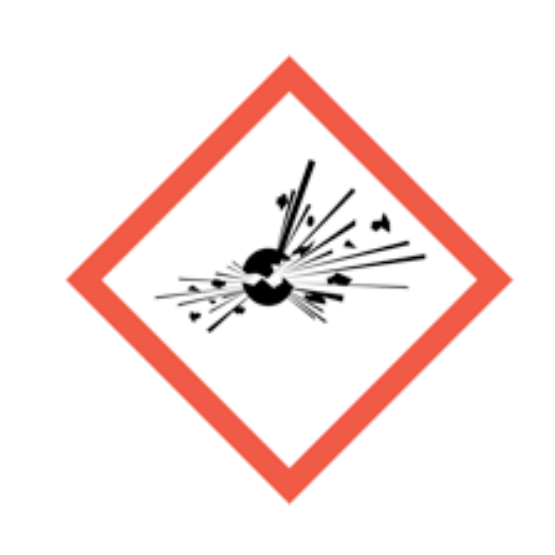
Exploding bomb
Explosive, self-reactive or organic peroxide hazards.
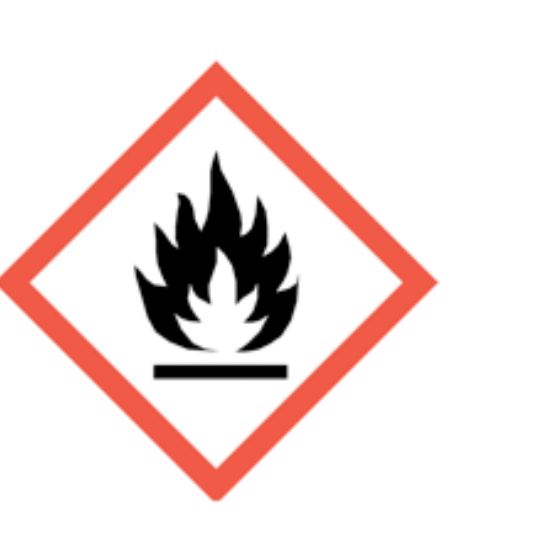
Flame
Flammable, self-heating or pyrophoric substances.
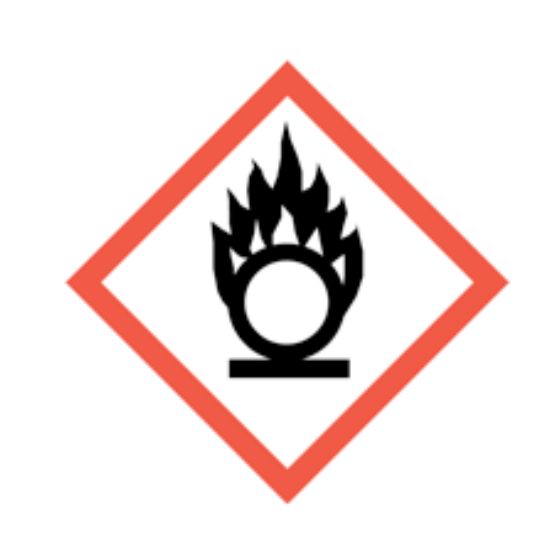
Flame over circle
Oxidising substances that can intensify fire.
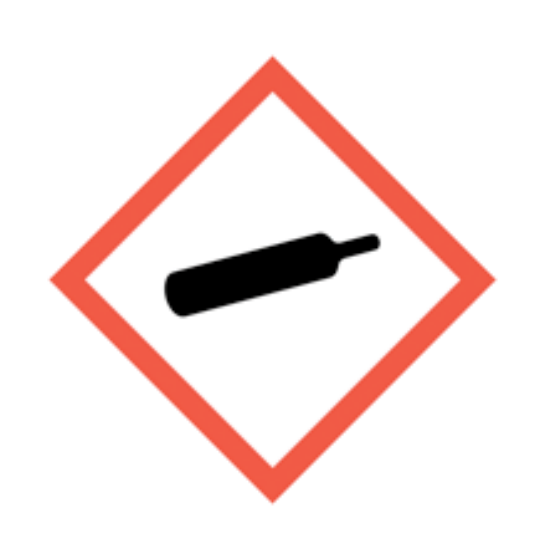
Gas cylinder
Gas under pressure.
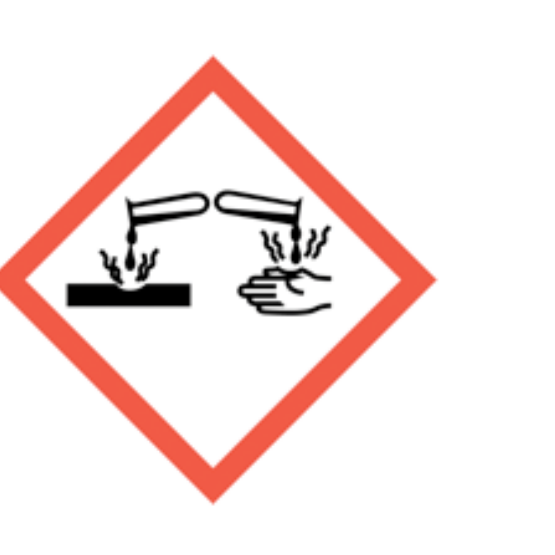
Corrosion
Skin burns, eye damage or corrosive to metals.
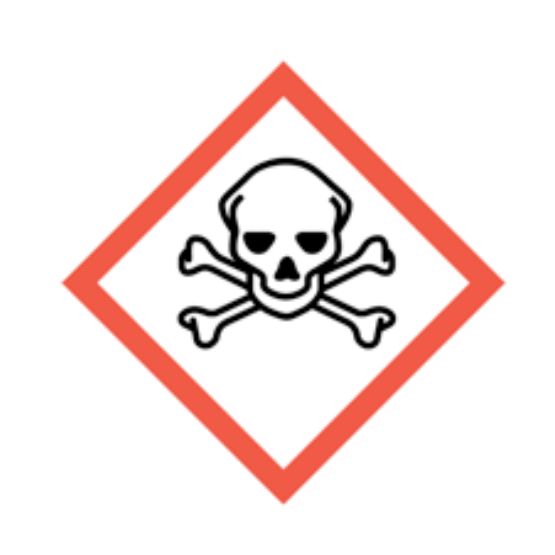
Skull and crossbones
Acute toxicity.
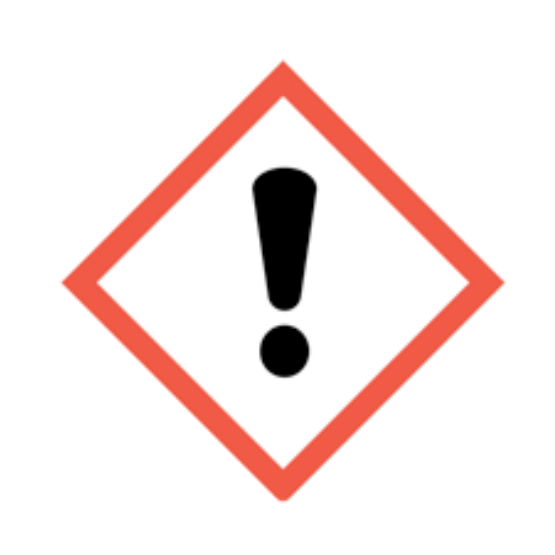
Exclamation mark
Irritation, harmful effects or skin sensitisation; some classifications cover drowsiness, dizziness or ozone-layer hazard. Read the actual hazard statements. Skin sensitisation differs from respiratory sensitisation.
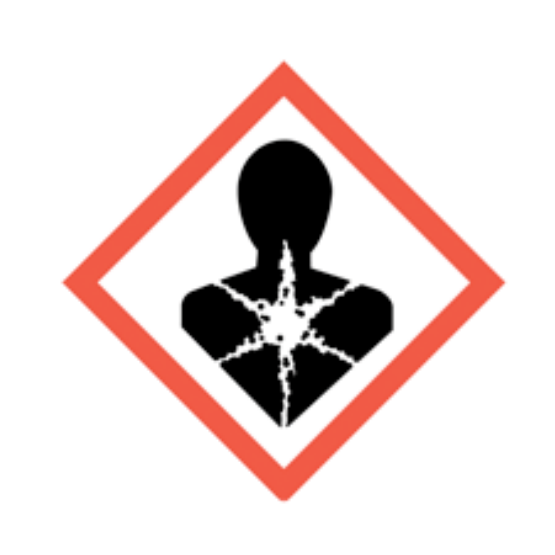
Health hazard
Serious health hazards, including organ damage, aspiration hazard, respiratory sensitisation, cancer and reproductive effects; some can follow a single exposure.
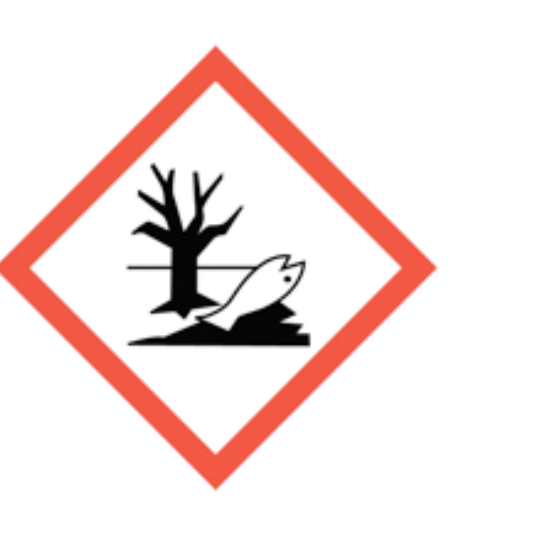
Environment
Hazardous to the aquatic environment.
What do the acronyms and key terms mean?
Acronyms should be understood before they are used in assessments, briefings, audits or learning answers.
Acronyms can exclude newer readers if they are not explained. This section keeps the main terms available at the end of the page so the article stays readable while still supporting learners and audit users.
| Acronym | Meaning | Plain-English use |
|---|---|---|
| COSHH | Control of Substances Hazardous to Health | UK hazardous substance regulations. |
| LEV | Local Exhaust Ventilation | Engineering control for airborne contaminants. |
| RPE | Respiratory Protective Equipment | Protection against inhalation exposure. |
| WEL | Workplace Exposure Limit | Airborne exposure limit in EH40 where set. |
| OH | Occupational Health | Competent health support for surveillance and fitness advice. |
Unlock another resource
You have used this month’s two free downloads. Publish a post in your own words to unlock one more resource, or choose SHARE Individual for 10 downloads per month.
You decide whether to share. If you do, use the relevant platform disclosure tools and do not make claims you do not genuinely hold.