
SHARE Knowledge Hub
Osmium Tetroxide Effects
Osmium tetroxide (also called osmium tetraoxide) is a highly hazardous laboratory chemical affecting eyes, skin and airways. Authorise only a compound-specific COSHH task with substitution or sealed microscale supply considered first, suitable tested extraction, defined waste and spill arrangements, trained users and exposure escalation. EH40 lists an osmium tetraoxide limit as osmium; a limit is not a substitute for preventing or adequately controlling exposure.
Understanding Osmium Tetroxide Effects
Osmium tetroxide (also called osmium tetraoxide) is a highly hazardous laboratory chemical affecting eyes, skin and airways. Authorise only a compound-specific COSHH task with substitution or sealed microscale supply considered first, suitable tested extraction, defined waste and spill arrangements, trained users and exposure escalation. EH40 lists an osmium tetraoxide limit as osmium; a limit is not a substitute for preventing or adequately controlling exposure.
Why this matters at work
Define what happens to an open osmium vessel if airflow fails, including safe closure only if it can be done without added exposure, evacuation, isolation and specialist response. Never ask an unprotected worker to investigate the fan or recover the process. Check that local alarms are visible or audible in the relevant work mode. Restart requires both engineering proof of containment and a competent review of possible contamination and exposure.
NIOSH and the ILO/WHO card identify redness, pain, blurred vision and potentially serious injury after eye exposure. Direct splash is an emergency, but airborne exposure may also cause tearing and visual disturbance. Do not use the absence of immediate severe pain as a reason to delay assessment. The workplace role is to begin first aid, identify the exposure and secure urgent professional review; examination and treatment belong to clinicians.
How organisations manage this in practice
First prevent exposure by eliminating the hazardous agent or task where practicable, substituting only after assessing the replacement, and reducing the release at source. Enclosure, automation, local exhaust and segregation usually offer more reliable protection across a workforce than a respirator-only plan.
Use monitoring to test whether the full control package works. If exposure is above or near a WEL, investigate engineering, process and behavioural conditions and protect people immediately; do not simply issue a stronger mask and declare the problem solved.
Treat handover as part of the exposure pathway. A bench can look clean while a sash, waste lid or marker carries contamination transferred by gloves. Define clean and contaminated boundaries, dedicated materials, end-of-task checks and any justified surface verification. Include stock, open waste, temporary containers and shared contact points. The next team and cleaning staff need enough chemical and task information to avoid unknowingly disturbing residue. Assign an owner who can hold the cupboard or area until the required release condition is demonstrated. Give cleaners competent product-specific instructions; ordinary cleaning products or an improvised neutralisation method are not automatically suitable. Record remaining materials, restrictions, waste status, completed checks and the receiving person’s understanding. Observe successive shifts to see whether the arrangement works, including glove removal and touches outside the enclosure. Review after a spill, protocol change or unexplained contamination. A handover signature is useful evidence of communication but does not replace verification that containment and surfaces meet the assessed conditions.
What is osmium tetroxide and why is it serious?
Osmium tetroxide is a volatile, highly toxic oxidising compound that can create severe exposure risk even in small laboratory quantities.
Osmium tetroxide at a glance — part 1 of 2


Read the complete visual as text
- Substance type: What it means: Specialist toxic oxidising compound used in laboratory and microscopy work. Workplace implication: Restrict use to authorised, trained people.Osmium tetroxide pocket guide COSHH assessment
- Exposure concern: What it means: Vapour, splash, skin contamination and contaminated waste. Workplace implication: Control inhalation, eye, skin and secondary contamination together.Osmium tetroxide pocket guide COSHH assessment
- Health concern: What it means: Eye and respiratory irritation or damage, skin effects and systemic toxicity depending on exposure. Workplace implication: Treat symptoms or suspected exposure as an escalation event.Osmium tetroxide pocket guide COSHH assessment
Osmium tetroxide at a glance — part 2 of 2


Read the complete visual as text
- Control standard: What it means: Microscale, enclosure, fume cupboard, compatible PPE, strict waste and emergency readiness. Workplace implication: Do not rely on ordinary bench work or generic lab coat rules.Osmium tetroxide pocket guide COSHH assessment
- Evidence focus: What it means: COSHH assessment, SDS, fume-cupboard checks, training, spill plan and waste records. Workplace implication: Prove the real task is controlled, not just the chemical listed.Osmium tetroxide pocket guide COSHH assessment
Osmium tetroxide is commonly associated with electron microscopy, staining, fixation and specialist analytical work. The hazard is not only the amount in the bottle. It is the combination of high toxicity, volatility, oxidising behaviour, eye and respiratory hazard, skin contamination potential and the fact that users may handle small volumes repeatedly as routine work.Osmium tetroxide pocket guide COSHH assessment
A good COSHH assessment should start with the exact product concentration, solvent, stabiliser, volume, task, transfer method, waste route and emergency arrangements. The work is different if a sealed ampoule is opened once in a certified fume cupboard, if a dilute solution is used daily, or if contaminated waste and glassware are handled by people who did not prepare the sample.
The professional standard is to design the work so exposure is not expected. That means minimising quantity, avoiding open handling, using a suitable fume cupboard or enclosure, keeping the breathing zone away from the source, wearing compatible eye, skin and body protection, and having a spill and first-aid plan ready before the container is opened.
| Element | What it means | Workplace implication |
|---|---|---|
| Substance type | Specialist toxic oxidising compound used in laboratory and microscopy work. | Restrict use to authorised, trained people.Osmium tetroxide pocket guide COSHH assessment |
| Exposure concern | Vapour, splash, skin contamination and contaminated waste. | Control inhalation, eye, skin and secondary contamination together.Osmium tetroxide pocket guide COSHH assessment |
| Health concern | Eye and respiratory irritation or damage, skin effects and systemic toxicity depending on exposure. | Treat symptoms or suspected exposure as an escalation event.Osmium tetroxide pocket guide COSHH assessment |
| Control standard | Microscale, enclosure, fume cupboard, compatible PPE, strict waste and emergency readiness. | Do not rely on ordinary bench work or generic lab coat rules.Osmium tetroxide pocket guide COSHH assessment |
| Evidence focus | COSHH assessment, SDS, fume-cupboard checks, training, spill plan and waste records. | Prove the real task is controlled, not just the chemical listed.Osmium tetroxide pocket guide COSHH assessment |
How can osmium tetroxide enter the body and cause harm?
Exposure can occur through inhaling vapour or aerosol, skin contact, eye splash, contaminated gloves or accidental ingestion from poor hygiene.
The most serious routine concern is inhalation and eye exposure during opening, pipetting, decanting, staining, clean-up or waste handling. Vapour can reach the breathing zone if work is done outside a suitable enclosure or if the worker leans into the fume-cupboard face. Eye exposure can occur through splash, contaminated gloves touching goggles, or leaning too close to the work.Osmium tetroxide pocket guide
Skin exposure matters because contaminated gloves, sleeves, benches, vials and waste can transfer the substance beyond the original task. Good control therefore needs clean-to-dirty discipline: define where contaminated items are placed, how gloves are removed, how waste is sealed, how surfaces are checked and who is allowed to clean after the task.
| Route | How exposure can happen | Control focus |
|---|---|---|
| Inhalation | Vapour during opening, transfer, staining or spill clean-up. | Certified fume cupboard, small quantities, closed containers and work-position discipline.Osmium tetroxide pocket guide Local exhaust ventilation |
| Eye contact | Splash, vapour irritation or contaminated glove contact. | Chemical goggles or face protection, low splash method and emergency eyewash access.Osmium tetroxide pocket guide COSHH emergencies |
| Skin contact | Drops on gloves, sleeves, bench, tools or waste containers. | Compatible gloves, double-gloving where justified, sleeve protection and decontamination.Osmium tetroxide pocket guide COSHH assessment |
| Ingestion | Contaminated hands, pens, phones, food or drink. | No food/drink, hand hygiene, clean zones and glove removal training.Osmium tetroxide pocket guide COSHH assessment |
| Secondary contamination | Waste, glassware or surfaces handled by others. | Labelling, sealed waste, handover and cleaning controls.COSHH assessment COSHH emergencies |
| Emergency exposure | Broken ampoule, dropped vial, failed extraction or spill. | Pre-planned evacuation, isolation, competent clean-up and medical advice route.Osmium tetroxide pocket guide COSHH emergencies |
Which tasks need the most control?
Higher-risk tasks are those that open containers, create transfer, disturb contamination or place people close to vapour or splash.
Which tasks need the most control?


Read the complete visual as text
- Higher-risk tasks are those that open containers, create transfer,…: Higher-risk tasks are those that open containers, create transfer, disturb contamination or place people close to vapour or splash.
- The task review should be more detailed than a…: The task review should be more detailed than a chemical inventory. Osmium tetroxide may be present during ordering, receiving, storage, ampoule opening, dilution, fixation, staining, microscopy preparation, contaminated equipment cleaning, spill response and waste disposal. Some people at risk may not be the primary researcher: cleaners, waste handlers, maintenance contractors and emergency responders can be exposed if the lab system is weak. COSHH assessment Osmium tetroxide pocket guide
- A useful question is: could a competent person understand…: A useful question is: could a competent person understand and safely repeat this work from the written method alone? If the answer is no, the method relies too much on local memory and informal coaching.
The task review should be more detailed than a chemical inventory. Osmium tetroxide may be present during ordering, receiving, storage, ampoule opening, dilution, fixation, staining, microscopy preparation, contaminated equipment cleaning, spill response and waste disposal. Some people at risk may not be the primary researcher: cleaners, waste handlers, maintenance contractors and emergency responders can be exposed if the lab system is weak.COSHH assessment Osmium tetroxide pocket guide
A useful question is: could a competent person understand and safely repeat this work from the written method alone? If the answer is no, the method relies too much on local memory and informal coaching.
| Task | What can go wrong | Better control |
|---|---|---|
| Ampoule opening | Sudden release, splash or broken glass. | Open only in suitable enclosure using agreed tool, tray and PPE.COSHH assessment Osmium tetroxide pocket guide |
| Dilution or pipetting | Open handling and leaning into vapour path. | Microscale, stable work surface, capped vessels and fume-cupboard discipline.COSHH assessment Osmium tetroxide pocket guide |
| Sample staining | Routine repeated exposure becomes normalised. | Time limit, batch plan, clean zone and post-task decontamination.COSHH assessment Osmium tetroxide pocket guide |
| Waste storage | Contaminated liquids or wipes left open or poorly labelled. | Sealed compatible container, label, segregation and disposal route.COSHH assessment Osmium tetroxide pocket guide |
| Cleaning glassware | Unknown residues expose technician or cleaner. | Deactivation/disposal procedure and labelled contaminated items.COSHH assessment Osmium tetroxide pocket guide |
| Maintenance or contractor work | Hidden contamination in lab area or ductwork. | Pre-work clearance, contamination status and permit/handover.COSHH assessment Osmium tetroxide pocket guide |
What laboratory technical controls matter most for osmium tetroxide?
Osmium tetroxide control depends on volatile-vapour control, eye protection, disciplined microscopy workflows and emergency readiness before the container is opened.
The laboratory control standard should be closer to a high-hazard method statement than a generic bench reagent procedure. Osmium tetroxide is volatile enough for vapour to matter during opening, transfer, staining, waste handling or a spill. That means ordinary open-bench work is not acceptable: the worker, the sample, the waste, the spill route and the emergency arrangements all need to be inside a controlled system.Local exhaust ventilation COSHH assessment
Fume-cupboard performance should be understood by users, not just certified once a year. The user should know the correct sash height, check the airflow indicator, avoid clutter and cross draughts, keep the work set back from the face, and avoid placing their head or breathing zone into the extraction opening. If the fume cupboard cannot maintain control for the actual task, the task should stop until a competent review is completed.
Microscopy and staining workflows also need clean-to-dirty logic. Sealed ampoules, vials, pipette tips, contaminated wipes, trays, gloves and waste containers should move through a planned route so that nobody has to guess what is contaminated. Emergency eyewash, shower access, trained spill response and a clear medical escalation route should be confirmed before work starts, not after someone reports eye or respiratory symptoms.
| Control issue | Why it matters | Competent control expectation |
|---|---|---|
| Volatility and vapour risk | Vapour may affect the breathing zone or eyes during opening, transfer, staining or spills. | Keep containers closed except when needed; use a suitable fume cupboard or enclosure; minimise open time.Local exhaust ventilation COSHH assessment |
| Eye and respiratory effects | Eye and airway irritation or injury can occur quickly after exposure. | Use chemical eye protection, keep head outside the fume-cupboard face and confirm eyewash/shower access.Local exhaust ventilation COSHH assessment |
| Sealed ampoule handling | Broken glass, sudden release or splash can occur when ampoules are opened poorly. | Open in a tray inside containment using the agreed tool and method; never force open near the face.Local exhaust ventilation COSHH assessment |
| Microscopy/staining workflow | Small repeated tasks can normalise open handling and contaminated waste. | Batch the work, cap vessels promptly, use a labelled contaminated-items tray and separate clean from dirty zones.Local exhaust ventilation COSHH assessment |
| Fume-cupboard face velocity and airflow | Extraction only protects if airflow, sash height and user position are suitable for the task. | Check indicators, use the specified sash height, avoid clutter/cross draughts and keep work set back from the face.Local exhaust ventilation COSHH assessment |
| Spill response | Untrained clean-up can spread vapour and contamination. | Stop work, isolate the area, use the pre-planned spill response and involve trained responders.Local exhaust ventilation COSHH assessment |
| Contaminated waste | Open or poorly labelled waste can expose technicians, cleaners or waste handlers. | Use sealed compatible containers, labels, segregation and a defined disposal route.Local exhaust ventilation COSHH assessment |
| Storage segregation | Oxidising high-hazard chemicals need protection from breakage, incompatibles and unauthorised access. | Use secondary containment, secure storage, segregation from incompatibles and stock control.Local exhaust ventilation COSHH assessment |
| Ordinary bench work | Open bench work leaves vapour, splash and secondary contamination uncontrolled. | Do not use on an open bench; stop and redesign the task if containment is unavailable.Local exhaust ventilation COSHH assessment |
What does a controlled one-page laboratory workflow look like?
A practical workflow controls osmium tetroxide from purchase approval through storage, use, emergency readiness and final disposal.
Approval/receipt/storage → pre-use release gate (cupboard, waste, compatible PPE and emergency readiness verified) → open/transfer/use → close/decontaminate/hand back/dispose. A spill or exposure activates a separate contingency response and stops the routine sequence.
The workflow should be written in enough detail for a competent user to set up the fume cupboard, open the container, complete the task, seal waste, decontaminate the work area and respond to a spill without improvising. If the method depends on one experienced researcher remembering local practice, it is not robust enough for a high-hazard laboratory chemical.
| Workflow stage | Exposure or control question | Evidence standard |
|---|---|---|
| Purchase approval | Is osmium tetroxide necessary, is a safer method possible and is the quantity kept to the minimum? | Chemical approval, SDS review, authorised user and compound-specific COSHH assessment before ordering.COSHH assessment Local exhaust ventilation |
| Receipt | Is the chemical expected, labelled, intact and handed to an authorised person? | Delivery log, SDS access and named recipient.COSHH assessment Local exhaust ventilation |
| Storage | Is it secure, segregated, secondarily contained and protected from breakage? | Chemical inventory, segregation record and inspection check.COSHH assessment Local exhaust ventilation |
| Fume cupboard set-up | Are sash height, airflow indicator, clutter, cross draughts, work position and spill kit checked before opening? | Fume-cupboard user check, clear bench layout and emergency equipment confirmation.COSHH assessment Local exhaust ventilation |
| Spill kit readiness | Is the correct spill response available and are users clear when to evacuate rather than clean up? | Spill kit check, trained responder list and escalation route.COSHH assessment Local exhaust ventilation |
| Ampoule opening | Is opening done inside suitable containment using the agreed tool, tray and PPE? | Approved method, authorisation and pre-use checklist.COSHH assessment Local exhaust ventilation |
| Staining or fixation | Are open time, quantity, posture, sash position and contaminated items controlled? | Batch plan, fume-cupboard check and contaminated-items tray.COSHH assessment Local exhaust ventilation |
| Microscopy preparation | Can samples move without carrying uncontrolled contamination outside the work zone? | Labelled containers, clean-to-dirty route and handover note.COSHH assessment Local exhaust ventilation |
| Waste | Are liquids, wipes, tips, glassware and gloves sealed, compatible and labelled immediately? | Waste container label, disposal route and collection record.COSHH assessment Local exhaust ventilation |
| Decontamination | Who cleans, how is it checked, and when is the area released? | Decontamination instruction and clearance note.COSHH assessment Local exhaust ventilation |
| Final disposal and learning | Are residues removed through the correct route and are spills, symptoms, defects and near misses reviewed before repeat work? | Waste consignment/collection record, incident log and COSHH review.COSHH assessment Local exhaust ventilation |
| Emergency exposure | If eye, skin or respiratory exposure is suspected, is the first-aid, medical advice and incident review route obvious? | Exposure record, SDS/product details preserved and restart held until competent review.COSHH assessment Local exhaust ventilation |
How should osmium tetroxide be controlled in practice?
Control should combine substitution, microscale use, enclosure, training, emergency planning and verification.
The first control question is whether osmium tetroxide is truly necessary for the outcome. If it is, use the smallest practical amount and lowest practical concentration, avoid unnecessary decanting, use pre-prepared sealed products where safer, and plan the task so the chemical is open for the shortest time.
Engineering control should be credible for the task. A fume cupboard protects only when it is suitable, tested, used correctly and not overloaded. The sash position, airflow indicator, clutter, worker posture, cross draughts and waste location all affect protection. PPE then protects against residual splash and contamination; it should never compensate for uncontrolled vapour release.
Use the HSE hierarchy for this task: eliminate the hazard where possible, substitute, use engineering controls, organise the work and use suitable PPE for residual risk. The exact choices require a task-specific assessment and competent verification. HSE hierarchy of controls
For the actual task hazard, HSE places elimination first, then substitution, engineering controls, administrative controls and suitable PPE for residual risk. Record why a higher control is not practicable and how the chosen measure is checked in use. HSE hierarchy of controls
| Material task hazard | Higher controls and residual protection | Selection, owner and performance check | Failure, stop and direct source |
|---|---|---|---|
| Opening sealed osmium ampoule for microscopy | Eliminate the need for osmium stain if scientific outcome permits; substitute pre-prepared sealed reagent or microscale supply. Open only in a suitable tested fume cupboard with controlled sash and closed receiving vessel. | Lab lead validates alternative with scientist, signs COSHH/SDS method, checks LEV indicator and recent test, trains observer, and commissions small-scale transfer. | Do not open if extraction, sealed containment, trained cover or spill plan fails; close container and escalate to lab lead. PPE is residual splash protection and must match compatibility assessment. COSHH assessment Local exhaust ventilation Osmium tetroxide pocket guide |
| Microscopy fixation and waste transfer | Avoid unnecessary decanting; use sealed compatible vessels, secondary containment and closed labelled waste inside extraction. Design workflow to minimise open time and cross-draughts. | Technical owner rehearses sequence, checks seals, waste capacity and cupboard performance before each run; records defects and reviews exposure evidence. | Stop on odour/irritation, spill, cracked vessel, airflow alarm or uncertain waste route; withdraw, isolate and apply planned emergency response. COSHH assessment Local exhaust ventilation COSHH emergencies |
| Spill or suspected vapour/eye exposure | Prevent access, use planned containment and trained response; do not improvise bench clean-up. Select emergency equipment and medical pathway from task assessment and SDS. | Lab lead tests drill, verifies eyewash/emergency equipment and contact route; occupational-health lead reviews suspected exposure and controls. | Cease work, move people from exposure and activate site emergency plan; urgent clinical assessment for symptoms or eye exposure. NIOSH US toxicology is evidence, not UK exposure law. COSHH emergencies Osmium tetroxide pocket guide |
What control standard should be in place before osmium tetroxide work starts?
The control standard should define the minimum conditions for authorised work and the stop conditions that prevent informal use.
A high-quality COSHH system should make the safe state obvious before the task starts. The worker should not have to decide in the moment whether the fume cupboard is acceptable, which gloves to use, where to put waste, who can clean a spill or whether a second person is needed. Those decisions should already be made, documented, trained and checked.COSHH assessment Local exhaust ventilation
This is also the strongest explanation for why ordinary bench work is unacceptable. Open-bench use leaves no reliable barrier between vapour and the breathing zone, no controlled splash zone, no defined contaminated waste boundary, no verified extraction and no predictable emergency response. The fact that the quantity is small does not make the task informal.
| Control element | Minimum standard | Stop or escalation trigger |
|---|---|---|
| Fume cupboard or enclosure | Suitable for the task, tested, uncluttered, pre-use airflow checked and used at the correct sash height. | Airflow alarm, failed indicator, clutter, cross draughts or task cannot be set back from the face.COSHH assessment Local exhaust ventilation |
| Sealed containers | Containers opened only when needed and closed immediately after transfer. | Unlabelled, damaged, leaking or unstable container.COSHH assessment Local exhaust ventilation |
| Spill kit and emergency route | Chemical-specific spill plan, trained responders, eyewash/shower access and medical escalation route. | No trained responder, missing kit, uncertain neutralisation/disposal route or eye/respiratory symptoms.COSHH assessment Local exhaust ventilation |
| Waste route | Compatible sealed waste, labels, segregation and collection/disposal arrangements. | Open waste, unknown residues or cleaner/contractor expected to handle unknown contamination.COSHH assessment Local exhaust ventilation |
| PPE | Compatible gloves, chemical eye protection, lab coat/sleeve protection and task-specific splash control. | PPE not compatible, poor fit, no eye protection or gloves used beyond breakthrough/contamination risk.COSHH assessment Local exhaust ventilation |
| Training and supervision | Named authorised users with task demonstration and emergency understanding. | New user, lone high-risk task or supervisor cannot explain the control method.COSHH assessment Local exhaust ventilation |
How could osmium exposure develop during routine microscopy work?
A worked example shows how a small-volume task can become a serious exposure event.
How could osmium exposure develop during routine microscopy work? — part 1 of 2


Read the complete visual as text
- A worked example shows how a small-volume task can…: A worked example shows how a small-volume task can become a serious exposure event.
- A researcher prepares several samples using a small vial…: A researcher prepares several samples using a small vial of osmium tetroxide. The work is done in a fume cupboard, but the sash is raised high, the worker leans into the face opening to see the sample, contaminated pipette tips are left in an open pot and a second person later clears the bench without knowing what is contaminated. No single step looks dramatic, but the system has lost control of vapour, splash and secondary contamination. COSHH assessment Local exhaust ventilation
How could osmium exposure develop during routine microscopy work? — part 2 of 2


Read the complete visual as text
- A better system would pre-plan the batch, keep the…: A better system would pre-plan the batch, keep the sash low, use a clear contaminated-items tray, cap waste immediately, label everything, keep the researcher outside the face opening, record the task and prevent anyone else cleaning until decontamination is confirmed.
- The researcher should stop at the set-up check if…: The researcher should stop at the set-up check if the cupboard is cluttered, its airflow indicator is out of range or the sash cannot be held at the approved working position. The approved local method and current product information must specify the actual sash position, containment arrangement and compatible gloves; this page cannot supply universal values. After use, the authorised person verifies decontamination, sealed waste and the cupboard condition, and records a hand-back before the next user starts. COSHH assessment
A researcher prepares several samples using a small vial of osmium tetroxide. The work is done in a fume cupboard, but the sash is raised high, the worker leans into the face opening to see the sample, contaminated pipette tips are left in an open pot and a second person later clears the bench without knowing what is contaminated. No single step looks dramatic, but the system has lost control of vapour, splash and secondary contamination.COSHH assessment Local exhaust ventilation
A better system would pre-plan the batch, keep the sash low, use a clear contaminated-items tray, cap waste immediately, label everything, keep the researcher outside the face opening, record the task and prevent anyone else cleaning until decontamination is confirmed.
The researcher should stop at the set-up check if the cupboard is cluttered, its airflow indicator is out of range or the sash cannot be held at the approved working position. The approved local method and current product information must specify the actual sash position, containment arrangement and compatible gloves; this page cannot supply universal values. After use, the authorised person verifies decontamination, sealed waste and the cupboard condition, and records a hand-back before the next user starts. COSHH assessment
| Stage | Weak control | Stronger control |
|---|---|---|
| Preparation | Method copied from old notes. | Approved COSHH method with quantities, PPE and emergency actions.COSHH assessment Local exhaust ventilation |
| Set-up | Fume cupboard cluttered and sash too high. | Clear workspace, airflow indicator checked and sash height controlled.COSHH assessment Local exhaust ventilation |
| Transfer | Worker leans into breathing zone. | Work set back in cupboard with posture and reach planned.COSHH assessment Local exhaust ventilation |
| Waste | Tips and wipes left open. | Lidded labelled waste container inside control area.COSHH assessment Local exhaust ventilation |
| Handover | Cleaner clears bench later. | Contamination status recorded and restricted until cleared.COSHH assessment Local exhaust ventilation |
| Learning | Smell or irritation treated as normal. | Symptoms trigger stop, medical advice and control review.COSHH assessment Local exhaust ventilation |
What should happen after osmium tetroxide exposure or a spill?
Emergency arrangements should be planned before work starts and should protect people, contain contamination and trigger competent medical or technical review.
An osmium tetroxide emergency is not the time to search for the SDS, decide who is trained or improvise a clean-up. The COSHH emergency plan should define immediate exposure action, spill isolation, evacuation, decontamination equipment, contaminated waste handling, medical review and restart criteria.COSHH emergencies Osmium tetroxide pocket guide
The first priority is people. Eye, skin or respiratory symptoms should trigger first aid and medical advice according to the SDS and local emergency arrangements. The second priority is preventing spread: isolate the area, keep untrained people away, control vapour and contaminated materials, and preserve enough information to investigate what failed before work restarts.
| Event | Immediate action | Follow-up and evidence |
|---|---|---|
| Eye exposure or irritation | Stop work, use emergency eyewash as instructed, seek urgent first-aid/medical review and do not return to the task. | Record exposure details, container, concentration, duration and control failure.COSHH emergencies NIOSH osmium toxicology |
| Skin contamination | Remove contaminated gloves/clothing as trained, decontaminate according to the SDS/local plan and seek medical advice where needed. | Bag/label contaminated items and review PPE compatibility and technique.COSHH emergencies NIOSH osmium toxicology |
| Respiratory symptoms or vapour concern | Leave the area, prevent re-entry and obtain prompt medical assessment. The exposed person must not return to check extraction; a competent responder investigates later from a safe position. | Review airflow, sash position, task method and whether monitoring or specialist advice is needed.COSHH emergencies NIOSH osmium toxicology |
| Small contained spill in fume cupboard | Keep sash down, step back, follow the trained spill procedure and use only approved materials. | Record clean-up, waste route and any defect or exposure.COSHH emergencies NIOSH osmium toxicology |
| Broken ampoule or uncontrolled spill | Evacuate/isolate, keep untrained people out and call trained responders or emergency support. | Preserve incident information, dispose of waste correctly and complete COSHH review.COSHH emergencies NIOSH osmium toxicology |
| Contaminated waste found later | Treat as unknown high-hazard contamination and restrict access. | Identify source, label/seal waste and brief cleaners, technicians or contractors.COSHH emergencies NIOSH osmium toxicology |
| Restart decision | Do not restart because the spill was cleaned. | Restart only after competent review, corrective actions, user briefing and updated records.COSHH emergencies NIOSH osmium toxicology |
Do not wait for symptoms. Suspected significant exposure needs prompt professional medical assessment even if the person initially feels well: serious pulmonary effects can be delayed. Withdraw safely, keep others out and start eye irrigation immediately for eye contamination; do not delay first aid to find paperwork. Call 999 for severe breathing difficulty, collapse or other emergency signs. Only trained responders may investigate or enter the area. ILO/WHO ICSC 0528: osmium tetroxide
What evidence shows osmium tetroxide risk is controlled?
Evidence should prove the exact task, people, exposure routes and controls have been assessed and verified.
For one microscopy preparation, compare the approved method with the actual cupboard test status, airflow indication, sash position, reagent identity, glove information and waste record. A generic lab induction cannot show competence in an ampoule-opening or spill response. Observe the set-up and hand-back, not only the signed form. Local exhaust ventilation
| Evidence | What it should show | Weakness to challenge |
|---|---|---|
| Compound-specific COSHH assessment | Concentration, task, route, controls, emergency action and waste route defined. | Generic assessment for all stains or oxidisers.Local exhaust ventilation COSHH assessment |
| Approved method | Step-by-step control of opening, transfer, use, decontamination and disposal. | Reliance on experienced user's memory.Local exhaust ventilation COSHH assessment |
| Fume-cupboard records | Suitable, tested, in date and checked before use. | TExT certificate exists but user checks absent.Local exhaust ventilation COSHH assessment |
| Training and authorisation | Only competent people use or supervise the chemical. | New starter allowed to copy routine.Local exhaust ventilation COSHH assessment |
| Emergency arrangements | Eyewash, shower, spill response, evacuation and medical advice route ready. | Spill kit not matched to chemical.Local exhaust ventilation COSHH assessment |
| Waste and handover records | Contaminated material controlled until disposal. | Unlabelled vials, wipes or glassware.Local exhaust ventilation COSHH assessment |
Which legal duties apply to osmium tetroxide?
Which duty applies depends on where the work takes place. Use the direct GB or Northern Ireland source and have a competent person review the task.
COSHH decisions must use the actual compound, preparation and method. The GB and NI routes differ, and the EH40 osmium entry must be read with its unit and scope; a tiny quantity does not remove the need for suitable containment and emergency planning. Product and local-equipment instructions determine practical glove, cupboard and waste choices. COSHH assessmentCOSHH in Northern Ireland
| Jurisdiction | Duty or decision | Task application | Direct official source |
|---|---|---|---|
| Great Britain | COSHH task assessment | Assess the compound, preparation, opening and disposal workflow; prevent or adequately control exposure. | COSHH assessment |
| Great Britain | EH40 exposure limits | Check osmium tetraoxide (as Os) 0.002 mg/m³ 8-hour and 0.006 mg/m³ 15-minute WEL; competent assessment decides monitoring and controls. | HSE EH40 WEL table |
| Northern Ireland | NI COSHH and EH40 | Use HSENI’s COSHH route and NI-approved EH40; verify the edition and task-specific controls. | COSHH in Northern Ireland HSENI EH40 WEL publication |
| Great Britain | Emergency arrangements | Prepare competent spill, contamination and suspected-exposure response before opening material. | COSHH emergencies Osmium tetroxide pocket guide |
How should management arrangements verify controls?
Assign an owner, involve workers, check the control in use and act on failures before returning to routine work.
HSE’s Plan, Do, Check, Act guidance provides the government management route for this topic. Apply it to the actual task, equipment, people and jurisdiction, then keep the verification and corrective-action record. Standards-specific claims are held until their rights and competent review are resolved. HSE Plan, Do, Check, Act
What training and awareness helps?
Training should be task-specific, practical and competence-checked before unsupervised use.
An authorised user should demonstrate the actual approved cupboard, indicator, sash, reagent and waste checks under supervision. A lab lead should test the response to an out-of-range indicator or uncertain glove information, including a hold rather than an improvised alternative. Specialist competence includes interpreting the compound-specific assessment and exposure evidence without turning an EH40 number into a universal task clearance. COSHH assessment
| Level | Who and task | Demonstrated competence | Assessor, record and reassessment | Direct source |
|---|---|---|---|---|
| Worker | Authorised microscopy user | Demonstrate sealed-ampoule opening under the approved sash/airflow condition, immediate closure, labelled waste and spill stop. | Lab supervisor observes an actual or safe simulated run before solo use; record method/version and reassess after change, defect or exposure. | COSHH assessment Local exhaust ventilation |
| Supervisor | Lab lead and shift cover | Verify COSHH/SDS method, cupboard test/indicator, compatible waste, second-person rule if specified, eyewash and emergency drill. | Competent lab manager signs a scenario and pre-use checklist; repeat after method, equipment or staffing change. | COSHH assessment Local exhaust ventilation COSHH emergencies |
| Specialist | Occupational hygienist and safety adviser | Explain EH40 osmium-as-Os units, choose task-appropriate exposure evidence and challenge failed LEV or symptoms. | Technical peer reviews sampling/LEV and corrective action before restarting a failed task. | HSE EH40 WEL table COSHH assessment Local exhaust ventilation |
| Designer / purchaser | Reagent and facility decision owner | Show why osmium is necessary, compare safer stain or sealed supply, specify containment and waste provision. | Procurement/design record approved by competent lab and safety leads before purchase or process change. | COSHH assessment Local exhaust ventilation |
How could Crownway Fuels Ltd manage this in practice?

Crownway would only allow osmium tetroxide use under authorised laboratory control.COSHH assessment Osmium tetroxide pocket guide
A fuels and process business may have analytical laboratories, contractor sampling, specialist microscopy or failure-analysis work. Crownway would manage osmium tetroxide as a restricted high-hazard chemical with named owners, authorised methods and strict handover to waste and emergency teams.
Crownway’s laboratory manager should approve a specific preparation method, cupboard and trained user before buying or opening osmium tetroxide. The pre-use check compares the indicator, sash position, reagent and gloves with actual local instructions. A failed containment check holds the task while a competent person resolves it. The hand-back verifies waste sealing, decontamination and cupboard condition, and the manager reviews any near miss with the wider authorised group. COSHH assessment
| Management element | How the business would manage it | Evidence to review |
|---|---|---|
| Assess | Confirm the compound, concentration, task and alternatives. | Compound-specific COSHH assessment. |
| Authorise | Restrict use to trained people and approved locations. | Authorisation record. |
| Control | Use fume cupboard, microscale work, labelled waste and decontamination. | Method and pre-use checks. |
| Prepare | Set spill, first-aid and medical escalation before work starts. | Emergency checklist. |
| Verify | Review incidents, symptoms, near misses and waste records. | Assurance log and action tracker. |
How can the hierarchy of controls reduce risks while preparing an osmium tetroxide microscopy reagent?
How can the ERICPD hierarchy of controls reduce risks while preparing an osmium tetroxide microscopy reagent?

| Control level | Control for this activity | Owner and verification | Stop / restart decision |
|---|---|---|---|
| Eliminate | Use a validated non-osmium method or suitable supplied preparation where it removes the local preparation stage. | Task owner verifies that the proposed change removes the named hazardous step, including foreseeable cleaning, maintenance and work transferred elsewhere. | If the hazardous step remains, keep it within the task assessment and select the stronger feasible remaining controls. |
| Reduce, including substitution | Validate a suitable less hazardous reagent or sealed supplied form with the scientific service; lower quantity alone does not establish safety. | Competent task/process owner validates suitability, compatibility and new hazards against the actual operating requirements before the alternative is adopted. | Reject an alternative if its performance is unproved or its new hazards are unresolved. |
| Isolate | Restrict preparation to the designated laboratory area and segregate incompatible chemicals and contaminated waste from clean work. | Supervisor checks the actual boundary, affected people and connected work; verify separation or isolation before allowing access. | Hold or stop for failed enclosure, damaged container, uncontrolled vapour or absent specialist spill arrangements. |
| Control: physical safeguards | Use a suitable verified enclosure or fume cupboard, compatible closed containers and planned secondary containment matched to the actual reagent. | Competent equipment/process owner checks scientific-method approval, reagent identity, enclosure performance, containers and specialist emergency readiness. | Hold or stop for failed enclosure, damaged container, uncontrolled vapour or absent specialist spill arrangements. |
| Control: work method and response | Confirm reagent identity and smallest justified quantity, authorised personnel, waste acceptance and a specialist spill/exposure response before opening. | Supervisor confirms the work limits, competent cover, communication and stop/restart authority with the people doing this activity. | Hold work when the agreed limits, competent cover or effective communication cannot be maintained. |
| PPE | Specify compatible contact protection and any RPE through the laboratory assessment; PPE does not permit uncontrolled vapour release. | Assessor confirms whether personal protection is needed and checks suitability, condition, compatibility and any required fit evidence. | Do not use unsuitable protection or rely on PPE to continue after an essential source control fails. |
| Discipline | Check enclosure performance and container integrity, account for reagent and waste and stop after any control failure pending specialist review. | Release only after laboratory lead accepts verified containment and the authorised reagent/waste method. Retain verification and unresolved restrictions at handover. | Keep the task on hold until required reinstatement evidence and unresolved defects are accepted by the responsible owner. |
How can the ISO 45001 hierarchy of controls reduce risks while preparing an osmium tetroxide microscopy reagent?

| Control level | Control for this activity | Owner and verification | Stop / restart decision |
|---|---|---|---|
| Elimination | Use a validated non-osmium method or suitable supplied preparation where it removes the local preparation stage. | Task owner verifies that the proposed change removes the named hazardous step, including foreseeable cleaning, maintenance and work transferred elsewhere. | If the hazardous step remains, keep it within the task assessment and select the stronger feasible remaining controls. |
| Substitution | Validate a suitable less hazardous reagent or sealed supplied form with the scientific service; lower quantity alone does not establish safety. | Competent task/process owner validates suitability, compatibility and new hazards against the actual operating requirements before the alternative is adopted. | Reject an alternative if its performance is unproved or its new hazards are unresolved. |
| Engineering controls | Restrict preparation to the designated laboratory area and segregate incompatible chemicals and contaminated waste from clean work. | Supervisor checks the actual boundary, affected people and connected work; verify separation or isolation before allowing access. | Hold or stop for failed enclosure, damaged container, uncontrolled vapour or absent specialist spill arrangements. |
| Engineering controls | Use a suitable verified enclosure or fume cupboard, compatible closed containers and planned secondary containment matched to the actual reagent. | Competent equipment/process owner checks scientific-method approval, reagent identity, enclosure performance, containers and specialist emergency readiness. | Hold or stop for failed enclosure, damaged container, uncontrolled vapour or absent specialist spill arrangements. |
| Administrative controls | Confirm reagent identity and smallest justified quantity, authorised personnel, waste acceptance and a specialist spill/exposure response before opening. | Supervisor confirms the work limits, competent cover, communication and stop/restart authority with the people doing this activity. | Hold work when the agreed limits, competent cover or effective communication cannot be maintained. |
| PPE | Specify compatible contact protection and any RPE through the laboratory assessment; PPE does not permit uncontrolled vapour release. | Assessor confirms whether personal protection is needed and checks suitability, condition, compatibility and any required fit evidence. | Do not use unsuitable protection or rely on PPE to continue after an essential source control fails. |
| Administrative controls | Check enclosure performance and container integrity, account for reagent and waste and stop after any control failure pending specialist review. | Release only after laboratory lead accepts verified containment and the authorised reagent/waste method. Retain verification and unresolved restrictions at handover. | Keep the task on hold until required reinstatement evidence and unresolved defects are accepted by the responsible owner. |
Chemical hazard symbols: what do they mean?
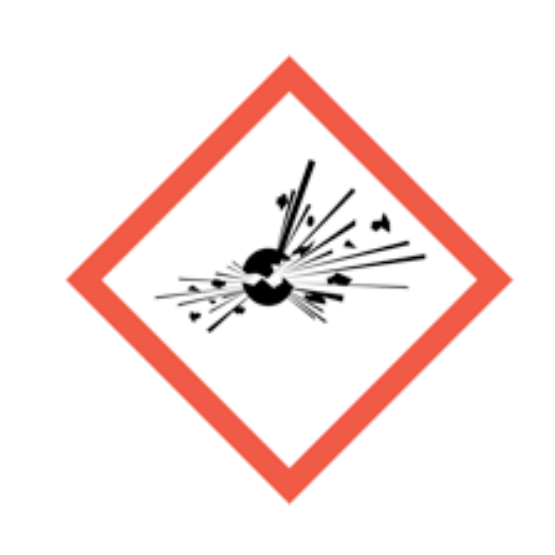
Exploding bomb
Explosive, self-reactive or organic peroxide hazards.
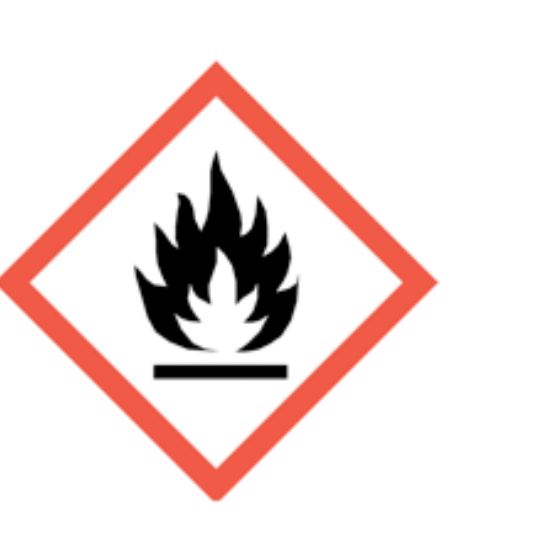
Flame
Flammable, self-heating or pyrophoric substances.
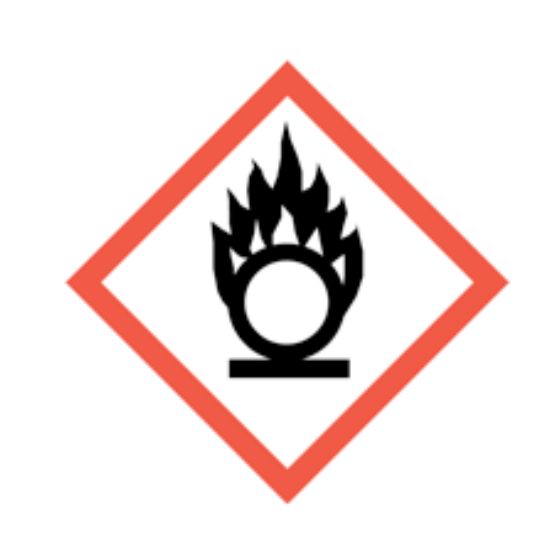
Flame over circle
Oxidising substances that can intensify fire.

Gas cylinder
Gas under pressure.
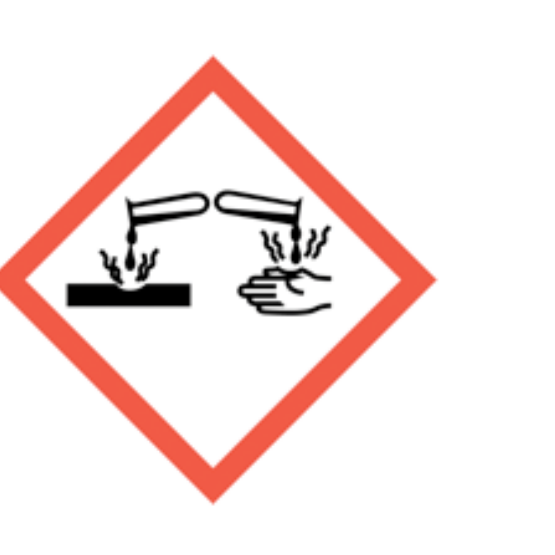
Corrosion
Skin burns, eye damage or corrosive to metals.
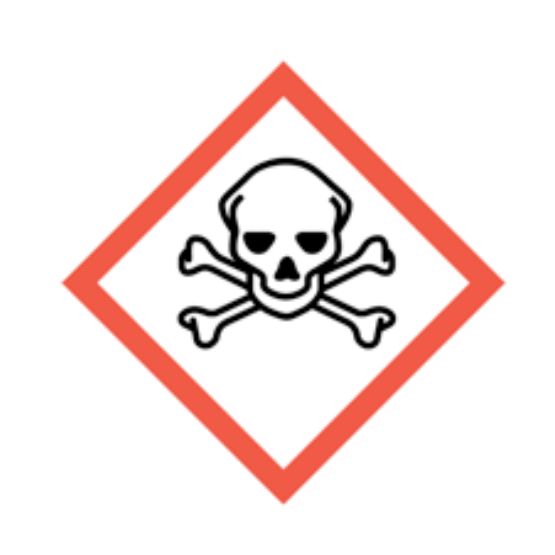
Skull and crossbones
Acute toxicity.
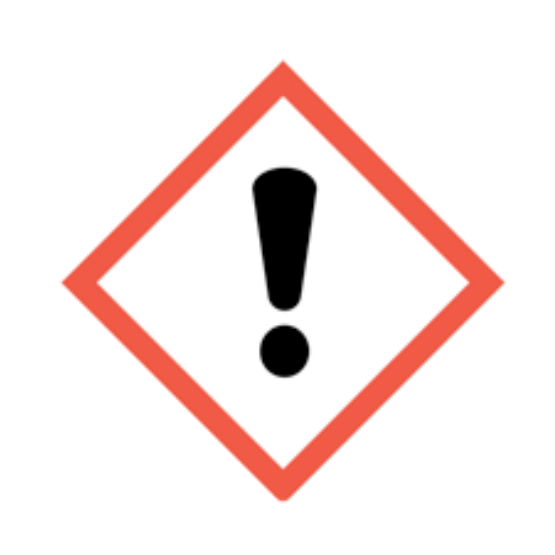
Exclamation mark
Irritation, harmful effects or skin sensitisation; some classifications cover drowsiness, dizziness or ozone-layer hazard. Read the actual hazard statements. Skin sensitisation differs from respiratory sensitisation.
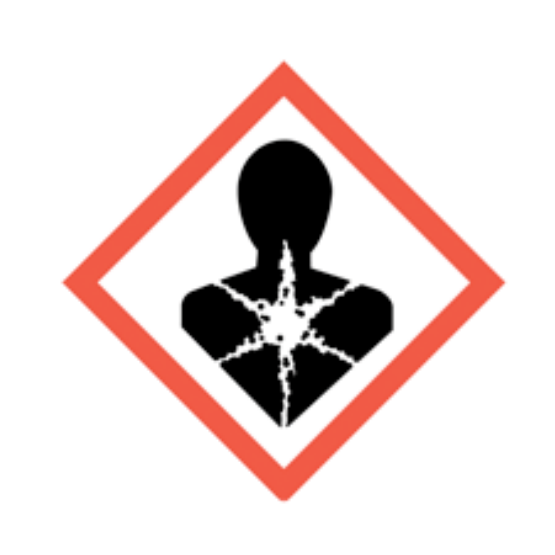
Health hazard
Serious health hazards, including organ damage, aspiration hazard, respiratory sensitisation, cancer and reproductive effects; some can follow a single exposure.
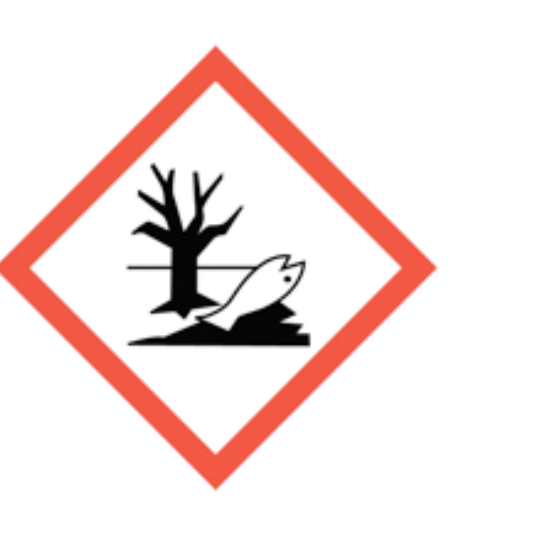
Environment
Hazardous to the aquatic environment.
What do the acronyms and key terms mean?
Acronyms should be understood before they are used in assessments, briefings, audits or learning answers.
Acronyms can exclude newer readers if they are not explained. This section keeps the main terms available at the end of the page so the article stays readable while still supporting learners and audit users.
| Acronym | Meaning | Plain-English use |
|---|---|---|
| COSHH | Control of Substances Hazardous to Health | UK regulations for hazardous substances. |
| WEL | Workplace Exposure Limit | Legal limit for airborne exposure where set. |
| LEV | Local Exhaust Ventilation | Engineering control such as a fume cupboard or extraction system. |
| RPE | Respiratory Protective Equipment | Equipment used to protect against inhalation exposure. |
| SDS | Safety Data Sheet | Supplier information on hazards, controls and emergency action. |
Unlock another resource
You have used this month’s two free downloads. Publish a post in your own words to unlock one more resource, or choose SHARE Individual for 10 downloads per month.
You decide whether to share. If you do, use the relevant platform disclosure tools and do not make claims you do not genuinely hold.