
SHARE Knowledge Hub
Leptospirosis
Leptospirosis is an infection from Leptospira bacteria shed in animal urine. Contaminated water, mud or a direct splash can reach broken or waterlogged skin or the eyes, nose or mouth. A work plan should avoid contact where possible, control rodents and splashes, provide washing and wound protection, and tell workers to seek prompt medical advice if illness follows exposure.
Understanding Leptospirosis
Leptospirosis is an infection from Leptospira bacteria shed in animal urine. Contaminated water, mud or a direct splash can reach broken or waterlogged skin or the eyes, nose or mouth. A work plan should avoid contact where possible, control rodents and splashes, provide washing and wound protection, and tell workers to seek prompt medical advice if illness follows exposure.
Why this matters at work
Leptospirosis is a zoonotic bacterial infection caused by pathogenic Leptospira species. UK sources commonly distinguish rat-associated Weil's disease and cattle-associated Hardjo infection, but both sit within the wider disease. Weil's disease also describes severe leptospirosis with jaundice and major organ involvement; it should not be used to imply that every rat exposure causes severe disease.
An employer cannot discharge these duties by issuing a leaflet, gloves or a declaration that the disease is rare. Nor does the absence of a workplace exposure limit remove COSHH duties: biological agents do not have a conventional no-effect exposure limit. Control should reduce credible exposure to low levels using proportionate good practice.
How organisations manage this in practice
Rodent control is an integrated programme, not repeated bait placement. Remove food and water, improve waste management, clear harbourage, repair doors, screens, service penetrations and drains, and use competent control methods. Coordinate treatment with work so poisoned or displaced rodents and contaminated nesting material do not create new handling risks.
Prevent contact at source where reasonably practicable. Exclude or control rodents, repair proofing and drainage, avoid entry to grossly contaminated areas, manage livestock disease with veterinary support, remove standing contaminated water, and redesign tasks so people do not wade, kneel or handle urine-soaked material.
Use photographs, maps, demonstrations and observed practice for local conditions. Include glove and clothing removal, equipment cleaning, welfare use and stop-work decisions. Check understanding in the worker's language and format. Refresh after incidents, seasonal change, new water or animal sources, changed equipment or poor performance.
Management review should decide resources, engineering changes, pest and veterinary strategy, welfare provision, occupational-health access and cross-site action. Record decisions, owners, dates and verification. Review after case, cluster, flood, infestation, process change, new guidance or evidence that the assessment no longer matches work.
Audit the chain from source information to task assessment, briefing, supervision, incident response and learning. Sample contractor and night-shift work. Challenge repeated low-level failures, including workers changing at home, supplies running out, open cuts, pressure washing by habit or work continuing after infestation is found.
What health boundary should readers understand?
This page is workplace guidance, not medical advice. A worker who develops flu-like symptoms after contact with potentially contaminated water, soil, animals or rodents should seek medical assessment and explain the exposure history.
Best-practice guide: Leptospirosis
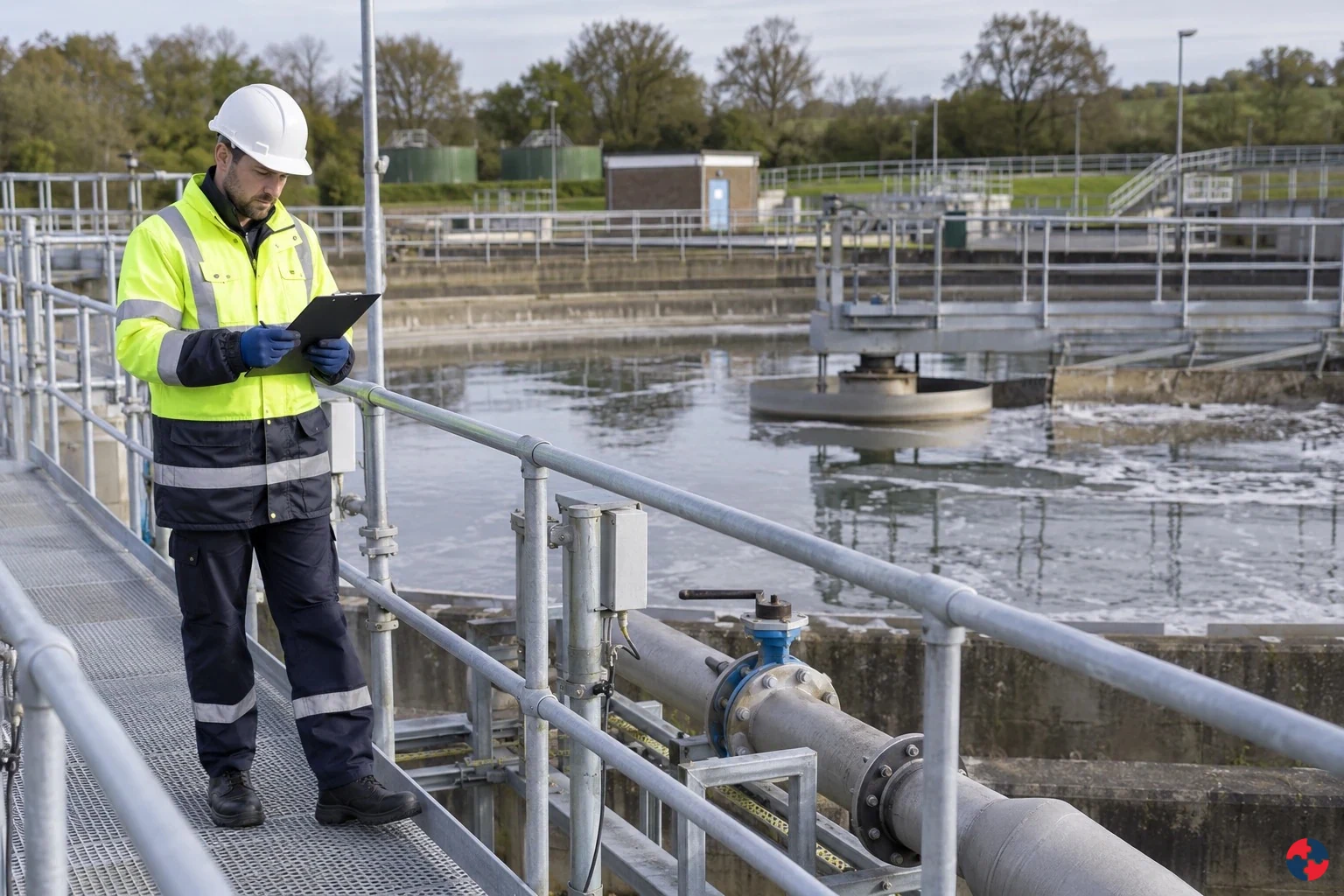
What health boundary should readers understand?
This page is workplace guidance, not medical advice. A worker who develops flu-like symptoms after contact with potentially contaminated water, soil, animals or rodents should seek medical assessment and explain the exposure history. Leptospirosis is an infection from Leptospira bacteria shed in animal urine.
Turn leptospirosis knowledge into a decision
Leptospirosis is an infection from Leptospira bacteria shed in animal urine. Contaminated water, mud or a direct splash can reach broken or waterlogged skin or the eyes, nose or mouth. Task risk assessment.
the site team worked example
Assessing: Supervisors check water, mud, drains, pest evidence and welfare before releasing work. Evidence / response: Task risk assessment. HSE biological-hazard guidance Analysing: Weather, flooding, rodent reports and poor welfare are reviewed as changing conditions. Evidence / response: Daily briefing notes. HSE biological-hazard guidance
Warning signs and actions
No washing facilities: Workers cannot remove contamination. Cuts not covered: Entry route remains open. Rodent activity ignored: Contamination source may persist.
Choose controls for leptospirosis
Eliminate: Avoid entry into suspect water where the job can be redesigned; inspect remotely or drain before access. Reduce: Use pumped or mechanical removal instead of hand clearing, and a low-splash method instead of pressure washing. Isolate: Barrier the contaminated zone, contain splash and use appropriate equipment to separate people from water. Control: Control rodents, cover wounds, provide warm running water and soap, separate clean breaks and record exposure. PPE: Select waterproof boots, gloves, eye/face and protective clothing for the task and remove it without contamination. Read the full control table for qualifications, ownership and verification. Use the actual task and applicable jurisdiction; existing technical approval remains unchanged.
Use the full leptospirosis lesson
Use the full topic for the decision points, practical examples, detailed control tables and source scope. HSE guidance applies to Great Britain; use HSENI for the Northern Ireland route and the source’s stated jurisdiction. A simplified guide does not change the page’s technical-review or approval status.

Read all six steps as text
1. What health boundary should readers understand?
This page is workplace guidance, not medical advice.
- Avoid / redesign: Avoid entry into suspect water where the job can be redesigned; inspect remotely or drain before access.
- Control the task: Barrier the contaminated zone, contain splash and use appropriate equipment to separate people from water.
- Verify before release: Designer/supervisor records feasibility; unknown water or access condition holds entry.
This page is workplace guidance, not medical advice. A worker who develops flu-like symptoms after contact with potentially contaminated water, soil, animals or rodents should seek medical assessment and explain the exposure history. Leptospirosis is an infection from Leptospira bacteria shed in animal urine.
Apply it: Which part of this plan would you check at the workface before authorising the task?
2. Turn leptospirosis knowledge into a decision
Use the evidence to improve the actual work arrangement.
- Change at source: Avoid entry into suspect water where the job can be redesigned; inspect remotely or drain before access.
- Make it observable: Designer/supervisor records feasibility; unknown water or access condition holds entry.
- Keep useful evidence: Task risk assessment.
Leptospirosis is an infection from Leptospira bacteria shed in animal urine. Contaminated water, mud or a direct splash can reach broken or waterlogged skin or the eyes, nose or mouth. Task risk assessment.
Apply it: What evidence would show that the change improves this task, rather than only completing a record?
3. the site team worked example
Example: a practical application of the existing topic lesson.
- Assessing: Supervisors check water, mud, drains, pest evidence and welfare before releasing work.
- Analysing: Weather, flooding, rodent reports and poor welfare are reviewed as changing conditions.
- Implementing: The team uses waterproof gloves, eye protection for splash, wound cover, clean welfare and no-eating rules.
Assessing: Supervisors check water, mud, drains, pest evidence and welfare before releasing work. Evidence / response: Task risk assessment. HSE biological-hazard guidance Analysing: Weather, flooding, rodent reports and poor welfare are reviewed as changing conditions. Evidence / response: Daily briefing notes. HSE biological-hazard guidance
Apply it: At which point would you hold this example, and what evidence would allow it to proceed?
4. Warning signs and actions
Connect the task, the route to the person and the control that can fail.
- No washing facilities: Workers cannot remove contamination.
- Cuts not covered: Entry route remains open.
- Rodent activity ignored: Contamination source may persist.
No washing facilities: Workers cannot remove contamination. Cuts not covered: Entry route remains open. Rodent activity ignored: Contamination source may persist.
Apply it: Who could be exposed, including other trades, cleaners, maintainers and people nearby?
5. Choose controls for leptospirosis
Start with the stronger practicable options and verify their effect.
- Eliminate: Avoid entry into suspect water where the job can be redesigned; inspect remotely or drain before access.
- Reduce: Use pumped or mechanical removal instead of hand clearing, and a low-splash method instead of pressure washing.
- Isolate: Barrier the contaminated zone, contain splash and use appropriate equipment to separate people from water.
- Control: Control rodents, cover wounds, provide warm running water and soap, separate clean breaks and record exposure.
- PPE: Select waterproof boots, gloves, eye/face and protective clothing for the task and remove it without contamination.
Eliminate: Avoid entry into suspect water where the job can be redesigned; inspect remotely or drain before access. Reduce: Use pumped or mechanical removal instead of hand clearing, and a low-splash method instead of pressure washing. Isolate: Barrier the contaminated zone, contain splash and use appropriate equipment to separate people from water. Control: Control rodents, cover wounds, provide warm running water and soap, separate clean breaks and record exposure. PPE: Select waterproof boots, gloves, eye/face and protective clothing for the task and remove it without contamination. Read the full control table for qualifications, ownership and verification. Use the actual task and applicable jurisdiction; existing technical approval remains unchanged.
Apply it: Which stronger option can be used here, and who will verify it before accepting the remaining risk?
6. Use the full leptospirosis lesson
Follow the official sources below and retain the task-specific evidence.
- Official guidance: Leptospirosis guidance
- Official guidance: Construction biological hazards
- Task decision: Task risk assessment.
Use the full topic for the decision points, practical examples, detailed control tables and source scope. HSE guidance applies to Great Britain; use HSENI for the Northern Ireland route and the source’s stated jurisdiction. A simplified guide does not change the page’s technical-review or approval status.
Apply it: Which official source and full-topic section will you use to resolve the next decision?
Managers should not try to diagnose leptospirosis. Their role is to prevent contact, provide welfare and PPE, brief workers, record exposure concerns and support medical or occupational-health signposting. The exposure history matters because early symptoms can resemble many common illnesses.
Health information should be handled confidentially. The workplace needs enough information to control exposure and support safe work, but it should not casually collect diagnosis details or share personal health information beyond those who need it.
| Issue | Workplace role | Medical role |
|---|---|---|
| Exposure concern | Record task, source and controls; review risk assessment. | Assess individual risk and symptoms. |
| Symptoms | Remove from further exposure if needed and signpost. | Diagnose and treat. |
| Return to work | Review controls and adjustments if needed. | Advise on fitness where necessary. |
| Outbreak or cluster | Escalate and cooperate with competent advice. | Public-health/medical investigation. |
| Privacy | Keep only necessary work-safety information. | Hold clinical detail confidentially. |
What are the key facts about leptospirosis?
The practical prevention message is simple: avoid contaminated contact, protect skin and eyes, wash well and act on symptoms after exposure.
Zoonotic infection
It is transmitted from animals to humans through contaminated environments.
Rats and cattle matter
Weil's disease is often linked to rat urine; Hardjo is associated with cattle.
Water and mud are common routes
Floodwater, ditches, drains, sewers and wet soil can carry contamination.
Cuts and mucous membranes matter
Broken skin, eyes and mouth are important entry routes.
Hygiene is critical
Hand washing, wound covering and clean welfare reduce exposure.
Exposure history helps diagnosis
Workers should tell healthcare providers about relevant workplace exposure.
What is leptospirosis in plain English?
Leptospirosis is an infection people can catch when bacteria from infected animal urine contaminate water, mud, soil or wet materials and then enter the body.
For most workplaces, the important question is not whether a worker touched an animal directly. It is whether the work puts them into environments where urine-contaminated water or soil may contact cuts, eyes, mouth or broken skin. Drainage work, flood clean-up, working around canals, farms, sewers, ditches and rodent-infested areas can all create exposure.
Good management is practical: assess the environment, prevent direct contact where possible, cover cuts, provide gloves or waterproof clothing where needed, make washing easy, keep welfare clean, control rodents, train workers and make symptom reporting normal.
| Question | Plain answer | Why it matters |
|---|---|---|
| What is the hazard? | Leptospira bacteria from infected animals. | Can cause illness including severe Weil's disease. |
| Where is it found? | Contaminated water, mud, soil, drains, sewers, farms and animal areas. | Risk comes from the environment. |
| How does it enter? | Cuts, abrasions, eyes, mouth or mucous membranes. | Skin protection and hygiene matter. |
| Who needs briefing? | Workers exposed to water, animals, rodents or contaminated land. | Early symptom reporting depends on awareness. |
| What proves control? | Assessment, PPE, welfare, training, pest control and incident records. | Shows exposure is managed. |
How does leptospirosis exposure happen?
Exposure routes explain why hygiene and skin protection are central controls.
The common route is contact with contaminated water or soil through cuts, abrasions or mucous membranes. A small cut on the hand, a splash to the eye, wet boots, contaminated gloves or eating without washing can create avoidable risk. Workers may not notice exposure because the environment looks like ordinary mud or water.
The route should be discussed before the job starts. If people understand how bacteria can enter the body, they are more likely to cover cuts, wear suitable gloves, avoid hand-to-mouth contact and wash before eating or smoking.
| Route | Workplace example | Control focus |
|---|---|---|
| Cuts/abrasions | Hands contact contaminated water during drain clearance. | Cover wounds and wear suitable gloves. |
| Eyes | Splash during pressure washing or pumping. | Eye/face protection and splash control. |
| Mouth/ingestion | Eating after handling muddy equipment. | Hand washing and clean welfare. |
| Broken or waterlogged skin | Long shift in wet boots or gloves. | Waterproof clothing, glove changes and drying. |
| Animal urine contact | Farmyard, cattle area or rodent-contaminated site. | Pest/animal controls and hygiene. |
| Aerosol/splash mist | Jetting, wash-down or high-pressure cleaning. | Avoid aerosolising contamination or use suitable controls. |
Prolonged wet contact can soften or waterlog skin and facilitate infection even if no obvious cut is noticed. Treat flooded boots or failed waterproof clothing as a reason to stop, leave safely and restore the assessed controls; keep wound covering and washing as separate first-aid/hygiene support.
Which workplaces and tasks are higher risk?
Risk depends on the environment, animal reservoirs, water contamination and how directly people contact it.
A clean indoor task is different from opening a rodent-contaminated drain or handling cattle urine; assess the water, splash and broken-skin route at the actual job.
| Work area | Why it can create risk | Control focus |
|---|---|---|
| Construction near water | Excavations, canals, drainage and wet ground may be contaminated. | Assessment, waterproof PPE and washing. |
| Sewer and drainage work | High contact with contaminated water and rodents. | Welfare, gloves, eye protection and hygiene. |
| Agriculture | Cattle, farmyards, slurry, wet ground and rodents. | Animal controls, hygiene and wound protection. |
| Waste management | Rodent-contaminated waste and fluids. | Pest control, PPE and clean welfare. |
| Grounds and estates | Ditches, ponds, leaf litter, compost and rodent areas. | Task briefing and hand hygiene. |
| Flood response | Floodwater may contain sewage or animal contamination. | PPE, washing and exposure reporting. |
| Pest control | Direct work in rodent-infested areas. | Gloves, eye protection and decontamination. |
What symptoms or patterns should be acted on?
Early symptoms can look like flu, so exposure history is important.
Workers should be told to seek medical advice if they become unwell after relevant exposure and to mention contact with contaminated water, soil, animals or rodents. Symptoms can include fever, headache, muscle aches, chills, vomiting or diarrhoea; severe illness can involve jaundice or organ effects. Diagnosis and treatment are medical matters.
A workplace should also look for clusters. If several people become unwell after the same drainage, flood or animal-area work, the employer should review the risk assessment, welfare, PPE, reporting and whether further competent advice is needed.
| Signal | Why it matters | Workplace action |
|---|---|---|
| Flu-like symptoms after exposure | May need medical assessment with exposure history. | Signpost and record exposure context. |
| Cut exposed to contaminated water | Entry route may exist. | Wash, first aid and monitor/report. |
| Eye or mouth splash | Mucous membrane exposure. | First aid and medical advice if concerned. |
| Several workers ill | Possible common exposure. | Escalate and review controls. |
| Worker reluctant to report | Early treatment may be delayed. | Improve non-blaming communication. |
If illness develops after possible contaminated-water or animal-urine exposure, contact a GP or local urgent-care service and explain the task, places and timing. Yellow skin/eye whites, difficulty passing urine, chest pain or shortness of breath require urgent clinical help; for severe breathing difficulty or another life-threatening emergency call 999. Do not wait for the workplace investigation or decide for yourself that the illness must be leptospirosis. England uses NHS 111, Scotland NHS 24, Wales NHS 111 Wales, and NI local GP/out-of-hours/Phone First services. Sources: NHS leptospirosis.
How should leptospirosis risk be assessed?
The assessment should focus on sources, routes, people, controls and welfare.
A good assessment asks whether the work involves water, mud, soil, animals, rodents, sewage, floodwater, ditches, drains, cellars, culverts or contaminated land. It then asks how people could contact that material, whether they have cuts or skin damage, what PPE is realistic, where they can wash and what to do if exposure occurs.
The assessment should be dynamic enough for outdoor conditions. Heavy rain, flooding, rodent activity, disturbed drains, poor welfare or a changed work method can all increase risk during the job.
| Prompt | What to check | Evidence |
|---|---|---|
| Source | Rodents, cattle, contaminated water, sewage, mud or soil. | Site survey and task assessment. |
| Route | Cuts, eyes, mouth, wet skin or splash. | Control plan. |
| People | Workers, contractors, young/inexperienced workers and vulnerable people. | Briefing and supervision plan. |
| Controls | Avoidance, drainage, tools, barriers, PPE and hygiene. | RAMS or method statement. |
| Welfare | Washing, drying, toilets, clean breaks and changing. | Site welfare check. |
| Response | First aid, symptom advice and reporting route. | Briefing and incident procedure. |
How can the hierarchy of controls reduce contact with contaminated water and leptospirosis risk?
First remove or redesign the contaminated-contact task; then control water, splash and hand-to-face routes, with PPE for residual exposure.
UKHSA guidance identifies urine-contaminated water and mud, rodents, cattle and pigs as relevant sources, and notes no human vaccine is available. HSE construction advice calls for a site risk assessment, suitable welfare, wound covering and clean breaks. In a flooded basement with rat signs, a supervisor should pause entry, identify where water can be pumped or contained, and set a clean route before assigning people.
ERICPD cross-maps to the five-level hierarchy below. “Discipline” means maintaining the chosen controls, not blaming a worker who reports a splash. A split glove, missing handwash station, uncovered cut or new pressure-washing aerosol means stop and replan.
How can the ERICPD hierarchy of controls reduce contact with contaminated water and leptospirosis risk?

| ERICPD | Five-level hierarchy | Wet-work intervention | Owner, proof and stop |
|---|---|---|---|
| Eliminate | Elimination | Avoid entry into suspect water where the job can be redesigned; inspect remotely or drain before access. | Designer/supervisor records feasibility; unknown water or access condition holds entry. |
| Reduce | Substitution | Use pumped or mechanical removal instead of hand clearing, and a low-splash method instead of pressure washing. | Task lead trials method; uncontrolled spray stops the work. |
| Isolate / Control | Engineering controls | Barrier the contaminated zone, contain splash and use appropriate equipment to separate people from water. | Supervisor checks boundary and equipment; breach or leakage triggers withdrawal. |
| Control | Administrative controls | Control rodents, cover wounds, provide warm running water and soap, separate clean breaks and record exposure. | Supervisor observes welfare and handwashing; missing welfare or uncovered wound stops entry. |
| PPE | PPE | Select waterproof boots, gloves, eye/face and protective clothing for the task and remove it without contamination. | Competent selector and wearer check fit/condition; split kit or water ingress stops work. |
| Discipline | Sustaining all levels | Review splashes, illness reports and wet-work changes; repair the method and retrain the team. | Manager closes actions and checks a later shift; recurring exposure triggers redesign. |
How can the ISO 45001 hierarchy of controls reduce contact with contaminated water and leptospirosis risk?

| ERICPD | Five-level hierarchy | Wet-work intervention | Owner, proof and stop |
|---|---|---|---|
| Eliminate | Elimination | Avoid entry into suspect water where the job can be redesigned; inspect remotely or drain before access. | Designer/supervisor records feasibility; unknown water or access condition holds entry. |
| Reduce | Substitution | Use pumped or mechanical removal instead of hand clearing, and a low-splash method instead of pressure washing. | Task lead trials method; uncontrolled spray stops the work. |
| Isolate / Control | Engineering controls | Barrier the contaminated zone, contain splash and use appropriate equipment to separate people from water. | Supervisor checks boundary and equipment; breach or leakage triggers withdrawal. |
| Control | Administrative controls | Control rodents, cover wounds, provide warm running water and soap, separate clean breaks and record exposure. | Supervisor observes welfare and handwashing; missing welfare or uncovered wound stops entry. |
| PPE | PPE | Select waterproof boots, gloves, eye/face and protective clothing for the task and remove it without contamination. | Competent selector and wearer check fit/condition; split kit or water ingress stops work. |
| Discipline | Sustaining all levels | Review splashes, illness reports and wet-work changes; repair the method and retrain the team. | Manager closes actions and checks a later shift; recurring exposure triggers redesign. |
Why are hygiene and welfare so important?
Hygiene controls the hand-to-mouth and wound-contact route that often makes biological exposure practical.
Workers need access to clean water, soap, drying facilities, covered cuts, clean rest areas and somewhere to remove contaminated PPE. Alcohol gel alone should not be treated as a full substitute for washing where hands are visibly contaminated with mud, sewage or animal material.
The quality of welfare is a leadership signal. If people are expected to work around drains or floodwater with no washing facilities, the system is telling them that biological risk is not taken seriously.
| Control | Purpose | Check |
|---|---|---|
| Cover cuts | Reduces entry through broken skin. | Plasters or dressings available before work. |
| Wash hands and forearms | Removes contamination before eating or touching face. | Soap, water and drying available. |
| Clean break area | Prevents ingestion from contaminated gloves/clothing. | Segregated from dirty work. |
| Change wet clothing | Reduces prolonged skin exposure. | Dry storage and spare PPE. |
| Clean tools | Prevents contamination transfer. | Cleaning process and storage. |
| No eating/smoking in dirty areas | Reduces hand-to-mouth exposure. | Briefing and supervision. |
What PPE may be needed?
PPE should be selected for contact, splash and practicality.
Waterproof equipment is useful only if it keeps contamination out, can be removed cleanly and is compatible with the task; a split glove or flooded boot is a stop signal.
| PPE | When it may be needed | Common failure |
|---|---|---|
| Waterproof gloves | Handling wet/muddy contaminated materials. | Gloves split or are removed for dexterity. |
| Wellingtons/waders | Standing in water or mud. | Water enters and remains against skin. |
| Coveralls/waterproof clothing | Splash or dirty wet work. | Contaminated clothing worn in vehicle. |
| Eye/face protection | Splash, jetting or pressure washing. | Protection not worn because task is brief. |
| RPE | Only where aerosol/mist risk and assessment justify it. | Used as generic substitute for splash/hygiene controls. |
| First-aid support (not PPE): wound supplies | Before and during work where skin breaks are likely. | Cuts left uncovered. |
Who may need extra consideration?
Some workers may be more vulnerable or may need tailored controls without being singled out publicly.
Ask confidentially about work capability and protection needs, adjust the task where necessary and leave medical diagnosis to a clinician.
| Situation | Why it matters | Management approach |
|---|---|---|
| Open cuts or dermatitis | Skin barrier is weakened. | Cover wounds and consider alternative task. |
| New or young workers | May not recognise biological risk. | Brief and supervise more closely. |
| Pregnancy or health conditions | Personal health factors may affect advice. | Use confidential OH/medical signposting. |
| Lone or remote workers | Illness or exposure may not be reported quickly. | Communication and welfare planning. |
| Mobile workers | May lack washing/toilet facilities. | Plan welfare stops and portable facilities. |
| Contractors | May not know site-specific contamination risks. | Include in induction and RAMS review. |
What information helps after contact or illness without making a diagnosis?
An exposure report and a clinical assessment serve different purposes. The work report establishes what happened and which control failed; a clinician assesses illness and treatment. Recording possible contact does not establish infection, and lack of a recorded exposure does not exclude a relevant history. Related guidance: Leptospirosis guidance.
After suspect contact, follow prompt washing and first-aid arrangements and report the event. Keep the factual account useful: date and location, material or animal contact, water/mud conditions, likely entry route, protective equipment and any break in the control. Avoid describing the worker as infected or deciding that antibiotics are needed. Urgency and treatment belong to clinical care. Related guidance: Leptospirosis guidance.
If a worker becomes unwell after relevant contact, they should obtain medical advice and explain the exposure and timing. A concise factual history is more useful than an employer diagnostic checklist. Managers can help the worker provide that history and access care; they should not delay care while waiting for a workplace investigation, water test or a completed incident form. Related guidance: Leptospirosis guidance.
Workplace follow-up examines the control route, not confidential clinical detail. Ask whether another crew uses the same contaminated channel or failed welfare supply and hold the affected work if the failure remains. Any return-to-work or duty-adjustment decision should use the functional advice needed for the job, with suitable clinical or occupational-health support. Keep personal health details separate from the operational control record. Related guidance: Leptospirosis guidance.
Guidance for these decisions: Leptospirosis guidance; Construction biological hazards; Leptospirosis in agriculture. Apply the legal route for the work location; illustrative scenarios are SHARE teaching examples.
Keep an internal splash/exposure record separate from a clinical diagnosis and any public-health notification. For GB, the responsible person checks RIDDOR’s biological-agent disease criteria when diagnosis and reasonable evidence of an occupational source support reporting. A splash or flu-like illness is not automatically a reportable occupational disease. For NI use HSENI’s separate disease-report route. Share only the information needed for reporting and control action; the manager does not diagnose the infection. Sources: HSE biological-agent disease reporting; HSENI reporting incidents.
What should happen after possible exposure?
After a splash or suspect contact, clean skin and wounds promptly, report the exposure and seek medical advice if symptoms develop.
UKHSA describes symptoms ranging from fever, headache and nausea to severe jaundice, kidney failure or meningitis. A worker who becomes ill after exposure should tell a clinician about the water, mud or animal-urine contact and timing; urgent clinical care is needed for severe illness. Managers should not diagnose or prescribe antibiotics.
Wash and dress a wound, record the place, task, entry route and controls, and inform occupational health where the arrangement calls for it. Hold similar work if the same route remains open, then verify improved drainage, rodent control, welfare and protective equipment before restart. HSE agriculture guidance reinforces prompt medical attention for flu-like illness following rat or cattle exposure.
How should a drainage job change when water and welfare conditions change?
Reassess the exposure route when conditions change during outdoor work. Visible rat activity is one clue, but absence of droppings does not establish that water or mud is safe. The useful question is how suspect material could reach damaged or waterlogged skin, eyes, nose or mouth, and which parts of the job can avoid that contact. Related guidance: Construction biological hazards.
In this illustrative construction task, a team plans to clear a shallow drainage channel from a dry bank with long-handled tools. Overnight rain submerges the working edge, and the planned washing supply has failed. The supervisor holds the wet-contact task before entry. The original assessment no longer describes the footing, contact or welfare conditions. Adding waterproof gloves alone does not restore the planned method. Related guidance: Construction biological hazards.
The planner first considers remote inspection and mechanical clearance from a stable position. Assess any pumping or water diversion for its own electrical, environmental and access consequences. A culvert, deep water, unstable bank or suspected confined space requires the appropriate separate competent assessment; this case supplies no entry or rescue procedure. Related guidance: Construction biological hazards.
For work that remains justified, establish a usable clean route, appropriate washing and drying facilities, protected breaks, separation of clean and contaminated kit and task-selected protective clothing. The team demonstrates handwashing and removal of contaminated kit without spreading material to the face or clean area. Waterproof dressings protect existing cuts within the assessed method; damaged skin or water ingress needs prompt attention and a reassessed exposure decision. Related guidance: Construction biological hazards.
A split glove, failed water supply, unexpected immersion or uncontrolled splash triggers a hold and a review of the affected task. At hand-back, identify equipment and waste needing controlled cleaning or disposal, restore the clean area, record the failure and verify the revised method with the next crew. The record should explain why the control works under the changed conditions. Related guidance: Construction biological hazards.
Guidance for these decisions: Construction biological hazards; Leptospirosis guidance. Apply the legal route for the work location; illustrative scenarios are SHARE teaching examples.
What does leptospirosis control look like in different sectors?
Examples make the biological route easier to recognise in real work.
Drainage, farming, veterinary and waterside work share an animal-urine route, but differ in source control, welfare and who may be splashed.
| Sector | Scenario | Good control |
|---|---|---|
| Construction | Excavation near drainage channel with rat activity. | Assess contamination, provide waterproof PPE, washing and stop-work triggers. |
| Agriculture | Cattle-yard cleaning and slurry contact. | Animal-area hygiene, wound cover and washing before breaks. |
| Utilities | Sewer inspection and chamber entry. | Confined-space controls, hygiene and splash protection. |
| Logistics/warehousing | Rodent-contaminated loading bay clean-up. | Pest control, safe cleaning and PPE. |
| Outdoor events/leisure | Lake or mud activity maintenance. | Water-quality awareness and first-aid reporting. |
| Facilities | Flooded basement pump-out. | Treat floodwater as contaminated and control splashes. |
What real-world leptospirosis scenarios should supervisors recognise?
The scenarios below make the exposure route visible so supervisors can brief the task properly before work starts.
Leptospirosis risk can be missed because the work looks ordinary: a wet excavation, a farmyard clean-up, a flooded basement or a litter pick along a canal. The competent question is not 'does this look dirty?' but 'could animal urine, contaminated water or rodent activity reach cuts, eyes, mouth or broken skin?'
The controls should be built into the job plan. That means suitable gloves before the team arrives, clean water and soap close enough to use, wound-cover supplies, splash control, a dry place for breaks, clear symptom advice and a supervisor willing to stop the job if welfare or PPE fails.
| Scenario | How exposure could happen | Competent control response |
|---|---|---|
| Drainage crew clearing a blocked culvert | Hands, forearms and face are splashed by stagnant water and silt where rodents may be present. | Plan hygiene and splash controls, cover cuts, use waterproof gloves/eye protection and record exposure concerns. |
| Farm worker cleaning a cattle yard | Cattle urine, slurry, wet bedding and damaged skin create a route into the body. | Use animal-area hygiene, waterproof PPE, wound checks, washing before breaks and symptom briefing. |
| Flood recovery in a basement | Floodwater may contain sewage, rodent urine and contaminated debris; workers may stay wet for hours. | Treat water as contaminated, pump down if possible, provide waterproof clothing, washing, drying and contaminated-waste controls. |
| Waste team clearing a rodent-infested store | Contaminated packaging, liquids and dust are handled quickly under odour and time pressure. | Use pest-control evidence, safe cleaning method, gloves, eye protection, welfare and supervisor sign-off. |
| Grounds team clearing a canal edge | Cuts from vegetation or litter contact water, mud and animal-contaminated soil. | Use litter tools, puncture-resistant/waterproof gloves, wound cover and hand-wash arrangements. |
| Pest-control contractor removing rodent waste | Direct contact with urine-contaminated material and surfaces during clean-up. | Use task-specific PPE, avoid dry sweeping, decontaminate tools and brief symptom reporting. |
| Construction excavation after heavy rain | Excavation fills with water from drains or surrounding land; workers enter with minor cuts. | Stop and reassess, pump/manage water, prevent direct contact and provide welfare before entry. |
| Mobile maintenance worker at remote pumping station | No nearby welfare means contaminated hands may remain unwashed until the next site. | Plan portable washing, clean gloves, waste bags, first-aid supplies and lone-worker communication. |
What evidence shows leptospirosis risk is managed?
Evidence should show that the employer understands the exposure environment and has made hygiene practical.
Evidence should be read as a chain rather than a filing exercise. A single record rarely proves good management on its own; stronger assurance comes from matching records, observations, interviews, trends and verified action closure.
| Evidence | What it proves | Quality check |
|---|---|---|
| COSHH/risk assessment | Biological exposure routes are identified. | Specific to water/animal/rodent context. |
| Welfare inspection | Washing and clean breaks are available. | Checked before work starts. |
| PPE issue and checks | Protection matches task and is usable. | Workers know limitations. |
| Pest-control records | Rodent risk is being managed. | Actions closed and reviewed. |
| Briefing records | Workers know symptoms and reporting routes. | Understanding checked. |
| Exposure reports | Splashes, cuts and contact are recorded. | Used to improve controls. |
| Action tracker | Defects or clusters trigger improvement. | Actions verified. |
How could BuildOut Ltd manage this in practice?

BuildOut Ltd would manage leptospirosis as a biological exposure risk during wet, dirty and rodent-contaminated construction tasks.
BuildOut Ltd is a construction contractor. It applies leptospirosis controls to drainage works, flooded excavations, canal-side maintenance, demolition voids and sites with rodent activity. HSE biological-hazard guidance.
| Management element | How the business would manage it | Evidence to review |
|---|---|---|
| Assessing | Supervisors check water, mud, drains, pest evidence and welfare before releasing work. | Task risk assessment. HSE biological-hazard guidance |
| Analysing | Weather, flooding, rodent reports and poor welfare are reviewed as changing conditions. | Daily briefing notes. HSE biological-hazard guidance |
| Implementing | The team uses waterproof gloves, eye protection for splash, wound cover, clean welfare and no-eating rules. | PPE and welfare checklist. HSE biological-hazard guidance |
| Training | Workers are briefed on routes of entry, symptoms, reporting and medical signposting. | Toolbox talk record. HSE biological-hazard guidance |
| Checking | Supervisors verify washing facilities, PPE condition and contaminated clothing controls. | Site inspection. HSE biological-hazard guidance |
| Learning | Exposure reports or illness concerns trigger review of method, welfare and pest control. | Action tracker and RAMS update. HSE biological-hazard guidance |
How can wet-work competence be assessed before exposure?
Use a safe dry demonstration of the actual tools, protective kit and clean/dirty layout. An assessor competent in the task observes how the person avoids contact, checks welfare, removes kit and reports a simulated splash. Do not use contaminated water or deliberate exposure as a training exercise. Related guidance: Construction biological hazards.
The assessment must test the changing-conditions decision as well as routine technique. Present the failed washing supply or split glove and ask the participant to hold the affected work, explain who restores the control and demonstrate the communication. Specialist medical knowledge is not a prerequisite for a worker to report exposure or seek care. Related guidance: Construction biological hazards.
Record the actual task, assessor, observed capability, limits and corrective learning. Reassess after a changed wet-work method, flood conditions, protective equipment or welfare arrangement, or evidence that a control or demonstration failed. Training cannot compensate for missing washing facilities or an unsuitable work method. Related guidance: Construction biological hazards.
| Role and assessor | Observed decision | Limits and failure response | Record and reassessment |
|---|---|---|---|
| Worker — competent task supervisor | Show contact avoidance, dressing/kit checks, safe removal and clean breaks; report a simulated splash. | Hold on ingress, damaged kit, absent welfare or unexpected water; seek care for illness after contact. | Task/kit and observed hygiene/reporting; reassess after changed conditions or failed demonstration. Related guidance: Construction biological hazards; Leptospirosis in agriculture. |
| Supervisor — competent biological/task assessor | Walk the changed channel and welfare layout; explain the hold, alternative and briefing. | Do not equate gloves with a safe job or authorise confined-space/water rescue outside competence. | Revised task decision, controls and restart evidence; review rain, flooding or repeated splash. Related guidance: Construction biological hazards; Leptospirosis in agriculture. |
| Manager — competent operations/safety reviewer | Provide working welfare, planned access and competent support; sample the next shift. | A deadline cannot justify proceeding with the unresolved exposure route. | Resources, owner and verified restoration; review recurring welfare failure or contractor change. Related guidance: Construction biological hazards; Leptospirosis in agriculture. |
| Safety adviser/assessor — competent task-risk reviewer | Trace animal/environment source, route, people and contact-reducing design choices. | Do not diagnose illness or treat a water test as universal clearance. | Assessment reasoning, uncertainty and method limits; review new task or exposure evidence. Related guidance: Construction biological hazards; Leptospirosis in agriculture. |
| Clinician/OH interface — suitably qualified health professional | Use factual exposure history for the appropriate clinical/functional advice. | Clinical duties and confidentiality remain separate from site release. | Appropriate confidential health record and necessary functional advice; review changed health/work needs. Related guidance: Construction biological hazards; Leptospirosis in agriculture. |
Guidance for these decisions: Construction biological hazards; Leptospirosis in agriculture. Apply the legal route for the work location; illustrative scenarios are SHARE teaching examples.
What training supports leptospirosis prevention?
Training should be simple enough for field teams and detailed enough for supervisors planning higher-risk work.
Training should be role-based. General awareness creates a baseline, but supervisors, managers, advisers and senior leaders need different levels of decision-making, verification and escalation competence. HSE biological-hazard guidance.
| Training level | Who needs it | What it should cover |
|---|---|---|
| General awareness | Everyone who may encounter the topic. | Plain-English awareness of leptospirosis prevention, why it matters, common situations, basic controls, reporting routes and where to get help. HSE biological-hazard guidance |
| Topical practical training | Workers most directly involved in the task or support process. | Task examples, control expectations, warning signs, stop-work points, escalation and records. HSE biological-hazard guidance |
| Supervisor and manager training | People allocating work, authorising tasks, holding conversations or checking controls. | Decision quality, private conversations, supervision, risk assessment, evidence, escalation and review. HSE biological-hazard guidance |
| Specialist or competent-person training | Construction, agriculture, utilities, grounds, waste, facilities, pest-control and outdoor workers, plus supervisors and managers. | Technical assessment, occupational health, fire safety, process safety, auditing, investigation or legal/privacy support where needed. HSE biological-hazard guidance |
| Refresher and learning | People in roles where drift, rare tasks or changing work creates risk. | Scenario refreshers, incident learning, audit findings, drills, reassessment and updates after change. HSE biological-hazard guidance |
How should learners explain leptospirosis?
Strong learner answers connect zoonosis, route, work activity and hygiene controls.
A strong answer follows animal urine into water or mud, through skin or mucosa, then explains how a better method, washing and prompt reporting break that route.
| Prompt | Strong answer should include | Weak answer |
|---|---|---|
| Define leptospirosis. | Bacterial zoonotic infection linked to animal urine and contaminated water/soil. | A disease from rats. |
| Explain routes. | Cuts, abrasions, eyes, mouth and mucous membranes. | Touching dirty water. |
| List high-risk work. | Drainage, sewers, agriculture, floodwater, watercourses and rodent areas. | Outdoor work. |
| Describe controls. | Avoid contact, welfare, hygiene, PPE, pest control, training and reporting. | Wear gloves. |
| Explain symptom action. | Seek medical assessment and mention exposure history. | Wait to see if it passes. |
Which legal duties apply to leptospirosis?
Apply the legal route for the work location and test the actual controls, responsibilities and records.
Great Britain and Northern Ireland have distinct primary and management regulations. Official guidance helps interpret practical arrangements, but is not a replacement for the applicable instrument. Specialist legal advice is needed for a disputed duty or enforcement decision.
| Jurisdiction | Direct instrument or guidance | Operational decision supported |
|---|---|---|
| Great Britain | Health and Safety at Work etc. Act 1974 | General employer, worker and public protection duties. |
| Northern Ireland | Health and Safety at Work (NI) Order 1978 | The separate NI general-duty route. |
| Great Britain | Management of Health and Safety at Work Regulations 1999 | Risk assessment, arrangements, competence and emergency planning. |
| Northern Ireland | Management of Health and Safety at Work Regulations (NI) 2000 | The separate NI management and risk-assessment route. |
| Great Britain | COSHH Regulations 2002 | Assessment and control of work-related biological-agent exposure. |
| Northern Ireland | COSHH Regulations (NI) 2003 | The separate NI biological-agent control route. |
| Northern Ireland | HSENI approved list of biological agents | NI classification/reference context; not a task risk assessment. |
How should controls be owned and reviewed?
Assign a competent owner, check that task controls work, involve workers and act when evidence changes.
For Leptospirosis, record the actual hazard and task, the chosen control, the person responsible, the evidence that it works and the point at which work must stop or be reassessed. HSE management guidance for Great Britain describes planning, worker consultation, checking and action. HSENI guidance for Northern Ireland describes competent help, risk control and review. These management steps do not prove that a particular task control is suitable; use the topic-specific evidence and the applicable GB or NI law elsewhere on this page.
Where ISO 45001 is adopted, link the contaminated-water task owner, welfare failure, worker reports and verified changes to management review. The actual biological-risk assessment and clean/dirty work method determine control. Certification cannot diagnose infection, establish that water is uncontaminated or replace clinical care. HSE: ISO 45001 management standard.
What warning signs show leptospirosis risk is not managed?
Warning signs often appear as poor welfare, weak briefings and acceptance of dirty wet work without controls.
Warning signs are included because failure usually appears before a serious event. Treat these points as prompts for inspection, audit, supervision and management review rather than as simple compliance statements. HSE biological-hazard guidance.
| Warning sign | How harm can develop | Action |
|---|---|---|
| No washing facilities | Workers cannot remove contamination. | Provide welfare before work starts. HSE biological-hazard guidance |
| Cuts not covered | Entry route remains open. | Provide first-aid and wound-cover supplies. HSE biological-hazard guidance |
| Rodent activity ignored | Contamination source may persist. | Implement pest control and review task. HSE biological-hazard guidance |
| Pressure washing contaminated areas | Splash/aerosol exposure increases. | Reassess method and controls. HSE biological-hazard guidance |
| Symptoms not linked to work | Medical advice may miss exposure history. | Brief workers to mention exposure. HSE biological-hazard guidance |
| Wet clothing worn in vehicles | Contamination spreads and skin exposure continues. | Provide changing/drying arrangements. HSE biological-hazard guidance |
| Contractors not briefed | People may enter risk areas unaware. | Include in induction and permits/RAMS. HSE biological-hazard guidance |
Chemical hazard symbols: what do they mean?
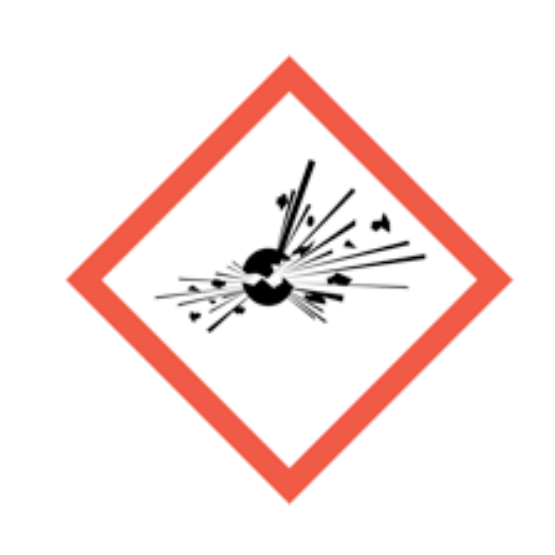
Exploding bomb
Explosive, self-reactive or organic peroxide hazards.
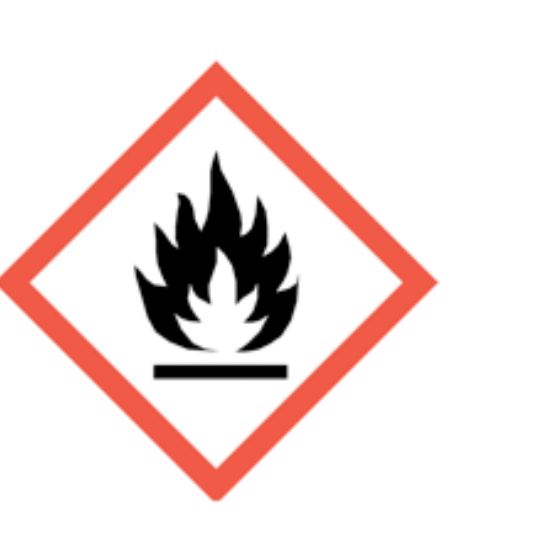
Flame
Flammable, self-heating or pyrophoric substances.
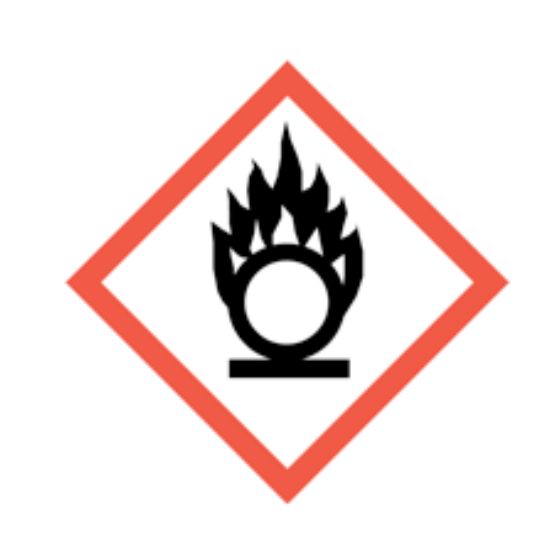
Flame over circle
Oxidising substances that can intensify fire.

Gas cylinder
Gas under pressure.
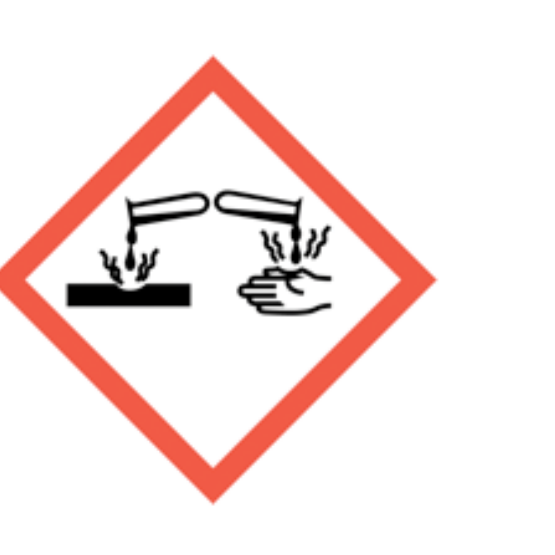
Corrosion
Skin burns, eye damage or corrosive to metals.
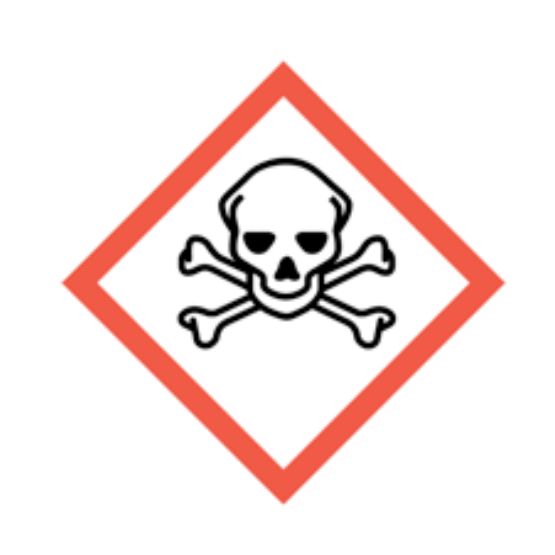
Skull and crossbones
Acute toxicity.
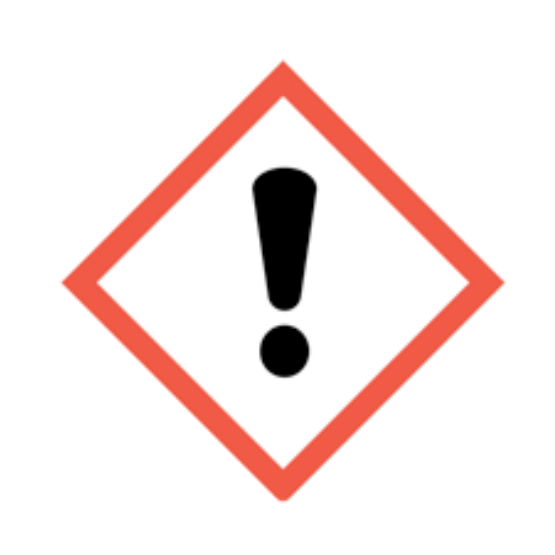
Exclamation mark
Irritation, harmful effects or skin sensitisation; some classifications cover drowsiness, dizziness or ozone-layer hazard. Read the actual hazard statements. Skin sensitisation differs from respiratory sensitisation.
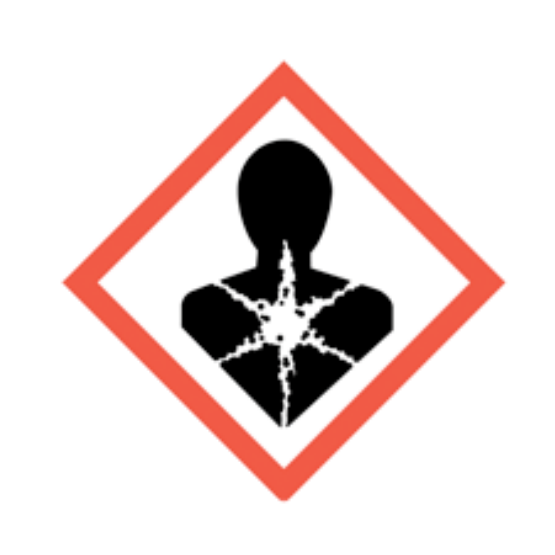
Health hazard
Serious health hazards, including organ damage, aspiration hazard, respiratory sensitisation, cancer and reproductive effects; some can follow a single exposure.
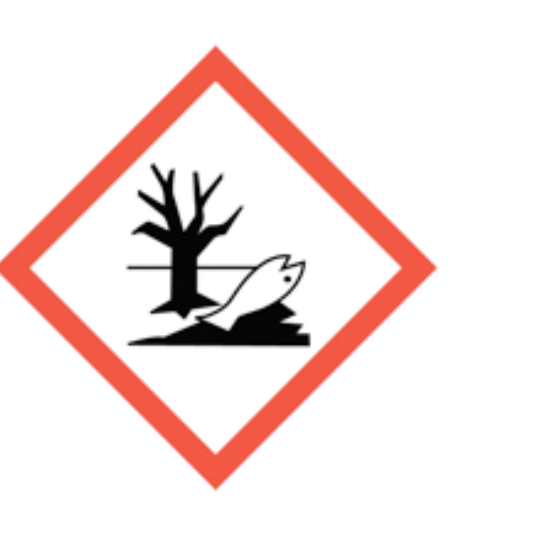
Environment
Hazardous to the aquatic environment.
Which acronyms and terms matter here?
These terms distinguish the exposure route, protection and medical response.
| Term | Full form or meaning | Use here |
|---|---|---|
| GB | Great Britain | England, Scotland and Wales law. |
| NI | Northern Ireland | Separate COSHH instrument. |
| COSHH | Control of Substances Hazardous to Health | Biological-agent assessment and control. |
| PPE | Personal protective equipment | Residual splash/skin protection after source controls. |
| OH | Occupational health | Work-health advice; does not replace urgent clinical care. |
| UKHSA | UK Health Security Agency | Official transmission and clinical reference. |
| ERICPD | Eliminate, Reduce, Isolate, Control, PPE, Discipline | Planning and sustaining wet-work controls. |
| Weil’s disease | Severe leptospirosis with liver involvement | One possible severe outcome, not a synonym for every infection. |
Unlock another resource
You have used this month’s two free downloads. Publish a post in your own words to unlock one more resource, or choose SHARE Individual for 10 downloads per month.
You decide whether to share. If you do, use the relevant platform disclosure tools and do not make claims you do not genuinely hold.