
SHARE Knowledge Hub
Lead Poisoning
Lead poisoning is harm from lead absorbed into the body, often after repeated inhalation of dust or fume or swallowing contamination from hands and surfaces. Lead can affect blood formation, nerves, kidneys and reproduction, and early symptoms may be vague or absent. Prevention depends on controlling the work process and hygiene, with competent medical surveillance where exposure is significant; a blood result must prompt action on the source.
Understanding Lead Poisoning
Lead poisoning is a medical diagnosis. Managers must not diagnose, prescribe investigations, interpret an individual's fitness or recommend chelation. Their role is to stop or control further exposure, provide accurate exposure information, activate occupational-health and appointed-doctor arrangements, support urgent care and investigate the work without delaying clinical help.
Why this matters at work
Very high exposure can cause altered alertness, ataxia, cerebral oedema, encephalopathy, seizures, coma or death. These are medical emergencies. Remove the person from further exposure without endangering rescuers, call emergency services where indicated, and provide substance and exposure information. Do not wait for an occupational-health appointment or a confirmatory workplace sample.
Lead poisoning is harmful systemic exposure in which absorbed lead produces, or creates a clinically important risk of, toxic effects. Lead does not need to cause dramatic symptoms before the situation matters. Chronic occupational absorption can progress quietly, and blood, kidney, neurological, cardiovascular or reproductive effects may occur before a worker recognises a coherent illness.
How organisations manage this in practice
Senior review should ask why prevention, surveillance or assurance failed early enough to permit abnormal absorption or illness. Examine investment, design, maintenance, staffing, production pressure, contractor control, welfare, occupational-health access and the quality of risk information. Do not reduce the review to whether an operator washed correctly.
Review handling, extraction, housekeeping, eating and washing arrangements, RPE and workwear. Preserve air and biological-monitoring records with dates, units and task context. Consult the appropriate appointed doctor or occupational-health professional about surveillance and fitness. Record the control corrections and verify them before resuming affected work. This example explains the response to a credible concern; it does not establish that lead caused the symptoms or authorise a clinical treatment or return to exposure.
One case may indicate exposure affecting others. Define who performed the same task, entered the area, cleaned or maintained equipment, shared welfare or vehicles, or handled contaminated clothing and waste. Include agency workers and contractors. Do not restrict the review to people who report symptoms.
The document is deliberately different from the Lead Dust topic. Lead Dust addresses source control, engineering, hygiene, RPE and exposure monitoring in depth. This topic starts when absorption, symptoms, an abnormal biological result or a suspected poisoning case requires medical assessment and workplace response, while still linking every case back to prevention and control failure.
How can I practise this topic in 3D?


Old lead-containing paint is dry stripped
All related inspection points 1 across 1 location
Construction site 1 inspection point
Practice in the SHAREhub environment. Browser practice is separate from workplace competence and formal learning records.
What health boundary should readers understand?
This page is workplace guidance, not medical advice. Suspected significant exposure, symptoms after lead work or abnormal blood-lead results should be handled through occupational health, an appointed doctor route where required and appropriate medical assessment.
Best-practice guide: Lead Poisoning

What health boundary should readers understand?
This page is workplace guidance, not medical advice. Suspected significant exposure, symptoms after lead work or abnormal blood-lead results should be handled through occupational health, an appointed doctor route where required and appropriate medical assessment. Lead poisoning is harm from lead absorbed into the body, often after repeated inhalation of dust or fume or swallowing contamination from hands and surfaces.
Turn lead poisoning knowledge into a decision
Lead poisoning is harm from lead absorbed into the body, often after repeated inhalation of dust or fume or swallowing contamination from hands and surfaces. Lead can affect blood formation, nerves, kidneys and reproduction, and early symptoms may be vague or absent. Exposure group register.
the site team worked example
Assessing: the site team identifies workers and subcontractors who may disturb lead paint, pipework or roof flashings. Evidence / response: Exposure group register. Analysing: Air monitoring, task observations and any blood-lead trends are reviewed together. Evidence / response: Monitoring report and OH trend review.
Lead poisoning health effects
Blood: Interference with blood formation and anaemia-type effects. Nervous system: Peripheral nerve effects, mood, concentration or coordination concerns. Kidneys: Potential kidney effects from chronic exposure.
Choose controls for lead poisoning
Eliminate: Do not disturb a sound lead coating when design permits; remove a component for controlled off-site treatment instead of stripping it in an occupied room. Reduce: Use a tested wet or chemical preparation instead of dry sanding, and lead-free materials for replacement; check the substitute chemical and finish. Isolate: Enclose unavoidable removal and capture dust at the tool with suitable extraction and filtered cleaning; separate clean and dirty movement. Control: Limit access, sequence work, bag debris at source, wet/HEPA clean, segregate welfare and require washing before eating or leaving. PPE: Select task-suitable respiratory protection, gloves and coveralls for residual exposure, with fit testing for tight-fitting respirators. Read the full control table for qualifications, ownership and verification. Use the actual task and applicable jurisdiction; existing technical approval remains unchanged.
Use the full lead poisoning lesson
Use the full topic for the decision points, practical examples, detailed control tables and source scope. HSE guidance applies to Great Britain; use HSENI for the Northern Ireland route and the source’s stated jurisdiction. A simplified guide does not change the page’s technical-review or approval status.

Read all six steps as text
1. What health boundary should readers understand?
This page is workplace guidance, not medical advice.
- Avoid / redesign: Do not disturb a sound lead coating when design permits; remove a component for controlled off-site treatment instead of stripping it in an occupied room.
- Control the task: Enclose unavoidable removal and capture dust at the tool with suitable extraction and filtered cleaning; separate clean and dirty movement.
- Verify before release: Designer records feasibility and later-work implications; supervisor stops if hidden lead changes the method
This page is workplace guidance, not medical advice. Suspected significant exposure, symptoms after lead work or abnormal blood-lead results should be handled through occupational health, an appointed doctor route where required and appropriate medical assessment. Lead poisoning is harm from lead absorbed into the body, often after repeated inhalation of dust or fume or swallowing contamination from hands and surfaces.
Apply it: Which part of this plan would you check at the workface before authorising the task?
2. Turn lead poisoning knowledge into a decision
Use the evidence to improve the actual work arrangement.
- Change at source: Do not disturb a sound lead coating when design permits; remove a component for controlled off-site treatment instead of stripping it in an occupied room.
- Make it observable: Designer records feasibility and later-work implications; supervisor stops if hidden lead changes the method
- Keep useful evidence: Exposure group register.
Lead poisoning is harm from lead absorbed into the body, often after repeated inhalation of dust or fume or swallowing contamination from hands and surfaces. Lead can affect blood formation, nerves, kidneys and reproduction, and early symptoms may be vague or absent. Exposure group register.
Apply it: What evidence would show that the change improves this task, rather than only completing a record?
3. the site team worked example
Example: a practical application of the existing topic lesson.
- Assessing: the site team identifies workers and subcontractors who may disturb lead paint, pipework or roof flashings.
- Analysing: Air monitoring, task observations and any blood-lead trends are reviewed together.
- Implementing: Lead work requires approved methods, clean welfare, RPE controls and supervisor sign-off.
Assessing: the site team identifies workers and subcontractors who may disturb lead paint, pipework or roof flashings. Evidence / response: Exposure group register. Analysing: Air monitoring, task observations and any blood-lead trends are reviewed together. Evidence / response: Monitoring report and OH trend review.
Apply it: At which point would you hold this example, and what evidence would allow it to proceed?
4. Lead poisoning health effects
Connect the task, the route to the person and the control that can fail.
- Blood: Interference with blood formation and anaemia-type effects.
- Nervous system: Peripheral nerve effects, mood, concentration or coordination concerns.
- Kidneys: Potential kidney effects from chronic exposure.
Blood: Interference with blood formation and anaemia-type effects. Nervous system: Peripheral nerve effects, mood, concentration or coordination concerns. Kidneys: Potential kidney effects from chronic exposure.
Apply it: Who could be exposed, including other trades, cleaners, maintainers and people nearby?
5. Choose controls for lead poisoning
Start with the stronger practicable options and verify their effect.
- Eliminate: Do not disturb a sound lead coating when design permits; remove a component for controlled off-site treatment instead of stripping it in an occupied room.
- Reduce: Use a tested wet or chemical preparation instead of dry sanding, and lead-free materials for replacement; check the substitute chemical and finish.
- Isolate: Enclose unavoidable removal and capture dust at the tool with suitable extraction and filtered cleaning; separate clean and dirty movement.
- Control: Limit access, sequence work, bag debris at source, wet/HEPA clean, segregate welfare and require washing before eating or leaving.
- PPE: Select task-suitable respiratory protection, gloves and coveralls for residual exposure, with fit testing for tight-fitting respirators.
Eliminate: Do not disturb a sound lead coating when design permits; remove a component for controlled off-site treatment instead of stripping it in an occupied room. Reduce: Use a tested wet or chemical preparation instead of dry sanding, and lead-free materials for replacement; check the substitute chemical and finish. Isolate: Enclose unavoidable removal and capture dust at the tool with suitable extraction and filtered cleaning; separate clean and dirty movement. Control: Limit access, sequence work, bag debris at source, wet/HEPA clean, segregate welfare and require washing before eating or leaving. PPE: Select task-suitable respiratory protection, gloves and coveralls for residual exposure, with fit testing for tight-fitting respirators. Read the full control table for qualifications, ownership and verification. Use the actual task and applicable jurisdiction; existing technical approval remains unchanged.
Apply it: Which stronger option can be used here, and who will verify it before accepting the remaining risk?
6. Use the full lead poisoning lesson
Follow the official sources below and retain the task-specific evidence.
- Official guidance: HSE control guidance
- Official guidance: Lead at work
- Task decision: Exposure group register.
Use the full topic for the decision points, practical examples, detailed control tables and source scope. HSE guidance applies to Great Britain; use HSENI for the Northern Ireland route and the source’s stated jurisdiction. A simplified guide does not change the page’s technical-review or approval status.
Apply it: Which official source and full-topic section will you use to resolve the next decision?
Workers should not be expected to self-diagnose lead poisoning, and managers should not try to interpret clinical detail beyond their competence. The workplace role is to prevent exposure, recognise possible warning signs, remove people from uncontrolled exposure, provide accurate exposure information to occupational health and act on competent advice.
Lead-related health information is sensitive. It should be handled under UK GDPR and the Data Protection Act 2018, with access limited to those who need the information to protect health and manage work safely.
| Issue | Workplace role | Medical/OH role |
|---|---|---|
| Symptoms | Listen, record work context and remove from exposure if needed. | Assess, diagnose and advise. |
| Blood-lead result | Act on fitness/restriction and control recommendations. | Interpret result and decide surveillance frequency. |
| Pregnancy or fertility concern | Protect confidentiality and review exposure controls. | Provide individual medical advice. |
| Return to lead work | Implement restrictions and control improvements. | Confirm fitness and conditions for return. |
| Records | Keep health records secure and limited. | Hold confidential medical records. |
What are the key facts about lead poisoning?
Lead poisoning is a body-burden problem: repeated exposure can accumulate before obvious harm is recognised.
Systemic toxicant
Lead can affect blood, nerves, kidneys, blood pressure and reproductive health.
Two main routes
Inhalation and ingestion are the main routes in most workplaces.
Dust discipline matters
Eating, smoking, drinking or touching the face with contaminated hands can create ingestion exposure.
Blood lead is evidence
Blood-lead monitoring helps show absorbed dose, not just airborne conditions.
Control failures affect groups
A rising result may indicate a task, method or hygiene problem affecting others.
Privacy is essential
Managers need action information, not unnecessary medical detail.
How can lead poisoning affect health?
Lead interferes with several biological systems, so effects can be subtle, chronic and wide-ranging.
Lead can disrupt haemoglobin formation, which is why anaemia-type effects are important. It can also affect the nervous system, causing symptoms such as tingling, weakness, irritability or concentration problems. Kidney effects, raised blood pressure and reproductive-health concerns can also be relevant. Health effects may occur over time, so waiting for obvious illness is poor management.
The same blood-lead result may need different interpretation depending on worker vulnerability, pregnancy potential, symptoms, exposure pattern and medical history. This is why surveillance should be managed by competent occupational-health professionals and appointed doctors where the lead regime requires it.
HSE describes the systemic effects of lead, including anaemia, kidney and nervous-system harm and reproductive risks. Symptoms are an unreliable exposure meter: a worker may accumulate lead before an obvious complaint, so an absence of symptoms cannot close an uncontrolled-exposure report.
| Body system | Possible concern | Workplace implication |
|---|---|---|
| Blood | Interference with blood formation and anaemia-type effects. | Monitor absorbed dose and act on surveillance advice.HSE health effects. |
| Nervous system | Peripheral nerve effects, mood, concentration or coordination concerns. | Do not dismiss subtle symptoms in exposed workers.HSE health effects. |
| Kidneys | Potential kidney effects from chronic exposure. | Review exposure controls where trends or symptoms appear.HSE health effects. |
| Cardiovascular | Raised blood pressure has been reported at lower blood-lead levels. | Use competent interpretation and prevention.HSE health effects. |
| Reproductive health | Fertility and pregnancy concerns can be relevant. | Protect confidentiality and reduce exposure.HSE health effects. |
| Whole-body burden | Lead can be stored in bone and persist over time. | Avoid repeated exposure and review trends.HSE health effects. |
How does lead get into the body at work?
Understanding routes of entry is the foundation of good lead control.
Inhalation occurs when dust or fume is breathed in. This can happen during sanding, burning, cutting, melting, cleaning or abrasive disturbance. Ingestion happens when contamination transfers to the mouth from hands, food, drink, cigarettes, phones, gloves, beards or contaminated surfaces.
Skin absorption is not the main route for most inorganic lead dusts, but some lead compounds can behave differently. The assessment should identify the material and use competent chemical information rather than relying on a generic statement.
HSE identifies inhalation and ingestion in paint stripping, hot cutting, battery recycling and pigment work. Swallowing can follow contaminated hands, nails, cigarettes, food or clothing; respiratory protection alone cannot close this route. Alkyl-lead skin absorption is a specialist case that needs the actual substance identified.
| Route | Workplace example | Control focus |
|---|---|---|
| Inhalation of dust | Dry sanding lead paint or cleaning dusty residues. | Prevent dust, extract, contain and use suitable RPE where needed. |
| Inhalation of fume | Hot cutting, welding or burning lead-containing coatings. | Avoid hot work, strip coatings safely and use LEV/RPE. |
| Ingestion | Eating, smoking or touching face with contaminated hands. | Washing, clean welfare and behavioural rules. |
| Take-home contamination | Dirty clothing or tools taken into vehicles or homes. | Changing, laundry, tool cleaning and segregation. |
| Skin absorption for specific compounds | Specialist lead compounds. | Substance-specific assessment under the applicable CLAW instrument and suitable protection; use COSHH for separate accompanying hazards. |
Which workplace tasks can lead to lead poisoning?
Lead poisoning risk rises where lead-containing material is disturbed repeatedly or controls are weak.
Lead poisoning risk rises where lead-containing material is disturbed repeatedly or controls are weak. The table gives practical examples, evidence expectations and common decision points so the section can be used for learning, supervision, audit and review.
| Task | Exposure pattern | Learning point |
|---|---|---|
| Old paint removal | Dust from sanding, scraping or burning. | Identify lead before work starts and avoid high-dust methods. |
| Welding or burning coated steel | Lead fume from heated coating. | Coating checks and hot-work controls are essential. |
| Battery recycling | Dust, paste and contaminated surfaces. | Enclosure, hygiene and surveillance are central. |
| Radiator repair or soldering | Fume and hand contamination. | Ventilation and hygiene need control. |
| Firing-range cleaning | Lead dust in bullet traps and surfaces. | Specialist cleaning, RPE and surveillance. |
| Scrap and demolition | Unknown materials and residues. | Survey, segregation and monitoring. |
| Lead roofing | Handling, cutting and contaminated gloves. | Hygiene, clean rest areas and waste controls. |
What symptoms or patterns should be acted on?
Symptoms are not a substitute for monitoring, but they should never be ignored in exposed workers.
Possible symptoms can be vague: tiredness, headache, irritability, stomach discomfort, constipation, anaemia-like fatigue, tingling or weakness. A person may not connect these with work, particularly if exposure builds slowly. Supervisors should therefore create a reporting culture where symptoms are raised early without fear of blame or job loss.
A symptom pattern is especially important where several workers on the same task report similar issues, where symptoms follow lead work, or where blood-lead results show a rising trend. The response should review the task and controls, not just send one person away from the job.
| Signal | Why it matters | Workplace response |
|---|---|---|
| Tiredness, headaches or stomach pain | Could be unrelated, but may fit lead exposure. | Signpost to medical/OH advice and review exposure. |
| Tingling, weakness or nerve symptoms | May indicate neurological involvement. | Remove from uncontrolled exposure and seek competent advice. |
| Several workers affected | Suggests a task or control failure. | Investigate exposure group and controls. |
| Rising blood-lead trend | Absorbed dose is increasing. | Review controls, hygiene and work method. |
| Pregnancy or fertility concern | Lead may have reproductive relevance. | Protect privacy and use OH/medical advice. |
What does blood-lead monitoring show?
Blood-lead monitoring helps assess uptake and whether exposure controls are protecting people; trends need clinical and exposure-history interpretation.
Air monitoring tells you about airborne lead during a sampled task. Blood-lead concentration is a biomarker of uptake and recent exposure across routes, including ingestion, and can also reflect lead released from bone. It is not a direct measurement of total lifetime absorbed dose or body stores. Both types of information can be needed because a workplace might control airborne dust but fail at hygiene, or control one task but miss take-home contamination.
HSE identifies a workplace exposure limit for lead in air and blood-lead suspension levels in its lead health-effects guidance. These figures should be used with competent occupational-health and occupational-hygiene support because the management response depends on the worker, the result, the task, the trend and the applicable lead surveillance requirements.
HSE explains biological monitoring: a blood test reflects absorbed lead across routes, whereas air sampling checks the breathing-zone exposure under sampled conditions. In GB, HSE action and suspension guidance sets differentiated levels; HSENI states NI levels and medical route. An appointed doctor interprets results and fitness; managers must act on control failures and work restrictions without circulating private results.
| Monitoring type | What it tells you | Limitation |
|---|---|---|
| Air monitoring | Airborne exposure during a defined task or period. | Does not capture ingestion or all shifts. |
| Surface or contamination checks | Whether dust is spreading to welfare, tools or vehicles. | Needs interpretation and a cleaning standard. |
| Blood-lead monitoring | Biomarker of uptake across routes; recent exposure and release from bone can affect the concentration. | Needs competent clinical interpretation. |
| Health surveillance review | Whether workers remain fit and controls are adequate. | Not a replacement for exposure prevention. |
| Trend review | Whether exposure is improving or worsening. | Requires consistent records and action. |
A single blood-lead result cannot date a particular exposure or quantify all lead stored in the body. Use the appointed doctor’s interpretation with task history, hygiene and air-monitoring evidence. Sending a component off site relocates its lead hazard; removal, wrapping, transport and the receiving process still need control.
How do poor controls become lead poisoning?
This bridge links the practical dust problem to the clinical health-effect problem.
Lead poisoning rarely starts as one dramatic moment in ordinary maintenance work. It often develops as a chain of small failures: a lead-containing coating is not identified, a dusty method is used, welfare is poor, contaminated gloves are worn into the van, workers do not understand ingestion, and no one reviews exposure trends. Over time, lead absorbed into the body may show as rising blood-lead results before obvious illness is recognised.
This is why the response to an abnormal result or symptom report should not be limited to the individual. A competent employer asks which task, area, method, contractor, tool or hygiene arrangement could have caused uptake, who else is in the same exposure group and whether the controls have been verified since the concern was raised.
| Pathway step | What may happen | Competent management response |
|---|---|---|
| Lead source missed | Old paint, coated steel, pipework or residues are disturbed without lead controls. | Stop similar work, check information and update the task assessment. |
| Dust or fume generated | Dry sanding, hot cutting, abrasive removal or poor cleaning creates airborne or surface contamination. | Redesign method, control source and consider competent monitoring. |
| Ingestion route opens | Workers eat, drink, smoke or touch faces with contaminated hands or clothing. | Improve washing, clean welfare, changing and supervision. |
| Absorbed dose rises | Blood-lead monitoring shows uptake before clear symptoms. | Use OH/appointed doctor advice, review exposure group and improve controls. |
| Symptoms appear | Tiredness, abdominal symptoms, nerve symptoms or reproductive concerns are reported. | Remove from uncontrolled exposure and provide exposure history for medical assessment. |
| Restriction or removal | Medical surveillance advises restriction from lead work. | Follow advice, investigate root cause and verify controls before return. |
| Learning loop | One result indicates a possible system weakness. | Update risk register, contractor rules, training and assurance checks. |
How can the hierarchy of controls reduce lead exposure and occupational poisoning risk?
Prevent lead entering the body: remove or substitute the dusty task where feasible, then contain and capture exposure before relying on work rules or PPE.
HSE identifies inhalation and ingestion as the main routes for common lead dust and fume tasks. A mask cannot prevent swallowing dust from contaminated hands or clothing. HSE employer guidance therefore links process control, clean welfare, equipment maintenance, supervision and medical surveillance. The five-level hierarchy and ERICPD below express the same priority in different groupings; neither is a new statutory test.
For a door-stripping job, leaving sound coating in place may be the strongest feasible design. Where removal is necessary, a trial of wet preparation or another lower-release method must be checked against the finish and any new chemical hazard. If powered work remains, verified capture, enclosure, cleaning and clean breaks must be in place before anyone starts. The supervisor holds the job for unknown material, dust escape, loss of extraction or contaminated welfare.
How can the ERICPD hierarchy of controls reduce lead exposure and occupational poisoning risk?

| ERICPD | Five-level hierarchy | Task-specific intervention | Owner, check and stop |
|---|---|---|---|
| Eliminate | Elimination | Do not disturb a sound lead coating when design permits; remove a component for controlled off-site treatment instead of stripping it in an occupied room. | Designer records feasibility and later-work implications; supervisor stops if hidden lead changes the method.HSE control guidance. |
| Reduce | Substitution | Use a tested wet or chemical preparation instead of dry sanding, and lead-free materials for replacement; check the substitute chemical and finish. | Technical owner trials the method; supervisor stops on dust, fume or substitute hazard not covered in the plan.HSE control guidance. |
| Isolate / Control | Engineering controls | Enclose unavoidable removal and capture dust at the tool with suitable extraction and filtered cleaning; separate clean and dirty movement. | Competent person verifies capture before work; supervisor checks integrity during work. Escape or suction loss stops work.HSE control guidance. |
| Control | Administrative controls | Limit access, sequence work, bag debris at source, wet/HEPA clean, segregate welfare and require washing before eating or leaving. | Supervisor records daily boundary and welfare checks. Contaminated breaks or take-home clothing triggers a hold.HSE control guidance. |
| PPE | PPE | Select task-suitable respiratory protection, gloves and coveralls for residual exposure, with fit testing for tight-fitting respirators. | Competent selector sets specification; wearer checks fit and condition. A failed seal or damaged clothing stops entry.HSE control guidance. |
| Discipline | Sustaining all levels | Use work observation, equipment maintenance, air monitoring and appointed-doctor advice to detect drift before illness. | Manager closes defects and reviews similar jobs. An adverse exposure or blood-lead trend triggers source-control redesign.HSE control guidance. |
How can the ISO 45001 hierarchy of controls reduce lead exposure and occupational poisoning risk?

| ERICPD | Five-level hierarchy | Task-specific intervention | Owner, check and stop |
|---|---|---|---|
| Eliminate | Elimination | Do not disturb a sound lead coating when design permits; remove a component for controlled off-site treatment instead of stripping it in an occupied room. | Designer records feasibility and later-work implications; supervisor stops if hidden lead changes the method.HSE control guidance. |
| Reduce | Substitution | Use a tested wet or chemical preparation instead of dry sanding, and lead-free materials for replacement; check the substitute chemical and finish. | Technical owner trials the method; supervisor stops on dust, fume or substitute hazard not covered in the plan.HSE control guidance. |
| Isolate / Control | Engineering controls | Enclose unavoidable removal and capture dust at the tool with suitable extraction and filtered cleaning; separate clean and dirty movement. | Competent person verifies capture before work; supervisor checks integrity during work. Escape or suction loss stops work.HSE control guidance. |
| Control | Administrative controls | Limit access, sequence work, bag debris at source, wet/HEPA clean, segregate welfare and require washing before eating or leaving. | Supervisor records daily boundary and welfare checks. Contaminated breaks or take-home clothing triggers a hold.HSE control guidance. |
| PPE | PPE | Select task-suitable respiratory protection, gloves and coveralls for residual exposure, with fit testing for tight-fitting respirators. | Competent selector sets specification; wearer checks fit and condition. A failed seal or damaged clothing stops entry.HSE control guidance. |
| Discipline | Sustaining all levels | Use work observation, equipment maintenance, air monitoring and appointed-doctor advice to detect drift before illness. | Manager closes defects and reviews similar jobs. An adverse exposure or blood-lead trend triggers source-control redesign.HSE control guidance. |
How should medical surveillance be managed?
Medical surveillance should be risk-based, competent, confidential and linked to exposure control.
The purpose is not to prove that people can tolerate poor work. It is to detect early signs of uptake, protect workers and reveal where controls need improvement. Results should be reviewed at both individual and exposure-group level while protecting confidentiality.
Where a worker is restricted or removed from lead exposure, the business should investigate why. The answer may be poor hygiene, a defective control, a task taking longer than planned, incorrect RPE, contaminated vehicles or a subcontractor method that was never properly reviewed.
HSE significant-exposure guidance includes substantial ingestion risk as well as inhalation above half the air limit. HSENI explains the Northern Ireland medical-surveillance requirement. A worker who reports symptoms or has an adverse result needs clinical assessment and an immediate review of similar tasks and exposed coworkers; do not wait for the next routine test.
| Element | Good practice | Evidence |
|---|---|---|
| Exposure group | Identify who performs similar lead tasks. | Register of exposed workers. |
| Baseline | Complete required pre-placement checks before significant exposure. | OH/appointed doctor process. |
| Periodic checks | Repeat blood-lead monitoring at required intervals. | Surveillance schedule. |
| Results action | Act on restrictions, rising trends and control advice. | Action tracker and exposure review. |
| Confidentiality | Share only necessary fitness/control information. | Privacy controls and access list. |
| Review | Use surveillance trends to improve controls. | Management review and risk assessment update. |
Significant exposure is not the only medical-surveillance gateway. In GB, CLAW regulation 10(1) also covers blood or urinary lead at or above the concentrations specified in regulation 10(2), measured during assessment or employment, and certification by the relevant doctor. The scheme must use an HSE-appointed doctor or employment medical adviser as applicable; a routine screening service is not a substitute. For NI use its separate CLAW instrument and HSENI medical-surveillance route, including the result and doctor-certification gateways. Sources: HSE L132 control of lead at work; HSENI lead and medical surveillance.
For GB lead work, notify the appointed doctor promptly when pregnancy is reported and remove the pregnant employee from work involving significant lead exposure. This is an exposure restriction, not blanket exclusion from employment; assess suitable alternative work and use the separate NI route where relevant. The GB employer health record is retained for at least 40 years after its last entry; confidential clinical records remain separate. MS40 describes actual biological-result disclosure with employee consent, or sufficient range/trend information for control review when consent is absent, alongside prompt action-level notification. Restrict access to those who need to implement the advice. Sources: HSE MS40 appointed-doctor guidance.
What should workers be told about lead poisoning?
Workers need clear, practical information that helps them protect themselves and report problems early.
Workers need clear, practical information that helps them protect themselves and report problems early. The table gives practical examples, evidence expectations and common decision points so the section can be used for learning, supervision, audit and review.
| Topic | What workers should understand | Why it matters |
|---|---|---|
| Where lead is in the job | Which material or task creates exposure. | Makes controls meaningful. |
| Routes into the body | Breathing dust/fume and swallowing contamination. | Explains hygiene and RPE rules. |
| Symptoms and reporting | Possible symptoms and how to raise concerns. | Supports early action. |
| Hygiene rules | Wash before breaks; no eating, drinking or smoking in contaminated areas. | Prevents ingestion. |
| RPE/PPE | How to fit, check, remove, store and report defects. | Prevents false protection. |
| Surveillance | Why blood tests may be needed and how privacy is handled. | Builds trust and participation. |
How should lead health information be handled?
Lead health information should be minimised, secured and shared only for legitimate health and safety purposes.
Lead health information should be minimised, secured and shared only for legitimate health and safety purposes. The table gives practical examples, evidence expectations and common decision points so the section can be used for learning, supervision, audit and review.
ICO guidance on workers’ health information supports collecting and sharing only what each role needs. Occupational health retains clinical detail; the supervisor needs safe-work restrictions and control actions, not the full blood-lead history.
| Information | How to handle it | What not to do |
|---|---|---|
| Purpose | Collect information only where it is needed to manage lead medical surveillance and blood-lead information, support a person, meet a duty or review controls. | Avoid curiosity questions, informal labels or records that do not change the work decision. |
| Minimum detail | Managers usually need work impact, restrictions, adjustments, exposure facts or support needs, not diagnosis or clinical detail. | Keep medical interpretation with qualified health professionals. |
| Transparency | Explain what information is collected, why, who can see it, how long it is kept and how it will be used. | Use privacy notices, referral information and clear consent routes where relevant. |
| Access control | Limit access to people who genuinely need the information. | Use role-based access and separate health or exposure records from ordinary management notes. |
| Respectful language | Use neutral, non-stigmatising wording in notes, policies and briefings. | Protects dignity, confidence and legal fairness. |
What should trigger action or escalation?
Action should be based on exposure evidence, symptoms, surveillance results and control failure.
Use HSE lead health-effects guidance to check the material, exposure route and task response. An unknown coating, uncontrolled dust or suspected absorbed exposure requires a competent hold and escalation decision before routine work resumes.
The table gives practical examples, evidence expectations and common decision points so the section can be used for learning, supervision, audit and review.
| Trigger | Possible meaning | Response |
|---|---|---|
| Worker symptoms after lead work | Possible exposure or unrelated illness needing assessment. | Remove from exposure if needed and signpost OH/medical advice. |
| Blood-lead trend rising | Controls or hygiene may be failing. | Review task, exposure group and controls. |
| Suspension or restriction advice | Continued exposure may be unsafe. | Follow appointed doctor/OH advice and investigate. |
| Unexpected monitoring result | Exposure higher than assessed. | Stop or redesign task and retest. |
| Contaminated welfare | Ingestion pathway exists. | Clean, segregate and retrain. |
| Poor reporting trust | Workers may hide symptoms or avoid surveillance. | Review culture, communication and job-security concerns. |
Suspected acute poisoning needs urgent medical assessment rather than the routine OH queue. Call 999 for unconsciousness, severe breathing difficulty or another life-threatening emergency, and use the local urgent-care service for urgent non-emergency advice. Do not enter an unsafe atmosphere to attempt an unplanned rescue. Give clinicians the substance, task and exposure timing without delaying care. Sources: NHS poisoning.
What evidence shows lead poisoning risk is managed?
Good evidence connects health outcomes to exposure control and learning.
Evidence should be read as a chain rather than a filing exercise. A single record rarely proves good management on its own; stronger assurance comes from matching records, observations, interviews, trends and verified action closure.
| Evidence | What it proves | Quality check |
|---|---|---|
| Lead risk assessment | Exposure routes and control plan are understood. | Specific to task and material. |
| Exposure monitoring | Airborne exposure has been assessed. | Representative and interpreted by competent person. |
| Surveillance register | Workers needing surveillance are identified. | Current and privacy-controlled. |
| OH recommendations | Restrictions and control advice are known. | Actions closed and reviewed. |
| Hygiene inspections | Ingestion controls are working. | Welfare and clean/dirty separation checked. |
| Training records | Workers know routes, symptoms and controls. | Understanding verified, not just attendance. |
| Action closure | Control failures are corrected. | Effectiveness checked after closure. |
How could a lead poisoning case develop in practice?
A maintenance crew strips old painted doors in a closed workshop; a weak extraction hose and contaminated breaks turn a routine job into absorbed exposure.
Before work, the manager obtains coating information and tests whether sound paint can remain or a lower-release method will meet the finish. The supervisor specifies enclosure, verified extraction, filtered or wet cleaning, clean welfare and suitable residual PPE. Workers demonstrate the method and know that unknown layers or failing suction mean stop.
During the first shift, dust appears outside the enclosure and a worker eats in workwear. The supervisor stops stripping, protects the clean area and checks the tool, boundary and welfare route. Competent occupational-hygiene and appointed-doctor advice determines monitoring or medical action for those exposed. After correction, the manager records the changed method, check results, worker briefing and hand-back; a normal-looking worker is not evidence that the exposure was safe.
How could BuildOut Ltd manage this in practice?

BuildOut Ltd would use lead poisoning information to test whether its lead dust controls are actually preventing absorbed dose.
BuildOut Ltd is a refurbishment contractor. Its lead programme links surveys, RAMS, monitoring, welfare, RPE, medical surveillance and worker feedback so health trends trigger real improvements rather than isolated case handling.
| Management element | How the business would manage it | Evidence to review |
|---|---|---|
| Assessing | BuildOut identifies workers and subcontractors who may disturb lead paint, pipework or roof flashings. | Exposure group register. |
| Analysing | Air monitoring, task observations and any blood-lead trends are reviewed together. | Monitoring report and OH trend review. |
| Implementing | Lead work requires approved methods, clean welfare, RPE controls and supervisor sign-off. | Lead work pack and permit. |
| Training | Workers learn symptoms, hygiene, surveillance reasons and how to report concerns confidentially. | Awareness and practical briefing. |
| Checking | Supervisors check clean/dirty separation, RPE fit, washing and no-eating rules. | Daily inspection records. |
| Learning | Any raised blood-lead result triggers review of all similar tasks and contractors. | Corrective action and standard update. |
What training supports lead poisoning prevention?
Competence is demonstrated on the actual lead task; a general awareness course does not authorise paint stripping or clinical interpretation.
HSE employer guidance calls for workers and supervisors to understand lead hazards, dust controls, equipment care, PPE and what to do when something fails. The employer must check that the person can use the specified method under real conditions. An appointed doctor makes medical-surveillance judgements; the line manager acts on work restrictions without receiving unnecessary clinical detail.
| Role | Learning and practical test | Assessor and record | Reassessment trigger |
|---|---|---|---|
| Nearby people and new starters | Recognise suspect lead paint or dust and the no-entry/report route. | Supervisor checks a scenario; briefing recorded. | New workface or discovered coating. |
| Lead-task workers and contractors | Demonstrate the actual low-dust method, extraction pre-use check, clean/dirty separation and stop decision. | Competent supervisor observes practical work and records authorised task scope. | Tool, coating, method or control changes. |
| Supervisor and contractor coordinator | Challenge unknown coatings, failed enclosure/extraction, welfare or cleaning; hold and hand back the job. | Manager samples a work pack, observation and signed restart. | Failed check, contamination or monitoring result. |
| Manager, purchaser or designer | Select a method that avoids disturbance where feasible; resource ventilation, welfare and monitoring. | Technical lead checks specification, survey, work plan and action closure. | New project type or repeated control failure. |
| Occupational hygienist and appointed doctor | Assess airborne and absorbed exposure within professional scope and advise surveillance/action. | Accredited/competent sampling and confidential medical record; manager receives necessary fitness/control advice. | New exposure pattern, symptoms or abnormal result. |
How should learners explain lead poisoning?
Strong answers explain mechanism, route, control, surveillance and confidentiality.
The table gives practical examples, evidence expectations and common decision points so the section can be used for learning, supervision, audit and review.
| Prompt | Strong answer should include | Weak answer |
|---|---|---|
| Explain lead poisoning. | Systemic toxic effect from absorbed lead affecting blood, nerves, kidneys and reproductive health. | Lead makes people ill. |
| Explain route of entry. | Inhalation and ingestion, with task and hygiene examples. | Through breathing only. |
| Explain blood monitoring. | Shows absorbed dose and must be interpreted by competent health professionals. | A test tells you if the site is safe. |
| Explain employer action. | Prevent exposure, monitor where needed, provide medical surveillance and act on results. | Send workers for tests. |
| Explain confidentiality. | Employer needs fitness/control information, not unnecessary clinical detail. | Managers should see all results. |
Which legal duties apply to lead poisoning?
Lead has its own GB and Northern Ireland regulations; use the instrument for the work location and competent advice for medical decisions.
The GB Control of Lead at Work Regulations 2002 and the NI Control of Lead at Work Regulations 2003 require exposure to be prevented or adequately controlled. Other task hazards still need assessment, but the lead-specific scheme is the starting point for lead work.
HSE L132 gives GB approved-code and guidance detail. HSENI lead guidance describes the NI medical-surveillance route. A blood result or airborne limit is an intervention signal, not a target concentration or permission to expose workers.
| Jurisdiction | Instrument or authority | Practical decision |
|---|---|---|
| Great Britain | Control of Lead at Work Regulations 2002 | Assess the risk; prevent or adequately control exposure; maintain controls and arrange monitoring and medical surveillance where the criteria apply. |
| Northern Ireland | Control of Lead at Work Regulations (Northern Ireland) 2003 | Separate NI regulations impose a lead-specific assessment, prevention/control, monitoring, medical-surveillance and information route. |
| Great Britain | HSE L132, third edition, ACOP and guidance | Use the approved code and guidance to interpret the GB lead regulations; an ACOP has a different legal status from ordinary guidance. |
| Northern Ireland | HSENI lead guidance | Use the NI regulator route for significant exposure, medical surveillance and action/suspension decisions. |
Exposure-value review trigger: check the published outcome of HSE’s CLAW exposure-values consultation, which closed on 7 June 2026, before the next legal review and after any announced amendment. Consultation proposals are not enacted limits; retain the applicable GB/NI values until the relevant law changes. Sources: HSE CLAW exposure-values consultation.
How should controls be owned and reviewed?
Assign a competent owner, check that task controls work, involve workers and act when evidence changes.
For Lead Poisoning, record the actual hazard and task, the chosen control, the person responsible, the evidence that it works and the point at which work must stop or be reassessed. HSE management guidance for Great Britain describes planning, worker consultation, checking and action. HSENI guidance for Northern Ireland describes competent help, risk control and review. These management steps do not prove that a particular task control is suitable; use the topic-specific evidence and the applicable GB or NI law elsewhere on this page.
What warning signs show lead poisoning risk is not managed?
Warning signs may appear in health trends, worker behaviour, hygiene conditions and weak control evidence.
Warning signs are included because failure usually appears before a serious event. Treat these points as prompts for inspection, audit, supervision and management review rather than as simple compliance statements.
| Warning sign | How harm can develop | Action |
|---|---|---|
| Workers do not know symptoms | Early signs may be missed. | Improve briefing and reporting routes. |
| Blood-lead trends ignored | Absorbed dose may keep increasing. | Escalate and review controls. |
| No exposure group register | Surveillance may miss people. | Identify workers by task and exposure. |
| Poor hygiene controls | Ingestion route remains open. | Fix welfare, changing and supervision. |
| Manager asks for diagnosis detail | Privacy breach and loss of trust. | Use OH fitness/control advice only. |
| Restrictions treated as worker problem | System failures remain uncorrected. | Review task, method, controls and exposure group. |
Chemical hazard symbols: what do they mean?
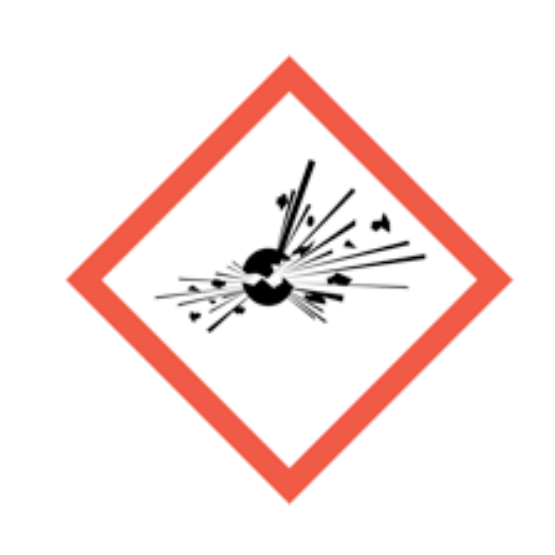
Exploding bomb
Explosive, self-reactive or organic peroxide hazards.
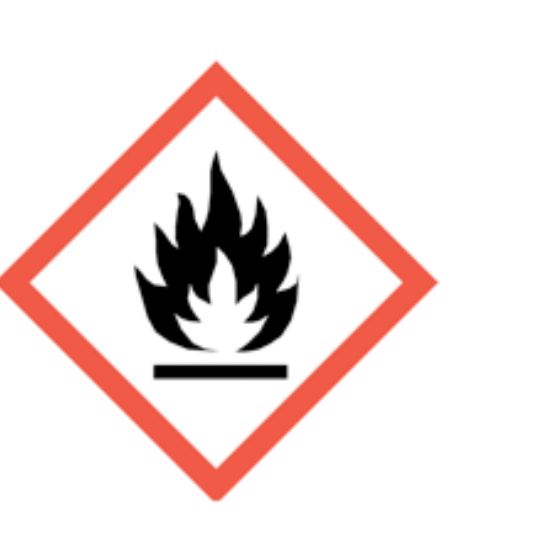
Flame
Flammable, self-heating or pyrophoric substances.
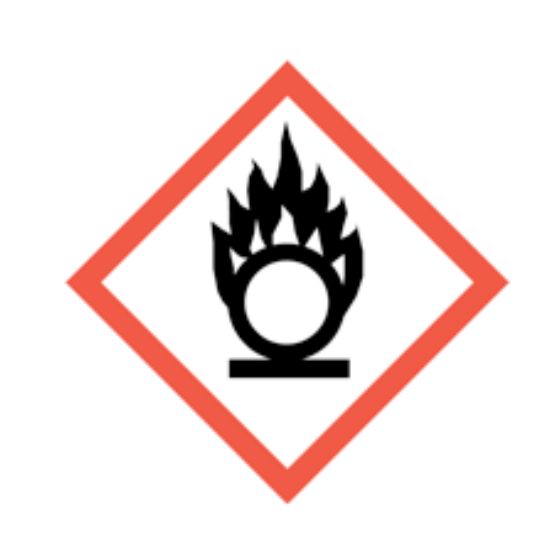
Flame over circle
Oxidising substances that can intensify fire.

Gas cylinder
Gas under pressure.
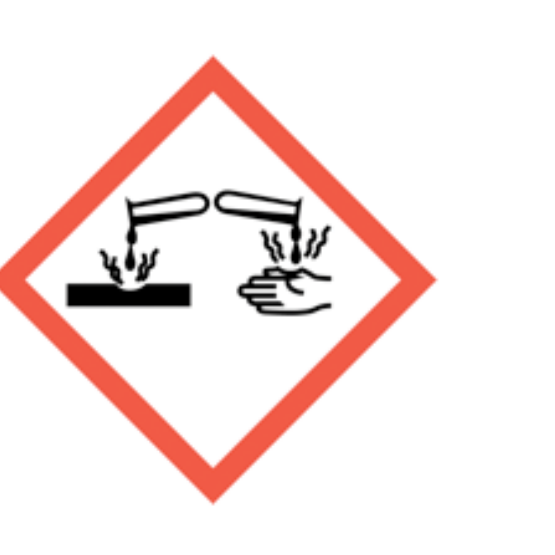
Corrosion
Skin burns, eye damage or corrosive to metals.
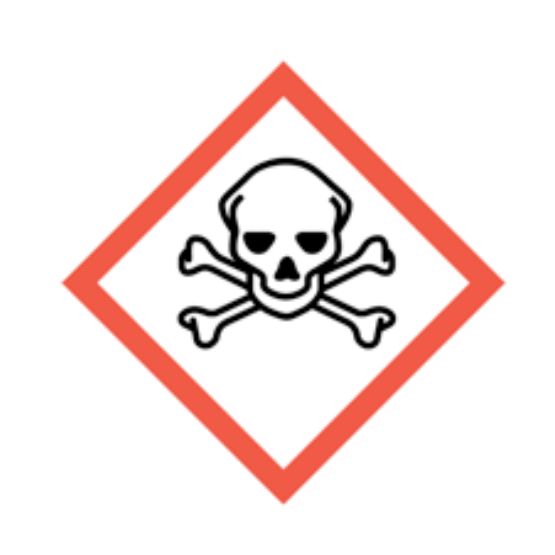
Skull and crossbones
Acute toxicity.
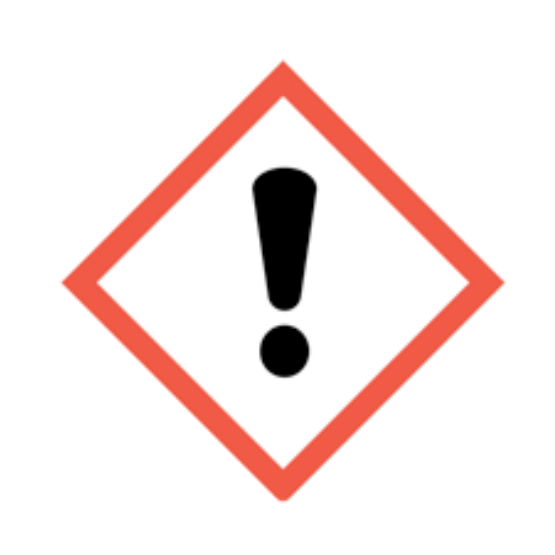
Exclamation mark
Irritation, harmful effects or skin sensitisation; some classifications cover drowsiness, dizziness or ozone-layer hazard. Read the actual hazard statements. Skin sensitisation differs from respiratory sensitisation.
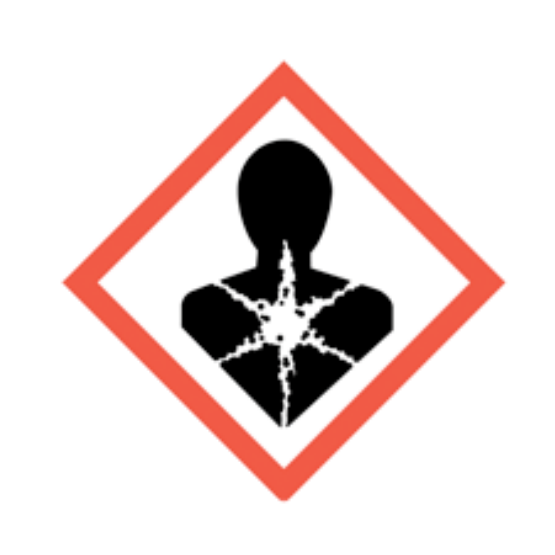
Health hazard
Serious health hazards, including organ damage, aspiration hazard, respiratory sensitisation, cancer and reproductive effects; some can follow a single exposure.
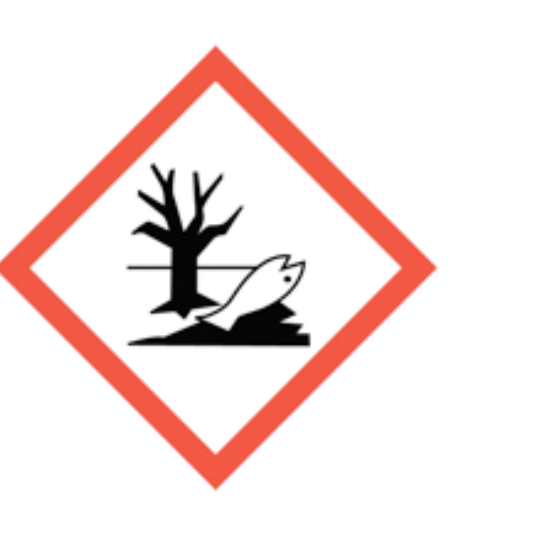
Environment
Hazardous to the aquatic environment.
Which acronyms and terms matter for lead work?
These terms distinguish the material, air and biological measures, protection and legal route.
| Term | Full form or meaning | Plain-English use |
|---|---|---|
| CLAW | Control of Lead at Work | Shorthand for the separate GB 2002 and NI 2003 lead regulations; use the correct instrument. |
| OEL | Occupational exposure limit | Lead-in-air legal limit for the relevant jurisdiction; not a safe exposure target. |
| RPE | Respiratory protective equipment | Task-suitable respirator for residual inhalation risk; it does not stop ingestion. |
| LEV | Local exhaust ventilation | Engineered capture of dust or fume close to the source. |
| PPE | Personal protective equipment | Last-layer task protection such as RPE, gloves and coveralls. |
| OH | Occupational health | Competent work-health advice, with clinical details kept confidential. |
| ERICPD | Eliminate, Reduce, Isolate, Control, PPE, Discipline | Six-stage planning model; Discipline means sustaining controls and learning. |
| BLL | Blood lead level | A measure of absorbed lead interpreted by an appointed doctor. |
| Biological monitoring | Measurement in a body sample | Shows absorbed lead across inhalation and ingestion routes, not just air exposure. |
| GB | Great Britain | England, Scotland and Wales; use GB lead regulations. |
| NI | Northern Ireland | Use NI lead regulations and HSENI guidance. |
| HSE | Health and Safety Executive | GB workplace safety regulator. |
| HSENI | Health and Safety Executive for Northern Ireland | Northern Ireland workplace safety regulator. |
| ACOP | Approved Code of Practice | Regulator-approved guidance with a distinct legal status from ordinary guidance. |
| COSHH | Control of Substances Hazardous to Health | Rules for other hazardous substances; lead has its own specific regulations. |
| WEL | Workplace exposure limit | General term in other substance regimes; lead regulations use an occupational exposure limit. |
| RAMS | Risk assessments and method statements | Local work-planning documents, not proof that controls work. |
| HEPA | High-efficiency particulate air | Filter class in suitable lead-dust cleaning equipment. |
| UK GDPR | UK General Data Protection Regulation | Data-protection rules for personal health information. |
Unlock another resource
You have used this month’s two free downloads. Publish a post in your own words to unlock one more resource, or choose SHARE Individual for 10 downloads per month.
You decide whether to share. If you do, use the relevant platform disclosure tools and do not make claims you do not genuinely hold.