
SHARE Knowledge Hub
Laboratory Animal Allergy
Laboratory animal allergy comprises allergic reactions or disease caused by sensitisation to proteins released from animals, their bedding and waste during research and animal-care work. Breathing contaminated dust can inflame the nose, eyes and airways and may lead to occupational asthma; skin contact can cause allergic reactions. Enclosed handling, effective extraction, clean work methods and early symptom reporting protect workers before disease becomes persistent.
Understanding Laboratory Animal Allergy
Laboratory animal allergy comprises allergic reactions or disease caused by sensitisation to proteins released from animals, their bedding and waste during research and animal-care work. Breathing contaminated dust can inflame the nose, eyes and airways and may lead to occupational asthma; skin contact can cause allergic reactions. Enclosed handling, effective extraction, clean work methods and early symptom reporting protect workers before disease becomes persistent.
Why this matters at work
RPE is normally needed for dusty high-exposure tasks such as dirty-bedding removal, cage cleaning, some direct handling and filter work when higher controls do not fully control exposure. Select it from the exposure, task duration, required protection, wearer, work rate, communication, other PPE and emergency needs. Surgical and nuisance masks do not protect against animal allergen.
Review the person's tasks and the wider exposure group, including extraction, cleaning, clothing and recent changes. Surveillance is intended to identify early signs and trigger action; it does not replace prevention or prove that continued exposure is safe. Keep clinical details separate from management records, sharing necessary fitness and adjustment advice. HSE's laboratory-animal guidance supports regular surveillance, while the scheme, referral and individual restrictions need competent advice. Do not use an unverified symptom checklist as a medical clearance.
How organisations manage this in practice
Review the actual performance of extracted systems, maintenance and test findings, task observations, filter handling, cleaning and worker feedback. Include the completion and appropriate follow-up of the health-surveillance scheme without exposing individual clinical data. A low symptom count may reflect early disease, under-reporting or workforce change and cannot by itself validate engineering control. Record who owns each control, what indicates failure and how affected work is restricted until correction is verified. Reassess after new species, cage systems, stock density, staffing, room use or work methods. Use occupational-hygiene and facility specialists when measurements or design decisions are needed. HSE says systems need maintenance and testing but a generic answer should not invent a universal inspection interval, allergen limit or approved containment standard.
For an NI animal unit, map allergen sources and exposed people through the complete cage, room, procedure, cleaning, laundry, waste and maintenance cycle. The NI COSHH rules address assessment, exposure prevention or control, maintenance and testing of controls, monitoring, health surveillance, information and training. Ask a competent occupational hygienist and occupational-health provider to set the task-specific plan, while protecting confidential clinical information. Do not treat an IVC label, a respirator or a low sample result as evidence that the whole process is controlled.
A symptom report triggers both individual protection and a control investigation. Review current task, species, cage and bedding, recent changes, ventilation, RPE, laundry, cleaning and co-workers with similar exposure. Consider interim removal or restriction based on occupational-health advice. Do not treat symptom suppression with medication as evidence that continued exposure is adequately controlled.
What is laboratory animal allergy and why does it matter?
Laboratory animal allergy is an immune response to proteins from animals or their waste. It can affect the nose, eyes and skin and can cause occupational asthma. Preventing exposure and acting on early symptoms protects long-term health.
Animal proteins can be carried in dander, fur, feathers, dried urine and saliva dust. Cage changing and cleaning disturb that material; a worker can inhale it or transfer it to skin and clothing without seeing a dust cloud. Laboratory animal allergy is different from an infection caught from an animal. Both hazards can exist in the same facility and need coordinated assessments.
Sensitisation means the immune system has become reactive to a substance. A worker may initially feel well and later react to a small exposure. Symptoms can occur after leaving work, including in the evening or at night; a pattern that improves on days away is useful information for a clinician, not a diagnosis by a supervisor. HSE INDG172 Breathe freely.
Occupational asthma is asthma caused by a workplace substance. Pre-existing asthma can also be made worse by work; that is a separate clinical distinction, although both require action on exposure. Asthma may persist after exposure stops. A mask or a change of duties cannot be promised to cure it. HSE G402 Health surveillance for occupational asthma.
The risk extends to teaching and animal-care work, including cage-wash staff, cleaners, maintenance workers, students and contractors. Animal procedures, infection containment and individual medical fitness need their own competent assessment. Follow the local animal-room method and the HSE animal guidance for exposure control.
How do animal allergens reach and harm people?
Animal proteins in urine, saliva, dander and contaminated bedding become airborne during handling and cleaning; inhalation can sensitise the respiratory tract, while contact can affect skin and eyes.
Repeated exposure can lead from work-related rhinitis or itchy eyes to wheeze and occupational asthma. A cleaner, cage washer or filter contractor can be exposed without touching a live animal. Symptoms that recur with animal work or improve away from it need prompt reporting and occupational-health assessment; severe breathlessness needs urgent medical help.
| Source and route | Tissue and possible outcome | Warning and stop point |
|---|---|---|
| Dry bedding or cage dust is breathed in | Nose and eyes: rhinitis and conjunctivitis; lower airways: sensitisation and occupational asthma | Sneezing, itchy eyes, cough or wheeze linked to animal rooms: report, assess exposure and hold uncontrolled dusty work. |
| Animal protein on skin, clothing or surfaces contacts the worker | Skin: rash or urticaria; contaminated clothing can spread allergen beyond the room | Rash after handling or allergen on clean routes: stop transfer, change safely and check containment. |
| Filter change or room cleaning releases settled allergen | Inhalation of a concentrated aerosol can worsen established allergy or asthma | Failed extraction, visible dust or inadequate respiratory protection: stop the task and restore controls. |
| Bite or other unusual direct exposure | Local reaction and, rarely, severe systemic allergy | Breathing difficulty, collapse or rapidly spreading reaction: emergency response and clinical assessment. |
What should workers do about symptoms?
Report new or recurring nose, eye, skin or breathing symptoms promptly and explain the animal tasks involved. Stop the exposure-producing task if symptoms develop; get clinical advice and use emergency arrangements for severe symptoms.
Tell the supervisor or the agreed occupational-health contact about the task, species, timing and whether symptoms improve away from work. Do not wait for the next scheduled health check. Supervisors should arrange prompt occupational-health review, reduce avoidable exposure and investigate controls without deciding that the person has “just hay fever”. Do not deliberately re-expose someone to test the explanation. HSE G402 Health surveillance for occupational asthma.
| Signal | Immediate workplace action | Follow-up |
|---|---|---|
| Sneezing, blocked nose, itchy eyes or skin reactions | Report promptly and avoid further unnecessary exposure. | Occupational health assesses the pattern; supervisor checks the task and controls. |
| Cough, wheeze, chest tightness or breathlessness | Stop the task and seek prompt medical help; use the emergency route if severe or worsening. | Do not resume exposure pending an appropriate assessment and work advice. |
| Severe breathing difficulty, throat or tongue swelling, collapse or suspected anaphylaxis | Call 999 and follow first-aid and emergency instructions. Do not delay care to collect exposure data. | Secure the area safely and retain task details after the person is being helped. |
The NHS anaphylaxis guidance explains severe allergic warning signs. The local plan must provide a way to summon help, direct responders to the facility and assist a person without sending another worker into uncontrolled exposure. Managers need work restrictions and control advice; clinical detail stays with the appropriate health professional.
Which tasks and people need the closest attention?
Assess every stage that releases or moves contaminated material, including opening cages, emptying bedding, cleaning, filter maintenance, waste and laundry. People who do not handle live animals can still be exposed.
Follow the material from the animal room through dirty-cage transfer, cage wash, waste storage and changing facilities. Record the species, cage system, bedding, procedure, frequency and duration, people nearby and any route into clean areas. Include scientific staff and contractors, not only technicians. A clean-looking room or a “dust-free” bedding label is not evidence of low allergen exposure.
| Task or change | Exposure pathway | Decision before work |
|---|---|---|
| Open cages or change bedding | The enclosure is opened and contaminated dust is disturbed. | Use the assessed extracted workstation and specified PPE/RPE; check capacity for the planned workload. |
| Move dirty cages, waste or laundry | Dust escapes or contaminated clothing carries it into shared areas. | Provide closed transfer and a workable clean/dirty route; brief receiving workers. |
| Change filters or repair ventilation | Concentrated contamination is released during access or dismantling. | Plan isolation, containment, handling, RPE and reinstatement with competent maintenance staff. |
| New species, bedding, cage numbers or contractor | Existing assumptions about exposure and containment may no longer hold. | Hold the changed task until the assessment and instructions are reviewed. |
| Unknown residues or suspected infection | Allergen controls may not manage the additional hazard. | Identify the material and involve the facility safety or biosafety specialist before disturbance. |
Animal welfare and protection from infection must be included when selecting equipment and work methods. Do not change cage pressure, room airflow or cleaning frequency on the strength of a generic allergy page.
How should exposure be prevented or controlled?
Prevent exposure where reasonably practicable. Where animal work remains necessary, control the release and spread of allergen at source, then add suitable work practices and personal protection for the remaining risk.
First question whether the task, animal use or entry to the room is necessary; make changes only within the scientific and welfare approvals. Reduce unnecessary access and choose suitable lower-dust materials. Contain the process using appropriately selected cages or isolators and capture dust where cages are opened or emptied. General room ventilation supports this system; it does not automatically capture a plume at the worker’s face.
Individually ventilated cages can reduce release while closed. They do not resolve exposure when cages are opened, animals handled or filters changed. The supplier, facility manager and ventilation specialist must agree how the cage, workstation and room function together, including animal welfare, maintenance and any infection controls. Use the commissioned operating range and manufacturer instructions; do not copy a generic airflow value from another installation. HSE EH76 Control of laboratory animal allergy.
Make clean and contaminated routes practical, provide washing and changing facilities, keep rest areas free of contamination and prevent contaminated coats being taken home. Train workers in the actual method and supervise work under normal workload, including busy periods. RPE and clothing protect only their wearer and depend on correct use; health surveillance detects harm and is not a substitute for exposure control. HSE Laboratory animal worker.
SHARE control check: ask the operator to show where the allergen goes, what proves extraction is working and what stops work if it fails. A completed form alone does not answer those questions.
How can the hierarchy of controls reduce laboratory animal allergen exposure?
Remove avoidable animal contact first, then contain allergen at source before relying on respiratory protection or behaviour. ERICPD is a planning hierarchy, not a separate legal duty.
Animal work may be scientifically necessary, so the practical choice is often an enclosed cage and extracted work position. HSE EH76 describes source control for animal allergens. A physical barrier and verified airflow act before the worker inhales dust; a mask only protects its wearer when selected, fitted and used correctly. The supervisor must stop an uncontrolled task while the defect is corrected.
ERICPD and the five-level hierarchy are related planning models, not identical ladders or separate statutes. Elimination and substitution come first; Isolate and Control may combine engineering with administrative steps; PPE is the last personal layer. Discipline means checking, maintaining and learning from the whole control system.
How can the ERICPD hierarchy of controls reduce laboratory animal allergen exposure?

| ERICPD source label | ESEAP control level | Intervention and feasibility | Owner, check, failure and stop | Direct source |
|---|---|---|---|---|
| Eliminate | Elimination | For a planned assay, validate a non-animal method if it answers the scientific question; no animal protein reaches the worker. | Research lead records scientific suitability before ordering animals. If live-animal or dirty-cage work remains, this level is unavailable for that task; assess those exposures. | HSE guidance |
| Reduce | Substitution / Administrative controls | For unavoidable cage changes, trial lower-dust bedding and reduce repeated dirty-cage moves; this lowers allergen release but does not remove animals. | Facility lead checks bedding specification, animal welfare and first-shift dust observation. New dust, welfare issue or worker symptoms stop the changed method. | HSE guidance |
| Isolate | Engineering controls / Administrative controls | Use sealed/individually ventilated cages and an extracted change station at the dirty cage opening; separate dirty clothing and routes from clean space. | Engineer commissions airflow and alarms; supervisor observes cage handling. Loss of capture, open dusty work or leakage outside the room suspends the task. | HSE guidance |
| Control | Engineering controls / Administrative controls | Maintain the extracted station and use a suitable Type H vacuum or wet cleaning, not dry sweeping; set a cage-change sequence, access boundary and clean/dirty route. | Engineer records ventilation test and maintenance; supervisor checks vacuum condition and actual cleaning. Failed extraction, dry sweeping or contractor method mismatch holds work. | HSE guidance |
| PPE | PPE | For residual airborne exposure, select task-suitable respiratory protection, gloves and clothing; tight-fitting RPE needs fit testing and user seal checks, and PPE does not replace extraction. | Competent selector documents protection and maintenance; user checks before entry. Missing fit, damage or a changed task stops affected entry. | HSE guidance |
| Discipline | Administrative controls | Observe cage-change practice, investigate symptoms, maintain equipment and review surveillance trends so stronger controls remain effective; this is learning, not blame. | Facility manager samples observations, defect closure and occupational-health advice. Repeat symptoms or bypasses trigger source-control redesign before routine hand-back. | HSE guidance |
How can the ISO 45001 hierarchy of controls reduce laboratory animal allergen exposure?

| ERICPD source label | ESEAP control level | Intervention and feasibility | Owner, check, failure and stop | Direct source |
|---|---|---|---|---|
| Eliminate | Elimination | For a planned assay, validate a non-animal method if it answers the scientific question; no animal protein reaches the worker. | Research lead records scientific suitability before ordering animals. If live-animal or dirty-cage work remains, this level is unavailable for that task; assess those exposures. | HSE guidance |
| Reduce | Substitution / Administrative controls | For unavoidable cage changes, trial lower-dust bedding and reduce repeated dirty-cage moves; this lowers allergen release but does not remove animals. | Facility lead checks bedding specification, animal welfare and first-shift dust observation. New dust, welfare issue or worker symptoms stop the changed method. | HSE guidance |
| Isolate | Engineering controls / Administrative controls | Use sealed/individually ventilated cages and an extracted change station at the dirty cage opening; separate dirty clothing and routes from clean space. | Engineer commissions airflow and alarms; supervisor observes cage handling. Loss of capture, open dusty work or leakage outside the room suspends the task. | HSE guidance |
| Control | Engineering controls / Administrative controls | Maintain the extracted station and use a suitable Type H vacuum or wet cleaning, not dry sweeping; set a cage-change sequence, access boundary and clean/dirty route. | Engineer records ventilation test and maintenance; supervisor checks vacuum condition and actual cleaning. Failed extraction, dry sweeping or contractor method mismatch holds work. | HSE guidance |
| PPE | PPE | For residual airborne exposure, select task-suitable respiratory protection, gloves and clothing; tight-fitting RPE needs fit testing and user seal checks, and PPE does not replace extraction. | Competent selector documents protection and maintenance; user checks before entry. Missing fit, damage or a changed task stops affected entry. | HSE guidance |
| Discipline | Administrative controls | Observe cage-change practice, investigate symptoms, maintain equipment and review surveillance trends so stronger controls remain effective; this is learning, not blame. | Facility manager samples observations, defect closure and occupational-health advice. Repeat symptoms or bypasses trigger source-control redesign before routine hand-back. | HSE guidance |
How should cleaning waste and laundry be handled?
Use a method that collects contamination without spreading it. HSE advises Type H vacuum cleaners with HEPA filtration and no dry sweeping in animal facilities; compatible wet methods may be suitable for assessed tasks.
A HEPA filter label alone does not establish that an ordinary vacuum is suitable. Check the complete equipment, collection tools, capacity, waste-removal method and maintenance instructions. An open hose or overfilled collection system can leave contamination behind or release it during disposal. Do not use compressed air to blow dust off cages, clothing or surfaces. HSE Laboratory animal worker and HSE EH76 Control of laboratory animal allergy.
Empty cages within the specified extracted arrangement. Close waste at the point of collection, use the correct container for its actual hazards and avoid shaking contaminated laundry. Agree the transfer and laundering method with those who receive it. Gloves and protective clothing must suit the task and other hazards such as cleaning chemicals; remove them without contaminating clean clothing or hands and follow the local hygiene sequence.
For damaged waste containers or spilled bedding, stop nearby disturbance, restrict access and call the trained response team. Use the assessed clean-up method and safe waste route. Unknown contents, failed extraction or unplanned filter work are hold points for the supervisor and specialist; improvising with a broom or an unselected mask can increase exposure.
How is respiratory protection selected and checked?
Dusty animal tasks normally need suitable respiratory protective equipment as well as source controls. Select it for the allergen exposure, task, wearer and duration; a surgical mask, product mark or filter rating alone does not demonstrate protection.
EH76 specifies FFP3 as the minimum disposable filtering facepiece for animal-allergen work where that form of RPE is selected. This is regulator guidance, not proof that every FFP3 is adequate for every task or wearer. Use current HSE Respiratory protective equipment at work HSG53 guidance and the equipment instructions to assess the protection needed, physical effort, communication, other PPE and the expected duration. Longer or more demanding work may need another suitable type.
A tight-fitting facepiece must be fit tested for the wearer and the specific make, model and size. The wearer must carry out the specified pre-use checks, including a seal check each time; this does not replace fit testing. Facial hair at the seal prevents reliable tight-fitting protection. Assess a suitable alternative such as a powered hood where a tight fit cannot be achieved. Train users in fitting, removal, limits, cleaning, storage and defect reporting. HSE RPE fit testing INDG479.
Worked selection decision: a technician with facial hair is offered an FFP3 for cage emptying. The marking does not resolve the leaking face seal, so the task is held. The assessor must provide a suitable assessed alternative, confirm that it works with the task and other PPE, and train the wearer before work starts. Moving the person to a higher-exposure job because the mask is “better rated” would not resolve the problem.
PPE supply rules and workplace selection are separate. Purchasers should obtain the correct declaration, instructions and market-specific conformity evidence through the OPSS PPE supply guidance for GB and NI GB or NI route. Do not use the older CE wording in EH76 as a complete current procurement rule.
For prolonged negative-pressure RPE use, assess wear duration, physical effort, comfort, communication, planned breaks and whether a suitable powered option would provide adequate protection. EH76 generally advises limiting negative-pressure wear to less than an hour; this is a guidance benchmark for selection, not a statutory time limit or permission to extend an unsuitable task. Keep the existing fit-test, seal-check and facial-hair checks. Sources: HSE EH76 laboratory animal allergens.
How should a cage-change task run from start to hand-back?
A cage change should proceed only when the assessed method, enclosure, personal protection and clean/dirty routes are ready. Stop if control performance changes; the supervisor must resolve the cause before authorising restart.
Routine rodent cage change with a failed-extraction variation
Task material and setting: transfer mice to clean cages and remove used bedding in a biomedical research facility. Use the approved cage-changing station in the animal room and the separate assessed cage-emptying route; nearby workers and downstream cage-wash staff may be affected.
People and prerequisites: a trained technician works under the facility supervisor. The species, cage system, bedding and welfare requirements are known; the task assessment, manufacturer instructions, extraction checks, required PPE/RPE and health-surveillance arrangements are in place. Contractors cannot enter or dismantle equipment without a separate briefing and work plan.
Before: confirm the station is ready and operating within its commissioned range, the working area is clear, waste containers and clean cages are available and routes remain segregated. Check protective equipment and the wearer’s suitability. If the work differs from the assessment, obtain supervisor and specialist review before opening a cage.
During: keep the operation within the intended capture zone, handle bedding gently, close cages and waste as the procedure requires and avoid blocking airflow. Observe the equipment indicators and report symptoms immediately. Do not move an open cage to an unextracted bench to clear a queue.
Hold or stop: an airflow alarm sounds during work. Stop the dust-generating activity and secure the cage only if that can be done safely under the local procedure. Restrict access and notify the supervisor. Do not silence the alarm and continue, or substitute a mask for the failed engineering control. Unknown contamination, changed bedding, damaged RPE or new breathing symptoms also stop the task; severe symptoms require emergency help.
Completion and hand back: remove contamination using the approved method, close and transfer waste, remove protective clothing by the clean/dirty sequence and wash hands. Check the room and equipment are left in the specified condition. Following a defect, competent maintenance confirms restoration and any necessary test; the supervisor checks the safe method and releases restart. Animal welfare needs remain covered by the facility contingency plan.
Evidence: retain the task briefing, pre-use result, defect and repair record, post-repair verification and supervisor release. Record any exposure event and referral route without placing clinical information in the operational log.
Non-routine variation: replacing a loaded filter requires a separate assessed method for isolation, containment, contaminated components, RPE and reinstatement. The contractor and facility jointly confirm the hazards and hand-back criteria. A cage-change instruction is not authority to open ventilation equipment.
Changed conditions: increasing cage numbers or changing bedding needs review of workstation capacity, exposure and animal welfare before the next batch. If residues or infection status are unknown, specialist identification comes before disturbance. These are SHARE worked examples to adapt locally, based on HSE EH76 Control of laboratory animal allergy and HSE Laboratory animal worker.
How does the same allergy risk change between workplaces?
The animal protein is the source in each setting, but the task and people exposed determine the strongest feasible control and the check before work continues.
These are illustrative decisions for animal research and care, not a single facility specification. A research protocol, cage design and extraction system must be checked locally before the example becomes a working method.
| Setting and people | Route and outcome | Strongest control, residual check and stop |
|---|---|---|
| University rodent facility: technician changes cages beside researchers | Bedding dust carries urinary proteins to airways; rhinitis may progress to asthma. | Use ventilated cages and an extracted change station; verify airflow and keep clean and dirty routes separate. Stop at an alarm or dust escape. |
| Contract research unit: husbandry team handles a higher daily cage volume | Repeated cage opening increases airborne allergen and contaminated clothing exposure. | Redesign workload and enclosed handling; check task observation and symptoms. Stop when throughput defeats containment. |
| Specialist cleaning or filter contractor: staff enter an animal room without handling animals | Settled dust is disturbed and inhaled; sensitised workers may wheeze. | Plan isolated, extracted maintenance and suitable vacuum cleaning with the facility owner; verify isolation and RPE. Stop if the agreed method or extraction fails. |
What health surveillance and work advice are needed?
Arrange suitable health surveillance for employees exposed or likely to be exposed to animal allergens. A competent occupational-health professional should design and interpret the programme, with prompt reporting between planned checks and clear action when concerns arise.
Establish respiratory health before exposure where possible, and promptly after it starts if this has not happened. Current HSE G402 guidance describes questionnaires and spirometry, usually annual follow-up with more frequent checks for new workers, and conditions in which a lower-level scheme may be adequate. The occupational-health professional sets the appropriate scheme. EH76 describes early reviews ideally at six and twelve weeks; these are guidance benchmarks, not a universal statutory appointment schedule. HSE G402 Health surveillance for occupational asthma.
A worker should know who receives a symptom report and what happens next. A trained responsible person may help administer checks under occupational-health support; they do not diagnose asthma. Clinical findings should inform work advice and a review of the risk assessment, controls and other similarly exposed workers. Existing allergy does not justify an automatic manager-led exclusion; obtain individual specialist advice about exposure avoidance, adjustments and suitable work.
Keep the employer’s health record separate from confidential medical records. Managers need conclusions about fitness and restrictions and enough exposure information to act, not unrestricted access to clinical notes. In GB, COSHH health records are kept for at least 40 years from the last entry; use the NI COSHH regulation 11 and HSENI route to verify the local record duty. HSE health surveillance record keeping and HSENI COSHH guidance.
Surveillance is not general wellbeing screening and a normal check does not prove the controls are adequate. A pattern of symptoms or a confirmed case requires action on the work as well as appropriate support for the individual.
For a worker-health information policy, use the ICO guidance. It is currently under review following legislative changes; have the responsible privacy adviser confirm the policy before use.
How do managers know the controls still work?
Combine observation of real tasks, engineering-control checks, competent examination and testing, worker feedback and occupational-health advice. Allergen monitoring can help test control effectiveness, but there is no animal-allergen exposure limit that proves work is safe.
Ask a competent occupational hygienist whether task-based sampling would help compare methods, locate spread or investigate concerns. The sampling strategy and analytical method must suit the animal allergen and question. A low average result may miss a short high-exposure activity and cannot clear a sensitised worker for exposure. EH76 identifies the absence of a designated animal-allergen occupational exposure limit; use control performance and reduction as far as reasonably practicable, not an invented pass number.
Check local exhaust ventilation (LEV) against its commissioned performance and manufacturer instructions. In GB, COSHH normally requires LEV thorough examination and test at least every 14 months; some processes have shorter statutory intervals. Keep test records for at least five years. Routine checks and maintenance are also needed between tests. An in-date test report does not make a failed airflow alarm acceptable. HSE LEV frequently asked questions.
For NI, confirm the applicable maintenance and test arrangements under NI COSHH regulation 9 with HSENI COSHH guidance. Do not assume all room ventilation, individually ventilated cages and LEV have identical test requirements: have a competent person classify the control equipment and specify its checks.
Put animal-allergen exposure in the risk register with a named control owner, affected tasks, credible failure modes and actions. Review after symptoms, a control defect, altered workload, equipment change or new contractor. Close an action only after checking the repaired or revised method in use.
The HSE allergen-monitoring service explains available sampling and analytical support. A commercial service description is not a mandatory sampling frequency.
Which duties apply in Great Britain and Northern Ireland?
Use the workplace’s jurisdiction. Great Britain uses the COSHH Regulations 2002 as amended; Northern Ireland uses its separate COSHH Regulations 2003 as amended. Both require prevention or adequate control of hazardous-substance exposure, with suitable assessment and supporting arrangements.
England, Scotland and Wales form Great Britain for this summary. HSE laboratory-animal guidance gives the GB task baseline; its technical advice can inform NI practice, but it does not replace NI legislation or HSENI advice. The comparison below keeps legal routes separate from recommended methods.
| Matter | Great Britain | Northern Ireland |
|---|---|---|
| Assessment and exposure control | COSHH Regulations 2002 as amended: assess the task; prevent or adequately control exposure; maintain and use controls; provide information and training. Respiratory-sensitiser exposure must be reduced as far as reasonably practicable. | COSHH Regulations Northern Ireland 2003 as amended and HSENI COSHH guidance: use the NI assessment, control, maintenance and training duties; HSENI identifies the as-low-as-reasonably-practicable standard for asthmagens. |
| Health surveillance | COSHH regulation 11 and HSE G402 Health surveillance for occupational asthma guide the suitable scheme and action on results. | Verify the programme and record duties under NI COSHH regulation 11 with HSENI and competent occupational health. |
| Occupational disease reporting | HSE reportable occupational diseases: assess RIDDOR 2013 after the required medical diagnosis where work involves significant or regular exposure to a known respiratory sensitiser. Symptoms alone are not a diagnosis. | HSENI report an incident: NI uses the 1997 regulations and its own disease criteria and reporting forms. Do not submit a GB legal conclusion as an NI assessment. |
| PPE and RPE | For hazardous-substance exposure, select and manage protection within COSHH. Product-supply conformity is a separate obligation. | Use NI COSHH for workplace protection and the NI product-supply route for procurement evidence. |
The wider GB Health and Safety at Work etc. Act 1974 and Management Regulations 1999 have NI counterparts in the Health and Safety at Work (Northern Ireland) Order 1978 and Management Regulations (Northern Ireland) 2000. Local safety and legal advisers should confirm the full applicable register. This page focuses on animal-allergen control decisions.
Authority boundary: HSE publications are guidance; a local permit, access rule or task-release signature is an organisation’s control, not a universal legal requirement. The worked examples are SHARE recommendations to adapt. Separate animal welfare, scientific licensing and biological-agent duties remain applicable where relevant.
Who must do what and how is competence demonstrated?
Workers need to demonstrate the method they use; supervisors need authority to stop unsafe work; managers must resource reliable controls and health surveillance. Specialist design and clinical decisions require competent support in those disciplines.
Induct every exposed group, including short-term researchers, cleaners and contractors. Explain the exposure routes, early symptoms and reporting pathway, workstation limits, clothing and waste routes, RPE checks and the response to failure. Observe the person performing the actual task under suitable supervision before relying on independent work.
| Role | Practical responsibility | Evidence |
|---|---|---|
| Technician or researcher | Use the assessed method and controls; report defects and symptoms promptly. | Observed task demonstration and a clear reporting route. |
| Supervisor or principal investigator | Plan workload and interfaces, check control availability, stop unassessed changes and follow up referrals. | Briefing, task observations, stop decisions and verified action closure. |
| Facility or purchasing manager | Obtain suitable cages, ventilation and RPE; fund maintenance, competent testing and health surveillance. | Specifications, commissioning evidence, maintenance arrangements and review records. |
| Maintenance or cleaning contractor | Agree hazards, isolation and contamination controls with the facility before starting. | Task-specific briefing, competent work plan and hand-back confirmation. |
| Occupational health and safety specialists | Interpret health findings or technical exposure evidence within their competence; advise on controls and work. | Clear recommendations, restricted clinical records and management action. |
Recheck competence after changes, incidents, observed drift or long gaps in an infrequent task. This page does not create a fixed training-certificate expiry or prescribe a universal refresher interval. A short video can reinforce a decision but cannot establish practical competence.
Assessors should observe the real cage-change, cleaning or maintenance task and document the scope of independent work. Reassess after a control change, defect, symptom report or observed drift; an awareness briefing alone is not task authorisation.
How could the example biomedical facility improve its programme?
The example facility should connect animal-room access, task controls, maintenance, surveillance and management action. A symptom report is a prompt to examine that whole system while supporting the person.
The established biomedical-facility example has a technician who develops sneezing and itchy eyes during a busy cage-change period, followed by chest tightness. The supervisor stops their exposure-producing task, uses the appropriate medical route and arranges occupational-health advice. The facility reviews workload and observed methods rather than attributing the symptoms to personal weakness.
The review finds cages opened outside extraction to reduce a queue, contaminated coats entering a corridor and filter changes omitted from contractor planning. The manager changes scheduling and transfer routes, restores use of the extracted station, includes maintenance in the assessment and commissions any necessary technical check. Occupational-health advice informs the individual’s work; anonymised findings inform the control review.
The risk-register entry assigns the facility manager ownership of allergen controls, the supervisor responsibility for day-to-day checks and an action owner for each defect. Management asks whether the revised method works during peak demand, whether contractors follow the same rules and whether referrals and maintenance actions are closed. Health trends support this review without exposing medical details.
Use HSE management guidance for the Great Britain planning and checking route and HSENI guidance for Northern Ireland. Neither management route sets an animal-allergen limit or proves that the cage-change method controls exposure; the facility must check the actual task and extraction.
How should controls be owned and reviewed?
Assign a competent owner, check that task controls work, involve workers and act when evidence changes.
For Laboratory Animal Allergy, record the actual hazard and task, the chosen control, the person responsible, the evidence that it works and the point at which work must stop or be reassessed. HSE management guidance for Great Britain describes planning, worker consultation, checking and action. HSENI guidance for Northern Ireland describes competent help, risk control and review. These management steps do not prove that a particular task control is suitable; use the topic-specific evidence and the applicable GB or NI law elsewhere on this page.
Chemical hazard symbols: what do they mean?
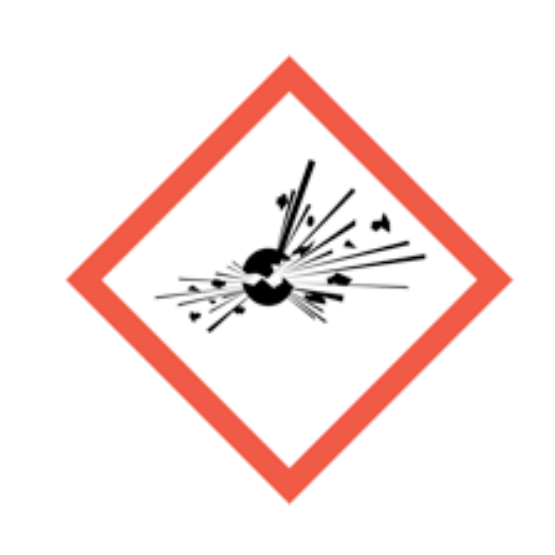
Exploding bomb
Explosive, self-reactive or organic peroxide hazards.
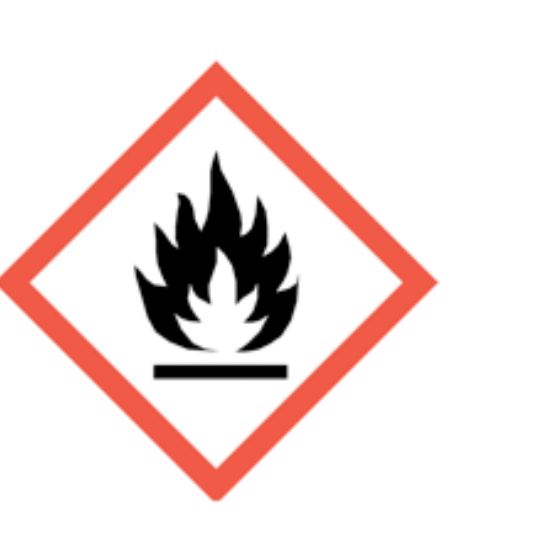
Flame
Flammable, self-heating or pyrophoric substances.
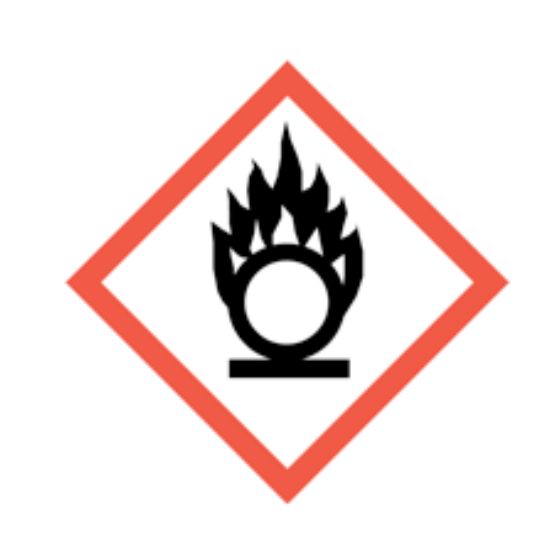
Flame over circle
Oxidising substances that can intensify fire.
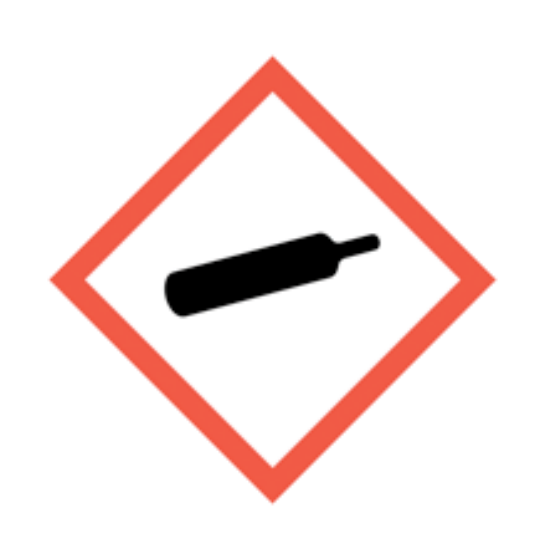
Gas cylinder
Gas under pressure.
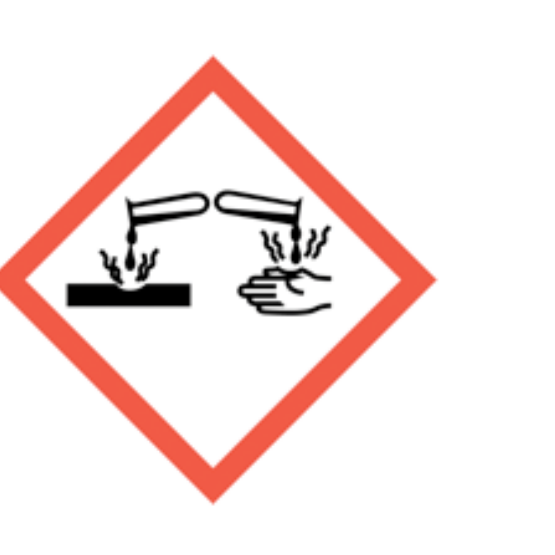
Corrosion
Skin burns, eye damage or corrosive to metals.
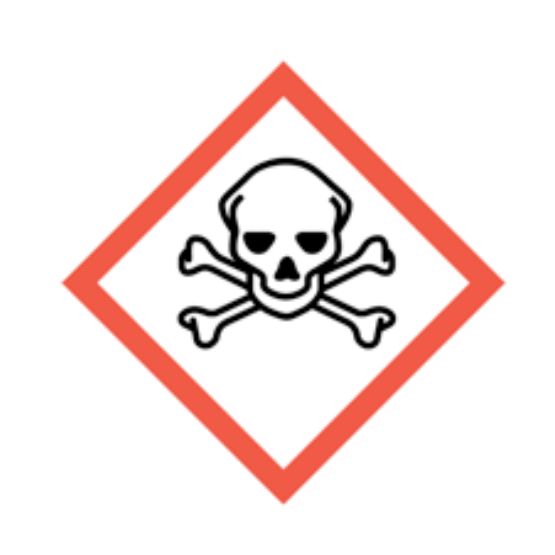
Skull and crossbones
Acute toxicity.
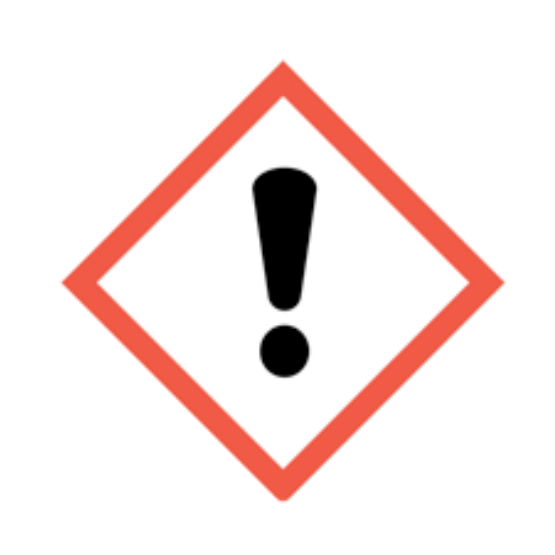
Exclamation mark
Irritation, harmful effects or skin sensitisation; some classifications cover drowsiness, dizziness or ozone-layer hazard. Read the actual hazard statements. Skin sensitisation differs from respiratory sensitisation.
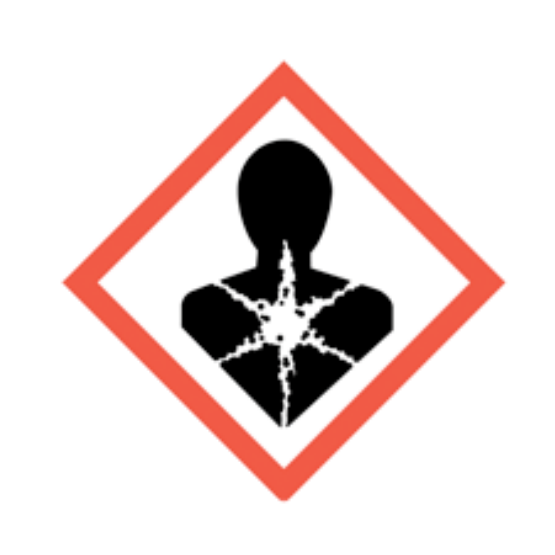
Health hazard
Serious health hazards, including organ damage, aspiration hazard, respiratory sensitisation, cancer and reproductive effects; some can follow a single exposure.
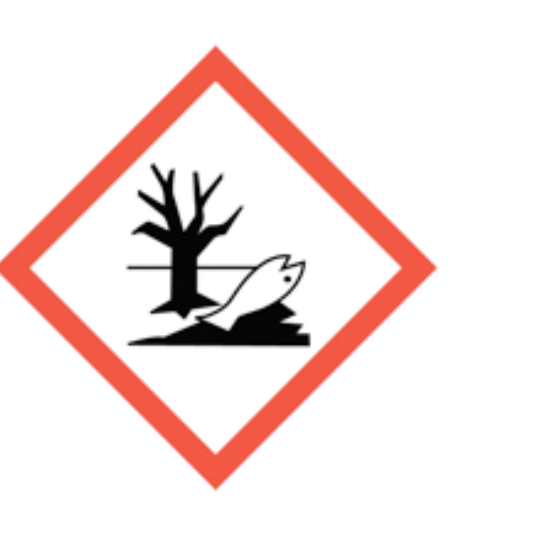
Environment
Hazardous to the aquatic environment.
What do the main terms mean?
An aeroallergen is an airborne substance capable of causing allergy. The terms below describe the controls and support used in this page.
| Term | Meaning | Why it matters here |
|---|---|---|
| LAA | Laboratory animal allergy | Allergic disease caused by exposure to proteins from laboratory animals. |
| COSHH | Control of Substances Hazardous to Health | GB and NI have separate legal instruments for hazardous-substance work. |
| LEV | Local exhaust ventilation | Captures contaminated air near a cage-change or cleaning task. |
| RPE | Respiratory protective equipment | Protects the wearer only when suitable, fitted and used correctly. |
| PPE | Personal protective equipment | Gloves and clothing for residual skin or clothing contamination. |
| HEPA | High-efficiency particulate air | A filter designation; the whole cleaner must also suit the task. |
| IVC | Individually ventilated cage | Enclosed cage system that helps contain allergen. |
| Rhinitis | Inflammation of the nose | May be an early sign of work-related allergy. |
Unlock another resource
You have used this month’s two free downloads. Publish a post in your own words to unlock one more resource, or choose SHARE Individual for 10 downloads per month.
You decide whether to share. If you do, use the relevant platform disclosure tools and do not make claims you do not genuinely hold.