SHARE Knowledge Hub
Hexane Neuropathy
n-Hexane is a flammable solvent that may be present in adhesives, cleaners and solvent blends. Repeated exposure can damage peripheral nerves; acute vapour exposure can also cause dizziness and drowsiness, while liquid aspiration is a separate serious hazard. Check the actual product and task, substitute where practicable, contain vapour, verify ventilation and use occupational health or medical advice for symptoms rather than diagnosing from an exposure story.
Understanding Hexane Neuropathy
n-Hexane is a flammable solvent that may be present in adhesives, cleaners and solvent blends. Repeated exposure can damage peripheral nerves; acute vapour exposure can also cause dizziness and drowsiness, while liquid aspiration is a separate serious hazard. Check the actual product and task, substitute where practicable, contain vapour, verify ventilation and use occupational health or medical advice for symptoms rather than diagnosing from an exposure story.
Why this matters at work
n-Hexane is a colourless, highly flammable hydrocarbon solvent. UKHSA describes use in oilseed extraction, laboratories, pharmaceuticals, cleaning, rubber production, adhesives and lacquers, and its presence in fuels. It may be sold within a mixture described as hexane or petroleum distillate rather than as pure n-hexane. Not every isomer or solvent blend has the same neuropathy profile. A safety data sheet, formulation information and the actual job are needed before inferring exposure. ATSDR distinguishes commercial mixtures and isomers; neither a petrol label nor the absence of a pure-solvent container settles exposure.
Map storage, dispensing, application, evaporation, cleaning, equipment maintenance, waste and spill response. A worker applying adhesive at a bench can inhale vapour close to the face; a cleaner wiping parts can have both vapour and skin exposure; a tanker or warehouse worker may face a short high-release event during transfer. A low bulk concentration does not rule out harm where work is prolonged in poor ventilation. Nor does the word solvent identify n-hexane without evidence.
How organisations manage this in practice
Consult workers privately and act on symptom reports early. Review the individual task and all similarly exposed workers; maintain appropriate health records and protect confidentiality. If symptoms or results suggest harm, reduce or remove further exposure while clinical and control reviews proceed. A wellbeing survey that asks about tingling but cannot trigger engineering action is not an effective surveillance barrier. Employer health records differ from confidential clinical notes. ICO worker-health guidance is under review following the Data (Use and Access) Act; minimise information and disclose necessary work restrictions securely, not a full diagnostic record or universal retention rule.
NHS advises seeing a GP when early neuropathy symptoms occur because early diagnosis can limit damage and complications. Occupational health can help with exposure and work restrictions; a clinician may investigate competing causes. Do not tell a worker that a normal-looking gait proves fitness or that nerve symptoms must resolve as soon as the solvent is removed. Review similarly exposed people and the controls without disclosing the individual’s medical information.
A worker may trip, lose grip, struggle with pedals or have difficulty sensing a hot surface. Symptoms can affect ladder use, vehicle driving, lifting, machine guarding, hot work and emergency exit. Early signs may be mistaken for back problems, diabetes, ageing or another cause. The supervisor should record the reported functional difficulty and remove hazardous exposure while clinical assessment is arranged, not label the person with hexane neuropathy.
Suspected acute poisoning: obtain help now
After suspected harmful chemical exposure, get immediate medical/emergency advice; call 999 for collapse, seizure, loss of consciousness or severe breathing difficulty. Do not wait for occupational health or monitoring results. Keep helpers out of contaminated atmospheres unless trained and equipped under the emergency plan. After swallowing solvent, do not induce vomiting or give food/drink; provide product/task information safely. Apparent early recovery does not exclude delayed harm.
What are the key facts about hexane neuropathy?
The key facts are that n-hexane can damage nerves, exposure can be hidden, and early symptoms must be treated seriously.
It is not just a smell problem
Low odour or familiar solvent smell does not prove exposure is safe or adequately controlled.
The route is usually inhalation
Breathing vapour is the main route, but skin contact and contaminated hands can add exposure.
Symptoms can develop slowly
Tingling, numbness and weakness may build gradually and may not be linked to work unless workers are trained to report them.
First ask whether the n-hexane task can be eliminated; if it remains, assess a suitable safer substitute
A water-based, low-solvent or n-hexane-free product is usually more reliable than relying on masks and reminders.
Monitoring needs a purpose
Air monitoring should answer a control question: who is exposed, when, to what level and what needs to change.
What is hexane neuropathy in plain English?
Hexane neuropathy is damage to the nerves outside the brain and spinal cord caused by exposure to n-hexane or n-hexane-containing solvent mixtures.
Hexane neuropathy learning points


Read the complete visual as text
- Peripheral neuropathy: What it means: Damage to nerves that carry sensation and movement signals. Why it matters: Early reporting can prevent ongoing exposure and worsening harm.
- Solvent blend: What it means: A product may contain several solvents, not just the one named on the container. Why it matters: COSHH assessment must review the SDS and actual use.
- Chronic exposure: What it means: Repeated exposure over time can matter even without a dramatic spill. Why it matters: Monitoring and supervision should include routine tasks.
- Delayed recognition: What it means: Symptoms may be noticed away from work or after repeated tasks. Why it matters: Training should explain what to report and why.
Peripheral nerves carry signals to muscles and skin. When they are damaged, a worker may notice tingling fingers, numb toes, weakness, poor grip, clumsiness, fatigue in the hands or difficulty walking. Because the early signs can be vague, workplaces need a culture where symptoms are reported without blame and assessed early. NIOSH Organic Solvent Neurotoxicity
The workplace risk is not limited to a drum labelled n-hexane. It can sit inside blends, adhesives, degreasers or cleaning products. The assessor needs to read the SDS, check the product composition, understand the task and challenge whether the product is still needed.
| Learning point | What it means | Why it matters |
|---|---|---|
| Peripheral neuropathy | Damage to nerves that carry sensation and movement signals. | Early reporting can prevent ongoing exposure and worsening harm. NIOSH Organic Solvent Neurotoxicity |
| Solvent blend | A product may contain several solvents, not just the one named on the container. | COSHH assessment must review the SDS and actual use. UKHSA n-hexane general information |
| Chronic exposure | Repeated exposure over time can matter even without a dramatic spill. | Monitoring and supervision should include routine tasks. NIOSH Organic Solvent Neurotoxicity |
| Delayed recognition | Symptoms may be noticed away from work or after repeated tasks. | Training should explain what to report and why. NIOSH Organic Solvent Neurotoxicity |
Where can n-hexane exposure occur?
Exposure can occur where solvent products are used to dissolve, bond, clean, thin, extract or remove contamination.
Typical higher-risk situations include hand application in poorly ventilated rooms, open buckets, wiping large surfaces, spray application, drying or curing solvent-rich products, cleaning machine parts, using adhesive in enclosed areas and handling solvent-contaminated rags. HSE COSHH basics
A useful assessment walks the job. It looks at how much product is used, how quickly it evaporates, whether lids are kept on, whether rags are left open, whether the worker's head is above the task, whether the room is enclosed and whether people nearby are also exposed.
| Example | Why exposure can occur | Better control direction |
|---|---|---|
| Automotive trim bonding | Adhesive vapour can build up during repeated applications inside vehicles or enclosed bays. | Substitute adhesive, ventilate, limit quantity and supervise use. HSE COSHH basics |
| Maintenance degreasing | Open trays, soaked rags and brushing can create inhalation and skin exposure. | Use enclosed wash stations, safer cleaners and gloves selected for the solvent. HSE COSHH basics |
| Printing or coating | Solvent inks and cleaning cycles can expose operators and maintenance staff. | Enclose, extract, automate cleaning and monitor exposure groups. HSE COSHH basics |
| Laboratory or extraction work | Small volumes can still expose workers if repeated or poorly ventilated. | Use fume cupboards, microscale methods and controlled waste. HSE COSHH basics |
| Contractor cleaning | Short-term contractors may bring their own product with unknown n-hexane content. | Set procurement rules, approve chemicals before site use and brief controls. HSE COSHH basics |
How can n-hexane harm health?
N-hexane can affect the nervous system, and solvent exposure can also cause short-term symptoms that increase accident risk.
UKHSA describes acute vapour effects such as headache, dizziness and drowsiness, and a separate serious liquid-aspiration hazard. NIOSH documents peripheral neuropathy after chronic occupational n-hexane inhalation. Symptoms or exposure history need qualified medical assessment; the workshop must not infer a diagnosis. UKHSA n-hexane general information NIOSH Organic Solvent Neurotoxicity UKHSA n-hexane general information
Short-term solvent exposure can cause irritation, headache, dizziness, nausea and light-headedness. Those effects matter because they can make slips, falls, driving, machinery work and decision-making less reliable. Longer-term n-hexane exposure is associated with peripheral nerve damage, which may affect sensation and movement.
A competent assessment also considers combined exposure. A worker may use more than one solvent, clean with one product, glue with another and then work near another person's spraying activity. The total exposure picture matters more than a single task considered in isolation.
| Health effect | How it may appear | Workplace response |
|---|---|---|
| Short-term solvent effects | Headache, dizziness, nausea, eye or throat irritation. | Stop the exposure, improve ventilation and review controls before continuing. UKHSA n-hexane general information |
| Peripheral nerve symptoms | Tingling, numbness, weakness, reduced grip or foot symptoms. | Refer through occupational health and review exposure history. NIOSH Organic Solvent Neurotoxicity |
| Dermatitis | Dry, cracked, red or irritated skin after solvent contact. | Review gloves, skin care, hygiene and health surveillance need. UKHSA n-hexane general information |
| Accident risk | Light-headed worker using steps, tools, vehicles or machinery. | Stop work and reassess task planning, ventilation and supervision. UKHSA n-hexane general information |
| Possible take-home contamination | Solvent or contaminated clothing taken away from work. | Improve welfare, laundering, storage and hygiene controls. HSE COSHH basics |
Which routes of exposure must the assessment cover?
The assessment should cover inhalation, skin, eyes and ingestion because solvent exposure rarely follows only one route.
Inhalation is usually the dominant route for volatile solvents because vapour forms as products are applied, dry or evaporate from waste. Skin exposure can also be important, especially where workers wipe parts, wring cloths, wear contaminated gloves or clean their hands with solvent. UKHSA n-hexane general information
Ingestion is usually a hygiene failure: contaminated fingers, cigarettes, cups, food, bottles or phones. A clean welfare area is therefore a control, not a comfort extra.
| Route | How it happens | Controls that match the route |
|---|---|---|
| Inhalation | Vapour from open containers, wiping, spraying, drying or contaminated waste. | Substitution, lids, small quantities, LEV, general ventilation and RPE where justified. UKHSA n-hexane general information |
| Skin contact | Splashing, wiping, soaked gloves, contaminated tools or direct hand cleaning. | Compatible gloves, tools for application, skin care and no solvent hand-cleaning. UKHSA n-hexane general information |
| Eye contact | Splash, aerosol, vapour irritation or contaminated gloves touching the face. | Eye protection, splash control, eyewash and clean-glove discipline. HSE COSHH basics |
| Ingestion | Contaminated hands transferring solvent to food, drink, cigarettes or vapes. | Handwashing, clean welfare, no eating in work areas and worker briefings. HSE COSHH basics |
How should hexane exposure be assessed under COSHH?
A good COSHH assessment explains the actual task and the exposure route, not just the chemical name.
Start with the product inventory and SDS, then confirm the work pattern. What is being applied, how often, in what amount, for how long, in what room, by whom, with what ventilation and what nearby workers could also be exposed? The same product can be low risk in a small dab outside and high risk when used repeatedly in a confined workshop. HSE COSHH basics
The assessment should not simply say 'wear gloves and mask'. It should show why n-hexane cannot be eliminated, what substitution has been considered, how ventilation is designed, when monitoring is needed, what symptoms workers should report and who checks that controls still work.
| Prompt | Good assessment question | Evidence to keep |
|---|---|---|
| Product composition | Does the SDS list n-hexane or similar volatile solvents? | Current SDS, approved chemical list and substitution review. HSE COSHH basics |
| Task and amount | How much is used, how often and for how long? | Task observation, exposure group and product issue records. HSE COSHH basics |
| Ventilation | Will vapour be removed at source and will fresh air reach the worker? | LEV test, smoke check, commissioning data and inspection records. HSE SR22 solvent-based adhesives |
| People exposed | Who uses it, who is nearby and who cleans up? | Training matrix, contractor induction and exposure group list. HSE COSHH basics |
| Health route | Could symptoms, dermatitis or neurological effects occur? | Occupational health referral route and surveillance decision. HSE COSHH basics |
| Review trigger | What would make the assessment outdated? | Change log for new products, new tasks, symptoms, high monitoring results or incidents. HSE COSHH basics |
How should n-hexane exposure be controlled?
Controls should follow the hierarchy: remove the solvent where possible, then reduce emissions and protect workers from remaining exposure.
How should n-hexane exposure be controlled? — part 1 of 2


Read the complete visual as text
- Controls should follow the hierarchy: remove the solvent where…: Controls should follow the hierarchy: remove the solvent where possible, then reduce emissions and protect workers from remaining exposure.
- HSE SR22 addresses small-scale solvent adhesive work. For cleaning,…: HSE SR22 addresses small-scale solvent adhesive work. For cleaning, compare the actual safety data sheets, avoid n-hexane where practicable, close trays and waste, and verify capture ventilation under the real winter-door position. A low air result from another task cannot certify this one. HSE SR22 solvent-based adhesives HSE cleaning and degreasing substances HSE monitoring control of hazardous substances
How should n-hexane exposure be controlled? — part 2 of 2


Read the complete visual as text
- The best control is often a purchasing decision. If…: The best control is often a purchasing decision. If the same job can be done with a water-based adhesive, a mechanical cleaning method or a safer solvent blend, the workplace removes a large amount of uncertainty. Where solvent use remains, good control is physical and observable: containers closed, rags in lidded bins, extraction close to the source, clean hands before welfare and supervisors checking the job as it is done.
- PPE has a role, but it should not carry…: PPE has a role, but it should not carry the whole system. Filters must match vapours, gloves must be compatible with the solvent and both need replacement rules. A worker wearing the wrong filter or soaked gloves may look protected while still being exposed.
HSE SR22 addresses small-scale solvent adhesive work. For cleaning, compare the actual safety data sheets, avoid n-hexane where practicable, close trays and waste, and verify capture ventilation under the real winter-door position. A low air result from another task cannot certify this one. HSE SR22 solvent-based adhesives HSE cleaning and degreasing substances HSE monitoring control of hazardous substances HSE COSHH basics
The best control is often a purchasing decision. If the same job can be done with a water-based adhesive, a mechanical cleaning method or a safer solvent blend, the workplace removes a large amount of uncertainty. Where solvent use remains, good control is physical and observable: containers closed, rags in lidded bins, extraction close to the source, clean hands before welfare and supervisors checking the job as it is done.
PPE has a role, but it should not carry the whole system. Filters must match vapours, gloves must be compatible with the solvent and both need replacement rules. A worker wearing the wrong filter or soaked gloves may look protected while still being exposed.
Use the task-specific ERICPD and five-level cross-map below to select, verify and review stronger controls before PPE or work rules. HSE five-level hierarchy HSE five-level hierarchy
How should exposure monitoring be used?
Exposure monitoring should confirm whether controls are effective and whether workers are below relevant exposure limits, not simply create a report for the file.
A useful monitoring plan defines similar exposure groups, selects representative tasks, samples the right substance, records real work conditions and explains what action will be taken if results are high or uncertain. Monitoring should also include abnormal but foreseeable tasks such as cleaning, maintenance and product changeover. HSE COSHH basics
Results need interpretation by a competent person. A single low result does not prove the job is safe forever if the process, quantity, weather, room ventilation, worker method or product changes.
| Step | Example for solvent cleaning | What the result should drive |
|---|---|---|
| Define the question | Are technicians exposed to n-hexane during repeated degreasing in Bay 3? | Clarifies scope and exposed group. HSE COSHH basics |
| Observe the work | Open tray, hand wiping, two-hour task, roller doors closed in winter. | Shows why real task observation matters. HSE COSHH basics |
| Sample exposure | Personal air sampling during the representative task. | Compares exposure with EH40 and control expectations. HSE monitoring control of hazardous substances |
| Record conditions | Product, amount used, ventilation state, duration and PPE worn. | Makes results interpretable and repeatable. HSE COSHH basics |
| Act on findings | Improve substitution, close tray, add extraction or shorten task batches. | Turns monitoring into risk reduction. HSE COSHH basics |
What does a hexane exposure story look like?
A short task story helps readers see how a chronic health risk can build through ordinary work, weak controls and missed symptoms.
A maintenance technician spends several afternoons cleaning adhesive residue from parts in a small workshop bay. The solvent is poured into an open tray, rags are left on the bench and the roller door is kept closed because the weather is cold. The job looks routine: no spill, no alarm, no obvious emergency. After a period of repeated work, the technician mentions tingling fingers and unusual weakness when gripping tools. The timing and symptoms do not establish a diagnosis or prove the solvent caused them. Chronic-exposure evidence HSE COSHH basics
A good response does not dismiss this as a personal health issue. The supervisor stops repeat solvent cleaning until the COSHH assessment is reviewed, checks the SDS for n-hexane content, refers the worker through occupational health, arranges personal exposure monitoring and asks an occupational hygienist to observe the task. Monitoring and observation show that vapour levels rise during repeated wiping and that rags are acting as an uncontrolled emission source.
The improvement is then practical. The business trials a safer cleaner, moves unavoidable cleaning to an extracted bench, introduces lidded solvent and rag containers, shortens task batches, changes gloves after compatibility checks, updates the training brief and records the findings in the chemical risk register. The learning point is simple: symptoms, task observation and monitoring should change the work, not just create another file note.
| Stage | What happened | Learning point |
|---|---|---|
| Routine task | Open tray cleaning in poor ventilation became normal. | Familiar work can still create chronic exposure. HSE COSHH basics |
| Weak signal | Worker reported tingling and reduced grip. | Symptoms should trigger exposure review and health referral. NIOSH Organic Solvent Neurotoxicity |
| Evidence | Task observation and personal sampling identified uncontrolled vapour. | Monitoring should be tied to real work conditions. HSE COSHH basics |
| Control change | Substitution, extracted bench, lidded containers and waste control were introduced. | Control improvements should reduce exposure at source. HSE COSHH basics |
| Assurance | Follow-up monitoring, supervision and training confirmed the new controls. | Close-out means verifying the change worked. HSE COSHH basics |
When may health surveillance or occupational health advice be needed?
Health surveillance or occupational health advice may be needed where COSHH assessment identifies a reasonable likelihood of health effects or where symptoms are reported.
For solvent work, health surveillance decisions should be made by a competent person using the substance, route, level, frequency and health-effect profile. Skin checks may be needed where dermatitis risk remains. Neurological symptoms require a clear referral route and a review of exposure arrangements. NIOSH Organic Solvent Neurotoxicity
Health information must be handled carefully under UK GDPR and the Data Protection Act 2018. Managers usually need fitness or restriction advice, not clinical detail. Exposure records, monitoring results and training records should remain available to support occupational health interpretation.
| Trigger | Why it matters | Action |
|---|---|---|
| Worker reports tingling or numbness | Possible early neurological effect. | Remove from exposure if needed and refer through occupational health. NIOSH Organic Solvent Neurotoxicity |
| Repeated high solvent use | Chronic exposure may occur without a single incident. | Review monitoring and surveillance need. UKHSA n-hexane general information |
| Dermatitis signs | Skin exposure may be uncontrolled. | Review gloves, hygiene, skin checks and substitution. HSE COSHH basics |
| High or uncertain monitoring result | Controls may not be adequate. | Investigate, improve controls and repeat monitoring. HSE monitoring control of hazardous substances |
| Product change | New solvent blend may have different hazards. | Review SDS, COSHH and training before use. HSE COSHH basics |
Which legal routes apply in Great Britain and Northern Ireland?
Choose the instrument for the actual workplace location. Similar controls can arise under separate GB and NI legislation.
Apply the current text to the site and task. A public health or chemical information source does not itself create a workplace duty, and a voluntary standard is not legal compliance. Management of Health and Safety at Work Regulations 1999 Management of Health and Safety at Work Regulations (NI) 2000
| Decision | Great Britain | Northern Ireland | How to apply |
|---|---|---|---|
| General substance-risk arrangements | Health and Safety at Work etc. Act 1974 and Management Regulations 1999 Health and Safety at Work etc. Act 1974 Management of Health and Safety at Work Regulations 1999 | Health and Safety at Work (NI) Order 1978 and Management Regulations (NI) 2000 Health and Safety at Work (NI) Order 1978 Management of Health and Safety at Work Regulations (NI) 2000 | Confirm the site, activity and applicability before acting. |
| n-Hexane health exposure | COSHH Regulations 2002 Control of Substances Hazardous to Health Regulations 2002 | COSHH Regulations (NI) 2003 Control of Substances Hazardous to Health Regulations (NI) 2003 | Confirm the site, activity and applicability before acting. |
| Flammable solvent and ignition risk | DSEAR 2002 where applicable Dangerous Substances and Explosive Atmospheres Regulations 2002 | DSEAR (NI) 2003 where applicable Dangerous Substances and Explosive Atmospheres Regulations (NI) 2003 | Confirm the site, activity and applicability before acting. |
How can the hierarchy of controls reduce n-hexane exposure and nerve-damage risk?
ERICPD is used here as a planning mnemonic. The linked HSE five-level hierarchy is the official source for the order and relative reliability of controls; the two labels are not identical.
Use elimination, substitution and engineering before relying on procedure or PPE. ERICPD is a practical planning aid, with Discipline sustaining rather than replacing controls.
ERICPD means Eliminate, Reduce, Isolate, Control, PPE and Discipline. Its stages are cross-mapped below to elimination, substitution, engineering, administrative and PPE. The interventions are illustrative: verify the actual site, task and failure criteria. HSE five-level hierarchy HSE five-level hierarchy
How can the ERICPD hierarchy of controls reduce n-hexane exposure and nerve-damage risk?

| ERICPD stage | Five-level mapping | Task intervention | Owner and check | Failure / stop |
|---|---|---|---|---|
| Eliminate | Elimination | Remove solvent cleaning if mechanical or aqueous method works safely. | Process owner trials result. | Unproved method: hold change. HSE COSHH basics |
| Reduce | Substitution | Select a product without n-hexane where practicable after checking full hazards. | Purchaser checks SDS and trial. | New solvent risk: reassess. HSE COSHH basics |
| Isolate | Engineering | Use lidded solvent and waste containers and a contained cleaning station. | Engineer checks containment and waste route. | Open evaporation: stop. HSE COSHH basics |
| Control: physical | Engineering | Provide capture ventilation at the solvent release point. | Hygienist tests capture in real wiping. | LEV failure: stop work. HSE COSHH basics |
| Control: method | Administrative | Limit batches, authorise approved products and inspect setup before each shift. | Supervisor observes shift. | Unapproved product or procedure drift: stop. HSE COSHH basics |
| PPE | PPE | Use compatible gloves and eye protection for residual contact; avoid assuming generic gloves work. | Assessor checks supplier compatibility. | Breakthrough or damage: stop. HSE COSHH basics |
| Discipline | Sustains controls | Check air results, product approval and worker symptom referral route. | Manager samples records and actions. | Symptoms or high result: hold and investigate. HSE COSHH basics |
How can the ISO 45001 hierarchy of controls reduce n-hexane exposure and nerve-damage risk?

| ERICPD stage | Five-level mapping | Task intervention | Owner and check | Failure / stop |
|---|---|---|---|---|
| Eliminate | Elimination | Remove solvent cleaning if mechanical or aqueous method works safely. | Process owner trials result. | Unproved method: hold change. HSE COSHH basics |
| Reduce | Substitution | Select a product without n-hexane where practicable after checking full hazards. | Purchaser checks SDS and trial. | New solvent risk: reassess. HSE COSHH basics |
| Isolate | Engineering | Use lidded solvent and waste containers and a contained cleaning station. | Engineer checks containment and waste route. | Open evaporation: stop. HSE COSHH basics |
| Control: physical | Engineering | Provide capture ventilation at the solvent release point. | Hygienist tests capture in real wiping. | LEV failure: stop work. HSE COSHH basics |
| Control: method | Administrative | Limit batches, authorise approved products and inspect setup before each shift. | Supervisor observes shift. | Unapproved product or procedure drift: stop. HSE COSHH basics |
| PPE | PPE | Use compatible gloves and eye protection for residual contact; avoid assuming generic gloves work. | Assessor checks supplier compatibility. | Breakthrough or damage: stop. HSE COSHH basics |
| Discipline | Sustains controls | Check air results, product approval and worker symptom referral route. | Manager samples records and actions. | Symptoms or high result: hold and investigate. HSE COSHH basics |
How should management verify controls for this task?
For repeated solvent cleaning with an open tray in a small workshop, the management check should start with a real control decision: Controls should follow the hierarchy: remove the solvent where possible, then reduce emissions and protect workers from remaining exposure. Name the person who will test it, keep evidence from the actual work, and reopen the assessment when the failure condition in the hierarchy table occurs. HSE management-system guidance.
A review should compare the planned control with what workers and supervisors can use in practice. Record the defect, owner, interim protection, verification and next review trigger so that a policy statement or certificate does not stand in for a working control.
What evidence shows hexane risk is being controlled?
Good evidence shows that solvent risk is understood, controls are used and weak signals lead to action.
Evidence should be practical enough for a supervisor, auditor or occupational hygienist to follow. It should show the product, task, exposure group, control choice, training, inspection and review history. It should also show that reported symptoms, monitoring results or incidents lead to action, not blame. HSE COSHH basics
The strongest systems connect chemical approval, COSHH, ventilation, health surveillance and purchasing. If procurement can buy any product without review, exposure control is already weak.
| Record | What good looks like | Who reviews it |
|---|---|---|
| Approved chemical list | Products reviewed for n-hexane content and safer alternatives. | HSE adviser and procurement HSE COSHH basics |
| COSHH assessment | Task-specific, current, signed and understood by users. | Supervisor HSE COSHH basics |
| LEV evidence | Thorough examination, visual checks and evidence of capture. | Engineering manager HSE SR22 solvent-based adhesives |
| Exposure monitoring report | Sampling context, results, interpretation and actions. | Occupational hygienist HSE monitoring control of hazardous substances |
| Health surveillance decision | Competent rationale for surveillance or no surveillance. | Occupational health HSE COSHH basics |
| Training record | Workers know routes, symptoms, controls and reporting route. | Line manager HSE COSHH basics |
| Action tracker | High results, incidents and symptoms have owners and close-out evidence. | Senior manager HSE COSHH basics |
How could Crownway Fuels Ltd manage this in practice?

Crownway would manage hexane neuropathy by controlling solvent purchasing, approving tasks before use, verifying ventilation and making symptom reporting routine.
Crownway Fuels Ltd worked example — part 1 of 2


Read the complete visual as text
- Risk register and chemical approval: How the business would manage it: N-hexane and solvent mixtures are listed with exposed groups, tasks, WELs, DSEAR links and health-effect concerns. Evidence to review: Approved chemical list, SDS review and risk register entry.
- Controls and equipment: How the business would manage it: Cleaning work is moved to an extracted bench with lidded trays, lidded rag bins, minimum quantities and compatible gloves. Evidence to review: LEV records, work-area inspection and glove selection evidence.
- Training and symptoms: How the business would manage it: Technicians are trained to report tingling, numbness, dizziness, dermatitis and poor ventilation without blame. Evidence to review: Toolbox talk, training matrix and occupational health referral route.
Crownway Fuels Ltd worked example — part 2 of 2


Read the complete visual as text
- Monitoring and assurance: How the business would manage it: Personal air monitoring is completed for representative cleaning tasks and repeated after product or ventilation changes. Evidence to review: Monitoring report, action tracker and repeat sampling decision.
- Learning and improvement: How the business would manage it: Any symptom report, spill, high result or uncontrolled contractor product triggers a COSHH review and learning brief. Evidence to review: Incident review, corrective actions and management review note.
In a fuel terminal workshop, Crownway uses solvent products for laboratory work, gasket cleaning and maintenance. The business prevents casual solvent use by requiring product approval, a task-specific COSHH assessment and supervisor sign-off before any solvent is brought onto site. Maintenance planners must check whether safer cleaners are suitable, whether an extracted bench is available and whether contractors have been briefed on solvent controls before the job starts. HSE COSHH basics
| Management element | How the business would manage it | Evidence to review |
|---|---|---|
| Risk register and chemical approval | N-hexane and solvent mixtures are listed with exposed groups, tasks, WELs, DSEAR links and health-effect concerns. | Approved chemical list, SDS review and risk register entry. HSE COSHH basics |
| Controls and equipment | Cleaning work is moved to an extracted bench with lidded trays, lidded rag bins, minimum quantities and compatible gloves. | LEV records, work-area inspection and glove selection evidence. HSE COSHH basics |
| Training and symptoms | Technicians are trained to report tingling, numbness, dizziness, dermatitis and poor ventilation without blame. | Toolbox talk, training matrix and occupational health referral route. HSE COSHH basics |
| Monitoring and assurance | Personal air monitoring is completed for representative cleaning tasks and repeated after product or ventilation changes. | Monitoring report, action tracker and repeat sampling decision. HSE monitoring control of hazardous substances |
| Learning and improvement | Any symptom report, spill, high result or uncontrolled contractor product triggers a COSHH review and learning brief. | Incident review, corrective actions and management review note. HSE COSHH basics |
What must each role be able to demonstrate?
Test the actual stop point, control and escalation with observed evidence; a briefing alone does not establish practical competence.
Record the assessor, observed task or simulation, result, and change that triggers reassessment. Keep clinical decisions with qualified people and specialist technical decisions with competent practitioners. HSE COSHH basics
| Role | Demonstration | Assessor and record | Reassess when |
|---|---|---|---|
| Worker | Check approved product, close containers and report symptoms. | Supervisor observes real cleaning task. | Product or task changes. HSE SR22 solvent-based adhesives |
| Supervisor | Stop open-tray work and verify extraction before restart. | Manager witnesses setup and hold decision. | LEV fault or complaint. HSE cleaning and degreasing substances |
| Hygienist | Sample the actual n-hexane task and interpret with ventilation state. | Competent peer reviews plan and result. | Process or product changes. HSE monitoring control of hazardous substances |
| Occupational-health lead | Assess symptom referral without workplace diagnosis. | Qualified clinician records restricted outcome. | New symptoms or exposure result. HSE COSHH health surveillance |
| Manager | Approve substitution and close COSHH and DSEAR actions. | Senior leader samples change-control record. | New formulation or ignition source. HSE COSHH basics |
What warning signs show hexane risk is not controlled?
Warning signs usually appear as small everyday shortcuts long before a confirmed occupational disease case.
The most important warning signs are practical: the smell of solvent in normal work areas, workers keeping tins open, rags drying on benches, people eating near solvent work, a cupboard full of unapproved products or a supervisor saying 'we have always used it'. UKHSA n-hexane general information
A competent manager treats these as weak signals. They suggest the system has lost control of purchasing, task planning or supervision.
| Warning sign | How harm can develop | Action |
|---|---|---|
| Unapproved solvent products | N-hexane may be introduced without assessment. | Stop use until chemical approval and COSHH review are complete. UKHSA n-hexane general information |
| Open cleaning trays | Vapour builds up in the breathing zone. | Use enclosed cleaning or extracted bench. HSE SR22 solvent-based adhesives |
| Solvent smell in work area | Exposure may be uncontrolled or ventilation poor. | Investigate immediately and review monitoring need. UKHSA n-hexane general information |
| Workers clean hands with solvent | Skin exposure and dermatitis risk increase. | Stop practice, provide skin-safe cleaners and retrain. UKHSA n-hexane general information |
| Symptoms treated as personal health issue only | Work exposure may continue. | Refer to occupational health and investigate exposure. UKHSA n-hexane general information |
| No monitoring history | Control effectiveness is guessed. | Develop monitoring strategy for higher-risk tasks. HSE monitoring control of hazardous substances |
Chemical hazard symbols: what do they mean?
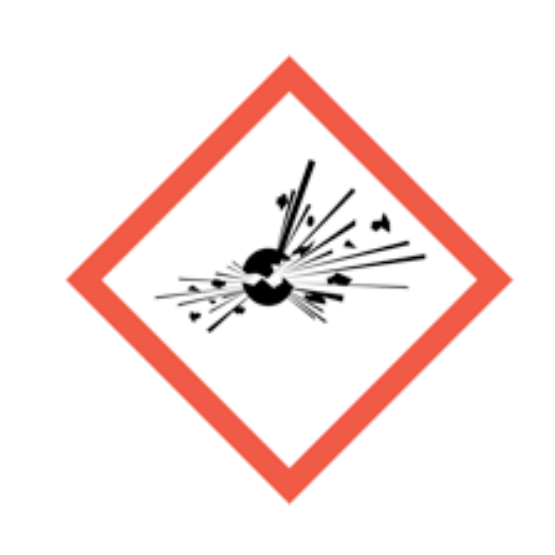
Exploding bomb
Explosive, self-reactive or organic peroxide hazards.
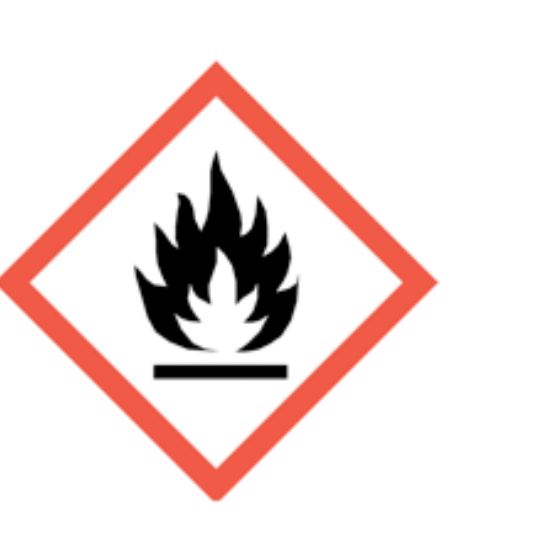
Flame
Flammable, self-heating or pyrophoric substances.
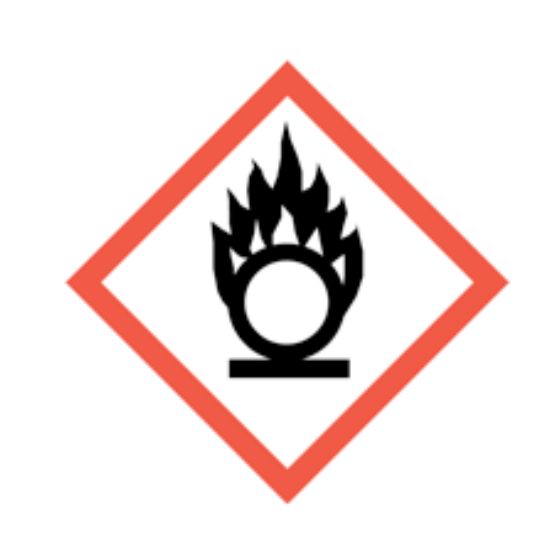
Flame over circle
Oxidising substances that can intensify fire.

Gas cylinder
Gas under pressure.
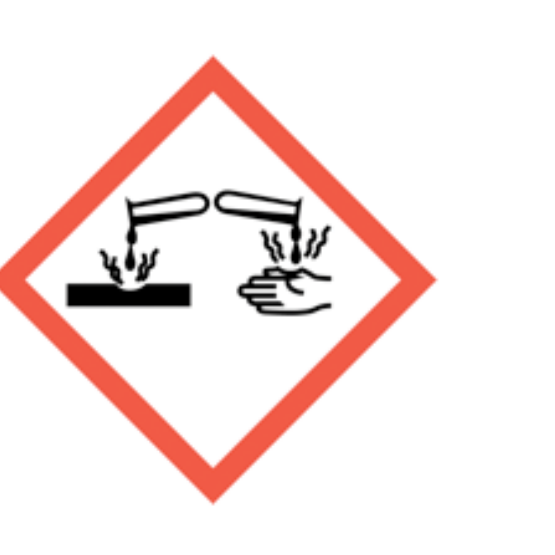
Corrosion
Skin burns, eye damage or corrosive to metals.
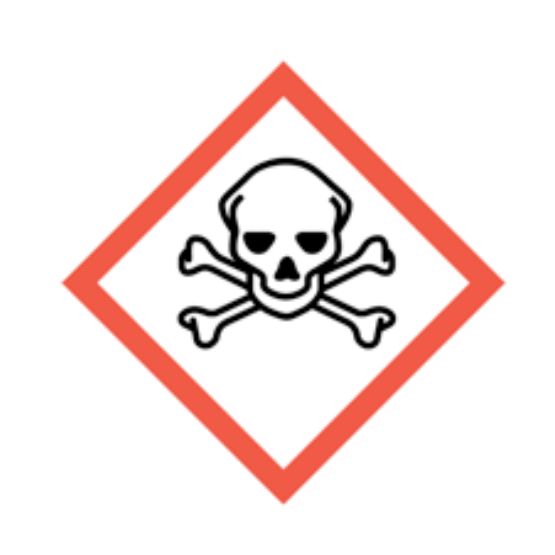
Skull and crossbones
Acute toxicity.
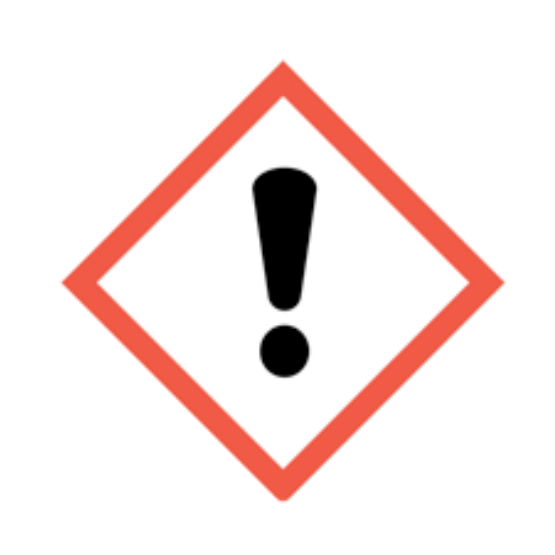
Exclamation mark
Irritation, harmful effects or skin sensitisation; some classifications cover drowsiness, dizziness or ozone-layer hazard. Read the actual hazard statements. Skin sensitisation differs from respiratory sensitisation.
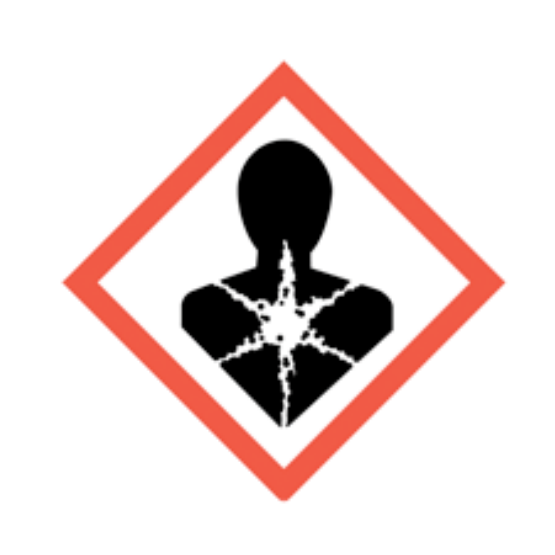
Health hazard
Serious health hazards, including organ damage, aspiration hazard, respiratory sensitisation, cancer and reproductive effects; some can follow a single exposure.
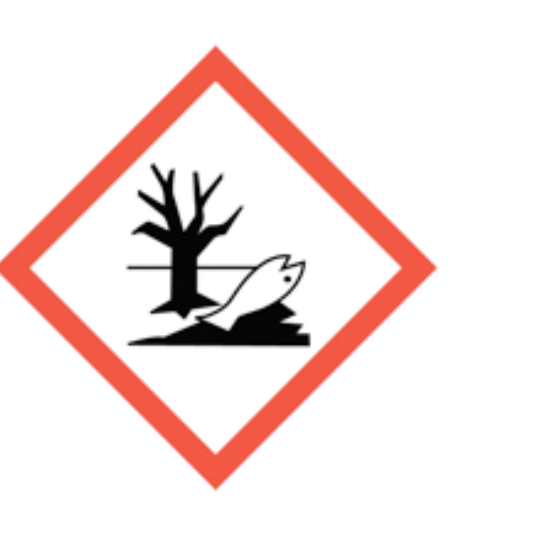
Environment
Hazardous to the aquatic environment.
What do the acronyms and key terms mean?
Acronyms should be understood before they are used in assessments, briefings, audits or learning answers.
Acronyms can exclude newer readers if they are not explained. This section keeps the main terms available at the end of the page so the article stays readable while still supporting learners and audit users.
| Acronym | Meaning | Plain-English use |
|---|---|---|
| COSHH | Control of Substances Hazardous to Health | Main UK framework for hazardous substance exposure control. |
| DSEAR | Dangerous Substances and Explosive Atmospheres Regulations | Fire and explosion control framework for flammable solvents. |
| EH40 | Workplace exposure limits | HSE publication listing GB WELs. |
| LEV | Local exhaust ventilation | Engineering control that captures vapour near the source. |
| n-hexane | Normal hexane | Specific solvent associated with peripheral neuropathy. |
| OH | Occupational health | Competent work-health advice and health surveillance support. |
| PPE | Personal protective equipment | Equipment worn to reduce residual exposure. |
| RPE | Respiratory protective equipment | Breathing protection selected for the contaminant and task. |
| SDS | Safety data sheet | Supplier document that supports COSHH assessment. |
| WEL | Workplace exposure limit | Airborne exposure limit averaged over a reference period. |
Unlock another resource
You have used this month’s two free downloads. Publish a post in your own words to unlock one more resource, or choose SHARE Individual for 10 downloads per month.
You decide whether to share. If you do, use the relevant platform disclosure tools and do not make claims you do not genuinely hold.