
SHARE Knowledge Hub
What is copper poisoning?
Copper exposure depends on its form and route: heated copper fumes can cause metal-fume fever, while soluble salts can cause gastrointestinal and sometimes severe systemic harm. Identify the compound, stop uncontrolled exposure, and use clinician-led assessment after suspected poisoning.
Understanding What is copper poisoning?
Copper exposure depends on its form and route: heated copper fumes can cause metal-fume fever, while soluble salts can cause gastrointestinal and sometimes severe systemic harm. Identify the compound, stop uncontrolled exposure, and use clinician-led assessment after suspected poisoning.
Why this matters at work
The form, compound, concentration and task change both exposure and harm. Handling a solid copper component differs from inhaling fine powder, heating metal to produce fume or working with soluble copper salts. Consider inhalation, ingestion from contaminated hands and surfaces, skin and eye contact, plus other substances in alloys, coatings or fluxes. The name copper alone cannot select a suitable exposure limit, respirator, glove or spill method.
Trained personnel need suitable protective equipment, isolation of affected work and appropriate waste arrangements. Remove contamination safely without exposing others or spreading it to clean areas and homes. Skin or eye exposure requires the relevant immediate first-aid and clinical route; spill-cleaning instructions are not casualty-decontamination protocols. Record the material, cause, affected areas and corrective action. Check containment, housekeeping and changing arrangements before resuming. This answer does not specify a universal spill size, water method or respirator for unidentified copper powder.
How organisations manage this in practice
Assess all constituents and contaminants, including coatings, alloy metals, fluxes and cleaning residues. Prevent unnecessary fume or dust generation through a safer process where practicable. Use suitable enclosure or source extraction and separation, with a method that keeps the worker out of the emission path. Consider people nearby and work during maintenance or cleaning. A general room fan may spread the contaminant rather than capture it. Select residual PPE and RPE for the actual material, concentration and task, with fit and compatibility checks where required. Provide clean welfare and handwashing arrangements and prevent eating, drinking or smoking in contaminated work areas. Verify controls through appropriate checks and monitoring and stop the affected operation if capture fails. Keep assessment and control evidence current after material or process changes. Do not use symptom absence, smell or a generic metalworking mask as evidence of adequate protection.
For reporting, the responsible person checks the applicable GB or NI regime and actual accident, disease or dangerous-occurrence conditions; copper exposure is not a universal standalone report category. Record the decision and evidence and seek specialist advice for uncertainty without delaying a required notification. Regardless of reportability, investigate credible loss of control, protect other workers and verify correction. Keep employer health records and confidential clinical information in their appropriate systems and review the workplace assessment when new evidence arrives.
Prevent access and assess the actual powder, mixture, quantity, ignition potential and incompatibilities before cleanup. UKHSA distinguishes powder flammability and reactions with strong oxidants. Avoid dry sweeping or compressed air that disperses hazardous dust. Use a suitable industrial vacuum or other competent selected method compatible with the material and fire or reactivity conditions. A HEPA label, wet method or non-sparking tool alone does not establish overall suitability.
Match the copper form and the whole exposure mixture
Clean solid copper pipe on a bench, copper-containing hot-work fume and a soluble copper compound need different exposure questions. Identify the material, process and route before selecting controls or interpreting monitoring. The metal name alone cannot supply one exposure limit, glove choice, surveillance programme or treatment.
In BuildOut’s brazing work, include fluxes, coatings, solder, insulation and residues in the assessment rather than assuming every symptom is caused by copper. Check source capture at the task and keep others out of the plume. A reported illness or significant exposure needs the existing clinical-help route plus an operational review; employer investigation should supply factual context, not a diagnosis.
BuildOut: illness reported after plant-room brazing
Illustrative example. A worker reports illness after brazing in an enclosed plant area where extraction performance was uncertain.
Decision. The supervisor follows the existing help route, holds similar work and has competent assessment review the full material and exposure mixture.
Evidence to check. Materials and coatings, task and timing, extraction position and function, people exposed and factual symptom information.
Hold or escalation point. Do not restart using a copper-only assumption while mixed contaminants or failed capture remain unresolved.
Follow-up. Verify revised source controls and brief workers about reporting concerns that emerge after the task.
Match the copper form and the process to the route
Machining dust, heated-process fume and handling a soluble product need different assessment. Check the whole material/process combination.
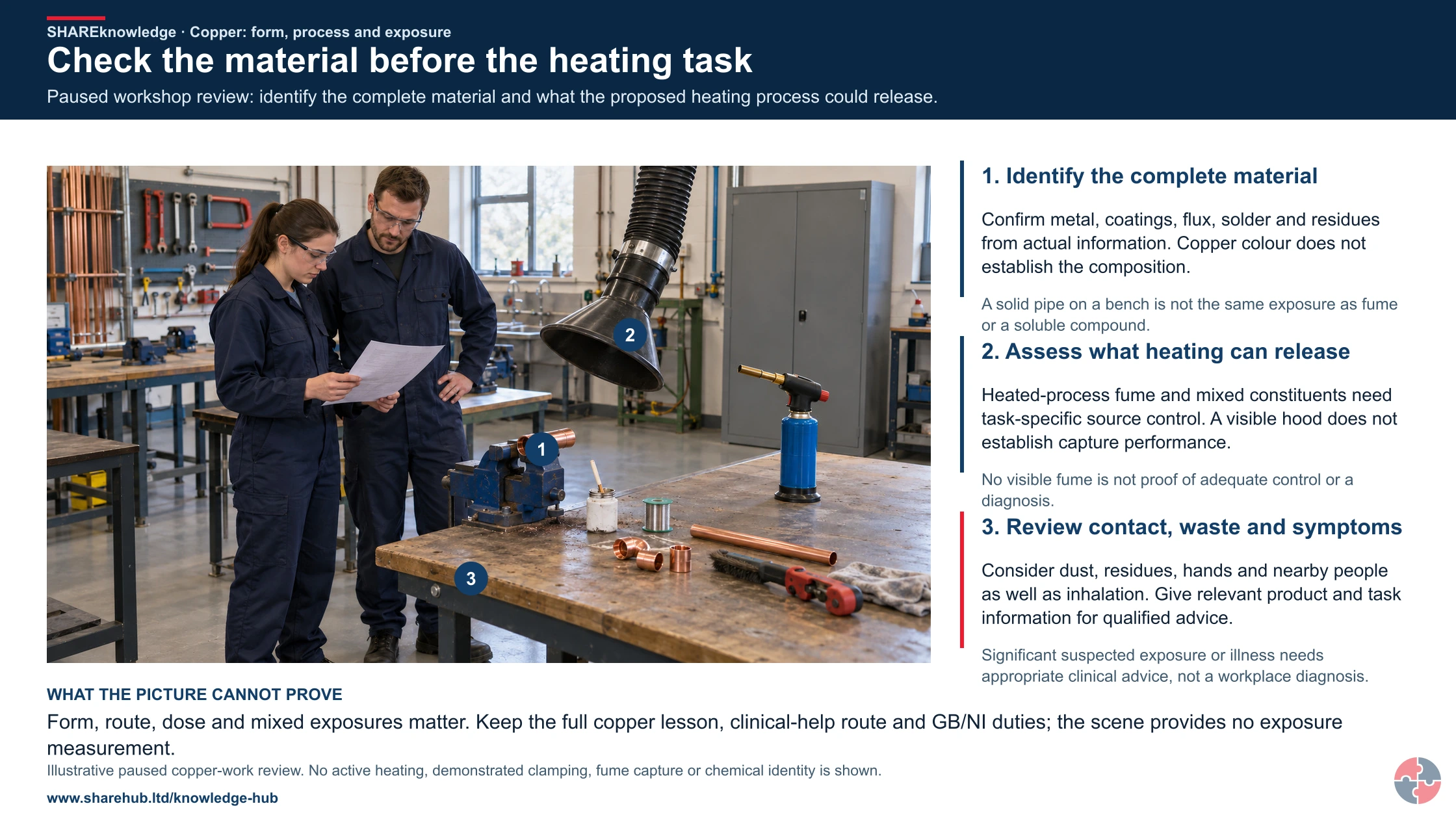
Check the material before the heating task
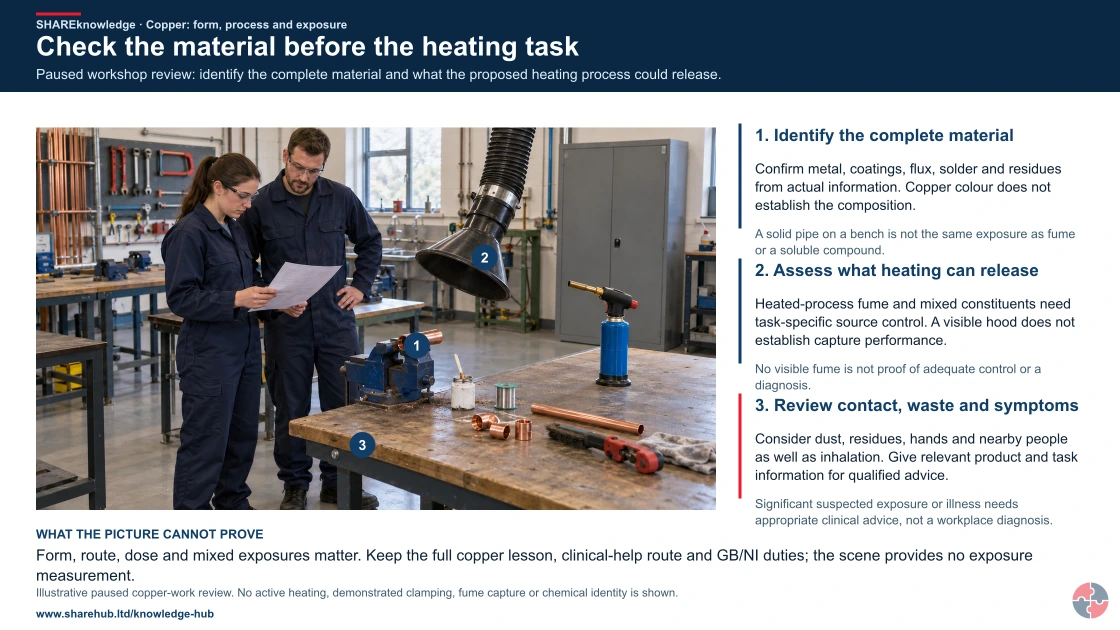
Full written explanation
Paused workshop review: identify the complete material and what the proposed heating process could release.
- Identify the complete material. Confirm metal, coatings, flux, solder and residues from actual information. Copper colour does not establish the composition.
- Assess what heating can release. Heated-process fume and mixed constituents need task-specific source control. A visible hood does not establish capture performance.
- Review contact, waste and symptoms. Consider dust, residues, hands and nearby people as well as inhalation. Give relevant product and task information for qualified advice.
Change the pathway
- A clean object differs from emissions. A solid pipe on a bench is not the same exposure as fume or a soluble compound.
- Keep process and health evidence distinct. No visible fume is not proof of adequate control or a diagnosis.
- Use the appropriate care route. Significant suspected exposure or illness needs appropriate clinical advice, not a workplace diagnosis.
Evidence check: Form, route, dose and mixed exposures matter. Keep the full copper lesson, clinical-help route and GB/NI duties; the scene provides no exposure measurement.
Full clinical-help and separate GB/NI chemical-risk context
Primary references: UKHSA: copper form and exposure context · HSE: task-specific chemical assessment (GB)
Open the complete HD image (new tab)Download image
Full clinical-help and separate GB/NI chemical-risk context
Primary references: UKHSA: copper form and exposure context · HSE: task-specific chemical assessment (GB)

Identify form and process
Confirm material, coating, flux and other constituents, plus what the task changes or releases.
Control the release
Assess source capture/containment, contact prevention and suitable protection for the actual route.
Evidence and care
Verify the control and use appropriate assessment for symptoms, giving relevant product and task information.
The scene does not identify composition or diagnose copper poisoning from appearance.
What are the key facts about copper poisoning?
The key facts are that copper is useful and essential in small amounts, but excessive workplace exposure can irritate, poison or make workers acutely unwell.
Significant suspected exposure, breathing difficulty, collapse, severe eye contamination, repeated vomiting, chest tightness or flu-like symptoms after copper fume exposure should be assessed through suitable medical, occupational health or emergency arrangements. The task and controls should be reviewed before similar work continues.
Copper fume can be very fine
Heating copper or copper alloys can create particles that are easy to inhale deeply.
Metal fume fever can feel like flu
Symptoms may appear after exposure and can be missed if the link to hot work is not recognised.
Dust and salts behave differently
Mechanical dust, soluble copper salts, fumes and contaminated liquids need different controls.
Skin and eye exposure still matter
Copper compounds can irritate skin and eyes and contaminate gloves, clothing and tools.
Hygiene prevents ingestion
Eating, drinking, smoking or touching the face with contaminated hands can create avoidable exposure.
Controls must be task-specific
A generic COSHH assessment rarely covers hot work, grinding, cleaning, waste and maintenance properly.
What is copper poisoning?
Copper poisoning is harm caused when copper or copper compounds enter the body in excessive amounts.
Copper is widely used in pipework, electrical systems, alloys, coatings, pigments, catalysts, recycling streams and industrial processes. The risk is not usually from a clean solid copper object sitting on a bench; it comes from the way work turns copper into fume, dust, mist, soluble residues or contaminated surfaces.
Acute workplace illness can follow inhaling copper-containing fume during hot work or metal processing. Ingestion of high levels can cause gastrointestinal symptoms, while skin and eye contact can cause irritation. Some people may be more vulnerable, including individuals with medical conditions affecting copper metabolism.
A good page on copper poisoning must therefore separate the form of copper, the task, the route of entry and the health outcome. Treating all copper exposure as the same leads to weak controls.
| Aspect | Explanation | Workplace relevance |
|---|---|---|
| Copper fume | Very fine particles formed when copper-containing metal is heated. | Important in welding, brazing, cutting and smelting. |
| Copper dust | Particles from grinding, polishing, cutting or handling powders. | Needs dust suppression, extraction and cleaning controls. |
| Copper salts or compounds | Soluble substances used in chemicals, treatments or processes. | May irritate skin/eyes and cause ingestion risk. |
| Acute effects | Metal fume fever, irritation and gastrointestinal symptoms. | Requires reporting and medical assessment where significant. |
| Chronic management | Repeated exposure should be prevented and monitored. | COSHH controls and records are needed. |
| Exposure evidence | Task observation, monitoring, symptoms and control checks. | Proves whether controls work in practice. |
How can copper exposure differ by form and route?
Do not treat metallic copper, heated fume and soluble copper salts as one toxic exposure; dose, route and duration change the likely harm.
The UKHSA copper overview distinguishes inhaled fume, ingestion and other routes. Welding or heating copper-containing metal can cause metal-fume fever; ingestion of some soluble salts can be more serious. Review the actual safety data sheet, process temperature, contaminant and potential ingestion before selecting control. If a worker becomes unwell after exposure, remove them from exposure and obtain urgent clinical advice as indicated; do not use a symptom list to diagnose or treat.
What symptoms can copper poisoning cause?
Copper exposure can cause flu-like metal fume fever, respiratory irritation, gastrointestinal upset, eye irritation and skin effects.
Metal fume fever can feel like influenza: fever, headache, tiredness, cough, sore throat, tight chest, metallic taste, nausea or general aches after fume exposure. Because symptoms can appear after the work has finished, workers may not immediately connect them with the task.
Ingesting high levels of copper can cause stomach pain, nausea, vomiting and diarrhoea. Eye contamination can cause irritation and watering; skin contact may cause irritation or discolouration where contamination is significant. Symptoms need context because many are non-specific.
The workplace should not diagnose copper poisoning. It should make sure symptoms are reported, exposure information is recorded and the person has access to suitable medical or occupational health assessment.
| Symptom pattern | Possible exposure link | Workplace action |
|---|---|---|
| Fever, headache and tiredness after hot work | Possible metal fume fever. | Stop similar exposure, report and seek medical assessment if significant. |
| Cough, sore throat or tight chest | Respiratory irritation from fume or dust. | Review LEV, ventilation, RPE and task method. |
| Metallic taste, nausea or vomiting | Possible fume exposure or ingestion. | Check hygiene, contamination and exposure controls. |
| Eye watering or irritation | Dust, fume or splash exposure. | Use eyewash arrangements and review eye protection. |
| Skin irritation or discolouration | Contact with copper-containing materials or contaminated water. | Improve gloves, washing and contamination control. |
| Multiple workers reporting symptoms | Group exposure may be occurring. | Investigate task controls and monitoring data. |
UKHSA’s copper information, updated3December2024 supports the route-specific symptoms and seeking clinical advice for exposure concerns. Report the task, material and control status to the clinician; these symptoms are not a workplace diagnosis.
Which workplace activities create higher copper poisoning risk?
Higher risk occurs where work heats, abrades, sprays, handles or contaminates copper-containing materials.
Risk rises when copper-containing material is heated, because fumes can be very fine and easy to inhale. Copper alloys, coated metals and contaminated scrap can also contain other hazardous metals, so the assessment should not assume copper is the only hazard.
Dusty work can expose both the operator and nearby workers. Cleaning, maintenance and waste handling can be high-risk because people disturb settled dust or residues after the main process has finished. Confined or poorly ventilated spaces can increase exposure sharply.
| Task | Why risk increases | Control priority |
|---|---|---|
| Welding or brazing copper alloys | Hot work generates metal fume. | LEV, process selection and RPE. |
| Smelting, casting or foundry work | Molten metal and furnace processes generate fume and dust. | Enclosure, extraction and monitoring. |
| Grinding or polishing | Mechanical work produces airborne dust and surface contamination. | On-tool extraction and vacuum cleaning. |
| Scrap or recycling work | Mixed materials may contain unknown contaminants. | Sorting, information, ventilation and hygiene. |
| Chemical use of copper salts | Soluble compounds can contact skin, eyes or be ingested. | Containment, splash protection and welfare. |
| Maintenance on contaminated plant | Residues may be hidden and disturbed. | Permit, cleaning, isolation and supervision. |
How should copper exposure be controlled?
Copper exposure should be controlled by preventing fume and dust generation, capturing emissions at source, maintaining hygiene and using suitable PPE/RPE where needed.
The strongest control is to avoid or reduce the task that creates exposure. Cold joining, mechanical fastening, pre-fabrication, lower-fume processes, clean base metal, reduced heat input and automation can all reduce fume. Where fume or dust is created, capture it close to source before it reaches the breathing zone.
Local Exhaust Ventilation (LEV) must be positioned and used correctly. A hood that is too far from the work or behind the worker may look reassuring but fail in practice. RPE is useful only when properly selected, face-fit tested where tight-fitting, maintained and worn correctly.
Hygiene is essential for copper dusts and compounds. Work clothing, gloves, tools and benches can transfer contamination to food, drink, faces, vehicles and welfare areas. Cleaning should avoid dry sweeping or compressed air that re-suspends dust.
| Control | Good practice | Evidence |
|---|---|---|
| Eliminate or reduce hot work | Use cold methods, prefabrication or lower-fume processes. | Method review and purchasing decisions. |
| Source capture | Use LEV close to fume or dust generation. | LEV inspection and thorough examination. |
| Ventilation | Maintain general ventilation where contaminants can disperse. | Airflow checks and maintenance records. |
| RPE | Select for contaminant and task; fit test tight-fitting masks. | RPE selection and fit-test records. |
| Hygiene | Separate eating areas, wash hands, control contaminated clothing. | Welfare inspections and training. |
| Housekeeping | Use suitable vacuum or wet methods, not compressed air. | Cleaning checks and defect reports. |
How can the hierarchy of controls reduce copper exposure and poisoning risk?
Eliminate unnecessary hot processing, reduce fume-generating methods, capture emission, control hygiene and use PPE only for residual exposure.
For copper-alloy brazing, first assess a mechanical joint. If heat is necessary, choose a lower-fume compatible process, capture fume close to the source and separate others. The supervisor checks extraction and hygiene; stop when capture fails or the alloy/coating is unknown. HSE COSHH and HSENI COSHH are the local risk-control routes. A clinician handles symptoms; surveillance is determined by actual risk, not the word copper alone.
On a small screen, scroll this table sideways to read all columns.
How can the ERICPD hierarchy of controls reduce copper exposure and poisoning risk?

| Five-level / ERICPD | Control choice | Owner, check, failure and stop |
|---|---|---|
| Eliminate / eliminate | Mechanical joint if fit and strength permit. | Designer records option; hold heat if safe joint works. |
| Substitute / reduce | Lower-fume compatible method after material check. | Engineer approves; stop on unknown alloy/coating. |
| Engineering / isolate and control | Local extraction and separation. | Supervisor tests capture; stop on failed airflow. |
| Administrative / discipline | Task COSHH, hygiene and symptom escalation. | Lead inspects; hold work on contamination. |
| PPE / PPE | Residual respiratory and skin/eye protection. | Trainer checks; no work if required PPE fails. |
How can the ISO 45001 hierarchy of controls reduce copper exposure and poisoning risk?

| Five-level / ERICPD | Control choice | Owner, check, failure and stop |
|---|---|---|
| Eliminate / eliminate | Mechanical joint if fit and strength permit. | Designer records option; hold heat if safe joint works. |
| Substitute / reduce | Lower-fume compatible method after material check. | Engineer approves; stop on unknown alloy/coating. |
| Engineering / isolate and control | Local extraction and separation. | Supervisor tests capture; stop on failed airflow. |
| Administrative / discipline | Task COSHH, hygiene and symptom escalation. | Lead inspects; hold work on contamination. |
| PPE / PPE | Residual respiratory and skin/eye protection. | Trainer checks; no work if required PPE fails. |
The HSE five-level hierarchy puts physical prevention ahead of administration and PPE; ERICPD complements it. For brazing, the engineer checks the actual alloy, coating, flux, heat process, source position and breathing zone before specifying compatible extraction. Commission capture for representative work and record flow/pressure benchmarks, hood position and operating limits. Keep the manual, logbook and maintenance/examination evidence. Before use and during work, the supervisor checks the indicator, hood position, ducts, filters and signs of escaping fume, including after repositioning or material changes. Failed airflow, damaged equipment or uncontrolled fume stops the task; correct the cause, verify performance against the accepted setup and authorise restart. Clean welfare and handwashing also prevent contamination reaching food or faces. A clear-looking work area alone does not demonstrate adequate control. HSE commissioning guidance and G406 equipment checks and maintenance support this control lifecycle.
How should monitoring and health surveillance be considered?
Monitoring and surveillance should be used where they help prove exposure is controlled or identify early health concerns.
The HSE EH40 and HSENI EH40 page should be checked for current workplace exposure limits for relevant copper forms and any other substances in the fume or dust. Air monitoring may be needed where exposure is uncertain, tasks are high-intensity, controls are new or symptoms suggest a problem.
Health surveillance is not automatically required for every copper task, but the COSHH assessment should document the decision. Where workers have repeated fume or dust exposure, respiratory symptoms, skin/eye effects or mixed metal exposure, competent occupational health advice can help determine proportionate monitoring or surveillance.
Monitoring data should lead to action. If results are high or variable, the answer is to improve process control, LEV, housekeeping, training and supervision rather than simply issuing stronger masks.
| Activity | Purpose | Use |
|---|---|---|
| Exposure monitoring | Measures airborne copper or mixed metal exposure. | Check controls and compare with EH40. |
| LEV checks | Confirms capture remains effective. | Repair and maintain extraction. |
| RPE fit testing | Checks tight-fitting respirators fit the wearer. | Select suitable masks and train users. |
| Symptom reporting | Captures metal fume fever or irritation patterns. | Review task and similar workers. |
| Health surveillance decision | Records whether surveillance is needed. | Document competent advice. |
| Trend review | Combines findings across tasks and workers. | Prioritise improvements. |
EH40 fourth edition 2020 distinguishes copper fume from copper/compound dusts and mists, with the stated averaging periods; apply the relevant form and other contaminants, rather than treating one result as a guarantee of safety. Check the separate HSENI exposure-limit route for NI work. HSE surveillance criteria supports an assessed decision using actual exposure, likely detectable health effects and a valid safe technique; copper’s name alone does not decide the scheme.
Which duties apply to copper exposure?
GB and NI COSHH require assessment and control of hazardous copper compounds; clinical management belongs to healthcare professionals.
Use HSE COSHH in GB and HSENI COSHH in NI. The UKHSA toxicology overview supports recognising that form and route matter, but it is not an employer’s treatment protocol. Seek immediate medical advice for suspected significant ingestion or illness after exposure, and review workplace controls.
How should copper poisoning risks appear in the risk register?
The risk register should describe the copper form, exposure route, task, affected workers and critical controls.
A useful entry does not simply say copper. It says whether the risk is hot-work fume, respirable dust, soluble compound, skin/eye contact, ingestion, confined work, mixed metal exposure or contamination from waste and cleaning.
| Scenario | Critical controls | Evidence |
|---|---|---|
| Brazing copper pipework | LEV, plume control, RPE if required and hot-work planning. | COSHH assessment and supervisor check. |
| Grinding copper alloy components | On-tool extraction, eye protection and vacuum cleaning. | Tool inspection and cleaning records. |
| Foundry handling copper alloys | Enclosure, extraction and hygiene controls. | Monitoring and maintenance data. |
| Use of copper salts | Containment, gloves, eye protection and washing. | SDS review and task observation. |
| Scrap processing | Material identification and mixed metal exposure review. | Supplier information and monitoring. |
| Worker reports flu-like symptoms | Stop exposure and review group risk. | Incident report and control action. |
How could BuildOut Ltd manage copper poisoning risk?

BuildOut Ltd could manage copper exposure by controlling pipework hot work, refurbishment dust, soldering, brazing and contractor activities through its COSHH and permit systems.
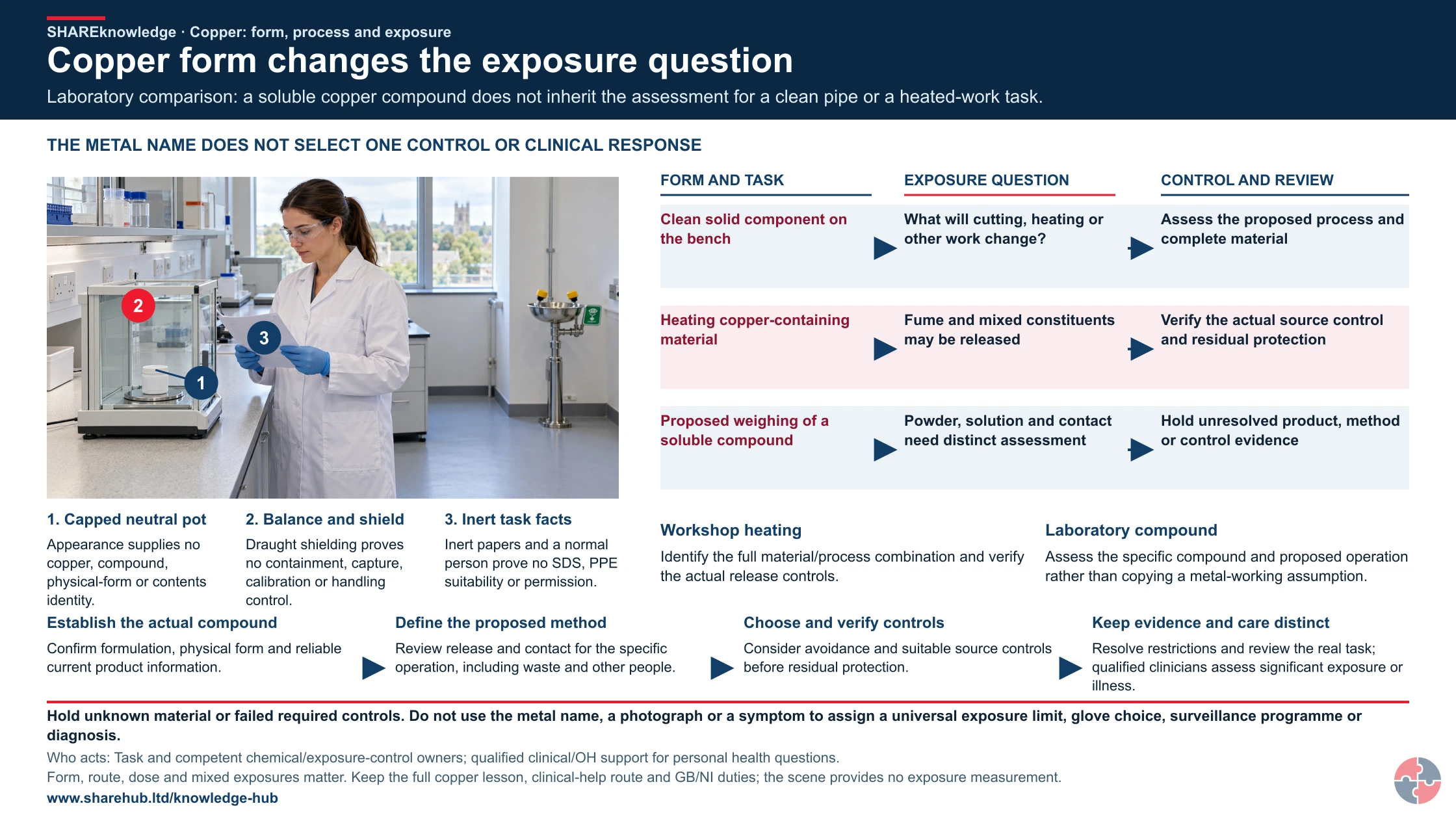
Copper form changes the exposure question
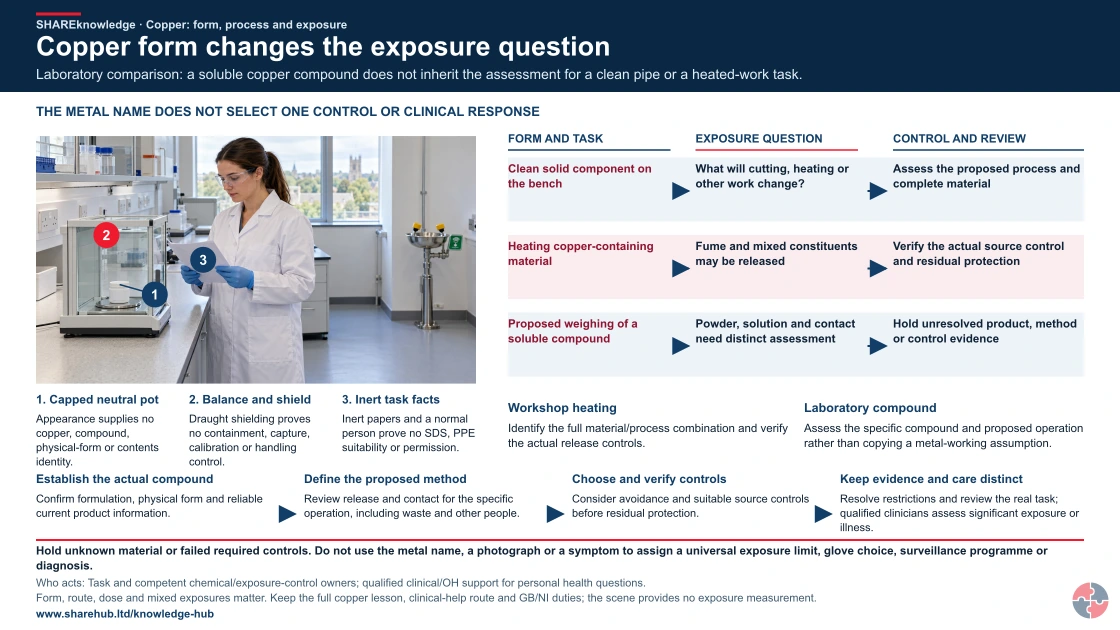
Full written explanation
An illustrative inactive laboratory setting shows a capped neutral pot on an analytical balance pan inside a draught shield, beside a normal uninjured person reviewing inert task facts. Picture key: 1 identifies the capped neutral pot; 2 identifies the balance and shield; 3 identifies inert task facts. The pot is not identified as copper, a soluble compound, powder or solution. The balance and draught shield provide no verified mass, calibration, containment, LEV, capture or handling-control result. The person, gloves, glasses and papers establish no professional qualification, PPE suitability, actual SDS or permission. A background eyewash is not used or presented as a response demonstration. The complete three-row comparison distinguishes a clean solid component on the bench, heating copper-containing material, and proposed weighing of a soluble compound. Each row connects its own form and task to the exposure question and control/review decision; the rows are not a solid-to-fume-to-compound progression or a common clinical sequence. All three headers, nine cells and the metal-name limitation are included. Four separate complete checks follow their genuine order: establish the actual compound; define the proposed method; choose and verify controls; keep evidence and care distinct. Their headings are unnumbered, separate from the physical picture key. The full unknown-material and failed-control hold, responsible roles, evidence limits and both workshop and laboratory cases accompany the comparison. No opening, manipulation, weighing operation, powder, solution, release, fume, heating, exposure or new anatomy is shown. No glove prescription, universal exposure limit, surveillance scheme, clinical response, diagnosis, operating method or work clearance is supplied. Qualified healthcare and urgent advice remain independent of method records and workplace investigation. Use the complete topic for its actual form, route, mixed-exposure, clinical-help, source and GB/NI qualifications.
Laboratory comparison: a soluble copper compound does not inherit the assessment for a clean pipe or a heated-work task.
- Establish the actual compound. Confirm formulation, physical form and reliable current product information.
- Define the proposed method. Review release and contact for the specific operation, including waste and other people.
- Choose and verify controls. Consider avoidance and suitable source controls before residual protection.
- Keep evidence and care distinct. Resolve restrictions and review the real task; qualified clinicians assess significant exposure or illness.
When the evidence does not fit: Hold unknown material or failed required controls. Do not use the metal name, a photograph or a symptom to assign a universal exposure limit, glove choice, surveillance programme or diagnosis.
Who acts: Task and competent chemical/exposure-control owners; qualified clinical/OH support for personal health questions.
Changed workplace
Workshop heating: Identify the full material/process combination and verify the actual release controls.
Laboratory compound: Assess the specific compound and proposed operation rather than copying a metal-working assumption.
| FORM AND TASK | EXPOSURE QUESTION | CONTROL AND REVIEW |
|---|---|---|
| Clean solid component on the bench | What will cutting, heating or other work change? | Assess the proposed process and complete material |
| Heating copper-containing material | Fume and mixed constituents may be released | Verify the actual source control and residual protection |
| Proposed weighing of a soluble compound | Powder, solution and contact need distinct assessment | Hold unresolved product, method or control evidence |
Evidence check: Form, route, dose and mixed exposures matter. Keep the full copper lesson, clinical-help route and GB/NI duties; the scene provides no exposure measurement.
Full clinical-help and separate GB/NI chemical-risk context
Primary references: UKHSA: copper form and exposure context · HSE: task-specific chemical assessment (GB)
Open the complete HD image (new tab)Download image
Full clinical-help and separate GB/NI chemical-risk context
Primary references: UKHSA: copper form and exposure context · HSE: task-specific chemical assessment (GB)
BuildOut Ltd
BuildOut Ltd is a construction and refurbishment contractor used by SHARE to show how occupational health controls work on practical projects.
BuildOut identifies copper-related tasks during project planning: removal of old copper pipework, brazing, soldering, grinding, cutting, roof work, electrical refurbishment and subcontractor hot work. The risk register separates copper fume from copper dust and flags mixed exposures from coatings, fluxes, insulation, solder and unknown refurbishment residues.
Procurement requires low-fume methods and suitable extraction tools where practicable. The contractor management process checks that plumbing, roofing and mechanical subcontractors understand hot-work controls, LEV expectations, RPE rules, hygiene and symptom reporting. Hot work in poorly ventilated plant rooms is reviewed before a permit is issued.
Supervisors check that fume extraction is positioned close enough, workers keep out of the plume, RPE is suitable where needed, contaminated waste is bagged, welfare remains clean and dry sweeping is not used. HSSE inspections compare site practice with COSHH assessments and update briefings when recurring weaknesses appear.
If a worker reports fever, headache, cough or metallic taste after hot work, BuildOut records the exposure context, pauses similar work if needed, seeks occupational health advice, checks whether others were exposed and updates the method statement before work resumes.
| Management element | How BuildOut applies it | Evidence |
|---|---|---|
| Assessing | Identifies copper form, task, route and mixed exposures before work. | COSHH assessment and risk register. |
| Analysing | Reviews exposure reports, symptoms and inspection findings. | Trend review and action tracker. |
| Implementing | Uses low-fume methods, LEV, hygiene and RPE controls. | Method statement and checks. |
| Training | Briefs workers and subcontractors on fume, dust and symptom reporting. | Training matrix and toolbox talks. |
| Checking | Supervisors and HSSE advisers verify controls at the workface. | Inspection records and photographs. |
| Learning | Symptoms or failed controls trigger review across similar tasks. | Investigation and updated standard. |
What should each role learn and demonstrate?
Learning must match the decisions people make, from recognising danger to checking that controls work.
Briefings should tell people how to act, but attendance alone does not show competence. Assess the real decision or task, record who assessed it and revisit after a material change, failed control or incident. A local authorisation is task-specific; no universal external certificate is implied.
On a small screen, scroll this table sideways to read all columns.
| Role and learning | Demonstration and assessor | Record and reassessment trigger |
|---|---|---|
| Worker | Recognise fume or salt exposure and report illness; clinician advises. | Report; review immediately. |
| Supervisor | Verify source capture and hygiene; hygienist observes. | Task check; repeat after defect. |
| Manager | Review material/process assessment and occupational-health need. | COSHH record; revisit on change. |
How does copper poisoning support study and professional development?
Copper poisoning helps learners practise linking substance form, route of entry, health effect and COSHH controls.
For NEBOSH General Certificate learners, copper is useful because it shows why the same material can create different risks: a solid pipe, a fume cloud, a dust layer and a soluble chemical are not managed in the same way. Scenario answers should name the route of entry and select controls in hierarchy order.
For Diploma-level learning, the topic links toxicology, occupational hygiene, exposure monitoring, mixed metal fume, health surveillance decisions and evidence-based assurance. For workplace CPD, relevant training includes COSHH assessment, welding-fume control, RPE fit-test awareness, LEV user training and supervisor inspection skills.
| Learning route | What to know | Practical application |
|---|---|---|
| NEBOSH General Certificate | COSHH, routes of entry and control hierarchy. | Explain copper fume or dust controls in a scenario. |
| NEBOSH Diploma | Toxicology, exposure monitoring and surveillance decisions. | Interpret evidence and group exposure risk. |
| Supervisor CPD | How to inspect fume and dust controls. | Check LEV, RPE and hygiene. |
| Occupational hygiene CPD | Sampling strategy and mixed metal interpretation. | Design monitoring and recommend improvements. |
| Manager CPD | Procurement, contractor and competence controls. | Prevent exposure through planning. |
How can a management system sustain effective decisions?
Give each hazard or support route an owner, a control, a check and a response to failure.
Connect copper form, route, task, engineering control, hygiene and clinical escalation. An owner should sample actual work and corrective actions, not accept a policy or certificate as evidence that the controls work.
The free GB regulator guide HSE Managing for health and safety (HSG65) explains a plan–do–check–act approach: assign controls and owners, involve workers, check work as done, and correct failures. For Northern Ireland, use HSENI risk assessment guidance for the local duty. A certificate alone does not demonstrate that a control works.
What warning signs show copper exposure is not controlled?
Warning signs include visible fume, poor extraction, dirty welfare, unfitted RPE, symptom reports and unreviewed hot work.
Warning signs matter because they show how exposure reaches people. A welder’s head in the plume means fume is entering the breathing zone. Dust on benches and gloves can become ingestion exposure. Flu-like symptoms after metal work suggest a possible fume event that should not be ignored.
| Warning sign | How harm can arise | Response |
|---|---|---|
| Visible fume around the face | Fine copper-containing particles are inhaled. | Improve extraction and work position. |
| LEV not close to source | Fume escapes into the room. | Reposition, repair or redesign. |
| Dry sweeping dust | Copper-containing dust re-enters the air. | Use vacuum or wet cleaning. |
| Metallic taste or flu-like symptoms | Possible fume exposure. | Report, assess and review controls. |
| Dirty gloves or welfare | Contamination can be swallowed or spread. | Improve hygiene and segregation. |
| No RPE fit-test evidence | Mask may not protect the wearer. | Fit test and retrain. |
Chemical hazard symbols: what do they mean?
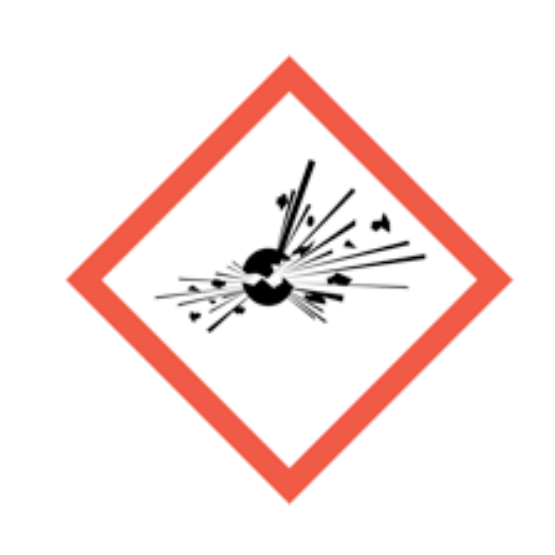
Exploding bomb
Explosive, self-reactive or organic peroxide hazards.
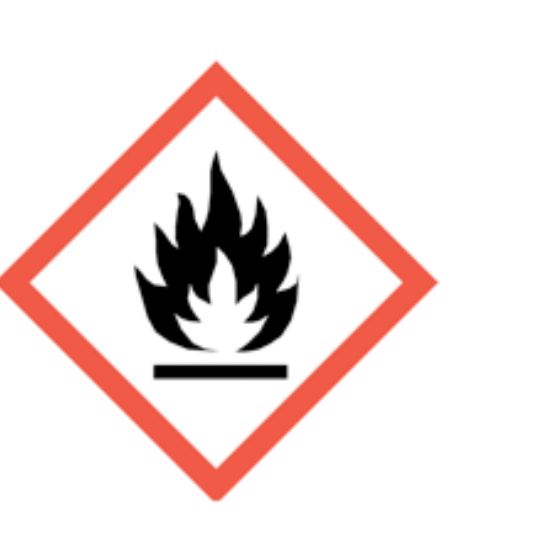
Flame
Flammable, self-heating or pyrophoric substances.
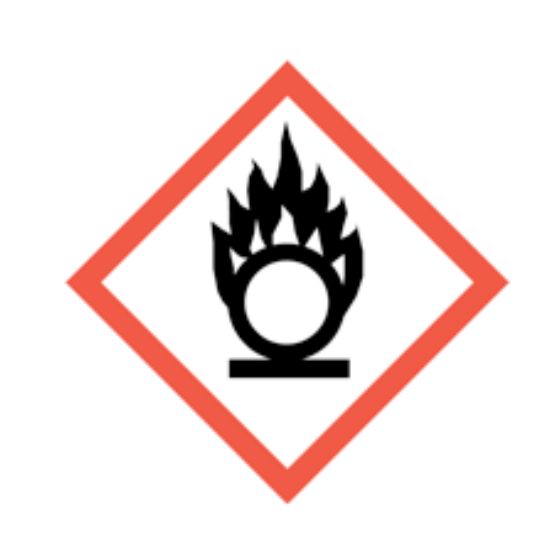
Flame over circle
Oxidising substances that can intensify fire.
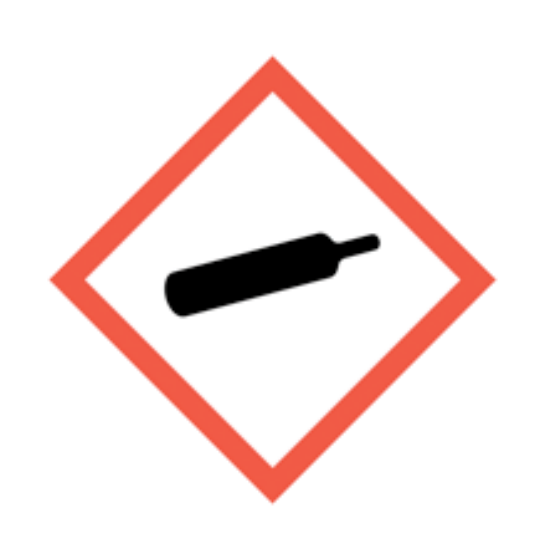
Gas cylinder
Gas under pressure.
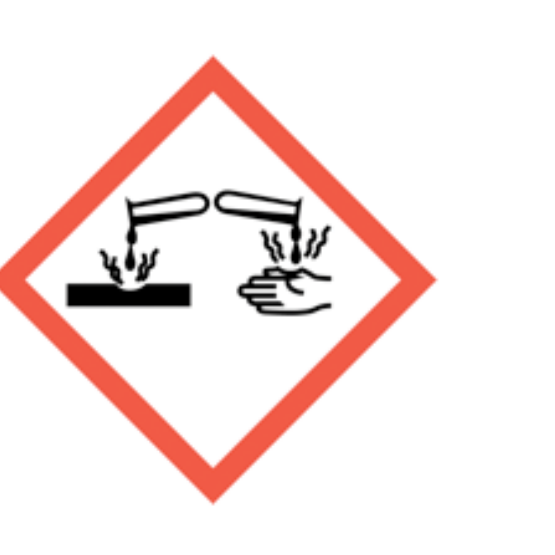
Corrosion
Skin burns, eye damage or corrosive to metals.
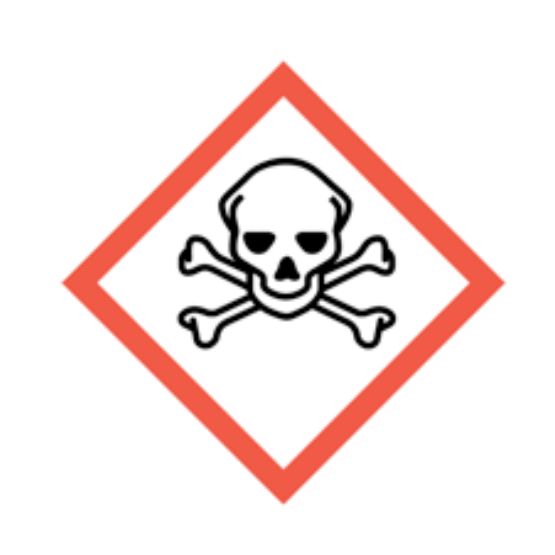
Skull and crossbones
Acute toxicity.
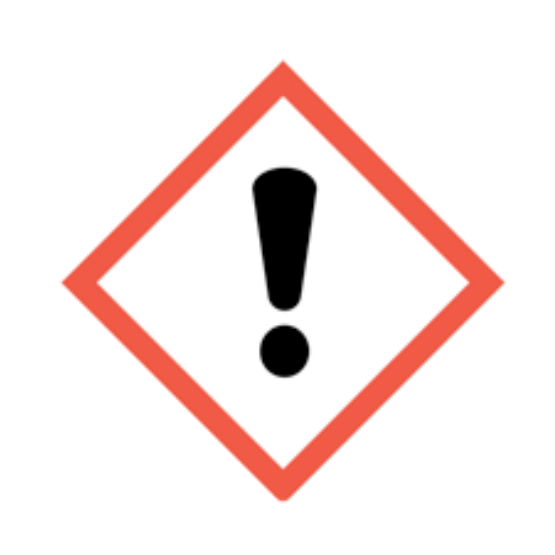
Exclamation mark
Irritation, harmful effects or skin sensitisation; some classifications cover drowsiness, dizziness or ozone-layer hazard. Read the actual hazard statements. Skin sensitisation differs from respiratory sensitisation.
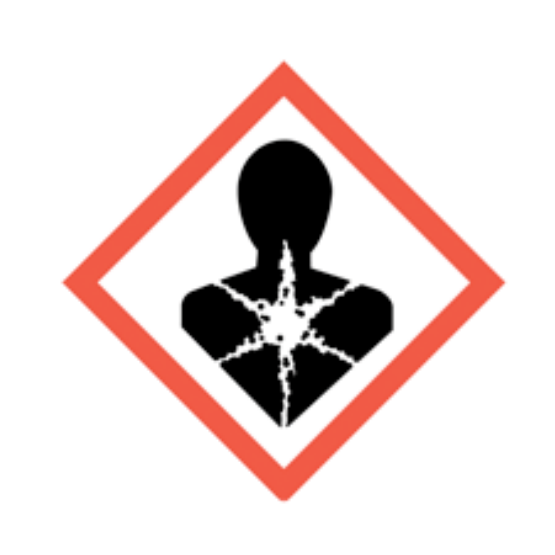
Health hazard
Serious health hazards, including organ damage, aspiration hazard, respiratory sensitisation, cancer and reproductive effects; some can follow a single exposure.
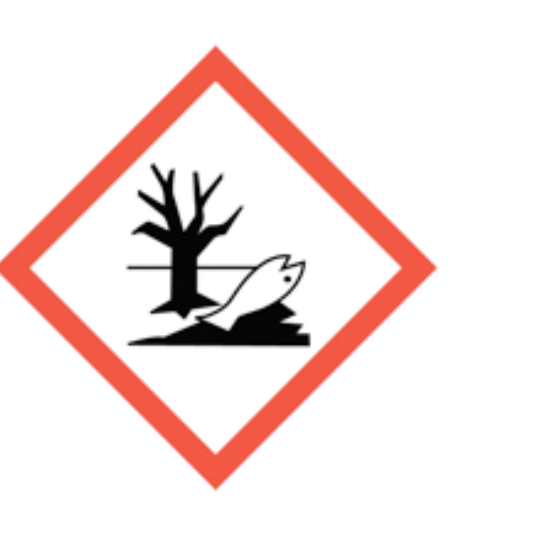
Environment
Hazardous to the aquatic environment.
What acronyms are used on this page?
Acronyms should be explained so copper exposure controls are understandable.
| Acronym | Meaning | Why it matters |
|---|---|---|
| COSHH | Control of Substances Hazardous to Health | Main GB framework for controlling copper exposure. |
| EH40 | HSE workplace exposure limits publication | Reference for exposure limits. |
| LEV | Local Exhaust Ventilation | Captures fume or dust at source. |
| PPE | Personal Protective Equipment | Includes gloves, eye protection and protective clothing. |
| RPE | Respiratory Protective Equipment | Masks or respirators for inhalation risk. |
| SDS | Safety Data Sheet | Supplier hazard information for copper compounds or products. |
| WEL | Workplace Exposure Limit | Occupational exposure limit used in monitoring decisions. |