
SHARE Knowledge Hub
Cancer and Work
Cancer and work is the relationship between a person’s cancer or treatment and the tasks, hours, exposures and support in their job. Symptoms and treatment effects can alter stamina, concentration or infection risk, so safe duties and private adjustments must match current capacity. Employers also have a separate duty to prevent exposure to cancer-causing agents at work through effective source controls.
Understanding Cancer and Work
Cancer and work is the relationship between a person’s cancer or treatment and the tasks, hours, exposures and support in their job. Symptoms and treatment effects can alter stamina, concentration or infection risk, so safe duties and private adjustments must match current capacity. Employers also have a separate duty to prevent exposure to cancer-causing agents at work through effective source controls.
Why this matters at work
Potential outcomes should be described by agent and route rather than saying 'chemicals cause cancer'. Use authoritative source language and acknowledge evidence limits. The organisation's practical duty is to prevent and control exposure based on recognised hazard and foreseeable risk, not wait for enough disease cases to appear in its own workforce.
A suitable assessment identifies everyone exposed, including operators, cleaners, maintenance teams, contractors, drivers, neighbours and people entering after the task. It covers routine, non-routine, breakdown, sampling, waste, spill, turnaround and emergency conditions. Exposure can spread on clothing, tools, surfaces, vehicles or ventilation and may affect people who do not perform the source task.
How organisations manage this in practice
Apply the applicable GB or NI rules. For carcinogens and mutagens, prevention and reasonably practicable substitution come before a default reliance on PPE. If prevention is not reasonably practicable, examine enclosure and the additional substance-specific controls. Verify their performance during real tasks, control contamination and provide appropriate information and surveillance where legal conditions apply. A supplier sheet is evidence, not the completed workplace assessment. Record the basis for material selection, control decisions, exposure evidence, limitations and review triggers. General health promotion can support people but cannot compensate for avoidable carcinogen exposure or transfer the employer's prevention duties to individual lifestyle choices.
A phased return is a controlled build-up of hours, duties or workload. State start hours, specific tasks, tasks excluded, workload, breaks, supervision, location, travel, emergency arrangements, pay, review dates and criteria for progression or stepping back. Reduced hours must carry reduced output and responsibility. Do not place the worker into a backlog or call normal performance failure a rehabilitation test.
Second establish a private cancer-support pathway. Define disclosure contacts, immediate task-safety action, treatment and appointment arrangements, OH referral, fit-note handling, absence adjustment, data access, emergency response, return planning, Access to Work and review. Make the route available to every shift, site, remote worker, agency group and manager, with an alternate contact.
Use the person’s care team for medical advice. Managers should agree practical changes, protect privacy and obtain competent task-specific advice when fitness or exposure is uncertain.
What does cancer and work mean?
Cancer and work is the practical relationship between a person’s diagnosis or treatment, the demands of their job and the support needed to work safely. Preventing cancer-causing exposures is a separate employer responsibility.
Cancer is a condition in which abnormal cells grow and divide without normal control; they may invade nearby tissue or spread. Cancers and treatments differ. An individual’s cancer rarely has a single identifiable cause, so managers should not blame a worker or infer that their job caused it. Age, inherited factors, infections, lifestyle, UV radiation and some workplace exposures may all influence risk, depending on the cancer.
Work can provide income, routine, connection and identity, while appointments, symptoms or treatment may make ordinary duties difficult for a time. The useful question is how this person’s current health and work fit together: what can they do, what is difficult, what can be changed and when should the plan be reviewed? A diagnosis does not itself determine safe capability for a particular shift or task.
Support should focus on function, privacy and reviewable work changes. Use official health advice for medical questions and avoid interpreting symptoms at work.
Official health route: NHS cancer overview.
How can cancer and treatment change someone’s working day?
Effects vary by cancer, treatment and person. Fatigue, pain, infection vulnerability, mobility or concentration changes may alter stamina, travel, attendance and safe task performance; effects can continue after active treatment.
Some people keep working through treatment; others need reduced duties or time away. Treatment can involve repeated appointments or cycles. Fatigue and recovery may fluctuate within a week and over months. Surgery, chemotherapy, radiotherapy or other treatment can affect different tasks in different ways. For example, tingling in the hands may matter for a precise manual task; fatigue or altered concentration may matter for driving or supervising a hazardous activity. These are possibilities, not a diagnosis or a standard restriction for everyone.
Some chemotherapy can weaken immune defences, cause nausea, numbness, or affect memory and concentration. The treatment team should give individual advice about infection precautions and symptoms. A manager should ask which work conditions matter—crowded public contact, travel, lone work, breaks, manual effort, shift length, access, and task criticality—without demanding treatment details. The worker and clinician can explain functional restrictions where needed.
Unusual lumps, bleeding, unexplained weight loss, persistent pain or other symptoms that are new for the person should be discussed with a GP. They are common to many conditions and are not proof of cancer. A manager’s role is to make a private conversation and time for care possible, not to investigate symptoms.
Basis: NHS cancer overview and NHS chemotherapy.
What should a manager do when a worker shares a diagnosis?
Thank the person, ask what they need at work now, explain how information will be handled and agree an early review. Put immediate work changes in place without pressing for a full medical history.
A useful opening is: “Thank you for telling me. What parts of work feel manageable or difficult at present? Are there appointments or changes we should plan for? Who would you like involved in the support discussion?” Give the person time and a choice about what colleagues are told. Do not promise absolute secrecy where a limited operational restriction must be shared to implement support; agree the minimum message and who needs it.
Identify the task, pace, hours, travel, exposures and safety-critical duties. Ask the worker which changes would help and when treatment or recovery might change the pattern. Set an owner for actions and a review date. If the fit between clinical advice and task demands is uncertain, ask occupational health a focused question about function, restrictions and review, explaining the referral to the worker. A carer supporting someone with cancer may also need an individual work conversation, but a relative’s diagnosis does not automatically create the same disability status for the worker.
Explore health-related barriers before treating changed attendance or performance as ordinary misconduct. Keep expected outcomes clear, apply absence rules fairly and obtain HR advice on disability-related absence.
Workplace basis: Acas reasonable adjustments, Acas disability-related absence, nidirect support while in work.
Which adjustments should be considered and tested?
Adjustments should remove a real work disadvantage while preserving safe delivery. Agree the change with the worker, name who will implement it and review whether it works as treatment and recovery change.
Cancer is protected as a disability from diagnosis in GB and NI, under different laws. The legal duty is to consider reasonable changes in the actual circumstances; a diagnosis does not prescribe a fixed adjustment package. Discuss practical options before assuming a person cannot work.
On a small screen, scroll this table sideways to read all columns.
| Work barrier | Possible work change | What to check together |
|---|---|---|
| Treatment appointments or variable energy | Flexible start times, appointment time, reduced hours or a planned phased return. | Can the actual rota and cover support the change? When should it be reviewed? |
| Fatigue, pain or mobility limits | Redistribute heavy or prolonged tasks; adapt the workstation, access, travel or break pattern. | Does the change remove the barrier without transferring an unmanaged hazard to someone else? |
| Infection concern during treatment | Follow individual clinical advice; consider less crowded duties, remote work or changes to public contact. | Do not infer immunosuppression from a diagnosis; ask what restriction the care team recommends. |
| Concentration or medication effects | Reduce conflicting demands, provide written instructions, change or pause safety-critical duties pending advice. | Has the task-specific risk and handover been checked? Who authorises return? |
| Disability-related absence | Consider how absence triggers and appointments are treated under the applicable policy and law. | Record the decision and rationale fairly; seek GB or NI HR advice where needed. |
Equipment, hours and duties can be temporary or longer-term. Access to Work may add practical help beyond the employer’s reasonable adjustments: the GB scheme covers England, Scotland and Wales; Northern Ireland has a distinct Access to Work (NI) route. Check current eligibility with the correct service.
Routes: Acas reasonable adjustments, nidirect support while in work, GOV.UK Access to Work eligibility and nidirect Access to Work (NI).
When should a task pause or clinical help be sought?
Pause a safety-critical task when symptoms, medication effects, fatigue or uncertainty could prevent safe performance. Call 999 for severe breathing difficulty, chest or upper-back pain, a very fast heartbeat or fainting; other urgent treatment warning signs need immediate care-team advice.
The worker or supervisor should use the established safe-state and relief procedure for driving, water activity, machinery, process control or another critical duty. Arrange competent cover and a handover; do not leave a live task unattended. A return decision needs actual task demands, current functional advice, controls, the worker’s view and an authorised manager. A fit note saying “may be fit” is general clinical advice, not automatic clearance for this job.
During chemotherapy, call the cancer care team now for a high temperature or other infection signs, a painful swollen limb, sudden breathlessness, coughing blood or possible clot symptoms; follow the treatment-team emergency instructions. Call 999 for severe breathing difficulty, chest or upper-back pain, a very fast heartbeat or fainting/collapse. NHS pulmonary-embolism advice also says not to drive yourself to emergency care. Make the work task safe and arrange cover without delaying the call. For other urgent symptoms, use the local care route; do not assume a single UK-wide 111 service or wait for a manager’s diagnosis.
Worsening fatigue, pain, concentration or work errors also trigger a review of duties and advice. These signs do not establish the cause; the aim is to make the task safe and enable care.
Clinical basis: NHS chemotherapy and NHS pulmonary embolism. Work decision: GOV.UK fit-note employer guidance.
How should a return to work be planned?
Plan a return around current capacity, actual job demands, agreed adjustments and review points. Treatment ending does not prove that fatigue, pain or other effects have ended.
Before return: ask the worker about their priorities, practical barriers and desired contact. Review the role, shifts, travel, public exposure, manual effort, equipment and emergency duties. Read any fit-note advice as a starting point, discuss feasible changes, and seek occupational-health input where the task-specific answer is uncertain.
On return: brief only the people who must implement changed duties or cover. Test hours, breaks and workload in real shifts. Agree what happens if a treatment cycle, symptom or appointment changes the plan. A phased return may gradually increase hours or duties, but it has no universal timetable.
After return: check worker feedback and task outcomes; extend, reduce or end adjustments for a reason, recording the decision. A person may return while still receiving treatment or need another period away. For a critical task, keep the separate hold and release process until the evidence supports it.
Basis: GOV.UK fit-note employer guidance, Acas reasonable adjustments and nidirect support while in work.
How would Riverside Leisure handle a changing work pattern?

Riverside Leisure Ltd would agree a private plan with an outdoor instructor receiving treatment, hold any unsafe activity, arrange qualified cover and review the plan after each change in treatment or duties.
Riverside Leisure Ltd
a leisure, hotel and outdoor activity business with instructors, maintenance and public-facing teams
Outdoor instructor on a changing treatment plan
Task, material and setting: an instructor normally leads water-based group activities and also prepares bookings. The desired outcome is safe participant supervision and sustainable work for the employee. The setting includes outdoor work, water access, activity equipment and variable visitor numbers; site and equipment procedures remain controlling.
People and prerequisites: participants, colleagues and contractors could be affected if a safety-critical duty has no competent cover. The duty manager must understand the activity risk assessment, staffing, safe-state and relief rules. Only qualified, authorised instructors supervise water activity; clinical restrictions and agreed work adjustments are checked through the appropriate private route.
Before: the worker tells a manager that treatment appointments and fatigue may vary, and asks to avoid lone water activity temporarily. In a private discussion, the manager records the functional issue and asks occupational health a task-focused question where needed. The duty manager checks the activity risk assessment, required competence, staffing and relief. Booking work and adjusted hours are offered while the water duty is held. The worker chooses what colleagues can be told; operational staff receive only the changed assignment.
During: a competent instructor takes the water session and receives the ordinary activity handover. The worker completes agreed booking tasks, takes planned breaks and can report a change without penalty. A delayed appointment or unexpected crowded event triggers a task review, not an assumption that yesterday’s arrangement is still safe. Contractors or seasonal staff follow the same staffing and handover rules.
Hold or stop: do not assign lone water supervision while safe performance or competent cover is uncertain. If urgent infection or clot symptoms arise during chemotherapy, follow the care-team emergency route immediately; for a life-threatening emergency call 999. Do not leave participants without authorised supervision while making the task safe. An absent instructor, failed communications equipment or unavailable access support also means using the established activity stop or substitution procedure.
Completion and hand back: the duty manager confirms any return to water activity against current functional advice, competence and site controls. HR and the worker review hours, fatigue, appointments and privacy. The operations manager checks whether the cover plan actually worked, not just whether the rota showed a name.
Evidence: retain the task hold, cover/handover, agreed adjustments, owner and review date in restricted work records. Keep clinical detail in the appropriate protected health record. A separate occupational-risk record covers UV exposure for outdoor staff, regardless of the worker’s diagnosis.
What changes in another part of the business?
Before maintenance disturbs an older building, Riverside must use the asbestos management route; a cancer disclosure does not replace this prevention duty. For outdoor instructors, assess solar UV exposure and provide suitable prevention arrangements. If the booking desk itself becomes inaccessible or too busy, change the work setup or capacity and review it with the worker.
Workplace basis: Acas reasonable adjustments, nidirect support while in work, NHS chemotherapy and HSE work-related skin cancer.
Which legal routes apply in Great Britain and Northern Ireland?
Cancer is protected as a disability from diagnosis under the Equality Act 2010 in GB and the NI Disability Discrimination Act framework. GB workplace risk uses the Health and Safety at Work etc. Act 1974, Management Regulations 1999 and COSHH 2002; NI uses its 1978 Order, Management Regulations (NI) 2000 and COSHH (NI) 2003. GB and NI have separate Access to Work and occupational-disease reporting routes. Apply the rules for the work location.
The same practical support principle applies in both places, while legal duties and public schemes must be checked through the correct GB or NI route.
On a small screen, scroll this table sideways to read all columns.
| Issue | Great Britain | Northern Ireland |
|---|---|---|
| Disability protection | Equality Act 2010: cancer meets the disability definition from diagnosis. Consider reasonable adjustments for disadvantage in actual work. | Disability Discrimination Act 1995 as applicable in NI: cancer is covered from diagnosis. Consider reasonable adjustments under NI rules. |
| Workplace safety | Health and Safety at Work etc. Act 1974 and Management Regulations 1999 frame risk assessment and safe work. | Health and Safety at Work (Northern Ireland) Order 1978 and Management Regulations (NI) 2000 provide the NI workplace route. |
| Cancer-causing substances | COSHH 2002 applies to most relevant substances; use HSE guidance. Asbestos, lead and ionising radiation have separate regimes. | COSHH (NI) 2003 and HSENI guidance provide the NI route; check separate regimes for other agents. |
| Occupational cancer reporting | HSE RIDDOR route needs an established cancer–hazard link, reasonable work-exposure evidence and current-job exposure to the relevant hazard. | Use HSENI disease-reporting route and NI criteria. A diagnosis alone does not prove occupational cause. |
| Work support scheme | GB Access to Work eligibility covers England, Scotland and Wales and supplements employer duties. | Use the distinct Access to Work (NI) service; GB eligibility does not include NI. |
Fit-note, sickness and pay rules, sector duties, treatment privacy and any disputed adjustment need the correct current advice for the person and jurisdiction. The employer’s reasonable-adjustment duty is not displaced by an external support grant.
Official routes: GOV.UK disability definition, nidirect support while in work, HSE risk assessment, HSENI risk assessment, HSE COSHH basics, HSENI occupational cancers, GOV.UK Access to Work eligibility and nidirect Access to Work (NI).
How should cancer information be handled?
Keep clinical information in a restricted health record and share only the functional changes people need to implement. Explain the purpose, access and retention to the worker.
Health information is special-category data. The organisation must identify and document a UK GDPR Article 6 lawful basis and Article 9 condition, with any additional Data Protection Act safeguards that apply. Worker consent is not automatically the right legal basis in an employment relationship. Ask for necessary information, separate the diagnosis from routine team schedules, and limit access to those with a work need.
A supervisor may need to know that an instructor is not assigned to lone water duty and when to review the cover; they do not need the cancer type or treatment details. The worker’s choice about what is said socially should be respected. If a safety restriction must be implemented, explain clearly the limited information needed for that purpose.
Basis: ICO worker health information.
How can work exposures or task demands cause harm?
Cancer is not a workplace hazard in a person. The preventable harm chains here are exposure to cancer-causing agents and, separately, unsafe task design when anyone’s current capacity and the duty do not fit.
Identify the source, route into or onto the body, affected tissue and work conditions before choosing a control. A dust cloud or sunburn can warn that a control has failed, but cancer may develop after years without a reliable early warning. Duration, concentration, ventilation, proximity, weather and task design change likelihood. A diagnosis cannot establish that work caused an individual cancer.
On a small screen, scroll this table sideways to read all columns.
| Task, source and route | Tissue and likely harm | Warning and stop or escalation |
|---|---|---|
| Manufacturing: machining hardwood releases dust inhaled through the nose and airways. | Wood dust can cause asthma; repeated hardwood-dust exposure can cause nasal cancer after a long latency. | Dust at the machine or failed extraction: pause machining. A clear-looking room does not prove safe air. |
| Construction: chasing concrete releases fine respirable crystalline silica into breathing air. | Fine particles reach deep lung tissue. Prolonged exposure can cause silicosis and increase lung-cancer risk. | Fine dust may be invisible. Stop when water or extraction fails or uncontrolled dust is generated. |
| Outdoor work: sunlight exposes skin and eyes to ultraviolet radiation. | UV damages skin; redness or sunburn is an acute sign. Repeated excess exposure raises later skin-cancer risk. | Missing shade or protective arrangements trigger a work change. A changing or bleeding skin mark needs prompt medical advice. |
| Logistics loading bay: running diesel engines release exhaust that workers breathe. | Exhaust can irritate eyes and airways; sustained occupational exposure can increase lung-cancer risk. | Indoor idling, smoke, irritation or failed ventilation triggers engine-off and exposure-control review. No smell is not proof of safety. |
| Safety-critical work: unrelieved water supervision or vehicle movement when fatigue, medication effects or workload make performance uncertain. | The work demand and task hazard can create errors, collision, falls or drowning risk for workers or the public. The worker's diagnosis is not the hazard. | Hold the duty, make it safe and arrange competent cover when performance is uncertain; use individual advice for return. |
Topic-specific evidence: HSE woodworking hazardous substances, HSE cancer and construction: silica, HSE outdoor workers and sun exposure, HSE HSG187 diesel engine exhaust emissions and HSE fatigue. NI workplaces must apply their own HSENI route.
How is preventing occupational cancer different from supporting a worker?
Prevent exposure to carcinogens through the relevant assessment and control system before disease occurs. Keep this prevention work distinct from a confidential adjustment plan for a worker living with cancer.
Identify the actual agent and exposure route: breathing dust or fume, skin contact, UV radiation or another mechanism. Remove a carcinogenic substance or process where reasonably practicable, substitute a safer choice, enclose or extract at source, maintain controls, and use competent exposure monitoring and health surveillance where required. Personal protective equipment supports controls but is not a substitute for effective prevention. A workplace exposure limit is not a permission to expose someone without further control; HSE and HSENI require carcinogen exposure as low as reasonably practicable under their respective COSHH regimes.
Asbestos and ionising radiation use specific regimes; do not copy a generic COSHH method into those tasks. In GB, HSE's RIDDOR cancer route requires an established causal link between the diagnosed type and relevant work hazard, reasonable evidence of work exposure, and the person's current job involving that hazard. Check the separate NI HSENI reporting criteria for NI work. A diagnosis alone neither proves work causation nor makes every cancer case reportable.
Prevention and reporting: HSE workplace exposure limits, HSE occupational-cancer reporting, HSENI occupational cancers and HSE work-related skin cancer.
How can the hierarchy of controls reduce cancer-causing exposures when machining composite panels?
control hierarchy starts by avoiding exposure, then reducing and physically separating it before relying on personal equipment or behaviour. It is a planning framework, not a separate legal duty or a reason to treat a person with cancer as the hazard.
Use the HSE hierarchy of controls for the actual exposure: remove or substitute the hazard where possible, use physical or engineering controls, organise work to limit residual risk, and use suitable PPE only where it helps. Assign an owner, check that each control works, and stop the task if a critical control fails. In Northern Ireland, check the applicable local duty and assessment.
On a small screen, scroll this table sideways to read all columns.
How can the ERICPD hierarchy of controls reduce cancer-causing exposures when machining composite panels?

| Control level | Control for this activity | Owner and verification | Stop / restart decision |
|---|---|---|---|
| Eliminate | Order panels to finished dimensions or use a suitable prefabricated assembly so local machining is unnecessary. | Task owner verifies that the proposed change removes the named hazardous step, including foreseeable cleaning, maintenance and work transferred elsewhere. | If the hazardous step remains, keep it within the task assessment and select the stronger feasible remaining controls. |
| Reduce, including substitution | Select a suitable lower-emission board or alternative material after validating performance and its other hazards. | Competent task/process owner validates suitability, compatibility and new hazards against the actual operating requirements before the alternative is adopted. | Reject an alternative if its performance is unproved or its new hazards are unresolved. |
| Isolate | Separate machining and freshly processed stock from occupied clean work and general storage routes. | Supervisor checks the actual boundary, affected people and connected work; verify separation or isolation before allowing access. | Hold or stop for unknown board, failed extraction or an unassessed emission/exposure change. |
| Control: physical safeguards | Use effective machine extraction and suitable ventilation for the actual dust and vapour sources; keep the tool and extraction compatible. | Competent equipment/process owner checks board specification, dust capture, ventilation and assessment of both dust and vapour. | Hold or stop for unknown board, failed extraction or an unassessed emission/exposure change. |
| Control: work method and response | Verify board identity and assess machining, storage and cleaning exposures; avoid dry sweeping and uncontrolled compressed-air cleaning. | Supervisor confirms the work limits, competent cover, communication and stop/restart authority with the people doing this activity. | Hold work when the agreed limits, competent cover or effective communication cannot be maintained. |
| PPE | Select suitable dust/RPE and other protection from the assessment; a particulate filter alone does not control formaldehyde vapour. | Assessor confirms whether personal protection is needed and checks suitability, condition, compatibility and any required fit evidence. | Do not use unsuitable protection or rely on PPE to continue after an essential source control fails. |
| Discipline | Check extraction, ventilation and stock changes; review exposure controls when board supplier, process or throughput changes. | Release only after workshop owner accepts material suitability and effective exposure controls. Retain verification and unresolved restrictions at handover. | Keep the task on hold until required reinstatement evidence and unresolved defects are accepted by the responsible owner. |
How can the ISO 45001 hierarchy of controls reduce cancer-causing exposures when machining composite panels?

| Control level | Control for this activity | Owner and verification | Stop / restart decision |
|---|---|---|---|
| Elimination | Order panels to finished dimensions or use a suitable prefabricated assembly so local machining is unnecessary. | Task owner verifies that the proposed change removes the named hazardous step, including foreseeable cleaning, maintenance and work transferred elsewhere. | If the hazardous step remains, keep it within the task assessment and select the stronger feasible remaining controls. |
| Substitution | Select a suitable lower-emission board or alternative material after validating performance and its other hazards. | Competent task/process owner validates suitability, compatibility and new hazards against the actual operating requirements before the alternative is adopted. | Reject an alternative if its performance is unproved or its new hazards are unresolved. |
| Engineering controls | Separate machining and freshly processed stock from occupied clean work and general storage routes. | Supervisor checks the actual boundary, affected people and connected work; verify separation or isolation before allowing access. | Hold or stop for unknown board, failed extraction or an unassessed emission/exposure change. |
| Engineering controls | Use effective machine extraction and suitable ventilation for the actual dust and vapour sources; keep the tool and extraction compatible. | Competent equipment/process owner checks board specification, dust capture, ventilation and assessment of both dust and vapour. | Hold or stop for unknown board, failed extraction or an unassessed emission/exposure change. |
| Administrative controls | Verify board identity and assess machining, storage and cleaning exposures; avoid dry sweeping and uncontrolled compressed-air cleaning. | Supervisor confirms the work limits, competent cover, communication and stop/restart authority with the people doing this activity. | Hold work when the agreed limits, competent cover or effective communication cannot be maintained. |
| PPE | Select suitable dust/RPE and other protection from the assessment; a particulate filter alone does not control formaldehyde vapour. | Assessor confirms whether personal protection is needed and checks suitability, condition, compatibility and any required fit evidence. | Do not use unsuitable protection or rely on PPE to continue after an essential source control fails. |
| Administrative controls | Check extraction, ventilation and stock changes; review exposure controls when board supplier, process or throughput changes. | Release only after workshop owner accepts material suitability and effective exposure controls. Retain verification and unresolved restrictions at handover. | Keep the task on hold until required reinstatement evidence and unresolved defects are accepted by the responsible owner. |
Framework and control evidence: HSE hierarchy of risk controls, HSE managing risk using PPE, HSE woodworking hazardous substances, HSE construction silica controls, HSE outdoor workers and sun exposure and HSE HSG187 diesel engine exhaust emissions. For NI, check HSENI occupational cancers.
How do these controls change across workplaces?
The source-to-person logic applies in several sectors, but the strongest feasible control and stop point depend on the task. Exposure prevention remains separate from a worker’s confidential cancer support plan.
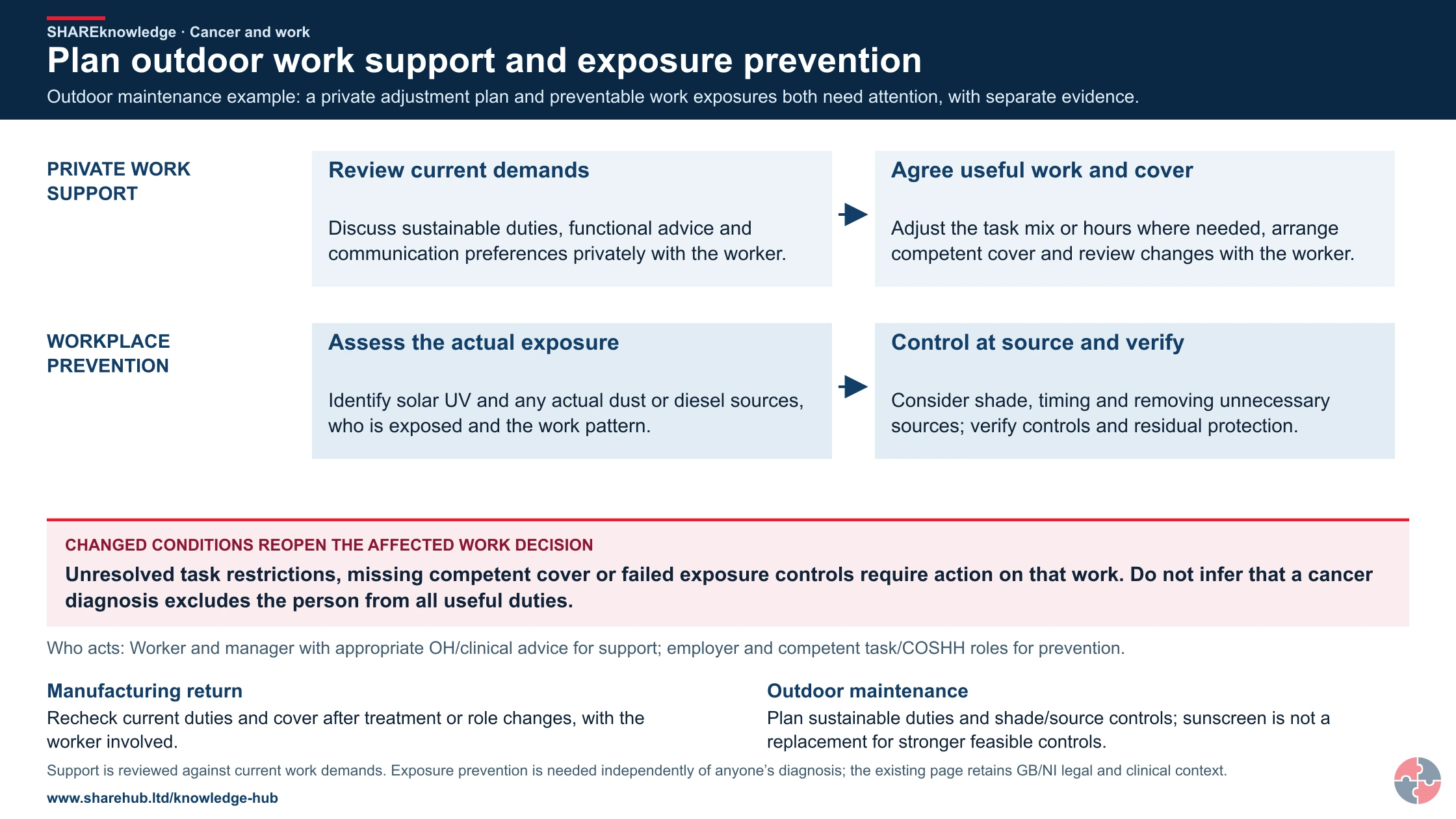
Plan outdoor work support and exposure prevention
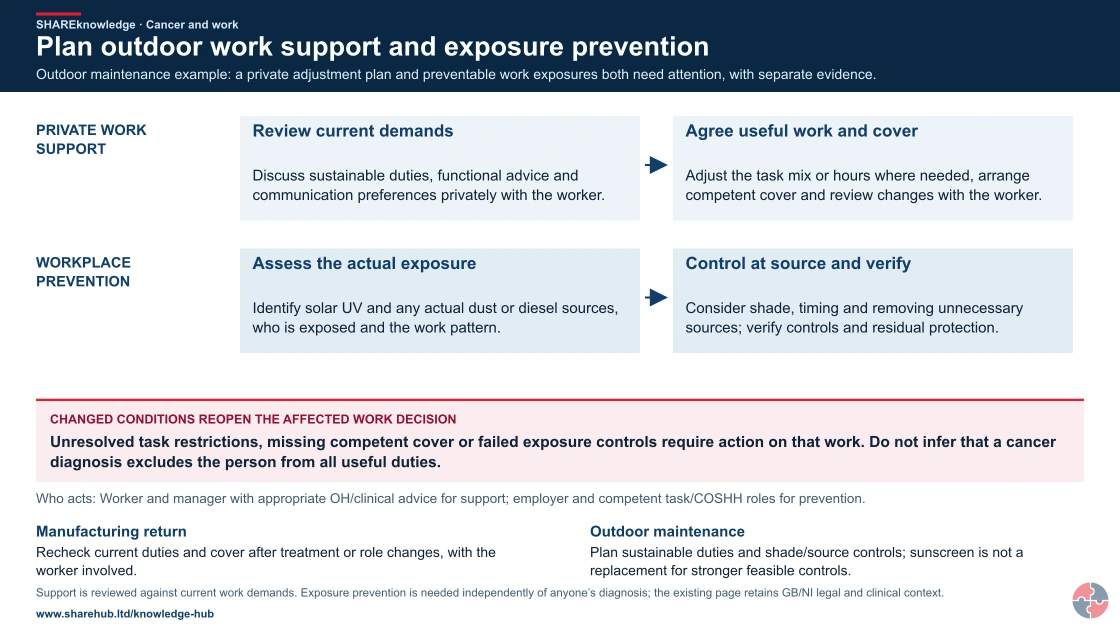
Full written explanation
Outdoor maintenance example: a private adjustment plan and preventable work exposures both need attention, with separate evidence.
- Review current demands. Discuss sustainable duties, functional advice and communication preferences privately with the worker.
- Agree useful work and cover. Adjust the task mix or hours where needed, arrange competent cover and review changes with the worker.
- Assess the actual exposure. Identify solar UV and any actual dust or diesel sources, who is exposed and the work pattern.
- Control at source and verify. Consider shade, timing and removing unnecessary sources; verify controls and residual protection.
When the evidence does not fit: Unresolved task restrictions, missing competent cover or failed exposure controls require action on that work. Do not infer that a cancer diagnosis excludes the person from all useful duties.
Who acts: Worker and manager with appropriate OH/clinical advice for support; employer and competent task/COSHH roles for prevention.
Changed workplace
Manufacturing return: Recheck current duties and cover after treatment or role changes, with the worker involved.
Outdoor maintenance: Plan sustainable duties and shade/source controls; sunscreen is not a replacement for stronger feasible controls.
Evidence check: Support is reviewed against current work demands. Exposure prevention is needed independently of anyone’s diagnosis; the existing page retains GB/NI legal and clinical context.
Full private support, changing-duties and GB/NI context
Primary references: NHS: cancer overview · Acas: occupational health and work support · HSE: sun protection for outdoor workers
Open the complete HD image (new tab)Download image
Full private support, changing-duties and GB/NI context
Primary references: NHS: cancer overview · Acas: occupational health and work support · HSE: sun protection for outdoor workers
On a small screen, scroll this table sideways to read all columns.
| Sector, task and people | Exposure and outcome | Strongest feasible control, residual safeguard and stop point |
|---|---|---|
| Manufacturing — a joinery saw operator and nearby cleaner machine hardwood. | Dust enters nose and lungs; asthma and later nasal cancer are credible outcomes. | Avoid cutting where feasible; verify extraction at the saw, use suitable vacuum cleaning and task-selected RPE where needed. Stop if capture fails or dust accumulates. |
| Construction — a contractor chases a concrete wall near other trades. | Fine respirable silica reaches deep lung; silicosis and later lung cancer are risks, including for bystanders. | Design out the chase where possible; otherwise use task-specific on-tool extraction or water and required RPE, segregate others, and check during the cut. Stop if control fails. |
| Hospitality — hotel grounds or outdoor event staff work for long periods in sunlight. | Solar UV reaches exposed skin; sunburn can occur now and repeated excess exposure raises future skin-cancer risk. | Move suitable tasks to shade or lower-UV periods, provide fixed shade and protective clothing, and use sunscreen on uncovered skin. Change the task when cover is missing. |
| Logistics — loading-bay workers and visiting drivers work near running diesel vehicles. | Exhaust is inhaled and may irritate airways; sustained exposure can raise lung-cancer risk. | Keep engines off indoors unless power is required, segregate staff and provide suitable ventilation or capture. Stop indoor idling or loading if exhaust builds or ventilation fails. |
Sector basis: HSE woodworking hazardous substances, HSE construction silica controls, HSE outdoor workers and sun exposure and HSE HSG187 diesel engine exhaust emissions. These examples are not generic methods for asbestos, lead or radiation.
What should each role do, and how can the organisation check it works?
Workers should know how to ask for support; managers should implement and review work changes; occupational health, HR and safety specialists should advise within their competence.
Workers and carers need a clear route for private contact, official health advice and raising unsafe duties. Line managers need practice in respectful conversations, realistic task changes, cover and reviews. HR checks equality, absence and privacy rules. Occupational health advises on functional restrictions and return-to-work questions; safety advisers assess the actual tasks and keep carcinogen prevention records separate. Leaders resource cover and audit whether adjustments work.
Keep an individual support plan with agreed work changes, owners, communication boundary and review triggers. Keep a distinct risk register for organisational hazards such as UV or wood dust: agent, people, exposure route, controls, inspection or monitoring evidence and action owner. Avoid putting identifiable clinical data into general dashboards. Review whether adjustments were implemented on real shifts, appointments could be attended, safety holds were respected and staff feedback shows barriers fell. Low disclosure rates alone are not proof of good support.
Induction and short manager practice should cover the reporting route, confidentiality, disability protections and task holds. Specialist carcinogen work requires training matched to the actual hazard and controls. There is no generic statutory “cancer awareness certificate” or universal refresher period. Management-system learning concerns consultation, planned controls and review; do not present an ISO standard as the cancer law.
Basis: Acas reasonable adjustments, nidirect disability discrimination employment rights, ICO worker health information, HSE COSHH basics.
Agree support again when treatment or duties change
A support plan is a working agreement, not a prediction about prognosis. Revisit it when treatment, symptoms, appointments or task demands change. Ask what is sustainable now, what is uncertain and which operational decisions need occupational-health input. Keep the person involved in choices rather than excluding them from all work because of a diagnosis.
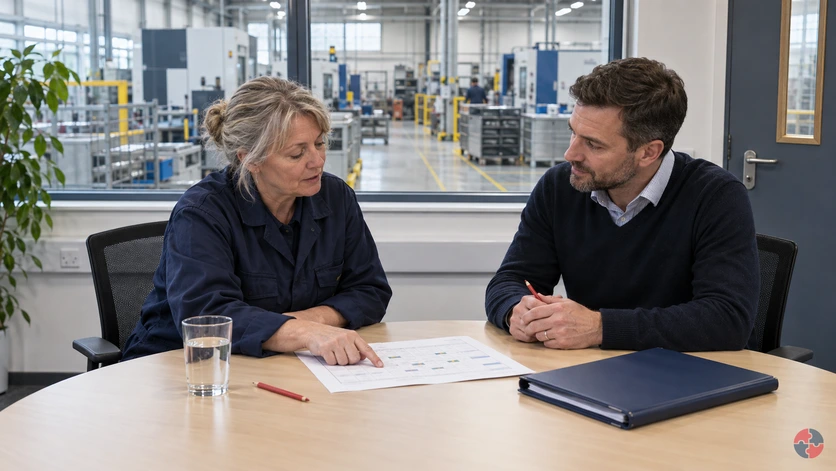
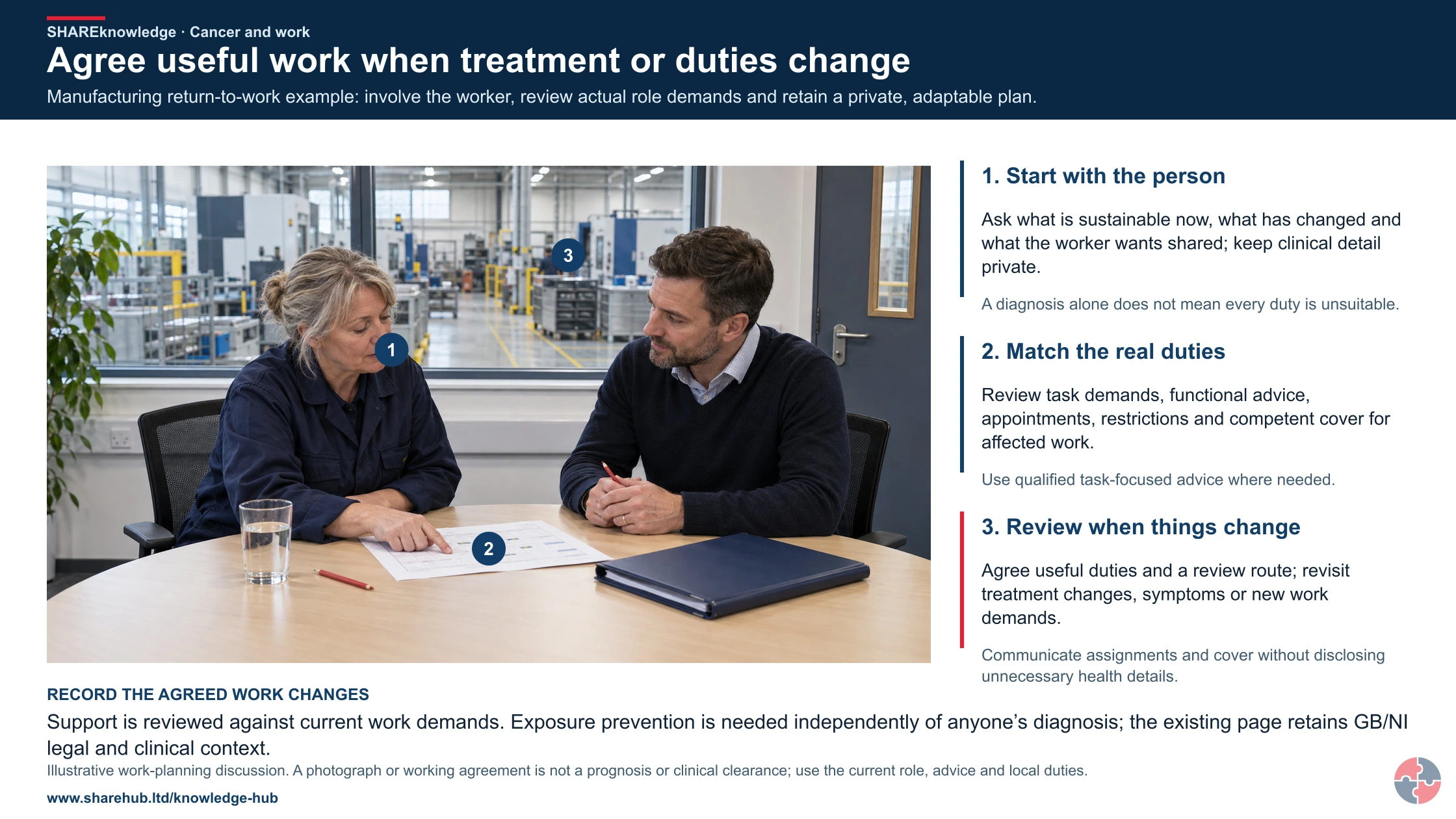
Agree useful work when treatment or duties change
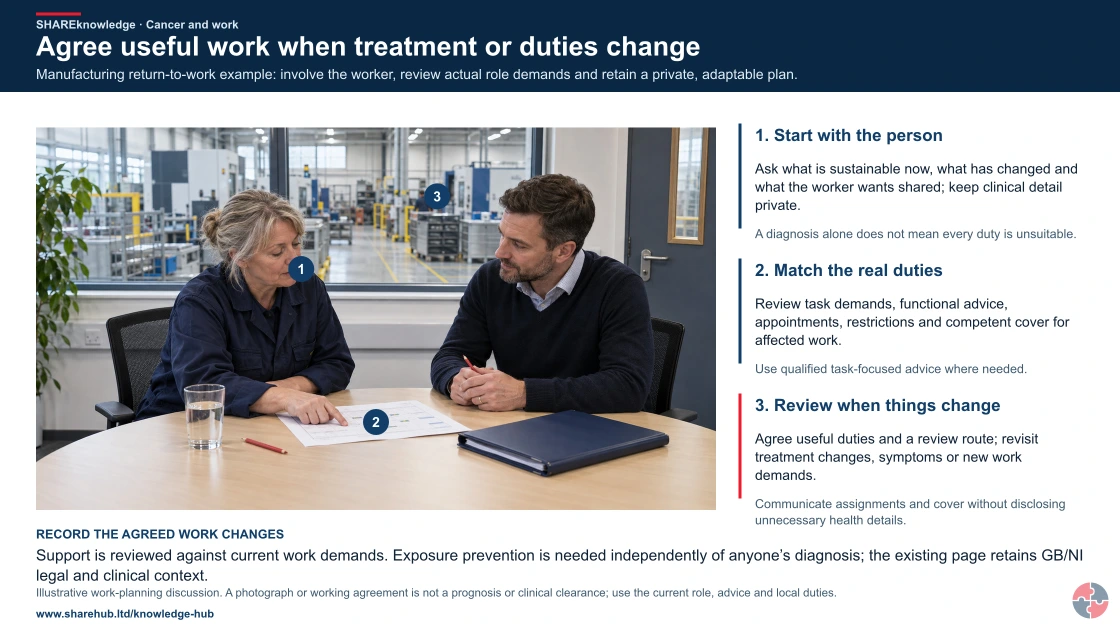
Full written explanation
Manufacturing return-to-work example: involve the worker, review actual role demands and retain a private, adaptable plan.
- Start with the person. Ask what is sustainable now, what has changed and what the worker wants shared; keep clinical detail private.
- Match the real duties. Review task demands, functional advice, appointments, restrictions and competent cover for affected work.
- Review when things change. Agree useful duties and a review route; revisit treatment changes, symptoms or new work demands.
Change the pathway
- Keep choices person-led. A diagnosis alone does not mean every duty is unsuitable.
- Do not assume clearance. Use qualified task-focused advice where needed.
- Give the team only what it needs. Communicate assignments and cover without disclosing unnecessary health details.
Evidence check: Support is reviewed against current work demands. Exposure prevention is needed independently of anyone’s diagnosis; the existing page retains GB/NI legal and clinical context.
Full private support, changing-duties and GB/NI context
Primary references: NHS: cancer overview · Acas: occupational health and work support · HSE: sun protection for outdoor workers
Open the complete HD image (new tab)Download image
Full private support, changing-duties and GB/NI context
Primary references: NHS: cancer overview · Acas: occupational health and work support · HSE: sun protection for outdoor workers
In Riverside’s instructor example, a treatment change may affect an agreed rota that worked last week. The duty manager checks water-supervision competence, relief and emergency responsibilities before allocating the next session. The worker agrees the limited message colleagues need about assignments; clinical detail stays in the confidential support route. Use the existing GB or NI duties section for the work location.
Riverside: change the assignment and retain useful work
Illustrative example. A outdoor instructor asks to change duties after treatment changes and fatigue becomes less predictable.
Decision. The manager pauses the affected water duty, assigns a qualified colleague and agrees booking preparation and adjusted hours with the worker.
Evidence to check. The task demands, agreed functional restrictions, qualified cover and the worker’s communication preferences.
Hold or escalation point. Keep the affected activity held if safe cover or task-focused advice is unresolved; do not assume all duties are unsafe.
Follow-up. Review after the treatment change and the first adjusted shifts, with an earlier conversation if capacity changes.
Agree support and prevent exposure in separate lanes
A support plan responds to the individual’s needs. Prevention addresses workplace exposures whether or not anyone currently has a diagnosis.

Ask and agree
Ask what helps and agree what may be shared. Treatment and capacity can vary; avoid assuming a standard work pattern from a diagnosis.
Trial the arrangement
Record the agreed task adjustment, responsible person, cover and review point. Check actual use and later effects with the worker.
Prevent exposure separately
Review the material and process controls in the workplace example. A cancer diagnosis does not establish an occupational cause, and absence of illness does not validate exposure controls.
Keep individual clinical information confidential and obtain appropriate advice about functional needs.
What competence should each role demonstrate?
People need different learning for confidential support and for preventing occupational exposure. Awareness helps someone seek help; it does not authorise a manager to give clinical advice or an operator to work with a carcinogen.
Use a private, example task scenario to practise a disclosure, a changed-duty decision, a safe hold and a handover. Use a separate exposure scenario to test whether staff can identify the agent, route and failed control. The assessor should check the actual role and record the scope of authorisation, evidence and trigger for another check. No single cancer-awareness course, certificate or fixed refresher period proves this competence.
On a small screen, scroll this table sideways to read all columns.
| Role or level | Learning and practical demonstration | Assessor, record and reassessment trigger |
|---|---|---|
| General staff and colleagues | Know the GP or care-team route, privacy boundary, early reporting and how to avoid assumptions about a colleague. | Supervisor checks a brief scenario and records induction; revisit after guidance or support-route changes. |
| Worker and frontline manager | Practise a private conversation, functional task review, adjustment owner and safe hold/cover without requesting a diagnosis. | Manager or HR assessor reviews a scenario and restricted action note; reassess after a role, treatment or task change. |
| Exposure-task worker and maintainer | Demonstrate the actual source controls, isolation, PPE limits, defect reporting and stop rule for the carcinogen or equipment used. | Competent task specialist observes practice and records agent/task authorisation; reassess after a process, control or material change. |
| Supervisor and contractor coordinator | Challenge a failed extraction, shade or handover; separate occupational-risk evidence from a worker’s health record. | Operations lead samples a task hold and control check; reassess after a control failure, near miss or contractor change. |
| Manager, purchaser and designer | Specify lower-exposure work, resource competent cover, compare GB/NI duties and test whether controls work on real shifts. | Senior leader reviews specification, adjustment and risk decisions; revisit after a legal, task or procurement change. |
| Occupational health, safety adviser and auditor | Give advice within competence, assess functional restrictions or exposure evidence, verify source scope and escalate uncertainty. | Relevant specialist reviews documented judgement and audit samples; reassess when guidance or exposure conditions change. |
Workplace basis: Acas reasonable adjustments, nidirect support while in work, HSE COSHH basics, HSENI occupational cancers and ICO worker health information. Training sustains the plan; it cannot replace effective exposure control or a confidential adjustment.
What do workers and managers often ask?
The answers set a general boundary; an individual care or task decision still needs the person’s circumstances, job and jurisdiction.
Does an employee have to tell a manager every medical detail?
No. Discuss the functional help needed and what may be shared for work. Some information may be needed to implement an adjustment or manage a safety risk, but collect and share only what is necessary.
Is cancer a disability from diagnosis in GB and NI?
Yes. GB uses the Equality Act 2010; NI uses its Disability Discrimination Act framework. The actual reasonable adjustments depend on the work disadvantage and circumstances.
Can someone work during cancer treatment?
Sometimes. The person’s preferences, care-team advice, treatment effects and job demands determine a workable plan. Capability can change; agree adjustments and review.
Is a “may be fit” note clearance for a safety-critical task?
No. It is general clinical advice. The employer must check the actual task, controls, current functional restrictions and any specialist advice before authorising it.
What if a person on chemotherapy develops signs of infection or a clot?
Call the cancer care team now for a high temperature, infection signs, a painful swollen limb, sudden breathlessness or coughing blood. Call 999 for severe breathing difficulty, chest or upper-back pain, a very fast heartbeat or fainting; do not self-drive. Make the work task safe and arrange cover without delaying medical help.
Can Access to Work pay for adjustments throughout the UK?
The GB Access to Work scheme covers England, Scotland and Wales; Northern Ireland has a separate Access to Work (NI) route. An employer’s own adjustment duties still apply.
Should every worker’s cancer be reported under RIDDOR?
No. In GB, HSE requires a diagnosed type linked to the work hazard, reasonable evidence of occupational exposure and current-job exposure to that relevant hazard. NI has its own HSENI route. Seek competent reporting advice.
What should the manager record?
Record the work restriction, agreed adjustment, owner and review point in an appropriately restricted record. Keep diagnosis and treatment detail out of general team or hazard dashboards.
Chemical hazard symbols: what do they mean?
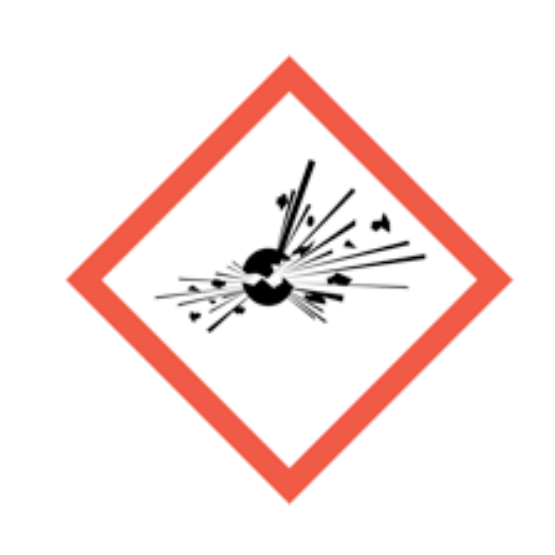
Exploding bomb
Explosive, self-reactive or organic peroxide hazards.
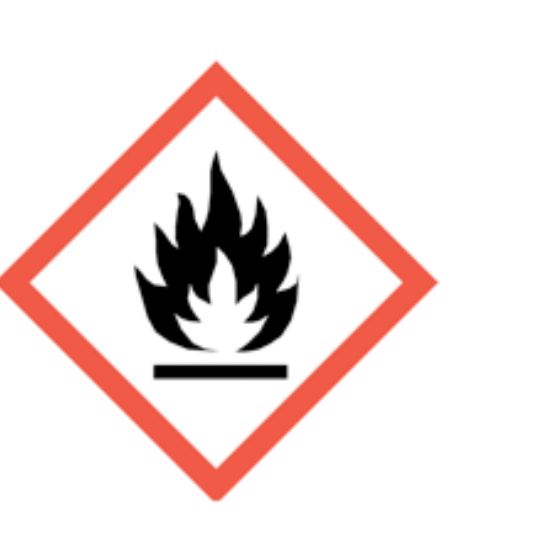
Flame
Flammable, self-heating or pyrophoric substances.
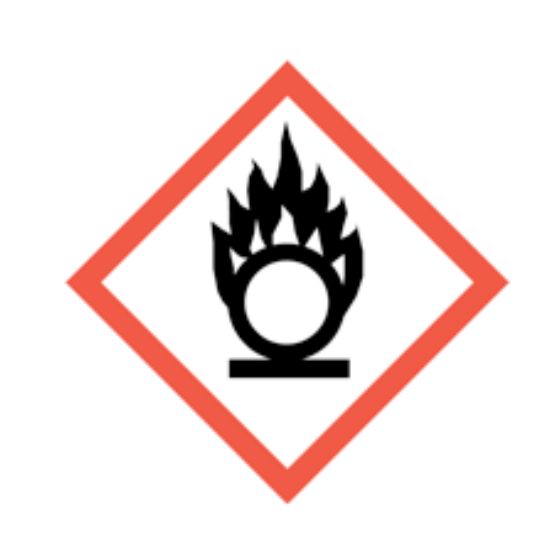
Flame over circle
Oxidising substances that can intensify fire.

Gas cylinder
Gas under pressure.
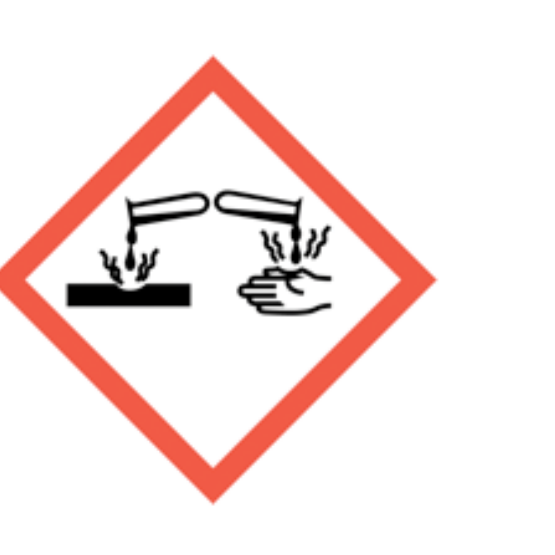
Corrosion
Skin burns, eye damage or corrosive to metals.
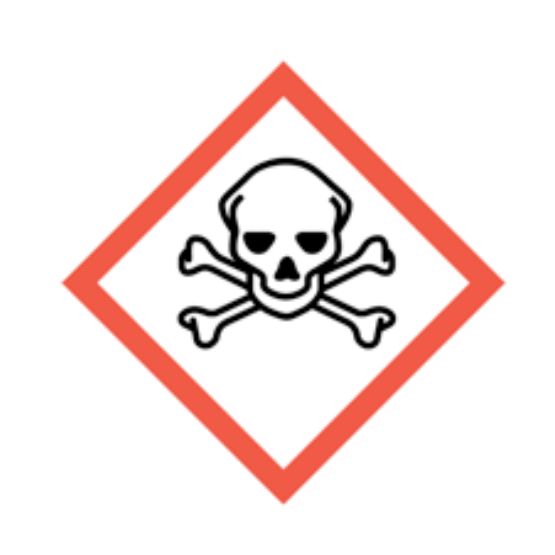
Skull and crossbones
Acute toxicity.

Exclamation mark
Irritation, harmful effects or skin sensitisation; some classifications cover drowsiness, dizziness or ozone-layer hazard. Read the actual hazard statements. Skin sensitisation differs from respiratory sensitisation.
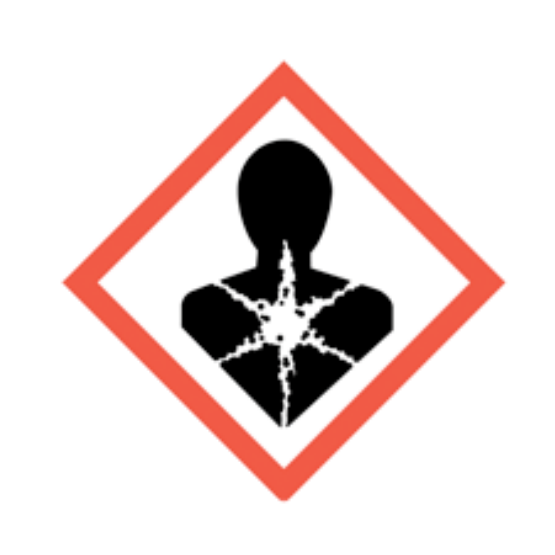
Health hazard
Serious health hazards, including organ damage, aspiration hazard, respiratory sensitisation, cancer and reproductive effects; some can follow a single exposure.
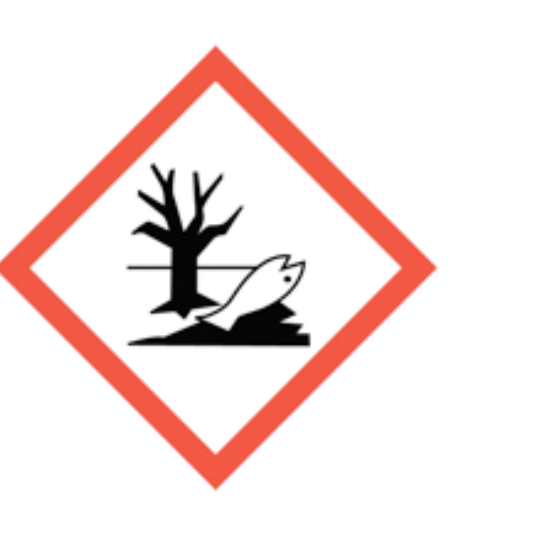
Environment
Hazardous to the aquatic environment.
Acronyms and terms: what do they mean here?
These terms separate clinical advice, a functional work decision, a legal adjustment and prevention of exposure to a cancer-causing agent.
A cancer diagnosis is not a finding that work caused the condition or that a person cannot do every task. A workplace exposure limit is also not permission to expose people without further control. Use the correct GB or Northern Ireland law when a term appears in a duty.
On a small screen, scroll this table sideways to read all columns.
| Term | Full expansion | Meaning for this decision |
|---|---|---|
| OH | Occupational health | Specialist health-and-work advice on function and restrictions; the treating team gives cancer care. |
| COSHH | Control of Substances Hazardous to Health | GB and NI have distinct regulations for most cancer-causing substances at work. |
| WEL / ALARP | Workplace exposure limit / as low as reasonably practicable | A WEL is not a safe permission; carcinogen exposure needs further source control. |
| RIDDOR | Reporting of Injuries, Diseases and Dangerous Occurrences Regulations | GB occupational-cancer reporting has specific work-exposure conditions; NI has a separate route. |
| ICO / UK GDPR | Information Commissioner’s Office / UK General Data Protection Regulation | Regulator and rules for necessary, restricted worker-health information. |
| control hierarchy / PPE | Eliminate, Reduce, Isolate, Control, Personal Protective Equipment, Discipline / Personal Protective Equipment | A planning hierarchy; PPE protects only the wearer and does not replace source controls. |
| Access to Work | GB Access to Work / Access to Work (NI) | Separate public work-support schemes; neither removes the employer’s adjustment duty. |
| Fit note | Statement of Fitness for Work | General clinical work advice, not clearance for a particular safety-critical task. |