Full public teaching and readers are free without an account. A free learner account is required for saved LMS progress and recorded assessment. Completion and any course-completion certificate depend on the configured LMS conditions. Full course outline and access routes.
Lesson 1
Assess the task, not just the bottle
Chemical hazard pictograms · examples and checksOptional reference · all nine symbols · does not change assessment requirements
READ THE LABEL · UNDERSTAND THE TASK
Recognise the symbol. Read the full label. Assess the actual task.
Examples illustrate possible uses of a symbol, not the classification of every formulation. A product can carry several pictograms. Check its current label, hazard statements and matching safety data sheet (SDS).
Food production cleaning: the hazard symbol does not establish chemical compatibility or food-contact release.
CLP/GHS hazard pictograms: meanings and illustrative examples
Pictogram and hazard
What it can mean
Example and question before work
ExplosiveGHS01
Explosion, blast or projection hazards; also certain self-reactive substances and organic peroxides.
Example: Certain fireworks or reactive chemical products.Ask: Does the authorised task account for impact, heat and the product’s stability limits?
FlammableGHS02
Can ignite; also used for certain self-heating, pyrophoric or water-reactive hazards.
Example: Petrol or some solvent-based products.Ask: What could release vapour or ignite it during this task, including nearby work?
OxidisingGHS03
Can cause or intensify fire; some strong oxidisers present an explosion hazard.
Example: Oxygen or certain oxidising chemicals.Ask: What incompatible materials and contamination must the assessed storage and connection keep apart?
Gas under pressureGHS04
Pressurised gas may burst if heated; refrigerated gas can cause cold burns.
Example: Compressed-gas cylinders.Ask: Have the gas identity, cylinder, connection and pressure or temperature hazards been checked?
CorrosiveGHS05
May damage metals, cause severe skin burns or cause serious eye damage; read the stated hazard.
Example: Certain drain cleaners, acids or alkalis.Ask: Which contact and splash routes must be prevented in this actual handling or dilution task?
Acute toxicityGHS06
Can be toxic or fatal after short exposure through the stated route.
Example: Methanol or certain pesticide products.Ask: Which exposure routes and emergency arrangements does this product’s information identify?
Harmful / irritantGHS07
May indicate harmful acute toxicity, irritation, skin sensitisation, drowsiness or dizziness; also ozone-layer hazards.
Example: Some detergents or cleaning products.Ask: What do the hazard statements say? Do not dismiss this as a harmless or mild product.
Serious health hazardGHS08
Can indicate cancer, genetic or reproductive harm, organ damage, respiratory sensitisation or aspiration hazard.
Example: Petrol or some sensitising chemical products.Ask: Which particular health effect is stated, and how does the task prevent the relevant exposure?
Hazardous to the environmentGHS09
Hazardous to aquatic life, potentially with long-lasting effects.
Example: Certain pesticides, biocides or fuels.Ask: How will the assessed arrangements prevent release to drains, water or soil?
Read beyond the picture · Open a prompt to compare the explanation.
Is the exclamation mark the same as the chest-starburst symbol?
No. The two symbols communicate different groups of hazards. Read the actual hazard statements: skin sensitisation and respiratory sensitisation are not interchangeable, and neither symbol specifies the complete task controls.
Does a bottle with no pictogram prove the task is safe?
No. Work may generate hazardous dust, fume or mist, and exposure depends on the task. Resolve missing or conflicting identification before use. A pictogram is not a compatibility chart or a complete workplace risk assessment.
Which information turns recognition into a useful work decision?
Match the product and SDS revision. Read the hazard statements and relevant SDS sections for handling, storage, exposure control, emergencies and reactivity together. Then check the actual task assessment and controls. A safety data sheet is not itself a COSHH assessment.
Fisher Scientific UK · BP2618 range · CAS 67-63-0 Revision 19 · 13 October 2023
This learning example refers to the identified supplier edition. It is not a replacement SDS or confirmation that this is the latest sheet for a product you hold. Obtain the current matching supplier SDS before real use.
Below is SHARE’s learning annotation, not a rebranded supplier document or a complete safety data sheet.
Identity
Propan-2-ol / isopropanol; the referenced sheet identifies a laboratory-grade product.
Section 2 signals
Danger; flame and exclamation-mark pictograms. H225, H319 and H336 identify flammability, eye irritation and possible drowsiness/dizziness.
Section 3 composition
The referenced sheet lists isopropyl alcohol above 95% by weight.
Section 8 decision
Engineering measures and several glove-material options appear. Check the complete conditions; no single glove or respirator is selected by this lesson.
Section 9 example
A 12°C closed-cup flash point is listed. This is product data, not a workplace exposure reading or an automatic safe-temperature limit.
Explore every section
1. Identification
Match the product, supplier, intended use and emergency contact to the actual container. A familiar chemical name alone may not identify a formulation.
2. Hazards identification
Read classification, pictograms, signal word and hazard/precautionary statements together. Identify the routes and outcomes the task must prevent.
3. Composition / ingredients
Check concentration and relevant ingredients. A diluted mixture, hardener or changed formulation may need different information and assessment.
4. First-aid measures
Prepare product-specific first-aid arrangements and ready access to the full sheet. Do not replace the workplace emergency procedure with a memory exercise.
5. Firefighting measures
Provide the relevant information to the site fire-planning route. An SDS does not authorise an untrained worker to fight a chemical fire.
6. Accidental release
Plan who raises the alarm, isolates the area and deals with a spill within their training. Confirm available equipment and the boundary for specialist help.
7. Handling and storage
Translate the supplier conditions into the actual transfer, storage, access and housekeeping method. Consider other work and incompatible neighbours.
8. Exposure controls / PPE
Read exposure limits, engineering controls and residual PPE together. Check jurisdiction, units and averaging period. Verify control performance and exact glove/RPE suitability.
9. Physical / chemical properties
Consider volatility, flash point, state and other relevant properties at the actual temperature and method. Odour is not a reliable exposure measurement.
10. Stability / reactivity
Identify incompatible materials, conditions to avoid and possible decomposition. Check the whole process and waste stream, not just separate containers.
11. Toxicological information
Connect the health effects to possible inhalation, skin, eye and ingestion exposure. Use competent advice where specialist interpretation is needed.
12. Ecological information
Plan to prevent environmental release, including drains and water. Lack of a fish/tree symbol does not grant permission to discharge.
13. Disposal considerations
Specify the responsible waste route for the product, contaminated materials and containers. Do not assume evaporation or dilution is an acceptable disposal method.
14. Transport information
Check transport classification through the relevant competent route. Supply pictograms and transport labels have different functions.
15. Regulatory information
Identify relevant restrictions and market scope, then check workplace duties separately. A regulatory entry is not a completed COSHH assessment.
16. Other information
Check revision history, abbreviations and supporting statements. Trace material changes into the assessment, instructions, storage and briefing.
Worked COSHH application · fictional laboratory proposal
Define the proposed use
Fictional laboratory task: wipe small parts for 10 minutes twice per shift, using a proposed 50mL working quantity at ambient temperature. Record the exact product, method, location, people and frequency. These are exercise assumptions, not authorised operating limits.
Find the exposure and application differences
Compare a controlled dispensing/wiping proposal with spraying the same liquid over an open surface near other work. Spray, surface area, ventilation, duration, splashes and nearby people change the assessment even though the SDS is unchanged. Confirm the proposed use is suitable.
Work through the control hierarchy
First ask whether the task can avoid the chemical or use a verified safer method. If it remains necessary, assess release prevention, suitable dispensing, enclosure or ventilation before residual PPE. Do not invent a dilution or declare a small quantity safe.
Specify and verify the real controls
Use sections 7–10 together with competent task assessment. Identify ventilation performance, compatible equipment and the exact glove selection/breakthrough evidence for the job. Consider fire and explosion controls alongside health exposure. Do not copy a generic PPE line and call the work controlled.
Plan the whole job
Include setup, transfer, use, cleaning, storage, waste, maintenance and foreseeable upset. Identify who is exposed, who owns each action, training, first aid, spill arrangements and the separate emergency response boundary.
Record, brief and review
Record significant findings, remaining actions and evidence needed before release. Check controls in use. Reassess for changed product, concentration, quantity, temperature, spraying, location, equipment, symptoms, incidents or new supplier information.
Worked decision: HOLD the proposed task until the matching product/use information, exposure and ignition assessment, control verification and emergency arrangements are resolved by the responsible competent people. This learning example does not issue an operational assessment or authorise work.
Connect supplier information with the actual application, people and controls.
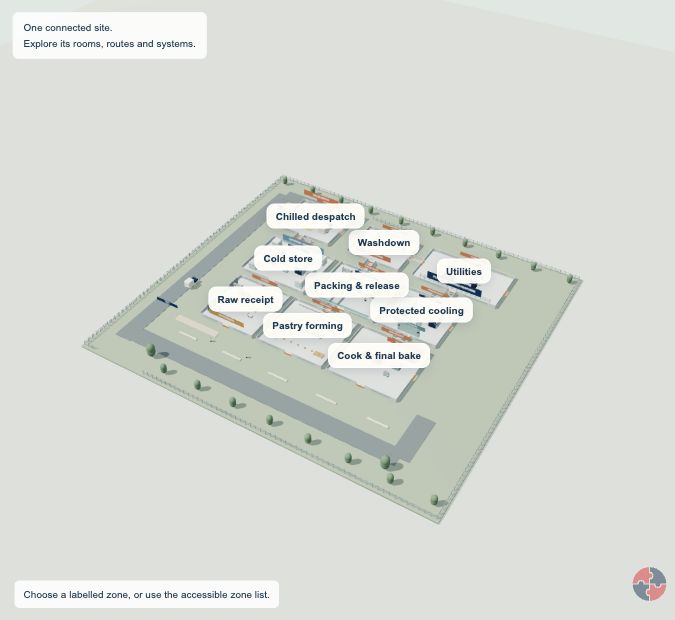
Actual whole-site SHAREsimulate pie factory model. This overview supplies layout context; inspect the lesson schematic and stated case for this zone.
Assess the task, not just the bottle
A safety data sheet describes a product, but it does not by itself assess cleaning in the pie factory. The same liquid can create different exposure when dispensed from a controlled system, sprayed above shoulder height or used in an open soaking tank. Observe delivery, storage, preparation, application, removal and waste handling. Include cleaners, adjacent production staff, maintenance workers and anyone entering before the area is ready. The finished product can also be affected if chemicals reach ingredients or food-contact surfaces.
In the fictional washdown room, a labelled container is beside an unlabelled working bottle. A familiar colour or smell cannot establish that both contain the same substance or concentration. Stop use of the unidentified bottle and follow the agreed reporting and safe-storage arrangements. Do not sniff, taste, mix or trial it on a small area. The responsible team must establish identity from reliable supply and preparation information or arrange its safe disposal through the appropriate route.
Compare controls before choosing PPE. Removing an unnecessary spray, selecting a suitable lower-hazard product or using controlled dosing can reduce exposure at source. Suitability must include the required hygiene outcome, the surface and equipment, compatibility and the actual application. Changing a cleaning chemical without review can defeat food-safety validation or damage a seal. Gloves and eye protection may be necessary for remaining exposure, but a generic gloves-required sign cannot establish which glove material or application method is suitable.
Before the task starts, the operator should be able to explain the approved product, purpose, preparation and application instructions, exclusion arrangements, waste route and response to failure. Obtain competent clarification where any of these are missing. For the learning exercise, record the difference between information available and evidence still needed. An assessment copied from a different line is a starting question, not clearance. Review it when the product, equipment, method, adjacent work or worker needs change.
How should a COSHH assessment be carried out?
A COSHH assessment should describe the real task, the hazardous substance, the exposure route, the people affected, the controls needed and the evidence that those controls remain effective.
A good assessment starts in the workplace, not at a desk. The assessor should observe how the substance is delivered, stored, decanted, mixed, applied, heated, sprayed, extracted, cleaned up and disposed of. They should ask what happens during maintenance, breakdowns, spills, high workload, contractor activity, night shifts and temporary work because exposure often appears in the messy parts of the job.
COSHH assessment framework
Assessment question
What a competent assessment should consider
What is the substance or exposure source?
Name the product or generated contaminant, its form, concentration, quantity and harmful properties. Include substances produced by cutting, heating, mixing, cleaning, curing, biological activity or accidental reaction.
How can people be exposed?
Map inhalation, skin contact, ingestion and injection routes. Consider breathing zones, hand contamination, contaminated clothing, eating and drinking areas, poor welfare, sharps, splashes and residues.
Who may be affected?
Include operators, cleaners, maintenance workers, contractors, supervisors, visitors, neighbouring workgroups, young workers, pregnant or nursing workers, people with asthma or skin conditions and anyone working alone or out of hours.
How much exposure is likely?
Consider task frequency, duration, concentration, temperature, volatility, dustiness, ventilation, work rate and whether the substance has a workplace exposure limit in EH40.
What controls are required?
Select controls in the hierarchy: eliminate, substitute, change the process, enclose, extract, segregate, reduce time, improve hygiene, provide suitable respiratory protective equipment (RPE) and personal protective equipment (PPE), train users and plan emergencies.
How will effectiveness be checked?
Use workplace observation, LEV examination and test, exposure monitoring, RPE face-fit records, maintenance records, health surveillance, biological monitoring, incident learning and supervisor checks.
Applied case
An unlabelled bottle is offered as the usual sanitiser, and the only available assessment covers wiping rather than spraying.
Decision and explanation
Hold use until reliable identity and a suitable task assessment are established.
Unknown identity and a mismatched method leave the exposure and hygiene outcome uncertain. Sensory checks are not safe product identification.
Lesson 2
Keep incompatible products and their routes apart
Choose prevention and immediate withdrawal when mixing may release hazardous gas.
Actual whole-site SHAREsimulate pie factory model. This overview supplies layout context; inspect the lesson schematic and stated case for this zone.
Keep incompatible products and their routes apart
Chemical compatibility matters through the whole route, including containers, dispensing equipment, residues and waste. Separating original bottles on a shelf is not enough if two products later enter one bucket or drain. In the fictional case, an acid cleaner and a hypochlorite product are prepared together. This combination can release toxic chlorine gas. The learning objective is to recognise the incompatible route and protect people, not to calculate a mixing recipe or identify a release by approaching it.
If mixing has occurred or a release is suspected, stop the activity, warn and withdraw through the specified emergency arrangements. Keep others from entering and summon the designated competent response from a safe location. Do not add another chemical, lean over the container, switch to a different improvised mask or send a colleague to check the smell. Neutralisation and clean-up require the actual emergency assessment, suitable competence and equipment; a routine cleaner's spill kit does not establish capability for a toxic atmosphere.
Prevention should make the wrong connection difficult. Examine product substitution where suitable, controlled dispensing, dedicated labelled containers, physical separation and waste arrangements approved for the actual products. Colour coding can help, but must support clear identity rather than replace it. Check whether a reused bucket or hose can contain an incompatible residue. A shared drain and a common waste container deserve assessment too. Never assume that diluted solutions or small quantities cannot cause harm.
After a response, restarting preparation and reopening the area are decisions for the designated competent process. Record what is known from a safe position: product names if reliably available, location, approximate event sequence, people potentially affected and actions already taken. Keep uncertainty explicit. The supervisor must then resolve the route that allowed the error and brief the replacement arrangement. Blaming a person or adding a warning label alone may leave the same physical opportunity for incompatible mixing on the next shift.
How can the ISO 45001 hierarchy of controls reduce risks while assessing drums before chemical-waste bulking?
Incompatible mixing should be prevented through elimination, substitution, segregation, engineered design, verified transfer, controlled waste routes, training and disciplined supervision.
ERICPD applies well. Eliminate unnecessary substances or mixing tasks. Reduce quantities and concentrations. Isolate incompatible chemicals physically. Control routes through dedicated containers, hoses, couplings, fill points, valves, drains and waste approvals. Use PPE for residual exposure. Discipline holds the system together through checks, permits, handovers and learning.
The most reliable controls reduce the chance of human error. Different connector types, locked fill points, keyed transfer routes, clear labels, colour coding, barcode verification, interlocks and independent checks can all make wrong transfer less likely.
Where controls rely on people, make the task easy to do correctly. Labels should be visible, names consistent, lighting adequate, procedures short enough to use, and stop-work authority real.
Choose the activity that matches the work. Each has its own controls, verification and stop/restart decisions; ERICPD and ISO 45001 are alternative views of that same activity.
Choose the activity
A cleaning team holds bleach and acidic descaler for separate jobs; residues, shared bottles and contractor products can create an unintended reaction.
How can the ERICPD hierarchy of controls reduce risks while using bleach and descaler in a washroom?
ERICPD is a planning crossmap. Its prompts do not add a sixth rung or rank Isolate above engineering. Discipline verifies and sustains every control level.
Control level
Control for this activity
Owner and verification
Stop / restart decision
Eliminate
Remove an unnecessary product or cleaning step so bleach and acid do not need to be used together in the task.
Release only after cleaning supervisor approves product identity and a compatible method. Retain the checks and unresolved restrictions at handover.
Keep the activity on hold while defects or required reinstatement evidence remain unresolved.
How can the ISO 45001 hierarchy of controls reduce risks while using bleach and descaler in a washroom?
The hierarchy of controls in ISO 45001:2018 comes under Clause 8.1.2 (Eliminating hazards and reducing OH&S risks), which is located within Clause 8 ("Operation").
Release only after cleaning supervisor approves product identity and a compatible method. Retain the checks and unresolved restrictions at handover.
Keep the activity on hold while defects or required reinstatement evidence remain unresolved.
Two waste drums are proposed for a combined collection. Do not use appearance or a broad waste description as proof of compatibility.
How can the ERICPD hierarchy of controls reduce risks while assessing drums before chemical-waste bulking?
ERICPD is a planning crossmap. Its prompts do not add a sixth rung or rank Isolate above engineering. Discipline verifies and sustains every control level.
Control level
Control for this activity
Owner and verification
Stop / restart decision
Eliminate
Keep incompatible or unidentified wastes separate and use an accepted segregated disposal route rather than bulking them.
Release only after competent waste owner approves the segregated or validated treatment route. Retain the checks and unresolved restrictions at handover.
Keep the activity on hold while defects or required reinstatement evidence remain unresolved.
How can the ISO 45001 hierarchy of controls reduce risks while assessing drums before chemical-waste bulking?
The hierarchy of controls in ISO 45001:2018 comes under Clause 8.1.2 (Eliminating hazards and reducing OH&S risks), which is located within Clause 8 ("Operation").
Control level
Control for this activity
Owner and verification
Stop / restart decision
Elimination
Keep incompatible or unidentified wastes separate and use an accepted segregated disposal route rather than bulking them.
Release only after competent waste owner approves the segregated or validated treatment route. Retain the checks and unresolved restrictions at handover.
Keep the activity on hold while defects or required reinstatement evidence remain unresolved.
Worked control choice: incompatible cleaners in a leisure centre
Use HSE’s five-level hierarchy to choose stronger measures before PPE. ERICPD is a useful six-part teaching mnemonic; it is not a separate legal test. The example maps both approaches to the real task. Apply HSENI COSHH guidance for a Northern Ireland workplace. Emergency washing and evacuation limit consequences; they do not prevent the original contact or mixing.
Applied case
A colleague has combined two incompatible cleaners and wants to carry the bucket outside before reporting it.
Decision and explanation
Warn and withdraw using the emergency plan, restrict access and summon the designated response.
Moving or treating an unknown reacting mixture can increase exposure. Protect people from a safe position and obtain the specified competent response.
Lesson 3
Do not send the disinfectant into the next workstation
Compare application methods and control cleaning/production interfaces.
Actual whole-site SHAREsimulate pie factory model. This overview supplies layout context; inspect the lesson schematic and stated case for this zone.
Do not send the disinfectant into the next workstation
A spray does not stay safely within the boundary drawn on a cleaning schedule. Droplets can pass into adjacent work, reach eyes and breathing zones, or settle on exposed ingredients and packaging. Pressure, nozzle condition, direction, ventilation and nearby movement can change that path. Some droplets may be difficult to see. The fictional model shows the work interface; it does not measure airborne concentration or establish a safe re-entry time.
Before spraying, ask whether the required hygiene result can be achieved by a suitable method that releases less material into the air. A controlled application or enclosed system may reduce exposure, but still needs assessment for the product and equipment. Wiping, soaking, foam and cleaning-in-place each have different limitations. A soaking task may reduce airborne spread while increasing splash and skin contact. Do not make an unreviewed method change simply because one route appears quieter or cleaner.
Coordinate the area with production. Remove or protect food and food-contact items as specified, prevent people entering the affected zone and maintain raw-to-ready-to-eat separation. Cleaning tools and splash can transport contamination across that boundary. A cleaner working on raw-meat equipment cannot assume that the adjacent cooked-product packing bench remains protected because its surface was cleaned earlier. Scheduling, segregation, ventilation and the safe re-entry arrangement must work together rather than depending on a shouted warning.
For the exercise, compare a line leader's request to spray quickly while packing continues with a planned cleaning window and verified exclusion. The latter gives a chance to control the actual interface. Check the selected method safely during representative work, confirm that neighbouring people and food remain protected, and review any escape or irritation promptly. Re-entry depends on the specified assessment and evidence, not an invented universal waiting period, an absence of smell or the operator's wish to finish before a shift change.
How should a COSHH assessment be carried out?
A COSHH assessment should describe the real task, the hazardous substance, the exposure route, the people affected, the controls needed and the evidence that those controls remain effective.
A good assessment starts in the workplace, not at a desk. The assessor should observe how the substance is delivered, stored, decanted, mixed, applied, heated, sprayed, extracted, cleaned up and disposed of. They should ask what happens during maintenance, breakdowns, spills, high workload, contractor activity, night shifts and temporary work because exposure often appears in the messy parts of the job.
COSHH assessment framework
Assessment question
What a competent assessment should consider
What is the substance or exposure source?
Name the product or generated contaminant, its form, concentration, quantity and harmful properties. Include substances produced by cutting, heating, mixing, cleaning, curing, biological activity or accidental reaction.
How can people be exposed?
Map inhalation, skin contact, ingestion and injection routes. Consider breathing zones, hand contamination, contaminated clothing, eating and drinking areas, poor welfare, sharps, splashes and residues.
Who may be affected?
Include operators, cleaners, maintenance workers, contractors, supervisors, visitors, neighbouring workgroups, young workers, pregnant or nursing workers, people with asthma or skin conditions and anyone working alone or out of hours.
How much exposure is likely?
Consider task frequency, duration, concentration, temperature, volatility, dustiness, ventilation, work rate and whether the substance has a workplace exposure limit in EH40.
What controls are required?
Select controls in the hierarchy: eliminate, substitute, change the process, enclose, extract, segregate, reduce time, improve hygiene, provide suitable respiratory protective equipment (RPE) and personal protective equipment (PPE), train users and plan emergencies.
How will effectiveness be checked?
Use workplace observation, LEV examination and test, exposure monitoring, RPE face-fit records, maintenance records, health surveillance, biological monitoring, incident learning and supervisor checks.
Applied case
Disinfectant spray reaches an occupied packing station holding exposed cooked pies while the cleaner follows the usual schedule.
Decision and explanation
That the application, segregation and re-entry arrangements protect the adjacent people and exposed food.
A schedule must work at the real interface. Cooking does not protect food from later chemical or microbiological contamination.
Lesson 4
Release a clean line on evidence, not appearance
Distinguish soil removal, disinfection and task-specific chemical-removal verification.
Actual whole-site SHAREsimulate pie factory model. This overview supplies layout context; inspect the lesson schematic and stated case for this zone.
Release a clean line on evidence, not appearance
Cleaning and disinfection have different purposes. Removing food soil prepares surfaces for the required disinfection process; simply applying disinfectant to a dirty part may not achieve the intended result. A visibly clean surface is useful evidence about visible soil, but it does not by itself prove that harmful microorganisms, allergens or cleaning chemicals have been controlled. The food business needs an appropriate validated method, monitoring, corrective action and verification for its actual products and equipment.
In the fictional case, a rebuilt filling nozzle still holds cleaning liquid. Its outer surface shines and the cleaning sheet is signed. Follow the approved product and equipment instructions for removal or rinsing where required. Some products have different final-rinse requirements, so neither always rinse nor never rinse is a safe universal rule. Use the specified concentration, application and contact conditions; adding extra chemical or shortening the process independently can create worker exposure and consumer contamination.
Keep the equipment unavailable for food contact while the uncertainty is resolved. If food may already have passed through it, identify and hold the affected lots through the agreed traceability and food-safety process. Do not taste product, flush uncertainty into a saleable batch or assume that later cooking removes a chemical residue. The responsible food-safety team decides product status using the actual history and suitable evidence, while competent people correct the equipment or method.
Verification must answer the hazard being considered. A microbiological result does not automatically prove absence of a chemical residue, and a general cleanliness indicator is not a universal allergen or chemical test. Check that sampling, inspection and acceptance criteria are appropriate to the task and performed by competent people under the plan. Handback should connect the part identity, completed method, relevant results, reassembly and remaining restrictions. Separate hygiene release from mechanical readiness so a clean but incorrectly assembled nozzle is not returned to operation.
Specific official context: FSA government allergen guidance2026; Food Standards Scotland guidance. Food examples require the actual food-business status, nation, food category and validated safe methods. Current government HACCP management guidance covers hazard identification, critical controls/limits, monitoring, corrective action, verification and records for food businesses; specialist meat-plant scope differs. FSA government allergen guidance updated 17 July 2026 applies England/Wales/NI; accurate ingredients, food-format labels, changes and cross-contact controls. GB assimilated law/NI movement or EU routes require actual product review.
Applied case
A nozzle contains cleaning liquid, but the outer surface is shiny and yesterday's microbiology result was satisfactory.
Decision and explanation
The specified chemical-removal and hygiene verification for this nozzle, with affected product held until its status is resolved.
The current chemical-residue concern needs its own suitable evidence. Appearance, an old different test and tasting cannot establish safe release.
Lesson 5
Protect skin while maintaining food hygiene
Reduce wet and chemical contact and respond to early skin concerns.
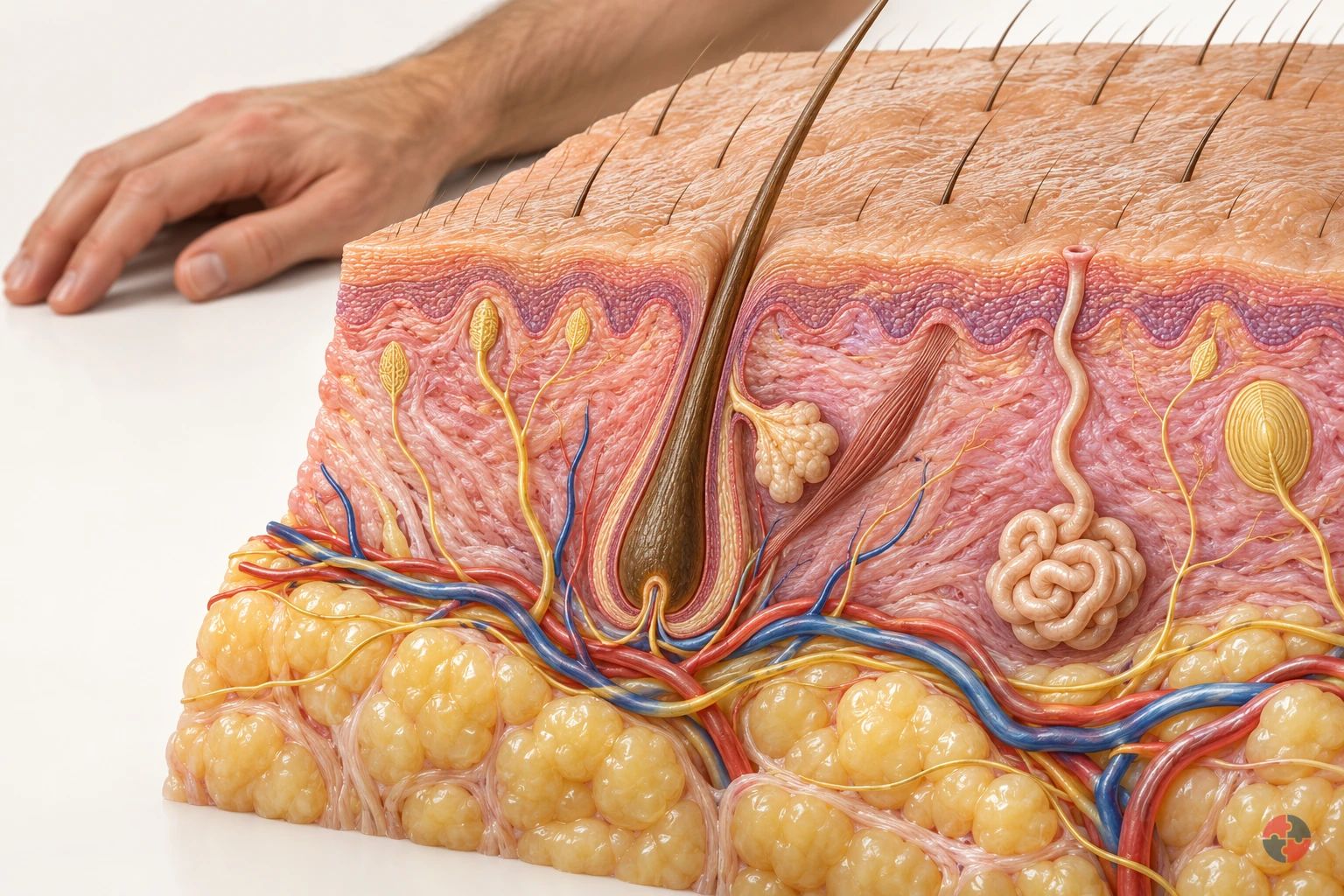
Explore an enlarged section of hair-bearing skin, with a hand and forearm for context. Layers, glands, nerves and vessels are enlarged for clarity.
Use the task in this lesson to identify contact, repeated wet work or contamination. Which change reduces contact before relying on gloves?
educational illustration · healthy anatomy; enlarged details and teaching colours.
Actual whole-site SHAREsimulate pie factory model. This overview supplies layout context; inspect the lesson schematic and stated case for this zone.
Protect skin while maintaining food hygiene
Hands can be damaged by repeated contact with water, food and cleaning substances, including exposure trapped inside gloves. Wet work and irritants can disrupt the skin's protective barrier; some substances can also cause allergic skin disease. Dryness, itching, cracking or other changes deserve prompt reporting and appropriate advice. Appearance alone does not allow a colleague to diagnose the cause, and people with different skin tones may describe or show changes differently.
Start by reducing unnecessary skin contact without abandoning required food hygiene. Suitable tools, controlled dispensing and an improved work sequence can avoid repeated immersion or contact with contaminated parts. Review the handwashing facilities and products with the relevant hygiene and health advisers. Do not tell a worker to skip required handwashing, apply an unsuitable cream around food or continue with painful cracked skin because the shift is busy. Good food safety and skin protection need a coordinated method.
Gloves must match the actual chemical, task, contact duration and wearer, using suitable supplier information and assessment. A glove selected for food handling may not resist the cleaning concentrate. A glove suitable for splashes may not suit prolonged immersion. Grip, dexterity, cuff arrangement, damage, removal and changing also matter. If the inside becomes contaminated or remains wet, more time in the same glove can worsen the problem. Do not wash and reuse a disposable glove contrary to its specified use.
In the exercise, a cleaner changes outer gloves but puts them over wet contaminated liners, then resumes washdown. The supervisor should arrange the specified safe change and hand-care facilities, review how contamination enters, and seek appropriate support for symptoms. Check actual practice rather than only the glove stock cupboard. Health surveillance, where required, supports early recognition and action; it does not replace reducing exposure. Share only appropriate fitness or task-restriction information, keeping clinical details within confidential health arrangements.
How should gloves be selected and managed?
Gloves must match the substance, task, contact time, dexterity, tear risk, wearer and compatibility with other controls.
HSE glove guidance requires the material and duration to match the product and task.
Gloves are useful but often misunderstood. The right glove for one chemical may fail against another. A glove that is safe for cleaning may create entanglement risk around rotating machinery. A glove that protects against splashes may fail during immersion or long contact. A glove worn too long may trap sweat and worsen dermatitis.
The assessment should use SDS information, manufacturer compatibility data and task observation. It should also consider glove length, cuff, thickness, grip, dexterity, puncture risk, change frequency, storage, removal technique and whether workers need liners or alternative products.
Decision
What to check
Failure to avoid
Chemical compatibility
Will glove material resist the substance for the contact time?
A worker's gloves are chemically compatible, but their hands and liners stay wet and contaminated through repeated tasks.
Decision and explanation
Resolve the exposure and changing arrangements and obtain appropriate early support for skin symptoms.
Compatibility is one part of protection. Contamination, moisture and changing practice still matter; hygiene controls must be improved rather than abandoned.
Lesson 6
Washdown does not override electrical boundaries
Recognise when damage or unsuitable equipment prevents safe cleaning.
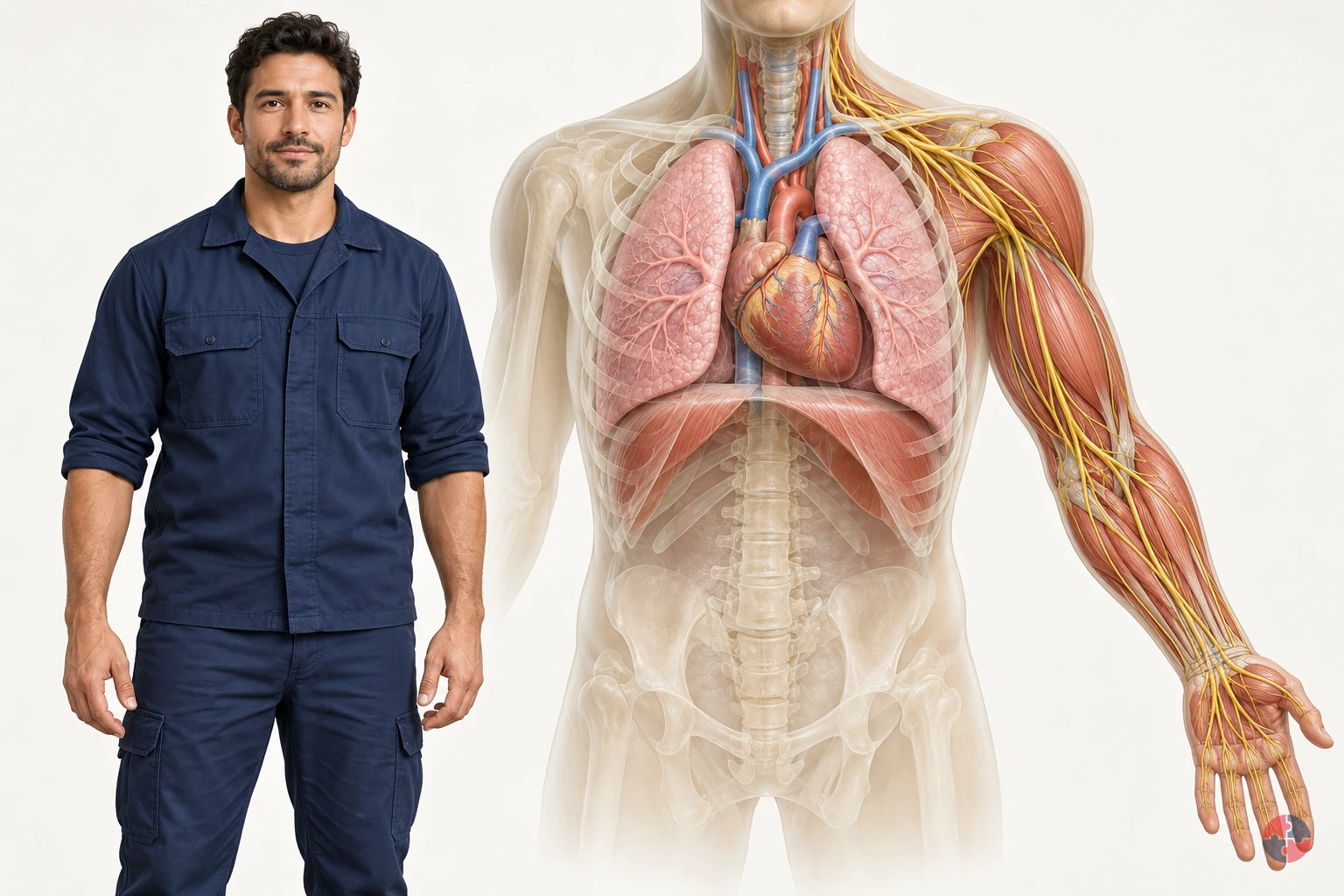
A worker stands beside a separate anatomical overview of the heart, lungs, muscles and nerves. These normal tissues introduce the injury lesson; no electrical current path is shown.
Locate the heart, muscles and nerves as different living tissues. Follow the lesson’s isolation and competence boundaries before any intervention.
educational illustration · healthy anatomy; enlarged details and teaching colours.
Actual whole-site SHAREsimulate pie factory model. This overview supplies layout context; inspect the lesson schematic and stated case for this zone.
Washdown does not override electrical boundaries
Water, conductive contamination and damaged electrical equipment can create a dangerous combination. In the fictional washdown bay, a cable sheath is damaged and a motor enclosure has a loose seal. The cleaner can recognise the defect without diagnosing which conductor is exposed or deciding whether a particular protection device will operate. A surface that normally tolerates washdown cannot be assumed to retain that protection after damage, maintenance or incorrect reassembly.
Keep clear and stop the affected cleaning and equipment use through the agreed arrangements. Obtain authorised isolation and competent electrical assessment. Do not touch the cable to inspect it, aim a jet at the defect to test the enclosure, wrap it in a bag or treat an emergency stop as electrical isolation. A residual-current device or a recent inspection label does not make known damage acceptable. First-aid and electrical emergency arrangements should be understood without requiring a cleaner to approach an unsafe casualty location.
Plan the work interface before restarting. Engineering needs to know the intended cleaning method, likely water exposure, chemicals and equipment condition. Hygiene staff need to know which areas and parts are unavailable and what access restrictions remain. If the revised cleaning method leaves soil behind a temporary cover, that is another unresolved handback issue. A temporary production workaround cannot be accepted solely because it keeps water away from a motor while defeating hygiene or guarding requirements.
Release requires relevant competent electrical evidence for the intended environment as well as the ordinary mechanical and hygiene checks. The operator should receive clear usable restrictions and instructions, rather than a technical note that nobody explains. Check the returned equipment safely under the authorised arrangement, confirm that access and cleaning remain practicable and report recurring defects. For the fictional exercise, write a hold statement naming the damaged item, affected task, competent owner and required handback. Do not write an isolation or repair procedure from this course.
How can the ISO 45001 hierarchy of controls prevent electrical contact during equipment fault diagnosis?
Use HSE’s hierarchy to eliminate or substitute a hazard where practicable, then apply engineering and administrative controls before relying on PPE. Check each chosen control against the actual task and stop when it fails.
Use HSE’s hierarchy of controls: eliminate or substitute the hazard where possible, then use engineering and administrative controls; PPE is the last resort. Apply the sequence to the task and verify that each chosen barrier works. HSE hierarchy of controls (official source).
Electrical safety is a strong example of why the hierarchy matters. The best control is often to remove the need for live work, design equipment so live parts cannot be touched, use reduced voltage in high-risk conditions and isolate securely before maintenance. PPE can be important for some tasks, but it should not be the first or only control.
The hierarchy should be applied at design, procurement, installation, use, maintenance and decommissioning. If the workplace keeps relying on signs, briefings and PPE while equipment is unsuitable or poorly protected, the risk is not being controlled well.
An electrical fault is assessed before access; use competent personnel, suitable information and a method that avoids exposed live work.
How can the ERICPD hierarchy of controls prevent electrical contact during equipment fault diagnosis?
ERICPD is a planning crossmap. Its prompts do not add a sixth rung or rank Isolate above engineering. Discipline verifies and sustains every control level.
Control level
Control for this activity
Owner and verification
Stop / restart decision
Eliminate
Use external diagnostics or remove the faulty equipment from use where that avoids exposed electrical work.
Task owner verifies that the proposed change removes the named hazardous step, including foreseeable cleaning, maintenance and work transferred elsewhere.
If the hazardous step remains, keep it within the task assessment and select the stronger feasible remaining controls.
Reduce, including substitution
Use a suitable off-line test or replaceable module where it safely proves the fault without exposed live conductors.
Competent task/process owner validates suitability, compatibility and new hazards against the actual operating requirements before the alternative is adopted.
Reject an alternative if its performance is unproved or its new hazards are unresolved.
Isolate
Securely isolate relevant supplies, prevent reconnection and prove dead using the approved safe-isolation method.
Release only after competent electrical owner accepts completed tests and safe reinstatement. Retain verification and unresolved restrictions at handover.
Keep the task on hold until required reinstatement evidence and unresolved defects are accepted by the responsible owner.
How can the ISO 45001 hierarchy of controls prevent electrical contact during equipment fault diagnosis?
The hierarchy of controls in ISO 45001:2018 comes under Clause 8.1.2 (Eliminating hazards and reducing OH&S risks), which is located within Clause 8 ("Operation").
Task owner verifies that the proposed change removes the named hazardous step, including foreseeable cleaning, maintenance and work transferred elsewhere.
If the hazardous step remains, keep it within the task assessment and select the stronger feasible remaining controls.
Engineering controls
Use a suitable off-line test or replaceable module where it safely proves the fault without exposed live conductors.
Competent task/process owner validates suitability, compatibility and new hazards against the actual operating requirements before the alternative is adopted.
Reject an alternative if its performance is unproved or its new hazards are unresolved.
Engineering controls
Securely isolate relevant supplies, prevent reconnection and prove dead using the approved safe-isolation method.
Release only after competent electrical owner accepts completed tests and safe reinstatement. Retain verification and unresolved restrictions at handover.
Keep the task on hold until required reinstatement evidence and unresolved defects are accepted by the responsible owner.
Applied case
A supervisor suggests taping a split cable and covering the motor with a food bag so washdown can finish.
Decision and explanation
Keep the affected work unavailable until authorised isolation, competent correction and suitable handback are complete.
Improvised covers and stop buttons do not establish electrical safety. Competent correction must support the actual cleaning environment.
Lesson 7
Incompatible cleaning chemicals mixed
Explain the decision using the observed condition, the harm route and the evidence needed for release.
Actual whole-site SHAREsimulate pie factory model. This overview supplies layout context; inspect the lesson schematic and stated case for this zone.
Understand the activity and how harm develops
Mixing incompatible cleaning products can create harmful gas or heat in the wash area.
Use the actual product identifiers and safety information, segregate incompatible chemicals and prevent confusing dispensing connections. A familiar container colour is not reliable identification. Respond to a release through the planned trained arrangements.
Assess the actual product, concentration, method, exposure routes and people affected. Substitute or contain exposure where practicable. Select compatible task-specific protection and an achievable spill response; never mix products on the assumption that more chemical means better cleaning.
Recognise the evidence boundary
Question
Case evidence
What is observed?
An acid cleaner and hypochlorite product are prepared together in one bucket.
How can harm occur?
Incompatible chemicals can release toxic gas or cause a violent reaction.
What information is needed?
Identify the products from labels and safety information without approaching a release.
Protect, manage and verify
Purpose
Practical application
Immediate protection
Stop the activity, withdraw people and activate the specified chemical response.
Accountable work arrangement
The supervisor and competent assessor arrange product-specific controls. A trained authorised responder deals with releases within the site's actual capability. If the described protection is absent, defective or cannot be verified, keep the affected activity restricted while the responsible person resolves it. Use the current inspection evidence; the title alone is not the verdict.
Release verification
Require competent assessment and clearance before re-entry or resuming preparation.
Apply this at work
Explain the decision using the observed condition, the harm route and the evidence needed for release.
How should a COSHH assessment be carried out?
A COSHH assessment should describe the real task, the hazardous substance, the exposure route, the people affected, the controls needed and the evidence that those controls remain effective.
A good assessment starts in the workplace, not at a desk. The assessor should observe how the substance is delivered, stored, decanted, mixed, applied, heated, sprayed, extracted, cleaned up and disposed of. They should ask what happens during maintenance, breakdowns, spills, high workload, contractor activity, night shifts and temporary work because exposure often appears in the messy parts of the job.
COSHH assessment framework
Assessment question
What a competent assessment should consider
What is the substance or exposure source?
Name the product or generated contaminant, its form, concentration, quantity and harmful properties. Include substances produced by cutting, heating, mixing, cleaning, curing, biological activity or accidental reaction.
How can people be exposed?
Map inhalation, skin contact, ingestion and injection routes. Consider breathing zones, hand contamination, contaminated clothing, eating and drinking areas, poor welfare, sharps, splashes and residues.
Who may be affected?
Include operators, cleaners, maintenance workers, contractors, supervisors, visitors, neighbouring workgroups, young workers, pregnant or nursing workers, people with asthma or skin conditions and anyone working alone or out of hours.
How much exposure is likely?
Consider task frequency, duration, concentration, temperature, volatility, dustiness, ventilation, work rate and whether the substance has a workplace exposure limit in EH40.
What controls are required?
Select controls in the hierarchy: eliminate, substitute, change the process, enclose, extract, segregate, reduce time, improve hygiene, provide suitable respiratory protective equipment (RPE) and personal protective equipment (PPE), train users and plan emergencies.
How will effectiveness be checked?
Use workplace observation, LEV examination and test, exposure monitoring, RPE face-fit records, maintenance records, health surveillance, biological monitoring, incident learning and supervisor checks.
Applied case
An acid cleaner and hypochlorite product are prepared together in one bucket. The next production or dispatch step is waiting for a decision.
Decision and explanation
Stop the activity, withdraw people and activate the specified chemical response.
An improvised reaction can intensify the release and expose the responder. Recording alone leaves this harm route active: Incompatible chemicals can release toxic gas or cause a violent reaction. This retains control of the affected work or product while the required evidence is established. Require competent assessment and clearance before re-entry or resuming preparation.
Lesson 8
Disinfectant aerosol reaches nearby workers
Explain the decision using the observed condition, the harm route and the evidence needed for release.
Actual whole-site SHAREsimulate pie factory model. This overview supplies layout context; inspect the lesson schematic and stated case for this zone.
Understand the activity and how harm develops
Spraying disinfectant can expose nearby workers to droplets they inhale or get in their eyes.
Review whether a lower-exposure application method can achieve the validated hygiene result. Control access and ventilation as assessed, and allow the specified contact and re-entry conditions. Killing microbes does not make a chemical harmless to workers.
Assess the actual product, concentration, method, exposure routes and people affected. Substitute or contain exposure where practicable. Select compatible task-specific protection and an achievable spill response; never mix products on the assumption that more chemical means better cleaning.
Recognise the evidence boundary
Question
Case evidence
What is observed?
Spray from disinfection reaches an occupied adjacent station.
How can harm occur?
Inhalation or eye contact can injure workers and contaminate nearby operations.
What information is needed?
Review the chemical assessment, application method and work-area segregation.
Protect, manage and verify
Purpose
Practical application
Immediate protection
Use the approved lower-exposure method and protect adjacent workers and food.
Accountable work arrangement
The supervisor and competent assessor arrange product-specific controls. A trained authorised responder deals with releases within the site's actual capability. If the described protection is absent, defective or cannot be verified, keep the affected activity restricted while the responsible person resolves it. Use the current inspection evidence; the title alone is not the verdict.
Release verification
Observe the controlled task and confirm ventilation and exclusion arrangements work.
Apply this at work
Explain the decision using the observed condition, the harm route and the evidence needed for release.
How should a COSHH assessment be carried out?
A COSHH assessment should describe the real task, the hazardous substance, the exposure route, the people affected, the controls needed and the evidence that those controls remain effective.
A good assessment starts in the workplace, not at a desk. The assessor should observe how the substance is delivered, stored, decanted, mixed, applied, heated, sprayed, extracted, cleaned up and disposed of. They should ask what happens during maintenance, breakdowns, spills, high workload, contractor activity, night shifts and temporary work because exposure often appears in the messy parts of the job.
COSHH assessment framework
Assessment question
What a competent assessment should consider
What is the substance or exposure source?
Name the product or generated contaminant, its form, concentration, quantity and harmful properties. Include substances produced by cutting, heating, mixing, cleaning, curing, biological activity or accidental reaction.
How can people be exposed?
Map inhalation, skin contact, ingestion and injection routes. Consider breathing zones, hand contamination, contaminated clothing, eating and drinking areas, poor welfare, sharps, splashes and residues.
Who may be affected?
Include operators, cleaners, maintenance workers, contractors, supervisors, visitors, neighbouring workgroups, young workers, pregnant or nursing workers, people with asthma or skin conditions and anyone working alone or out of hours.
How much exposure is likely?
Consider task frequency, duration, concentration, temperature, volatility, dustiness, ventilation, work rate and whether the substance has a workplace exposure limit in EH40.
What controls are required?
Select controls in the hierarchy: eliminate, substitute, change the process, enclose, extract, segregate, reduce time, improve hygiene, provide suitable respiratory protective equipment (RPE) and personal protective equipment (PPE), train users and plan emergencies.
How will effectiveness be checked?
Use workplace observation, LEV examination and test, exposure monitoring, RPE face-fit records, maintenance records, health surveillance, biological monitoring, incident learning and supervisor checks.
Applied case
Spray from disinfection reaches an occupied adjacent station. The next production or dispatch step is waiting for a decision.
Decision and explanation
Use the approved lower-exposure method and protect adjacent workers and food.
Faster spraying may increase airborne exposure and does not establish a safe re-entry condition. Recording alone leaves this harm route active: Inhalation or eye contact can injure workers and contaminate nearby operations. This retains control of the affected work or product while the required evidence is established. Observe the controlled task and confirm ventilation and exclusion arrangements work.
Lesson 9
Cleaning residue left on food-contact parts
Explain the decision using the observed condition, the harm route and the evidence needed for release.
Actual whole-site SHAREsimulate pie factory model. This overview supplies layout context; inspect the lesson schematic and stated case for this zone.
Understand the activity and how harm develops
A food-contact surface can retain unsafe cleaning residues after the soil has been removed.
The validated method must specify product, dilution, contact, any required rinse and release checks. Follow the product and process requirements; not every chemical has the same rinse rule. Separate evidence of soil removal from evidence that residues are acceptable.
Control follows the food through receipt, storage, preparation, processing and dispatch. Monitoring tells the operator whether a defined control is being met; an uncertain lot needs an authorised disposition. Appearance, smell or a commercial deadline cannot demonstrate food safety.
Recognise the evidence boundary
Question
Case evidence
What is observed?
A rebuilt nozzle still contains cleaning liquid after hygiene handback.
How can harm occur?
Chemical residue can contaminate product and harm consumers.
What information is needed?
Check the approved chemical procedure and rinse or removal verification evidence.
Protect, manage and verify
Purpose
Practical application
Immediate protection
Keep the equipment and affected product on hold until the approved corrective process is complete.
Accountable work arrangement
The food-safety lead and authorised production or intake manager decide lot disposition using the approved specification, traceability and control records. If the described protection is absent, defective or cannot be verified, keep the affected activity restricted while the responsible person resolves it. Use the current inspection evidence; the title alone is not the verdict.
Release verification
Verify chemical removal and documented hygiene release before food contact resumes.
Apply this at work
Explain the decision using the observed condition, the harm route and the evidence needed for release.
Specific official context: FSA government allergen guidance2026; Food Standards Scotland guidance. Food examples require the actual food-business status, nation, food category and validated safe methods. Current government HACCP management guidance covers hazard identification, critical controls/limits, monitoring, corrective action, verification and records for food businesses; specialist meat-plant scope differs. FSA government allergen guidance updated 17 July 2026 applies England/Wales/NI; accurate ingredients, food-format labels, changes and cross-contact controls. GB assimilated law/NI movement or EU routes require actual product review.
Applied case
A rebuilt nozzle still contains cleaning liquid after hygiene handback. The next production or dispatch step is waiting for a decision.
Decision and explanation
Keep the equipment and affected product on hold until the approved corrective process is complete.
Recording alone leaves this harm route active: Chemical residue can contaminate product and harm consumers. Appearance does not demonstrate removal of a chemical residue. This retains control of the affected work or product while the required evidence is established. Verify chemical removal and documented hygiene release before food contact resumes.
Lesson 10
Wet work and glove contamination damage skin
Explain the decision using the observed condition, the harm route and the evidence needed for release.
Actual whole-site SHAREsimulate pie factory model. This overview supplies layout context; inspect the lesson schematic and stated case for this zone.
Understand the activity and how harm develops
Repeated wet work and contamination inside gloves can damage workers' skin.
Choose the cleaning method and compatible gloves for the actual exposure, and maintain clean dry hands and suitable glove-change arrangements. Report early cracking or soreness. Food hygiene protection and skin protection need to work together.
Avoid or reduce harmful contact and choose products and methods carefully. Gloves need chemical compatibility, suitable use periods and clean dry hands; contamination trapped inside a glove can prolong exposure. Report early symptoms and review work rather than simply supplying another glove.
Recognise the evidence boundary
Question
Case evidence
What is observed?
A cleaner's hands remain wet inside contaminated gloves across repeated washdown tasks.
How can harm occur?
Repeated wet work and chemicals can cause occupational dermatitis.
Reduce skin contact and use task-suitable skin-protection and glove arrangements.
Accountable work arrangement
The supervisor reviews products and tasks with workers; suitable occupational-health advice supports skin checks and individual concerns. If the described protection is absent, defective or cannot be verified, keep the affected activity restricted while the responsible person resolves it. Use the current inspection evidence; the title alone is not the verdict.
Release verification
Check real work practice and provide appropriate early reporting and health support.
Apply this at work
Explain the decision using the observed condition, the harm route and the evidence needed for release.
How should gloves be selected and managed?
Gloves must match the substance, task, contact time, dexterity, tear risk, wearer and compatibility with other controls.
HSE glove guidance requires the material and duration to match the product and task.
Gloves are useful but often misunderstood. The right glove for one chemical may fail against another. A glove that is safe for cleaning may create entanglement risk around rotating machinery. A glove that protects against splashes may fail during immersion or long contact. A glove worn too long may trap sweat and worsen dermatitis.
The assessment should use SDS information, manufacturer compatibility data and task observation. It should also consider glove length, cuff, thickness, grip, dexterity, puncture risk, change frequency, storage, removal technique and whether workers need liners or alternative products.
Decision
What to check
Failure to avoid
Chemical compatibility
Will glove material resist the substance for the contact time?
A cleaner's hands remain wet inside contaminated gloves across repeated washdown tasks. The next production or dispatch step is waiting for a decision.
Decision and explanation
Reduce skin contact and use task-suitable skin-protection and glove arrangements.
Trapped contamination can prolong skin exposure and damaged gloves may undermine both protections. Recording alone leaves this harm route active: Repeated wet work and chemicals can cause occupational dermatitis. This retains control of the affected work or product while the required evidence is established. Check real work practice and provide appropriate early reporting and health support.
Lesson 11
Washdown reaches damaged electrical equipment
Explain the decision using the observed condition, the harm route and the evidence needed for release.
Actual whole-site SHAREsimulate pie factory model. This overview supplies layout context; inspect the lesson schematic and stated case for this zone.
Understand the activity and how harm develops
Washdown water entering damaged electrical equipment can create a serious shock or fire hazard.
Equipment and enclosures must suit the actual cleaning method and environment. Securely isolate affected equipment and obtain competent investigation before reuse. Do not direct water at an unsafe item to see whether it trips.
Equipment must suit moisture, damage risk and the actual supply. Remove a defective item from availability and arrange competent repair or replacement. Switching off at a user control and relying on a test label are insufficient for intrusive work.
Recognise the evidence boundary
Question
Case evidence
What is observed?
Water jets strike a damaged motor enclosure and exposed cable sheath.
How can harm occur?
Water ingress and damaged insulation can cause electric shock or fire.
What information is needed?
Keep clear and obtain competent assessment of the electrical defect and washdown suitability.
Protect, manage and verify
Purpose
Practical application
Immediate protection
Stop use and isolate through authorised arrangements until repaired.
Accountable work arrangement
An authorised person makes the area safe under the local arrangements; a competent electrical person investigates and authorises electrical reinstatement. If the described protection is absent, defective or cannot be verified, keep the affected activity restricted while the responsible person resolves it. Use the current inspection evidence; the title alone is not the verdict.
Release verification
A competent electrical handback must confirm safety for the intended cleaning environment.
Apply this at work
Explain the decision using the observed condition, the harm route and the evidence needed for release.
How can the ISO 45001 hierarchy of controls prevent electrical contact during equipment fault diagnosis?
Use HSE’s hierarchy to eliminate or substitute a hazard where practicable, then apply engineering and administrative controls before relying on PPE. Check each chosen control against the actual task and stop when it fails.
Use HSE’s hierarchy of controls: eliminate or substitute the hazard where possible, then use engineering and administrative controls; PPE is the last resort. Apply the sequence to the task and verify that each chosen barrier works. HSE hierarchy of controls (official source).
Electrical safety is a strong example of why the hierarchy matters. The best control is often to remove the need for live work, design equipment so live parts cannot be touched, use reduced voltage in high-risk conditions and isolate securely before maintenance. PPE can be important for some tasks, but it should not be the first or only control.
The hierarchy should be applied at design, procurement, installation, use, maintenance and decommissioning. If the workplace keeps relying on signs, briefings and PPE while equipment is unsuitable or poorly protected, the risk is not being controlled well.
An electrical fault is assessed before access; use competent personnel, suitable information and a method that avoids exposed live work.
How can the ERICPD hierarchy of controls prevent electrical contact during equipment fault diagnosis?
ERICPD is a planning crossmap. Its prompts do not add a sixth rung or rank Isolate above engineering. Discipline verifies and sustains every control level.
Control level
Control for this activity
Owner and verification
Stop / restart decision
Eliminate
Use external diagnostics or remove the faulty equipment from use where that avoids exposed electrical work.
Task owner verifies that the proposed change removes the named hazardous step, including foreseeable cleaning, maintenance and work transferred elsewhere.
If the hazardous step remains, keep it within the task assessment and select the stronger feasible remaining controls.
Reduce, including substitution
Use a suitable off-line test or replaceable module where it safely proves the fault without exposed live conductors.
Competent task/process owner validates suitability, compatibility and new hazards against the actual operating requirements before the alternative is adopted.
Reject an alternative if its performance is unproved or its new hazards are unresolved.
Isolate
Securely isolate relevant supplies, prevent reconnection and prove dead using the approved safe-isolation method.
Release only after competent electrical owner accepts completed tests and safe reinstatement. Retain verification and unresolved restrictions at handover.
Keep the task on hold until required reinstatement evidence and unresolved defects are accepted by the responsible owner.
How can the ISO 45001 hierarchy of controls prevent electrical contact during equipment fault diagnosis?
The hierarchy of controls in ISO 45001:2018 comes under Clause 8.1.2 (Eliminating hazards and reducing OH&S risks), which is located within Clause 8 ("Operation").
Task owner verifies that the proposed change removes the named hazardous step, including foreseeable cleaning, maintenance and work transferred elsewhere.
If the hazardous step remains, keep it within the task assessment and select the stronger feasible remaining controls.
Engineering controls
Use a suitable off-line test or replaceable module where it safely proves the fault without exposed live conductors.
Competent task/process owner validates suitability, compatibility and new hazards against the actual operating requirements before the alternative is adopted.
Reject an alternative if its performance is unproved or its new hazards are unresolved.
Engineering controls
Securely isolate relevant supplies, prevent reconnection and prove dead using the approved safe-isolation method.
Release only after competent electrical owner accepts completed tests and safe reinstatement. Retain verification and unresolved restrictions at handover.
Keep the task on hold until required reinstatement evidence and unresolved defects are accepted by the responsible owner.
Applied case
Water jets strike a damaged motor enclosure and exposed cable sheath. The next production or dispatch step is waiting for a decision.
Decision and explanation
Stop use and isolate through authorised arrangements until repaired.
External dryness does not establish that the inside or protective system is safe. Recording alone leaves this harm route active: Water ingress and damaged insulation can cause electric shock or fire. This retains control of the affected work or product while the required evidence is established. A competent electrical handback must confirm safety for the intended cleaning environment.
Lesson 12
The line is clean, but is it ready for food?
Coordinate worker safety, hygiene and mechanical readiness before release.
Actual whole-site SHAREsimulate pie factory model. This overview supplies layout context; inspect the lesson schematic and stated case for this zone.
The line is clean, but is it ready for food?
The fictional pie line is due to restart after overnight sanitation. A working bottle lacks a reliable label, the dosing log is incomplete and a cleaner reports that an acid product may have been poured into a container previously used for hypochlorite. Another worker says spray drift reached a bench where cooked pies had been cooling. During reassembly, liquid remains inside a filling nozzle. A cleaner's hands are painful after repeated wet work, and a motor enclosure beside the washdown route has a damaged seal. The production board asks for one signature saying cleaning complete.
Do not turn those observations into one undifferentiated cleaning fault. First protect people from any suspected chemical reaction through the site's warning, withdrawal, access restriction and competent-response arrangements. Nobody should investigate by smell, carry a reacting bucket through production or attempt an improvised neutralisation. Appropriate support is needed for anyone who may have been exposed or has symptoms. Keep the electrically affected equipment and cleaning task unavailable until authorised arrangements establish a safe condition. The ordinary hygiene team is not authorised to repair electrical equipment by improvising a cover.
Next identify the food and equipment boundaries. Which food was exposed, which batches used the nozzle, and which parts or surfaces were in the spray path? Use the actual traceability process and hold uncertain product for the responsible food-safety decision. Finished cooking does not protect a pie from later chemical contamination. A shiny nozzle, an attendance sheet and an earlier satisfactory swab address different questions and cannot establish removal of this liquid. The validated method and relevant checks must resolve the actual chemical and hygiene concerns before food contact resumes.
Compare a quick signature with a controlled handback. The quick signature would hide uncertainty about product identity, preparation, application, re-entry and chemical removal. A controlled handback identifies reliable product information, the approved cleaning sequence and its specified removal requirements; confirms suitable exposure controls and protection for adjacent work; resolves equipment damage through competent maintenance; and verifies correct reassembly and hygiene readiness. Any testing must suit the question. General cleanliness or microbiological evidence cannot be relabelled as proof that a particular chemical or allergen is absent.
Skin protection is part of the work design rather than a reason to omit food hygiene. Review wet contact, contaminated glove interiors, suitable changing facilities and early health support with the relevant advisers. For the learning exercise, prepare a fictional release table with four rows: people and atmosphere; electrical/mechanical equipment; food and hygiene status; and future cleaning arrangements. Each row needs an owner, missing evidence, current restriction and close-out check. Where an item is unresolved, retain its hold. The responsible site roles make the real release decisions; neither a course pass nor the learner's completed table grants operating authority.
Specific official context: FSA government allergen guidance2026; Food Standards Scotland guidance. Food examples require the actual food-business status, nation, food category and validated safe methods. Current government HACCP management guidance covers hazard identification, critical controls/limits, monitoring, corrective action, verification and records for food businesses; specialist meat-plant scope differs. FSA government allergen guidance updated 17 July 2026 applies England/Wales/NI; accurate ingredients, food-format labels, changes and cross-contact controls. GB assimilated law/NI movement or EU routes require actual product review.
Applied case
The line lead asks whether one cleaning signature can release people, food and equipment despite several different unresolved concerns.
Decision and explanation
Keep relevant people, equipment and product protections in place until each distinct concern has suitable verified evidence and an authorised decision.
Different hazards require relevant evidence. One appearance check or attendance record cannot release chemical, electrical and product uncertainties.
Lesson 13
Take a verified action into the workplace
Connect one actual task to an owner, evidence and a clear release or escalation decision.
Actual whole-site SHAREsimulate pie factory model. This overview supplies layout context; inspect the lesson schematic and stated case for this zone.
Turn awareness into a practical question
Great Britain awareness for food-production hygiene, operators and supervisors. Covers recognition, prevention, protective holds and handback; no chemical formulation, electrical repair, emergency gas investigation or clinical diagnosis. Actual product instructions and the validated food-safety plan govern the work.
Choose one relevant operation from the course. Describe the person or product at risk, the mechanism of harm and the exact condition that needs controlling. Separate an observation from a conclusion. A display, signature, badge or clean appearance answers only a limited question.
Use the included practice resources to prepare a fictional task brief, risk review or verification question. Decide which competent role owns the decision and which evidence must be available before work or product is released. Keep food disposition and worker protection as distinct decisions where both apply.
At work, use your actual approved arrangements. Report uncertainty and preserve the relevant hold, restriction or safe state while it is resolved. Confirm that the action addressed the original harm route and check whether another shift, product, cleaning task or maintenance change could reintroduce it.
Course completion records awareness learning. It does not establish practical competence, certify a food business, validate a recipe, extend shelf life or authorise maintenance, chemical work or emergency entry.
Specific official context: FSA government allergen guidance2026; Food Standards Scotland guidance. Food examples require the actual food-business status, nation, food category and validated safe methods. Current government HACCP management guidance covers hazard identification, critical controls/limits, monitoring, corrective action, verification and records for food businesses; specialist meat-plant scope differs. FSA government allergen guidance updated 17 July 2026 applies England/Wales/NI; accurate ingredients, food-format labels, changes and cross-contact controls. GB assimilated law/NI movement or EU routes require actual product review.
Applied case
The shift action log says “training completed, issue closed”. It records no condition check, product disposition or task owner.
Decision and explanation
The accountable person verifies the task-specific control and records the justified decision.
Learning supports the decision; evidence that the relevant control works is needed before the responsible person closes the action.
Match the nine hazard symbols
End-of-course revision · Drag each symbol to its hazard name, or use the menu on each card with touch or keyboard. This is practice alongside the separate final assessment.
Acute toxicity
Corrosive
Explosive
Flammable
Gas under pressure
Harmful / irritant
Hazardous to the environment
Oxidising
Serious health hazard
Match all nine symbols, then check your choices.
Need the reference table?Chemical hazard pictograms · examples and checksOptional reference · all nine symbols · does not change assessment requirements
READ THE LABEL · UNDERSTAND THE TASK
Recognise the symbol. Read the full label. Assess the actual task.
Examples illustrate possible uses of a symbol, not the classification of every formulation. A product can carry several pictograms. Check its current label, hazard statements and matching safety data sheet (SDS).
CLP/GHS hazard pictograms: meanings and illustrative examples
Pictogram and hazard
What it can mean
Example and question before work
ExplosiveGHS01
Explosion, blast or projection hazards; also certain self-reactive substances and organic peroxides.
Example: Certain fireworks or reactive chemical products.Ask: Does the authorised task account for impact, heat and the product’s stability limits?
FlammableGHS02
Can ignite; also used for certain self-heating, pyrophoric or water-reactive hazards.
Example: Petrol or some solvent-based products.Ask: What could release vapour or ignite it during this task, including nearby work?
OxidisingGHS03
Can cause or intensify fire; some strong oxidisers present an explosion hazard.
Example: Oxygen or certain oxidising chemicals.Ask: What incompatible materials and contamination must the assessed storage and connection keep apart?
Gas under pressureGHS04
Pressurised gas may burst if heated; refrigerated gas can cause cold burns.
Example: Compressed-gas cylinders.Ask: Have the gas identity, cylinder, connection and pressure or temperature hazards been checked?
CorrosiveGHS05
May damage metals, cause severe skin burns or cause serious eye damage; read the stated hazard.
Example: Certain drain cleaners, acids or alkalis.Ask: Which contact and splash routes must be prevented in this actual handling or dilution task?
Acute toxicityGHS06
Can be toxic or fatal after short exposure through the stated route.
Example: Methanol or certain pesticide products.Ask: Which exposure routes and emergency arrangements does this product’s information identify?
Harmful / irritantGHS07
May indicate harmful acute toxicity, irritation, skin sensitisation, drowsiness or dizziness; also ozone-layer hazards.
Example: Some detergents or cleaning products.Ask: What do the hazard statements say? Do not dismiss this as a harmless or mild product.
Serious health hazardGHS08
Can indicate cancer, genetic or reproductive harm, organ damage, respiratory sensitisation or aspiration hazard.
Example: Petrol or some sensitising chemical products.Ask: Which particular health effect is stated, and how does the task prevent the relevant exposure?
Hazardous to the environmentGHS09
Hazardous to aquatic life, potentially with long-lasting effects.
Example: Certain pesticides, biocides or fuels.Ask: How will the assessed arrangements prevent release to drains, water or soil?
Read beyond the picture · Open a prompt to compare the explanation.
Is the exclamation mark the same as the chest-starburst symbol?
No. The two symbols communicate different groups of hazards. Read the actual hazard statements: skin sensitisation and respiratory sensitisation are not interchangeable, and neither symbol specifies the complete task controls.
Does a bottle with no pictogram prove the task is safe?
No. Work may generate hazardous dust, fume or mist, and exposure depends on the task. Resolve missing or conflicting identification before use. A pictogram is not a compatibility chart or a complete workplace risk assessment.
Which information turns recognition into a useful work decision?
Match the product and SDS revision. Read the hazard statements and relevant SDS sections for handling, storage, exposure control, emergencies and reactivity together. Then check the actual task assessment and controls. A safety data sheet is not itself a COSHH assessment.

 READ THE LABEL · UNDERSTAND THE TASK
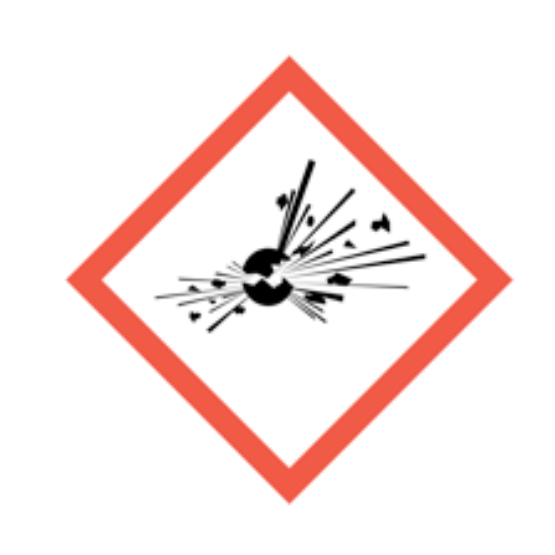 Explosive
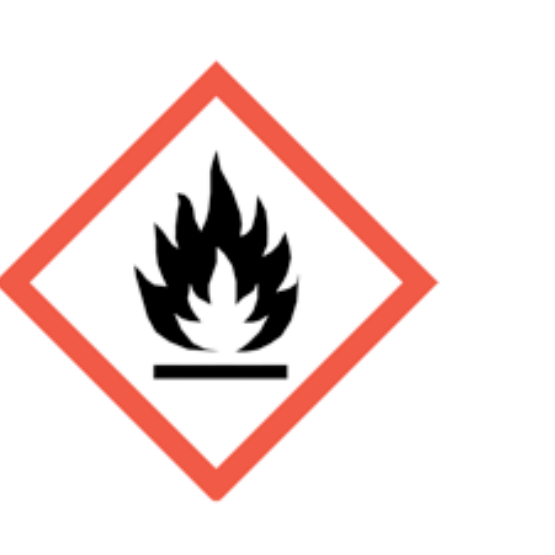 Flammable
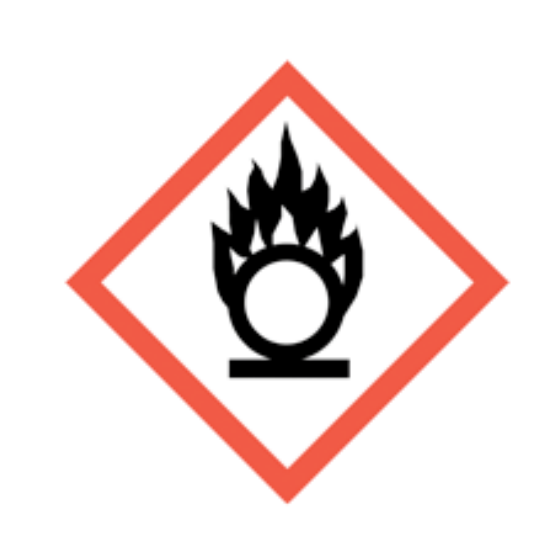 Oxidising
 Gas under pressure
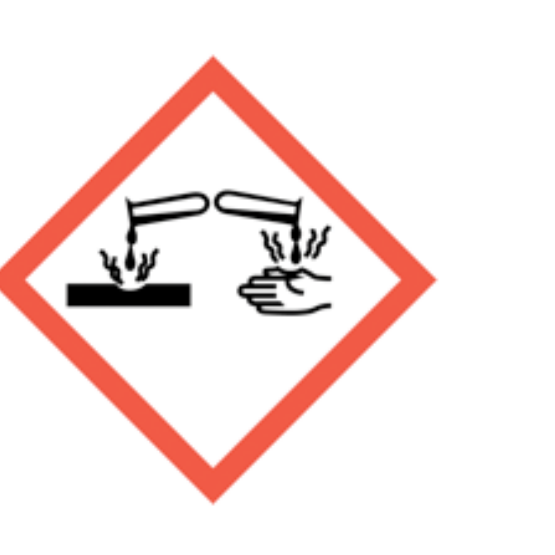 Corrosive
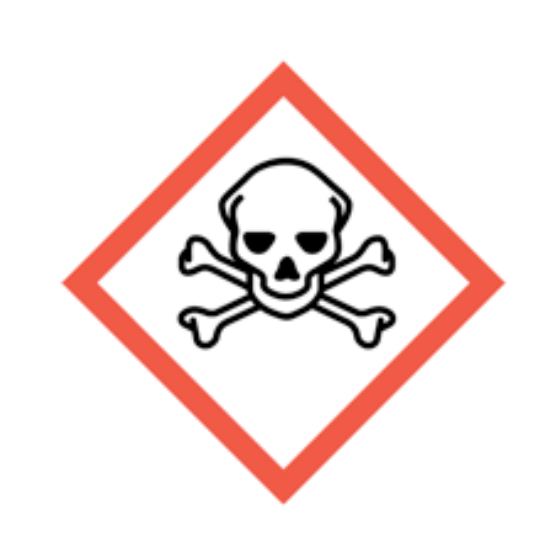 Acute toxicity
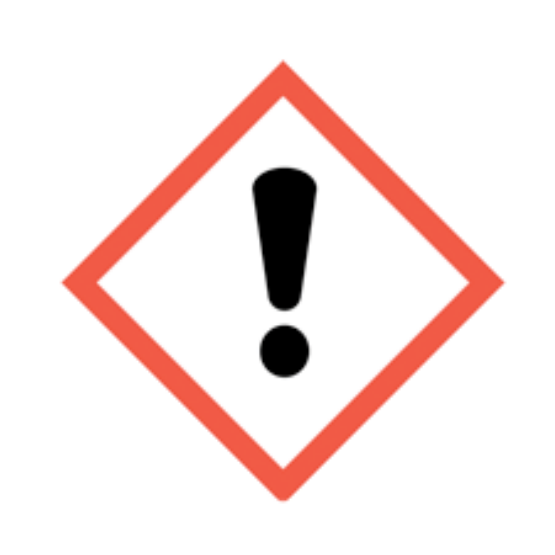 Harmful / irritant
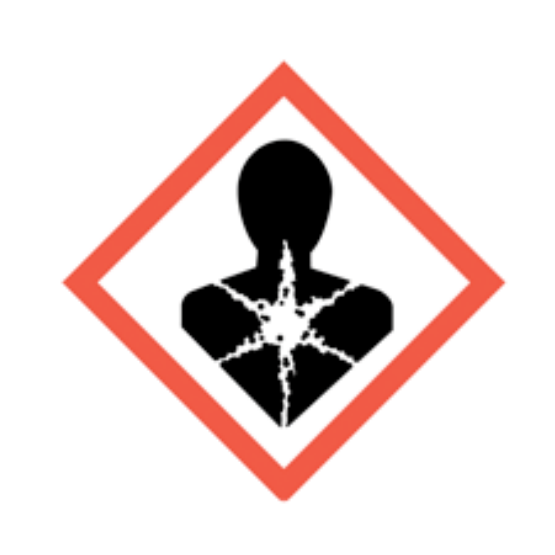 Serious health hazard
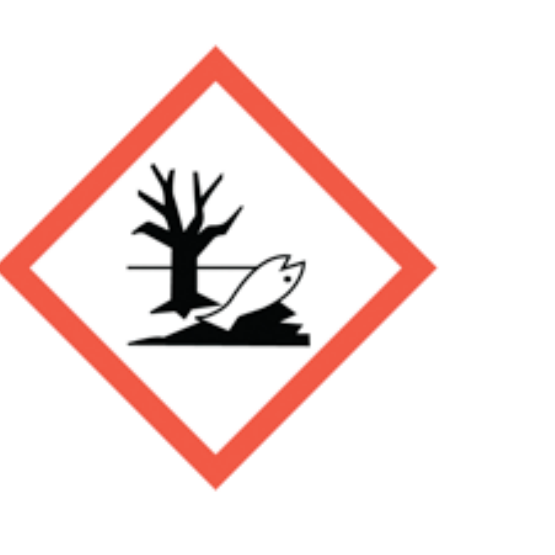 Hazardous to the environment