SHARE Knowledge Hub
Zinc effects at work and galvanised welding
Zinc effects at work most often arise when welding or cutting galvanised metal creates fine zinc oxide fume that workers and bystanders can inhale. This exposure can cause metal fume fever, a flu-like illness that may begin hours after the task, while the wider welding-fume mixture also carries long-term lung-cancer risk. Identifying the material, avoiding unnecessary hot work and capturing fume at source are the central decisions before work begins.
Understanding Zinc effects at work and galvanised welding
Zinc effects at work most often arise when welding or cutting galvanised metal creates fine zinc oxide fume that workers and bystanders can inhale. This exposure can cause metal fume fever, a flu-like illness that may begin hours after the task, while the wider welding-fume mixture also carries long-term lung-cancer risk. Identifying the material, avoiding unnecessary hot work and capturing fume at source are the central decisions before work begins.
Why this matters at work
Record the defect, repair and verification of effective capture, together with the assessed RPE and worker briefing. Review health concerns through appropriate services and check the implications for nearby workers and other connected extraction branches. Maintain separate hot-work, fire and any confined-space authorisations; extraction repair does not approve those risks. The responsible site process should decide return to work from reliable evidence, with unresolved technical uncertainties escalated. Do not invent a safe waiting period or claim that one successful weld establishes adequate exposure control for every subsequent task.
Identify why control failed, what tasks and people were exposed and whether the material or method changed. Stop affected work where adequate control cannot be maintained and arrange competent checks of extraction, hood position, filters, ducting and replacement air. An airflow indicator or a current examination sticker cannot override visible fume escape or a defective arrangement. Use the commissioning benchmark and actual task conditions to establish what needs correction.
How organisations manage this in practice
Record the exposure circumstances and review source control, RPE, task position, duration and other people exposed. Keep clinical information confidential and seek occupational-health advice about work restrictions and follow-up where needed. Correct and verify the controls before the task resumes through the site's separate authorisation. Review whether a material or coating was misidentified. Milk, dietary supplements or informal remedies do not control inhaled fume and should not replace assessment or care. A worker feeling better later does not prove that the original welding arrangement was acceptable.
Use competent occupational-hygiene advice on representative sampling and interpretation where needed, alongside evidence that source capture works. Record the sampling method, conditions, uncertainty and resulting actions. Review after changed process, material, extraction or symptoms. A low area sample can coexist with high personal exposure in a plume. Monitoring should test the control question rather than provide a certificate for uncontrolled work. Where no relevant limit is established in the checked source, state the uncertainty and control the known welding-fume hazard without inventing a value or treating absence of a limit as absence of risk.
Plan the position and protect nearby people, considering wind, confined or partly enclosed locations and other hazards. Select suitable RPE with competent advice, face-fit testing for tight-fitting equipment, maintenance and training. Do not prescribe one filter, protection factor or hood distance for every galvanised task without assessment. Check effectiveness during work and stop when controls fail. Respirators do not resolve oxygen deficiency, unsafe hot work or an explosive atmosphere; those require separate controls and may prohibit the task. Record the assessed arrangement and review changed materials, consumables or work locations.
What are zinc effects at work?
Breathing zinc oxide fume from hot work on galvanised or zinc-containing metal can cause metal fume fever, an illness that feels like flu and may begin after the shift. Identify the material and control the whole exposure before heating it; symptoms require medical advice and a review of the work.
Galvanising coats steel with zinc to resist corrosion. Welding, flame cutting, brazing or other high-temperature work can release zinc that forms very fine zinc oxide particles in air. This airborne fume can enter the breathing zone and lungs. Grinding produces dust through mechanical removal; it is a different process that still needs assessment and control. Sources: HSE welding health risks · HSENI welding fume
Metal fume fever can bring flu-like symptoms a few hours after exposure. HSE says it usually has no lasting ill effects, but that is not a diagnosis for an individual or a reason to accept recurring exposure. Other substances in the same job can cause serious harm. Sources: HSE welding health risks
Welding fume as a mixture can cause lung cancer and other respiratory disease. That evidence must not be rewritten as a claim that zinc oxide alone causes all welding-related cancers. A symptom-free shift, little visible smoke or no noticeable smell does not establish adequate control. Sources: HSE welding health risks
Sources: HSE welding health risks; HSENI welding fume.
Follow fume from the source to the breathing zone
The zinc compound, process and wider mixture matter. A hood in a photograph cannot prove capture of fume from a changed welding position.

Identify material and task
Distinguish zinc-oxide fume from other zinc compounds or dusts and assess the whole welding exposure.
Verify the capture path
A competent assessment checks source, breathing zone, extraction inlet and safe discharge against accepted performance evidence.
Hold changed capture
If work position or material changes and capture is uncertain, stop affected work, correct and verify before the named hand-back.
Use the clinical route for concerns
Symptoms may be delayed: report the relevant exposure history and obtain appropriate advice, using emergency help for serious concerns. No fixed symptom clock, RPE rating or exposure limit is invented.
Read the complete task-specific control examples
ERICPD is a planning cross-map: Discipline verifies and sustains every control. ESEAP compares effectiveness. A label does not authorise the task; retain the owner, evidence and stop or change decision.
Repairing a galvanised steel component · ERICPD
- Eliminate
- Use a suitable mechanical joint or supplied replacement part where that removes local welding.
- Reduce
- Select a suitable lower-fume fabrication process or component through engineering review, checking coating and service performance.
- Isolate
- Provide suitable effective LEV at the actual fume source, with verified capture, safe discharge and protection of nearby people; general ventilation and physical separation need their own assessment.
- Control
- Use effective source extraction for indoor welding and suitable workholding; assess any coating-removal stage and capture its dust as well.
- PPE
- Use suitable welding eye/face, skin and other protection; add adequate suitable RPE where extraction does not control indoor exposure and for outdoor welding as required by the task.
- Discipline
- Check capture and protective equipment, maintain the process and investigate fume or symptom reports before further uncontrolled work.
Repairing a galvanised steel component · ESEAP
- Elimination
- Use a suitable mechanical joint or supplied replacement part where that removes local welding.
- Substitution
- Select a suitable lower-fume fabrication process or component through engineering review, checking coating and service performance.
- Engineering controls
- Provide suitable effective LEV at the actual fume source, with verified capture, safe discharge and protection of nearby people; general ventilation and physical separation need their own assessment.
- Administrative controls
- Check capture against accepted task-specific evidence, control work position and material changes, maintain extraction and arrange competent correction and re-verification before restarting affected work.
- PPE
- Use suitable welding eye/face, skin and other protection; add adequate suitable RPE where extraction does not control indoor exposure and for outdoor welding as required by the task.
Which zinc form and process are involved?
Identify the chemical, coating and process before choosing controls or interpreting an exposure result. Zinc oxide, zinc chloride and metallic zinc powder are different hazards; an unknown silver-coloured surface is not a material specification.
Use the component specification, supplier information and coating history, with testing or specialist identification where necessary. An SDS for a consumable helps but does not describe every substance generated when a finished article is welded. This comparison shows why one generic “zinc assessment” is insufficient. Sources: HSE welding controls
| Material or process | What changes the decision |
|---|---|
| Galvanised steel, brass or zinc-bearing alloy heated during work | Assess zinc oxide fume and the rest of the fume mixture. Confirm parent metal, consumable, coating and contamination. Sources: HSE welding health risks · HSENI welding fume |
| Painted, repaired or unidentified metal | Hold hot work until identity and preparation method are resolved. Other coatings or plating may introduce different hazards. Sources: HSE welding controls · HSENI welding fume |
| Zinc chloride fume or a chloride-containing flux | Check the actual flux chemistry and SDS. EH40 has a separate zinc chloride fume limit; do not apply it to zinc oxide or assume the hazards are interchangeable. Sources: HSE EH40 |
| Metallic zinc powder or dusty residues | Check particle form, product classification and reactivity. Assess inhalation and any fire/explosion risk; select compatible collection and spill methods. Do not assume a domestic vacuum or wet cleaning is suitable. Sources: HSE DSEAR · HSENI DSEAR |
Sources: HSENI welding fume; HSE EH40; HSE DSEAR.
What exposure and warning signs matter for zinc-related work?
The main route is inhalation: hot work on zinc-bearing material can generate fume that workers and bystanders breathe. HSE describes delayed flu-like metal fume fever after zinc fume exposure. The whole welding-fume mixture also carries longer-term lung-cancer risk; that is not a zinc-oxide-only claim.
This page does not rely on a specific biological-mechanism claim. The practical issue is exposure: fume close to the face, missed by extraction, reaching others or building up in an enclosed area. Coatings, flux, consumables and parent metal can change the mixture. Delayed symptoms and an apparently clear shift do not prove adequate control. Sources: HSE welding health risks · HSE welding controls
| Task or source | Exposure and supported assessment | Warning and stop point |
|---|---|---|
| Welding or cutting confirmed galvanised metal | Inhaled zinc oxide fume can lead to delayed, flu-like metal fume fever. HSE describes this as usually without lasting effects, but an individual illness needs medical assessment. | Uncaptured fume, control failure or later illness: stop further exposure, report the task and obtain medical advice. Sources: HSE welding health risks |
| Any welding or thermal cutting fume mixture | Fine particles and gases can irritate airways acutely. Welding fume as a mixture can cause lung cancer; HSE describes possible contribution to COPD and metal-specific asthma risks. Those outcomes must not be attributed automatically to zinc oxide alone. | Visible escaping plume, cough, chest tightness or a change in metal, coating or consumable: hold and reassess the whole mixture and controls. Sources: HSE welding health risks · HSENI welding fume |
| A zinc chloride flux or process | A chloride-containing flux changes the substance assessment. EH40 lists zinc chloride fume; its currently checked table has no zinc oxide entry. Identify the actual flux and generated fume before selecting controls. | Unknown flux chemistry or breathing difficulty: stop, identify the substance and seek medical assessment; call 999 for severe symptoms. Sources: HSE EH40 · GOV.UK 999 guidance |
Sources: HSE welding health risks and controls; HSE EH40 for the distinct zinc chloride fume entry. This table summarises exposure, supported health effects and assessment decisions. The zinc chloride row identifies a limit entry and the need for compound-specific assessment; it does not explain chloride injury. This guide does not provide a zinc-specific injury mechanism or severe-injury claim. Use current compound-specific official guidance and competent technical advice for an exposure assessment.
How can the hierarchy of controls reduce risks while repairing a galvanised steel component?
First avoid or reduce the hazardous process. For indoor galvanised welding, use effective source extraction and add suitable respiratory protection where capture does not adequately control exposure. Outdoor welding needs suitable respiratory protection and protection of people nearby; wind is not a dependable control.
Start with the method. Ask whether a designed mechanical joint, replacement component or off-site prefabrication can avoid hot work. A competent designer must accept changes that affect strength or function. If preparation removes coating, assess the dust, chemicals and waste it creates and how corrosion protection will be restored. Sources: HSE welding controls
Capture before spread. Local exhaust ventilation (LEV) draws contaminated air into an extraction system close to its source. Choose a system for the process and working position. Keep the fume from crossing the breathing zone, reposition capture as work moves and check the maker's performance indicator and instructions. General ventilation supports this arrangement; an open door does not demonstrate control of galvanised welding fume. Sources: HSE welding controls · HSE control maintenance
Protect residual exposure. Respiratory protective equipment (RPE) must be adequate for the contaminants and suitable for the wearer, task and duration. Tight-fitting facepieces need a fit test for that make, model and size, a seal check at use, and an unobstructed seal. Consider a suitable loose-fitting powered system when a tight seal cannot be achieved. Check compatibility with welding eye, face, hearing and body protection. Sources: HSE RPE guide · HSENI welding questions
A particle filter does not control every gas or vapour and does not supply oxygen. Neither a filtering mask nor a powered filtering hood makes an oxygen-deficient space safe. Stop and obtain specialist assessment where atmosphere or rescue requirements are uncertain. Use the product instructions for filters, maintenance and replacement; there is no universal filter life. Sources: HSE RPE guide
Keep contamination contained. Separate clean eating and drinking areas, wash before breaks, and select a cleaning method for the actual residue. Do not blow dust into the air with compressed air. Instruct cleaners and maintenance contractors in the same exposure controls. Sources: HSE COSHH guidance
Use HSE’s five-level hierarchy to plan this galvanised-bracket repair: elimination, substitution, engineering controls, administrative controls and PPE. Start by checking whether hot work can be avoided. Then test the options that act on the source before relying on procedures or RPE. Separation, source extraction and access rules have different functions, so verify each at the real working position. Sources: HSE control hierarchy · HSE welding controls
For this repair, a bolted replacement is preferred only if the designer confirms it will carry the load and preserve corrosion protection. If that is infeasible, record why; then test process substitution and physical separation at the actual plant-room position. Only after those decisions specify extraction and residual RPE. The supervisor records the rejected alternatives and the evidence used, so a convenient method is not mistaken for a safe one.
How can the ERICPD hierarchy of controls reduce risks while repairing a galvanised steel component?

| Control level | Control for this activity | Owner and verification | Stop / restart decision |
|---|---|---|---|
| Eliminate | Use a suitable mechanical joint or supplied replacement part where that removes local welding. | Task owner verifies that the proposed change removes the named hazardous step, including foreseeable cleaning, maintenance and work transferred elsewhere. | If the hazardous step remains, keep it within the task assessment and select the stronger feasible remaining controls. |
| Reduce, including substitution | Select a suitable lower-fume fabrication process or component through engineering review, checking coating and service performance. | Competent task/process owner validates suitability, compatibility and new hazards against the actual operating requirements before the alternative is adopted. | Reject an alternative if its performance is unproved or its new hazards are unresolved. |
| Isolate | Provide suitable effective LEV at the actual fume source, with verified capture, safe discharge and protection of nearby people; general ventilation and physical separation need their own assessment. | Supervisor checks the actual boundary, affected people and connected work; verify separation or isolation before allowing access. | Hold or stop for unknown coating, failed capture, uncontrolled fume or loss of required hot-work protection. |
| Control: physical safeguards | Use effective source extraction for indoor welding and suitable workholding; assess any coating-removal stage and capture its dust as well. | Competent equipment/process owner checks base/coating identity, extraction position, welding method, hot-work precautions and selected RPE. | Hold or stop for unknown coating, failed capture, uncontrolled fume or loss of required hot-work protection. |
| Control: work method and response | Check capture against accepted task-specific evidence, control work position and material changes, maintain extraction and arrange competent correction and re-verification before restarting affected work. Outdoors, wind is not a reliable substitute for suitable respiratory protection. | Supervisor confirms the work limits, competent cover, communication and stop/restart authority with the people doing this activity. | Hold work when the agreed limits, competent cover or effective communication cannot be maintained. |
| PPE | Use suitable welding eye/face, skin and other protection; add adequate suitable RPE where extraction does not control indoor exposure and for outdoor welding as required by the task. | Assessor confirms whether personal protection is needed and checks suitability, condition, compatibility and any required fit evidence. | Do not use unsuitable protection or rely on PPE to continue after an essential source control fails. |
| Discipline | Check capture and protective equipment, maintain the process and investigate fume or symptom reports before further uncontrolled work. | Release only after fabrication owner accepts material identification and effective fume and welding controls. Retain verification and unresolved restrictions at handover. | Keep the task on hold until required reinstatement evidence and unresolved defects are accepted by the responsible owner. |
How can the ISO 45001 hierarchy of controls reduce risks while repairing a galvanised steel component?

| Control level | Control for this activity | Owner and verification | Stop / restart decision |
|---|---|---|---|
| Elimination | Use a suitable mechanical joint or supplied replacement part where that removes local welding. | Task owner verifies that the proposed change removes the named hazardous step, including foreseeable cleaning, maintenance and work transferred elsewhere. | If the hazardous step remains, keep it within the task assessment and select the stronger feasible remaining controls. |
| Substitution | Select a suitable lower-fume fabrication process or component through engineering review, checking coating and service performance. | Competent task/process owner validates suitability, compatibility and new hazards against the actual operating requirements before the alternative is adopted. | Reject an alternative if its performance is unproved or its new hazards are unresolved. |
| Engineering controls | Provide suitable effective LEV at the actual fume source, with verified capture, safe discharge and protection of nearby people; general ventilation and physical separation need their own assessment. | Supervisor checks the actual boundary, affected people and connected work; verify separation or isolation before allowing access. | Hold or stop for unknown coating, failed capture, uncontrolled fume or loss of required hot-work protection. |
| Engineering controls | Use effective source extraction for indoor welding and suitable workholding; assess any coating-removal stage and capture its dust as well. | Competent equipment/process owner checks base/coating identity, extraction position, welding method, hot-work precautions and selected RPE. | Hold or stop for unknown coating, failed capture, uncontrolled fume or loss of required hot-work protection. |
| Administrative controls | Check capture against accepted task-specific evidence, control work position and material changes, maintain extraction and arrange competent correction and re-verification before restarting affected work. Outdoors, wind is not a reliable substitute for suitable respiratory protection. | Supervisor confirms the work limits, competent cover, communication and stop/restart authority with the people doing this activity. | Hold work when the agreed limits, competent cover or effective communication cannot be maintained. |
| PPE | Use suitable welding eye/face, skin and other protection; add adequate suitable RPE where extraction does not control indoor exposure and for outdoor welding as required by the task. | Assessor confirms whether personal protection is needed and checks suitability, condition, compatibility and any required fit evidence. | Do not use unsuitable protection or rely on PPE to continue after an essential source control fails. |
| Administrative controls | Check capture and protective equipment, maintain the process and investigate fume or symptom reports before further uncontrolled work. | Release only after fabrication owner accepts material identification and effective fume and welding controls. Retain verification and unresolved restrictions at handover. | Keep the task on hold until required reinstatement evidence and unresolved defects are accepted by the responsible owner. |
Control hierarchy source: HSE managing risk using PPE. The task examples apply that hierarchy to the illustrative repair.
Which exposure limits apply and how should results be used?
Match every measurement to the exact substance, sampling method, units and averaging period. HSE’s EH40 Workplace exposure limits lists zinc chloride fume at 1 mg/m³ over 8 hours and 2 mg/m³ over 15 minutes; those are not zinc oxide limits. The current EH40 table checked for this page has no zinc oxide entry.
For GB, use the current HSE approved limits and COSHH assessment. HSENI confirms EH40 is approved for use in NI under its separate COSHH regulations; check HSENI for NI amendments when setting a monitoring plan. No listed limit does not mean no hazard. Ask a competent occupational hygienist to establish a justified assessment strategy for zinc oxide and the other generated substances. Sources: HSENI EH40 approval · HSE COSHH guidance
Worked decision: a galvanised-welding report says “zinc oxide fume, 0.8 mg/m³, 15-minute sample”. Comparing 0.8 with the zinc chloride short-term value of 2 would be invalid because the substances differ. Comparing it with an 8-hour limit is also invalid because the periods differ. The manager must obtain the correct substance basis, representative sampling and an assessment of the full fume mixture before drawing a conclusion about control. Sources: HSE EH40
A value copied from a non-UK SDS or foreign reference is not automatically a GB or NI workplace exposure limit. A company benchmark needs its source and rationale recorded. A result below any one value does not clear a welding process: assess the named substance, averaging period, capture, bystanders and the full fume mixture. Sources: HSE EH40 · HSE welding controls
Sources: HSE EH40 workplace exposure limits; HSENI approval of EH40.
How does a team make the hot-work decision in practice?
A short maintenance repair needs the same material identification and effective exposure control as planned production work. In this illustrative BuildOut Ltd example, the supervisor holds the job until the repair method, actual working position and contractor controls are accepted.
BuildOut Ltd galvanised bracket repair
Task material and setting: BuildOut Ltd needs to repair a galvanised support bracket in an occupied indoor plant room. The desired outcome is a sound repair with corrosion protection restored and no uncontrolled exposure. The proposed process is arc welding; access and ventilation are restricted, so the supervisor first checks whether the area meets the confined-space definition.
People and prerequisites: The welder, helper, building occupants, nearby trades and later cleaners may be affected. A competent repair designer checks an alternative bolted joint or replacement. If welding remains necessary, the supervisor needs verified material and coating information, a task-specific COSHH assessment, competent welding staff, suitable LEV/RPE, fire controls and an agreed contractor interface before release. Sources: HSE welding controls · HSENI welding fume
Before: The client and contractor agree who controls the area and restart. Confirm the coating and consumables; do not use appearance alone. Plan any coating preparation under its own dust controls. Check extraction condition and capture arrangement, RPE selection and fit where applicable, screens, access restrictions, emergency contacts and the local hot-work arrangements. Demonstrate controls in the actual working position. Sources: HSE welding controls · HSENI welding questions
During: Keep extraction at the source as the weld progresses and keep other trades outside the affected area. The supervisor checks the agreed performance indicators and working position. A temporary enclosure, a changed weld position or a new coating requires reassessment; it is not covered automatically by the original method. Sources: HSE welding controls · HSE control maintenance
Hold or stop: Hold until the designer accepts the repair and the supervisor accepts the assessed method. Stop for unknown coating, loss of extraction, damaged RPE, fume escaping the controlled area, unexpected contamination or symptoms. A space requiring confined-space controls stays on hold until competent arrangements, including rescue, are established; a filtering respirator does not solve an unsafe atmosphere. Sources: HSE RPE guide
Completion and hand back: Shut down and clean using the assessed method, inspect the repair and corrosion protection, and complete the locally specified fire and area hand-back checks. Confirm the area is fit for occupants and cleaners. Brief workers to report symptoms that develop after departure and explain how to contact the supervisor. Sources: HSE welding health risks
Evidence: Retain material identity, design decision, COSHH assessment, contractor responsibilities, pre-use checks, any fit-test and maintenance evidence, monitoring interpretation where needed, repair acceptance, hand-back and exposure reports. The supervisor records who authorised restart after a failure; recovery from symptoms alone does not release the method.
Routine variation: repeated fabrication at an extracted bench needs a demonstrated capture zone and checks when workpieces change. Outdoor variation: specify suitable RPE and control bystander exposure; recheck when wind or screening changes. Powder variation: a spilled zinc powder is a product-specific clean-up and possible fire/explosion problem, not permission to apply the welding method. Sources: HSE welding controls · HSENI welding questions
How do controls transfer between sectors?
The same inhalation route appears wherever zinc-bearing metal is heated, but the people nearby and the strongest feasible control change with the task. In a workshop, capture can be designed around a bench; on a site or in a repair bay, the supervisor must prove it works at the actual position. These are illustrative transfers, not approved methods.
| Setting, task and people | Mechanism and likely harm | Strongest control, residual safeguard and stop check |
|---|---|---|
| Manufacturing: repeated welds on specified galvanised frames; welder, helper and adjacent bench staff. | Hot work creates zinc oxide and mixed fume near the breathing zone: delayed metal fume fever and wider welding-fume respiratory risk. | Have the production engineer test a cold-joint frame design first. If the joint cannot meet structural needs, the welding lead trials a lower-fume method and verifies bench LEV capture with the largest representative frame before production; operators check hood position and indicator each shift. Use assessed fit-tested RPE for residual welder exposure and protect nearby staff. Hold any changed frame size until capture is retested. Sources: HSE welding controls · HSE welding health risks |
| Construction: repair a galvanised support bracket in an occupied plant room; contractor, other trades and occupants. | Restricted access and changing airflow can carry fume to welder and bystanders; acute illness may start after leaving, while the full fume mixture carries longer-term risk. | The repair designer checks replacement or a bolted joint before hot work. If neither meets the repair need, client and contractor agree an exclusion boundary; a competent person verifies mobile capture at the actual bracket position, and the supervisor checks the indicator, airflow and bystander area during work. Use assessed RPE for residual exposure. Stop for an unknown coating, failed extraction or changed enclosure. Sources: HSE welding controls · HSENI welding fume |
| Logistics fleet workshop: repair a zinc-coated trailer or vehicle component; mechanic, nearby technicians and drivers. | Welding can heat galvanising and other surface treatments; inhaled mixed fume can irritate airways and cause metal fume fever when zinc oxide is present. | The workshop manager approves a replacement component when structurally feasible. Otherwise the mechanic identifies all coatings, a competent person verifies mobile LEV at the repair point, and the worker checks capture, indicator and compatible fit-tested RPE before welding. Separate nearby technicians and drivers. Hold for unknown underseal, paint or coating history or an escaping plume. Sources: HSE vehicle welding · HSE welding controls |
| Metal recovery: flame-cut a confirmed zinc-coated scrap item; cutter, sorting crew and people downwind. | Thermal cutting creates fume; mixed scrap may also have unknown paints or contaminants. Breathing the plume may cause acute illness and other substance-specific harm. | The recovery manager sorts and identifies items so cold dismantling can replace flame cutting where feasible. If cutting remains necessary, the supervisor verifies the material and location-specific capture or containment, suitable RPE and a downwind exclusion area. Check controls and airflow during the cut; stop for unknown scrap, failed capture or bystander drift. Sources: HSE welding controls · HSENI welding fume |
Hospitality is not listed as a routine zinc-exposure sector: ordinary catering does not normally heat zinc-coated structural metal. A hotel maintenance hot-work job belongs under the construction or maintenance scenario above and needs its own task assessment.
When must work stop and medical help be sought?
Stop further exposure and move to a safe place if symptoms occur after fume exposure. Obtain prompt medical advice, tell the clinician about the task and material, and call 999 for severe breathing difficulty, collapse or unconsciousness. Do not assume delayed symptoms are harmless metal fume fever.
General emergency steps are supported by UK government advice, while HSE describes the work-related health risk. Sources: GOV.UK chemical emergency advice · GOV.UK 999 guidance · HSE welding health risks
Symptoms can develop after leaving work. A worker should report the time, place, process and material, plus any control failure, even if they feel better later. Supervisors arrange medical signposting and investigate exposure; they do not diagnose, prescribe treatment or decide fitness without appropriate clinical advice. Follow local urgent-care arrangements in GB or NI. Sources: HSE welding health risks
Feeling better does not by itself justify returning to the same fume exposure. Before the same hot work resumes, the supervisor should verify the changed material assessment, capture and bystander controls on the real task; obtain appropriate clinical advice about the affected worker’s capability and any restrictions. Repeated symptoms require another stop and investigation. Sources: HSE welding health risks · HSE welding controls · HSENI welding fume
The following stop decisions are SHARE operational guidance to be built into a competent task plan. They do not replace local emergency procedures.
| Trigger | Response and restart evidence |
|---|---|
| Unknown coating or unexpected plated surface | Hold heating and preparation. Obtain material identification and a revised assessment before the supervisor releases work. Sources: HSE welding controls · HSENI welding fume |
| Extraction indicator failure, uncaptured plume or damaged RPE | Stop the task safely and protect nearby people. Repair or reconfigure controls and demonstrate effectiveness before authorised restart. Sources: HSE control maintenance · HSENI welding questions |
| Delayed fever, cough, chest discomfort or several people unwell | End further exposure, obtain medical advice and investigate shared exposure. Check related tasks; clinical improvement alone is not evidence the method is safe. Sources: HSE welding health risks · GOV.UK chemical emergency advice |
| Collapse or severe breathing difficulty; unsafe atmosphere suspected | Call 999 and activate site emergency arrangements. Keep others out; do not enter a contaminated or oxygen-deficient area for an unplanned rescue. Sources: GOV.UK 999 guidance · HSENI COSHH |
| Zinc powder spill, smoke, fire or suspected reactive material | Isolate and escalate through the product-specific emergency plan. Do not improvise with water, sweeping or unsuitable vacuum equipment. Sources: HSE DSEAR · HSENI DSEAR |
Sources: HSE welding health risks; GOV.UK general chemical-emergency and 999 guidance. Clinical decisions follow local GB or NI services.
What are the GB and Northern Ireland duties?
In GB the principal workplace exposure regime is COSHH 2002; in NI it is COSHH (Northern Ireland) 2003, both as amended. Employers must assess hazardous-substance risks and prevent exposure where reasonably practicable, or otherwise adequately control it. A GB regulation is not the NI legal text. Exposure to carcinogenic welding fume must be reduced as low as reasonably practicable, alongside compliance with any applicable constituent WEL and the principles of good control. A zinc chloride result below its WEL neither evaluates zinc oxide exposure nor completes the assessment of the carcinogenic mixed fume.
Sources for adequate control: HSE EH40: adequate control · HSENI COSHH
Assessment must cover substances created by the process as well as bought-in products. Suitable controls need maintenance, information, instruction and training; exposure monitoring and health surveillance are required where the relevant conditions apply. Workers need to use controls correctly and report defects. The current HSE and HSENI guidance linked here provides the practical verification route. Sources: HSE COSHH guidance · HSENI COSHH
Fire and explosion risks require a separate assessment where dangerous substances are involved. Great Britain uses the Dangerous Substances and Explosive Atmospheres Regulations 2002 (DSEAR), while Northern Ireland has its own Dangerous Substances and Explosive Atmospheres Regulations (Northern Ireland) 2003. Use the HSENI DSEAR and approved ACOP route and obtain competent confirmation for the actual powder, process and jurisdiction. Confined-space, work-equipment and hot-work risks must also be addressed in the task assessment. Sources: HSE DSEAR · HSENI DSEAR
Workplace use and supply are separate. An SDS, product declaration or conformity marking does not approve a welding method or prove exposure control. Purchasers should obtain current product instructions, declarations and chemical information for the relevant GB or NI market. This page gives no marking or product-supply compliance decision.
Company rules: BuildOut may require a permit, nominated release person or extra checks. Such rules must be identified as local arrangements; do not invent a universal permit duration, training certificate expiry or fire-watch period from this example.
Incident reporting is a separate decision. Record and investigate suspected fume illness and control failure within the workplace, even when no statutory report is due. A report of metal fume fever alone does not decide reportability under the Reporting of Injuries, Diseases and Dangerous Occurrences Regulations (RIDDOR). In GB, the responsible person checks the actual event and diagnosis against HSE’s reportable injury, specified occupational disease and dangerous-occurrence categories. In NI, apply HSENI’s separate 1997 RIDDOR route; do not copy GB categories or time thresholds into an NI decision. Seek competent advice if classification is uncertain while exposure controls are corrected. Sources: HSE reportable incidents · HSENI incident reporting
What training and evidence show that controls work?
Workers should demonstrate the controls on the real job, and managers should verify performance after changes, failures or symptoms. Keep evidence of material identity, competent decisions and effective control; a training attendance record or an old extraction label cannot prove today’s work is safe.
Workers and supervisors: practise material checks, safe positioning, moving the hood, reading performance indicators, checking RPE and reporting delayed symptoms. Confirm understanding in the worker's language. Supervisors need authority to hold unfamiliar work and obtain specialist help. Refresh learning when the task, equipment or demonstrated capability changes; no generic refresher interval is set here. Sources: HSE welding training
Maintainers and purchasers: obtain the LEV design/commissioning information and equipment instructions, maintain the system, and close out defects. HSE welding guidance calls for a competent thorough examination and test of LEV at least every 14 months and retention of examination/test records for at least 5 years. HSENI also states the 14-month examination expectation for welding LEV. These are not substitutes for pre-use checks; confirm any process-specific shorter interval. Sources: HSE control maintenance · HSENI welding questions
Managers and hygienists: record a risk-register entry identifying the process, exposed groups, controls, owner, evidence, review triggers and unresolved actions. Use representative exposure monitoring where necessary to test control, including nearby workers and short peaks. Compare like with like and act on the hygienist's interpretation rather than filing an unexplained number. Sources: HSE control maintenance
Occupational health: determine surveillance from the risk assessment and applicable criteria. HSE gives stainless-steel asthmagen exposure as an example where respiratory surveillance may be needed. Do not impose a generic zinc blood test, annual chest X-ray or fitness certificate on everyone. Keep clinical records confidential, while managers receive relevant control and fitness advice through appropriate channels. Sources: HSE welding health surveillance
BuildOut assurance: the manager samples one routine job and one changed job, asks workers to demonstrate stop decisions, reviews extraction defects and checks whether repeat symptoms led to changes. This is an illustrative company review approach, not a statutory sampling frequency.
The following role routes turn instruction into observable competence. They are examples to adapt to the actual process and do not set a universal course or renewal period.
| Role or level | Learning and demonstration | Assessor and retained evidence | Reassess when |
|---|---|---|---|
| Nearby workers and new starters | Recognise welding-fume drift, the exclusion zone, delayed symptoms and the reporting route; point out whom to alert. | Supervisor checks understanding on the real site; retain the briefing and any exposure report. Awareness is not welding authorisation. | Work area, people, process or emergency route changes. Sources: HSE welding training · HSENI welding questions |
| Welders and cutters | Identify the coating; demonstrate hood position, breathing-zone avoidance, equipment and RPE pre-use checks, stop points and symptom reporting on the actual task. | Competent supervisor or welding lead observes practice and records task, method, controls and scope of authorisation; attendance alone is insufficient. | Material, consumable, position, equipment, control or demonstrated capability changes. Sources: HSE welding training · HSE welding controls |
| LEV and RPE maintainers | Show safe inspection, fault isolation, maintenance and return-to-service checks within the equipment instructions and competence scope. | Competent maintainer or specialist assesses practical work; retain examination, test, maintenance and defect-closure records. | Equipment, design, fault pattern, instructions or maintenance method changes. Sources: HSE control maintenance · HSENI welding questions |
| Supervisors and contractor coordinators | Challenge an unidentified coating, verify capture and bystander protection, agree client/contractor boundaries and demonstrate hold, stop and restart decisions. | Manager samples a live job and records method acceptance, control observations, corrective action and release ownership. | A failed control, symptom report, contractor change or altered work position occurs. Sources: HSE welding training · HSENI welding questions |
| Managers, purchasers and designers | Select a feasible non-hot-work option where possible, specify effective extraction and resources, and interpret whether monitoring and assurance evidence fits the actual task. | Competent technical adviser checks specifications and risk decisions; retain design/procurement rationale, risk-register ownership and closed actions. | A new design, product, process, exposure trend or unresolved defect appears. Sources: HSE welding controls · HSE control maintenance |
| Hygienists, occupational health and auditors | Test substance and sampling basis, GB/NI source scope, surveillance triggers, control performance and the boundary between medical advice and work release. | Relevant competent specialist or peer reviews the judgement; retain scoped sampling, confidential clinical records where appropriate, audit findings and action closure. | Source, law, exposure pattern, clinical signal or control evidence changes. Sources: HSE welding health surveillance · HSENI welding questions |
How should an organisation assure zinc controls?
Assign responsibility for identifying zinc-bearing work, selecting controls and checking they work at the real task. Worker reports, procurement information, contractor coordination and corrective actions should feed back into the next decision.
HSE guidance supports a practical management cycle and task-specific fume controls. Sources: HSE managing health and safety · HSE welding controls
HSE’s plan, do, check, act approach helps an organisation organise these decisions. For zinc work, record the material and task, involve workers in testing fume capture, check equipment and RPE, and act on failed controls or symptoms. Management arrangements do not approve a particular repair. Sources: HSE managing health and safety · HSE control maintenance
For a contractor or changed component, check who confirms the design, who controls nearby people, who verifies extraction at the actual position, and who receives reports after work. Keep the evidence with the job and correct weaknesses before repeating it. Sources: HSE managing health and safety · HSE welding controls
Sources: HSE managing health and safety; HSE welding controls and control maintenance.
Chemical hazard symbols: what do they mean?
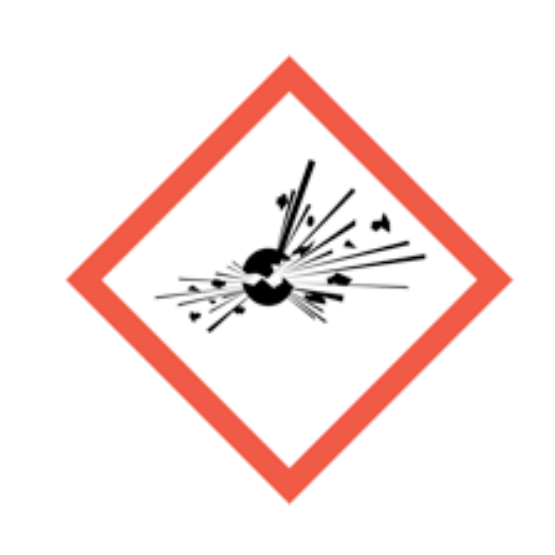
Exploding bomb
Explosive, self-reactive or organic peroxide hazards.
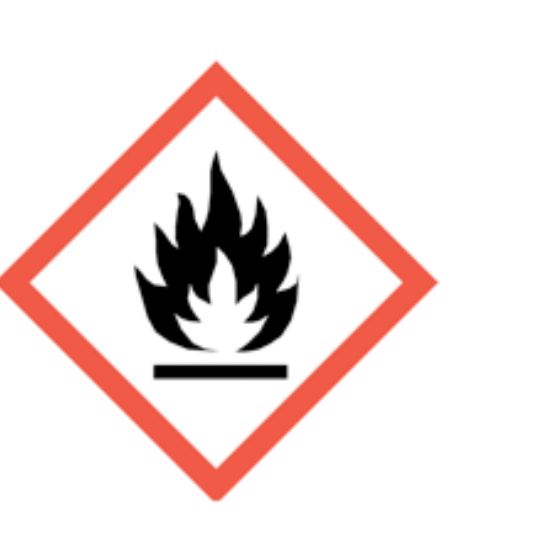
Flame
Flammable, self-heating or pyrophoric substances.
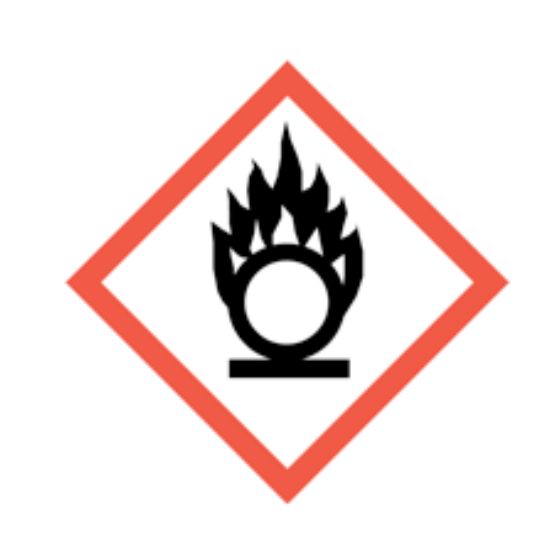
Flame over circle
Oxidising substances that can intensify fire.
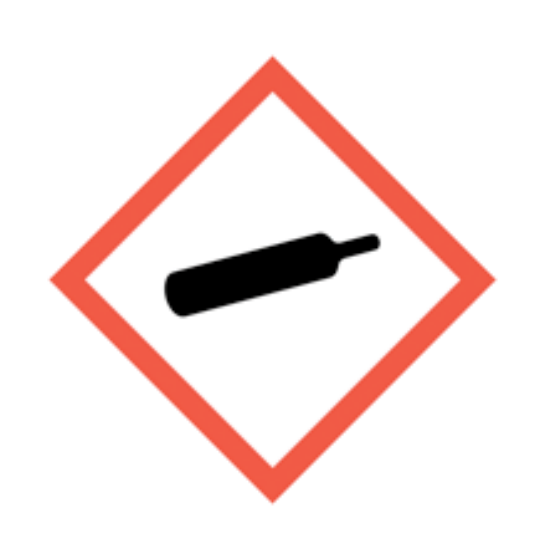
Gas cylinder
Gas under pressure.
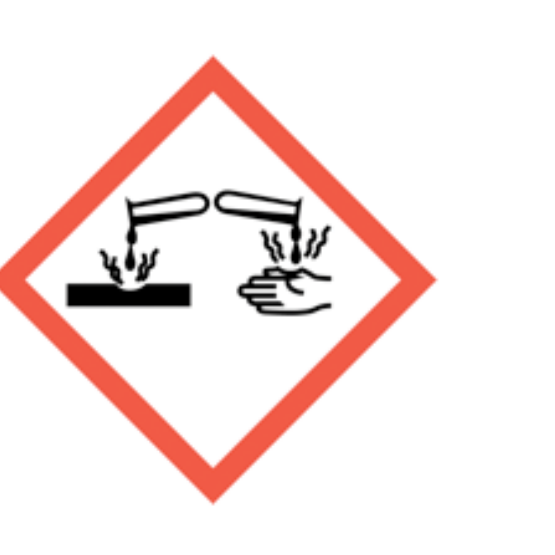
Corrosion
Skin burns, eye damage or corrosive to metals.
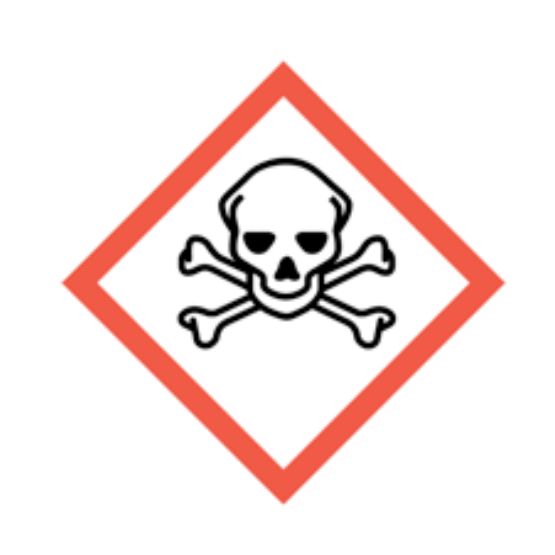
Skull and crossbones
Acute toxicity.
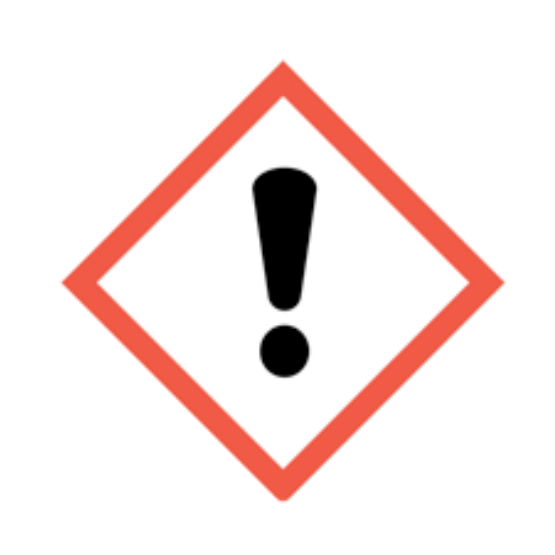
Exclamation mark
Irritation, harmful effects or skin sensitisation; some classifications cover drowsiness, dizziness or ozone-layer hazard. Read the actual hazard statements. Skin sensitisation differs from respiratory sensitisation.
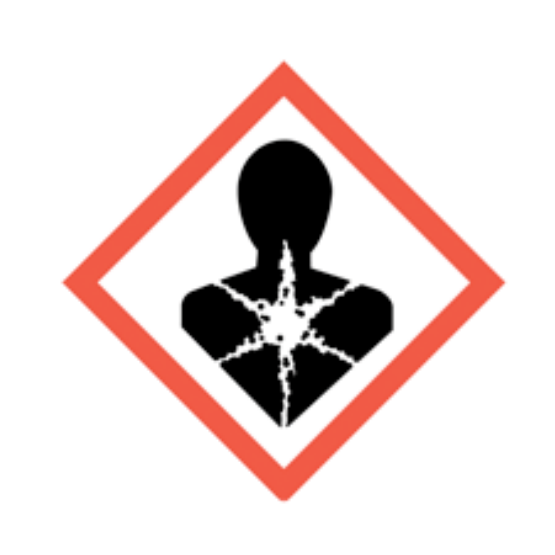
Health hazard
Serious health hazards, including organ damage, aspiration hazard, respiratory sensitisation, cancer and reproductive effects; some can follow a single exposure.
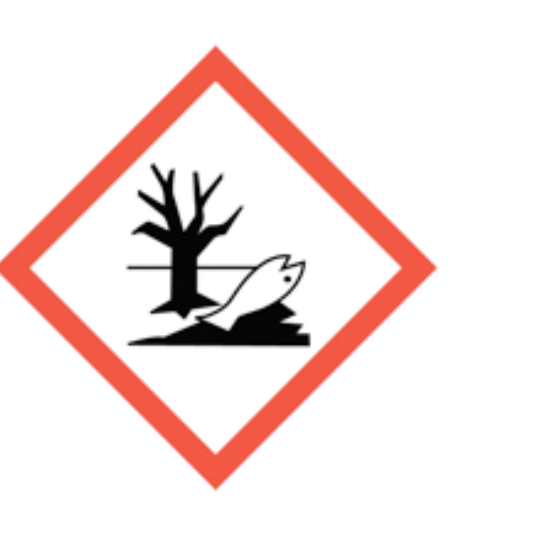
Environment
Hazardous to the aquatic environment.
What do the acronyms and key terms mean?
Fume is a fine airborne particulate formed by hot processes; dust is released by mechanical disturbance. Knowing the difference helps select capture and monitoring methods.
| Term | Full expansion or definition | Meaning for zinc work |
|---|---|---|
| GB | Great Britain | England, Scotland and Wales; the GB legal route here. |
| NI | Northern Ireland | A separate legal route and regulator guidance for this topic. |
| COSHH | Control of Substances Hazardous to Health | The relevant GB or NI regime for assessing and controlling hazardous-substance exposure. Sources: HSE COSHH guidance |
| HSE | Health and Safety Executive | GB workplace health and safety regulator. |
| HSENI | Health and Safety Executive for Northern Ireland | Northern Ireland workplace health and safety regulator. |
| LEV | Local exhaust ventilation | Captures fume close to the weld before it reaches a breathing zone. Sources: HSE welding controls |
| RPE | Respiratory protective equipment | Selected breathing protection for residual exposure; it does not replace source control. Sources: HSE RPE guide |
| PPE | Personal protective equipment | Protection worn for remaining risks, such as eyes or skin, after stronger controls. Sources: HSE control hierarchy |
| SDS | Safety data sheet | Supplier information for a product; it may not describe every fume formed during welding. |
| WEL | Workplace exposure limit | An EH40 value for a named substance and averaging period, not general permission to expose. Sources: HSE EH40 |
| TWA | Time-weighted average | An average exposure over a stated reference period, such as eight hours. |
| STEL | Short-term exposure limit | A limit for a shorter stated period, commonly fifteen minutes where EH40 specifies one. |
| mg/m³ | Milligrams per cubic metre | Mass concentration in air; interpretation still needs the substance and sampling basis. |
| OH | Occupational health | Clinical advice about work-related health and fitness, with confidential records. |
| DSEAR | Dangerous Substances and Explosive Atmospheres Regulations | Separate fire and explosion duties where dangerous substances are present; GB and NI instruments differ. Sources: HSE DSEAR |
| EH40 | Workplace exposure limits publication | HSE’s list of named exposure-limit entries and averaging periods; check the exact substance. Sources: HSE EH40 |
| Metal fume fever | Acute illness after inhaling certain metal oxide fumes | Often delayed and flu-like; it needs exposure reporting and appropriate medical advice. Sources: HSE welding health risks |
| Fume | Fine airborne particles formed by a hot process | Can enter the breathing zone even when a plume is not obvious. |
| Dust | Airborne particles from mechanical disturbance | Grinding or handling can need different capture and cleaning controls from welding fume. |
| RIDDOR | Reporting of Injuries, Diseases and Dangerous Occurrences Regulations | The responsible person checks whether the actual illness or incident meets the relevant GB or NI statutory reporting criteria; internal investigation is still needed when it does not. Sources: HSE reportable incidents · HSENI incident reporting |
Unlock another resource
You have used this month’s two free downloads. Publish a post in your own words to unlock one more resource, or choose SHARE Individual for 10 downloads per month.
You decide whether to share. If you do, use the relevant platform disclosure tools and do not make claims you do not genuinely hold.