SHARE Knowledge Hub
Workplace Health Screening
Choose a health check by its purpose. Voluntary wellbeing screening, exposure-linked health surveillance, night-worker assessment and fitness-for-work advice have different duties and privacy rules. Give workers a clear explanation and confidential clinical route; give managers only the work-relevant outcome needed to act.
Understanding Workplace Health Screening
Workplace health screening is an employer-facilitated offer to look for health risks or early signs in people without a known problem.
Why this matters at work
Finding a worker with exposure-related illness after it begins is not the same as preventing the exposure. Engineering controls, substitution, ventilation, enclosure, noise reduction and work design act before harm. Surveillance can reveal early effects, evaluate whether controls work and prompt change, but it is a backstop for residual risk, not a licence to keep an unsafe process.
HSE describes health surveillance as repeated health checks to detect ill health caused by work. Consider it when a disease or effect is linked to exposure, occurrence is likely under the work conditions, valid low-risk detection exists and residual risk remains despite controls. The decision comes from hazard and exposure assessment, not from a generic annual check-up contract.
How organisations manage this in practice
A safety aim such as fatigue control should first consider work design, hours, rest and supervision. Ask whether a less intrusive control can achieve it. A device alert is not a medical diagnosis or proof of misconduct. Define retention, access, off-duty boundaries, vendor use and human review of consequential decisions.
For example, an abnormal hearing result should trigger individual clinical advice and a review of noise assessment, measured exposure, maintenance, hearing protection and affected colleagues. A skin problem may reveal that gloves or washing arrangements are unsuitable. Do not reduce a trend to lifestyle blame without checking the work.
Review whether the scheme covers the correct workers, detects relevant effects early and produces action on controls. Audit missed appointments, shift and contractor access, quality of testing, referral closure, record completeness and workers' confidence. A quiet dashboard can indicate under-reporting rather than absence of disease.
Contract for clinical governance, appropriately qualified staff, validated tests, infection prevention, safeguarding, emergency procedures, accessible appointments, indemnity, complaints and quality audit. Define whether the provider is controller, processor or joint controller for each data flow, with legal review. Verify professional registration and relevant accreditation where applicable rather than accepting a generic logo.
An adverse result is a signal to protect the individual and assess whether exposure controls failed. Follow clinical advice about further assessment and ability to continue the hazardous task. Review the risk assessment, engineering controls, maintenance, work methods, PPE limitations and other workers in the same exposure group. The employer cannot delegate this investigation to the clinic.
A result does not clear an uncontrolled task
Voluntary offers, exposure-linked surveillance, night-worker assessment and role-specific fitness have different purposes and owners. Screening is not a diagnosis.

Competent interpretation
A result suggesting follow-up needs the appropriate accepted clinical route; the programme must explain limitations.
An apparently reassuring result
False reassurance is possible, and symptoms can still need professional advice. No probability, cut-off or fitness outcome is assigned here.
Keep work controls required
Exposure assessment and source control remain necessary irrespective of an individual result.
Protect records and choice
Separate private clinical results from necessary management actions and review, with appropriate consent and governance for the programme’s actual purpose.
Read the complete task-specific control examples
ERICPD is a planning cross-map: Discipline verifies and sustains every control. ESEAP compares effectiveness. A label does not authorise the task; retain the owner, evidence and stop or change decision.
Workplace Health Screening · ERICPD
- Eliminate
- Remove a hazardous exposure or an unnecessary health-data collection before commissioning a screening offer.
- Reduce
- Replace a hazardous substance or process with a suitable lower-risk alternative, subject to exposure assessment.
- Isolate
- Install suitable physical control for the actual exposure, such as containment or source extraction identified by the assessment.
- Control
- Set exposure controls, competent surveillance/referral arrangements and distinct voluntary-check governance.
- PPE
- Use suitable PPE only for assessed residual task exposure after stronger controls.
- Discipline
- Maintain exposure controls, review competent aggregate findings and act on work-risk trends without disclosing unnecessary personal results.
Workplace Health Screening · ESEAP
- Elimination
- Remove a hazardous exposure or an unnecessary health-data collection before commissioning a screening offer.
- Substitution
- Replace a hazardous substance or process with a suitable lower-risk alternative, subject to exposure assessment.
- Engineering controls
- Install suitable physical control for the actual exposure, such as containment or source extraction identified by the assessment.
- Administrative controls
- Set exposure controls, competent surveillance/referral arrangements and distinct voluntary-check governance.
- PPE
- Use suitable PPE only for assessed residual task exposure after stronger controls.
What is workplace health screening?
Workplace health screening is a broad term for checks that may support wellbeing or work fitness, but it is not the same as statutory health surveillance.
Choose the purpose before choosing a check


Read the complete visual as text
- VOLUNTARY WELLBEING OFFER: Private results and signposting support informed choice; do not use participation or a normal result to prove exposure control or fitness.
- EXPOSURE-LINKED SURVEILLANCE: Risk assessment and applicable GB/NI rules determine surveillance need; use competent occupational-health interpretation and improve work controls.
- NIGHT-WORKER ASSESSMENT: Use the applicable GB or NI working-time route and competent assessment; this is distinct from a general wellness event.
- ROLE-SPECIFIC FITNESS: Assess functional demands and proportionate competent advice; manager receives necessary work outcome, not unrestricted medical results.
Different checks have different purposes. A voluntary wellbeing campaign can offer private results and signposting; exposure-linked health surveillance follows a risk assessment and can require a defined programme. Night-worker assessments and role-specific fitness decisions have their own purposes and legal routes. Decide the purpose before collecting health information, identify who interprets it, and give managers only the work-relevant advice they need.
The most important distinction is between general wellbeing screening and risk-driven health surveillance. A wellbeing check is usually voluntary support and signposting. Health surveillance is required where work exposes people to specific risks and early detection or monitoring is needed, such as certain substances, noise, vibration, respiratory sensitisers or skin hazards. Managers should not blur these categories.
Health information is sensitive. Workers should know why information is collected, who sees it, how long it is kept and what decision it supports. Managers usually need fitness advice, restrictions, adjustments or review dates, not diagnosis details.
| Activity | Purpose | Manager access boundary |
|---|---|---|
| Voluntary wellbeing check | General awareness and signposting. | Usually aggregate or worker-held results only. |
| Health surveillance | Detect early work-related harm from identified exposure. | Fitness/outcome and control-review information, not clinical detail. |
| Biological monitoring | Measure uptake of a substance or exposure marker. | Competent interpretation and control action, with confidentiality. |
| Night-worker assessment | Check health suitability for night work where required. | Fitness advice and adjustments, not diagnosis detail. |
| Fitness-for-work referral | Assess work impact, restrictions or adjustments. | Functional advice relevant to work. |
How does the work lead to harm?
A missed exposure-linked health effect can allow harmful conditions to continue; an intrusive or poorly interpreted check can also harm a worker through privacy loss, unfair decisions or false reassurance. A blood-pressure campaign does not detect occupational asthma, and a manager should not use clinical results as a capability shortcut. Trace each check from risk and purpose to competent interpretation, control action and confidential retention.
Identify the source, route to the person, early signal, strongest practicable control and stop decision. Test that decision in real work and after change.
| Exposure | Harm route | Control and hold point |
|---|---|---|
| Exposure-linked disease | Early occupational harm is missed when a voluntary campaign replaces surveillance. | Use risk-driven programme and review the exposure controls. |
| Unnecessary collection | Private health details are disclosed or reused for unrelated decisions. | Minimise data and restrict clinical access; stop an unjustified programme. |
| False reassurance | Normal screening result is taken as proof a workplace exposure is safe. | Check controls and exposure separately; escalate symptoms or trends. |
How can the hierarchy of controls reduce harmful work exposures before relying on health screening?
A health check does not remove a harmful workplace exposure. Assess and control the work risk first; use health surveillance only where the exposure and applicable rules call for it.
Exposure control before surveillance


Read the complete visual as text
- 1. IDENTIFY EXPOSURE: Safety/operations owner assesses actual substance, noise, vibration or other work hazard and who is exposed; eliminate or reduce at source first.
- 2. DEFINE APPLICABLE SCHEME: Competent OH and legal review determines GB/NI surveillance or other check purpose, test, interpreter and follow-up; no universal threshold or protocol is drawn.
- 3. KEEP ROUTES SEPARATE: Provider handles clinical records and result/follow-up. Employer keeps necessary health record/work restrictions through agreed secure roles; a scheme does not replace maintenance or exposure control.
- 4. ACT ON FINDINGS: OH advises work-relevant action; operations investigates exposure/control trends without identifying small groups. Normal checks do not release an uncontrolled task.
- 5. REVIEW: Named scheme owner checks access, clinical follow-up, action closure, confidentiality and continued need after work or risk changes.
A competent occupational-health and legal review must define the test, referral and confidential record route before use.
ERICPD (Eliminate, Reduce including substitution, Isolate, Control, personal protective equipment (PPE), Discipline) is a SHARE decision prompt cross-mapped to HSE’s five-level hierarchy. Choose stronger feasible controls first, verify them in the actual task and record why a stronger option cannot be used. Discipline means sustaining controls through maintenance, supervision and learning. Apply this proportionately to the actual work risk; body size, distress or a health result is not itself a control hierarchy. Organisational rules are administrative controls, and support services do not replace prevention.
How can the ERICPD hierarchy of controls reduce harmful work exposures before relying on health screening?

| ERICPD prompt | HSE relation | Actual measure | Owner, evidence and stop point |
|---|---|---|---|
| Eliminate | Elimination | Remove a hazardous exposure or an unnecessary health-data collection before commissioning a screening offer. Health surveillance may still be required for residual work exposure; a voluntary wellbeing test cannot replace prevention. | Employer and competent risk owner check the exposure redesign. Privacy/clinical owners hold a proposed test without a defined need, purpose and follow-up route. Basis: HSE Health surveillance overview; UK GDPR, Article 9 |
| Reduce, including substitution | Substitution or safer design | Replace a hazardous substance or process with a suitable lower-risk alternative, subject to exposure assessment. Choose a proportionate work-health information route rather than a broad test panel that does not answer the work question. | Process and occupational-health owners assess the new exposure and required surveillance separately. Reject a substitute that introduces another uncontrolled risk or unnecessary health-data collection. Basis: HSE Health surveillance under COSHH; HSENI Health and medical surveillance |
| Isolate | Engineering where physical or technical separation is feasible | Install suitable physical control for the actual exposure, such as containment or source extraction identified by the assessment. Screening results do not validate the engineering control; commissioning and effectiveness need their own evidence. | Competent engineering and risk owners verify installation and performance under real work. Hold exposure-generating work when control effectiveness cannot be established. Basis: Control of Substances Hazardous to Health Regulations 2002; Control of Substances Hazardous to Health Regulations (Northern Ireland) 2003 |
| Control | Administrative or organisational controls | Set exposure controls, competent surveillance/referral arrangements and distinct voluntary-check governance. Explain purpose, eligibility, consent where appropriate, confidentiality and who acts on a concerning result; apply the separate GB/NI night-work offer where relevant. | Employer and clinical/privacy owners verify the actual pathway and necessary records. Hold a poorly governed offer or exposure task without its required work-health arrangements. Basis: HSE Health surveillance overview; HSENI Working Time Directive guidance; UK GDPR, Article 9 |
| PPE | Personal protective equipment for residual exposure | Use suitable PPE only for assessed residual task exposure after stronger controls. Neither PPE nor a normal test result permits uncontrolled exposure; a health check does not prove fitness for every task. | Competent safety and occupational-health owners keep equipment protection, surveillance and capability advice separate. Stop when residual protection or safe task capability is unresolved. Basis: HSE Managing risk using PPE; HSE Health surveillance overview |
| Discipline | Sustain and improve all levels | Maintain exposure controls, review competent aggregate findings and act on work-risk trends without disclosing unnecessary personal results. Reassess when work, exposure, symptoms or surveillance findings change. | Employer and clinical/privacy owners verify controls and necessary follow-up. Reopen the risk assessment when findings suggest harm or the referral and action route fails. Basis: HSE Health surveillance overview; HSENI Health and medical surveillance; UK GDPR, Article 9 |
How can the ISO 45001 hierarchy of controls reduce harmful work exposures before relying on health screening?

| ERICPD prompt | HSE relation | Actual measure | Owner, evidence and stop point |
|---|---|---|---|
| Eliminate | Elimination | Remove a hazardous exposure or an unnecessary health-data collection before commissioning a screening offer. Health surveillance may still be required for residual work exposure; a voluntary wellbeing test cannot replace prevention. | Employer and competent risk owner check the exposure redesign. Privacy/clinical owners hold a proposed test without a defined need, purpose and follow-up route. Basis: HSE Health surveillance overview; UK GDPR, Article 9 |
| Reduce, including substitution | Substitution or safer design | Replace a hazardous substance or process with a suitable lower-risk alternative, subject to exposure assessment. Choose a proportionate work-health information route rather than a broad test panel that does not answer the work question. | Process and occupational-health owners assess the new exposure and required surveillance separately. Reject a substitute that introduces another uncontrolled risk or unnecessary health-data collection. Basis: HSE Health surveillance under COSHH; HSENI Health and medical surveillance |
| Isolate | Engineering where physical or technical separation is feasible | Install suitable physical control for the actual exposure, such as containment or source extraction identified by the assessment. Screening results do not validate the engineering control; commissioning and effectiveness need their own evidence. | Competent engineering and risk owners verify installation and performance under real work. Hold exposure-generating work when control effectiveness cannot be established. Basis: Control of Substances Hazardous to Health Regulations 2002; Control of Substances Hazardous to Health Regulations (Northern Ireland) 2003 |
| Control | Administrative or organisational controls | Set exposure controls, competent surveillance/referral arrangements and distinct voluntary-check governance. Explain purpose, eligibility, consent where appropriate, confidentiality and who acts on a concerning result; apply the separate GB/NI night-work offer where relevant. | Employer and clinical/privacy owners verify the actual pathway and necessary records. Hold a poorly governed offer or exposure task without its required work-health arrangements. Basis: HSE Health surveillance overview; HSENI Working Time Directive guidance; UK GDPR, Article 9 |
| PPE | Personal protective equipment for residual exposure | Use suitable PPE only for assessed residual task exposure after stronger controls. Neither PPE nor a normal test result permits uncontrolled exposure; a health check does not prove fitness for every task. | Competent safety and occupational-health owners keep equipment protection, surveillance and capability advice separate. Stop when residual protection or safe task capability is unresolved. Basis: HSE Managing risk using PPE; HSE Health surveillance overview |
| Discipline | Sustain and improve all levels | Maintain exposure controls, review competent aggregate findings and act on work-risk trends without disclosing unnecessary personal results. Reassess when work, exposure, symptoms or surveillance findings change. | Employer and clinical/privacy owners verify controls and necessary follow-up. Reopen the risk assessment when findings suggest harm or the referral and action route fails. Basis: HSE Health surveillance overview; HSENI Health and medical surveillance; UK GDPR, Article 9 |
How should employers decide what type of health check is appropriate?
The decision should start with purpose: wellbeing support, legal surveillance, fitness for task or safety-critical risk.
A good decision avoids collecting health information because it is interesting. It asks: what work risk or support need are we trying to manage, what legal or ethical basis applies, what competent advice is needed, what will be done with the result and what information does the manager genuinely need?
Where the issue is work exposure, the answer may be health surveillance or biological monitoring through occupational health. Where the issue is general wellbeing, the answer may be voluntary signposting. Where the issue is safety-critical work, the answer may be a private work-impact conversation followed by occupational health, GP or specialist advice.
| Question | If yes | If no |
|---|---|---|
| Is there a specific work exposure risk? | Consider statutory health surveillance or biological monitoring. | Do not label it surveillance. |
| Is the check voluntary wellbeing support? | Use opt-in, privacy-first signposting. | Do not pressure participation. |
| Is safety-critical fitness affected? | Discuss work impact privately and seek competent advice. | Avoid informal medical judgement. |
| Will managers receive health data? | Minimise to functional work advice. | Keep worker-held or OH-held data. |
| Could protected characteristics be affected? | Review equality and reasonable adjustment duties. | Still apply dignity and fairness. |
| Is there a clear action from results? | Define support, referral or control review. | Do not collect data without purpose. |
How should a voluntary blood pressure campaign be handled?
A voluntary campaign should support awareness without creating manager-accessible medical records.
If a worker chooses to discuss a result because it affects work, the manager should focus on work impact and support. Any medical interpretation should come from GP, OH or another competent clinical route.
Participation. Weak practice: Managers pressure attendance; Better practice: Opt-in and clearly voluntary.
Results. Weak practice: Manager sees readings; Better practice: Worker receives results privately.
Records. Weak practice: Personal health notes kept locally; Better practice: Minimal programme data only.
Messaging. Weak practice: Campaign implies blame; Better practice: Supportive, non-judgemental language.
Work impact. Weak practice: Ignore safety-critical implications if raised; Better practice: Use private discussion and competent advice.
What clinical governance and data controls are needed?
Health checks need clear purpose, competent interpretation and strict separation between clinical detail and management action.
A health check can quickly become intrusive if the organisation has not defined who is clinically responsible, what data is collected, what the worker receives, what the employer receives and what action follows. The more sensitive the information, the stronger the governance needs to be.
Managers normally need work-relevant advice: fit, fit with restrictions, temporarily unfit for a task, adjustment recommended, review date or exposure-control action. Diagnosis, readings, medication, treatment and test history should usually remain with the worker and competent health professional.
| Check type | What managers may need | What stays confidential |
|---|---|---|
| Exposure-led statutory surveillance | Employer health record: worker identity, exposure/hazard, work-fitness outcome, restrictions and review action; retain under the applicable regime. | Clinical notes, readings, diagnoses and test history remain in the clinician’s medical record. |
| Voluntary wellbeing campaign | Minimal administration needed for the stated offer and agreed work action; no routine individual readings or participation-based performance list. | The worker’s result and clinical interpretation stay with the worker/provider, subject to the properly defined sharing route. |
| Night-worker assessment or task-fitness referral | Necessary work-fitness advice, adjustment and review date through the applicable assessment/referral route. | Detailed history, medication, examination findings and clinical reasoning remain clinically confidential. |
What should managers do and avoid?
Managers should focus on work impact, adjustments and referral routes, not clinical details.
A safe manager phrase is: 'You do not need to share medical details with me. I only need to understand whether anything about the work needs adjusting and whether we should involve HR or occupational health.'
Managers should avoid asking for readings, diagnoses, medication details or test results unless there is a clear and necessary work reason managed through the right process.
Explain purpose and voluntary nature where applicable. Do not: Make screening feel compulsory; Why it matters: Protects consent and trust.
Discuss work impact privately. Do not: Ask for diagnosis details casually; Why it matters: Keeps focus on work.
Use OH/HR where fitness or adjustments are needed. Do not: Interpret medical results yourself; Why it matters: Keeps decisions competent.
Record necessary work advice only. Do not: Keep informal health data; Why it matters: Supports UK GDPR compliance.
Review adjustments. Do not: Assume one check settles the issue; Why it matters: Checks effectiveness.
How is health screening different from health surveillance?
Health surveillance is linked to work exposure risk; general screening is usually wellbeing support.
This distinction protects both workers and employers. If a worker is exposed to isocyanates, noise or vibration, a voluntary lifestyle check does not meet the duty to manage health surveillance. Conversely, a voluntary cholesterol or blood pressure check should not be treated as a fitness or capability process.
Health surveillance results may need to trigger exposure control review, but clinical information remains confidential.
Skin checks for wet-work dermatitis risk. Category: Health surveillance if risk criteria apply; Management implication: OH route and exposure control review.
HAVS tiered checks. Category: Health surveillance; Management implication: Vibration control and exposure review.
Night-worker health assessment. Category: Working time health assessment; Management implication: Fitness/advice and rota review.
Safety-critical medication concern. Category: Fitness-for-work review; Management implication: Private conversation and competent advice.
Lead blood test. Category: Statutory medical surveillance/biological monitoring context; Management implication: Competent medical interpretation and exposure action.
Keep three records and three permission questions distinct
The employer’s statutory surveillance health record records exposure and work-fitness outcomes; the clinician’s medical record holds clinical findings. A voluntary campaign has only its justified minimal administrative record. For example, a work record can say “wood-dust exposure; no further exposure pending OH review; supervisor arranges alternate task; review date recorded” without storing lung-function readings. Retention follows the actual regime: GB COSHH health records provide a 40-year example, not a period for every check. Data minimisation does not authorise deleting a legally required record.
Agree provider and employer data roles before referral
Permission to take a voluntary test, an Article 6 lawful basis, an Article 9 condition and clinical confidentiality are separate decisions. Identify who controls each data set and who handles rights requests; do not assume an OH provider is the employer’s processor. Explain the referral question, limited report recipients and the worker’s applicable report-access/consent route before sharing. The employer acts on necessary functional advice. ICO flags this guidance for review after the Data (Use and Access) Act; recheck it at release.
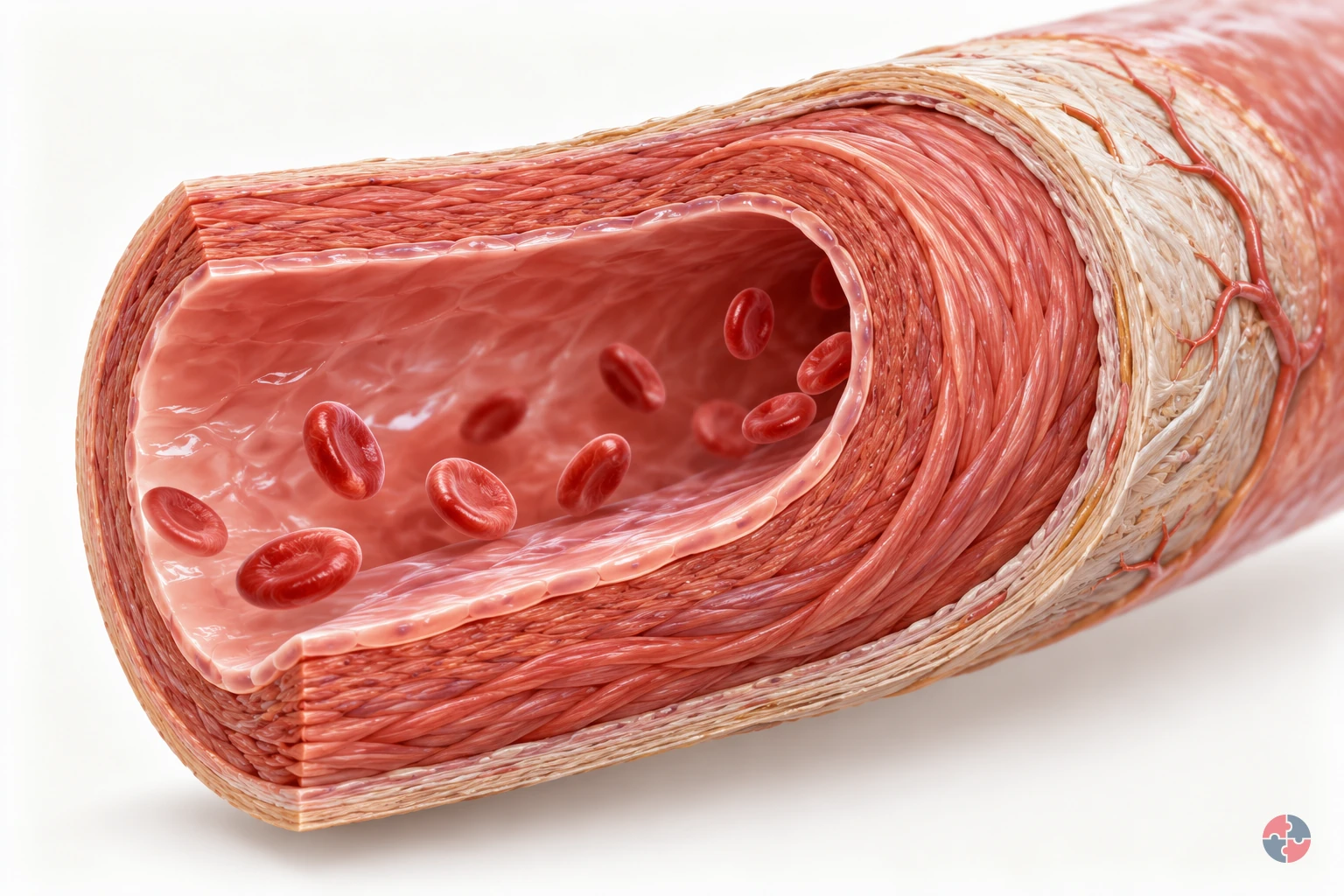

What do blood pressure numbers mean, and how can persistent high pressure affect the heart and organs?
Interactive anatomy · Blood pressure and possible long-term effects · Updated 2026-10-23
Read all anatomy and process explanations without the viewer
Fixed adult educational content; no user readings, health profiles or medication information. Diagnosis, personalised treatment targets or medication changes Pressure inferred from pulse, anxiety, smartwatch or device measurements Personal cardiovascular risk or time-to-disease calculations Pregnancy, children, frailty and specialist-condition management Reassurance from one reading or symptoms being absent The model does not measure blood pressure or generate a physiological waveform.
Systolic pressure
The first, higher number is pressure when the heart pumps. In the fixed 120/80 mmHg teaching example, 120 is systolic. This example is not a personal treatment target. NHS: Blood pressure test
Diastolic pressure
The second, lower number is pressure between heartbeats. In the fixed example, 80 mmHg is diastolic: pressure during relaxation between beats. NHS: Blood pressure test
Artery wall
Arterial walls normally stretch as pressure changes. The artery wall surrounds the lumen, the space carrying blood. It accommodates the pressure associated with circulation, and its structure is different from a deposit inside a vessel. The enlarged layers help locate the wall but do not measure its thickness or stiffness. Compare this label with the lumen before reading the pressure-phase explanation. Wye Valley NHS Trust: High blood pressure — cardiac rehabilitation
Vessel lumen
The inside space carries blood. Pressure acts against the surrounding wall. A lumen is not the same structure as a wall deposit or surrounding tissue. Wye Valley NHS Trust: High blood pressure — cardiac rehabilitation · Manchester University NHS Foundation Trust: Blood Vessels
Heart
Persistently raised pressure makes the heart work harder. Heart muscle may thicken or become less efficient over time. This is a possible effect, not an inevitable sequence after one high reading. University Hospitals of Leicester NHS Trust: Hypertension (high blood pressure) · St George’s University Hospitals NHS Foundation Trust: Heart health and cancer treatment — high blood pressure context
Brain circulation
High pressure can increase stroke risk. The map highlights the brain’s blood supply, not a predicted stroke or an individual diagnosis. NHS: High blood pressure
Kidney vessels
High pressure and kidney problems can affect each other. Pressure can strain small kidney vessels. Kidney disease can also raise pressure through fluid and hormonal effects. NHS: Chronic kidney disease · NHS MyHealth London: Kidney Health
Eye circulation
Vessels in the eyes can be affected. The eye card explains a possible effect of persistent high pressure. Selecting it does not imply that the learner has retinal damage. NHS: High blood pressure · University Hospitals of Leicester NHS Trust: Hypertension (high blood pressure)
Cuff measurement
A properly performed check measures blood pressure. A real cuff is used to obtain a blood-pressure reading; this illustrated cuff only displays a fixed teaching example. It receives no device data and cannot tell how the learner’s pressure changes. Feeling well does not reliably establish that pressure is normal. Use the display to understand the two-number format, keeping personal assessment separate. NHS: Blood pressure test · NHS: High blood pressure
Repeated readings
Further readings are normally needed to establish the pattern. A clinician may arrange home, repeated clinic or ambulatory monitoring. Do not diagnose or dismiss a raised value from this animation. NHS: Blood pressure test · NHS: High blood pressure · NHS MyHealth Devon: Hypertension — measurement context and repeat assessment
Open the complete process transcript
The process, step by step
Locate wall and lumen
Start with the artery’s wall and the lumen, the open space inside it that carries blood. Pressure acts against the surrounding wall; the wall and the moving blood are not the same structure. Compare the two labels before moving to the beat-phase example. This enlarged cutaway helps locate the parts being discussed, but its thickness and shape are illustrative. It does not measure stiffness, narrowing or a person’s blood pressure. Following the labels first gives the later pressure numbers a physical context instead of presenting them as unrelated figures. Wye Valley NHS Trust: High blood pressure — cardiac rehabilitation · Manchester University NHS Foundation Trust: Blood Vessels
What to watch: Find the open lumen inside the artery and the surrounding wall, checking the boundary between the two labelled regions.
Why it matters: Blood pressure describes pressure against vessel walls. Locating the wall and lumen helps keep a pressure reading distinct from a picture of narrowing, wall thickness or a deposit inside a vessel.
Explore this step: Select the wall and lumen in turn and describe the different structure identified by each label.
Pressure during pumping
Select the systolic label and relate it to the heart’s pumping phase. Systolic pressure is the higher number in a blood-pressure reading. In this fixed teaching example it is 120 mmHg. The number belongs to the example, rather than being measured from the learner or calculated by the illustration. Read it together with the phase label, then compare it with the between-beats step. The purpose is to connect a familiar written number with the phase it describes, not to set a personal treatment target or interpret an individual result. NHS: Blood pressure test
What to watch: Locate the systolic label and the higher number in the fixed display, relating both to the pumping phase described beside them.
Why it matters: A blood-pressure result describes more than one phase of the heartbeat. Identifying the systolic phase helps the learner understand what the first number represents without using this illustration to judge their own pressure.
Explore this step: Read the systolic label aloud with its unit, then explain which phase of the heartbeat it describes.
Pressure between beats
Now select diastolic pressure and compare it with the pumping phase. Diastolic is the lower number, describing pressure while the heart relaxes between beats. The fixed example shows 80 mmHg. Relaxation between beats is part of the repeating cycle; it does not mean the pressure reading is zero or that the circulation has stopped. Keep the two phase labels in view as you compare them. The illustration provides a way to understand the terms and their order, without measuring a person, setting a target or offering a diagnosis. NHS: Blood pressure test
What to watch: Locate the diastolic label and the lower number, then compare it with the systolic label from the previous step.
Why it matters: The lower number describes a different phase from the higher number. Understanding both prevents “between beats” being mistaken for no pressure and keeps the two-number reading connected to the heartbeat cycle.
Explore this step: Compare both labels and explain why the second number describes a different phase from the first.
Read two numbers
Bring the two labels together in the illustrated cuff display: systolic first and diastolic second, both expressed in millimetres of mercury, written mmHg. The fixed reading is 120/80 mmHg. The slash separates the two pressure values; it is not a division exercise. Follow each number back to its phase label so the display has meaning. This cuff illustration receives no device data and takes no reading. It teaches how a result is written, while interpretation and any personal follow-up remain outside the model. NHS: Blood pressure test
What to watch: Compare the first and second numbers on the illustrated cuff display with their systolic and diastolic labels and the shared unit.
Why it matters: Reading both numbers with the unit preserves their meaning. It avoids treating one isolated number, an illustrated cuff or the appearance of the model as a complete assessment of someone’s blood pressure.
Explore this step: Point to each number, name its phase and read the complete example with the unit mmHg.
Understand context and follow-up
Blood pressure varies, so a reading needs context rather than being judged from this single fixed illustration. A healthcare professional may arrange repeated measurements or monitoring outside the clinic to understand the pattern. Select the repeated-readings label and compare it with the one example shown on the display. The model does not record a diary, analyse a trend or decide which follow-up a person needs. Its role is to explain why a measurement and an interpretation are different things, while the existing professional follow-up guidance remains the next point of reference. NHS: Blood pressure test · NHS: High blood pressure · NHS MyHealth Devon: Hypertension — measurement context and repeat assessment
What to watch: Locate the repeated-readings label and compare it with the single fixed cuff example, noticing the different questions they address.
Why it matters: A fixed teaching example cannot establish a person’s usual pressure. Considering context and follow-up keeps the learning activity separate from diagnosis and avoids either dismissing or diagnosing a raised result from the model.
Explore this step: Explain the difference between recognising the two-number format and assessing a person’s pattern of readings.
Explore possible longer-term effects
Open the organ map and explore the heart, brain, kidney and eye labels one at a time. Persistent high pressure can place strain on vessels and organs and increase the risk of serious health problems. The cards identify possible longer-term effects; they are not inevitable stages after one high reading. Compare each card with the artery-wall view to connect the wider subject with the structure introduced at the start. The model cannot show whether damage is present in any person, and completing the map is not a screening test. NHS: High blood pressure · NHS: Chronic kidney disease · University Hospitals of Leicester NHS Trust: Hypertension (high blood pressure)
What to watch: Select the heart, brain, kidney and eye cards separately, then compare their explanations with the artery-wall label.
Why it matters: The importance of a pressure check is not limited to the number itself. The map explains possible consequences without implying that every organ is affected, that symptoms must be present or that the model can diagnose damage.
Explore this step: Choose two organ cards and explain why the map describes possibilities rather than a diagnosis or inevitable sequence.
Read the practice situations and all answer explanations
Sources and how the model is made
The opening images are AI-generated anatomical illustrations. The interactive 3D models and labelled SVG diagrams use original procedural artwork. These teaching images are not medical scans or diagnostic tools. Source references support the learner explanations and do not grant artwork rights.
- NHS: Blood pressure test — Reviewed November 2025: systolic/diastolic meanings, mmHg, cuff checks, repeat readings, clinic/home context. No personalised target or measurement input.
- NHS: High blood pressure — Often no symptoms, professional follow-up, affected organs, emergency chest symptoms and general care/prevention.
- Wye Valley NHS Trust: High blood pressure — cardiac rehabilitation — Normal arterial stretch and possible stiffness/narrowing with persistent high pressure. Replaces a non-NHS vessel-mechanism link.
- NHS MyHealth Devon: Hypertension — measurement context and repeat assessment — Narrow use for clinic versus home/daytime-average confirmation and variation. Some other treatment/alcohol/severe-threshold text is older and is explicitly not reused; current national NHS sources control advice.
- NHS: Chronic kidney disease — High pressure can strain small kidney vessels and contribute to kidney disease. No staging or treatment simulation.
- University Hospitals of Leicester NHS Trust: Hypertension (high blood pressure) — Long-term pressure load and possible heart, kidney, brain and sight effects; qualitative ventricular hypertrophy context only.
- St George’s University Hospitals NHS Foundation Trust: Heart health and cancer treatment — high blood pressure context — Narrow normal-pressure mechanism point: high blood pressure can cause heart muscle stiffening or thickening over time. No oncology/arrhythmia treatment advice transferred.
- NHS MyHealth London: Kidney Health — Kidney/pressure effects can be bidirectional through fluid and hormonal function. No personal medication or diet recommendation.
- NHS South East Clinical Senate: Blood pressure — Clinical Senate background information — Indexed primary document supports systolic and/or diastolic threshold logic. Direct PDF retrieval failed; recheck at clinical sign-off. No treatment protocol copied.
- Manchester University NHS Foundation Trust: Blood Vessels — Basic vessel structure and lumen/flow context, not pressure diagnosis.
Who owns each part of workplace health screening?
Screening needs clear roles so support is useful without exposing unnecessary health information.
Workers should understand whether a check is voluntary, risk-driven or connected to fitness for a specific task. Managers should understand the work decision they are making and should not try to interpret medical information. Occupational health or clinical providers should manage health data and interpretation. The employer’s health and safety lead/adviser, HR and data-protection leads should assure fairness and privacy.
This role clarity is especially important where screening overlaps with safety-critical work, night work, hazardous-substance exposure, return to work or reasonable adjustments.
| Role | Main responsibility | Evidence |
|---|---|---|
| Worker | Understand the purpose, choice where applicable, privacy information and how to ask about results or work needs. | Information received, agreed work action and safe contact route; no forced clinical disclosure. |
| Manager / operating owner | Control work risk, implement necessary restrictions and adjustments, and review completion. | Task restriction, action owner and review date; no informal test-results file. |
| OH / clinical provider | Interpret results, maintain medical confidence and give proportionate functional advice. | Clinical record held by provider; limited employer report through the agreed lawful/confidentiality route. |
| Employer health and safety lead / HR | Assure exposure controls, scheme scope, fair employment decisions and action closure. | Risk/scheme review and restricted work-outcome records. |
| Data-protection lead and relevant controller | Confirm data purposes, roles, lawful basis, special-category condition, access, retention and worker rights. | Data-flow/controller record, privacy information, sharing agreement and access/retention controls. |
When should workplace health screening escalate?
Escalate when results or concerns affect safety-critical work, statutory surveillance, reasonable adjustments, privacy risk or medical urgency.
Escalation should be respectful and proportionate. A manager may need to remove a worker temporarily from safety-critical work if there is credible risk, but they should not diagnose. The next step is competent advice and fair process.
If screening reveals a possible urgent health issue, the route should be clinical signposting or emergency help, not workplace interpretation.
Worker raises safety-critical health concern. Immediate action: Review task privately and seek competent advice; Boundary: Do not ask for unnecessary diagnosis detail.
Work exposure may require surveillance. Immediate action: Review risk assessment and OH route; Boundary: Do not substitute wellbeing screening.
Manager wants health results. Immediate action: Check lawful purpose and data minimisation; Boundary: Use functional advice only.
Adjustment need emerges. Immediate action: Use HR/OH and review reasonable adjustments; Boundary: Avoid assumptions or stereotypes.
Data breach or inappropriate record. Immediate action: Escalate to data protection route; Boundary: Protect confidentiality.
Where does workplace health screening fail?
It fails when organisations collect health data without purpose, confuse screening with surveillance or let managers access unnecessary medical details.
Poor screening can damage trust quickly. Public weigh-ins, team health rankings, manager access to results, mandatory lifestyle checks or vague promises of confidentiality can make workers feel judged rather than supported.
Another failure is legal confusion. If exposure requires health surveillance, a general wellbeing check does not meet that duty. If the activity is voluntary wellbeing support, it should not become an informal capability process.
Purpose unclear. How it develops: Data collected because it seems useful; What good looks like: Define purpose, action and lawful basis.
Manager sees medical results. How it develops: Confidentiality is weakened; What good looks like: Use OH-held data and functional advice.
Screening replaces surveillance. How it develops: Exposure controls are not reviewed; What good looks like: Use risk-driven health surveillance where required.
Participation pressured. How it develops: Trust and consent are undermined; What good looks like: Keep wellbeing checks voluntary.
Discriminatory assumptions. How it develops: Results used unfairly; What good looks like: Use fair process and reasonable adjustments.
No action route. How it develops: Results produce worry but no support; What good looks like: Provide signposting and escalation.
What evidence shows workplace health screening is handled responsibly?
Evidence should show clear purpose, privacy control, competent advice, worker information and appropriate follow-up.
Good evidence includes a screening rationale, privacy notice, provider competence, consent approach, data flow map, aggregate reporting rules, worker information, signposting, OH referral routes, adjustment records and review of campaign effectiveness.
For health surveillance, evidence should connect back to the risk assessment and exposure controls. Surveillance is an assurance layer, not a substitute for preventing harm.
Purpose statement. What it should show: Why the check exists and what action follows; Assurance question: Is the purpose specific and necessary?.
Privacy notice. What it should show: Who sees what data and how long it is kept; Assurance question: Is health data minimised?.
Consent/participation route. What it should show: Voluntary checks are genuinely voluntary; Assurance question: Can workers decline without penalty?.
Provider competence. What it should show: Clinical or OH advice is competent; Assurance question: Who interprets results?.
Referral/signposting. What it should show: Workers know where to get help; Assurance question: Is support credible?.
Surveillance link. What it should show: Risk-driven checks connect to exposure controls; Assurance question: Do results trigger control review?.
How should health screening be assured?
Assurance should test purpose, privacy, fairness, competence and whether results lead to appropriate support or control review.
Assurance should involve HR, HSE, occupational health and data protection input where the screening touches health information. Managers should not create local spreadsheets of health results or informal capability notes.
A useful assurance question is: if a worker asked why this health information was collected and who saw it, could the organisation answer clearly?
Programme owner. What to check: Purpose, voluntary nature and signposting; What good looks like: Workers understand the check.
OH/clinical. What to check: Competence and interpretation; What good looks like: Medical detail stays confidential.
HR and the employer’s health and safety lead/adviser. What to check: Work impact, adjustments and surveillance links; What good looks like: Decisions are fair and evidence based.
Data protection. What to check: Lawful basis, minimisation, retention and access; What good looks like: No unnecessary health data held locally.
Leadership. What to check: Campaign outcomes and trust; What good looks like: Support improves without intrusion.
Sample the privacy boundary as well as completion
Check the actual employer/provider data flow, role allocation, restricted work-outcome record, clinical-record separation and lawful retention. Verify that workers know the referral and report-access route and that managers receive only necessary work advice; participation totals do not demonstrate lawful processing.
Which GB and NI duties govern the different health-check routes?
Start with the purpose and exposure: voluntary wellbeing screening does not discharge exposure-linked surveillance duties. Night-worker and fitness decisions require their own analysis; health data needs a documented lawful basis and special-category condition.
The legislation links are decision points, not a universal instruction to test every worker. Use the applicable current instrument and obtain competent clinical and data-protection advice for the programme.
| Decision | Great Britain | Northern Ireland |
|---|---|---|
| General workplace health risk | HSWA 1974 and Management Regulations 1999 See Health and Safety at Work etc. Act 1974; Management of Health and Safety at Work Regulations 1999. | HSW (NI) Order 1978 and Management Regulations (NI) 2000 See Health and Safety at Work (Northern Ireland) Order 1978; Management of Health and Safety at Work Regulations (Northern Ireland) 2000. |
| Hazardous-substance surveillance | COSHH 2002 when the specified risk and conditions apply See Control of Substances Hazardous to Health Regulations 2002. | COSHH (NI) 2003 when the specified risk and conditions apply See Control of Substances Hazardous to Health Regulations (Northern Ireland) 2003. |
| Night-worker assessment | Working Time Regulations 1998: offer a free assessment before assignment and at appropriate intervals; worker may decline See Working Time Regulations 1998. | Working Time Regulations (NI) 2016: offer a free assessment before assignment and at appropriate intervals; worker may decline See Working Time Regulations (Northern Ireland) 2016; HSENI Working Time Directive guidance. |
| Fairness and health information | Equality Act 2010, UK GDPR and Data Protection Act 2018 as applicable See Equality Act 2010. | Disability Discrimination Act 1995 as modified for NI; UK GDPR and Data Protection Act 2018 as applicable See Disability Discrimination Act 1995; |
How should management arrangements be checked?
Assign responsibility, assess the actual risk, implement controls, monitor whether they work and review after change or failure.
HSE’s Plan, Do, Check, Act guidance supports management review. It does not replace topic-specific law, technical assessment or competent sign-off.
How do the controls change with the setting?
The same risk mechanism can appear in different tasks, but the route, equipment, people and competent owner change. Choose controls for the actual workplace and test them across shifts, contractors and non-routine work.
A generic checklist is a prompt, not evidence that the control works. Reassess after task, layout, vehicle, tool, staffing or work-pattern change.
| Setting | Credible risk | Specific control |
|---|---|---|
| Manufacturing with sensitiser | Occupational asthma risk | Assess exposure and surveillance trigger; control source. |
| Wet-work service | Dermatitis risk | Review wet-work controls and skin surveillance route. |
| Night work | Health suitability concern | Offer assessment under applicable working-time rules. |
| Office wellbeing event | Voluntary blood-pressure offer | Private opt-in result and public-health signposting only. |
What must each health-screening role demonstrate?
Each role should show that it can separate optional screening from exposure-led health surveillance and act only within its work, clinical or privacy authority.
A worker should know the purpose of an offer and where to raise a concern. A manager should identify the hazardous task, control failure and referral point without interpreting a test result. A competent occupational-health professional should decide the surveillance scheme and clinical interpretation where required; the safety owner should act on any work-control signal. The privacy owner should set access to health records. Test these boundaries with a realistic exposure and an optional wellbeing offer before granting role access.
What training needs competent approval?
Train and assess the decisions a role actually makes: recognition of an exposure, referral, clinical interpretation, restricted records and control review.
For managers, use a scenario in which a screening offer and a COSHH-triggered surveillance need occur together: they should keep the two routes separate, preserve the worker’s safe task and refer the scheme to occupational health. Clinical staff need an assessed protocol for the actual hazard and test; privacy staff need to approve access and retention arrangements. Keep the assessed scope, assessor and review trigger, and repeat the check after a new hazard, test, provider or role change. A generic awareness briefing is not clinical authorisation.
What does a practical example look like?

A voluntary wellbeing offer and work-exposure surveillance require separate purpose, privacy and control decisions.
Screening programme: evidence and follow-up


Read the complete visual as text
- 1. STATE THE PURPOSE: Programme owner distinguishes optional check from surveillance, night assessment and fitness; choose actual GB/NI route before inviting workers.
- 2. APPOINT COMPETENT OWNER: Confirm provider competence, result communication and clinical follow-up capacity. Avoid a test with no credible action or accepted follow-up.
- 3. EXPLAIN CHOICE AND DATA: Give accessible information and fair shift access; privacy owner settles necessary collection, lawful grounds, access and reporting before launch.
- 4. HANDLE FINDINGS PRIVATELY: Clinician interprets results. Manager receives only necessary functional/work actions; protect small groups and do not diagnose from a wellness reading.
- 5. VERIFY AND LEARN: Confirm accepted referral/action owner and review exposure controls, access, harms and necessary aggregate findings. Hold unresolved governance or clinical gaps.
Decision. BuildOut Ltd uses an isocyanate coating and also offers an optional blood-pressure awareness event. Its safety lead treats these as separate decisions: a task risk assessment and competent occupational-health advice determine the exposure-linked surveillance programme, while the awareness event is an opt-in wellbeing offer with private results.
Field check. Before the coating task, the supervisor verifies exposure controls and knows the stop route for failed ventilation. The clinician interprets surveillance results and tells management only the work-relevant outcome and any control-review signal. A normal blood-pressure reading is never used as evidence that the coating exposure is safe.
Evidence and review. BuildOut retains the task assessment, worker information, provider agreement, restricted data-flow map, ventilation checks, anonymised trend action and review date. A worker can decline the optional campaign; any night-worker health assessment is offered under the applicable working-time route.
What do the acronyms and key terms mean?
Acronyms should be understood before they are used in assessments, briefings, audits or learning answers.
Acronyms can exclude newer readers if they are not explained. This section keeps the main terms available at the end of the page so the article stays readable while still supporting learners and audit users.
| Term | Meaning | Boundary |
|---|---|---|
| ACOP | Approved Code of Practice | Practical guidance with special legal status; following it is not compulsory, but it can be used as evidence of compliance. |
| ALARP | As Low As Reasonably Practicable | A risk reduction principle used especially in higher-hazard decisions. |
| HSE | Health and Safety Executive | Great Britain workplace health and safety regulator. |
| HSWA | Health and Safety at Work etc. Act 1974 | Great Britain Act; Northern Ireland uses the 1978 Order. |
| MHSWR | Management of Health and Safety at Work Regulations 1999 | Great Britain instrument; Northern Ireland has separate 2000 Regulations. |
| BM | Biological Monitoring | Measurement of a substance or marker in the body to assess exposure or uptake. |
| GP | General Practitioner | Doctor providing primary medical care. |
| OH | Occupational Health | Competent work-health advice route. |
| UK GDPR | UK General Data Protection Regulation | UK data protection law controlling personal data use, including health information. |
| Health surveillance | Risk-driven checks to detect early work-related harm. | Separate from a general wellbeing campaign. |
| Biological monitoring | Measurement of a substance or marker in the body. | Needs competent interpretation and exposure action. |
| ERICPD | Eliminate, Reduce including substitution, Isolate, Control, personal protective equipment, Discipline. | A SHARE decision prompt; sustain effective controls and learning. |
| PPE | Personal protective equipment. | Use for assessed residual exposure; it does not replace stronger feasible controls. |
Unlock another resource
You have used this month’s two free downloads. Publish a post in your own words to unlock one more resource, or choose SHARE Individual for 10 downloads per month.
You decide whether to share. If you do, use the relevant platform disclosure tools and do not make claims you do not genuinely hold.