SHARE Knowledge Hub
Pharmaceutical Agent Diseases and Workplace Exposure
Pharmaceutical agent diseases and workplace exposure can arise where workers handle active pharmaceutical ingredients, hazardous medicines, cytotoxic or antineoplastic drugs, antibiotics, hormones, anaesthetic gases, powdered products, contaminated surfaces, sharps, patient excreta, cleaning waste or manufacturing residues. Risk can occur in pharmaceutical manufacturing, compounding, pharmacy, healthcare, veterinary work, laboratories, waste handling and maintenance. Good management means Control of Substances Hazardous to Health (COSHH) assessment, substitution or closed systems where possible, isolators or local exhaust ventilation (LEV), safe transfer, sharps control, hygiene, personal protective equipment (PPE) and respiratory protective equipment (RPE), spill response, health surveillance where indicated, exposure records and strict privacy boundaries.
Understanding Pharmaceutical Agent Diseases and Workplace Exposure
Pharmaceutical agent diseases and workplace exposure can arise where workers handle active pharmaceutical ingredients, hazardous medicines, cytotoxic or antineoplastic drugs, antibiotics, hormones, anaesthetic gases, powdered products, contaminated surfaces, sharps, patient excreta, cleaning waste or manufacturing residues. Risk can occur in pharmaceutical manufacturing, compounding, pharmacy, healthcare, veterinary work, laboratories, waste handling and maintenance. Good management means Control of Substances Hazardous to Health (COSHH) assessment, substitution or closed systems where possible, isolators or local exhaust ventilation (LEV), safe transfer, sharps control, hygiene, personal protective equipment (PPE) and respiratory protective equipment (RPE), spill response, health surveillance where indicated, exposure records and strict privacy boundaries.
Why this matters at work
A needle or broken ampoule can cause both physical injury and exposure to a pharmacologically active agent. Stop work, follow local immediate first-aid and clinical advice, and identify exactly what the device contained. Do not treat a cytotoxic needle injury as only a bloodborne-virus event or assume a small puncture means a trivial drug dose. Protect helpers from the contaminated sharp and secure it for investigation without unsafe handling.
Protect and treat exposed people first. Record drug, amount, form, route, who was nearby, containment failure, symptoms, first aid, clinical opinion and the reporting decision. Revisit the decision if a clinician later confirms a reportable disease or facts change. Do not assert that every positive surface wipe is a dangerous occurrence, or that absence of immediate symptoms closes the case. Correct causes and verify barriers before work resumes.
How organisations manage this in practice
A worker with suspected drug exposure may need clinical assessment, occupational-health review and a temporary task adjustment. Managers should receive the functional work advice necessary to control risk, not full clinical details. Health surveillance results belong in the appropriate confidential system, while COSHH assessments, monitoring and control actions sit in workplace records. Do not use a normal test result alone to return someone to an unrepaired process.
Air sampling, surface wipes, equipment tests and biological monitoring measure different things. A low airborne result does not rule out skin transfer; a clean surface does not prove a brief aerosol peak was controlled. Interpret results with detection limits and sampling context.
Review the agent, event, co-exposures and task before resuming. Discuss safe duties, follow-up and a route for new symptoms. Where respiratory sensitisation is suspected, avoid further exposure pending competent advice; where a pregnancy-related risk is present, review the individual arrangement privately. Check co-workers doing the same task and address the shared hazard. A fit-to-work note cannot substitute for a functioning isolator, extraction system or spill response.
What is the workplace boundary?
Workplace exposure-control guidance should not become medical advice or medicine-handling clinical instruction.
Pharmaceutical agents are broad. Some are low-risk in normal packaged use; others can be potent respiratory sensitisers, skin sensitisers, reproductive hazards, cytotoxic substances or hazardous powders. The workplace assessment must consider the actual product, formulation, route, quantity, task and controls.
Managers should not diagnose health effects or interpret personal medical results. Where symptoms, pregnancy, fertility concerns, sensitisation or health surveillance arise, occupational health and clinical governance routes should be used with appropriate confidentiality.
| Workplace control focus | Clinical/medical boundary | Escalate when |
|---|---|---|
| Containment, hygiene, PPE, training, waste and spill response. | Diagnosis, treatment, medication advice and personal health interpretation. | Symptoms, pregnancy/reproductive concern, needlestick, spill exposure or surveillance trigger. |
| Functional restrictions and work adjustments. | Detailed medical records held by line managers. | Work capability or safety-critical work needs OH advice. |
What are pharmaceutical agent diseases and exposure risks?
Pharmaceutical agent risks arise when medicines or active ingredients affect workers who manufacture, prepare, administer, clean, maintain or dispose of them.
A finished tablet in a blister pack is not the same exposure as a powdered active pharmaceutical ingredient in a weighing booth, a cytotoxic drug being prepared in an isolator, an antibiotic powder during manufacturing, a hormone product during compounding, an anaesthetic gas leak or contaminated patient waste after chemotherapy. Each scenario has different routes and controls.
The most important learning point is that therapeutic benefit for patients does not mean safe occupational exposure for workers. A medicine intended for a patient at a controlled dose can still harm a worker if inhaled, absorbed through skin, injected, splashed into eyes or repeatedly contacted as contamination.
| Agent or setting | Exposure concern | Control focus |
|---|---|---|
| Cytotoxic/antineoplastic medicines | Potential serious health effects and contamination during preparation, administration and waste. | Closed systems, isolators, PPE, spill control and waste route. |
| Active pharmaceutical ingredients | Powders, dusts or potent compounds in manufacture or compounding. | Containment, LEV, occupational hygiene and cleaning controls. |
| Antibiotics such as penicillins | Sensitisation, asthma or skin reactions in susceptible workers. | Segregation, containment, hygiene and health surveillance where indicated. |
| Hormones or steroids | Potential reproductive or endocrine concerns depending on agent. | Strict containment, task restriction review and OH advice for vulnerable workers. |
| Anaesthetic gases | Leakage, scavenging failure or poor ventilation. | Engineering control, maintenance and exposure monitoring. |
| Patient excreta/contaminated waste | Residues after hazardous medicines and contaminated sharps/waste. | Waste segregation, PPE, hygiene and training. |
How can the hierarchy of controls reduce exposure to hazardous pharmaceutical agents?
Consider a clinic reconstituting a cytotoxic medicine. Drug residue on a vial, aerosol during transfer, a contaminated keyboard and a waste bag can expose pharmacy staff, nurses and cleaners by skin contact, inhalation, ingestion or sharps injury. The medicine, dosage form and clinical protocol must be identified before selecting controls. HSE’s five levels are elimination, substitution, engineering, administrative control and PPE; ERICPD adds Reduce, Isolate and Discipline to the same decision sequence.
Eliminate or redesign the handling step: pharmacy and clinical governance ask whether a suitable ready-to-administer dose can be supplied, avoiding on-site reconstitution. Do not change a patient’s prescribed therapy solely to simplify occupational control. Document clinical suitability and supply reliability; if the prefilled route is unavailable, retain a properly controlled preparation process.
Substitute and reduce: where clinically equivalent presentation or packaging exists, select the form that requires fewer open manipulations and smaller quantities at the workplace. Procurement checks compatibility, stability and product instructions with pharmacy. A different active drug is not a generic substitute. The choice is reviewed when formulations or supply change.
Isolate and engineer: authorised pharmacy staff use the suitable tested isolator or containment system and controlled transfer route; facilities maintain airflow, seals and service records. Check enclosure integrity, alarms and the clean/dirty workflow before use, and use surface wipe monitoring where it helps verify containment. A failed test, damaged glove port or unexplained residue holds preparation until the cause is corrected.
Control, PPE and Discipline: restrict access, label the waste route, brief cleaners, specify spill action and prevent contaminated gloves touching shared surfaces. Select drug-appropriate tested gloves, gown and eye protection for the task and change them at the defined point; PPE supplements containment and must be maintained. The pharmacy lead reviews incidents, wipe results and training observations. A spill outside containment triggers isolation of the area, trained cleanup and a documented restart decision.
Direct source: HSE - Safe handling of cytotoxic drugs
Direct source: HSE - Cytotoxic drug isolators MS37
Direct source: HSE - Cytotoxic drug testing and monitoring
Direct source: HSE - Hierarchy of controls
How can the ERICPD hierarchy of controls reduce exposure to hazardous pharmaceutical agents?

| ERICPD control level | Topic-specific example | Source and full task context |
|---|---|---|
| Eliminate | Avoid an unnecessary exposed preparation/handling step where service and clinical needs permit. | Read the full task example, checks and stop points on this page. cytotoxic medicine · tested isolator · HSE - Cytotoxic drug testing and monitoring · HSE - Hierarchy of controls |
| Reduce | Assess a suitable safer presentation or process; do not change prescribed treatment merely for occupational convenience. | Read the full task example, checks and stop points on this page. cytotoxic medicine · tested isolator · HSE - Cytotoxic drug testing and monitoring · HSE - Hierarchy of controls |
| Isolate | Use task-appropriate isolators/enclosure, verified airflow and contained transfer to prevent release. | Read the full task example, checks and stop points on this page. cytotoxic medicine · tested isolator · HSE - Cytotoxic drug testing and monitoring · HSE - Hierarchy of controls |
| Control | Control access, procedures, spill rules, waste labels and handovers, including cleaner and maintenance briefing. | Read the full task example, checks and stop points on this page. cytotoxic medicine · tested isolator · HSE - Cytotoxic drug testing and monitoring · HSE - Hierarchy of controls |
| PPE | Select drug/task-appropriate gloves, gown and eye protection; check compatibility and safe removal. | Read the full task example, checks and stop points on this page. cytotoxic medicine · tested isolator · HSE - Cytotoxic drug testing and monitoring · HSE - Hierarchy of controls |
| Discipline | Supervise critical steps and verify containment, contamination trends and corrective close-out. | Read the full task example, checks and stop points on this page. cytotoxic medicine · tested isolator · HSE - Cytotoxic drug testing and monitoring · HSE - Hierarchy of controls |
How can the ISO 45001 hierarchy of controls reduce exposure to hazardous pharmaceutical agents?

| ESEAP control level | Topic-specific example | Source and full task context |
|---|---|---|
| Elimination | Avoid an unnecessary exposed preparation/handling step where service and clinical needs permit. | Read the full task example, checks and stop points on this page. cytotoxic medicine · tested isolator · HSE - Cytotoxic drug testing and monitoring · HSE - Hierarchy of controls |
| Substitution | Assess a suitable safer presentation or process; do not change prescribed treatment merely for occupational convenience. | Read the full task example, checks and stop points on this page. cytotoxic medicine · tested isolator · HSE - Cytotoxic drug testing and monitoring · HSE - Hierarchy of controls |
| Engineering controls | Use task-appropriate isolators/enclosure, verified airflow and contained transfer to prevent release. | Read the full task example, checks and stop points on this page. cytotoxic medicine · tested isolator · HSE - Cytotoxic drug testing and monitoring · HSE - Hierarchy of controls |
| Administrative controls | Control access, procedures, spill rules, waste labels and handovers, including cleaner and maintenance briefing. | Read the full task example, checks and stop points on this page. cytotoxic medicine · tested isolator · HSE - Cytotoxic drug testing and monitoring · HSE - Hierarchy of controls |
| PPE | Select drug/task-appropriate gloves, gown and eye protection; check compatibility and safe removal. | Read the full task example, checks and stop points on this page. cytotoxic medicine · tested isolator · HSE - Cytotoxic drug testing and monitoring · HSE - Hierarchy of controls |
Which pharmaceutical exposure settings need different controls?
Specialist segmentation stops the assessment from treating a hospital ward, aseptic unit, manufacturing suite, laboratory and waste route as if they were the same workplace.
Pharmaceutical exposure control depends on potency, formulation, task and who else may be affected. A closed cytotoxic preparation task, a powder weighing operation, an antibiotic production line, a hormone compounding task, a cleaning job after a spill and a sharps/waste collection route all need different controls, competence and evidence.
Reproductive risk and privacy need careful handling. Where a product may affect pregnancy, fertility or reproductive health, the employer should control exposure for everyone as far as reasonably practicable and use confidential occupational health advice for individual restrictions or adjustments. Managers should not ask intrusive reproductive health questions or hold detailed medical information in local files.
Cytotoxic drugs; Skin contact, inhalation of aerosols/particles, ingestion from contamination, needlestick, patient excreta and waste.; Use closed systems/isolators where reasonably practicable, safe administration, spill response, surface monitoring and confidential OH advice where needed..
Hormones and reproductive-risk agents; Powder, liquid, skin contact, contaminated surfaces and compounding tasks.; Containment, segregation, task restriction review, privacy-led OH input and avoid manager access to diagnosis detail..
Antibiotics and sensitisers; Inhaled powders, skin contact and contaminated workwear/surfaces.; Segregation, LEV/containment, hygiene, health surveillance where indicated and early symptom reporting..
Powders and aerosols; Weighing, milling, dispensing, cleaning, spills and compressed-air misuse.; Weighing booths/LEV, closed transfer, dust-free cleaning, RPE only as backup and occupational hygiene monitoring..
Cleaning and decontamination agents; Disinfectants, residues, spill products, wet work and incompatible chemical mixing.; COSHH review, compatible gloves, ventilation, no unauthorised mixing and trained cleaning methods..
Compounding, dispensing, manufacturing and laboratory handling; API release, vial contamination, weighing, transfer, analysis and maintenance exposure.; Authorised procedures, containment validation, clean/dirty workflows, maintenance clearance and competence records..
Contaminated waste and sharps; Sharps injury, contaminated PPE, patient excreta, bins, laundry and transport.; Sharps control, labelled waste streams, trained handlers, spill kits, incident response and healthcare waste procedure..
Choose the evidence route before the control. The healthcare cytotoxic-handling page excludes manufacturers; potent active-ingredient manufacture instead needs the applicable COSHH assessment and competent substance/process containment design. HSE COSHH L5: assessment and exposure control and HSE COSHH control approach 4: specialist advice support that decision. Anaesthetic-gas use has a separate clinical activity and plant arrangement: HSE nitrous oxide in maternity units. A statutory WEL and a documented in-house exposure standard/control band have different authority; absence of a WEL does not imply safety.
How should a cytotoxic handling workflow be controlled?
A cytotoxic workflow must control exposure from receipt through storage, preparation, administration, spill response, sharps, waste and cleaning.
Cytotoxic work is a useful teaching example because exposure can spread across several people and stages: pharmacy staff, nurses, cleaners, waste handlers, couriers, maintenance engineers, veterinary workers and sometimes community or care-home workers. HSE identifies exposure routes including skin contact and absorption, inhalation of aerosols or particles, ingestion and needlestick injury, so the workflow must prevent contamination at each handover point. See HSE safe handling of cytotoxic drugs.
The key learning point is that safe preparation alone is not enough. If the vial exterior, tray, patient-care area, sharps bin, waste bag, spill kit or cleaning cloth becomes contaminated and the next person is not briefed or protected, the control system has failed outside the original task.
| Workflow stage | What can go wrong | Control and evidence |
|---|---|---|
| Receipt | Damaged packs, contaminated outer surfaces or unclear product identification. | Trained receipt check, segregation, damage procedure and inventory record. |
| Storage | Hazardous medicines stored with ordinary stock or without spill/emergency information. | Designated storage, labelling, access control and spill kit availability. |
| Preparation | Aerosol, droplet or surface contamination during reconstitution, transfer or priming. | Isolator/closed system where reasonably practicable, authorised SOP, PPE and surface cleaning record. |
| Administration | Leaking connection, needlestick, contaminated gloves or patient-care surface contamination. | Closed transfer, sharps controls, trays, double-checks, doffing and patient-area cleaning. |
| Spill response | Untrained staff clean a spill or dispose of materials incorrectly. | Spill procedure, trained responders, PPE, waste route and incident record. |
| Contaminated waste | Drug residues, PPE, patient excreta or packaging enter ordinary waste. | Segregated healthcare/hazardous waste, labelled containers and trained handlers. |
| Sharps | Needlestick during administration, clearing or waste handling. | Avoid unnecessary medical sharps where reasonably practicable; use safer sharps where reasonably practicable, sharps bins at point of use and immediate incident response. |
| Cleaning and handback | Cleaners, maintenance workers or contractors handle contaminated surfaces/equipment without knowing. | Clearance status, cleaning method, handover, surface monitoring where used and contractor briefing. |
For work within the healthcare sharps rules, avoid unnecessary medical sharps where reasonably practicable; where required, choose safer sharps where reasonably practicable, with safe disposal, training and immediate injury reporting/urgent clinical assessment. These healthcare duties are not automatically the manufacturing or discarded-sharps legal route. HSE healthcare sharps requirements; NI healthcare sharps regulations 2013
How can pharmaceutical agents enter the body?
Exposure can occur through inhalation, skin contact, eye splash, ingestion, needlestick or secondary contamination.
A vial or tablet can leave residue on gloves, trays, shared surfaces and waste even when no visible spill occurs. Trace the drug from receipt through preparation, administration, cleaning and disposal; include cleaners and maintenance staff when deciding containment and handoff controls.
| Route | How exposure happens | Control focus |
|---|---|---|
| Inhalation | Powders, aerosols, droplets, vapours or anaesthetic gases. | LEV, isolators, closed systems, ventilation and RPE where needed. |
| Skin contact | Contaminated vials, gloves, benches, spills, creams or powders. | Closed transfer, gloves, sleeve protection and cleaning. |
| Eye contact | Splash during preparation, administration or cleaning. | Splash prevention and eye protection. |
| Ingestion | Hand-to-mouth transfer from contaminated gloves, phones, pens or food. | Hand hygiene, no eating/drinking and clean/dirty separation. |
| Needlestick/injection | Sharps injury during administration or waste handling. | Sharps safety, disposal, incident response and medical advice. |
| Secondary contamination | Surfaces, waste, laundry, patient excreta, maintenance equipment or transport. | Decontamination, labels, waste route and contractor briefing. |
Which pharmaceutical workflows need control?
Exposure control should follow the medicine or active ingredient from receipt through disposal and cleaning.
The workflow depends on the sector, but the logic is consistent: identify the hazardous agent, keep it contained, control transfers, prevent contamination spread, clean safely, manage waste and learn from defects. Maintenance and cleaning are often missed because the visible clinical or production task has ended.
Receipt and storage; Is the product identified, segregated and protected from damage?; Inventory, segregation and storage checks..
Weighing/preparation; Can powders or liquids be handled without release?; Isolator/LEV record and method..
Transfer/administration; Are connections, sharps and surfaces controlled?; Closed-transfer, sharps and PPE records..
Patient care or product handling; Could contaminated surfaces, excreta or devices expose workers?; Care/waste procedure and briefing..
Cleaning/decontamination; Is cleaning effective without exposing cleaners?; Cleaning method, PPE and surface check..
Maintenance; Could hidden residues expose engineers or contractors?; Permit, clearance and contamination status..
Waste; Are sharps, medicines, PPE and contaminated materials segregated?; Healthcare or hazardous waste records..
Incident review; Are spills, sharps, symptoms and contamination findings investigated?; Incident log and action close-out..
What health effects may be associated with pharmaceutical agents?
Health effects depend on the agent, dose, route and susceptibility, so assessment must be product-specific.
Some pharmaceutical agents can irritate skin or eyes. Some can sensitise the respiratory system or skin. Some hazardous medicines may have reproductive, mutagenic or carcinogenic concerns. Anaesthetic gases and solvents may create inhalation risks. Needlestick injuries can create exposure to medicines and blood-borne infection risk depending on context.
Workplace guidance should not be used to diagnose illness. The professional response to symptoms is to stop uncontrolled exposure, preserve information about the agent and task, seek occupational health or medical advice where needed, and review the COSHH controls.
| Health concern | Possible work route | Control and escalation |
|---|---|---|
| Respiratory sensitisation/asthma | Inhaled antibiotic, enzyme or potent powder exposure. | Containment, LEV, monitoring and health surveillance where indicated. |
| Dermatitis or skin allergy | Repeated glove/surface/product contamination. | Avoid contact, glove selection, skin care and early reporting. |
| Reproductive or developmental concern | Hazardous medicines, hormones or cytotoxic agents. | Risk assessment, task restriction review and confidential OH advice. |
| Acute irritation or symptoms | Splash, vapour, aerosol, powder or spill exposure. | First aid, medical advice and incident review. |
| Needlestick or injection injury | Administration, sharps disposal or waste handling. | Immediate response, medical advice and sharps investigation. |
| Chronic exposure concern | Repeated low-level contamination, poor cleaning or inadequate containment. | Exposure monitoring, surface checks and control review. |
What containment hierarchy should control pharmaceutical agents?
The best controls prevent release and contamination spread before relying on PPE or worker behaviour.
For hazardous medicines and potent active ingredients, the containment hierarchy should start with product and process design. Closed systems, isolators, negative-pressure arrangements, LEV, safe transfer devices and validated cleaning reduce the chance that workers, cleaners, waste handlers, maintenance engineers or patients' relatives are exposed.
PPE and RPE still matter, but they sit behind stronger controls. If gloves are the only barrier between a cytotoxic residue and a worker, the system is fragile. If cleaning staff are not told that a surface or bin may be contaminated, the risk has escaped the controlled task.
Closed systems; Pre-filled products, closed transfer devices, sealed containers and minimal open handling where feasible.; Product/process review, device specification and user training..
Isolators and safety cabinets; Suitable containment for cytotoxic preparation, potent powders or aseptic/high-hazard tasks.; Commissioning, maintenance, leak/airflow checks and operator competence..
LEV and room control; Weighing booths, extraction, pressure cascades, scavenging or dedicated rooms matched to the agent.; TExT records, pressure/airflow checks and defect close-out..
Safe transfer and administration; Secure connections, trays, sharps controls, spill readiness and clean surface discipline.; SOPs, observation, incident logs and waste records..
Cleaning and decontamination; Validated methods that protect cleaners and prevent residue spread.; Cleaning procedure, surface wipe results where used and cleaner training..
PPE/RPE; Compatible gloves, gowns, sleeves, eye/face protection and RPE selected for the agent and task.; PPE specification, fit testing where needed and doffing training..
Health surveillance and monitoring; Competent assessment of sensitisation or other health risks, with air/surface/biological monitoring where justified.; Confidential OH records, monitoring plan and control-review actions..
Training and supervision; Task-specific training for users, cleaners, waste handlers, engineers and supervisors.; Competence matrix, observation checks and refresher triggers..
Different task, different proof. For potent active-pharmaceutical-ingredient (API) powder weighing, the hygienist and engineering owner select containment and a relevant exposure standard/control band, verify capture/containment before release and stop weighing if performance fails. Absence of a statutory WEL is not evidence of safety. A surface-wipe trend records marker drug, sampled area, timing and comparable method; it is not a universal safe surface limit. Thorough examination and test (TExT) is distinct from a pre-use check. Healthcare cytotoxic handling guidance has a stated manufacturer exclusion; assess manufacturing against its own COSHH evidence and technical design.
Illustrative manufacturing decision: a potent-powder weigh-out
- Before opening: the process owner confirms exact active ingredient, potency/form, amount, transfer and cleaning method. The hygienist documents the exposure benchmark/control band and why specialist containment is required.
- Before release: the engineering owner and competent containment specialist verify the installed arrangement against the specified task, including charging/removal, cleaning and maintenance access; document the commissioning/exposure evidence and operating limits.
- If proof is missing: hold the weigh-out. A generic hood, healthcare cytotoxic SOP or a low surface-wipe result is not proof that this powder task is controlled.
- During and after: trained users check the specified performance indicators and stop on alarm, failed airflow/containment or unassessed change. The owner keeps the hold until the competent review and verified restoration permit release.
This original SHARE example specifies decision responsibilities, not an isolator design or an exposure limit. A wipe record identifies marker drug, sampled area, timing and method so trends are comparable. HSE cytotoxic surface monitoring service
How should pharmaceutical agent exposure be controlled?
Controls should prevent release and contact first, with PPE used as a supporting control rather than the main barrier.
This section turns legal language into workplace control. The examples show how broad duties become risk assessment, competent help, consultation, maintenance and review evidence.
| Control level | Practical example | Weak practice |
|---|---|---|
| Eliminate/substitute | Use pre-filled, lower-risk or ready-to-administer products where clinically and operationally feasible. | Reconstitute powders unnecessarily. |
| Contain | Use isolators, safety cabinets, closed transfer and sealed containers. | Open handling on ordinary bench. |
| Engineer | LEV, negative pressure, scavenging, pressure cascades or dedicated rooms. | General ventilation relied on for potent powders. |
| Organise | Authorised users, SOPs, zoning, labelling, spill response and maintenance clearance. | Cleaner expected to handle unknown contamination. |
| Monitor | Exposure monitoring, surface wipe sampling or biological monitoring where justified. | No checks despite contamination findings. |
| PPE/RPE | Compatible gloves, gowns, eye protection and RPE where required. | Thin gloves used for all tasks. |
| Hygiene | No eating/drinking, handwashing, clean/dirty separation and waste route. | Contaminated gloves used on phones/keyboards. |
How could pharmaceutical exposure develop in a pharmacy or clinic?
A worked example shows how small contamination routes can expose workers beyond the preparation task.
A clinic prepares a hazardous medicine in a poorly controlled area. The vial exterior is contaminated, gloves touch the bench and keyboard, a spill wipe is placed in ordinary waste, and a cleaner later handles the bin without knowing the contents. No one reports illness, but the system has allowed exposure beyond the trained worker and outside the controlled area. See HSE safe handling of cytotoxic drugs.
A better system would use authorised preparation, containment, clear clean/dirty boundaries, surface cleaning, waste segregation, sharps control, spill response, cleaner briefing and periodic assurance checks.
| Stage | Weak control | Better control |
|---|---|---|
| Preparation | Ordinary bench used. | Suitable containment and authorised method. |
| Transfer | Vial and gloves contaminate surfaces. | Closed transfer, tray and surface cleaning. |
| Waste | Spill wipes in ordinary bin. | Hazardous healthcare waste route. |
| Cleaning | Cleaner unaware of contamination. | Handover, labelling and trained cleaning method. |
| Records | No exposure or contamination record. | Incident/near-miss and action close-out. |
| Learning | Treated as one-off spill. | COSHH and workflow reviewed. |
Cytotoxic preparation and cleaner handover
Task material and setting: Cytotoxic medicine prepared for a patient in a clinic treatment area.
People and prerequisites: Pharmacy and nursing staff, cleaners and waste handlers; drug-specific assessment, authorised preparation route and suitable containment.
Before: Check whether ready-to-administer supply avoids manipulation; verify drug instructions, isolator/transfer system, spill kit and waste route.
During: Keep vial and surface contamination within the controlled zone; use task-compatible PPE and prevent contact with keyboards or ordinary bins.
Hold or stop: Stop if containment fails, drug hazard is unclear, a spill exceeds trained capability or cleaners have no safe handover.
Completion and hand back: Decontaminate and verify the area under local protocol, segregate sharps and waste, and brief the next team.
Evidence: Drug assessment, competency, maintenance/cleaning records, spill report, waste trace and surface monitoring where justified.
What evidence shows pharmaceutical exposure is controlled?
Evidence should prove the agent, route, task, controls, training, monitoring and health boundaries are managed.
Evidence should be read as a chain rather than a filing exercise. A single record rarely proves good management on its own; stronger assurance comes from matching records, observations, interviews, trends and verified action closure.
| Evidence | What it should show | Weakness to challenge |
|---|---|---|
| COSHH assessment | Agent, formulation, route, task, exposure and controls defined. | Assessment treats all medicines as the same. |
| Containment records | Isolator, LEV, cabinet or closed system suitable and maintained. | Equipment present but not tested or used correctly. |
| SOPs and training | Users can prepare, administer, clean, spill respond and dispose safely. | Training covers theory only. |
| Monitoring | Air, surface or biological monitoring used where justified. | No checks despite potent powders or contamination risk. |
| Health surveillance | Sensitisation or other health risks escalated through competent advice. | Symptoms handled informally by line manager. |
| Waste and sharps records | Waste streams and sharps controls are suitable. | Hazardous waste enters ordinary route. |
| Incident learning | Spills, sharps, contamination and symptoms are investigated. | Repeat spills or contamination. |
Which legal duties apply to pharmaceutical agent exposure?
Great Britain and Northern Ireland use separate instruments for general duties and COSHH. Apply the regulation for the actual workplace; EH40 is the HSE publication listing GB workplace exposure limits, not a substitute for preventing exposure. Health information is handled through a restricted process.
| Duty or regulation | What it requires | How to apply it |
|---|---|---|
| COSHH Regulations 2002 | Requires hazardous substance exposure to be prevented or adequately controlled. | Assess the exact compound, form, task, exposure route, control standard, emergency action and monitoring need. |
| EH40 Workplace Exposure Limits | Lists legally binding GB workplace exposure limits where set. | Check applicable WELs and use competent exposure monitoring where air exposure could be significant. |
| Health and Safety at Work etc. Act 1974 | Requires protection of workers and others from work-related health and safety risks. | Provide safe systems, information, training, supervision, welfare and emergency arrangements. |
| Management of Health and Safety at Work Regulations 1999 | Requires risk assessment, preventive arrangements, competence and review. | Include maintenance, contractors, vulnerable workers, change, emergency exposure and combined chemical risks. |
| PPE at Work Regulations 1992 | General PPE duties, as amended, apply within their scope; hazardous-substance protective equipment is governed through COSHH. | Select suitable substance-specific gloves, eye protection and RPE through COSHH; retain the general PPE route for other applicable risks. |
| UK GDPR / Data Protection Act 2018 | Health information and monitoring linked to individuals must be handled lawfully. | Keep occupational health and monitoring records confidential and proportionate. |
| Health and Safety at Work (Northern Ireland) Order 1978 | General NI employer health and safety duties. | Protect workers and others affected by the work. |
| Management of Health and Safety at Work Regulations (NI) 2000 | NI assessment and preventive arrangements. | Plan competent controls, emergency action and review. |
| Control of Substances Hazardous to Health Regulations (Northern Ireland) 2003 | Prevent or adequately control NI hazardous-substance exposure. | Assess the actual chemical, route and task, maintain controls and plan incidents. |
How should the control be managed and reviewed?
For a GB workplace, HSE guidance supports identifying the actual risk, taking practical protective steps and reviewing whether they work. Name the decision owner, check the control during the real task and correct a failed arrangement. Apply the separate Northern Ireland duties and guidance where the work is in NI.
GB management guidance: HSE managing health and safety
What training and awareness helps?
Training should be agent-specific and practical, including contamination routes and emergency response.
Training should be role-based. General awareness creates a baseline, but supervisors, managers, advisers and senior leaders need different levels of decision-making, verification and escalation competence.
Practical authorisation is separate from a general awareness briefing. The assessor should observe the actual task or a credible emergency scenario, record scope and reassess after changes, incidents or weak performance.
| Role | Learning and demonstration | Assessor | Record and reassessment |
|---|---|---|---|
| Nearby staff and cleaners | Recognise labelled hazardous medicines, waste route, contaminated surfaces and whom to alert. | Area supervisor checks a scenario. | Induction and handover record; refresh after agent or waste-route change. |
| Preparers and administrators | Demonstrate contained transfer, PPE change, surface cleaning, sharps control and spill stop points. | Qualified pharmacy or clinical assessor observes. | Practical task authorisation and assessment; reassess after method or isolator change. |
| Facilities and maintenance | Show safe isolator maintenance, clearance, test and return-to-use without cross-contamination. | Technical manager witnesses a maintenance exercise. | Service and release record; repeat after fault or equipment change. |
| Managers and procurement | Choose an appropriate presentation, fund containment and sample contamination evidence. | Pharmacy governance lead reviews a case. | Selection, risk decision and closed action; revisit after supply or incident change. |
| OH, hygiene and auditors | Distinguish care and manufacturing exposure, interpret monitoring limits and escalate product-specific uncertainty. | Relevant specialist lead reviews a sample case. | Source and assessment record; reassess on new agent or exposure result. |
How could Riverside Leisure Ltd manage this in practice?

Riverside would control pharmaceutical-agent exposure at the interfaces it owns and would not allow informal handling of discarded medicines, sharps or contractor healthcare waste.
A leisure business is not a hospital or pharmaceutical manufacturer, but it can still encounter medicines through first-aid rooms, customer discarded sharps or medicines, outsourced occupational health clinics, swimming events, cleaning work, waste handling and contractor healthcare support. Riverside would keep these interfaces inside controlled procedures and escalate specialist medicine-handling tasks to competent providers.
| Management element | How the business would manage it | Evidence to review |
|---|---|---|
| Identify | List where medicines, sharps or healthcare waste could enter the business. | Interface risk register. |
| Control | Use sharps bins, waste procedures, first-aid room rules and contractor controls. | Waste and contractor records. |
| Train | Brief first aiders, cleaners, reception and managers on do-not-handle and escalation rules. | Competence matrix. |
| Escalate | Use competent healthcare/waste providers for hazardous or unknown medicines. | Provider approval record. |
| Support | Route sharps injuries, symptoms or contamination events through first aid, medical advice and incident review. | Confidential incident/OH process. |
Chemical hazard symbols: what do they mean?
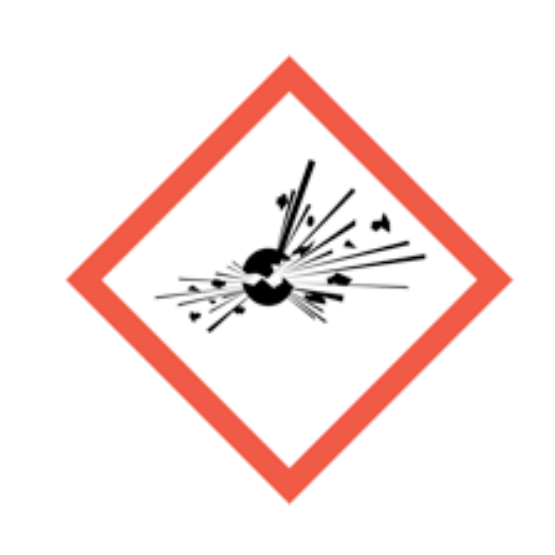
Exploding bomb
Explosive, self-reactive or organic peroxide hazards.
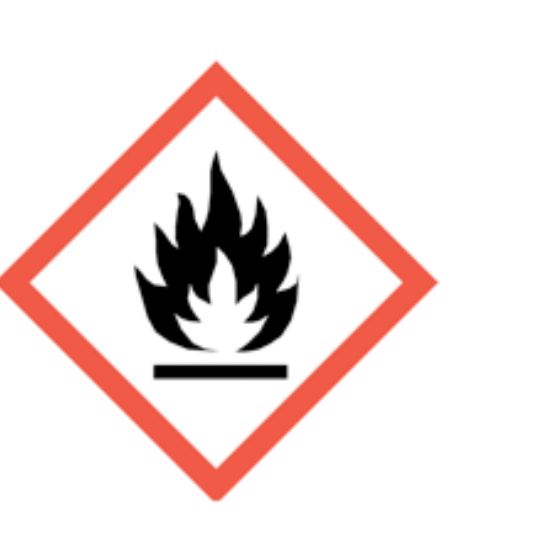
Flame
Flammable, self-heating or pyrophoric substances.
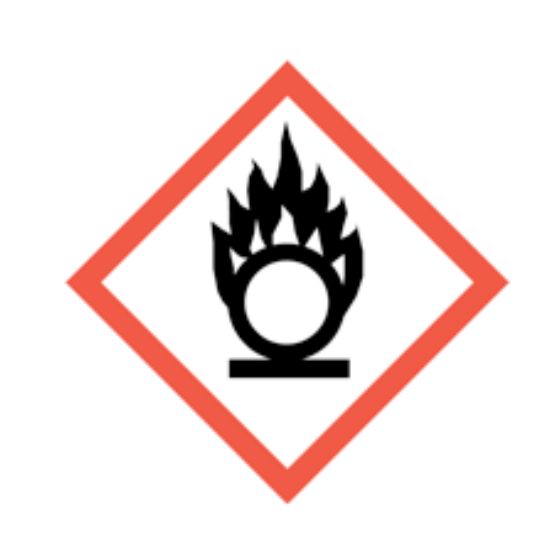
Flame over circle
Oxidising substances that can intensify fire.
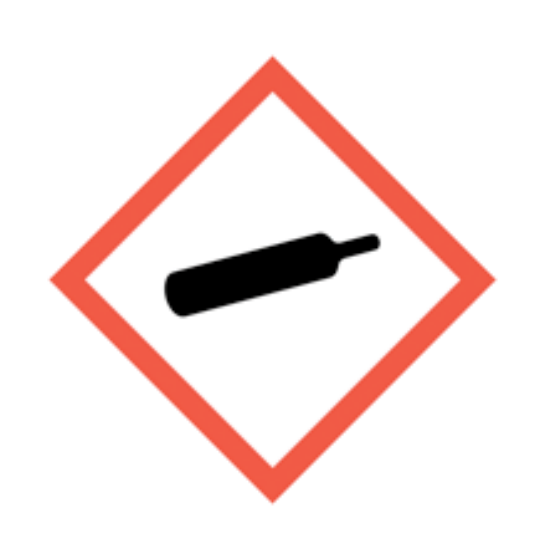
Gas cylinder
Gas under pressure.
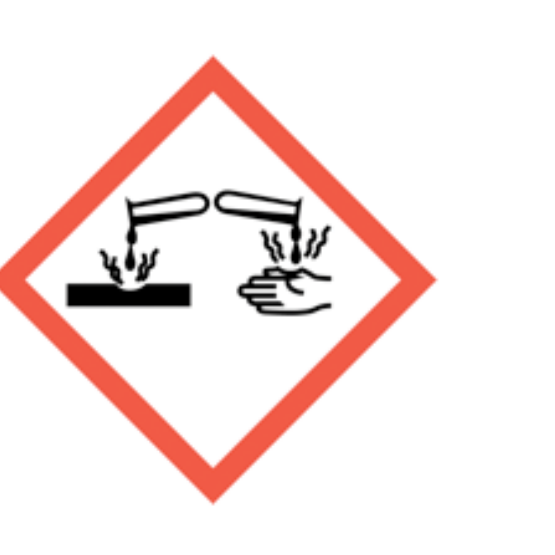
Corrosion
Skin burns, eye damage or corrosive to metals.
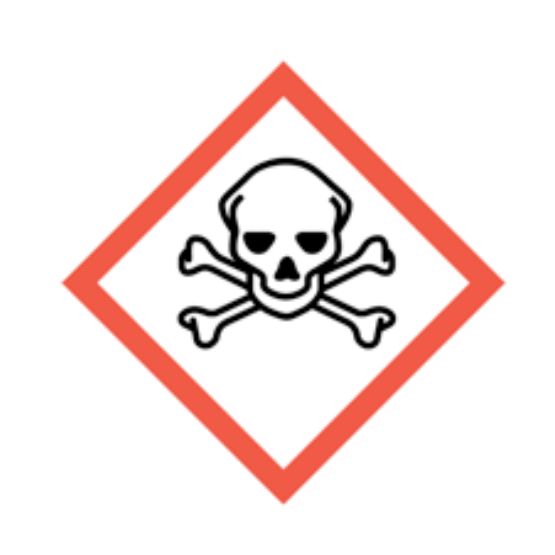
Skull and crossbones
Acute toxicity.
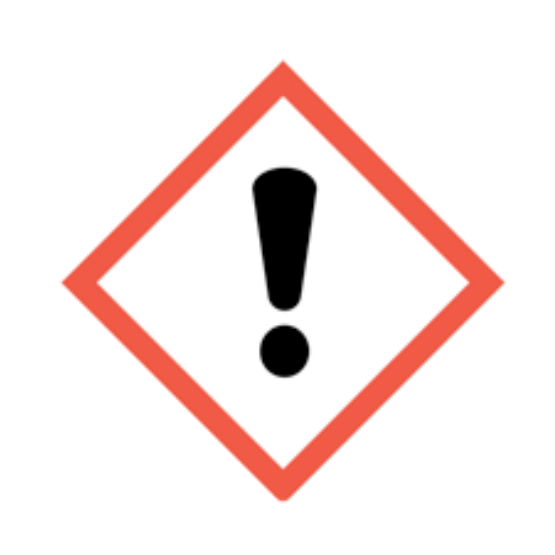
Exclamation mark
Irritation, harmful effects or skin sensitisation; some classifications cover drowsiness, dizziness or ozone-layer hazard. Read the actual hazard statements. Skin sensitisation differs from respiratory sensitisation.
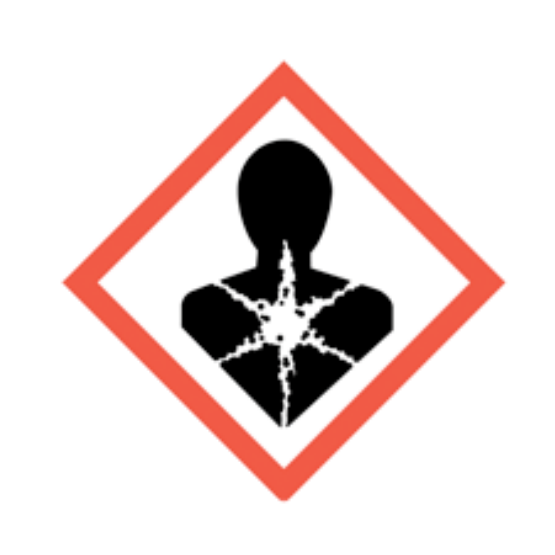
Health hazard
Serious health hazards, including organ damage, aspiration hazard, respiratory sensitisation, cancer and reproductive effects; some can follow a single exposure.
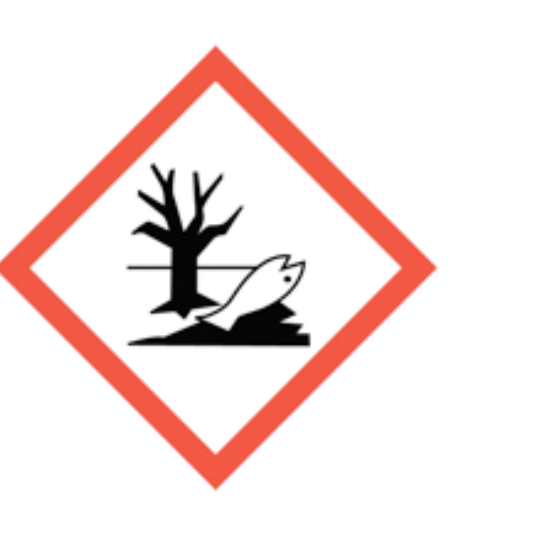
Environment
Hazardous to the aquatic environment.
What do the acronyms and key terms mean?
Acronyms should be understood before they are used in assessments, briefings, audits or learning answers.
Acronyms can exclude newer readers if they are not explained. This section keeps the main terms available at the end of the page so the article stays readable while still supporting learners and audit users.
| Acronym | Meaning | Plain-English use |
|---|---|---|
| API | Active Pharmaceutical Ingredient | The biologically active substance in a medicine. |
| COSHH | Control of Substances Hazardous to Health | UK hazardous substance regulations. |
| LEV | Local Exhaust Ventilation | Engineering extraction control. |
| RPE | Respiratory Protective Equipment | Equipment used to protect against inhalation exposure. |
| SOP | Standard Operating Procedure | Controlled written procedure for a task. |
Unlock another resource
You have used this month’s two free downloads. Publish a post in your own words to unlock one more resource, or choose SHARE Individual for 10 downloads per month.
You decide whether to share. If you do, use the relevant platform disclosure tools and do not make claims you do not genuinely hold.