SHARE Knowledge Hub
Mineral acid diseases
Mineral acids can harm through splashes, mists or fumes, and the effect depends on the substance, concentration and exposure route. Identify the exact acid and process, control exposure at source and use substance-specific emergency and health advice.
Owner: SHARE Knowledge Hub editorial team.
Understanding Mineral acid diseases
Mineral acid diseases is a practical umbrella for injuries and illnesses associated with inorganic acids at work.
Why this matters at work
Most mineral acids damage tissue primarily by lowering pH and disrupting proteins, cells and protective barriers at the point of contact. Concentration, amount, contact time and access to water strongly influence depth. Heat from reaction or dilution can add thermal injury, while contaminated clothing can hold acid against skin.
Corrosive injury continues while active material remains in contact. Prompt removal of contaminated clothing and sustained irrigation dilute and remove acid; applying a neutralising chemical to a casualty can generate heat, delay water and introduce another corrosive, so it is not routine first aid unless a specialist product-specific protocol explicitly requires it.
How organisations manage this in practice
PPE is the final barrier after elimination and engineering control. It does not control a room atmosphere, protect nearby people or prevent process corrosion. Monitor whether it is actually worn and remains usable during the whole task, including maintenance and cleanup.
Flexible hoses and portable containers concentrate risk at connection, movement and impact points. Specify chemical compatibility, pressure, temperature, end fittings, bend radius, support, inspection criteria and service life. Prevent vehicle movement or pump start while a transfer is incompletely connected.
Verify contractor competence for the specific acid and task, including HF where relevant. Check equipment compatibility and emergency arrangements. A contractor's method statement does not transfer the host's duty to coordinate and protect its own workers and others.
Health and exposure signals should be viewed together. One complaint may be an individual event; similar symptoms or dental findings across a group strongly justify a cohort and control review. Absence of complaints is weak evidence where reporting is difficult.
Operators may be exposed while charging or sampling baths, dipping parts, disconnecting hoses, cleaning tanks or responding to alarms. Maintenance workers can face concentrated residues when opening pumps, scrubbers and pipework. Laboratory workers can receive serious splash or inhalation exposure from small quantities because work is close to the face.
Workplace prevention is control of acid aerosol, not asking workers to brush more often. Immediate abrasive brushing after exposure may worsen loss of softened surface. Provide access to water and occupational dental advice as part of a competent programme; do not prescribe rinses or treatment without dental input.
Separate splash contact from airborne mist
A pickling transfer can expose skin and eyes through splashes and the breathing zone through mist. Product identity, concentration and task conditions determine the assessment.

Identify the substance
Check current product information, concentration, compatibility and the actual handling/transfer task.
Control each route
Assess closed handling/source control, suitable facilities and residual protection for splash and mist separately.
Verify and respond
Use relevant competent evidence and the product-specific emergency arrangements. Hydrofluoric acid needs its own specialist arrangements.
No generic dilution, neutralisation or first-aid treatment recipe is supplied.
What are mineral acid diseases and how does exposure cause harm?
An acid splash can injure skin or eyes, while acid mist or fume can irritate or damage the respiratory tract; the route and severity depend on the exact substance and exposure.
One release can create distinct acid exposure routes


Read the complete visual as text
- LIQUID SPLASH → SKIN OR EYES: Released acid contacting tissue can irritate or burn skin and injure eyes. Product, concentration and contact determine the hazard.
- MIST OR FUME → AIRWAYS: Airborne acid inhaled into the respiratory tract can irritate or damage tissue. The route differs from a direct liquid splash.
- IDENTITY CHANGES THE RESPONSE: Identify the exact product, concentration and task before selecting controls or emergency advice. One mineral acid cannot stand in for another.
- HF NEEDS SPECIFIC ARRANGEMENTS: Hydrofluoric-acid work requires its own planned emergency response. An ordinary-acid assumption can miss a serious exposure.
The UKHSA sulphuric-acid toxicology overview and UKHSA nitric-acid toxicology overview describe different hazards. Identify the product, concentration, task and exposure route before choosing controls or emergency advice; one acid cannot stand in for another.
HSE COSHH guidance requires exposure to hazardous substances to be prevented or adequately controlled. For an uncontrolled release or symptom, stop the task, follow the substance-specific emergency plan and seek competent medical or emergency advice.
Compare acute and repeated exposure
Acute splash/mist exposure can cause burns and respiratory injury; repeated exposure to particular acid mists can damage airways and teeth. Sulphuric-acid mist and HF have different exposure profiles; one acid’s limit or first aid cannot be transferred to another. UKHSA: sulphuric acid toxicology.
What should happen after an acid-pickling mist or splash?
After an acid splash or uncontrolled mist, secure the affected work and obtain appropriate incident and medical help; do not improvise a treatment or cleanup.
Pickling transfer release: protect, identify, hand over


Read the complete visual as text
- 1. STOP THE AFFECTED TRANSFER: The supervisor stops the affected work after uncontrolled mist or liquid release and restricts the area.
- 2. PROTECT PEOPLE FROM EXPOSURE: Use the actual substance-specific emergency plan and summon the trained response; do not improvise cleanup.
- 3. GIVE RESPONDERS THE PRODUCT: Provide the exact product, concentration and exposure information so competent responders can select the response.
- 4. OBTAIN APPROPRIATE MEDICAL HELP: Use the planned incident and medical/emergency route. Do not infer that an acid exposure is minor from appearance.
- 5. ASSESS THE FAILED CONTROLS: Competent specialists assess containment, ventilation and contamination and identify what failed.
- 6. CONTROL RESTORATION: The responsible owner uses competent assessment for restoration; no universal re-entry or neutralisation instruction is given here.
Illustrative pickling task: a transfer connection releases mist and liquid. The supervisor restricts the affected task and area, summons the trained response and gives responders the exact product and exposure information. Competent specialists assess containment, ventilation, contamination and restoration.
Hydrofluoric-acid tasks need specific planned emergency arrangements; they cannot borrow an ordinary-acid response by assumption. No universal neutralisation, re-entry or treatment method is provided here.
What do acid exposure limits and cancer statements actually cover?
EH40 gives substance-specific air limits, not one limit for all mineral acids. For sulphuric acid mist the listed eight-hour limit is 0.05 mg/m³ for the thoracic fraction; Health and Safety Executive for Northern Ireland (HSENI) approves EH40 for use under Northern Ireland (NI) COSHH.
Check the identified acid and form against the current EH40 entry, then assess the actual task and peaks. UK Health Security Agency (UKHSA) distinguishes sulphuric acid liquid itself from carcinogenic strong inorganic acid mists that may contain it. A value below an eight-hour workplace exposure limit (WEL) does not make a splash, high short peak or failed control safe. Sources: HSE EH40/2005 exposure limits, HSENI EH40/2005 approved limits, UKHSA sulphuric acid toxicology, UKHSA sulphuric acid general information.
When does an acid exposure need urgent medical help?
For an acid or chemical burn, call 999 and start appropriate decontamination while help is arranged. Protect responders, remove contaminated clothing safely and use prompt copious water irrigation in line with the substance-specific emergency guidance. Never improvise neutralisation or put another chemical on the burn. NHS: acid and chemical burns.
Use the trained first-aid/emergency arrangement and provide the known acid and exposure information. Do not send an unprotected person into a release or delay assistance for incident paperwork. This page is a work-control lesson, not a clinical treatment or antidote protocol.
Keep acid-specific and delayed effects visible
HF needs its own prepared competent emergency/treatment arrangements; no single irrigation duration is prescribed for every acid here. Significant nitric-acid inhalation may initially seem mild before delayed lung injury: obtain prompt medical advice and do not use absence of immediate symptoms as clearance. UKHSA: nitric acid.
How can the hierarchy of controls reduce mineral-acid contact and inhalation risks?
Remove or replace the acid process where a technically suitable alternative removes or reduces harm. Where acid remains, contain the task and verify controls before relying on personal protection.
Open acid pickling: follow the source-control evidence


Read the complete visual as text
- 1. IDENTIFY THE PROCESS: Confirm acid product, concentration, material, transfer method and exposure routes with reliable substance information.
- 2. AVOID THE ACID TASK WHERE SUITABLE: Engineering assesses whether the process or treatment can be removed while meeting the technical requirement.
- 3. ASSESS A LESS HAZARDOUS ALTERNATIVE: Compare technically suitable alternatives and their own hazards; a substitute is not accepted by label alone.
- 4. CONTAIN REMAINING EXPOSURE: Engineering and occupational hygiene assess containment and ventilation for the task rather than rely first on PPE.
- 5. PREPARE A SPECIFIC RESPONSE: Operations verifies emergency requirements for the exact acid, including specific hydrofluoric-acid arrangements where relevant.
- 6. VERIFY BEFORE RELIANCE: Competent specialists check the implemented controls and remaining exposure. The local assessment governs work and restoration.
Illustrative decision: a workshop reviews an open acid-pickling and transfer task. Engineering, operations and occupational hygiene assess the exact product, concentration, material and emergency requirements.
ERICPD means Eliminate, Reduce (including substitution), Isolate, Control, PPE and Discipline. The five-level hierarchy groups measures as elimination, substitution, engineering controls, administrative controls and PPE. They overlap: isolation is usually an engineering measure; control can include engineered and administrative measures. Discipline means maintaining and checking the controls, supervising the method and learning from defects, rather than blaming someone or accepting weaker protection.
How can the ERICPD hierarchy of controls reduce mineral-acid contact and inhalation risks?

| ERICPD and five-level position | Intervention and owner | Verification, failure and stop point |
|---|---|---|
| Eliminate / elimination | Assess a suitable design or finish process that removes the need for acid pickling. | Verify technical suitability and the hazards of the alternative; removing one chemical does not remove all processing risk. |
| Reduce / substitution when replacing a hazard; otherwise engineering or administrative risk reduction | Compare a suitable less hazardous chemical or process, checking the whole material and task. | Verify compatibility and hazard information. A diluted or different acid is not assumed safe and can introduce different risks. |
| Isolate / engineering | Specify suitable containment, controlled transfer and source capture for the actual material and release routes. | Commission and maintain through competent checks. Uncertain material compatibility, leaking containment or failed capture holds work. |
| Control / administrative | Authorise the assessed method, trained roles, access, inspection and acid-specific emergency arrangements. | Check real transfer and abnormal states. A missing product identity or unsupported cleanup method prevents use. |
| PPE / PPE | Select compatible residual eye, skin and respiratory protection through competent assessment, including wearer suitability. | Verify chemical resistance, fit where relevant, condition and compatibility. An ordinary glove or dust mask is not assumed suitable. |
| Discipline / sustained engineering and administrative controls | Managers maintain protective functions, respond to defects and verify controlled restoration after changes or releases. | Retain original results and named release; unknown contamination or protection performance keeps restrictions in place. |
How can the ISO 45001 hierarchy of controls reduce mineral-acid contact and inhalation risks?

| ERICPD and five-level position | Intervention and owner | Verification, failure and stop point |
|---|---|---|
| Eliminate / elimination | Assess a suitable design or finish process that removes the need for acid pickling. | Verify technical suitability and the hazards of the alternative; removing one chemical does not remove all processing risk. |
| Reduce / substitution when replacing a hazard; otherwise engineering or administrative risk reduction | Compare a suitable less hazardous chemical or process, checking the whole material and task. | Verify compatibility and hazard information. A diluted or different acid is not assumed safe and can introduce different risks. |
| Isolate / engineering | Specify suitable containment, controlled transfer and source capture for the actual material and release routes. | Commission and maintain through competent checks. Uncertain material compatibility, leaking containment or failed capture holds work. |
| Control / administrative | Authorise the assessed method, trained roles, access, inspection and acid-specific emergency arrangements. | Check real transfer and abnormal states. A missing product identity or unsupported cleanup method prevents use. |
| PPE / PPE | Select compatible residual eye, skin and respiratory protection through competent assessment, including wearer suitability. | Verify chemical resistance, fit where relevant, condition and compatibility. An ordinary glove or dust mask is not assumed suitable. |
| Discipline / sustained engineering and administrative controls | Managers maintain protective functions, respond to defects and verify controlled restoration after changes or releases. | Retain original results and named release; unknown contamination or protection performance keeps restrictions in place. |
The comparison is an original illustrative application of the general HSE hierarchy, not a machine-specific method, permit or design approval. The employer must choose measures for the actual work and jurisdiction. Apply the separate Northern Ireland legal route where relevant; the local assessment and competent technical decision govern release.
What evidence shows the controls are working?
Verify controls for the actual acid, concentration, task and harm route.
Competent occupational hygiene checks exposure and control performance; engineering checks containment, transfer and ventilation; occupational health advises on appropriate health monitoring. A normal air result does not prove splash protection, and one chemical limit is not a limit for every acid or form.
What warning signs mean the plan is failing?
A mist release, repeated splash, weak ventilation or absent spill plan means acid work must be reassessed before restart.
Check containment, LEV, inventory, PPE suitability and exposure evidence; never treat respirators as a substitute for source control. Sources: UKHSA sulphuric acid toxicology, UKHSA nitric acid toxicology.
Which GB and NI legal routes apply?
Use the instrument for the actual work location and task; Great Britain and Northern Ireland have separate safety and management regulations and COSHH and Reporting of Injuries, Diseases and Dangerous Occurrences Regulations (RIDDOR) instruments.
Check acid-specific COSHH assessment, control, emergency arrangements and any reportability threshold rather than assuming every case is reportable. Sources: Health and Safety at Work etc. Act 1974, Health and Safety at Work (NI) Order 1978, Management of Health and Safety at Work Regulations 1999, Management of Health and Safety at Work Regulations (NI) 2000.
| Issue | Great Britain | Northern Ireland |
|---|---|---|
| General safety | GB 1974 Act | NI 1978 OrderSources: Health and Safety at Work etc. Act 1974; Health and Safety at Work (NI) Order 1978 |
| Risk assessment | GB Management Regulations 1999 | NI Management Regulations 2000Sources: Management of Health and Safety at Work Regulations 1999; Management of Health and Safety at Work Regulations (NI) 2000 |
| Hazardous substances | GB COSHH 2002 | NI COSHH 2003Sources: Control of Substances Hazardous to Health Regulations 2002; Control of Substances Hazardous to Health Regulations (NI) 2003 |
| Incident reporting if threshold met | GB RIDDOR 2013 | NI RIDDOR 1997Sources: Reporting of Injuries, Diseases and Dangerous Occurrences Regulations 2013; Reporting of Injuries, Diseases and Dangerous Occurrences Regulations (NI) 1997 |
Voluntary-standard detail on hold
Specific standard editions, clauses and derived management-system detail are withheld until authorised text, rights and competent technical review are complete. Use applicable law and verified site evidence for current decisions.
For general health and safety management, see HSE managing health and safety.
What should each role demonstrate?
Workers recognise release signals and stop points; authorised engineers, hygiene and health specialists own their respective decisions.
Supervisors practise securing the task and obtaining the trained response without improvising cleanup or medical care. Competent engineering and exposure assessment establishes the controlled method and restoration; responders need acid-specific preparedness.
Chemical hazard symbols: what do they mean?
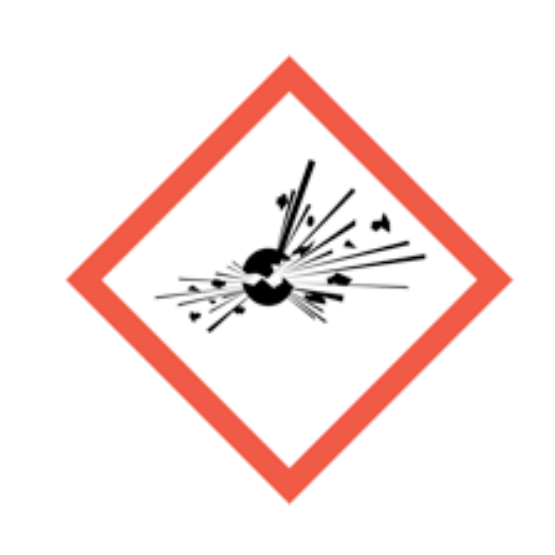
Exploding bomb
Explosive, self-reactive or organic peroxide hazards.
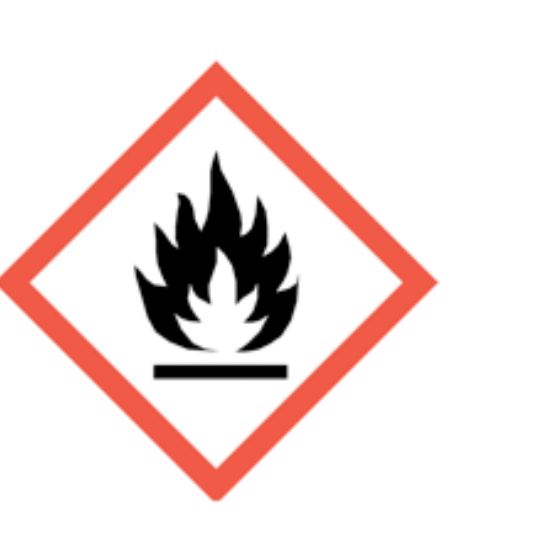
Flame
Flammable, self-heating or pyrophoric substances.
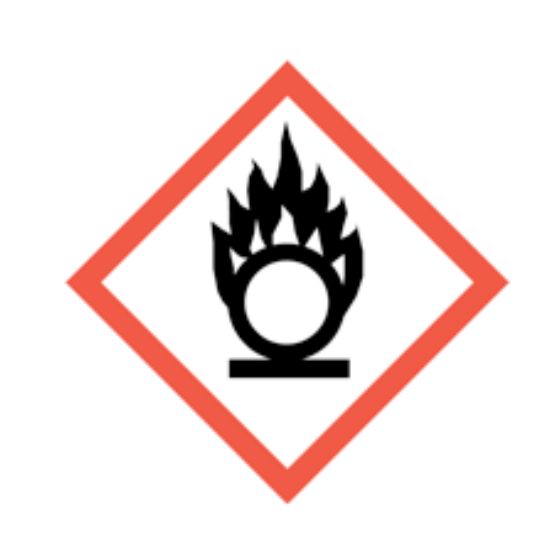
Flame over circle
Oxidising substances that can intensify fire.

Gas cylinder
Gas under pressure.
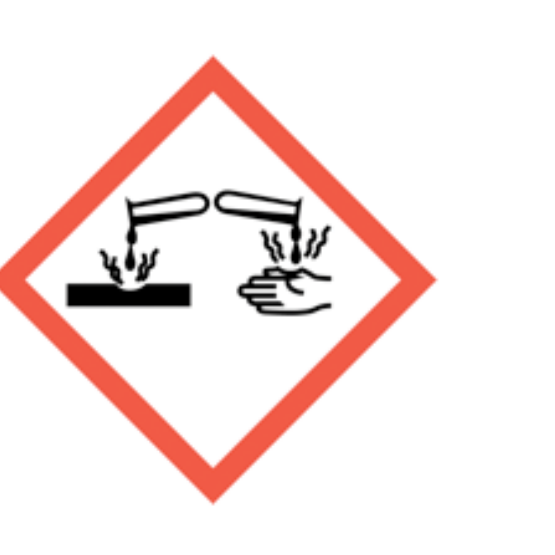
Corrosion
Skin burns, eye damage or corrosive to metals.
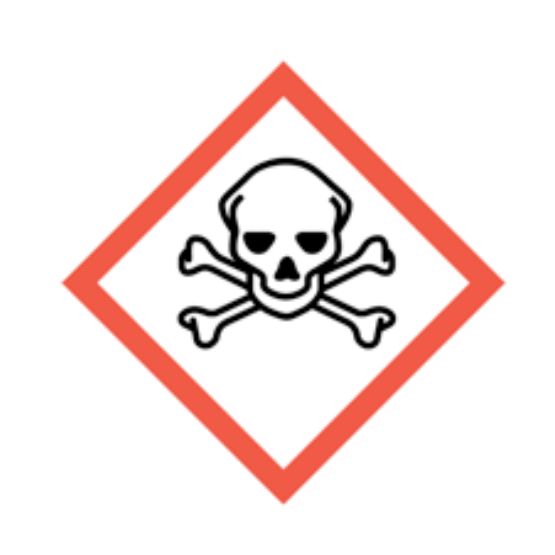
Skull and crossbones
Acute toxicity.
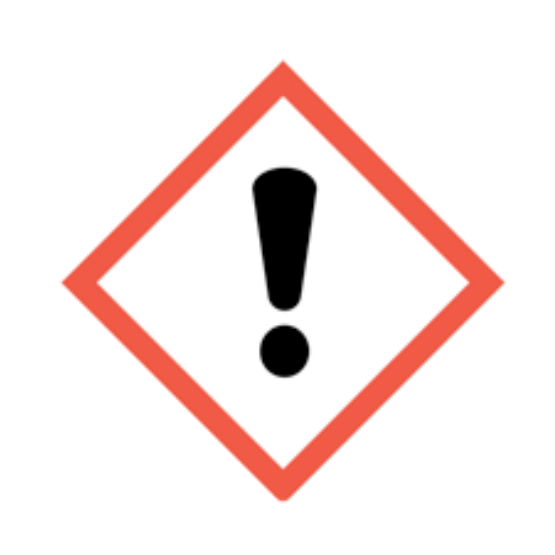
Exclamation mark
Irritation, harmful effects or skin sensitisation; some classifications cover drowsiness, dizziness or ozone-layer hazard. Read the actual hazard statements. Skin sensitisation differs from respiratory sensitisation.
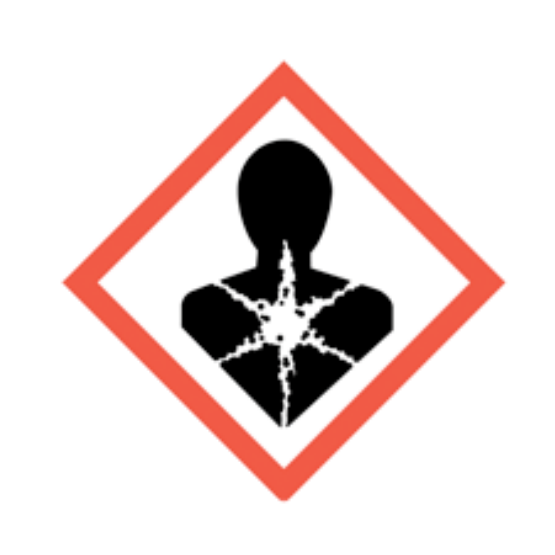
Health hazard
Serious health hazards, including organ damage, aspiration hazard, respiratory sensitisation, cancer and reproductive effects; some can follow a single exposure.
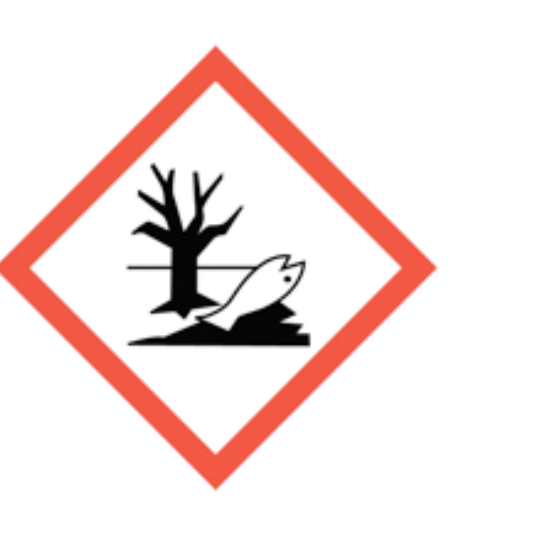
Environment
Hazardous to the aquatic environment.
What do the acronyms and key terms mean?
Terms used for the health, work and jurisdiction decisions.
| Term | Full name | Meaning here |
|---|---|---|
| GB | Great Britain | GB work-law jurisdiction. Health and Safety at Work etc. Act 1974 |
| NI | Northern Ireland | Separate NI work-law jurisdiction. Health and Safety at Work (NI) Order 1978 |
| HSE | Health and Safety Executive | GB workplace regulator. Management of Health and Safety at Work Regulations 1999 |
| HSENI | Health and Safety Executive for Northern Ireland | NI workplace regulator. Management of Health and Safety at Work Regulations (NI) 2000 |
| COSHH | Control of Substances Hazardous to Health | Separate GB and NI regulations. Control of Substances Hazardous to Health Regulations 2002 |
| WEL | workplace exposure limit | Air concentration averaged over a stated period. HSE EH40/2005 exposure limits |
| TWA | time-weighted average | Specified averaging period. HSE EH40/2005 exposure limits |
| LEV | local exhaust ventilation | Captures airborne acid near source. HSE COSHH basics |
| RPE | respiratory protective equipment | Residual inhalation protection after higher controls. HSE COSHH basics |
| UKHSA | UK Health Security Agency | Public-health chemical guidance. UKHSA sulphuric acid toxicology |
| HF | Hydrofluoric acid | Distinct acid hazard requiring a specialist exposure and emergency plan. HSE post-weld cleaning with pickling pastes |
| ERICPD | Eliminate, Reduce, Isolate, Control, PPE, Discipline | A control-selection aid; sustain controls through supervision, maintenance and learning. It creates no separate legal duty. |
Unlock another resource
You have used this month’s two free downloads. Publish a post in your own words to unlock one more resource, or choose SHARE Individual for 10 downloads per month.
You decide whether to share. If you do, use the relevant platform disclosure tools and do not make claims you do not genuinely hold.