
Fatigue and shift-work risk management
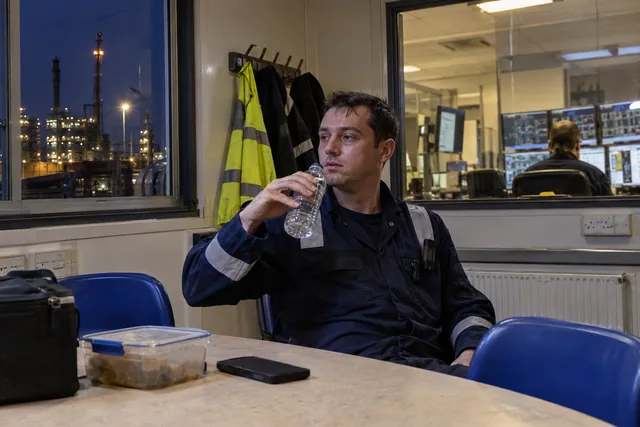

Control actual hours, recovery and critical tasks before asking people to cope with tiredness.
Free training · Approx. 25–30 minutes
Public teaching and practice are free. Recorded learning requires an account and eligible membership or assigned access. Free members choose from 15 included short courses and may complete one per UK calendar month. A certificate of completion depends on completing the required learning, scoring at least 80% and answering every critical safety question correctly.
Your practical case
Fictional case: a distribution team covers absences with repeated extensions. The planned rota looks acceptable, but call-outs remove recovery, breaks lack relief and a tired operator expects to drive home after the night shift.
Shift supervisors, schedulers and managers
Focused awareness learning based on SHAREhub pages. Apply the actual workplace arrangements and your role; completion is not practical competence or permission for specialist work.
What you will learn
- Explain how work timing and recovery affect alertness.
- Use actual exposure and task consequences in fatigue decisions.
- Arrange safe relief, handover and travel through the responsible route.
Course outline
Understand the risk
- Understand fatigue as a work riskConnect reduced alertness with controllable work demands.
- Account for circadian timingRecognise why night work and quick returns need planning.
Choose effective controls
- Compare the roster with real exposureUse overtime, breaks and reports to find hidden demand.
- Protect breaks and critical handoverChoose work controls that make recovery and transfer possible.
Check and act
- Respond to unsafe duty and travelSeparate immediate protection from medical assessment.
- Correct the recurring work patternVerify actions with worker feedback and real-hours evidence.
Practise and test your reasoning
6 lesson decisions and 3 required activities use evidence sorting, matching, sequencing, branching choices and applied checks. Dragging has equivalent labelled controls. The 10-question final assessment requires 80% and every critical answer, after all learning requirements are complete.
An optional workplace exercise links the learning to a relevant SHAREhub tool, with instructions included for offline use. Points and module badges help show progress; they do not replace the assessment requirements.
Approx. 25–30 minutes includes core teaching, visuals, activities, checks and assessment. Optional source reading and workplace extensions take extra time. Your pace and retries may vary.
Sources and scope
SHAREhub short awareness · People and health. Teaching is drawn from the linked SHAREhub pages.
Knowledge Hub topic coverage
Presentation and interactive workshop
Explore this topic through a 28-slide presentation using the course imagery and source teaching. Compare three explained decisions, practise three varied activities and apply the learning in a relevant model case or workplace discussion.
Open the interactive presentation workshop · Download PowerPoint
This optional extension takes additional learning time. The existing required learning, assessment, saved record and certificate conditions remain separate.
Visual practice and worked examples
Explore three additional fictional workplace exercises with matching, evidence selection and a decision pathway. Choose the illustrated or written explanation; keyboard and touch choices are available.
- Rebuild the day from actual duties
- Respond to the immediate task and handover concern
- Verify the rota change beyond the report trend
Allow approximately 8–15 extra minutes for these optional activities. The core course estimate above remains separate. Learning progress, assessment pass marks and certificate requirements are unchanged.