Focused awareness learning based on SHAREhub pages. Apply the actual workplace arrangements and your role; completion is not practical competence or permission for specialist work.
This reader supplies the complete teaching. Use the interactive LMS course for assessed activities, saved progress and completion.
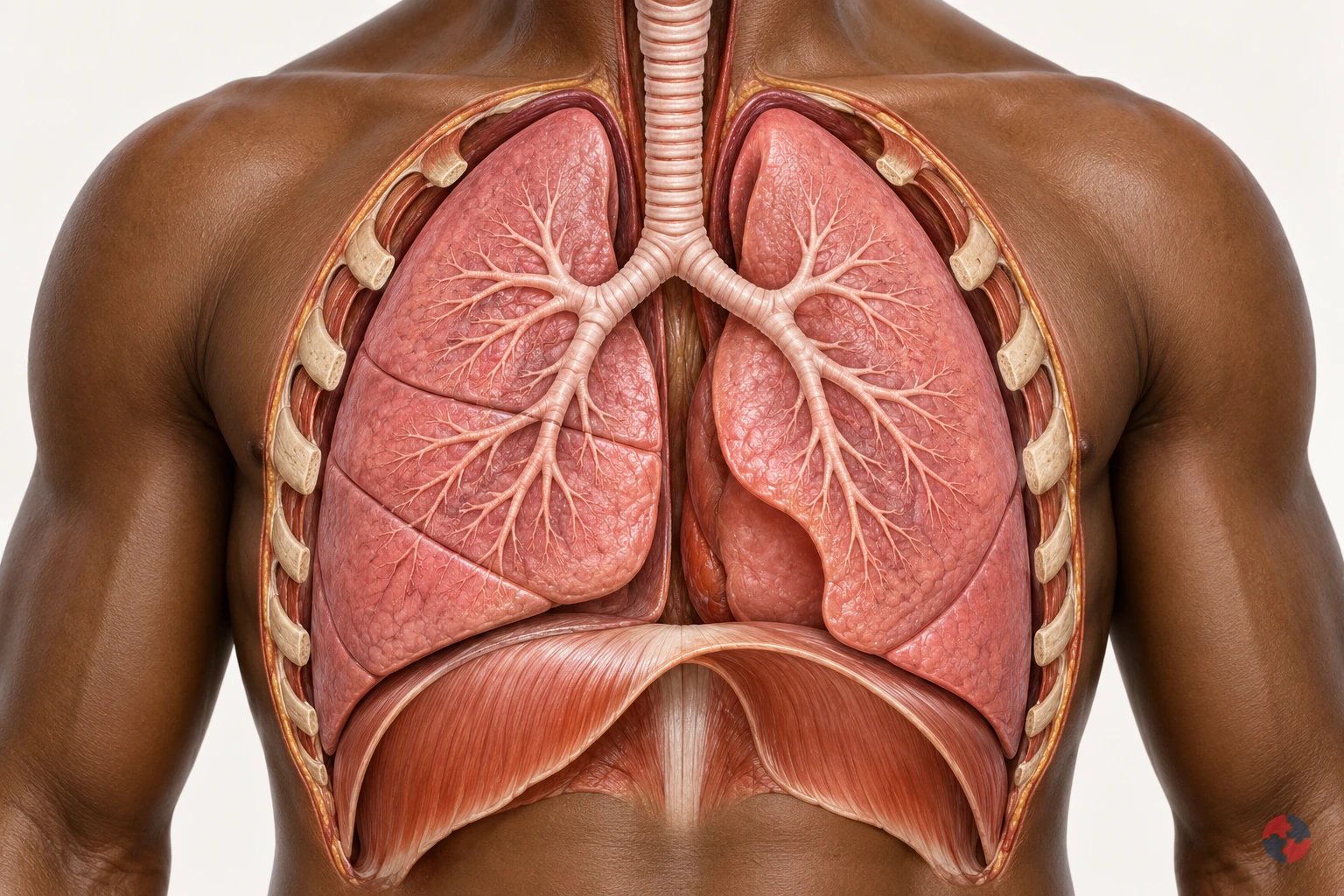
Locate the lungs, branching airways and diaphragm below them. The cutaway reveals structures normally hidden by the chest wall.
Trace the source-to-breathing-zone route in this lesson. Which change would prevent the contaminant reaching the person?
educational illustration · healthy anatomy; enlarged details and teaching colours.View full detail ↗Under the skin surface
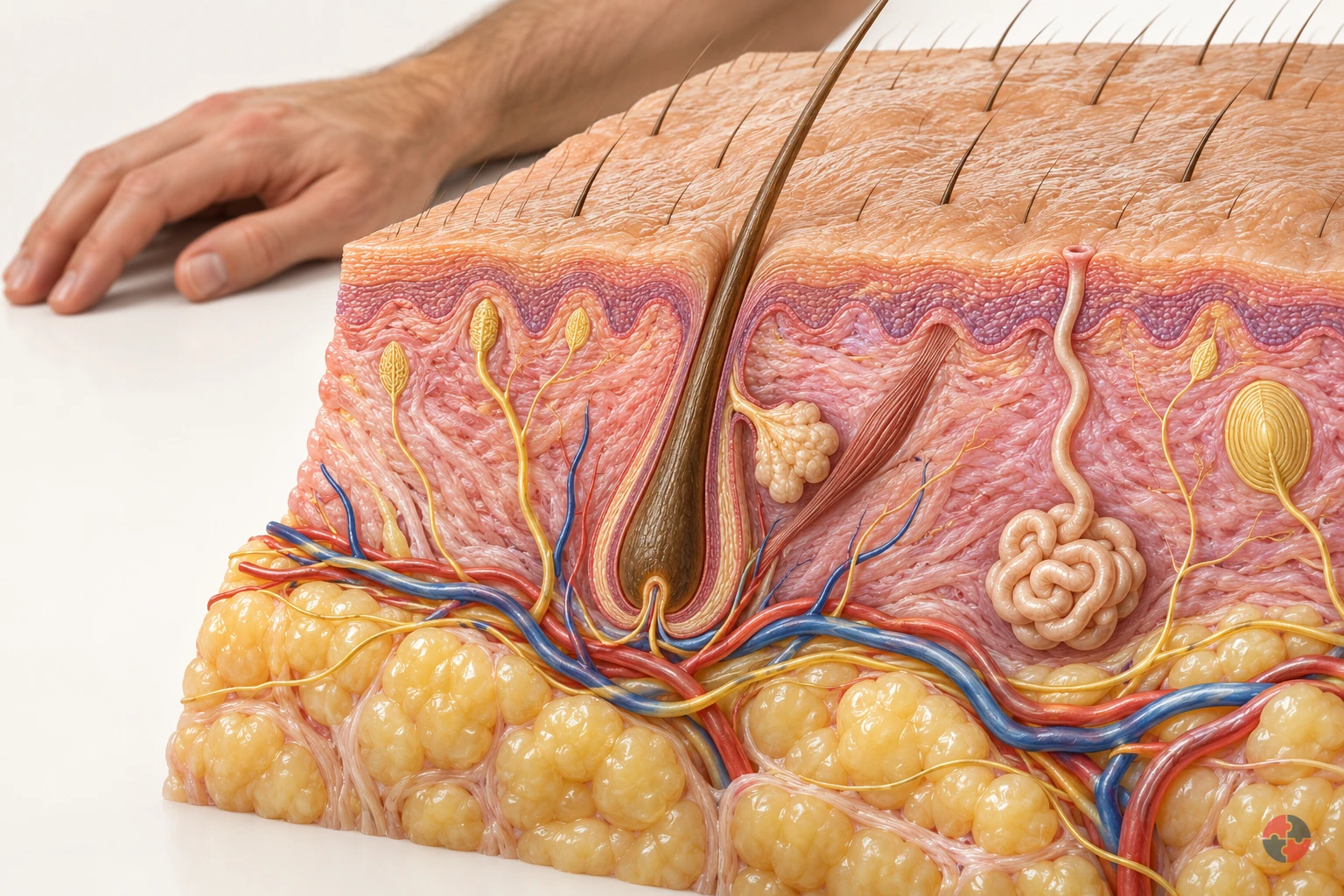
Explore an enlarged section of hair-bearing skin, with a hand and forearm for context. Layers, glands, nerves and vessels are enlarged for clarity.
Use the task in this lesson to identify contact, repeated wet work or contamination. Which change reduces contact before relying on gloves?
educational illustration · healthy anatomy; enlarged details and teaching colours.
Chemical hazard pictograms · examples and checksOptional reference · all nine symbols · does not change assessment requirements
READ THE LABEL · UNDERSTAND THE TASK
Recognise the symbol. Read the full label. Assess the actual task.
Examples illustrate possible uses of a symbol, not the classification of every formulation. A product can carry several pictograms. Check its current label, hazard statements and matching safety data sheet (SDS).
COSHH essentials: connect the label to every route of exposure in the actual task.
CLP/GHS hazard pictograms: meanings and illustrative examples
Pictogram and hazard
What it can mean
Example and question before work
ExplosiveGHS01
Explosion, blast or projection hazards; also certain self-reactive substances and organic peroxides.
Example: Certain fireworks or reactive chemical products.Ask: Does the authorised task account for impact, heat and the product’s stability limits?
FlammableGHS02
Can ignite; also used for certain self-heating, pyrophoric or water-reactive hazards.
Example: Petrol or some solvent-based products.Ask: What could release vapour or ignite it during this task, including nearby work?
OxidisingGHS03
Can cause or intensify fire; some strong oxidisers present an explosion hazard.
Example: Oxygen or certain oxidising chemicals.Ask: What incompatible materials and contamination must the assessed storage and connection keep apart?
Gas under pressureGHS04
Pressurised gas may burst if heated; refrigerated gas can cause cold burns.
Example: Compressed-gas cylinders.Ask: Have the gas identity, cylinder, connection and pressure or temperature hazards been checked?
CorrosiveGHS05
May damage metals, cause severe skin burns or cause serious eye damage; read the stated hazard.
Example: Certain drain cleaners, acids or alkalis.Ask: Which contact and splash routes must be prevented in this actual handling or dilution task?
Acute toxicityGHS06
Can be toxic or fatal after short exposure through the stated route.
Example: Methanol or certain pesticide products.Ask: Which exposure routes and emergency arrangements does this product’s information identify?
Harmful / irritantGHS07
May indicate harmful acute toxicity, irritation, skin sensitisation, drowsiness or dizziness; also ozone-layer hazards.
Example: Some detergents or cleaning products.Ask: What do the hazard statements say? Do not dismiss this as a harmless or mild product.
Serious health hazardGHS08
Can indicate cancer, genetic or reproductive harm, organ damage, respiratory sensitisation or aspiration hazard.
Example: Petrol or some sensitising chemical products.Ask: Which particular health effect is stated, and how does the task prevent the relevant exposure?
Hazardous to the environmentGHS09
Hazardous to aquatic life, potentially with long-lasting effects.
Example: Certain pesticides, biocides or fuels.Ask: How will the assessed arrangements prevent release to drains, water or soil?
Read beyond the picture · Open a prompt to compare the explanation.
Is the exclamation mark the same as the chest-starburst symbol?
No. The two symbols communicate different groups of hazards. Read the actual hazard statements: skin sensitisation and respiratory sensitisation are not interchangeable, and neither symbol specifies the complete task controls.
Does a bottle with no pictogram prove the task is safe?
No. Work may generate hazardous dust, fume or mist, and exposure depends on the task. Resolve missing or conflicting identification before use. A pictogram is not a compatibility chart or a complete workplace risk assessment.
Which information turns recognition into a useful work decision?
Match the product and SDS revision. Read the hazard statements and relevant SDS sections for handling, storage, exposure control, emergencies and reactivity together. Then check the actual task assessment and controls. A safety data sheet is not itself a COSHH assessment.
Fisher Scientific UK · BP2618 range · CAS 67-63-0 Revision 19 · 13 October 2023
This learning example refers to the identified supplier edition. It is not a replacement SDS or confirmation that this is the latest sheet for a product you hold. Obtain the current matching supplier SDS before real use.
Below is SHARE’s learning annotation, not a rebranded supplier document or a complete safety data sheet.
Identity
Propan-2-ol / isopropanol; the referenced sheet identifies a laboratory-grade product.
Section 2 signals
Danger; flame and exclamation-mark pictograms. H225, H319 and H336 identify flammability, eye irritation and possible drowsiness/dizziness.
Section 3 composition
The referenced sheet lists isopropyl alcohol above 95% by weight.
Section 8 decision
Engineering measures and several glove-material options appear. Check the complete conditions; no single glove or respirator is selected by this lesson.
Section 9 example
A 12°C closed-cup flash point is listed. This is product data, not a workplace exposure reading or an automatic safe-temperature limit.
Explore every section
1. Identification
Match the product, supplier, intended use and emergency contact to the actual container. A familiar chemical name alone may not identify a formulation.
2. Hazards identification
Read classification, pictograms, signal word and hazard/precautionary statements together. Identify the routes and outcomes the task must prevent.
3. Composition / ingredients
Check concentration and relevant ingredients. A diluted mixture, hardener or changed formulation may need different information and assessment.
4. First-aid measures
Prepare product-specific first-aid arrangements and ready access to the full sheet. Do not replace the workplace emergency procedure with a memory exercise.
5. Firefighting measures
Provide the relevant information to the site fire-planning route. An SDS does not authorise an untrained worker to fight a chemical fire.
6. Accidental release
Plan who raises the alarm, isolates the area and deals with a spill within their training. Confirm available equipment and the boundary for specialist help.
7. Handling and storage
Translate the supplier conditions into the actual transfer, storage, access and housekeeping method. Consider other work and incompatible neighbours.
8. Exposure controls / PPE
Read exposure limits, engineering controls and residual PPE together. Check jurisdiction, units and averaging period. Verify control performance and exact glove/RPE suitability.
9. Physical / chemical properties
Consider volatility, flash point, state and other relevant properties at the actual temperature and method. Odour is not a reliable exposure measurement.
10. Stability / reactivity
Identify incompatible materials, conditions to avoid and possible decomposition. Check the whole process and waste stream, not just separate containers.
11. Toxicological information
Connect the health effects to possible inhalation, skin, eye and ingestion exposure. Use competent advice where specialist interpretation is needed.
12. Ecological information
Plan to prevent environmental release, including drains and water. Lack of a fish/tree symbol does not grant permission to discharge.
13. Disposal considerations
Specify the responsible waste route for the product, contaminated materials and containers. Do not assume evaporation or dilution is an acceptable disposal method.
14. Transport information
Check transport classification through the relevant competent route. Supply pictograms and transport labels have different functions.
15. Regulatory information
Identify relevant restrictions and market scope, then check workplace duties separately. A regulatory entry is not a completed COSHH assessment.
16. Other information
Check revision history, abbreviations and supporting statements. Trace material changes into the assessment, instructions, storage and briefing.
Worked COSHH application · fictional laboratory proposal
Define the proposed use
Fictional laboratory task: wipe small parts for 10 minutes twice per shift, using a proposed 50mL working quantity at ambient temperature. Record the exact product, method, location, people and frequency. These are exercise assumptions, not authorised operating limits.
Find the exposure and application differences
Compare a controlled dispensing/wiping proposal with spraying the same liquid over an open surface near other work. Spray, surface area, ventilation, duration, splashes and nearby people change the assessment even though the SDS is unchanged. Confirm the proposed use is suitable.
Work through the control hierarchy
First ask whether the task can avoid the chemical or use a verified safer method. If it remains necessary, assess release prevention, suitable dispensing, enclosure or ventilation before residual PPE. Do not invent a dilution or declare a small quantity safe.
Specify and verify the real controls
Use sections 7–10 together with competent task assessment. Identify ventilation performance, compatible equipment and the exact glove selection/breakthrough evidence for the job. Consider fire and explosion controls alongside health exposure. Do not copy a generic PPE line and call the work controlled.
Plan the whole job
Include setup, transfer, use, cleaning, storage, waste, maintenance and foreseeable upset. Identify who is exposed, who owns each action, training, first aid, spill arrangements and the separate emergency response boundary.
Record, brief and review
Record significant findings, remaining actions and evidence needed before release. Check controls in use. Reassess for changed product, concentration, quantity, temperature, spraying, location, equipment, symptoms, incidents or new supplier information.
Worked decision: HOLD the proposed task until the matching product/use information, exposure and ignition assessment, control verification and emergency arrangements are resolved by the responsible competent people. This learning example does not issue an operational assessment or authorise work.
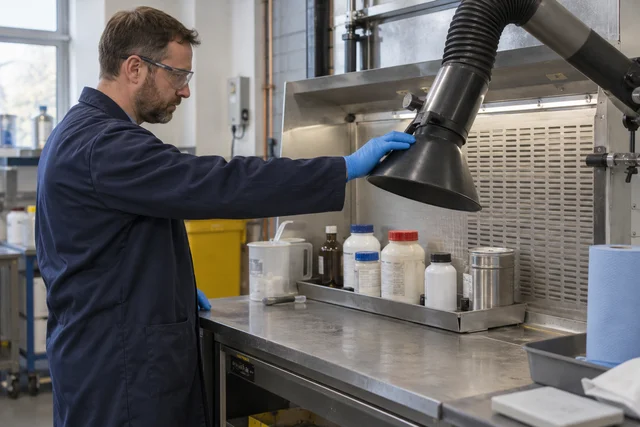
Existing SHAREhub photographic illustration. The written fictional case supplies the condition and decision evidence.
Find the substance and the exposure route
Hazardous substances can enter through inhalation, skin contact or absorption, ingestion, injection and mucous membranes such as the eyes, nose and mouth. The route of entry is one of the most important assessment decisions because it decides what controls are needed. A vapour may mainly require ventilation and respiratory control; a skin sensitiser may require substitution, closed handling, suitable gloves, hygiene and skin surveillance; a contaminated sharp may require safe sharps systems and biological exposure controls. Inhalation is often the most obvious route because airborne dusts, fumes, gases, vapours and mists can reach the lungs. Skin exposure is just as important for irritants, corrosives, solvents and sensitisers. Ingestion usually happens indirectly through contaminated hands, food, drink, cigarettes, phones or poor hygiene.
Applied case
Fictional case: A team discusses only the product label while ignoring dust generated by the task and skin contact during cleaning of the same equipment afterwards.
The task makes the exposure
A product identity is one input. How material is generated, handled and cleaned determines who may encounter it and by which relevant route.
Test your decision
What should the assessment include?
Only whether the room smells.
Substances used or generated, exposed people and relevant entry routes.
Only purchased products with labels.
Compare the explanation
Substances used or generated, exposed people and relevant entry routes.
Photorealistic illustrative UK workplace scene. Review checks: Irritation: Skin, eyes, nose, throat or lungs irritated by vapours, dusts, acids or alkalis. Corrosion or burns: Acids, caustics and corrosive products. Sensitisation: Isocyanates, epoxy resins, flour dust, wood dust, some biocides.
Assess work rather than file the sheet
A COSHH assessment should identify hazardous substances, assess exposure, decide controls, record findings, implement actions and review effectiveness. Start by creating a substance and process inventory. Include what is bought, what is generated and what appears during cleaning, maintenance, waste handling and emergencies. Then observe the task. The person doing the work often knows where dust escapes, where splashes occur and where the written procedure is unrealistic. The assessment should be task-based. A single product may need different assessments for brushing, spraying, decanting, heating, cleaning and waste handling. Similarly, a single dust hazard may need different controls for cutting, drilling, sweeping, bag emptying and filter changing. The output should be a usable control plan.
Applied case
Fictional case: The supervisor has a safety data sheet but no account of dispensing, cleaning, exposure duration or people nearby. The file is called the completed assessment.
Information and decision
The sheet describes relevant substance information. The assessment connects that information to actual use, generated material, people, conditions and the controls that must work.
Test your decision
What remains?
A task-specific assessment using the sheet and actual exposure information.
Nothing because the sheet has many pages.
A conclusion that every listed substance is uncontrollable.
Compare the explanation
A task-specific assessment using the sheet and actual exposure information.
A data sheet informs an assessment; it is not the complete task decision.
Existing SHAREhub 2D teaching schematic. Use alongside the explanation and fictional case in this lesson.
Prevent exposure before relying on PPE
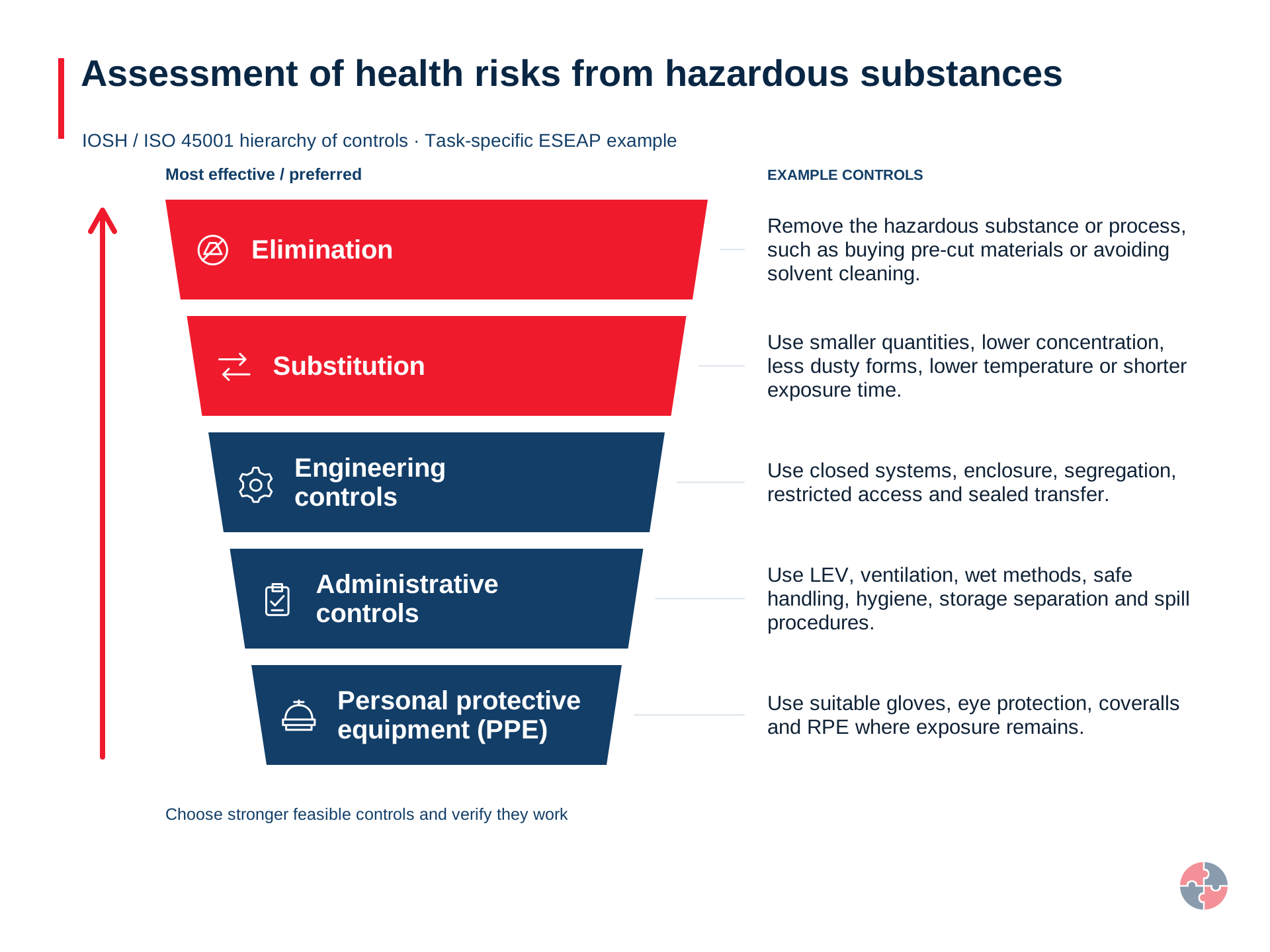
ERICPD helps move the assessment from paperwork to stronger, practical control of exposure. For hazardous substances, the hierarchy is critical. Removing the substance or process is stronger than controlling dust after it is created. Using pellets instead of powder, pre-mixed materials instead of dry mixing, water suppression, closed transfer and enclosure can all reduce exposure before people need RPE. Administrative controls still matter, but they should support stronger controls. Written procedures, permits, restricted access and supervision are weak if the process still releases uncontrolled dust, vapour or fume. PPE and RPE can be essential, but they are vulnerable to poor fit, discomfort, wrong filter selection, poor maintenance and human behaviour. Good control should be designed, used, maintained and checked.
Applied case
Fictional case: A process releases powder during dispensing. The proposal supplies gloves but does not consider eliminating the task, changing the material or containing and capturing the release.
Different routes need attention
A measure protecting skin does not automatically control inhalation. Compare the actual functions of prevention, containment, capture and remaining personal protection for this task.
Test your decision
Which review is stronger?
Treat gloves as controlling every route.
Assume a written instruction removes airborne release.
Examine prevention and source-control options, then the protection needed for remaining exposure.
Compare the explanation
Examine prevention and source-control options, then the protection needed for remaining exposure.
Controls should address the substance and its route to people.
Recognise that equipment presence is not effectiveness.
Photorealistic illustrative UK workplace scene. Review checks: Eliminate: Specify non-spray or off-site finished part if feasible. Substitute: Select compatible lower-hazard coating after assessment. Engineering: Extracted booth with verified clearance and safe air supply. Administrative: COSHH assessment, cleaning, maintenance and access control. PPE: Task-specific air-fed RPE and skin protection.
Check control performance in use
Local exhaust ventilation (LEV), respiratory protective equipment (RPE) and personal protective equipment (PPE) only protect people when they are correctly selected, fitted, used, maintained, examined and supervised. Local exhaust ventilation (LEV) should capture the contaminant close to where it is generated and move it away from the breathing zone. The hood design, capture velocity, ducting, filter, discharge point and user position all matter. A system can be installed and still fail if the hood is too far from the source, airflow is blocked, filters are overloaded, dampers are altered or operators work outside the capture zone. LEV requires routine checks and a thorough examination and test by a competent person at least every 14 months unless a more frequent interval applies.
Applied case
Fictional case: Extraction equipment is present, but its required condition during dispensing is unconfirmed. The team relies on seeing the fan rather than checking the actual capture arrangement.
A control has a job
Ask what must be contained or captured, where exposure occurs and what establishes performance. Do not invent settings or substitute unfamiliar protection when evidence is missing.
Test your decision
What is needed?
An assumption that any mask supplies equivalent control.
Relevant evidence that the source-control arrangement works for the task.
Only a photograph of the fan.
Compare the explanation
Relevant evidence that the source-control arrangement works for the task.
Presence and suitability need task-specific verification.
Explain their purposes without replacing prevention.
Existing SHAREhub photographic illustration. The written fictional case supplies the condition and decision evidence.
Keep monitoring and surveillance distinct
Use it when a disease is associated with the substance, can be detected early and workplace conditions make occurrence likely; act on results and protect medical privacy. The HSE surveillance guide states these three criteria and says surveillance is a continuing process, not a one-off test. HSENI health-surveillance guidance gives the NI route: NI COSHH 2003 regulation 11 and Schedule 6 require relevant-doctor supervised medical surveillance for specified processes, at intervals no longer than 12 months where that condition applies. For isocyanate spray work, competent occupational health sets respiratory and skin surveillance; the employer receives appropriate fitness and trend information, not unrestricted clinical records. Investigate symptoms and control failure immediately. Air monitoring measures exposure; health surveillance looks for health change, so neither substitutes for the other.
Applied case
Fictional case: A manager cites a worker health check as proof that the dispensing control works. No relevant exposure or control-performance evidence is provided in the pack.
Two evidence questions
Exposure or control monitoring examines conditions and performance. Health surveillance concerns appropriate detection of work-related effects; neither makes an uncontrolled task acceptable.
Test your decision
What should be corrected?
Health surveillance does not replace prevention or the relevant exposure and control checks.
A health check proves every exposure is acceptable.
Every substance automatically needs the same surveillance.
Compare the explanation
Health surveillance does not replace prevention or the relevant exposure and control checks.
The arrangements answer different questions and need an appropriate risk basis.
Use the defined response and obtain competent review.
Photorealistic illustrative UK workplace scene. Review checks: Setting: the process operator uses a water-based cleaner on control-room desks; the outcome is to avoid unnecessary mist and skin contact. Act: Check whether cleaning is needed, choose a lower-hazard product and pre-dosed wipe or controlled cloth, brief hygiene and spill steps, and keep food and drink away. Hold / review: Wrong product, decanted unlabelled bottle, eye/skin symptoms or unexpected strong vapour: stop, isolate the item and obtain competent advice.
Act when identity or control is uncertain
A usable assessment names the check, stop point, decision owner and evidence at each stage of the work. Stop the affected task, move people to safety, prevent spread and use the specific emergency plan; do not identify substances by smell or improvise clean-up. Sources for this explanation: HSE COSHH emergencies . A COSHH assessment should identify hazardous substances, assess exposure, decide controls, record findings, implement actions and review effectiveness. Start by creating a substance and process inventory. Include what is bought, what is generated and what appears during cleaning, maintenance, waste handling and emergencies. Then observe the task. The person doing the work often knows where dust escapes, where splashes occur and where the written procedure is unrealistic.
Applied case
Fictional case: An unlabelled liquid arrives at the task while the expected control arrangement is unavailable. Nobody has established the contents or the appropriate response for this change.
Stop guessing
The course does not identify an unknown chemical or prescribe emergency treatment. Keep clear of uncontrolled exposure and use the workplace’s competent response arrangements.
Test your decision
What is sound?
Use a small amount to discover its effect.
Rely on the previous product’s assessment.
Hold the affected task and use the responsible identification and review route.
Compare the explanation
Hold the affected task and use the responsible identification and review route.
Unknown identity and changed controls undermine the task basis.
End-of-course revision · Drag each symbol to its hazard name, or use the menu on each card with touch or keyboard. This is practice alongside the separate final assessment.
Acute toxicity
Corrosive
Explosive
Flammable
Gas under pressure
Harmful / irritant
Hazardous to the environment
Oxidising
Serious health hazard
Match all nine symbols, then check your choices.
Need the reference table?Chemical hazard pictograms · examples and checksOptional reference · all nine symbols · does not change assessment requirements
READ THE LABEL · UNDERSTAND THE TASK
Recognise the symbol. Read the full label. Assess the actual task.
Examples illustrate possible uses of a symbol, not the classification of every formulation. A product can carry several pictograms. Check its current label, hazard statements and matching safety data sheet (SDS).
CLP/GHS hazard pictograms: meanings and illustrative examples
Pictogram and hazard
What it can mean
Example and question before work
ExplosiveGHS01
Explosion, blast or projection hazards; also certain self-reactive substances and organic peroxides.
Example: Certain fireworks or reactive chemical products.Ask: Does the authorised task account for impact, heat and the product’s stability limits?
FlammableGHS02
Can ignite; also used for certain self-heating, pyrophoric or water-reactive hazards.
Example: Petrol or some solvent-based products.Ask: What could release vapour or ignite it during this task, including nearby work?
OxidisingGHS03
Can cause or intensify fire; some strong oxidisers present an explosion hazard.
Example: Oxygen or certain oxidising chemicals.Ask: What incompatible materials and contamination must the assessed storage and connection keep apart?
Gas under pressureGHS04
Pressurised gas may burst if heated; refrigerated gas can cause cold burns.
Example: Compressed-gas cylinders.Ask: Have the gas identity, cylinder, connection and pressure or temperature hazards been checked?
CorrosiveGHS05
May damage metals, cause severe skin burns or cause serious eye damage; read the stated hazard.
Example: Certain drain cleaners, acids or alkalis.Ask: Which contact and splash routes must be prevented in this actual handling or dilution task?
Acute toxicityGHS06
Can be toxic or fatal after short exposure through the stated route.
Example: Methanol or certain pesticide products.Ask: Which exposure routes and emergency arrangements does this product’s information identify?
Harmful / irritantGHS07
May indicate harmful acute toxicity, irritation, skin sensitisation, drowsiness or dizziness; also ozone-layer hazards.
Example: Some detergents or cleaning products.Ask: What do the hazard statements say? Do not dismiss this as a harmless or mild product.
Serious health hazardGHS08
Can indicate cancer, genetic or reproductive harm, organ damage, respiratory sensitisation or aspiration hazard.
Example: Petrol or some sensitising chemical products.Ask: Which particular health effect is stated, and how does the task prevent the relevant exposure?
Hazardous to the environmentGHS09
Hazardous to aquatic life, potentially with long-lasting effects.
Example: Certain pesticides, biocides or fuels.Ask: How will the assessed arrangements prevent release to drains, water or soil?
Read beyond the picture · Open a prompt to compare the explanation.
Is the exclamation mark the same as the chest-starburst symbol?
No. The two symbols communicate different groups of hazards. Read the actual hazard statements: skin sensitisation and respiratory sensitisation are not interchangeable, and neither symbol specifies the complete task controls.
Does a bottle with no pictogram prove the task is safe?
No. Work may generate hazardous dust, fume or mist, and exposure depends on the task. Resolve missing or conflicting identification before use. A pictogram is not a compatibility chart or a complete workplace risk assessment.
Which information turns recognition into a useful work decision?
Match the product and SDS revision. Read the hazard statements and relevant SDS sections for handling, storage, exposure control, emergencies and reactivity together. Then check the actual task assessment and controls. A safety data sheet is not itself a COSHH assessment.

 View full detail ↗
 View full detail ↗
 READ THE LABEL · UNDERSTAND THE TASK
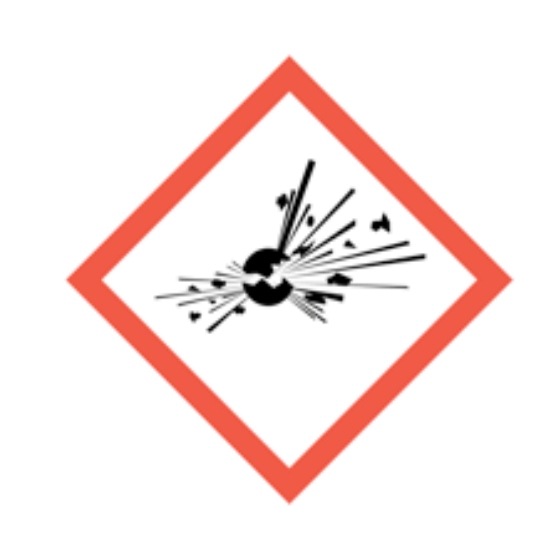 Explosive
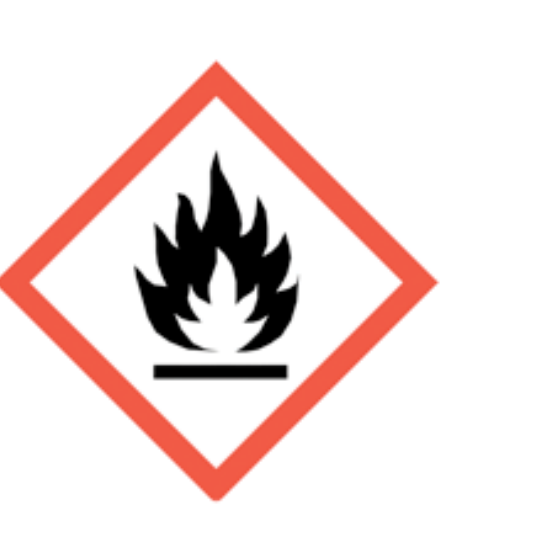 Flammable
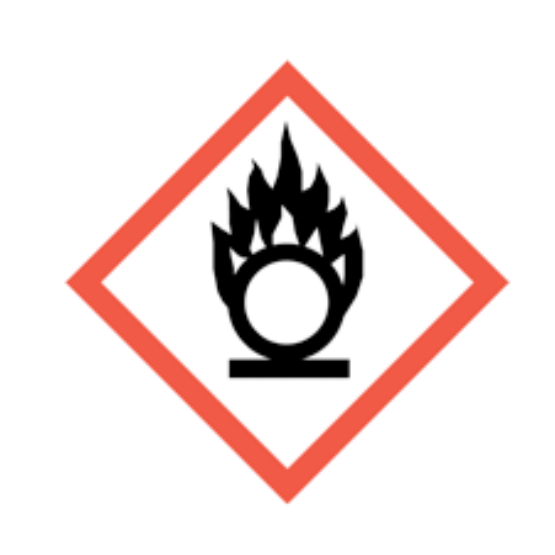 Oxidising
 Gas under pressure
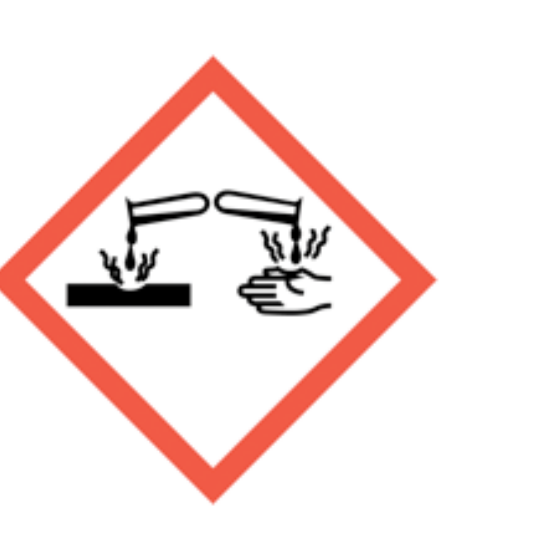 Corrosive
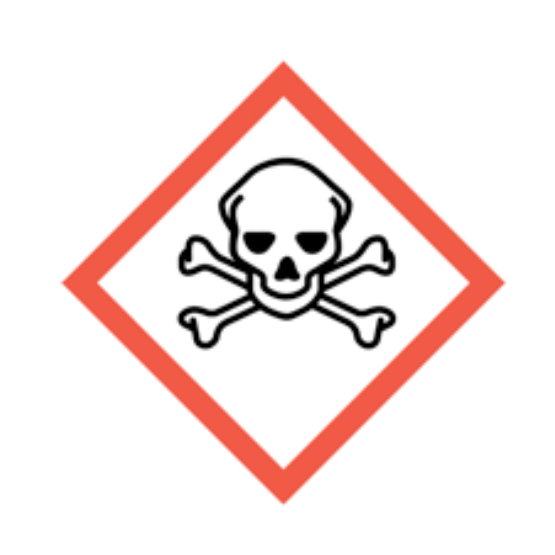 Acute toxicity
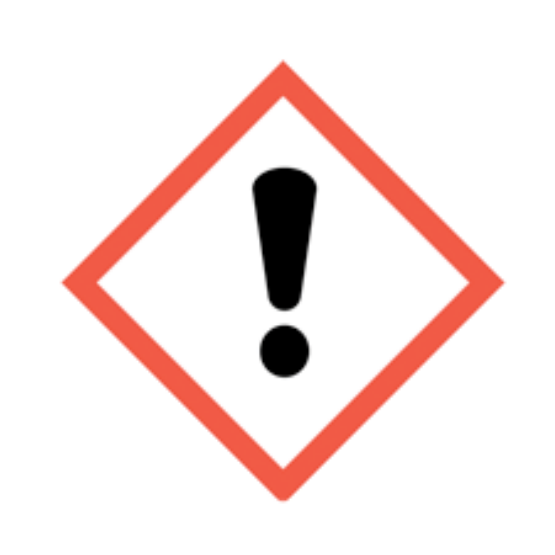 Harmful / irritant
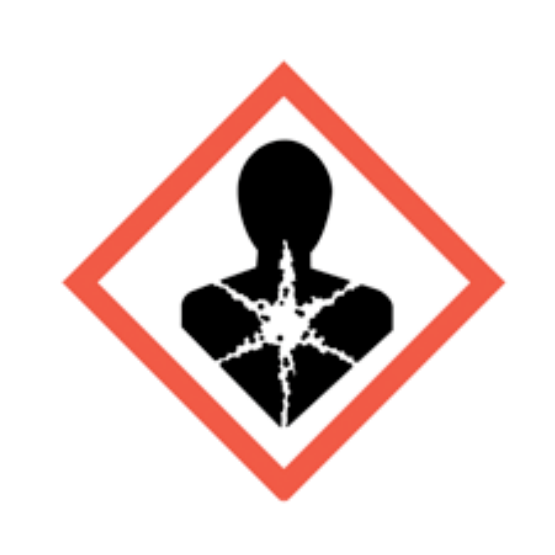 Serious health hazard
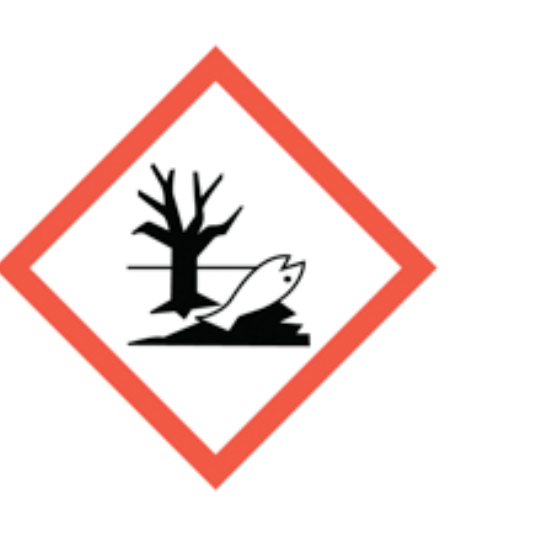 Hazardous to the environment