Carers at work: predictable support and safe cover
Approximately 44–67 minutes
Workplace awareness and prevention. Individual clinical diagnosis and treatment belong with qualified clinicians; protect personal information and use appropriate advice. Check the relevant UK nation and actual workplace arrangements. Completion does not establish practical competence, authorise hazardous work or award an external qualification.
Read the complete core teaching here. Use the interactive course for required activities, saved assessment and conditional completion.
Recognise caring responsibilities
Recognise caring responsibilities
Identify work barriers linked to caring
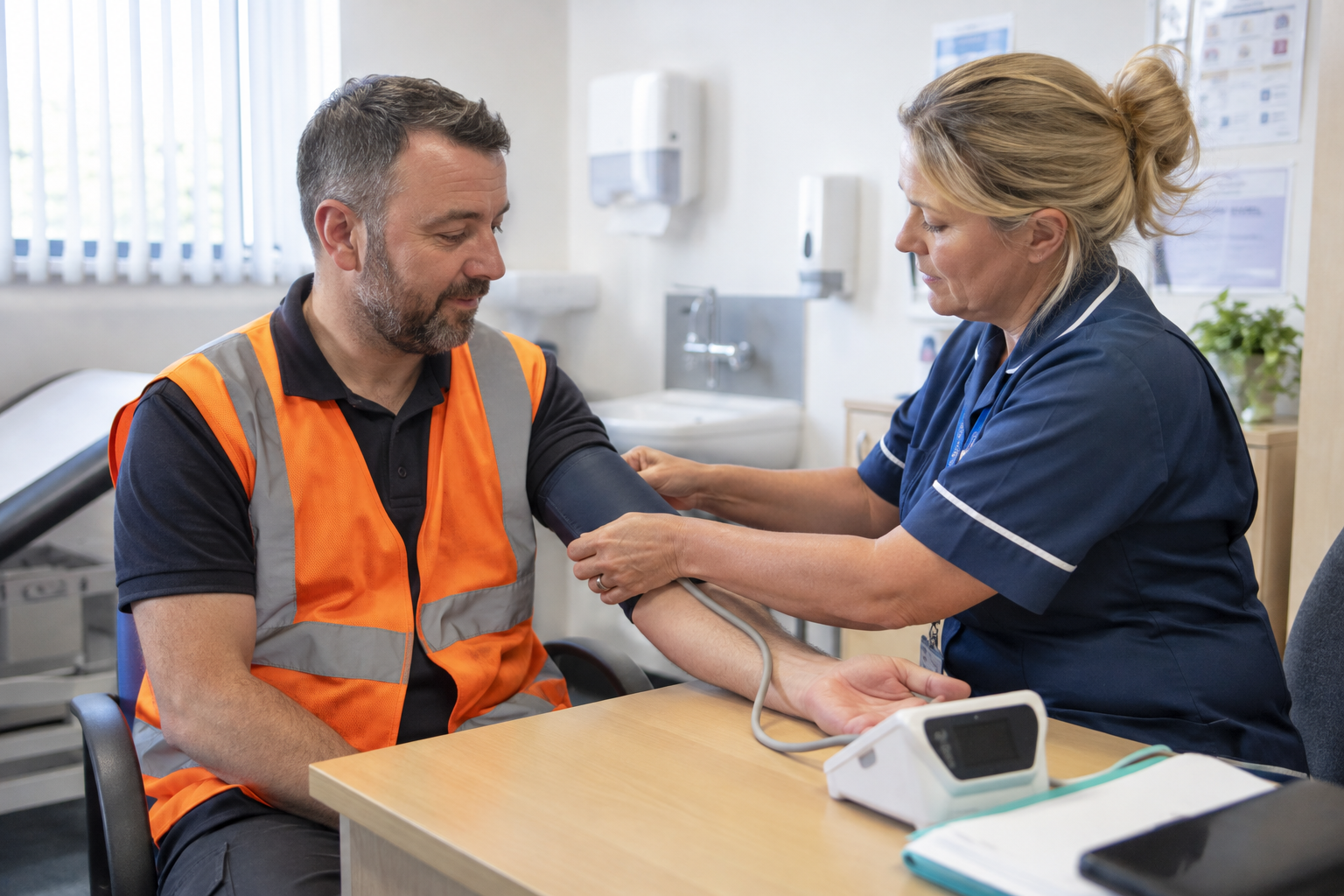
Professional teaching illustration. Read the written scenario for the facts; the image is not evidence of a real workplace.
Workers may care for a relative, friend or neighbour and may not call themselves a carer. Unpredictable shifts, unpaid expenses or short-notice overtime can make care arrangements fail. Ask about the work problem without requesting the dependant’s medical history.
What does carer support at work mean?
Carer support at work means helping employees balance paid work with unpaid caring responsibilities in a fair, confidential and operationally planned way. A carer may support a child, partner, parent, neighbour, friend or relative. The support may involve appointments, medication, transport, personal care, emotional support, finance, supervision, crisis response or coordinating services. Caring can start suddenly after a diagnosis, accident or hospital discharge. It can also build gradually as a person becomes frail or a condition worsens. That means a worker's needs may change over time and may not fit neat annual processes.
Good employers make it easier to talk about caring before it becomes absence, conflict or ill health. They provide clear policies, manager prompts, flexible options and a trusted confidential route.
Fictional workplace decision
Fictional school catering team: a worker requests an earlier finish on regular care days. The supervisor assumes caring means only looking after children and asks for the dependant’s diagnosis before reviewing work.
Compare the reasoning
The supervisor identifies the actual work request and practical barriers privately. The conversation does not need an unnecessary family medical history before discussing a workable pattern and suitable cover. Good employers make it easier to talk about caring before it becomes absence, conflict or ill health. They provide clear policies, manager prompts, flexible options and a trusted confidential route.
Existing SHAREhub photographic illustration. The fictional case supplies the task and decision evidence.
Workers may care for a relative, friend or neighbour and may not call themselves a carer. Unpredictable shifts, unpaid expenses or short-notice overtime can make care arrangements fail. Ask about the work problem without requesting the dependant’s medical history.
What does flexible working and wellbeing mean?
Flexible working and wellbeing describes the relationship between work pattern, work location, work demands, autonomy, recovery and health. The source material frames this well: flexible, hybrid, remote and work-life wellbeing topics concern the fit between work demands and the rest of life. They affect autonomy, recovery, caring, inclusion, isolation and boundaries. That means flexible working is not just an employment form; it is a work-design issue. Good flexibility helps people work well without burning through recovery time, worsening symptoms or excluding those with caring or health needs.
Poor flexibility shifts risk into the home, hides overwork, reduces support, makes some workers feel left behind and creates unclear expectations about availability. Specific official context: HSE Management Standards. HSE GB Management Standards cover demands, control, support, relationships, role and change. Work-design examples are illustrative, not proven individual health outcomes or a statutory flexible-working procedure. Work-design and wellbeing examples require worker consultation and review; potential benefits are not promised clinical outcomes. Statutory requests and disability adjustments have separate GB/NI routes.
Fictional workplace decision
Fictional school catering team: a worker requests an earlier finish on regular care days. The supervisor assumes caring means only looking after children and asks for the dependant’s diagnosis before reviewing work.
Compare the reasoning
The supervisor identifies the actual work request and practical barriers privately. The conversation does not need an unnecessary family medical history before discussing a workable pattern and suitable cover. Good employers make it easier to talk about caring before it becomes absence, conflict or ill health. They provide clear policies, manager prompts, flexible options and a trusted confidential route.
How can caring responsibilities affect work and wellbeing?
Recognise caring responsibilities
Identify work barriers linked to caring
Existing SHAREhub photographic illustration. The fictional case supplies the task and decision evidence.
Workers may care for a relative, friend or neighbour and may not call themselves a carer. Unpredictable shifts, unpaid expenses or short-notice overtime can make care arrangements fail. Ask about the work problem without requesting the dependant’s medical history.
How can caring responsibilities affect work and wellbeing?
Caring responsibilities can affect attendance, sleep, concentration, flexibility, stress, progression, work-life balance and safe performance. Caring pressure can be physical, emotional and administrative. A worker may be lifting or supporting someone at home, attending medical appointments, receiving crisis calls, managing finances, arranging social care or dealing with a loved one's distress. The effect at work may be subtle. The worker may arrive tired, avoid overtime, need to keep a phone on, request predictable shifts, take sudden absence or struggle with concentration after nights of disturbed sleep.
A supportive manager treats these signs as a prompt for a private conversation, not a conduct label. The question is what arrangement would help the worker perform well while keeping work safe.
Fictional workplace decision
Fictional school catering team: a worker requests an earlier finish on regular care days. The supervisor assumes caring means only looking after children and asks for the dependant’s diagnosis before reviewing work.
Compare the reasoning
The supervisor identifies the actual work request and practical barriers privately. The conversation does not need an unnecessary family medical history before discussing a workable pattern and suitable cover. Good employers make it easier to talk about caring before it becomes absence, conflict or ill health. They provide clear policies, manager prompts, flexible options and a trusted confidential route.
Existing SHAREhub photographic illustration. The fictional case supplies the task and decision evidence.
Separate planned caring leave, an unexpected dependant emergency and a request for flexible working. Eligibility, notice, pay and statutory rules depend on the route and jurisdiction. HR should check the current position, particularly for Northern Ireland.
What should managers do and avoid?
Managers should make flexible working practical, fair and reviewable without turning the conversation into diagnosis, surveillance or favouritism. The manager's role is to understand the work impact, explain operational constraints, explore workable options and agree reviewable actions. A good manager does not need to know every private detail of a person's home life, medical history or caring arrangement. They need enough information to make a fair work decision and provide support. This section is useful for manager training because it turns the topic into behaviour: what to ask, what to record, what to protect, and what to avoid.
Specific official context: HSE Management Standards. HSE GB Management Standards cover demands, control, support, relationships, role and change. Work-design examples are illustrative, not proven individual health outcomes or a statutory flexible-working procedure. Work-design and wellbeing examples require worker consultation and review; potential benefits are not promised clinical outcomes. Statutory requests and disability adjustments have separate GB/NI routes.
Fictional workplace decision
Fictional school catering team: a worker requests an earlier finish on regular care days. The supervisor assumes caring means only looking after children and asks for the dependant’s diagnosis before reviewing work.
Compare the reasoning
The supervisor identifies the actual work request and practical barriers privately. The conversation does not need an unnecessary family medical history before discussing a workable pattern and suitable cover. Good employers make it easier to talk about caring before it becomes absence, conflict or ill health. They provide clear policies, manager prompts, flexible options and a trusted confidential route.
Professional teaching illustration. Read the written scenario for the facts; the image is not evidence of a real workplace.
Separate planned caring leave, an unexpected dependant emergency and a request for flexible working. Eligibility, notice, pay and statutory rules depend on the route and jurisdiction. HR should check the current position, particularly for Northern Ireland.
How should employers support working carers?
Employers should support carers through clear policy, private conversations, flexible options, workload planning, signposting and regular review. Support starts with recognition. A policy should define caring broadly enough to include partners, relatives, friends, neighbours and people who rely on the worker. It should also make clear that support is available without stigma. A practical support plan may include predictable shifts, changed start times, remote work, agreed phone access, appointment flexibility, temporary workload adjustment, access to a quiet space for calls, emergency contacts, or signposting to carer assessment and advice services.
Review is essential because caring rarely stays static. A hospital discharge, change in medication, new care package, diagnosis or deterioration can change what the worker needs.
Fictional workplace decision
Fictional school catering team: a worker requests an earlier finish on regular care days. The supervisor assumes caring means only looking after children and asks for the dependant’s diagnosis before reviewing work.
Compare the reasoning
The supervisor identifies the actual work request and practical barriers privately. The conversation does not need an unnecessary family medical history before discussing a workable pattern and suitable cover. Good employers make it easier to talk about caring before it becomes absence, conflict or ill health. They provide clear policies, manager prompts, flexible options and a trusted confidential route.
Existing SHAREhub photographic illustration. The fictional case supplies the task and decision evidence.
Separate planned caring leave, an unexpected dependant emergency and a request for flexible working. Eligibility, notice, pay and statutory rules depend on the route and jurisdiction. HR should check the current position, particularly for Northern Ireland.
How should managers hold wellbeing conversations?
Managers should ask about work barriers, support and review, not diagnose the person or collect unnecessary clinical detail. A good conversation is private, calm and practical. The manager should ask what is working, what is harder, whether work is affecting health or recovery, what support might help, what should remain confidential, what can be shared with others, and when the arrangement should be reviewed. Managers should also be honest about operational needs. Supportive management does not mean saying yes to every request; it means exploring options properly, explaining constraints, considering alternatives and avoiding assumptions.
Specific official context: GOV.UK GB flexible working; GB applying for flexible working; GB flexible working decisions; NI flexible working and work-life balance. Work-design and wellbeing examples require worker consultation and review; potential benefits are not promised clinical outcomes. Statutory requests and disability adjustments have separate GB/NI routes.
Fictional workplace decision
Fictional school catering team: a worker requests an earlier finish on regular care days. The supervisor assumes caring means only looking after children and asks for the dependant’s diagnosis before reviewing work.
Compare the reasoning
The supervisor identifies the actual work request and practical barriers privately. The conversation does not need an unnecessary family medical history before discussing a workable pattern and suitable cover. Good employers make it easier to talk about caring before it becomes absence, conflict or ill health. They provide clear policies, manager prompts, flexible options and a trusted confidential route.
Existing SHAREhub photographic illustration. The fictional case supplies the task and decision evidence.
Record an agreed contact method, working pattern, cover and review date. A supportive promise is ineffective if the supervisor still allocates unplanned overtime. Review workload and safety-sensitive work when caring demands have disrupted sleep or concentration.
Choose the caring request route and secure safe cover
A planned appointment, an unforeseen dependant emergency and a recurring shift-pattern request need different routes. Establish the work location and the actual request before applying the GB or NI guidance already set out below. An informal arrangement may be agreed promptly while a separate entitlement or longer-term request is considered. For safety-critical cover, ask when the worker needs to leave, what duties must transfer and who is competent to take over. A rota record needs the agreed availability and review date, not the dependant’s diagnosis.
A caring-related fatigue concern also needs a safe-work response; do not turn it automatically into a conduct issue or ask the worker to find unqualified cover. Illustrative example. A fictional lifeguard requests predictable early finishes for recurring care, then has an unforeseen emergency on another day. Decision. The manager treats the two requests separately, arranges qualified relief and agrees an interim rota while HR checks the location-specific route. Evidence to check. Request type, work location, agreed availability, competent cover and a private record of the arrangement.
Hold or escalation point. No uncovered water-supervision period and no demand for unnecessary clinical details about the dependant. Follow-up. Review the trial rota with the worker and check fairness across shifts before making it the ongoing arrangement. Read with: GOV.UK unpaid carer’s leave · Acas carer’s leave · GOV.UK flexible working.
Fictional workplace decision
Fictional school catering team: a worker requests an earlier finish on regular care days. The supervisor assumes caring means only looking after children and asks for the dependant’s diagnosis before reviewing work.
Compare the reasoning
The supervisor identifies the actual work request and practical barriers privately. The conversation does not need an unnecessary family medical history before discussing a workable pattern and suitable cover. Good employers make it easier to talk about caring before it becomes absence, conflict or ill health. They provide clear policies, manager prompts, flexible options and a trusted confidential route.
Existing SHAREhub photographic illustration. The fictional case supplies the task and decision evidence.
Record an agreed contact method, working pattern, cover and review date. A supportive promise is ineffective if the supervisor still allocates unplanned overtime. Review workload and safety-sensitive work when caring demands have disrupted sleep or concentration.
How should monitoring and privacy be handled?
Monitoring remote workers requires a defined lawful purpose, transparency, proportionality and care with health data. Judge work outcomes and hazards without collecting unnecessary private home or medical information. Government workplace-monitoring guidance applies to flexible and home working, where monitoring can affect private life. Monitoring may include productivity tools, device logs, keystroke activity, webcams, location tracking, call recording, email review or wellbeing analytics. Some monitoring can be justified, but excessive monitoring can undermine trust and mental wellbeing. Before monitoring is introduced, the organisation should define the purpose, lawful basis, necessity, proportionality, data minimisation, access, retention, worker information and whether a data protection impact assessment is needed.
UK government workplace monitoring basics support justified monitoring, worker information and a policy. Detailed lawful-basis, special-category, DPIA, retention and automated-decision implementation need current specialist evidence and approval. Check GOV.UK workplace monitoring for the stated scope. The detailed DPIA, lawful-basis, special-category health information, automated decision, access and retention rows are review prompts. The government monitoring page supports basic justification and information; it does not approve those legal designs.
Fictional workplace decision
Fictional school catering team: a worker requests an earlier finish on regular care days. The supervisor assumes caring means only looking after children and asks for the dependant’s diagnosis before reviewing work.
Compare the reasoning
The supervisor identifies the actual work request and practical barriers privately. The conversation does not need an unnecessary family medical history before discussing a workable pattern and suitable cover. Good employers make it easier to talk about caring before it becomes absence, conflict or ill health. They provide clear policies, manager prompts, flexible options and a trusted confidential route.
Which legal duties apply to carer support at work?
Make the agreement operational
Arrange reliable cover
Professional teaching illustration. Read the written scenario for the facts; the image is not evidence of a real workplace.
Record an agreed contact method, working pattern, cover and review date. A supportive promise is ineffective if the supervisor still allocates unplanned overtime. Review workload and safety-sensitive work when caring demands have disrupted sleep or concentration.
Which legal duties apply to carer support at work?
Employment rights differ by jurisdiction; safety and privacy duties require a separate work-risk and information-handling decision.
The GB Carer’s Leave Act 2023 and Carer’s Leave Regulations 2024, the GB flexible-working changes and Acas guidance should not be copied into NI policy as if they apply there. In NI, use nidirect and NI employment legislation for statutory requests and dependant emergencies. Caring status alone does not automatically create a reasonable-adjustments duty; disability, association, sex or other protected-characteristic issues require fact-specific equality advice under the correct GB or NI law.
Where disrupted sleep or competing demands affect safety-critical work, assess the work hazard—hours, workload, breaks, supervision and task allocation—without demanding unnecessary family or medical detail. Limit access to confidential support records, and record only arrangements needed to implement and review them.
Fictional workplace decision
Fictional school catering team: a worker requests an earlier finish on regular care days. The supervisor assumes caring means only looking after children and asks for the dependant’s diagnosis before reviewing work.
Compare the reasoning
The supervisor identifies the actual work request and practical barriers privately. The conversation does not need an unnecessary family medical history before discussing a workable pattern and suitable cover. Good employers make it easier to talk about caring before it becomes absence, conflict or ill health. They provide clear policies, manager prompts, flexible options and a trusted confidential route.